智能手机

Search documents
恒指收跌22点,港股表现反复
Guodu Securities Hongkong· 2025-10-17 02:25
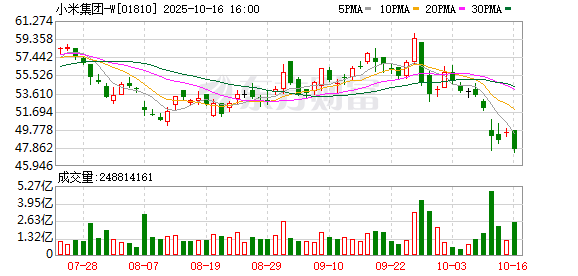
Core Insights - The Hang Seng Index closed down 22 points, reflecting a volatile performance in the Hong Kong stock market, with significant fluctuations throughout the trading day [3][4] - The technology sector negatively impacted the market, with major companies like Xiaomi, Tencent, and Meituan experiencing declines [4] - The overall market saw a net inflow of capital from the north, amounting to 158.21 million [3] Market Performance - The Hang Seng Index opened lower at 25,890 points, peaked at 26,062 points, but ultimately closed at 25,888 points, down 0.09% [3] - Among 88 blue-chip stocks, 46 rose while 40 fell, indicating mixed performance across sectors [4] - The trading volume for the day was 27.54 billion [3] Technology Sector Developments - The Hong Kong Science Park Company announced the development of the INNOPOLE project, aimed at fostering innovation and economic growth in Hong Kong, with an initial phase covering approximately 2.5 hectares [7] - The Hong Kong Stock Exchange reported a significant increase in the number of hard technology companies applying for listings, with about 280 companies currently in the application process, half of which are technology firms [8] Smartphone Market Insights - In the third quarter, smartphone shipments in mainland China decreased by 2.75% year-on-year, with Vivo leading the market share at 18% despite a 9.23% decline in shipments [9] - The overall smartphone market has seen consecutive declines, but the rate of decline is narrowing, suggesting potential recovery in the upcoming quarter [9] Company-Specific News - Xtep International reported low single-digit growth in retail sales for the third quarter, with inventory turnover ranging from 4 to 4.5 months [11] - Hansoh Pharmaceutical entered a licensing agreement with Roche, receiving an upfront payment of $80 million (approximately 624 million HKD) and potential milestone payments totaling up to $1.45 billion (approximately 1,131 million HKD) [12] - China Tower reported a 6.81% year-on-year increase in profit for the first nine months, with total revenue growing by 2.58% [13] - China Pacific Insurance expects a net profit increase of approximately 40% to 60% for the first three quarters, driven by improved operational management and capital market performance [14]




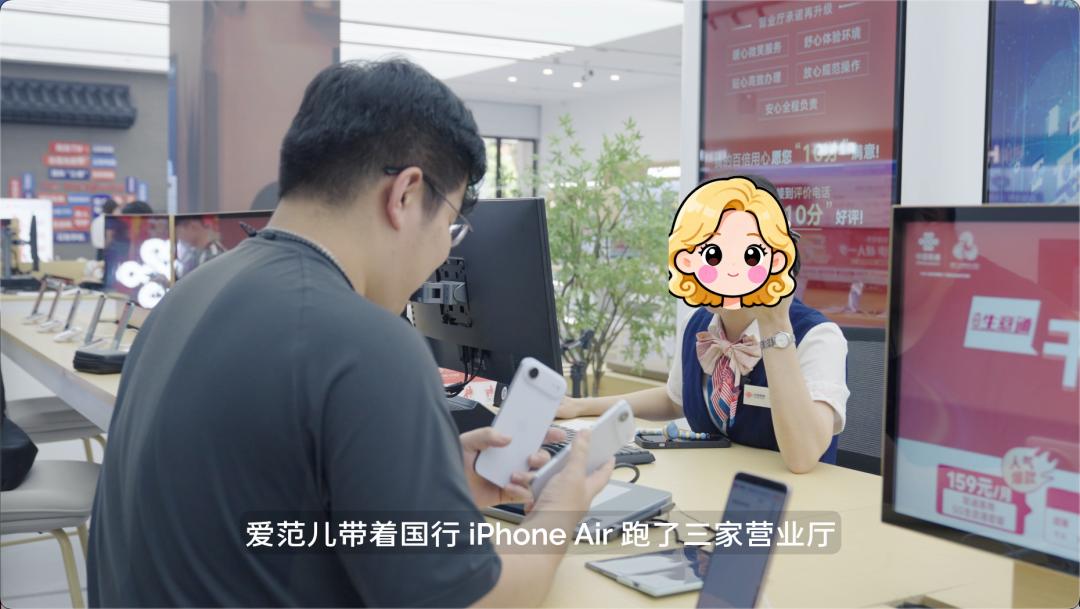
国行 iPhone Air 首发实测:跑遍运营商,eSIM 的坑我们帮你都踩了
3 6 Ke· 2025-10-17 01:45
Core Insights - The first domestic smartphone without a physical SIM card slot, the iPhone Air, has been launched, but the overall experience of activating eSIM in China is not ideal due to initial operational challenges and policy restrictions [1][17] Group 1: eSIM Activation Process - The process of converting a physical SIM to eSIM is similar to traditional SIM activation, taking about 5 minutes for the actual writing process, although additional time is spent on explanations and signing agreements [2][11] - Users must be physically present in the area of their original number to convert to eSIM, which can be inconvenient for those living in major cities away from their number's registered location [4][16] Group 2: Cost and Package Concerns - There are no additional fees for converting from a physical SIM to eSIM, although some users reported a temporary charge that was refunded [11] - Existing mobile plans can be retained without changes or extra fees when switching to eSIM, including bundled services [12] Group 3: eSIM Migration and Management - Users must visit a physical store to migrate eSIM to a new device or revert to a physical SIM, with a limit of five card replacements per month [14][16] - The current eSIM activation process is more cumbersome compared to overseas experiences, primarily due to the strong reliance on in-store procedures [16] Group 4: International Use and Compatibility - The iPhone Air can activate eSIM for domestic use, but it cannot write or activate foreign carrier eSIMs within China [8][9] - The device is designed to support global carrier frequencies, suggesting potential for international eSIM activation, though this remains untested [9]


一部会进化的AI手机长这样
2 1 Shi Ji Jing Ji Bao Dao· 2025-10-17 00:44
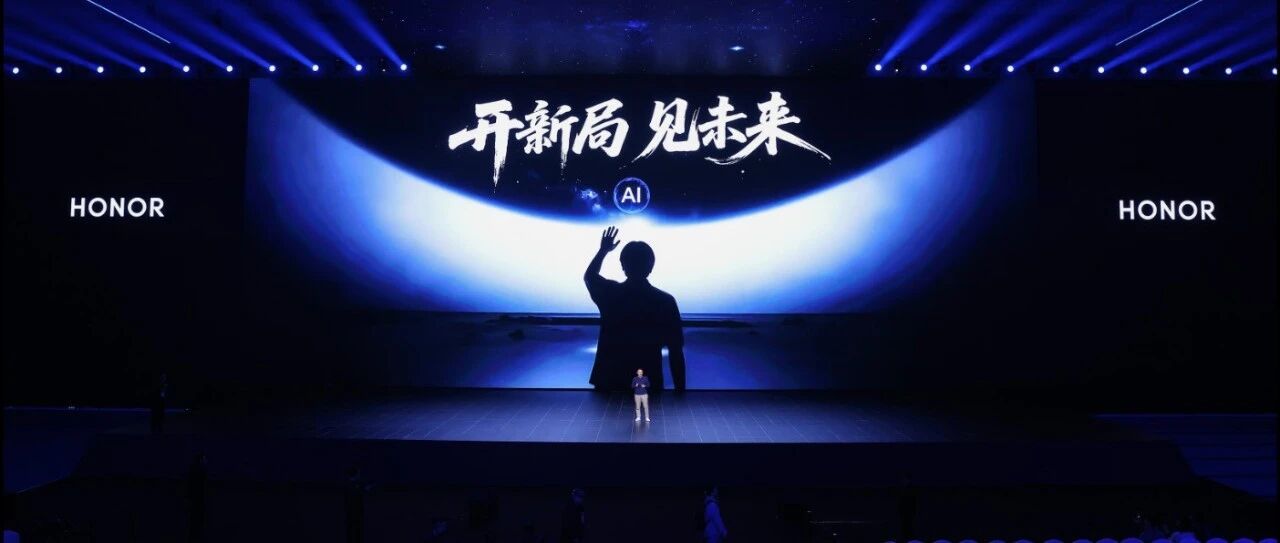
Core Insights - The article highlights the launch of the Honor Magic8 series, which is positioned as the first self-evolving AI native smartphone, redefining the concept of AI in mobile technology [1][2] - Honor aims to leverage AI technology to transform smartphones from mere tools into intelligent partners, emphasizing the importance of self-learning and growth capabilities [1][3] Group 1: AI Evolution and Native Integration - The Magic8 smartphone features two core pillars: self-evolution and AI native capabilities, enabling it to learn and adapt to user behavior [2] - The YOYO intelligent agent continuously learns user preferences and can provide personalized recommendations, showcasing a shift from traditional command execution to contextual understanding [3] - Honor employs a "LLM creative engine + evolution algorithm screening framework" to allow the Magic8's AI model to evolve uniquely with each user's interaction [3][4] Group 2: AI Operating System and Performance - The Magic8 series is powered by the upgraded MagicOS 10, where AI is integrated at the system level, enhancing its operational capabilities [5][6] - The YOYO intelligent agent serves as the system's core, capable of executing tasks across over 3,000 scenarios, thus transforming the smartphone into an active partner [7] - The Magic8 Pro features advanced imaging capabilities, including a 200 million pixel night vision lens and AI stabilization, setting a new standard in mobile photography [8] Group 3: Market Position and Competitive Landscape - The Magic8 series is described as the "8848 peak flagship," representing a comprehensive upgrade in AI technology, system ecology, imaging breakthroughs, and performance [7] - Honor's market share has significantly rebounded, re-entering the top five in the Chinese market following the launch of the Magic8, indicating a successful alignment with its AI strategy [8] Group 4: AI Ecosystem and Interconnectivity - The smartphone market is undergoing a reshuffle, with global manufacturers competing in AI chip and computing power, while Chinese brands focus on system-level innovations [9][10] - Honor's strategy emphasizes ecological coexistence and user participation in AI development, allowing users to request new features directly [11][12] - The Magic8 supports cross-brand connectivity, enabling seamless interaction with devices from other brands, thus promoting industry-wide AI interoperability [12]
蔚来遭新加坡主权基金诉讼?知情人士:三年前就已澄清;董明珠回应在外霸道私下可爱:工作上一定要霸道;一具身智能明星企业原地解散
雷峰网· 2025-10-17 00:44
Key Points - NIO is facing a lawsuit from Singapore's sovereign wealth fund GIC, but the allegations were clarified three years ago, stemming from a short-selling report by Grizzly Research in June 2022 [2][3] - Honor's imaging team claims to have reached a competitive level with peers, expressing confidence in competing with Apple across multiple dimensions [4] - Lei Jun emphasizes that the development of smart connected vehicles is not a zero-sum game and calls for industry collaboration to resist negative online practices [5] - Dong Mingzhu asserts the importance of strict management principles in her leadership style, while also announcing plans for Gree Electric's expansion in Northern Europe [6][7] - Xiaopeng Motors plans to mass-produce flying cars next year, with a production capacity of 10,000 units annually, aiming for a market share surpassing traditional cars [11] - Geely's founder's son's startup in embodied intelligence has reportedly disbanded shortly after its establishment [13] - Meituan's CEO discusses the need for structural cost advantages in the restaurant industry rather than relying on internal competition [14] - Ant Group has restructured its content business by forming a new AIRS department to integrate search, advertising, and recommendation capabilities, focusing on AI-driven development [21] - Fuyao Glass announces a leadership change with Cao Dewang stepping down as chairman, while Cao Hui is elected as the new chairman [22] - Polestar has closed its last direct sales store in China but continues to focus on production for international markets [19][20]


一部会进化的AI手机长这样
21世纪经济报道· 2025-10-17 00:38
Core Viewpoint - The article emphasizes that the AI wave is rapidly transitioning from laboratories to everyday life, with Honor's Magic 8 series redefining the concept of AI smartphones through "self-evolution" [1][3]. Group 1: AI Evolution and Native Capabilities - Magic 8 is described as the strongest AI smartphone, characterized by its self-evolution and AI-native capabilities, allowing it to learn and grow alongside the user [3][4]. - The YOYO intelligent agent within Magic 8 continuously learns user behavior and preferences, enabling personalized decision-making and recommendations [4][5]. - Honor employs a "LLM Creative Engine + Evolution Algorithm Screening Framework" to facilitate the self-evolution of the AI model, allowing each device to develop a unique "personalized intelligent gene" [5][7]. Group 2: AI Operating System and User Interaction - The upgraded MagicOS 10 integrates AI as a core component, transforming the smartphone from a passive tool to an active partner capable of understanding and executing tasks autonomously [7][8]. - The YOYO intelligent agent can identify user intent and execute tasks across over 3,000 scenarios, enhancing user interaction and experience [8][10]. - The AI imaging system in Magic 8 Pro features advanced capabilities, including a "2 billion ultra-night long-focus" and real-time optimization for various photography scenarios [10][11]. Group 3: Market Position and Competitive Landscape - Honor's strategic positioning with the Magic 8 series aims to redefine the industry ceiling for AI smartphones, showcasing significant advancements in AI technology, system ecology, imaging breakthroughs, and performance [8][11]. - The release of Magic 8 has led to a notable recovery in Honor's market share, re-entering the top five in the Chinese market, indicating the successful execution of its AI strategy [11][12]. - The article highlights the competitive landscape in the smartphone market, where global manufacturers are racing in AI chip and computing power, while Chinese brands like Honor leverage system-level innovations to establish differentiated advantages [11][12]. Group 4: AI Ecosystem and Interconnectivity - Honor's approach extends AI capabilities beyond individual devices to a fully interconnected ecosystem, allowing seamless transitions between smartphones, tablets, PCs, and other devices [12][13]. - The "wish pool" mechanism enables users to directly request new features, fostering a participatory growth model for the AI system [15][16]. - Magic 8 supports cross-brand connectivity, breaking down ecosystem silos and promoting industry-wide AI interoperability, reflecting a broader technological confidence within the Chinese smart industry [15][16].
“交锋”小米卢伟冰:“破内卷”,以创新“立潮头”
Ren Min Wang· 2025-10-17 00:23
Core Insights - Xiaomi's 17 series launch in September set a record for domestic smartphone sales and revenue in 2025, showcasing the company's evolution from a startup to a competitive player against international giants [2] - The introduction of the "back screen" feature in the 17 series reflects Xiaomi's shift from merely competing in the smartphone market to innovating across a broader ecosystem, emphasizing the company's commitment to enhancing user experience through technology [3][4] Product Innovation - The "back screen" feature was developed to reignite user interest in smartphone functionalities, integrating hardware and software to improve user interaction in various scenarios like travel and food delivery [3] - Xiaomi invested approximately 1 billion yuan in research and production for the "back screen" feature in the 17 series, highlighting the company's focus on substantial R&D investment [3] Strategic Positioning - Xiaomi's high-end strategy, initiated in 2020, has evolved from learning from Apple to directly competing with it in product positioning and launch timing, marking a significant shift in the competitive landscape of the smartphone industry [4] - The company aims to build a "human-vehicle-home ecosystem," leveraging synergies between its smartphone, IoT, and automotive businesses to enhance user convenience and experience [5] Transformation Goals - Xiaomi is transitioning from an internet company to a "hardcore technology company," with a focus on global competitiveness and showcasing Chinese technological strength [6] - The company plans to increase its R&D investment to 30 billion yuan this year, nearly tripling its investment from five years ago, with a focus on core technologies like chips and AI [6] Market Strategy - Xiaomi emphasizes a "localization + model output" strategy for international expansion, aiming to adapt its successful domestic business model to global markets while respecting local regulations and market conditions [9] - The company seeks to avoid price wars and instead focuses on enhancing product value and innovation to stimulate demand and drive industry progress [8] Competitive Landscape - Xiaomi acknowledges the need to improve in foundational technology areas compared to global leaders, emphasizing the importance of global vision and compliance capabilities for successful international operations [10] - The company aims to achieve the position of "global hardcore technology leader" by mastering core technologies and fostering open innovation partnerships [11]
市场分化 手机厂商发力区域化运营
Zheng Quan Ri Bao· 2025-10-16 16:11
Core Insights - The global smartphone market maintained a growth trend in Q3 2025, with a year-on-year shipment increase of 4% according to Counterpoint Research [1] - The growth is driven by a mix of factors including mature and growth markets, high-end and budget 5G devices, inventory adjustments, and seasonal demand, indicating a new "differentiated recovery" phase in the industry [1] Market Performance - North America and Europe experienced a decline in smartphone shipments, while strong performances in India, the Middle East and Africa (MEA), and parts of Asia-Pacific contributed to overall global growth [1] - Demand for high-end models remains strong in developed markets, while budget 5G devices are increasingly favored in growth markets like India and MEA [1] Brand Analysis - Samsung maintained its position as the leading global smartphone brand with a 19% market share and a 6% year-on-year increase in shipments, driven by the strong performance of the Galaxy A series and the new Galaxy Z Fold7 [2] - Apple saw a 9% year-on-year increase in shipments, making it the fastest-growing brand among the top five, with significant growth in Japan, China, Western Europe, and other parts of Asia-Pacific [2] Competitive Landscape - Xiaomi ranked third with a 14% market share and a 2% year-on-year increase, benefiting from partnerships, promotions, and a strong presence in the mid-range segment in Southeast Asia, MEA, and Latin America [3] - OPPO and vivo ranked fourth and fifth, respectively, with OPPO achieving growth through budget 5G models in Southeast Asia and MEA, while vivo expanded its presence in the MEA market [3] Strategic Shifts - The trend of "global one-size-fits-all" strategies among smartphone brands is weakening, with a shift towards more localized operations to capture opportunities in differentiated markets [3] - Companies must innovate in the high-end market to maintain brand image and profits while also offering competitive budget 5G devices in growth markets to expand their customer base [3] - AI and foldable screens are becoming key differentiators for brands, providing avenues for innovation and competitive advantage in a saturated market [3]
覆盖全价格段市场?分析师预计苹果将逐年增加iPhone机型,2027年达到六款
Hua Er Jie Jian Wen· 2025-10-16 13:36
Core Insights - Apple is expected to significantly adjust its iPhone release strategy to align with the folding screen trend and capture more market share, with projections indicating an increase in the number of annual iPhone models to six by 2027 [1][2] Group 1: iPhone Model Growth - Analyst Park Kang-ho predicts a gradual expansion of Apple's product line, with the total number of iPhone models expected to reach five this year due to the introduction of the iPhone 16e, following four models launched last year [1][2] - The peak of this product expansion is anticipated in 2027, when Apple may launch six iPhone models simultaneously, including the flagship iPhone 17 series and potentially a low-cost iPhone 17e [2] - In 2026, Apple plans to introduce its first folding screen iPhone, which is crucial for the company's product lineup, and may pause the release of the base model iPhone 18 to accommodate this new addition [2] Group 2: Strategic Adjustments to Compete with Android - The core motivation behind Apple's adjustment in release strategy is to build a comprehensive product matrix to counter the intense competition from the Android ecosystem [3] - By offering a complete product line that caters to both entry-level consumers and high-end users, including high-end folding screen phones, Apple aims to expand its customer base and increase annual shipment volumes [3] - Apple's existing advantages in its software and hardware ecosystem, along with ongoing investments in self-developed chips, are expected to enhance product performance, battery life, and overall user experience, supporting the expansion of its product line [3]
你口袋里的AI革命,开始了
华尔街见闻· 2025-10-16 13:36
Core Viewpoint - The article discusses the emergence of AI Phones, particularly the Honor Magic8 series, as a transformative force in the smartphone industry, marking a shift towards AI-driven consumer experiences and reshaping the e-commerce landscape [2][11][29]. Group 1: AI Phone Revolution - The Honor Magic8 series is the first "self-evolving AI native phone," which signifies the beginning of the AI Phone era, enhancing user experience from passive service seeking to active service provision [2][4]. - The YOYO intelligent system embedded in the Magic8 can optimize consumer decisions across various daily life scenarios, indicating a significant upgrade in the AI Phone industry chain [4][10]. - The AI Phone is expected to drive a new wave of growth in the smartphone market, addressing the long replacement cycles of devices, which have extended to an average of 43 months [16][17]. Group 2: E-commerce Transformation - The YOYO intelligent system addresses the complexities of shopping apps, enabling automatic discount calculations across multiple platforms, thus improving user decision-making efficiency [10][11]. - The introduction of AI intelligent systems is set to disrupt traditional e-commerce value chains by shifting the focus from traffic bidding to demand matching, allowing businesses to gain exposure by meeting user needs rather than competing for visibility [11][12]. - Analysts predict that the application market for enterprise-level intelligent systems in China could exceed $27 billion by 2028, highlighting the growing importance of AI in driving economic growth [12]. Group 3: Future of AI Devices - The Honor Magic8 series, equipped with the MagicOS 10, aims to create a fully interconnected ecosystem across various operating systems, marking a significant step towards a comprehensive AI terminal ecosystem [20][23]. - The exploration of future devices like the Robot Phone indicates a strategic shift for Honor from a smartphone manufacturer to an AI terminal ecosystem company, emphasizing the need for rich AI application scenarios [21][22]. - The focus on hardware-level security and localized data processing in AI Phones positions them as ideal carriers for user preference data, enhancing privacy and personalization [26][27].

荣耀Magic8来了!用“自进化”为AI原生手机打个样
第一财经· 2025-10-16 12:30
Core Viewpoint - The smartphone industry is experiencing stagnation and innovation fatigue, leading to longer replacement cycles and cautious consumer attitudes towards AI phones. The release of the Honor Magic8 series aims to redefine the concept of AI smartphones by transforming them from passive tools into proactive intelligent partners [1][4][5]. Group 1: Redefining AI Smartphones - Honor Magic8 series introduces "self-evolving AI native" as its core concept, marking a new era for smartphones where devices can learn and evolve over time [2][4]. - The CEO of Honor emphasizes that AI technology should not merely follow commands but possess autonomous learning and continuous evolution capabilities [4][5]. Group 2: Technological Breakthroughs - Honor collaborates with Qualcomm to enhance the Snapdragon 8 Gen 2 chip, focusing on two key technologies: low-bit quantization and vector retrieval, resulting in a 15% increase in inference speed, 20% reduction in power consumption, and 30% decrease in memory usage [7]. - The YOYO intelligent system in the Magic8 series achieves a multi-modal understanding accuracy of 91.5%, enabling it to execute complex tasks autonomously, such as scheduling meetings and generating documents without user intervention [8][9]. Group 3: User-Centric Approach - Honor's strategy emphasizes breaking the disconnect between technology and user needs, transforming AI from a technical concept into a personal productivity tool [12]. - The opening of the Shenzhen Alpha flagship store serves as a platform for users to interact with AI technology, providing a hands-on experience that highlights the practical applications of AI in daily life [15][16]. Group 4: Privacy and Security - Honor prioritizes privacy protection by ensuring that all sensitive data is stored locally on the device rather than in the cloud, addressing user concerns about data security [16]. - The implementation of local encryption for user data processing enhances the reliability of AI functionalities, making it suitable for business users who require confidentiality [16]. Group 5: Comprehensive Product Strength - The Honor Magic8 series is characterized by eight leading AI technologies and eight core AI experiences that integrate seamlessly into daily life, enhancing the overall user experience [17]. - The series also boasts top-tier hardware configurations across various aspects, including imaging, performance, and privacy security, establishing it as a benchmark for AI smartphones [17]. Group 6: Strategic Ecosystem Development - The Magic8 series is a key component of Honor's "Alpha Strategy," which aims to create an open and collaborative ecosystem centered around edge AI, breaking away from traditional cloud-centric models [19][22]. - Honor's approach contrasts with competitors by promoting an open ecosystem that allows developers to integrate their solutions, fostering innovation and collaboration within the AI space [22].