美妆

Search documents
AI+精准护肤,珀莱雅首次与合成生物学企业达成战略级合作
合成生物学与绿色生物制造· 2025-05-23 00:57
Core Viewpoint - Bota Bio and Proya have entered a strategic partnership to integrate synthetic biology, artificial intelligence, and biomanufacturing for innovation in cosmetic ingredients and sustainable practices [1][3][4]. Group 1: Technological Innovation - The collaboration aims to reshape the paradigm of cosmetic ingredient development through an intelligent development system that combines high-throughput screening and machine learning, with a goal to create an innovative matrix of over 50 bioactive ingredients within three years [3]. - Three patented ingredients targeting sensitive skin repair and photo-aging protection are already in the pilot testing phase [3]. - Proya's Chief R&D Officer, Dr. Sun Peiwen, stated that they are establishing the industry's first AI model for evaluating the efficacy of bioactive ingredients, which is expected to enhance R&D efficiency by 300% [3]. Group 2: Market Transformation - The partnership will pioneer a new segment in "precision biological skincare," utilizing Bota Bio's modular biosynthesis technology to develop intelligent skincare products that adapt dynamically to different skin types and environmental conditions [3]. - The first product featuring "environment-responsive active ingredients" is anticipated to launch in 2025, with technology that allows ingredient activity to adjust automatically based on UV intensity [3]. Group 3: Sustainable Development - The collaboration aims to establish the beauty industry's first "negative carbon raw material" development standard, replacing traditional chemical extraction with biomanufacturing, which is projected to reduce the carbon footprint of raw material production by 65% [4]. - Progress has been made in developing biodegradable packaging materials [4]. - Bota Bio's CEO, Dr. Cui Hao, emphasized the need to redefine the beauty industry boundaries, asserting that beauty should not come at the expense of the environment [4].



财信证券晨会纪要-20250523
Caixin Securities· 2025-05-22 23:48
Core Insights - The report highlights a mixed performance in the A-share market, with the overall trend showing a decline across major indices, particularly in the small-cap sector [6][8] - The banking sector is noted for its resilience, with recent interest rate cuts expected to support net interest margins and attract cautious investors [8][23] - The renewable energy sector, particularly solar power, has shown significant growth, with a 75% year-on-year increase in installed capacity in the first four months of 2025 [25] Market Overview - The A-share market has a total market capitalization of 650258 billion, with the Shanghai Composite Index at a PE ratio of 11.94 and a PB ratio of 1.24 [3] - The Shenzhen Component Index has a higher PE ratio of 20.11, indicating a more expensive valuation compared to the Shanghai index [3] - The ChiNext Index shows a high PE ratio of 26.95, reflecting its growth-oriented nature [3] Economic Indicators - The People's Bank of China conducted a 1545 billion reverse repurchase operation, indicating a proactive approach to manage liquidity in the market [15] - Retail sales of home appliances have maintained double-digit growth for eight consecutive months, with a notable 38.8% increase in April [17] - The total loan balance for technology-based SMEs reached 3.3 trillion, marking a 24% year-on-year increase [20] Industry Dynamics - The banking sector is adjusting deposit rates downward, which is expected to stabilize the net interest margin and support the overall financial system [23] - The power industry reported a 15.9% increase in total installed capacity, with solar energy leading the growth [25] - The collaboration between Proya and Bota Bio aims to leverage synthetic biology for innovation in cosmetics, indicating a trend towards integrating advanced technologies in traditional industries [26][27] Company Developments - Proya has entered a strategic partnership with Bota Bio to explore breakthroughs in beauty science through biotechnology [26][27] - Heng Rui Pharmaceutical received approval for its innovative drug, a combination of DPP-4 inhibitor and metformin, which is expected to enhance its market position in diabetes treatment [28][29] - Guokai Microelectronics is planning a major asset restructuring, focusing on semiconductor manufacturing, which could significantly impact its future growth trajectory [30][31]
透视「硬核」品牌榜:品牌消费归来,但增长逻辑已变
36氪· 2025-05-22 13:14
Core Viewpoint - The article emphasizes that the Chinese consumer market has entered a new phase where product innovation and brand value are converging, moving away from a focus solely on traffic-driven growth [1][8]. Group 1: Market Performance and Trends - The top ten performing secondary industries in the Chinese market this year include gold, personal care products, and leisure food, with at least five of these industries primarily targeting the consumer end [2][3]. - The capital influx into the consumer market has not re-emerged, yet industries like personal care and leisure food are leading the secondary market due to their focus on product innovation and user engagement [4][8]. Group 2: Brand Innovation and Consumer Behavior - The CBI500 list, based on quantitative methods and Taobao data, highlights the importance of product innovation and user stickiness over traditional metrics like market cap and expert interviews [4][5]. - High-innovation brands are emerging across various sectors, indicating a shift in the Chinese consumer market away from low-price and traffic-driven strategies [8][28]. Group 3: Case Studies of Successful Brands - The brand Tulas, known for its innovative phone case, has achieved significant sales through product innovation, demonstrating the potential for success in a saturated market [6][8]. - Kérastase, a leading personal care brand, showcases strong R&D capabilities and a comprehensive product matrix, contributing to its top ranking in the CBI500 list [7][8]. Group 4: Challenges and Shifts in Brand Strategy - Many brands are still relying on traditional product innovation models, which may not be sustainable in the evolving market landscape [29][28]. - The article discusses the decline of brands that focus solely on low prices and traffic, emphasizing the need for product strength and innovation to maintain market relevance [21][22]. Group 5: Future Directions and Recommendations - Brands must adapt to the changing consumer behavior that favors personalized and differentiated products, moving away from the "maximum common divisor" approach [28][27]. - The success of brands in the future will depend on their ability to invest in foundational research, product experience, and long-term value creation [47][46].

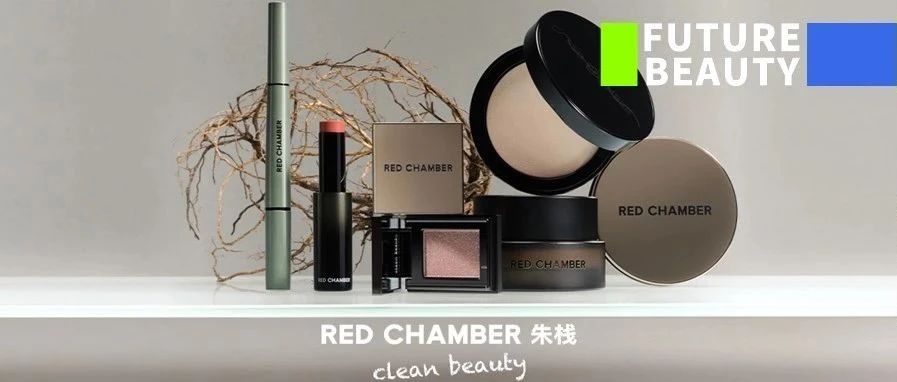
新获近亿元融资,RED CHAMBER朱栈重构“纯净美妆”叙事
FBeauty未来迹· 2025-05-22 11:09
Core Viewpoint - The article highlights the rise of the Chinese clean beauty brand RED CHAMBER, which has successfully navigated the challenges faced by international clean beauty brands in the market, showcasing its unique strategies and strong performance in the industry [2][3][16]. Financing and Growth - In May 2025, RED CHAMBER announced nearly 100 million RMB in Series A and A+ financing, marking the largest single financing for a Chinese beauty brand in 2025 [2]. - The brand has completed three rounds of financing since its establishment in 2020, with significant investments aimed at product development and market expansion [4][5]. - The latest round of financing focuses on enhancing research capabilities, including the establishment of a digital testing system for makeup efficacy and skin microbiome research [5][14]. Product Innovation and Market Positioning - RED CHAMBER has positioned itself as the first sustainable clean beauty brand in China, addressing key industry pain points such as ingredient safety and proven efficacy [4][11]. - The brand's star product, a multi-use balm, has achieved over 200,000 monthly sales on Tmall, indicating strong consumer demand and market presence [5][12]. - The brand's commitment to research and development has led to innovative product designs that combine multiple functions, catering to the growing consumer trend for efficiency and safety in beauty products [12][18]. Industry Standards and Consumer Trends - RED CHAMBER is a pioneer in establishing clean beauty standards in China, collaborating with industry associations to create guidelines for product development and quality standards [14][22]. - A report indicates that over 65% of consumers are inclined to choose environmentally friendly brands, with a growing preference for clean and natural products [16]. - The brand's approach to localizing its clean beauty narrative reflects a deep understanding of Chinese consumer needs, balancing safety and efficacy [18][21]. Future Outlook - The clean beauty market is expected to grow significantly, with projections indicating a rise in the global natural beauty and cosmetics market value to $59 billion by 2031 [16]. - RED CHAMBER's focus on sustainable practices and technological advancements positions it well for future growth in the evolving beauty landscape [21][22].
2025年敏感肌美妆线上消费市场洞察
Fei Gua Shu Ju· 2025-05-22 07:40
Investment Rating - The report does not explicitly provide an investment rating for the sensitive skin beauty market Core Insights - The sensitive skin beauty market is experiencing significant growth, with sales of related products on Douyin increasing by 51.96% year-on-year, indicating strong market vitality and potential [11][12] - The market remains fragmented, with a CR5 brand concentration of 25.58%, suggesting ample opportunities for new entrants to capture market share through innovative products and marketing strategies [15][16] - The primary consumer demographic is young women under 30, with a strong emphasis on cost-effectiveness and product performance driving purchasing decisions [21][27] Summary by Sections Market Overview - Over half of adult women in China are identified as having sensitive skin, with 52.2% classified as sensitive skin and 32.8% experiencing occasional allergic symptoms [8][9] - The sensitive skin beauty market is characterized by a low concentration of leading brands, allowing for competitive dynamics and opportunities for new brands [15] Sales Performance - In 2024, the Douyin platform saw a 212.2% increase in the number of products sold related to sensitive skin, with a 60.01% increase in sales volume and an 81.5% increase in the number of brands [11][12] Consumer Insights - The core consumer group for sensitive skin products is predominantly female (over 86%), with a significant portion being under 30 years old [21][23] - Key purchasing factors include product usability, gentle formulation, and effectiveness in addressing sensitive skin issues [27] Marketing Analysis - The marketing focus is on basic skincare products, with facial care accounting for over 83% of the sensitive skin market share [33] - Popular marketing themes include hydration, soothing, and repair, with a notable increase in interest in pore care products [40][42] Content and Engagement - The report highlights the importance of engaging content that addresses common skin concerns, with a focus on repair and soothing needs for sensitive skin consumers [48] - The use of influencers, particularly mid-tier ones, is emphasized for driving engagement and building brand trust [53] Product Trends - Amino acids are the leading ingredient in sensitive skin products, while retinol is gaining traction due to its anti-aging properties [42] - The report identifies a growing consumer interest in multifunctional products that address both basic care and advanced skin concerns [40][42]
商业与生态共生标杆,植物医生石斛馆诠释可持续发展新思路
Sou Hu Wang· 2025-05-22 07:10
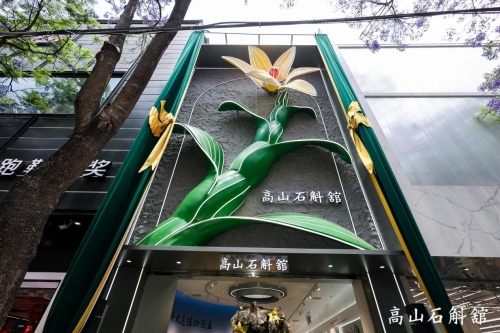
在全球生物多样性保护与可持续发展浪潮之下,中国企业正以科研力解码激活传统文明的可持续基因。 在高质量发展战略引领中,这个国货美妆品牌通过文化深耕与生态融合开辟了高端突围新路径。 石斛千年绽国妆 石斛,这一生长于悬崖峭壁间的"中华九大仙草之首",承载着跨越千年的文明密码。唐代《道藏》将其 与天山雪莲、千年人参并列,清代乾隆皇帝更以"石斛宴"款待百岁老人,彰显其"滋阴圣品"的尊贵地 位。而今,这一古老智慧正通过现代科技焕发新生。 植物医生高山石斛馆以1600米高山生态实景还原、全息影像与古籍文献交相辉映的展陈方式,将石斛 的"药食同源"传统与"科技护肤"创新无缝衔接,构建起从《神农本草经》到基因测序技术的文明轴线。 2025年5月8日,云南昆明南屏步行街上,一座以石斛为灵魂的文化地标"植物医生高山石斛馆"正式落 地。 植物医生集团副总裁Julie女士,植物医生品牌全球面膜防晒代言人王俊凯以及中国民族植物学创始人、 植物医生首席科学家裴盛基等联袂出席,共同见证这一品牌发展里程碑时刻。 植物医生石斛馆揭幕 人物从右至左依次为:植物医生集团副总裁Julie女士,植物医生品牌全球面膜防晒代言人王俊凯,中国 民族植物学创始 ...
当行业在“价格战”里内卷,这家国货却在618反向操作
Sou Hu Cai Jing· 2025-05-22 07:06
Core Viewpoint - The company, Plant Doctor, is strategically increasing prices amidst a competitive price war in the beauty industry, aligning with national economic transformation policies that emphasize high-quality development and technological innovation [1][6]. Group 1: Market Positioning - Plant Doctor has established a strong offline presence with over 5,000 single-brand stores across more than 300 cities globally, creating a difficult-to-replicate barrier against competitors [3]. - The brand's expansion into Southeast Asia, including markets like the Philippines and Vietnam, reflects its commitment to both offline growth and global strategy [3]. Group 2: Research and Development - The company has invested in its own research capabilities, collaborating with institutions like the Kunming Institute of Botany to develop proprietary products, thus maintaining control over its core technologies [5][6]. - Plant Doctor's research efforts have led to significant breakthroughs, such as the extraction of high-activity small molecules from Dendrobium, showcasing its commitment to innovation over shortcuts [5][9]. Group 3: Brand Philosophy - The brand's approach is characterized by a focus on quality and innovation rather than competing on price, aligning with the national directive to enhance high-end production and quality supply [6][9]. - Plant Doctor's philosophy emphasizes the importance of not following Western standards blindly, instead seeking modern solutions from traditional Chinese plants, thereby establishing a unique market position [7][9].

China Travel爆火背后:外国游客组团扫货义乌,中国购物潮如何征服全球钱包?
Sou Hu Cai Jing· 2025-05-22 05:17
Core Insights - A consumer revolution is underway in China, transforming the country from a "world factory" to a "global shopping paradise" as foreign tourists increasingly purchase Chinese-made products [1][3]. Group 1: The Yiwu Phenomenon - The Yiwu International Trade City is experiencing a surge in international trade, with foreign merchants actively bargaining for a wide range of products, showcasing a vibrant marketplace atmosphere [4]. - Some tourists are live-streaming their bargaining experiences on platforms like TikTok, turning the shopping process into a form of entertainment with significant sales figures [4]. Group 2: Duty-Free Store Trends - In Hainan duty-free stores, foreign tourists are increasingly purchasing domestic beauty products and smart home appliances, with domestic brand sales rising from 5% to 35% in Q1 2025 [5]. - Popular products include Chinese cosmetics and electronics, which are perceived as significantly cheaper than similar items on platforms like Amazon [5]. Group 3: Cultural Consumption Rise - Cultural products such as Hanfu and traditional Chinese medicine are gaining popularity among foreign tourists, who are eager to experience and share these unique aspects of Chinese culture [6]. - Tourists are actively engaging with local customs and products, enhancing their travel experience through cultural immersion [6]. Group 4: Visa and Payment Innovations - The expansion of the 144-hour visa-free transit policy to 60 cities is facilitating easier travel for foreign tourists, making spontaneous trips to China more feasible [7]. - Payment innovations, such as Alipay's "TourPass" service, are simplifying transactions for international visitors, further enhancing the shopping experience [7]. Group 5: Value Proposition Shift - The perception of Chinese products is evolving from "cost-effective" to "quality-price ratio," as foreign consumers recognize the high quality of Chinese goods at competitive prices [8]. - This shift is exemplified by significant price differences between wholesale products in Yiwu and their retail counterparts in Western markets [8]. Group 6: Cultural Experience Enhancement - The TikTok hashtag ChinaTravel has garnered over 5 billion views, highlighting the appeal of China's diverse cultural experiences [9]. - The narrative surrounding Chinese products is becoming richer, as consumers associate purchases with cultural stories and experiences [9]. Group 7: Supply Chain Evolution - Foreign tourists are now seeking customized products, indicating a shift from OEM (Original Equipment Manufacturer) to OBM (Original Brand Manufacturer) in China's supply chain [10]. - This trend allows for greater value addition, as tourists desire unique branding and storytelling in their purchases [10]. Group 8: Revitalization of Traditional Brands - Traditional Chinese brands are experiencing a resurgence in duty-free markets, with significant sales growth attributed to localized marketing strategies [12]. - Brands are adapting their messaging to appeal to international consumers, enhancing their market presence [12]. Group 9: Economic Impact of Tourism - Foreign tourists' spending in duty-free stores has a multiplier effect on local economies, significantly boosting related sectors such as dining and transportation [13]. - Tourists act as informal ambassadors for Chinese shopping experiences, sharing their insights with others upon returning home [13]. Group 10: Challenges and Solutions - Despite the growth, challenges such as counterfeit products and language barriers persist, affecting the shopping experience for some tourists [14]. - Cities are beginning to address these issues by offering immersive shopping experiences that combine cultural activities with retail [15]. Group 11: Future Aspirations - The goal is to establish a unique cultural identity for Chinese shopping, akin to the shopping cultures of Japan and France, emphasizing the distinctiveness and richness of the experience [16]. - The transformation of shopping into a cultural bridge reflects a broader narrative of China's evolution from manufacturing to innovation and cultural exchange [16].

新消费研究之本轮新消费品牌“新”在何处
2025-05-21 15:14
Summary of Key Points from the Conference Call Industry Overview - The new consumption brands are concentrated in traditional sectors such as personal care, household cleaning, and gold jewelry, which generally exhibit moderate growth. However, these brands demonstrate strong alpha characteristics, achieving high growth under weak beta effects [1][2][3] - The current economic environment has shifted consumer preferences towards products and services that meet basic needs, favoring new consumption brands that address pain points and provide emotional or practical value [4][5] Core Insights and Arguments - The current wave of "new quality consumption" is characterized by rapid revenue growth alongside profitability, driven by product positioning upgrades that enhance quality, emotional value, or address consumer pain points [2][5][8] - Traditional sectors like personal care and gold jewelry still have significant growth potential, particularly as e-commerce penetration rates increase. Companies that transition from traditional distribution logic to product-driven strategies are more likely to succeed [6][7] - New consumption companies such as Pop Mart and Miniso have shown performance that significantly exceeds market expectations, leading to valuation premiums due to their strong growth and scarcity in the market [9][10] Market Trends and Consumer Behavior - The current economic environment has not shown significant improvement, leading consumers to prefer products that fulfill basic needs. This trend suggests that new consumption brands may continue to perform well if the economic situation remains unchanged [4][11] - There is a notable shift in consumer behavior, with a greater emphasis on product quality and value for money, moving away from blind pursuit of high brand premiums. Companies must focus on product upgrades to meet these evolving consumer demands [10][12] Unique Characteristics of New Quality Consumption - New quality consumption brands are not new entrants but established companies with strong consumer recognition, often with over 20 years of history [5][10] - These brands leverage e-commerce, internet, and content marketing to achieve rapid market penetration while maintaining profitability, unlike many companies in the previous consumption wave that operated at a loss [5][8] Investment Implications - The current market environment favors companies with strong growth potential and scarcity, as these firms are more likely to attract investor interest. Their performance and valuation dynamics are expected to continue to support stock prices [11][21] - The competitive landscape in traditional sectors is tightening, allowing companies like Dengkang Oral Care to rapidly gain market share through innovative products and effective e-commerce strategies [17][23] Noteworthy Companies and Performance - In the beauty sector, brands like Perfect Diary and domestic brands are showing strong growth, while traditional international brands are losing market share [19][24] - In the gold jewelry sector, companies such as Chaohongji and Mankalon are experiencing robust growth by integrating emotional value into their products, leading to a shift in their valuation models [26] Conclusion - The new consumption trend is expected to persist, with a focus on individual company performance rather than broad sector recovery. Companies with established brands and innovative product offerings are likely to see continued success in the evolving market landscape [15][21][16]
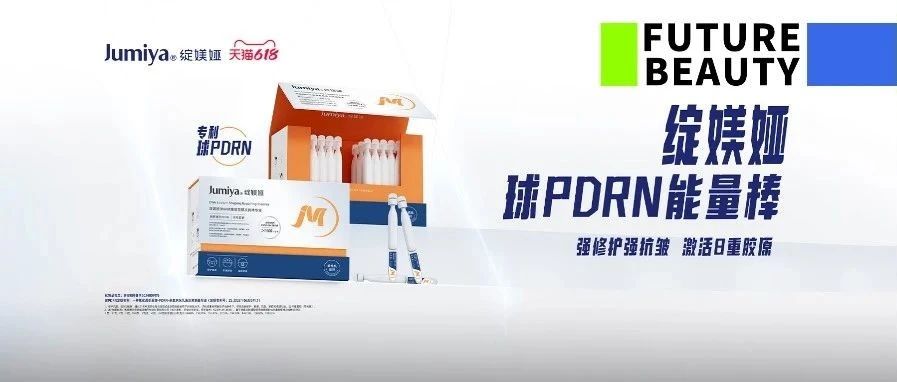
大单品跃登天猫液态精华榜,绽媄娅在618又卖爆了?
FBeauty未来迹· 2025-05-21 14:03
Core Viewpoint - The Chinese beauty market is undergoing a significant transformation, with the emergence of new technology-driven domestic brands like Zhanmei Ya, which has successfully launched innovative products despite increasing competition and market saturation [2][3][14]. Market Overview - The total transaction value of the Chinese cosmetics market in 2024 reached 107.38 billion yuan, with a year-on-year growth of 2.8%. The top 1000 brands accounted for 55.2% of the market share, an increase of 2.9 percentage points compared to the previous year [3]. - The 618 shopping festival has become a critical battleground for brands to showcase their strengths, with over 1,300 brands doubling their sales in the first hour of the event [3]. Product Launch and Performance - Zhanmei Ya's "Qiu PDRN Energy Stick," launched in December 2024, became a key driver of the brand's growth, achieving over 10 million yuan in sales within the first month and ranking among the top 12 in the Tmall liquid essence category during the 618 event [6][20]. - The product's success is attributed to its innovative technology and strong market presence, as it has gained significant recognition on social media platforms like Xiaohongshu [8][12]. Technological Innovation - Zhanmei Ya's "Qiu PDRN" is a proprietary patented ingredient that enhances skin absorption and efficacy, utilizing a groundbreaking "super molecular micro-sphere" technology to improve the delivery of large molecular components like PDRN [14][20]. - This technology addresses the challenges of low permeability and bioavailability associated with traditional skincare applications of PDRN, positioning Zhanmei Ya as a leader in the PDRN skincare segment [15][36]. Scientific Communication and Brand Growth - The brand's rapid rise in popularity is also linked to effective scientific communication strategies, including collaborations with media and influencers to educate consumers about the benefits of their products [23][30]. - A documentary titled "The Skin Makers Go to Make Skincare Products" highlighted the journey of Chinese scientists in developing artificial skin technology, further enhancing the brand's credibility and consumer engagement [25][27]. Competitive Landscape - The global PDRN market is projected to grow significantly, with a compound annual growth rate (CAGR) of 43.32%, and the Chinese market expected to see a CAGR of 49.02% by 2029 [32][33]. - Zhanmei Ya's strategic foresight and technological advancements have positioned it as a representative domestic brand in the competitive PDRN skincare market, setting the stage for future growth and innovation [34][38].