
饮料

Search documents
华润饮料少卖了14亿元
21世纪经济报道· 2025-09-02 02:19
Core Viewpoint - The beverage market is experiencing intensified competition, with significant performance disparities among major players like China Resources Beverage, Nongfu Spring, and Master Kong [1][4]. Group 1: China Resources Beverage - In the first half of 2025, China Resources Beverage reported a revenue decline of 18.52% to 6.206 billion yuan, with a net profit drop of 28.63% to 805 million yuan [1]. - The revenue from packaged drinking water and beverages was 5.251 billion yuan and 955 million yuan, showing a decline of 23.11% and an increase of 21.28%, respectively [1]. - The second quarter saw pressure on the packaged water business due to intensified competition and inventory optimization efforts, leading to revenue declines in small, medium, and large packaged water segments [1]. Group 2: Nongfu Spring - Nongfu Spring's revenue in the first half of 2025 grew by 15.6% to 25.622 billion yuan, with its packaged water business increasing by 10.7% to 9.44 billion yuan [2]. - The beverage segment saw an 18.6% revenue increase to 16.18 billion yuan, with specific product categories like ready-to-drink tea and functional beverages showing significant growth [2]. Group 3: Master Kong - Master Kong's beverage revenue declined by 2.6% to 26.359 billion yuan in the first half of 2025, with tea beverage sales down 6.3% and water sales down 6.0% [4]. - The carbonated and other beverage segments saw a revenue increase of 6.3%, indicating a mixed performance across product lines [4]. Group 4: Market Trends - Despite the challenges faced by individual companies, the overall beverage market is still in a growth cycle, with a reported channel growth rate of 4.7% in June 2025 [1].

华润饮料20250901
2025-09-02 00:42
Summary of China Resources Beverage Conference Call Company Overview - **Company**: China Resources Beverage - **Period**: First half of 2025 Key Financial Performance - **Net Revenue**: Increased by 21.3% year-on-year to CNY 6.206 billion [2][3] - **Net Profit**: Decreased by 28.7% year-on-year to CNY 0.823 billion, with a net profit margin of 13.3% [2][3] - **Gross Margin**: Decreased by 2.6 percentage points to 46.7% [2][3] - **Sales Cost**: Decreased by 14.3% year-on-year to CNY 3.309 billion [3] Industry and Market Dynamics - **Packaging Water Revenue**: Decreased by 23.1% due to industry consumption slowdown, changes in terminal formats, and intensified market competition [3][8] - **Beverage Revenue**: Increased by 21.3%, attributed to brand building, channel distribution, and new product launches [3][8] Strategic Initiatives Product Development - **New Products**: Launched 14 new SKUs across four categories, including large packaging water and pocket-sized drinks [2][5] - **Sustainability**: Developing de-plasticized packaging products to reduce carbon footprint [5] Marketing and Branding - **Sports Marketing**: Collaborated with the Chinese national team and major sports events to enhance brand visibility [7][15] - **Promotional Activities**: Engaged in various marketing campaigns, including partnerships with sports champions and themed events [7][15] Channel Optimization - **Sales Strategy**: Combined online sales, community services, and direct visits to increase consumer purchase rates [10] - **Distributor Model**: Shifted to a specialized distributor model, increasing the number of exclusive distributors by over 50% [10][21] Operational Efficiencies Cost Reduction - **Production and Logistics**: Implemented measures to enhance self-sourcing rates and optimize supply chain management, leading to significant cost savings [12] - **Capacity Expansion**: Planned to increase self-built capacity to over 60% by the end of 2025, with new factories in operation [11][17] Future Outlook - **Packaging Water**: Expected gradual recovery in sales growth in the second half of 2025, with increased channel investments [8][16] - **Beverage Business**: Plans to add three new beverage production lines by 2026 to further enhance operational efficiency and market responsiveness [9][19] Challenges and Responses - **Market Competition**: Addressed challenges from intensified competition and profit pressure through promotional adjustments and resource allocation [12][20] - **Inventory Management**: Increased channel inventory to prepare for peak demand seasons, with expectations of normalization as demand stabilizes [18] Conclusion - **Long-term Strategy**: Focused on sustainable growth through product innovation, enhanced marketing efforts, and optimized distribution channels to navigate a competitive landscape [20][22]
华润饮料,少卖了14亿元丨消费参考
2 1 Shi Ji Jing Ji Bao Dao· 2025-09-02 00:25
Group 1: Company Performance - China Resources Beverage reported a revenue decline of 18.52% year-on-year to 6.206 billion yuan in the first half of 2025, with a net profit drop of 28.63% to 805 million yuan [1] - The revenue from packaged drinking water decreased by 23.11% to 5.251 billion yuan, while beverage revenue increased by 21.28% to 955 million yuan [1] - The gross margin for China Resources Beverage was 46.67%, down 2.6 percentage points year-on-year, primarily due to a significant revenue drop and increased channel investments [1] Group 2: Market Trends - The overall beverage market in China is still in a growth cycle, with a 4.7% increase in the domestic beverage market across all channels as of June 2025 [2] - Nongfu Spring reported a revenue increase of 15.6% year-on-year to 25.622 billion yuan in the first half of 2025, with its packaged water business growing by 10.7% [2] - The performance disparity between companies like Nongfu Spring and China Resources Beverage indicates intensifying competition in the beverage market [4] Group 3: Competitor Analysis - Master Kong's beverage revenue declined by 2.6% year-on-year to 26.359 billion yuan in the first half of 2025, with tea beverage sales down 6.3% [3] - The beverage market is experiencing a split in performance, highlighting the competitive landscape where some companies are thriving while others are struggling [4]
承德露露:累计回购股份数量为300万股
Mei Ri Jing Ji Xin Wen· 2025-09-01 12:35
Summary of Key Points Core Viewpoint - Chengde Lulule (SZ 000848) announced a share buyback plan, indicating a strategic move to enhance shareholder value and confidence in the company's future performance [1] Company Actions - As of August 31, 2025, the company has repurchased a total of 3 million shares, which represents 0.29% of its total share capital [1] - The maximum transaction price for the repurchased shares was approximately 8.96 CNY per share, while the minimum price was 8.23 CNY per share, with a total transaction amount of about 25.83 million CNY [1] Financial Performance - For the first half of 2025, the company's revenue composition shows that plant protein beverages accounted for 99.86% of total revenue, while other businesses contributed only 0.14% [1] - As of the report date, Chengde Lulule's market capitalization stands at 9.1 billion CNY [1]

水战2025:卖水没以前赚了
虎嗅APP· 2025-09-01 10:12
Core Viewpoint - The bottled water market is experiencing intense competition, with a price war leading to a normalization of 1 yuan water, impacting profitability for major players like Nongfu Spring and China Resources Beverage [5][10][12]. Group 1: Market Performance - In 2025, Nongfu Spring reported revenue of 25.622 billion yuan, a year-on-year increase of 15.6%, with a net profit of approximately 7.622 billion yuan, up 22.1% [5]. - China Resources Beverage's revenue for the first half of 2025 was 6.206 billion yuan, down 18.5%, with profits declining by 28.7% [5][11]. - The bottled water segment for China Resources Beverage, which constitutes over 80% of its revenue, saw a 23.1% decline in revenue to 5.251 billion yuan in the first half of 2025 [11]. Group 2: Competitive Landscape - The price war has led to a significant drop in revenue for both Nongfu Spring and China Resources Beverage, with their bottled water business revenues not returning to 2023 levels [10][11]. - New entrants like Pinduoduo, Dongfang Zhenxuan, and Yuanqi Forest are further fragmenting the market share of traditional water companies [6]. - The competition is expected to intensify as both established and new players expand their product lines beyond bottled water [7][14]. Group 3: Product Strategy and Innovation - In response to market changes, Nongfu Spring and China Resources Beverage are diversifying their product offerings, with Nongfu Spring's tea beverage segment achieving revenue of 10.09 billion yuan, a 19.7% increase [18]. - The introduction of new products, including sugar tea and iced tea, is seen as a strategy to capture market share in a competitive landscape [19][20]. - The iced tea market, dominated by brands like Master Kong and Uni-President, presents opportunities for new entrants as they seek to capitalize on pricing strategies and consumer preferences [21].


欢乐家:接受中信证券等投资者调研
Mei Ri Jing Ji Xin Wen· 2025-09-01 09:28
Core Viewpoint - The company Huanyujia (SZ 300997) has announced an investor meeting scheduled for September 1, 2025, where executives will address investor inquiries [1]. Group 1: Company Performance - For the first half of 2025, Huanyujia's revenue composition is as follows: the beverage sector accounts for 55.73%, the canned food sector for 38.66%, and other businesses for 5.61% [1]. - As of the latest report, Huanyujia's market capitalization stands at 7.7 billion yuan [2].

单品牌筑基、双品牌破局,小米与东鹏饮料实现多元化战略跃迁
Sou Hu Wang· 2025-09-01 09:16
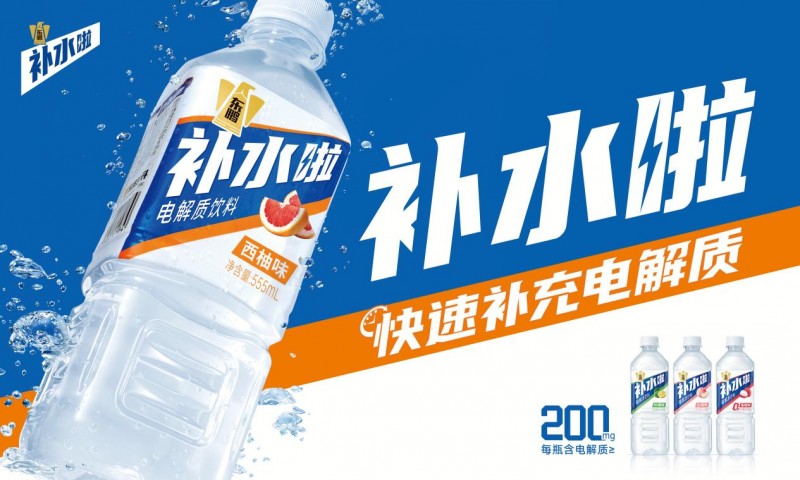
Group 1 - The core viewpoint of the articles highlights the successful development of second growth curves by both Xiaomi's Redmi brand in the smartphone market and Dongpeng Beverage's new electrolyte drink, Dongpeng Boshui La, in the beverage industry, showcasing a similar growth logic [1][4][9] - Xiaomi's Redmi brand was launched to target the mid-range and entry-level smartphone market, leveraging Xiaomi's supply chain advantages and technology accumulation to establish a strong user base [3][6] - Dongpeng Beverage, after solidifying its position in the energy drink market with Dongpeng Special Drink, identified the growing demand for electrolyte drinks and launched Dongpeng Boshui La to capture this market segment [4][6] Group 2 - The Redmi Note 15 Pro series is positioned as a significant growth engine for Xiaomi, offering competitive pricing and balanced specifications to attract consumers in the mid-range market [6][9] - Dongpeng Boshui La is designed with a scientific electrolyte composition to meet the rising health consciousness among consumers, targeting various scenarios such as sports, outdoor activities, and office hydration [6][9] - Both companies are implementing differentiated operational strategies to support their respective group strategies, with Xiaomi focusing on high-end technology and Dongpeng expanding into multiple beverage categories [7][9]


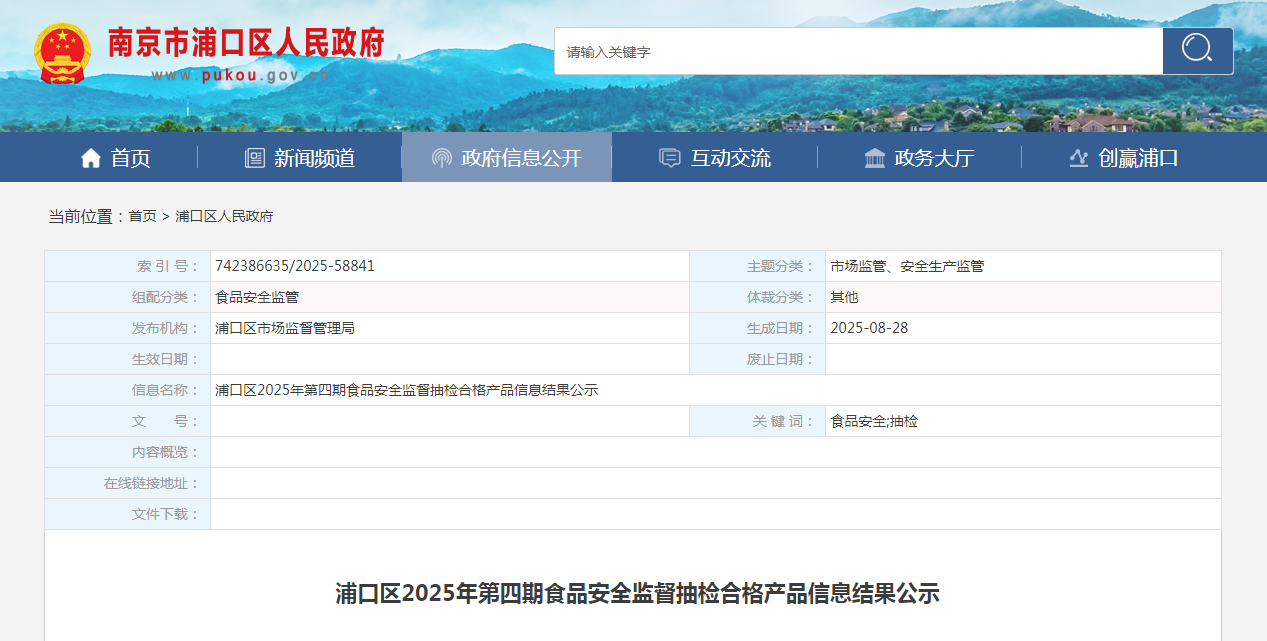
南京市浦口区2025年第四期食品安全监督抽检合格产品信息结果公示
Zhong Guo Zhi Liang Xin Wen Wang· 2025-09-01 08:18
Summary of Key Points Core Viewpoint The article presents the results of food safety supervision and sampling inspections conducted in the Pukou District, highlighting the compliance of various food products from different manufacturers. Group 1: Company Information - Jiangsu Taigu Coca-Cola Beverage Co., Ltd. produced Fanta Orange Soda, 330ml can, with a production date of May 16, 2025 [3] - China Resources Snow Beer (Nanjing) Co., Ltd. produced Snow Beer, 500ml bottle, with a production date of February 10, 2025, and Courage to Adventure Beer, 500ml bottle, with a production date of May 8, 2025 [3] - Various food products from local restaurants and stores, including braised pork and braised native chicken, were also inspected [3] Group 2: Product Compliance - The inspection results indicate that products such as Fanta Orange Soda and Snow Beer met safety standards [3] - Other inspected items included fresh fruits like fragrant pears and red Fuji apples, which were also found compliant [3] - The report includes a variety of food categories, including beverages, snacks, and fresh produce, all of which passed the safety checks [3][4] Group 3: Inspection Details - The inspection covered multiple locations within the Pukou District, ensuring a broad assessment of food safety [3] - The results are part of ongoing efforts to maintain food safety standards in the region, reflecting the commitment of local authorities to public health [3][4] - The report lists specific production dates and batch numbers for traceability of the inspected products [3][4][5]
别再吹嘘美国离不开中国商品,这些潜伏我国的美国货,你真知道?
Sou Hu Cai Jing· 2025-09-01 07:28
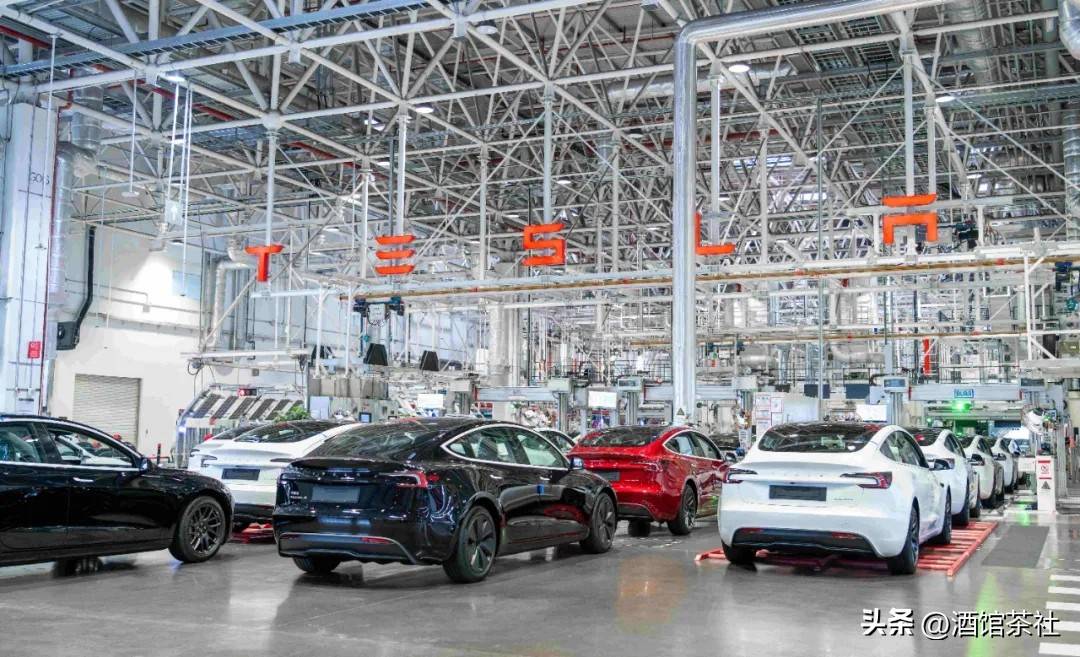
Core Viewpoint - The relationship between the U.S. and China is complex, with mutual dependencies in manufacturing and technology, despite the perception that the U.S. is heavily reliant on Chinese goods [3][12]. Group 1: U.S.-China Trade Relations - The U.S.-China trade war has escalated from minor friction to significant conflict, with tariffs reaching over 100% on certain goods, impacting consumers in both countries [4]. - American consumers have faced rising prices for everyday goods due to tariffs on low-cost Chinese imports, while China remains dependent on U.S. technology in high-value sectors [4][12]. Group 2: Manufacturing and Brand Ownership - Many products labeled as "Made in China" are actually produced for U.S. brands, indicating that the production capabilities are leveraged while the brand ownership remains with American companies [3][6]. - Companies like Tesla have high localization rates in their manufacturing but still rely on U.S. technology for core components, highlighting the intertwined nature of global supply chains [6]. Group 3: Capital Influence - Foreign capital, such as that from BlackRock, exerts significant influence over Chinese companies through equity holdings and board participation, affecting strategic decisions [9]. - The presence of multinational corporations in China, such as Procter & Gamble and Johnson & Johnson, shows how foreign firms adapt to local markets while maintaining control from abroad [7]. Group 4: Opportunities Amidst Challenges - There is a shift in consumer preferences towards domestic brands that emphasize quality and value, as seen with companies like Huawei and Hongxing Erke, which have gained popularity despite external pressures [10]. - The need for China to accelerate self-sufficiency in high-end technology and industry chains is emphasized as a crucial step for maintaining competitiveness in the global market [12].
华润饮料(02460):包装水面临竞争压力,重视股东回报
Huaan Securities· 2025-09-01 06:43
Investment Rating - The report maintains a "Buy" rating for China Resources Beverage [9][10] Core Viewpoints - The packaging water segment is under competitive pressure, while the company is focusing on shareholder returns [5][9] - The beverage segment is actively developing a second growth curve, with a notable increase in revenue [6][9] - The company is facing industry-wide challenges but is making strategic adjustments to product offerings and production capacity [9][10] Financial Performance Summary - For H1 2025, the company reported revenue of 6.206 billion HKD, a year-on-year decrease of 18.52%, and a net profit of 0.805 billion HKD, down 28.63% [8] - The gross margin for H1 2025 was 46.67%, a decline of 2.6 percentage points year-on-year, while the net profit margin was 13%, down 1.8 percentage points [8] - The packaging water business generated revenue of 5.25 billion HKD in H1 2025, a decrease of 23.1% year-on-year, accounting for 84.6% of total revenue [8] - The beverage business achieved revenue of 0.955 billion HKD in H1 2025, an increase of 21.3% year-on-year, representing 15.4% of total revenue [8] - The company launched 14 new products in H1 2025, enhancing its product mix [8] Future Outlook - Revenue projections for 2025-2027 are estimated at 12.009 billion HKD, 13.078 billion HKD, and 14.089 billion HKD, with expected year-on-year changes of -11%, +9%, and +8% respectively [10] - Net profit forecasts for the same period are 1.297 billion HKD, 1.595 billion HKD, and 1.829 billion HKD, with year-on-year changes of -21%, +23%, and +15% respectively [10] - The current stock price corresponds to a price-to-earnings ratio (P/E) of 19, 16, and 14 for the years 2025, 2026, and 2027 respectively [10]