新能源汽车

Search documents
新能源汽车放电也能赚钱
Ren Min Ri Bao· 2026-01-26 02:58
"当前放电功率20千瓦,已供电量10.5千瓦时。"蒋先生在手机上打开"e充电"APP展示,自从去年8月底 在小区安装V2G(车网互动)桩以来,他的新能源汽车已累计向电网放电300多千瓦时,"晚上10点后, 车会自动用低谷电价补电,一充一放不仅自己获得了实惠,还支持了电网削峰填谷。" 责编:李芳、李雪钦 新能源汽车在电价低的时候充电,在电价高的时候像"充电宝"一样给电网放电,是常州正在开展的V2G 试点。2025年4月,国家发展改革委等部门发布首批车网互动规模化应用试点,常州是江苏唯一试点城 市。 V2G建设需要运营商的积极投入。在常州新北区的星星充电新桥公园充电站内,10根120千瓦的双枪 V2G桩持续运行。星星充电江苏省运营总监潘叶峰介绍,场地采用与新桥街道分成的模式,充电桩使用 企业自己生产的产品,常州还有相应的补贴政策,该场站投运以来运行平稳,投资回报周期处于合理区 间。(记者 尹晓宇) 下午4点多,在江苏省常州市溪湖小镇小区,车主蒋先生的新能源汽车插着充电枪进行放电,充电桩的 计量表上数字闪烁。 《人民日报》(2026年01月26日 第 08 版) 如何充放电收益最大?国网常州供电公司工作人员在调研中 ...
越秀证券每日晨报-20260126
越秀证券· 2026-01-26 02:54
每日晨报│2026 年 1 月 26 日 -主要市场指数表现 | | 收市价 | 上个交易日升 | YTD 升跌 | | --- | --- | --- | --- | | 恒生指数 | 26,749 | +0.45% | +4.37% | | 恒生科技指数 | 5,798 | +0.62% | +5.11% | | 国企指数 | 9,160 | +0.51% | +2.77% | | 沪深 300 | 4,702 | -0.45% | +1.57% | | 上证综合指数 | 4,136 | +0.33% | +4.22% | | 深证成份指数 | 14,439 | +0.79% | +6.76% | | 中小板指 | 8,883 | +0.69% | +7.50% | | 道琼斯指数 | 49,098 | -0.58% | +2.15% | | 标普 500 指数 | 6,915 | +0.03% | +1.02% | | 纳斯达克指数 | 23,501 | +0.28% | +1.12% | | 伦敦富时指数 | 10,143 | -0.07% | +2.14% | | CAC40 指数 | 8,143 ...
阶段性错配支持锂价高位运行
Yin He Qi Huo· 2026-01-26 02:50
1. Report Industry Investment Rating - Not provided in the given content 2. Core Viewpoints of the Report - At the macro - level, geopolitical turmoil keeps the enthusiasm in the non - ferrous sector high, with strong varieties hitting new highs [5]. - At the industrial level, although the subsidy for new energy vehicles is gradually phased out, 62.5 billion in subsidies are advanced, and car companies subsidize 2025 pre - sale orders. Coupled with the reduction in export tax rebates stimulating "rush - to - export", the vehicle sales data from January to February is smoothed. Energy storage orders are scheduled until April - May 2026, but due to battery capacity bottlenecks, they cannot expand rapidly. It is expected that the combined demand for power and energy storage will decline slightly month - on - month. The downstream orders have increased, and institutions have revised up the production plan for January. The domestic demand side in January is not in a typical off - season, with a month - on - month decline of less than 5%. On the supply side, it is reported that a mine in Yichun has stopped production for license renewal, and the market is worried that other mines in Yichun will also be affected. From January to February, smelters conduct maintenance to prepare for peak - season demand. Even if lithium ore imports increase, the production of lithium carbonate may not increase rapidly, and the supply flexibility is limited. The inventory expectation from January to February has changed from inventory accumulation to inventory reduction, which further stimulates downstream purchasing intentions [5]. - At the futures level, the market has raised the target price for lithium prices, and the optimistic sentiment remains high. The new high in prices indicates that the upward trend will continue. However, regulatory risks may still cause significant short - term corrections, and market sentiment changes should be closely monitored [5]. 3. Summary According to Relevant Catalogs 3.1 Demand Analysis 3.1.1 New Energy Vehicles - Off - Season but Better than Expected - The China Association of Automobile Manufacturers (CAAM) shows that in 2025, the production and sales of new energy vehicles are 16.626 million and 16.49 million respectively, with year - on - year increases of 29% and 28.2% respectively, and the penetration rate is 47.9%, 7 percentage points higher than the previous year. It is expected that the sales volume of new energy vehicles in 2026 will be 19 million, a year - on - year increase of 15.2%. According to the Passenger Car Association, from January 1 - 18, the retail sales of new energy vehicles in the national passenger car market were 312,000, a year - on - year decrease of 16% and a 52% decrease compared with the same period last month. The cumulative retail sales this year are 312,000, a year - on - year decrease of 16%. The production of power cells follows the sales trend of new energy vehicles. The cumulative production from January to December increased by 41.9% year - on - year to 1245.5 GWh. In January, the "rush - to - export" driven by the reduction in export tax rebates may smooth the decline in power battery production caused by poor vehicle sales [10]. 3.1.2 New Energy Vehicles - Divergent Electrification Progress in Europe and the United States - CleanTechnica statistics show that from January - November 2025, the cumulative global sales of new energy vehicles increased by 20.1% year - on - year to 18.39 million, compared with a 26.4% year - on - year increase in the same period last year. In Europe, from January - November 2025, the cumulative sales of new energy vehicles increased by 29.2% year - on - year to 3.434 million, compared with a 3.7% year - on - year decrease in the same period last year. In the United States, from January - November 2025, the cumulative sales of new energy vehicles increased by 0.7% year - on - year to 1.39 million, compared with an 11% year - on - year increase in the same period last year. The United States cancelled the IRA new energy vehicle subsidy on October 1, resulting in a small sales peak in advance. Most European countries still offer subsidies for new energy vehicles and have carbon emission requirements, which stimulate sales growth this year. However, they also decide to weaken the 2035 ban on fuel - powered vehicles according to their own situations and instead reduce carbon emissions by 90%. The CAAM statistics show that from January - December 2025, the cumulative exports of new energy vehicles from China were 2.583 million, a year - on - year increase of 103%, compared with an 11% year - on - year increase in the same period last year [15]. 3.1.3 Energy Storage Market - Hot Orders but Capacity Bottlenecks Limit Production Growth - In December, the National Development and Reform Commission and the National Energy Administration issued a notice on power long - term contract signing and performance in 2026, further promoting electricity price marketization. SMM statistics show that in 2025, the cumulative production of energy storage cells in China was 529.4 GWh, a year - on - year increase of 54%, compared with an 88% increase in the same period last year. The inventory of energy storage cells is at a three - year low, the delivery cycle is extended, and the production of energy storage cells in January increased by 1% month - on - month [16][19]. 3.1.4 "Rush - to - export" Boosts Market Sentiment but with Limited Room - SMM data shows that in December, battery production increased by 3.5% month - on - month, with ternary battery production decreasing by 2.9% and lithium iron phosphate battery production decreasing by 5.6%. Cell production: power cells decreased by 2.8% and energy storage cells increased by 8.6%. Cathode material production: ternary cathode materials decreased by 2.5% and lithium iron phosphate decreased by 2.2%. Electrolyte production increased by 4.0%. In January, battery production is expected to decrease by 5.9% month - on - month, with ternary batteries decreasing by 6.4% and lithium iron phosphate batteries decreasing by 5.6%. Cell production: power cells are expected to decrease by 6.1% and energy storage cells to remain flat. Cathode material production: ternary cathode materials are expected to decrease by 4.4% and lithium iron phosphate by 10%. Electrolyte production is expected to decrease by 6.1%. Affected by the weakening power demand, the off - season continues in January but may be revised up due to the "rush - to - export". It is expected that the month - on - month decline will continue in February [28]. 3.2 Supply Analysis 3.2.1 Stable but Slightly Declining Lithium Carbonate Production - In January, due to maintenance of some smelters, production decreased by 1.2% month - on - month, and more maintenance is expected in February. SMM statistics show that from January - December, the domestic production of lithium carbonate was 970,000 tons, a cumulative year - on - year increase of 44%, compared with a 47% increase in the same period last year. The production plan for January is 98,000 tons. Leading lithium mines are holding firm on prices, and lithium ore prices follow lithium salt prices, exceeding production costs. This week, the production of all raw materials has declined, indicating the start of smelter maintenance [33]. 3.2.2 Monthly Lithium Carbonate Production by Raw Material in China - The report presents the production trends of lithium carbonate from different raw materials such as salt lakes, lithium spodumene, lithium mica, and recycling, with specific data and trends in different months from 2022 - 2025 [35]. 3.2.3 Marginal Decline in Lithium Carbonate Supply in January - In 2025, from January - December, China's lithium carbonate imports were 243,000 tons, a year - on - year increase of 3%. In December, Chile's total lithium carbonate exports were 14,000 tons, and 8071 tons were exported to China, a month - on - month decline. Due to reduced shipments from Australia and Chile in December, it is expected that the imports of lithium concentrate and lithium carbonate in China in January will decline month - on - month [41]. 3.3 Supply - Demand Balance and Inventory 3.3.1 Lithium Carbonate Supply - Demand Balance Forecast (in 10,000 tons of LCE) - The report shows the historical supply - demand balance of lithium carbonate and its relationship with average prices [43]. 3.3.2 Continuous Inventory Reduction in the Lithium Carbonate Off - Season - SMM statistics show that the social inventory decreased by 783 tons this week, and inventory has been continuously reduced for two weeks in January. Among them, smelters and downstream enterprises increased their inventory, while traders reduced their inventory [44]. 3.4 Market Outlook and Strategy Recommendations - **Unilateral trading**: Adopt a low - buying strategy [5]. - **Arbitrage**: Temporarily wait and see [5]. - **Options**: Sell out - of - the - money put options [5].
鹏华基金闫思倩:新质生产力长牛,多个万亿市场空间开启
Zhong Guo Jing Ji Wang· 2026-01-26 02:48
1月22日,由中国银行四川省分行与鹏华基金联合主办的"金蓉汇聚 质创未来"金融服务新质生产力发展 大会在成都举办。鹏华基金董事总经理(MD)、投资总监、基金经理闫思倩围绕科技成长投资与新质生 产力发表演讲,从机构投资者角度深度剖析科技成长领域的投资机遇。她指出,在当前宏观经济逐步筑 底、全球流动性保持宽松的背景下,中国资本市场有望延续慢牛格局,而新质生产力或将成为推动市场 长期向好的核心动力。AI、机器人产业有望打开万亿市场空间。 慢牛持续,新质生产力将开启长牛周期 纵观整个市场,闫思倩判断2026年还是在一个牛市的氛围里面,宏观面基本已经处于底部,未来大概率 向好。 从全球来看也是如此,美国通胀控制较好,全球处在一个宽松和流动性非常好的形势下。闫思倩提到上 一轮牛市(2019年到2021年),在2019年有一个小的库存周期,白马股表现较好,经济得到一定恢复。 2020年和2021年,吃药、喝酒、新能源都表现出色。而这一轮牛市,整体来看,去年一些赛道,包括创 新药、AI,甚至机器人等表现亮眼。闫思倩相信今年表现大概会延续。但是宏观经济并没有像上一轮 牛市一样,出现启动和恢复。闫思倩表示,随着反内卷政策推进,上 ...
北汽蓝谷拟投19.91亿元升级享界超级工厂,聚焦高端车型与数智化转型
Ju Chao Zi Xun· 2026-01-26 02:36
1月23日,北汽蓝谷发布《关于投资建设享界超级工厂高端平台车型产业化及产线数智化提升项目的公告》,此次投资的核心主体 为子公司北汽新能源,项目总投资达人民币199,100万元。 回溯项目背景,2023年北汽新能源为满足新车型投产需求,对北京高端智能生态工厂建设项目进行迁址变更,打造了享界超级工 厂,用于生产升级后的BE22平台产品,目前已成功导入享界S9、享界S9T等车型。 此次投资是在现有工厂基础上的进一步升级,旨在通过对关键工艺、设备的改造及数智化升级,让工厂具备BE223.0高端平台车型 生产能力,全方位提升制造体系的柔性化、效率、质量和智能化水平,从而持续提升品牌价值与企业竞争力,契合子公司整体发展 战略下的产品规划。 从投资要素来看,本次投资属于投资新项目,出资方式为现金,资金来源于北汽新能源自有及自筹资金,不涉及跨境投资,也不构 成关联交易或《上市公司重大资产重组管理办法》规定的重大资产重组事项。公司已于2026年1月23日审议通过了该投资议案。 关于投资标的具体情况,该项目以"生产效率提升"为核心,聚焦新车型导入,遵循"适用"前提统筹规划、分步实施,改造内容覆盖 享界超级工厂冲压、焊装、涂装、总 ...



这个“首次超越”既是里程碑,也是新起点
Jing Ji Wang· 2026-01-26 02:33
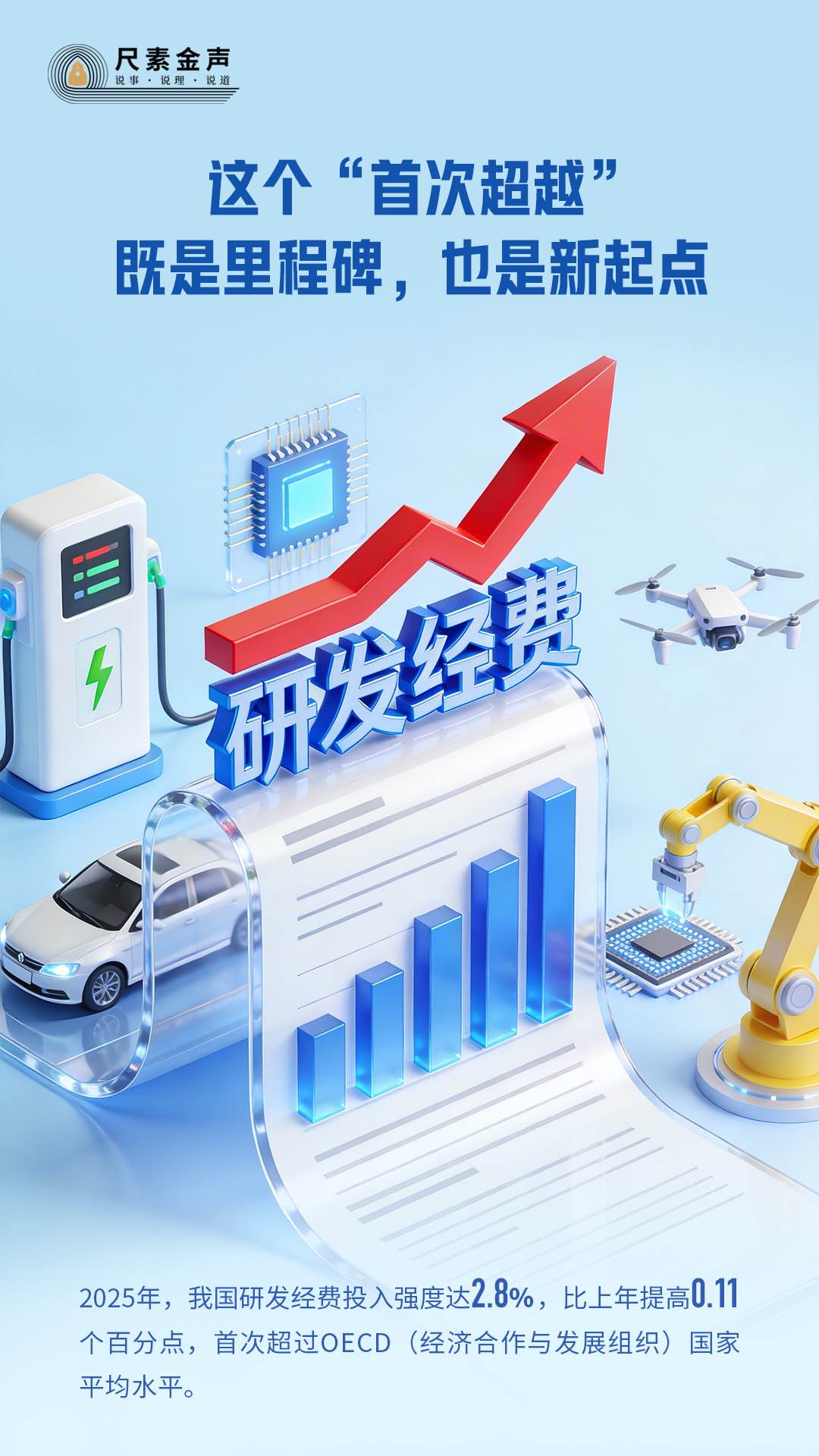
国家统计局最新公布的2025年中国经济"成绩单"上有一项数据尤为引人关注:2025年,我国研发经费投入强度达2.8%,比上年提高0.11个百分点,首次超 过OECD(经济合作与发展组织)国家平均水平。 研发经费投入强度,即全社会研发经费支出占国内生产总值的比例,是国际通用的、衡量一个经济体对科技创新重视程度与投入力度的核心指标。OECD 成员国主要由发达经济体组成,其平均研发强度长期被视为全球创新的"基准线"。中国此次实现超越,不仅是数字上的超越,更是中国发展动力深刻变革 的实证,标志着国家创新体系建设进入从"量的积累"迈向"质的突破"的关键阶段。 成就并非一蹴而就,而是源于国家长期战略与市场创新活力的双重驱动。 在强度攀升的同时,中国研发投入的总量规模也在不断增长。从2012年突破1万亿元、2019年突破2万亿元,到2022年突破3万亿元,再到2025年达到3.9万 亿元。目前我国全社会研究与试验发展经费总量稳居世界第二位。这意味着,中国不仅投入强度跻身全球创新前列,也以庞大的投入总量,构建起世界上 规模最庞大的研发活动体系之一。 再从市场层面看,企业已成为研发投入的绝对主体,占全社会研发经费的比重最高。国 ...
2026:中国经济“进、稳、立”协同发力
Jin Rong Shi Bao· 2026-01-26 02:08
Core Viewpoint - The central theme of the articles emphasizes the need for a systematic approach to ensure a stable and high-quality economic development in China for 2026, focusing on the principles of "seeking progress while maintaining stability" and "establishing before breaking" [1][2][13] Group 1: Stabilizing the Economy - The foundation of stability is characterized by the smooth operation of the economy and positive social expectations, which are essential for achieving "promoting stability through progress" [3][4] - Implementation of a "policy synergy" action is crucial, enhancing the systematic and coordinated nature of macroeconomic regulation, with a focus on effective fiscal and monetary policies [4][5] - Fiscal policies should prioritize key areas, ensuring that limited resources are directed towards major national strategies and social welfare, while monetary policies should remain moderately loose to support stable economic growth [4][5] Group 2: Driving New Growth - The core of "progress" lies in cultivating new productive forces, driven by technological innovation, which is essential for sustainable economic development [6][7] - Key actions include tackling core technologies and enhancing the transformation from laboratory innovations to market applications, particularly in strategic fields like AI and biotechnology [6][7] - Restructuring the industrial system to improve the resilience and security of supply chains is necessary, with a focus on integrating AI into various sectors and promoting intelligent manufacturing [7][8] Group 3: Establishing Key Reforms - The "establish before breaking" approach emphasizes the need to create new production relationships that align with the development of new productive forces, which is vital for high-quality economic growth [9][10] - Establishing unified market rules is essential to facilitate the free flow of resources and eliminate local protectionism, thereby enhancing domestic economic circulation [9] - Reforming state-owned enterprises and improving the business environment for private enterprises are critical to stimulate market vitality and ensure fair competition [10] Group 4: Guiding Expectations and Ensuring Livelihoods - Implementing a "expectation guidance" initiative is necessary to stabilize market confidence, involving comprehensive communication strategies to clarify policy intentions and effects [11][12] - Strengthening employment policies and enhancing public services are vital to ensure a solid social safety net, which will encourage consumer spending and support economic growth [12] - The focus on improving social security systems and expanding access to quality public services will help alleviate concerns in education, healthcare, and retirement, fostering a more stable economic environment [12] Group 5: Overall Logic for Economic Development - The overall strategy for 2026 emphasizes a balanced approach between quality and quantity, aiming for structural optimization and the transformation of development momentum [13] - The development framework should integrate "new momentum breakthroughs, macro policy coordination, key reform pillars, and social expectation guidance" to create a synergistic effect [13] - A careful balance between establishing new systems and addressing existing risks is crucial for achieving sustainable economic stability and growth [13]
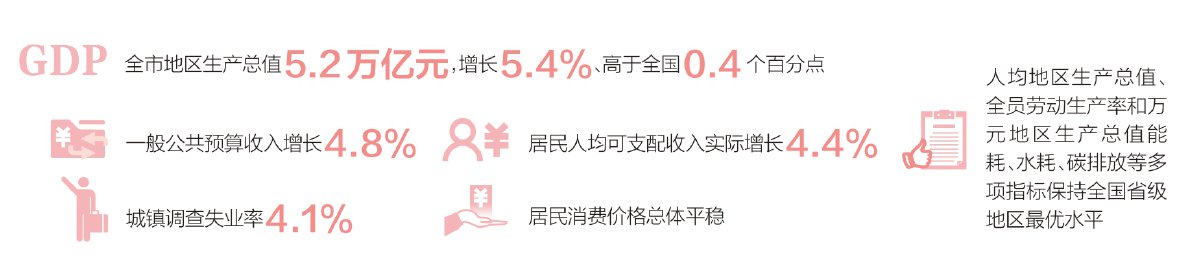
@购车人 新能源汽车减免车购税实操热点问答
蓝色柳林财税室· 2026-01-26 01:54
Group 1 - The core viewpoint of the article discusses the tax exemption policy for new energy vehicles, specifically that each new energy passenger vehicle can receive a tax reduction of up to 15,000 yuan [2] - The purchase date for the vehicle tax exemption is determined by the issuance date of the sales invoice or customs payment certificate, not by the contract signing date [2] - Taxpayers must declare and pay the vehicle purchase tax within 60 days from the date of tax obligation occurrence, which is the day the vehicle is purchased [2] Group 2 - To enjoy the vehicle purchase tax exemption, new energy vehicles must be listed in the "Directory of New Energy Vehicles Eligible for Tax Exemption," which is managed by the Ministry of Industry and Information Technology and the State Taxation Administration [3] - From January 1, 2026, vehicles listed in the directory must comply with the technical requirements specified in the announcement by the Ministry of Industry and Information Technology, the Ministry of Finance, and the State Taxation Administration [3] - The directory can be accessed on the official website of the Ministry of Industry and Information Technology [3] Group 3 - For "battery swap mode" new energy vehicles, the tax calculation price is determined based on the sales invoice for the vehicle excluding the battery [5] - When uploading vehicle information, manufacturers or dealers must indicate whether the vehicle qualifies for tax exemption and if it is a "battery swap mode" vehicle [6] - The tax authorities will process the tax exemption based on the validated information from the Ministry of Industry and Information Technology [6]
新华社:透视“十四五”收官之年工业和信息化发展成效
Xin Hua She· 2026-01-26 01:14
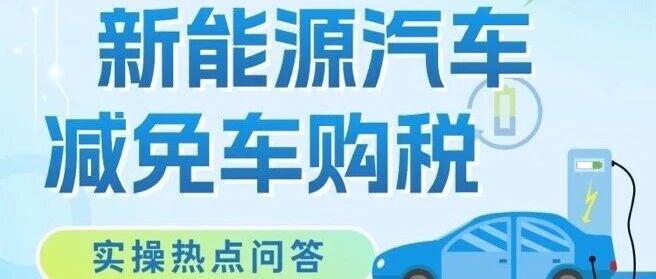
Core Insights - The industrial economy in China is showing steady growth, with a year-on-year increase of 5.9% in industrial added value for large-scale enterprises, and the manufacturing sector maintaining its position as the world's largest for 16 consecutive years [2][8] - The contribution of the industrial and information technology sectors to economic growth exceeds 40%, indicating their critical role in the national economy [2][7] Group 1: Industrial Growth and Achievements - The added value of equipment manufacturing and high-tech manufacturing increased by 9.2% and 9.4% year-on-year, respectively [9] - Over 35,000 basic-level, 8,200 advanced-level, 500 excellent-level, and 15 leading-level smart factories have been established [9] - More than 8,000 national green factories have been cultivated, contributing to energy and water consumption reduction in large-scale industrial units [9] Group 2: Innovation and New Technologies - Significant advancements in technology include over 300 key technology reserves from the first phase of 6G trials, and a year-on-year increase of 26.7% and 23.9% in the added value of integrated circuits and electronic materials, respectively [10] - The production of industrial robots increased by 28%, and new energy vehicle sales reached 16.49 million units, marking a year-on-year growth of 28.2% [10] - The application of artificial intelligence in manufacturing has expanded significantly, with the scale of intelligent computing power reaching 1590 EFLOPS [4] Group 3: Support for Small and Medium Enterprises - A total of 17,600 specialized and innovative "little giant" enterprises and over 140,000 specialized and innovative small and medium enterprises have been cultivated [3][13] - The added value of specialized and innovative "little giant" enterprises in large-scale industries is expected to grow by 6.9% year-on-year [3] Group 4: Future Directions and Policies - The focus for the upcoming year includes stabilizing growth, enhancing innovation, promoting integration, optimizing governance, and preventing risks, with a strong push for new industrialization [6] - The industrial and information technology sectors will continue to support the transformation and upgrading of traditional industries through initiatives like "5G + industrial internet" [5]
奋力实现“十五五”良好开局 推动新时代首都发展再上新台阶
Bei Jing Ri Bao Ke Hu Duan· 2026-01-26 00:10
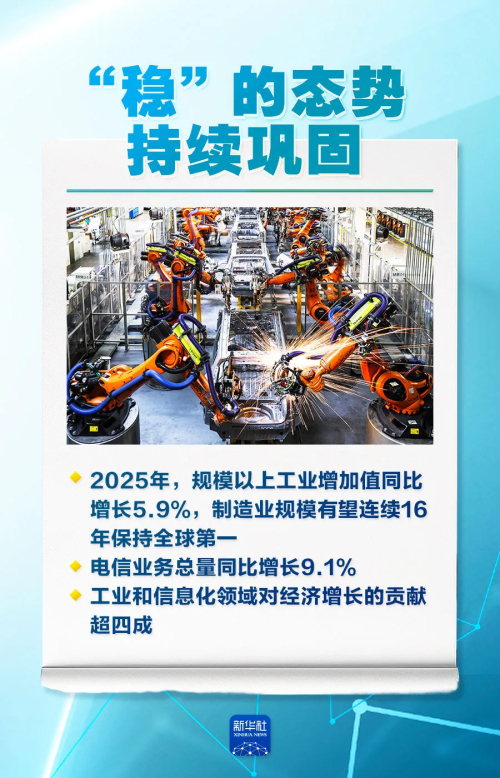
迈入五万亿之城 2025年是"十四五"规划收官之年。过去一年,在以习近平同志为核心的党中央坚强领导下,在中共北京市委直接领导下,在市人大及其常委会监督支持下, 我们坚持以习近平新时代中国特色社会主义思想为指导,全面贯彻党的二十大和二十届历次全会精神,深入贯彻习近平总书记对北京重要讲话精神,加 强"四个中心"功能建设,提高"四个服务"水平,深化"五子"联动服务和融入新发展格局,坚持统筹发展和安全,经济顶压前行、向新向优发展,社会大局保 持稳定,较好完成了市十六届人大三次会议确定的目标任务。 2025年六方面重点工作成绩 一、首都功能持续优化提升 圆满完成中国人民抗日战争暨世界反法西斯战争胜利80周年纪念活动服务保障,以零误差交上服务国家重大活动的北京答卷。 全面增强中央政务功能保障,高标准完成核心区控规新一轮三年行动计划。 持续打好"疏整促"组合拳,疏解提质一般制造业企业104家,治理违法建设2049万平方米,核心区平房申请式退租2006户。 全力支持雄安新区建设,雄安新区中关村科技园新增入驻企业132家,京雄快线、京雄城际衔接升级。 高水平建设城市副中心,东六环入地改造工程建成通车,北京通州站开通运营,副中心 ...