啤酒

Search documents
燕京啤酒: 风险管理委员会工作细则(2025年8月)
Zheng Quan Zhi Xing· 2025-08-10 08:16
Core Viewpoint - The company establishes a Risk Management Committee to enhance risk prevention and control, ensuring effective management of compliance risks and supporting high-quality development [1]. Group 1: General Principles - The Risk Management Committee is responsible for overseeing the company's overall risk management and ensuring that risks associated with business activities are controlled within reasonable limits [1]. - The committee follows a principle of "prevention first, control during, and remedy afterward" to fulfill its risk prevention responsibilities [1]. - The committee aims for scientific and meticulous decision-making to effectively identify and mitigate risks [1]. Group 2: Composition and Structure - The Risk Management Committee consists of five members, including one independent director, nominated by the chairman and elected by the board of directors [2]. - The chairman of the committee is the company's chairman, who also serves as the committee's presiding officer [2]. - Committee members must have knowledge of enterprise management, risk supervision, and legal knowledge, ensuring they can dedicate sufficient time to their responsibilities [2]. Group 3: Responsibilities and Authority - The committee is responsible for approving risk management strategies, policies, and major risk management solutions [3]. - It supervises the effectiveness of the risk management system and guides comprehensive risk management efforts [3]. - The committee reviews risk management reports and compliance management policies for board approval [3]. Group 4: Meeting Procedures - The committee holds regular and temporary meetings, which can be proposed by the board or committee members [5]. - Members must attend meetings in person or delegate their voting rights if unable to attend [5]. - Decisions require a majority vote from all committee members, including those not present [6]. Group 5: Confidentiality and Record Keeping - All committee members are bound by confidentiality regarding meeting discussions and decisions [18]. - Meeting records must be maintained for at least ten years, signed by attending members [19].

燕京啤酒:上半年净利润11.03亿元 同比增长45.45%
Zheng Quan Shi Bao Wang· 2025-08-10 08:04
人民财讯8月10日电,燕京啤酒(000729)8月10日晚间披露2025年半年度报告,上半年实现营业收入85.58 亿元,同比增长6.37%;归母净利润11.03亿元,同比增长45.45%;基本每股收益0.39元。上半年,公司 实现啤酒销量(含托管经营)235.17万千升,同比增长2.03%。 转自:证券时报 ...
燕京啤酒:8月8日召开董事会会议
Mei Ri Jing Ji Xin Wen· 2025-08-10 07:44
(记者 胡玲) 每经头条(nbdtoutiao)——特朗普与普京将于15日会晤,为何在阿拉斯加?GPT-5写作"AI味"浓,代码 被指"美而无用";以色列计划接管加沙城|一周国际财经 每经AI快讯,燕京啤酒8月10日晚间发布公告称,公司第八届第三十五次董事会会议于2025年8月8日以 通讯表决形式召开。会议审议了《2025年半年度报告》等文件。 ...
珍酒李渡(6979.HK):市场纾困、业绩出清 为未来蓄势
Ge Long Hui· 2025-08-10 03:21
Core Viewpoint - The liquor industry is facing sales pressure, with significant short-term performance decline for Zhenjiu and Lidu, as they focus on market relief and inventory control [1][2] Group 1: Financial Performance - Zhenjiu and Lidu expect revenue for the first half of 2025 to be between 2.4 billion to 2.55 billion yuan, representing a year-on-year decline of 38.3% to 41.9% [1] - Expected net profit attributable to shareholders is projected to decrease by 23% to 24%, with adjusted net profit (non-IFRS) anticipated to decline by 39% to 40% [1] Group 2: Market Challenges - The decline in liquor consumption is attributed to economic uncertainties and recent policy impacts, particularly affecting business banquets, social gatherings, and gift-giving scenarios [1] - The high-end product segment, particularly Zhen30 and above, is impacted by downward price adjustments in premium liquor, leading to a focus on volume control and price stabilization [1] Group 3: Strategic Initiatives - The company plans to launch a new flagship product, Dazhen, in June 2025, targeting a market gap between Zhen15 and Zhen30, with positive sales progress expected [2] - The chairman is actively promoting the brand through personal marketing efforts on social media platforms [2] - The company aims to enhance its existing flagship products' competitive edge through refined sales strategies and increased market penetration [2] Group 4: Product Expansion - A high-end beer brand named "Niushi" is set to launch on August 8, with the first product priced at 88 yuan per 375ml aluminum bottle [2] - The company is focusing on emerging consumer trends and plans to develop products tailored for specific occasions like birthdays and weddings [2] Group 5: Long-term Growth Potential - The company is recognized as a rare listed entity in the liquor sector, with strong operational momentum and significant future growth potential [2] - Zhenjiu is positioned in the second tier of the liquor market, with opportunities to leverage brand and channel advantages in a concentrated market [2] - Lidu is seen as a rising star in the high-end segment, with innovative marketing strategies enhancing its market presence [2]
精酿啤酒进入“战国时代” 五粮液、珍酒跨界入局
Zhong Guo Jing Ying Bao· 2025-08-10 00:00
Group 1: Market Entry and Strategy - Wuliangye's subsidiary, Xianlin Ecological Wine Industry, has launched a new craft beer brand "Fenghuolun," entering the mid-to-high-end craft beer market with a price of 19.5 yuan per can (390ml) [1] - Guizhou Zhenjiu has also entered the craft beer market with its "Niushi" craft beer, priced at 88 yuan per 375ml aluminum bottle [1] - The craft beer market in China is projected to reach a scale of 134.2 billion yuan by 2025, with a sustained growth rate leading the overall beer industry [1][7] Group 2: Consumer Targeting and Brand Positioning - Wuliangye's strategy focuses on three consumer groups: young consumers, middle-aged individuals in small towns, and experienced white-collar workers, targeting ages 25-49 who seek quality, individuality, and cultural experiences [2] - The introduction of "Fenghuolun" is seen as a significant evolution of Wuliangye's brand strategy, enhancing brand youthfulness and internationalization while integrating unique Chinese elements [3] Group 3: Competitive Landscape and Challenges - The entry of traditional liquor giants into the craft beer market is expected to raise channel thresholds and squeeze smaller brands in the short term, but may also promote the maturation and development of the craft beer category in the long term [1][4] - White liquor companies possess advantages such as established distribution networks and high-end brand images, which can support the premium pricing of craft beer products [4][5] - However, challenges include brand recognition conflicts, consumer skepticism regarding the expertise of liquor companies in beer production, and the mismatch between the short shelf life of craft beer and the long inventory cycles typical of liquor [6] Group 4: Industry Trends and Future Outlook - The craft beer market is entering a "Warring States" period, with traditional liquor giants like Wuliangye and Zhenjiu targeting the mid-to-high-end market, while independent craft beer brands focus on innovation in niche segments [8] - The overall consumption of craft beer in China is expected to grow significantly, with a compound annual growth rate of 17% from 2022 to 2025 [7] - The rise of instant retail and modern logistics is transforming consumer habits and scenarios in the craft beer industry, enhancing consumer experience through precise marketing and immediate delivery [8]

大理举办啤酒嘉年华 点燃夏日文旅消费新热潮
Sou Hu Cai Jing· 2025-08-09 15:35
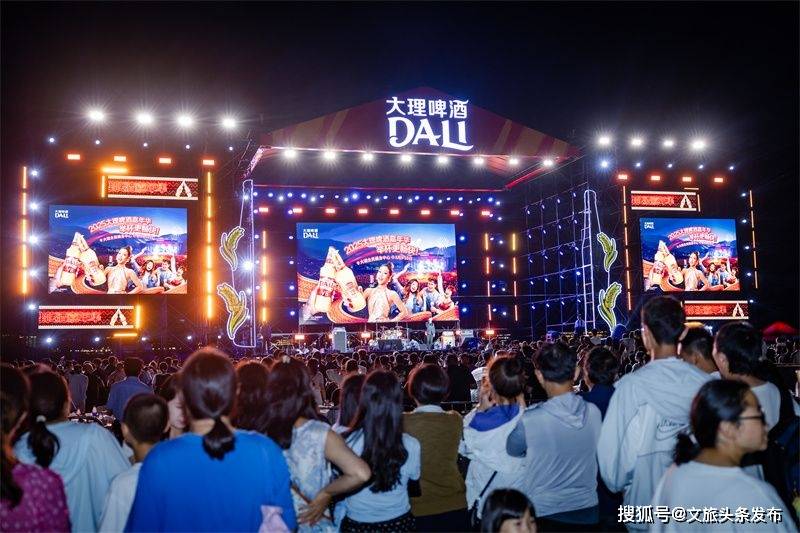
Group 1 - The "2025 Dali Beer Carnival and Dali Prefecture Consumption Promotion Event" was launched on August 8, aiming to activate Dali's cultural tourism consumption through a three-day celebration that integrates beer culture, intangible cultural heritage experiences, and nighttime economy [1] - The event featured various attractions, including a performance by a national music band, a drone show displaying "Wind, Flower, Snow, Moon" and Dali beer bottle designs, and hands-on experiences in traditional crafts like tie-dyeing [3][7] - The carnival is designed to be accessible to all, with no entry fee, allowing families and young people to participate in activities such as wood carving and drinking competitions, reflecting the local community's enthusiasm [10] Group 2 - Dali Beer, established in 1988, has evolved from a local brand to part of the Carlsberg global system, maintaining a commitment to quality while expanding its production capacity and market reach [11] - The company aims to promote local economic prosperity and cultural heritage through its products and events, encouraging more people to discover and appreciate Dali [13] - The carnival will continue to feature performances and cultural experiences, maintaining its philosophy of "zero threshold participation and full-scene carnival" to inject ongoing vitality into Dali's economy [15]

食品饮料行业周报:优质食品公司价值逐步显现,白酒继续等待-20250809
Shenwan Hongyuan Securities· 2025-08-09 15:25
Investment Rating - The investment analysis opinion indicates a positive outlook for traditional consumer leading companies, suggesting they have long-term investment value from a dividend and yield perspective [5]. Core Viewpoints - The report emphasizes that the head companies in traditional consumption have undergone adjustments and are now positioned for long-term investment value. It highlights the potential for performance differentiation among food stocks characterized by new consumption trends, with a focus on companies that possess long-term competitiveness and improvement potential [5]. - In the liquor sector, the report notes that due to slow macro demand recovery and further restrictions on consumption scenarios, sales pressure is expected to remain significant this year, with financial statements also under pressure. Key recommendations include Guizhou Moutai, Shanxi Fenjiu, and Luzhou Laojiao, while also paying attention to Wuliangye, Jinshiyuan, and Yingjiagongjiu [5][6]. - For the mass consumer goods sector, the report suggests that cost advantages will support profitability, and the emergence of new products and channels will foster growth. It recommends leading companies in mature sectors like dairy and beer, and highlights growth opportunities in new retail formats driven by consumer trends towards self-indulgence, health, and convenience [5][7]. Summary by Sections 1. Weekly Industry Insights - The food and beverage sector saw a 0.63% increase last week, with liquor rising by 0.38%. However, it underperformed the broader market, lagging by 1.48 percentage points [4]. - The report ranks the food and beverage sector 26th among 31 sub-industries in terms of performance [4]. 2. Liquor Sector Analysis - Moutai's bottle price is reported at 1875 RMB, with a week-on-week increase of 15 RMB, while the box price remains stable at 1910 RMB. Wuliangye's price is approximately 870 RMB, also stable [6][19]. - The report suggests that high-end liquor prices have stabilized since July, but future trends remain uncertain, advising patience for fundamental changes in the industry [6]. 3. Mass Consumer Goods Sector Analysis - The report increases its recommendation for Uni-President China, noting that the company's mid-year performance exceeded expectations. Forecasted net profits for 2025-2027 are 2.315 billion, 2.579 billion, and 2.843 billion RMB, respectively, with year-on-year growth rates of 25%, 11%, and 10% [7][10]. - The report highlights the continuous improvement in profitability driven by structural upgrades in food and beverage businesses, alongside a focus on expanding into dining, gift boxes, and family consumption scenarios [7]. 4. Market Performance of Sub-sectors - The food and beverage industry underperformed the Shenwan A index by 1.29 percentage points during the period from August 4 to August 8, with various sub-sectors showing mixed performance [35]. - The report indicates that the liquor sector has consistently lagged behind the market, with a notable decline in excess returns compared to the Shenwan A index [36].



去KTV喝啤酒?老了
Sou Hu Cai Jing· 2025-08-09 14:20
Core Viewpoint - The beer industry is facing challenges despite a shift in consumer preferences towards quality and experience, with a notable decline in overall beer production and a growing trend of moderate consumption among younger consumers [1][3][9]. Industry Trends - The cumulative production of large-scale beer enterprises in 2024 is projected to be 35.213 million kiloliters, a slight decrease from the previous year and only about 70% of the peak production level in 2013 [1]. - New consumption patterns are emerging, with beer being consumed more in experiential settings like music festivals and barbecues, reflecting a shift towards emotional consumption [1][5]. - The trend of moderate drinking is becoming prevalent, with nearly 90% of consumers limiting their intake to 1 to 5 bottles per occasion [1][4]. Consumer Behavior - Young consumers are increasingly favoring high-quality beers, with a focus on "drinking less but better" [3][4]. - The average dining group size has decreased, with more gatherings consisting of 3 to 6 people, leading to a decline in average spending per person in traditional dining settings [5]. - Concerns about health risks are influencing over 57% of respondents to reduce their beer consumption frequency [8]. Market Innovations - The beer market is experiencing a flavor revolution, with brands launching low-sugar, low-alcohol, and craft beers, leading to significant sales growth in these categories [9][14]. - Craft beer is identified as a key growth area, with over 3,000 craft breweries potentially unaccounted for in official statistics [14]. - Major brands like Budweiser are focusing on high-end products and innovative marketing strategies to engage younger consumers through music and sports events [14][20]. Marketing Strategies - Brands are increasingly targeting young consumers through music festivals and sports events, with Budweiser and Harbin Beer actively participating in major cultural events to enhance brand visibility [16][19]. - The integration of local culture and emotional connections through beer is becoming a new competitive strategy, as seen in initiatives like the "Beer Exchange" in Qingdao [35][36]. - Online sales channels are gaining traction, with significant growth in beer sales through instant retail platforms, particularly during major sporting events [29][32]. Regional Market Dynamics - The "Su Super" football league has revitalized local beer sales, demonstrating the effectiveness of leveraging regional events for marketing [22][25]. - Beer festivals and local events are increasingly incorporating cultural elements to attract consumers, with brands adapting their strategies to fit local preferences [36][37].

50块吃到扶墙,沈阳的“夜宵张力”有多强?
Hu Xiu· 2025-08-09 12:23
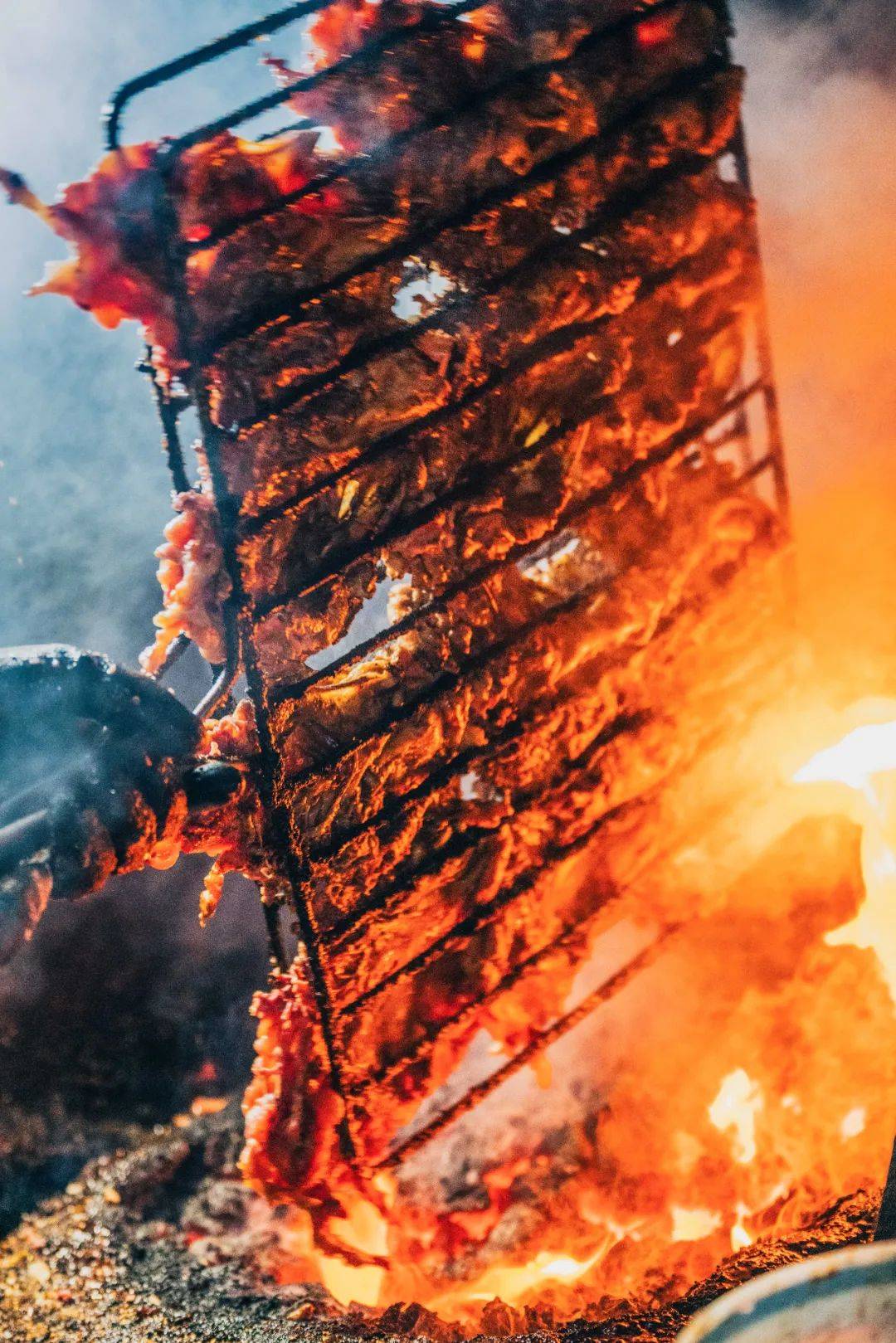
Core Insights - The article highlights Shenyang as the most cost-effective city for late-night snacks in Northern China, showcasing its vibrant night market culture and diverse food offerings [1][5][36] Group 1: Night Market Culture - Shenyang is recognized for its affordability and variety in late-night dining, with options like grilled chicken racks and self-service barbecues available at low prices [5][24] - The city attracts over 160,000 visitors daily during peak seasons, making it a popular destination for tourists seeking a lively nightlife experience [5][36] - The night market scene in Shenyang is characterized by a blend of traditional and modern culinary practices, reflecting the city's industrial heritage [21][24] Group 2: Signature Dishes - The grilled chicken rack is a staple of Shenyang's night market, known for its crispy texture and affordability, often priced between 8 to 15 yuan [12][21] - Barbecue offerings in Shenyang include a variety of meats and seafood, with self-service options available for around 80 yuan, emphasizing high value for money [25][26] - Unique local flavors are present in dishes such as spicy stir-fried chicken racks and various dipping sauces, showcasing the region's culinary diversity [26][28] Group 3: Local Beverages and Desserts - The "Bai Li" drink is a popular local beverage, often enjoyed by residents and visitors alike, serving as a refreshing option during hot summer nights [38][44] - Shenyang's ice cream offerings are diverse and innovative, featuring flavors that incorporate local ingredients and culinary traditions, appealing to a wide audience [44][47]
“白酒教父”or“带货网红”,吴向东想当白酒行业的雷军
Sou Hu Cai Jing· 2025-08-09 07:03
Core Viewpoint - The recent performance warning from Zhenjiu Lidu indicates a significant decline in revenue and profit for the first half of 2025, yet the stock price has surprisingly increased, reflecting market optimism about future prospects driven by the founder's marketing efforts [1][2][3]. Group 1: Financial Performance - Zhenjiu Lidu's revenue for the first half of 2025 is projected to be between 2.4 billion to 2.55 billion RMB, representing a decline of 38.3% to 41.9% compared to the previous year [1]. - The net profit is expected to decrease by 23% to 24%, while non-IFRS net profit is anticipated to drop by 39% to 40% [1]. Group 2: Market Reaction - Despite the negative earnings forecast, Zhenjiu Lidu's stock price has risen significantly, indicating a disconnect between market sentiment and financial reality [2]. - Investor optimism may stem from the founder Wu Xiangdong's active engagement on social media, creating a buzz around the brand [4][5]. Group 3: Marketing Strategy - Wu Xiangdong has adopted a "celebrity" approach, utilizing short videos to promote the brand and engage with potential investors and distributors [4][5]. - The introduction of new products, such as the 800 RMB "Dazhen" and the 88 RMB "Niushi" beer, aims to attract attention and expand the distributor network [7][8]. Group 4: Challenges and Competition - The new product pricing may be too high for mass appeal, particularly in a declining consumption environment, raising concerns about scalability [10][12]. - Zhenjiu Lidu's positioning in the mid-to-high-end market faces stiff competition from established brands like Moutai and Wuliangye, which dominate consumer preferences [15][16]. Group 5: Strategic Considerations - The strategy of leveraging a celebrity persona to attract distributors may not be sustainable in the long term, as it risks exhausting the founder's brand equity [24][25]. - The company needs to align its product offerings with market demand, potentially considering lower-priced options to appeal to a broader audience [33][34].