
制鞋

Search documents
特朗普关税让东南亚从中国进口增2成
3 6 Ke· 2025-05-27 04:48
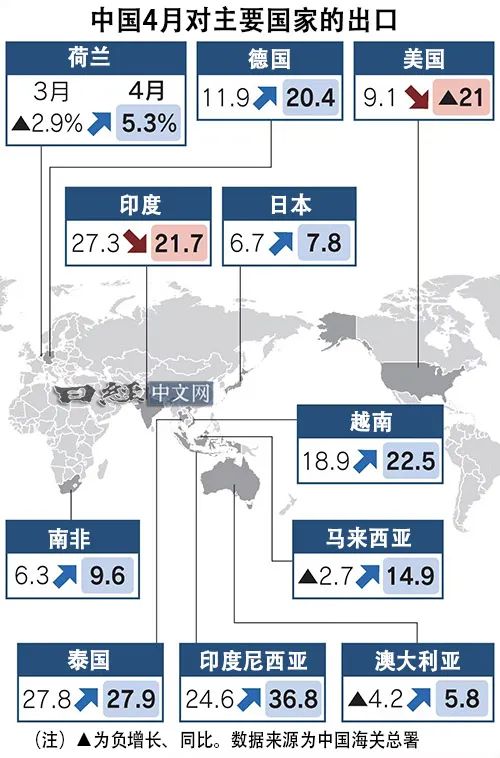
Group 1 - China's exports to ASEAN increased by 21% year-on-year in April, compensating for a 21% decline in exports to the United States due to high tariffs imposed by the Trump administration [1][3] - Exports to Southeast Asian countries, particularly Vietnam, Thailand, and Indonesia, saw growth of 20-30%, while exports to Singapore and Malaysia rebounded by 15% in April after a decline in March [1][3] - The transition period for U.S. tariffs has led to a surge in Vietnamese exports to the U.S., with a year-on-year increase of over 30% in April, prompting an increase in imports of raw materials from China [3] Group 2 - In Indonesia, the import of Chinese electric vehicles (EVs) surged, with sales reaching four times the volume of the previous year, accounting for 14% of new car sales [4] - The influx of low-priced Chinese products is causing disruptions in local industries in Indonesia, leading to factory closures and layoffs in the textile and footwear sectors [4] - Malaysia has implemented anti-dumping duties on certain Chinese imports, reflecting growing resistance against the influx of low-priced Chinese goods [4][5]

特朗普关税让东南亚从中国进口增2成
日经中文网· 2025-05-27 03:19
Core Viewpoint - China's exports to ASEAN increased by 21% year-on-year in April, compensating for a 21% decline in exports to the United States due to high tariffs imposed by the Trump administration [1][3]. Group 1: Trade Dynamics - Exports to ASEAN countries, particularly Vietnam, Thailand, and Indonesia, saw a growth of 20-30% in April, while exports to Singapore and Malaysia rebounded by 15% after a decline in March [1]. - The decline in exports to the U.S. has led to an increase in imports from China by ASEAN countries, with electrical products and components from China rising by 54% and machinery by 44% in Vietnam [2][3]. Group 2: Impact on Industries - The automotive sector in Indonesia experienced a significant increase in the import of Chinese electric vehicles, with sales reaching four times that of the previous year, accounting for 14% of new car sales [3]. - The textile and footwear industries in Indonesia are facing factory closures and layoffs due to the influx of low-priced Chinese products, raising concerns about increased competition for local businesses [4]. Group 3: Government Responses - Malaysia has implemented anti-dumping duties on certain Chinese products, such as PET used for plastic bottles, in response to the rising influx of low-priced imports [5]. - India has also introduced emergency import restrictions on certain steel products from China, imposing a temporary 12% import duty [5].
【环时深度】加征关税让“美国梦”变得更加昂贵
Huan Qiu Shi Bao· 2025-05-22 22:45
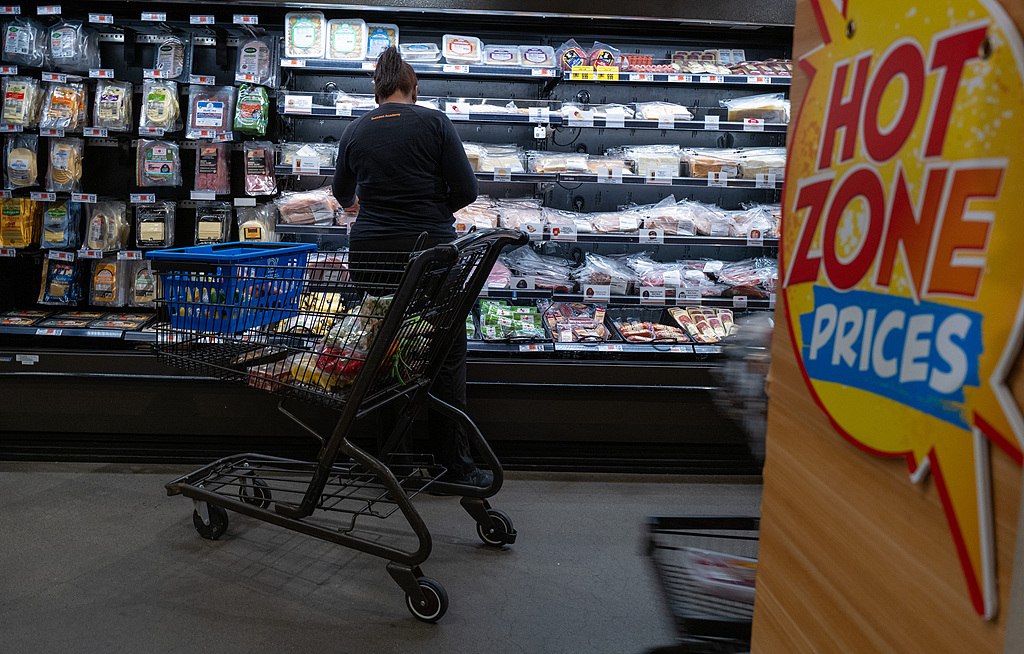
Group 1 - The White House's tariff policy is expected to increase consumer prices in the U.S., raising concerns about the affordability of goods and the realization of the "American Dream" [1][2][3] - Major retailers like Walmart have warned that a wide range of products, from groceries to car seats, will become more expensive due to tariffs, affecting 90% of American households [2][5] - The cost of achieving the "American Dream" is projected to rise to $4.4 million in 2024, a $1 million increase from 2023, primarily driven by high inflation [3][5] Group 2 - Experts suggest that the tariff policy may make economic security harder to achieve for many middle-class families, as it raises costs for essential items like housing and vehicles [5][9] - The National Retail Federation (NRF) highlights that small businesses, which make up 98% of retailers and provide over 13 million jobs, are particularly vulnerable to the impacts of tariffs [5][10] - The tariffs could lead to a decrease in consumer confidence and spending, as businesses pass on the increased costs to customers [5][10] Group 3 - The debate continues over whether access to affordable goods is a fundamental part of the "American Dream," with some officials arguing it is not, while others assert that it is essential for the quality of life [6][7][9] - Historical perspectives indicate that post-World War II consumerism was tied to national identity and economic prosperity, suggesting that rising prices could undermine this connection [8][9] - The tariffs may exacerbate wealth inequality and hinder upward mobility for ordinary Americans, as the cost of living increases [9][11] Group 4 - Polls indicate that a significant portion of the American public disapproves of the tariff approach, particularly among younger voters and those with lower incomes [11][12] - Despite a preference for American-made products, consumer behavior shows a stronger inclination towards low prices and availability, suggesting potential backlash against high tariffs [12]
“工厂游”爆红,揭秘制造业新价值密码
3 6 Ke· 2025-05-22 02:56
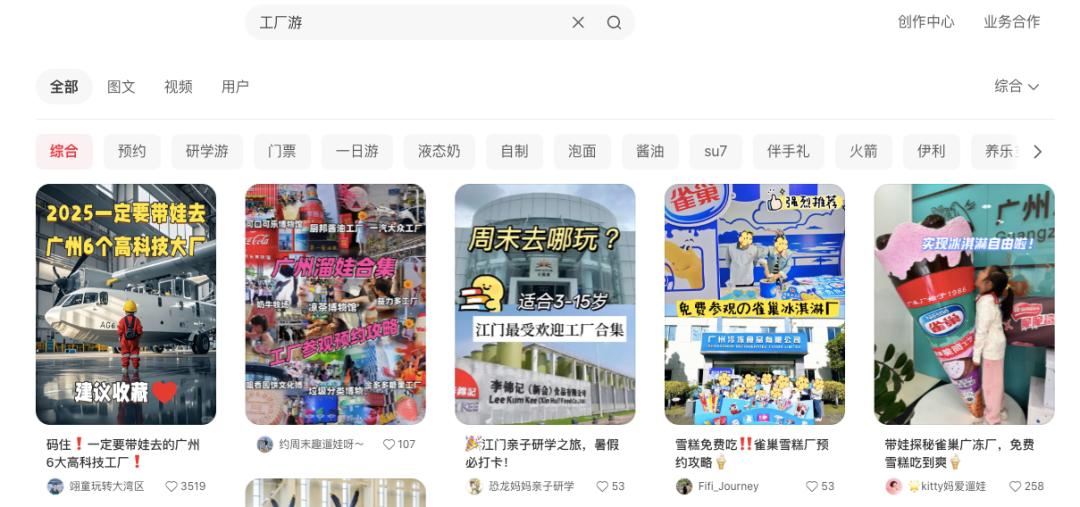
Core Insights - The rise of "factory tours" on social media indicates a growing interest in industrial tourism, with significant engagement on platforms like Xiaohongshu, where related topics have garnered millions of views [1][3] - Industrial tourism in China is still in its infancy, with a market share of less than 5%, compared to 10%-15% globally, suggesting substantial growth potential [3][4] - Recent trends show a strong demand for factory tours, as evidenced by Xiaomi's factory tour slots selling out quickly and being resold at high prices, highlighting the commercial value of integrating industry with cultural tourism [3][4] Group 1: Industry Trends - The concept of "factory tours" is gaining traction, with social media discussions reaching 300,000 to 1.8 million views on various topics [1][3] - International examples of industrial tourism, such as Germany's Ruhr area and Japan's White Chocolate Park, illustrate successful models that blend culture and industry [3] - Chinese policies are increasingly supportive of industrial tourism, with cities like Beijing and Shanghai implementing plans to develop industrial tourism as part of urban cultural strategies [4] Group 2: Business Models - Companies like Tesla and NIO are leveraging factory tours as marketing tools, transforming factories into experiential spaces that enhance consumer trust and brand loyalty [5][6] - The "experience economy" is reshaping how factories engage with consumers, turning traditional manufacturing spaces into interactive environments that foster deeper connections [6][24] - Successful examples include the White Lover's Park in Japan, which combines free and paid experiences to maximize visitor engagement and revenue [7][9] Group 3: Value Creation - Industrial tourism can generate multiple revenue streams, including ticket sales, experiential activities, and IP-derived products, creating a complex ecosystem that benefits both the industry and consumers [21][22] - The integration of educational elements into factory tours can help reshape perceptions of manufacturing careers among younger generations, fostering a new talent pipeline [29][30] - Companies can enhance brand value through emotional connections and unique experiences, moving beyond traditional product offerings to create lasting consumer relationships [25][28]
内联升跨界:非遗针脚“纳出”咖啡新故事
Zhong Guo Chan Ye Jing Ji Xin Xi Wang· 2025-05-20 01:46
Core Insights - The company Neiliansheng is diversifying its business by entering the coffee market, aiming to attract younger consumers and modernize its brand image [1][2][3] Group 1: Business Strategy - Neiliansheng's entry into the coffee market is part of a broader strategy to integrate cultural elements into everyday consumer experiences, appealing to the preferences of younger consumers [1] - The coffee shop, named "Danei Gongbao," is linked to the brand's historical narrative, enhancing consumer engagement through storytelling [2] - The coffee business has shown promising profitability since its opening in 2022, with significant growth potential as operational models are optimized [2] Group 2: Brand Image and Consumer Engagement - The introduction of the coffee shop has led to an increase in online search volume for Neiliansheng's shoe products and a higher proportion of young customers in physical stores [2] - The establishment of the "Neifu Academy" reading space within the coffee shop allows customers to explore books related to traditional crafts and the brand's history, enhancing the overall consumer experience [3] - This multi-faceted approach not only attracts new customers but also revitalizes the brand, creating a modern image while preserving its cultural heritage [1][3]

沃尔玛带头涨价,美国通胀即将变天
凤凰网财经· 2025-05-16 13:12
Group 1 - Walmart will begin raising prices on certain goods starting at the end of May due to increased tariff costs, indicating that the trade policies of the Trump administration are impacting consumer spending in the U.S. [1] - Walmart's CFO John David Rainey stated that consumers will notice price increases more significantly in June, and the company plans to reduce some orders while assessing price elasticity [1] - To alleviate cost pressures, Walmart is collaborating with suppliers to replace imported components with materials not affected by tariffs, such as using fiberglass instead of aluminum [1] Group 2 - Walmart's CEO Doug McMillon mentioned that there is limited flexibility in adjusting food imports, as certain fresh products like bananas and coffee rely heavily on imports from countries like Costa Rica and Colombia [1] - Despite facing cost pressures, Walmart has maintained its full-year earnings guidance for fiscal year 2026, expecting adjusted earnings per share to be between $2.50 and $2.60, with revenue growth projected at 3% to 4% [1] - Other companies, such as the German sandal manufacturer Birkenstock, are also responding to tariff impacts by raising prices globally to offset the 10% tariffs imposed on EU goods by the U.S. [1]


莆田鞋·天猫服饰战略合作发布会暨莆田鞋618消费季启动仪式圆满举行
Zhong Guo Chan Ye Jing Ji Xin Xi Wang· 2025-05-16 02:37
Core Insights - The event "Pudong Quality Creation · National Trend Rebirth" marks a strategic collaboration between Putian footwear and Tmall Fashion, aiming to enhance the digital transformation of the footwear industry [1][2] - The partnership is expected to elevate Putian shoes from a regional identifier to a national brand, providing consumers with reliable and comfortable products [2] Group 1: Strategic Collaboration - The strategic cooperation aims to create a "digital upgrade model" for the national footwear industry [2] - Tmall will provide resources for traffic support, data empowerment, and brand incubation services to Putian shoe enterprises [2] Group 2: Innovative Achievements - The launch of the "Putian Shoe Quality Control Mark" and a three-dimensional anti-counterfeiting certification system utilizing blockchain technology for full traceability [3] - Introduction of the Putian shoe anime IP "Pupin · Tiantian," inspired by local heritage skills, to create a cultural symbol with commercial value [4] - Implementation of the "1+N" brand strategy, with agreements signed between Putian state-owned capital operation group and leading footwear companies [5] Group 3: Event Highlights - The signing of the strategic framework agreement and the launch of the "618 Consumption Season" for Putian shoes [6] - A brand showcase featuring outdoor functional shoes, national style shoes, and customized products, highlighting the dual competitiveness of technology and culture [7] Group 4: Future Outlook - The collaboration is seen as a stepping stone for Putian shoes to integrate quality and intelligence, aiming to convey the innovative strength of Chinese footwear to the world [9]

美线运价已开始上涨!美国客户催发货,上市公司急速补订单
券商中国· 2025-05-15 02:00
Core Viewpoint - The recent reduction of tariffs between the US and China has led to a significant increase in container shipping bookings from China to the US, indicating a rebound in trade volume and a shift in supply chain dynamics [1][2][3]. Group 1: Trade Volume and Order Dynamics - Following the tariff reductions, container shipping bookings from China to the US surged nearly 300% [2]. - Companies are experiencing increased urgency from US clients for order fulfillment, with many clients prioritizing production and shipment of US orders [4]. - The demand for products such as herbicides is expected to rise due to previous tariff-related supply shortages in the US market [4]. Group 2: Shipping Rates and Market Conditions - Shipping rates for routes to the US have begun to rise, with the Shanghai Export Container Freight Index for the US West Coast increasing by 10.2% [5]. - Despite a projected 20% decline in China's exports to the US by April 2025, the current demand for Chinese manufacturing remains strong [5][6]. Group 3: Resilience of Chinese Manufacturing - Chinese manufacturers have not seen a significant loss of clients due to tariffs, with many reporting an increase in orders instead [6]. - Companies like 华利集团 and 锐明技术 have maintained or even increased their order volumes, indicating strong resilience in the face of tariff challenges [6][9]. Group 4: Capacity Diversification and Global Strategy - Companies are exploring capacity diversification to mitigate supply chain risks, with some considering production facilities in regions like Southeast Asia and South America [8][9]. - The establishment of overseas production bases is seen as a strategy to reduce trade barriers and logistics costs while maintaining a global supply chain [9].
美国客户催发货 上市公司急速补订单
Zheng Quan Shi Bao· 2025-05-14 18:28
Core Viewpoint - The recent reduction of bilateral tariffs between China and the U.S. is expected to boost trade volumes and prompt companies to expedite orders and shipments, reflecting a shift in the export landscape [1][3]. Group 1: Impact on Trade and Orders - U.S. customers are urgently requesting shipments, with some even opting for air freight, which was uncommon previously [2]. - The Shanghai Export Container Freight Index indicates a 10.2% increase in the shipping rates for the U.S. West Coast route, reflecting rising demand [2]. - Companies like Huayi Group and Xian Da Co. anticipate increased sales due to tariff adjustments, with Huayi projecting sales of 223 million pairs of shoes in 2024 [1][3]. Group 2: Resilience of Chinese Manufacturing - Chinese manufacturers maintain a strong demand, with many reporting no loss of customers despite previous tariff increases [3]. - Companies are experiencing an influx of orders, with some U.S. clients increasing their order volumes in response to tariff changes [3]. - The expectation of a "rush to export" is prevalent in the industry, driven by the recovery of previously delayed shipments [3]. Group 3: Strategic Adjustments and Global Expansion - Companies are focusing on diversifying their production capacities overseas to mitigate supply chain risks, with plans for new factories in Vietnam and Indonesia [5]. - The strategy includes balancing production across global markets, not limited to the U.S., to enhance supply chain integration and customer service [5]. - Alibaba International Station is actively working to expand the U.S. buyer base and facilitate increased order conversion for Chinese sellers [4].


经贸会谈后出口预期强 有美国订单“催发货“
Zheng Quan Shi Bao Wang· 2025-05-14 03:32
Group 1 - Recent high-level economic talks between China and the US in Geneva have led to changes in the export chain, with analysts predicting a boost in Chinese exports due to increased demand for urgent exports and capacity relocation [1][3] - Companies like Huayi Group are experiencing a full order book and normal production, ensuring timely delivery despite the tariff situation [1][2] - The shipping rates to the US have started to rise, with the Shanghai Export Container Freight Index showing a 10.2% increase for the West US route [1] Group 2 - Companies have not seen significant order cancellations due to tariffs, with many clients increasing their orders, indicating a stable demand environment [2] - The "rush to export" trend is expected to continue in the short term, driven by uncertainties in US tariff policies and the need for companies to diversify supply chain risks [3] - Companies are focusing on global capacity layout, with plans for production bases in regions like Southeast Asia and the Middle East to optimize customer service and reduce reliance on the North American market [4]