半导体

Search documents
HBM,再创新高!
半导体芯闻· 2026-03-27 10:26
Core Viewpoint - Samsung Electronics and SK Hynix are expected to see significant growth in high bandwidth memory (HBM) shipments this year, driven by demand from clients like NVIDIA, Broadcom, and AMD, with total shipments projected to reach 300 billion Gb [1][4]. Group 1: Samsung Electronics HBM Production - Samsung Electronics aims to triple its HBM production capacity this year compared to last year, with an estimated shipment target of around 110 billion Gb, up from approximately 40 billion Gb last year [2][3]. - The company has received positive feedback from NVIDIA regarding its next-generation HBM4, and negotiations with other clients like AMD and Broadcom are nearing completion [2][3]. - Samsung's HBM4 products are designed using advanced 10nm and 4nm process technologies, which are considered superior to competitors [2][3]. Group 2: SK Hynix HBM Production - SK Hynix is projected to ship about 200 billion Gb of HBM this year, a 60% increase from last year's 120 billion Gb, with two-thirds of this capacity dedicated to NVIDIA [4][5]. - Despite concerns over performance issues with HBM4, SK Hynix plans to maintain its original shipment targets, indicating that the overall supply will not be significantly altered [4][5]. - The company is adjusting its product mix to meet customer demands while adhering to its planned HBM shipment volume [5]. Group 3: Market Dynamics and Future Outlook - The semiconductor industry is facing a supply-demand imbalance for HBM, with both Samsung and SK Hynix expected to meet their shipment goals despite performance controversies [5]. - The overall market demand for HBM is anticipated to exceed current production capacities, suggesting a favorable environment for both companies [5].


半导体供应链,迎来剧变
半导体芯闻· 2026-03-27 10:26
Group 1 - Global tech giants and semiconductor companies are breaking existing business boundaries to build independent semiconductor ecosystems, indicating a new round of supply chain restructuring [1] - ARM has launched its own general-purpose AI central processing unit (AGI CPU) under its own brand, marking its first direct market entry in 35 years, which could disrupt the server CPU market traditionally dominated by Intel and AMD [1] - The impact on Samsung Electronics varies across its business units; ARM's entry into product manufacturing transforms the relationship from cooperation to competition for its system LSI department [1] Group 2 - For the foundry department, ARM's move presents both opportunities and risks; ARM is considering using Samsung for production, which could help Samsung secure orders previously concentrated with TSMC [2] - The storage chip department is expected to benefit positively from ARM's entry, as the new platform will diversify the server CPU market and increase demand for high-bandwidth memory (HBM) and DDR5 chips [2] - SK Hynix, a pure storage company, is also likely to benefit from ARM's entry, as it may break the current supply concentration of HBM with Nvidia, promoting a more diversified supply structure [2] Group 3 - Tesla's plan for a trillion-dollar "Terafab" factory, led by Elon Musk, has mixed implications; while it raises concerns about former clients becoming competitors, it may also help diversify storage demand currently dominated by Nvidia [3] - The semiconductor industry faces challenges in achieving self-sufficiency in chip manufacturing due to the need for advanced process technology and significant capital investment [3] - Talent loss is a pressing threat, as companies like Tesla actively recruit semiconductor talent from South Korea, which could increase labor costs and lead to the outflow of core technical personnel [3]
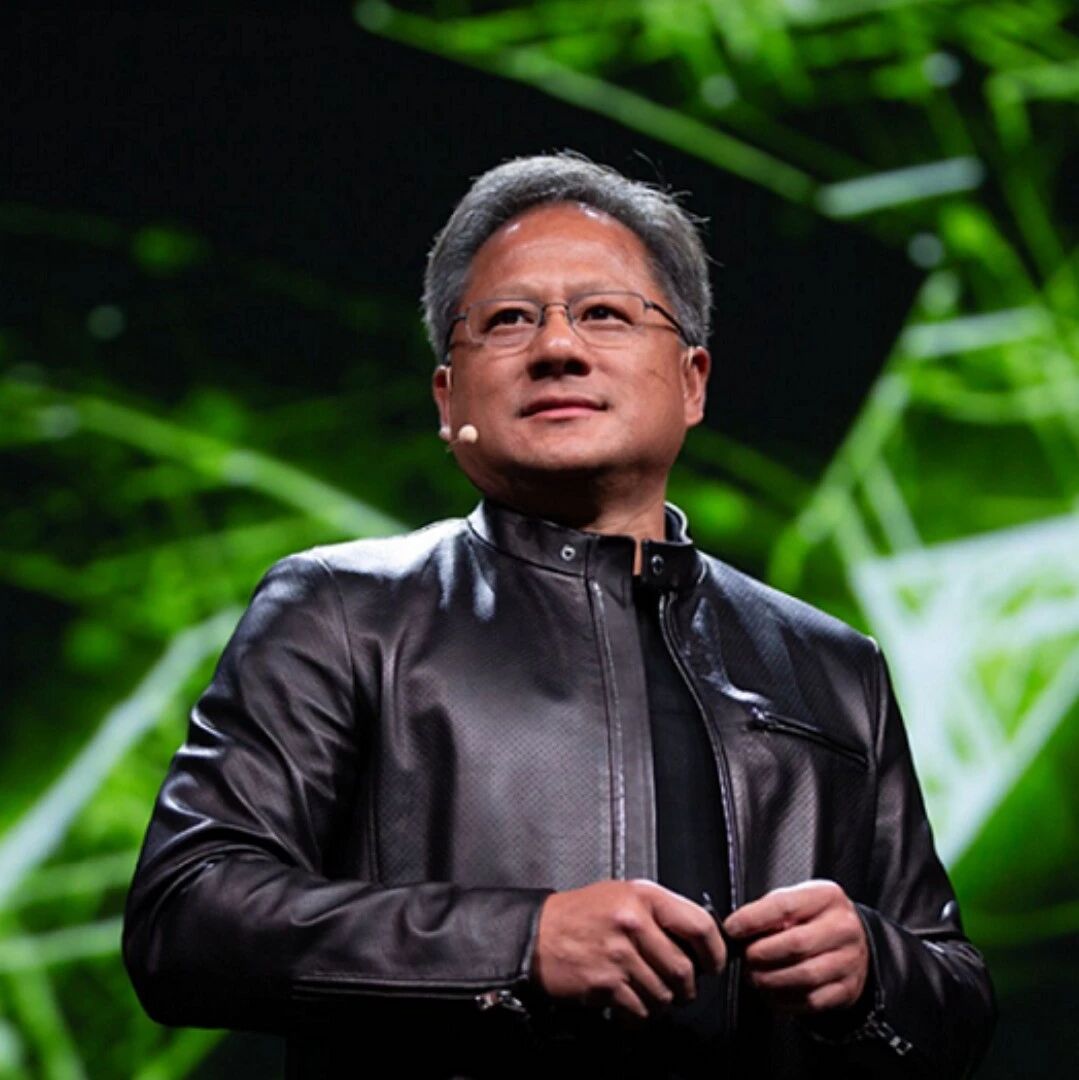
黄仁勋获imec 2026年度终身成就奖
半导体芯闻· 2026-03-27 10:26
Core Viewpoint - The article highlights the recognition of Jensen Huang, CEO of NVIDIA, with the 2026 Lifetime Innovation Award by imec for his pivotal role in advancing computing technology and artificial intelligence through the invention of GPUs [1][2]. Group 1: Award and Recognition - The 2026 Lifetime Innovation Award will be presented to Jensen Huang during the imec International Technology Forum on May 19 in Antwerp, Belgium [1]. - The award acknowledges Huang's contributions to the acceleration of computing technology and the empowerment of core AI applications across industries [1][2]. - imec CEO Luc Van den hove emphasized Huang's role as a foundational figure in modern computing, stating that the GPU, originally designed for gaming, has transformed various industries [2]. Group 2: Impact of GPUs and AI - The article discusses how GPUs have become the core "brain" for computers, humanoid robots, and autonomous vehicles, enabling them to perceive and understand the real world [1]. - Huang's leadership at NVIDIA has been instrumental in the deep learning technologies that have fueled the modern AI wave [1][3]. - Van den hove noted that the explosive growth of AI necessitates continuous innovation and collaboration across the semiconductor ecosystem to seize future opportunities [3]. Group 3: Huang's Background and Achievements - Jensen Huang co-founded NVIDIA in 1993 and has served as its CEO since then, leading the company to launch the programmable GPU in 1999 [1][3]. - Huang has received numerous prestigious awards, including the Robert Noyce Award and the IEEE Founder’s Medal, recognizing his significant contributions to the semiconductor industry [3].
一条误报,将可能造成数以百万计的代价:霍尼韦尔给出半导体制造破局的系统解法
半导体芯闻· 2026-03-27 10:26
Core Insights - The rapid expansion of China's semiconductor manufacturing industry is notable, with wafer capacity in mainstream process nodes (22nm-40nm) expected to reach 42% of global share by 2028, and leading domestic wafer fabs planning to increase capacity by over 800,000 wafers per month [1] Industry Challenges - The rapid increase in capacity poses higher demands on the supply chain, particularly in gas management, where the use of flammable, toxic, or corrosive gases like silane (SiH₄) and phosphine (PH₃) presents significant safety risks. Any leakage can lead to severe accidents, and the manufacturing process requires extremely high gas purity, with impurity levels needing to be controlled at ppb (parts per billion) or even ppt (parts per trillion) levels [2] - The complexity of gas supply systems is increasing, with a single wafer fab now involving up to 50 types of gases, and any false alarms or missed detections can result in millions of dollars in losses due to production downtime [2][3] Product Innovations - Honeywell's MIDAS® S1 and Vertex™ series products were showcased at SEMICON China 2026, addressing industry challenges through flexible deployment and comprehensive monitoring systems [6] - The MIDAS® S1 gas detector features a modular design and pre-calibrated sensor boxes, allowing for quick deployment and maintenance, significantly reducing operational burdens during capacity expansion [9] - The Vertex™ series utilizes Honeywell's patented Chemcassette® technology for precise identification of specific toxic gases, minimizing false alarms and providing physical records for issue resolution, thus ensuring production continuity [11] Localization Strategy - Honeywell emphasizes a comprehensive localization strategy that includes R&D, production, and service, tailored to meet local customer needs and enhance value [14] - The Nanjing R&D and production base is central to this strategy, with an annual capacity of 300 million sensors and a focus on agile manufacturing and service support [14] Collaborative Approach - Honeywell adopts a collaborative approach with local clients, moving partnerships to the R&D and validation stages to ensure products align with local processes and applications [16] - The company supports local equipment manufacturers by providing reliable detection technology and localized supply chain capabilities, helping to reduce trial and error costs and maintain stable operations during rapid expansion [16] Future Outlook - The future of gas safety monitoring in semiconductor manufacturing is shifting from risk detection to proactive risk management, with Honeywell aiming to enhance detection precision and integrate monitoring into core decision-making processes [17] - This transition signifies that gas safety will become a critical variable affecting yield, efficiency, and costs, positioning gas detection and sensing technology as a foundational element for the high-quality development of China's semiconductor industry [17]

东莞证券财富通每周策略-20260327
Dongguan Securities· 2026-03-27 09:40
Market Overview - The Shanghai Composite Index experienced a decline of 1.09% this week, while the Shenzhen Component Index fell by 0.76%, and the ChiNext Index decreased by 1.68% [1][3][10] - The trading volume remained high, with an average above 1.8 trillion yuan, despite dropping below 2 trillion yuan in the last two days of the week [1][3][10] Economic Analysis - The economic outlook for early 2026 is positive, with a notable recovery in investment growth, supported by strong exports and infrastructure spending [2][11] - In January-February, the industrial added value increased by 6.3% year-on-year, and urban fixed asset investment rose by 1.8%, significantly higher than previous values [11][12] - Infrastructure investment turned positive, with broad and narrow infrastructure investments growing by 9.8% and 11.4% respectively [11] - Consumer spending showed a modest increase, with retail sales growing by 2.8% year-on-year, driven by the effects of the Spring Festival [11][12] Fiscal Policy Insights - Fiscal revenue showed a mixed performance, with total revenue reaching 4.42 trillion yuan, a year-on-year increase of 0.7% [12][13] - Tax revenue improved significantly, with corporate-related taxes performing better than those from individual taxpayers [12][13] - Fiscal spending accelerated, with total expenditure of 4.67 trillion yuan, reflecting a year-on-year increase of 3.6% [12][13] Federal Reserve and Global Market Impact - The Federal Reserve maintained its interest rate at 3.50% to 3.75%, with only one member supporting a rate cut, indicating a cautious approach amid geopolitical uncertainties [3][14][15] - The market is speculating on the potential for rate cuts later in the year, influenced by ongoing geopolitical tensions, particularly in the Middle East [14][15] - The Fed's hawkish stance may tighten global liquidity, impacting market risk appetite [14][15] Sector Recommendations - It is advised to focus on sectors such as dividends, TMT (Technology, Media, and Telecommunications), public utilities, and electric equipment for potential investment opportunities [4][16]
做VC最怕远离一线 | 投资界Talk
投资界· 2026-03-27 08:31
Core Viewpoint - The article highlights the insights of Hu Yingping, a partner at Yuanhe Puhua, who has over 20 years of experience in the semiconductor industry and emphasizes the importance of maintaining close connections with companies in the investment process [2]. Group 1 - Hu Yingping has been involved in the growth of China's semiconductor industry since 2001, starting with his role in the software team at Spreadtrum Communications [2]. - In 2016, Hu transitioned to become an investor, supporting the growth and listing of several companies, including Huakong Communications, Sierui, Jiangbolong, and Aojie Technology [2]. - Yuanhe Puhua, under Hu's leadership, manages over 10 billion and has invested in more than 200 companies, establishing itself as a significant player in semiconductor investment in China [2]. Group 2 - Hu emphasizes that investing is a marathon, requiring endurance and the ability to appreciate the journey, particularly in the later stages of investment [2]. - He believes in the necessity of staying connected with the industry, stating that he visits at least 100 companies each year to maintain a pulse on the market [2].
特朗普宣布对伊朗能源打击再延10天、kimi据称考虑赴港IPO、中芯国际发布业绩报告
新财富· 2026-03-27 08:05
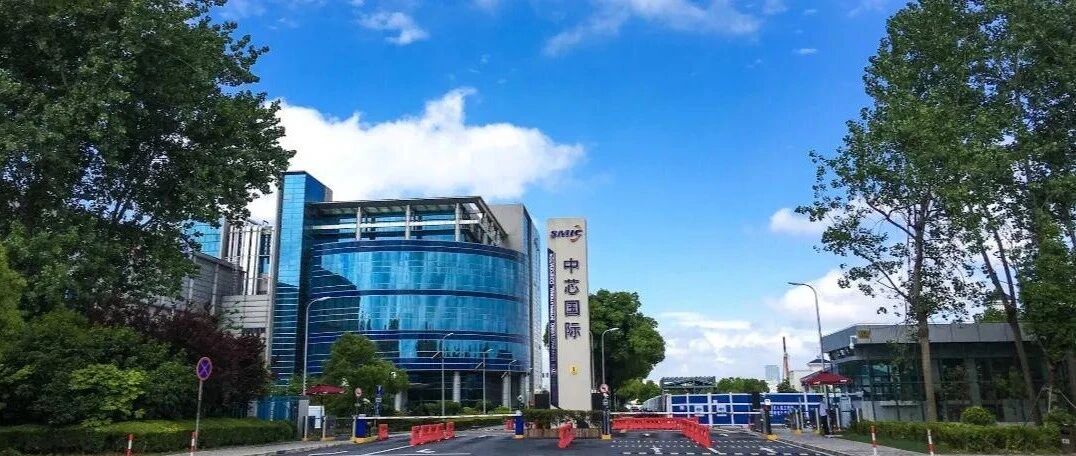
Major Events Observation - Trump has postponed the strike on Iranian energy facilities by 10 days, now set for April 6, citing progress in negotiations, although reports indicate Iran did not request this delay [2] - South Korea has announced a complete ban on naphtha exports starting March 27 for five months to address domestic supply shortages, halting all previously signed contracts [3] Company Performance - SMIC reported a revenue of 67.323 billion yuan for 2025, a 16.49% increase year-on-year, with a net profit of 5.041 billion yuan, up 36.29%. Capacity utilization rose to 93.5%, and gross margin increased to 22% [4] - Skoda confirmed it will exit the Chinese market by mid-2026, shifting focus to high-growth markets like India and ASEAN, as sales in China have dropped significantly [5] - Pop Mart's stock fell over 30% following its earnings report, prompting a share buyback of 3.94 million shares at a cost of approximately 599 million HKD [6] - Apple has confirmed the discontinuation of the Mac Pro, with no plans for a successor, as it shifts focus to the Mac Studio [7] AI and Technology Developments - Google has launched a memory import feature for Gemini, allowing users to import preferences and chat histories from Chat GPT and Claude [9] - Xiaomi's robotic hand has achieved significant advancements, with a 50% increase in freedom and successful operation in production environments [10] - Moonlight, the parent company of Kimi, is considering an IPO in Hong Kong, with discussions ongoing with investment banks [11] - Google introduced the Turbo Quant compression algorithm, which significantly reduces memory usage for AI models, enhancing deployment efficiency [12][13] - XunTu Technology completed nearly 200 million yuan in Series A financing, indicating strong investor interest and support [14]




晶合集成、乐凯胶片发布2025年报
WitsView睿智显示· 2026-03-27 07:43
Core Viewpoint - The article discusses the annual reports of Jinghe Integrated and Lekai Film for 2025, highlighting Jinghe's revenue and profit growth driven by its wafer foundry business, while Lekai faces performance pressure due to industry conditions and policy factors [2]. Group 1: Jinghe Integrated - Jinghe Integrated specializes in 12-inch wafer foundry services and has achieved mass production across various process platforms, including 150nm to 40nm [4]. - In 2025, Jinghe reported a total revenue of 10.885 billion yuan, a year-on-year increase of 17.69%, and a net profit attributable to shareholders of 696 million yuan, up 30.66% [4]. - Revenue growth was primarily driven by increased product sales and the transfer of photomask-related technology [5]. - The company has made significant advancements in display driver chips, with 28nm OLED products under validation and 40nm high-voltage OLED driver chips in mass production [5]. - The CIS business covers 90-55nm processes, with mass production of 55nm full-process stack CIS chips achieved [5]. - The power management chip segment accounted for 12.16% of the company's main business revenue in 2025, with ongoing development of AI server-related power management chips [5]. - Research and development expenses reached 1.453 billion yuan, a 13.20% increase year-on-year, representing 13.35% of total revenue [5]. Group 2: Lekai Film - Lekai Film focuses on the research, production, and sales of imaging, medical, and optoelectronic materials, with main products including color photographic paper and medical dry films [6]. - In 2025, Lekai reported a revenue of 1.32 billion yuan, a year-on-year decline of 11.13%, and a net loss attributable to shareholders of 98.73 million yuan [6]. - The revenue decline was mainly due to national policies and industry factors, leading to reduced sales of medical films and photovoltaic products [7]. - The company's operating cash flow net amount was 68.51 million yuan, down 52.32% year-on-year, attributed to decreased sales revenue and cash collection [7]. - Lekai is adapting to market changes by diversifying its product offerings and optimizing its business structure to stabilize sales and enhance competitiveness [8].

鼎龙股份(300054):公告点评:25年及26Q1业绩大幅增长,年产300吨高端晶圆光刻胶产线投产
EBSCN· 2026-03-27 07:25
Investment Rating - The report maintains a "Buy" rating for the company [1] Core Insights - The company has experienced significant growth in revenue and profit, with a projected net profit increase of 70.22%-84.41% in Q1 2026 compared to the previous year [5][9] - The semiconductor materials and chip business has become a core profit driver, contributing 57.0% to total revenue in 2025, with a year-on-year revenue growth of 37.27% [6][9] - The company has successfully launched a new production line for high-end wafer photoresists, marking a significant step in its semiconductor materials platform [8][9] Summary by Sections Financial Performance - In 2025, the company achieved revenue of 3.66 billion yuan, a year-on-year increase of 9.66%, and a net profit of 720 million yuan, up 38.32% [5][10] - The company expects to generate a net profit of 1.03 billion yuan in 2026, reflecting a growth rate of 43.61% [10][11] Production Capacity and Development - The company has enhanced its production capacity for CMP polishing pads, achieving a monthly sales record of over 40,000 units [7] - A new production line for 300 tons of KrF/ArF photoresists has been successfully launched, making it the first in China to cover the entire production process [8][9] Market Expansion - The company has expanded its product offerings to over 30 types of high-end wafer photoresists, with significant progress in customer validation and testing [9] - The company has established itself as a leading supplier for major panel customers in the domestic market [7][8]

黄仁勋看AI的底层逻辑:是一块“五层蛋糕” | 观产业
高毅资产管理· 2026-03-27 07:04
Core Viewpoint - AI is not merely a software tool or chatbot; it represents a new industrial technology stack that is reshaping the world, requiring massive infrastructure development [3][4]. Group 1: AI as Infrastructure - AI operates on real hardware, energy, and economic systems, transforming raw materials into scalable intelligence [4]. - The evolution of AI signifies a shift from pre-written software to real-time generated intelligence, capable of understanding unstructured information [5][6][10]. - AI's infrastructure is structured in a five-layer model: Energy, Chips, Infrastructure, Models, and Applications [13][31]. Group 2: Five-Layer Cake Model - The first layer, Energy, is crucial as real-time intelligence generation requires substantial power [14][15]. - The second layer, Chips, focuses on processors designed for high efficiency in converting energy into computational power, impacting the scalability and cost of AI [18][20]. - The third layer, Infrastructure, consists of AI factories designed to manufacture intelligence rather than merely store information [21][23]. - The fourth layer, Models, includes various AI models that require significant parallel computing capabilities and high-bandwidth memory [24][26]. - The fifth layer, Applications, is where economic value is generated, with successful applications pulling the entire technology stack down to energy production [29][31]. Group 3: Infrastructure Development - The current infrastructure development is in its early stages, with thousands of billions already invested and trillions more needed [33][34]. - This development is unprecedented in scale and may become one of the largest infrastructure projects in human history [35]. Group 4: Labor Demand in AI Era - The labor force required for this infrastructure is vast, encompassing high-skill jobs in various fields such as robotics, automation, and AI factories [36][39]. - There is a significant shortage of skilled workers, and participation in this transformation does not necessarily require advanced degrees [40]. Group 5: Productivity Enhancement - AI is enhancing productivity in knowledge economies, as seen in radiology, where AI assists doctors, allowing them to focus more on patient care [42][43]. - The past year has seen AI applications reach a level of maturity that generates real economic value, indicating strong product-market fit [45][46]. Group 6: Role of Open Source Models - Open-source models play a critical role in advancing AI, with most models being freely available, enabling researchers and companies to participate in AI development [52][53]. - The availability of powerful reasoning models like DeepSeek-R1 can activate demand across the entire technology stack [56]. Group 7: Future of AI Infrastructure - AI is becoming a foundational infrastructure of the modern world, with choices made today regarding its development speed, scope, and deployment methods shaping the future [72].