
航空航天

Search documents
2025会议明牌:未来5年钱往哪流,都在这13个领域
Sou Hu Cai Jing· 2025-10-25 18:33
Core Viewpoint - The era of land finance is officially over, and the next five years will see a shift in wealth towards technology and green innovation, with a target to increase per capita GDP from $13,000 to $20,000 by 2035 [1][3] Group 1: Economic Transition - The focus of economic growth has shifted from investment and real estate to high-quality development, emphasizing self-controlled industrial chains, particularly in chips and artificial intelligence [3][5] - Significant investments are expected in high-end manufacturing, aerospace, and comprehensive transportation networks, indicating a strong capital flow into these sectors [5] Group 2: Emerging Opportunities - The AI sector is moving from concept to practical integration across various industries, while quantum technology is being pushed from laboratories to applications [5] - The domestic market is identified as a new growth area, with sectors like specialty dining, healthcare, and cultural entertainment poised for rapid development, especially in central and rural regions [5][6] Group 3: Policy Support and Market Trends - The "Three Guarantees" policy aims to support employment, consumption, and livelihood, benefiting businesses related to basic living needs, such as community services and affordable consumption [6] - The silver economy is projected to reach ¥30 trillion by 2035, creating a vast industry around elderly care and related services [8] Group 4: Infrastructure and Digital Trade - Urban development will shift from expansion to internal renewal, with over 700,000 kilometers of underground pipeline renovations expected, generating nearly ¥5 trillion in new investment demand [6] - The digital trade sector is expanding, with a current scale exceeding ¥3 trillion and 165 cross-border e-commerce pilot zones, allowing even small companies to engage in global trade [6] Group 5: Regional Development and Financial Market - Key regional developments are focused on the Yangtze River Delta and the Guangdong-Hong Kong-Macao Greater Bay Area, with specific attention to integrated circuits and biomedicine [10] - Financial market reforms are optimizing channels for long-term funds, enhancing market stability and potentially increasing foreign investment in A-shares [10]

杨德龙:新质生产力全面纳入“十五五”规划 本轮科技牛行情有望延续
Xin Lang Zheng Quan· 2025-10-25 12:59
Core Viewpoint - The 20th Central Committee's Fourth Plenary Session approved the guidelines for the 15th Five-Year Plan, emphasizing high-quality development, technological self-reliance, and significant improvements in social civilization and living standards, with a nominal GDP growth rate of approximately 5.4% over the next decade [1][2]. Economic Development Goals - The main objectives for the 15th Five-Year Plan include achieving significant results in high-quality development, enhancing technological independence, deepening reforms, improving social civilization, and advancing the construction of a beautiful China [1][2]. - By 2035, the goal is to elevate China's economic, technological, and national strength significantly, with per capita GDP reaching the level of moderately developed countries [1]. Capital Market Implications - The 15th Five-Year Plan signals positive developments for the capital market, reinforcing investor confidence in China's long-term economic growth and potentially extending the current bull market [2]. - The plan outlines a clear economic development path for the next five years, which is expected to attract more capital into the technology sector, further driving the ongoing technology bull market [2]. Focus on Innovation Industries - The plan highlights the importance of nurturing emerging industries, with a target for the "three new" economy's contribution to GDP exceeding 18% by 2024 [3]. - Key strategic emerging industries include new energy, new materials, aerospace, and low-altitude economy, with the potential to create several trillion-yuan markets [3]. - Future industries such as quantum technology, biomanufacturing, hydrogen energy, and 6G are identified as new growth points for the economy [3]. Market Dynamics and Investment Opportunities - The current market is experiencing significant differentiation, with technology innovation sectors seeing substantial gains while traditional sectors lag behind [4]. - The ongoing economic transition is expected to reduce opportunities in traditional industries, which may face overcapacity and operational difficulties [4]. - The rapid growth of household deposits, exceeding 160 trillion yuan, and declining interest rates on bank deposits are likely to drive investors towards the capital market in search of higher returns [5]. Conclusion - The 15th Five-Year Plan is set to inject new momentum into economic development, with a focus on innovation and technology, while traditional sectors may face challenges [4][5].
未来五年,向新而行!四大亮点读懂“十五五”科技发展新方向
Yang Shi Wang· 2025-10-25 08:10
全会突出"新质生产力"概念,将科技自立自强提升到前所未有的战略层面。强调要加快高水平科技自立自强,引领发展新质生产 力。 二是"科技接地气"——推动科技创新和产业创新深度融合。坚持把发展经济的着力点放在实体经济上,在改造提升传统产业的基 础上,既要打造新兴支柱产业,加快新能源、新材料、航空航天、低空经济等新兴产业集群发展;还要前瞻布局未来产业,推动量子 科技、生物制造、氢能和核聚变能、脑机接口、具身智能、第六代移动通信等成为新的经济增长点,这些产业蓄势发力,未来10年将 再造一个中国高技术产业。 三是"抱团发力"——一体推进教育、科技、人才发展,要把这三者拧成一股绳,将教育强国、科技强国、人才强国建设统筹起 来,强化协同发展,为科技发展提供更坚实的人才支撑和智力保障。 央视网消息:二十届四中全会公报在科技领域的新部署令人振奋。着眼创新发展、向新而行,还释放了哪些关键信号?又有哪些 新亮点值得关注?来看记者的观察报道。 第一是要"啃硬骨头"——加强原始创新和关键核心技术攻关。我国科技发展正从"跟跑追赶"转向"原创引领",提出完善新型举国 体制,聚焦集成电路、工业母机、高端仪器等重点领域实现关键突破,并且加大基础 ...

SpaceX转移了1.33亿美元比特币
财联社· 2025-10-25 05:53
Core Viewpoint - SpaceX has recently engaged in significant Bitcoin transactions, raising questions about its cryptocurrency strategy and potential market implications [2][3][5]. Group 1: SpaceX Bitcoin Transactions - On October 24, SpaceX conducted a Bitcoin transaction worth over $133 million, marking its second large transaction within a week [2][3]. - The analysis revealed that SpaceX transferred a total of 1,215 Bitcoins to different wallet addresses, including 300 Bitcoins valued at $33 million and 915 Bitcoins valued at $100.7 million [3]. - Prior to this, SpaceX executed a transaction involving approximately $268 million in Bitcoin, indicating a substantial movement of digital assets since July [3][5]. Group 2: Current Holdings and Market Speculation - Following the recent transactions, SpaceX holds approximately 6,970 Bitcoins, valued at around $770 million, indicating a reduction of over 70% from its previous holdings of 25,000 Bitcoins in 2022 [4][5]. - The reasons behind these transfers remain unclear, leading to speculation about potential sales, which often prompts cautious trading behavior in the market [5]. - Some analysts suggest that these transfers may represent an internal restructuring rather than a sale, as SpaceX could be consolidating its Bitcoin holdings into more secure wallets [6]. Group 3: Tesla's Bitcoin Holdings - Tesla, another company under Elon Musk, holds 11,509 Bitcoins, valued at over $1.27 billion, making it the eleventh largest corporate holder of Bitcoin globally [7]. - In October 2024, Tesla transferred approximately $765 million worth of Bitcoin to a new wallet, with no recorded on-chain activity since then [7]. - Earlier this year, Tesla revalued its assets according to new accounting standards, resulting in over $600 million in quarterly profits due to rising Bitcoin prices [8].


机构风向标 | 超卓航科(688237)2025年三季度已披露前十大机构持股比例合计下跌5.94个百分点
Xin Lang Cai Jing· 2025-10-25 02:56
Core Insights - Chaozhuo Aerospace Technology (688237.SH) released its Q3 2025 report, indicating a total of 5 institutional investors holding shares, amounting to 9.2826 million shares, which represents 10.36% of the total share capital [1] - The institutional holding percentage decreased by 5.94 percentage points compared to the previous quarter [1] - A total of 32 public funds were disclosed this period, including various ETFs focused on the STAR Market [1] - Foreign investment sentiment showed an increase with one foreign fund, Société Générale, increasing its holdings by 0.13% [1]

五年规划是优化资源配置的有形之手
Sou Hu Cai Jing· 2025-10-25 02:14
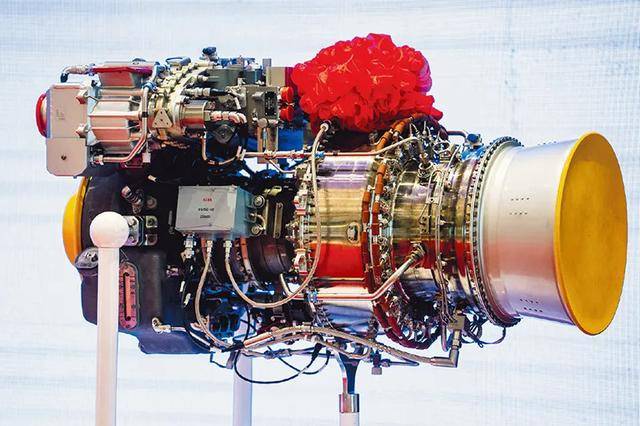
Group 1 - The core viewpoint emphasizes the importance of combining market mechanisms with government planning to enhance resource allocation and address market failures, showcasing the advantages of the socialist system [1] - The five-year plan serves three main functions: it constrains public resource allocation, guides social resource distribution, and stabilizes social expectations, providing clear policy signals for market entities [1] - The AES100 engine, a significant project under the "14th Five-Year Plan," represents China's first independently developed civil turbine engine meeting international airworthiness standards, highlighting advancements in the aerospace sector [3] Group 2 - The planning system allows China to balance short-term market rationality with long-term strategic foresight, facilitating the establishment of a comprehensive industrial system since the early years of the new China [3][4] - The integration of micro and macro perspectives through market mechanisms and planning is crucial for developing a favorable industrial ecosystem, as seen in industries like photovoltaics, drones, 5G, and new energy vehicles [4] - The "14th Five-Year Plan" addresses the issue of insufficient effective demand by emphasizing the expansion of domestic demand as a strategic foundation, indicating a proactive approach to economic growth [5]
从“十五五”的字里行间抓住发展的机会,搭上政策顺风车!
Yang Shi Wang· 2025-10-25 01:37
Group 1 - The "14th Five-Year Plan" emphasizes the development of strategic emerging industries such as new energy, new materials, aerospace, and low-altitude economy, which are expected to create trillion-level markets [3] - The advanced manufacturing sector is projected to see a market expansion of approximately 10 trillion yuan over the next five years, with opportunities across the supply chain from components to maintenance and testing services [4] - The service industry is expected to undergo transformation, integrating with manufacturing and agriculture, creating new opportunities for traditional service providers [6] Group 2 - The health and welfare sector is highlighted as a significant growth area, with an anticipated increase in life expectancy to 80 years, leading to a burgeoning market for elderly care services and community support teams [8] - There is a strong demand for childcare services, with government support for establishing regulated childcare facilities, presenting opportunities for entrepreneurs [8] - The overall economic landscape is described as a vast ocean, with various sectors such as advanced manufacturing, emerging industries, and essential services providing fertile ground for ordinary individuals to establish themselves [8]

科技成四中全会公报高频词 未来十年将“再造”一个高技术产业
Hua Xia Shi Bao· 2025-10-25 01:35
Core Insights - The emergence of DeepSeek in 2025 highlights China's capability to reshape the global competitive landscape through breakthroughs in underlying technologies, marking a "Sputnik moment" for Western countries [1] - The recent Fourth Plenary Session of the 20th Central Committee of the Communist Party of China emphasized the importance of technological self-reliance and innovation as a strategic choice for long-term competitive advantage [1][2] Group 1: Technological Focus - The Fourth Plenary Session report mentioned "technology" ten times, indicating a strong emphasis on technological development as a driver for economic growth during the 15th Five-Year Plan [2] - The 15th Five-Year Plan aims for significant improvements in self-reliance in technology, with a clear focus on high-level technological independence compared to the previous plan [3] Group 2: Economic and Industrial Development - The 15th Five-Year Plan sets ambitious goals for high-quality development, including significant advancements in economic strength, technological capability, and overall national influence by 2035 [3] - The report outlines a vision for the development of emerging industries, including new energy, new materials, and aerospace, which are expected to create trillion-level markets [4][5] Group 3: Innovation Strategy - The strategy for the 15th Five-Year Plan includes enhancing original and disruptive innovation, with a focus on key core technologies and deep integration of technological and industrial innovation [6][7] - The emphasis on original innovation is seen as essential for achieving high-level technological self-reliance and overcoming previous technological gaps [8]
“十五五”坚持高质量发展 科技与内需双轮驱动
2 1 Shi Ji Jing Ji Bao Dao· 2025-10-24 23:23
Group 1: High-Quality Development and Technological Innovation - The "14th Five-Year Plan" emphasizes high-quality development, with a focus on technological self-reliance and innovation as key drivers for achieving modernization by 2035 [2] - The plan highlights the importance of mastering core technologies in fields such as artificial intelligence, chips, aerospace, and biomedicine, aiming for breakthroughs in original innovation [2] - A systematic layout for the innovation ecosystem is proposed, integrating education, technology, and talent development to foster continuous innovation capabilities [2] Group 2: Domestic Demand and Economic Stability - The strategy to expand domestic demand is reinforced, aiming to enhance the domestic circulation and create a robust domestic market [3] - The emphasis on "new demand leading new supply" reflects a commitment to stimulate consumption and investment, promoting a positive interaction between supply and demand [3] - Strengthening domestic circulation is expected to improve economic stability and resilience against external disruptions, thereby boosting consumption and effective investment [3] Group 3: International Trade and Cooperation - The plan advocates for high-level openness and innovation in trade, including the promotion of cross-border e-commerce and new trade dynamics [4] - The Regional Comprehensive Economic Partnership (RCEP) is expected to enhance bilateral trade with ASEAN and other economies, contributing to the resilience of China's foreign trade [4] - Continued efforts to deepen bilateral and regional cooperation are anticipated, including the implementation of high-quality initiatives under the Belt and Road Initiative [4] Group 4: Real Estate Sector Transition - The real estate industry is shifting from short-term stabilization to long-term high-quality development, with a focus on meeting residents' demands for improved housing quality [4] - The "15th Five-Year Plan" indicates a transition towards policies that prioritize housing quality over speculative investments, reflecting a commitment to sustainable development in the sector [4] Group 5: Macroeconomic Policies - Continuous and timely macroeconomic policies are expected to play a central role in driving economic recovery and structural optimization [5] - The collaboration between fiscal and monetary policies is anticipated to support economic growth, enhance market stability, and increase residents' income [5] - The focus on building a strong domestic market and supporting sectors like technology, consumption, and livelihood is crucial for overall economic performance [5]

在关键时期争取更大主动
Zhong Guo Qing Nian Bao· 2025-10-24 23:19
Group 1: Economic Development Strategy - The core outcome of the 20th Central Committee's Fourth Plenary Session is the approval of the "Suggestions on Formulating the 15th Five-Year Plan for National Economic and Social Development" [1] - The "15th Five-Year" period is crucial for achieving socialist modernization, with a focus on solidifying foundations and breaking through bottlenecks [1][2] - The emphasis is on relying on the real economy for future growth, with a significant contribution from the "three new" economies, which accounted for over 18% of GDP in 2024 [2] Group 2: Industrial and Agricultural Modernization - The plan outlines 12 strategic tasks, with the first being the construction of a modern industrial system to strengthen the real economy [2][3] - Traditional industries, which account for about 80% of manufacturing value, will undergo quality upgrades, with an estimated market space increase of around 10 trillion yuan over the next five years [3] - Agricultural modernization is prioritized, with specific measures to enhance agricultural productivity and ensure rural revitalization [4][5] Group 3: Technological Innovation - Technological innovation is highlighted as a key driver for economic and social development, with R&D investment expected to exceed 3.6 trillion yuan in 2024, a 48% increase from 2020 [7][8] - The focus will be on integrating technology with industry to enhance productivity and foster new economic growth points, particularly in artificial intelligence and high-tech sectors [8] Group 4: Open Economy and Global Integration - The strategy aims to shift from a "follower" to a "leader" in global trade, with initiatives to expand autonomous openness and enhance trade innovation [10][11] - China aims to leverage its large market potential, with over 800 million people expected to join the middle-income group in the next decade, to boost consumption and attract foreign investment [11]