
文化娱乐

Search documents
激发文体旅消费新增量
Jing Ji Ri Bao· 2025-11-19 02:53
Core Insights - The cultural, entertainment, and tourism sectors in China are experiencing significant growth, with domestic travel spending reaching 4.85 trillion yuan, a year-on-year increase of 11.5% [1] - The per capita spending on education, culture, and entertainment has risen to 2,531 yuan, reflecting a 10.3% year-on-year growth [1] - The recent policy measures aim to enhance service consumption in culture, tourism, and sports, indicating a shift towards service-oriented consumption as a key driver of economic growth [1] Group 1: Service Consumption Growth - The "ticket economy" is thriving, linking various consumption experiences and enhancing overall spending in cities [2] - Events like film festivals and exhibitions are being leveraged to stimulate local economies, with some events generating a consumption ratio of 1:30 [2] - The integration of culture, commerce, and tourism is recognized as a strategy to boost consumption and meet diverse consumer needs [2] Group 2: Policy Measures and Educational Adjustments - The government is exploring adjustments to school vacation schedules to increase service consumption time, particularly through the introduction of spring and autumn breaks [4] - Pilot programs in regions like Zhejiang and Guangdong are already underway to implement these changes, aiming to enhance family-oriented service consumption [4] - The need for flexible paid leave for parents is emphasized to support these initiatives [4] Group 3: Enhancing Visitor Experience - Museums and cultural institutions are encouraged to improve service quality and visitor experiences, especially during peak seasons [5] - Strategies include optimizing reservation systems and extending opening hours to accommodate increased visitor demand [5] Group 4: Attracting Inbound Consumption - The number of foreign visitors has surged, with 7.25 million foreign tourists entering China in the third quarter, a 48.3% increase year-on-year [7] - The growth of tax refund stores and the rise in outbound tax refund claims indicate a booming inbound shopping market [7] - There is a recognized gap in inbound consumption compared to international standards, suggesting significant growth potential in this area [7] Group 5: Future Trends in Inbound Tourism - New trends in inbound tourism include deep travel, experiential tourism, and cultural experiences, indicating a shift in foreign tourist preferences [8] - The focus will be on enhancing international consumption centers and creating diverse consumer experiences to attract more foreign visitors [8] - Initiatives to promote local culture and heritage through events are expected to improve the overall experience for international tourists [8]
加快服务消费扩容提质
Sou Hu Cai Jing· 2025-11-18 23:09
Core Insights - The service consumption market in China is expanding steadily, with a projected annual growth rate of 9.6% from 2020 to 2024, driven by policies aimed at boosting consumption and domestic demand [1][2][3] Group 1: Importance of Expanding Service Consumption - Service consumption is crucial for improving livelihoods and represents a significant direction for consumption transformation and upgrading [2][3] - The shift from goods to service consumption is evident, with service consumption emphasizing emotional and experiential satisfaction, which supports continuous upgrades and repeat purchases [2][3] - By 2024, the proportion of per capita service consumption expenditure is expected to reach 46.1% of total per capita consumption expenditure, indicating a growing role of service consumption in driving economic growth [2][3] Group 2: Employment and Quality of Life - Expanding service consumption is essential for stabilizing employment and improving living standards, as the service sector is labor-intensive and can create numerous job opportunities [3][4] - The growth in service consumption reflects a shift from material to spiritual consumption, enhancing overall well-being and quality of life for residents [3][4] - The number of domestic tourists is projected to increase from 3.262 billion in 2013 to 5.615 billion by 2024, showcasing the booming tourism market and its potential for consumption [3][4] Group 3: Economic Foundations for Service Consumption - China's stable economic growth provides a solid foundation for expanding service consumption, with the service sector becoming the largest industry in the national economy [4][5] - By 2024, the service sector's contribution to GDP is expected to reach 56.7%, indicating significant room for growth compared to developed countries where this figure is typically between 70% and 80% [4][5] - Rising income levels, with per capita GDP projected to reach 95,749 yuan in 2024, will further drive service consumption growth [4][5] Group 4: Demographic Changes and Market Potential - By the end of 2024, China's population is expected to reach 1.408 billion, with a notable increase in the elderly population, creating new demands for services such as home care and health management [5][6] - The urbanization rate is projected to reach 67% by 2024, providing additional opportunities for service consumption growth as more rural residents transition to urban living [5][6] Group 5: Policy Measures and Support for Service Consumption - The Chinese government has implemented various policies to support the expansion of service consumption, including the issuance of guidelines for high-quality service consumption development [6][7] - Recent measures include optimizing service supply and enhancing consumer capacity through targeted policies and local initiatives [6][7] Group 6: Digital Services and New Consumption Trends - The digital economy is transforming service consumption, with digital technologies driving innovation in service delivery and creating new consumption scenarios [11][12] - By 2024, the scale of digital consumption is expected to reach 23.8 trillion yuan, accounting for 44.2% of total consumption [11][12] - The emergence of new consumer groups with a preference for personalized and experiential services is further stimulating the growth of digital service consumption [12][13] Group 7: Financial Support for Service Consumption - Financial institutions are increasingly focusing on supporting service consumption through tailored financial products and services [17][18] - The People's Bank of China has established a 500 billion yuan fund to guide financial institutions in increasing credit to key service sectors [18][19] - The introduction of consumer finance services has been shown to significantly boost consumer spending, with estimates indicating a 16% to 30% increase in spending among borrowers [19][20]
北京市统计局发布2025年1-10月北京经济运行情况公告
Jing Ji Guan Cha Bao· 2025-11-18 09:49
Core Insights - Beijing's fixed asset investment (excluding rural households) increased by 7.8% year-on-year from January to October 2025, driven by significant equipment upgrades and expansion of production capacity [1] - High-tech industry investment surged by 48.4%, supported by projects in internet enterprise computing hardware and Zhongguancun Science Park [1] Investment Breakdown - Infrastructure investment grew by 0.6%, while manufacturing investment rose by 2.7%. Conversely, real estate development investment fell by 14.7% [2] - Investment in the primary industry increased by 22.3%, the secondary industry by 7.9%, and the tertiary industry by 7.8% [2] - Notable growth in specific sectors includes wholesale and retail (2.1 times), accommodation and catering (1.5 times), information transmission, software and IT services (1.0 times), and cultural, sports, and entertainment (63.7%) [2] Real Estate Sector - The total construction area of residential buildings decreased by 9.3%, with a total of 50.617 million square meters under construction [2] - The sales area of commercial housing dropped by 3.7%, while residential sales area fell by 7.3%. However, sales of pure commercial residential properties increased by 15.0% [2]
由治及兴 再启新程(香江在线)
Ren Min Ri Bao· 2025-11-15 21:51
Group 1 - The article highlights the importance of Hong Kong's role as a financial hub and its integration into the national development strategy, emphasizing the "15th Five-Year Plan" which aims to promote long-term prosperity and stability in Hong Kong and Macau [1][9] - The 2025 Policy Address outlines a vision for Hong Kong's transformation, focusing on economic development, social welfare, and regional collaboration, with a clear commitment to reform and innovation [2][8] - Hong Kong's economy is showing signs of recovery, with a reported GDP growth of 3.8% year-on-year in Q3, indicating increased investment confidence and a positive market atmosphere [3][8] Group 2 - The government is prioritizing industrial transformation by focusing on advanced manufacturing, life sciences, renewable energy, artificial intelligence, and data science, supported by financial incentives and talent policies [3][5] - The establishment of the "International Mediation Center" in Hong Kong signifies its growing role in international legal and dispute resolution, leveraging its unique legal framework [6] - The "Outreach Task Force" aims to assist mainland enterprises in expanding overseas, providing comprehensive financial, legal, and market consulting services [5][6] Group 3 - The article discusses community-focused healthcare initiatives, including a chronic disease management platform that integrates services from family doctors and community health institutions [8] - The government is addressing low birth rates through family policies, such as extending tax exemptions for newborns and continuing employment support for families [8] - Cultural events and community engagement activities are highlighted as vital for enhancing social cohesion and promoting a vibrant community life in Hong Kong [7]
聚“会”成势 向“新”而行
Ren Min Ri Bao· 2025-11-12 22:19
Group 1: Digital Economy Development - The World Internet Conference in Wuzhen has become a significant platform for technological display and idea exchange since 2014, contributing to economic growth and cultural development in Zhejiang [1] - In Qiaotou, companies are leveraging the conference to enhance technological innovation and industrial upgrades, with over 60 intelligent connected vehicle enterprises established [2] - Zhejiang's digital economy value increased from 14.8 trillion yuan in 2015 to 47 trillion yuan in 2024, with an average annual growth rate of 13%, accounting for 53% of GDP [2] Group 2: Cultural Exchange and AI Integration - Zhejiang is promoting cultural exchange through the internet, with companies like Jiuzhou Cultural Media producing over 4,000 works for global distribution using AI technology [3] - The game "Black Myth: Wukong" has achieved global sales of over 28 million copies, showcasing the fusion of Chinese culture and digital technology [3] - AI is also being utilized in cultural heritage protection, with digital products showcased at the Wuzhen conference [3] Group 3: Smart Living Initiatives - Digital technologies are enhancing daily life in Zhejiang, with smart traffic systems reducing vehicle wait times by an average of 15% [4] - The Wuzhen Smart Elderly Care Center is equipped with advanced health monitoring devices, improving the quality of life for seniors [4] - The "Zhejiang Service" platform facilitates the issuance of electronic residence permits, benefiting families relocating within the province [5]
重磅经济数据即将发布 央地加力冲刺全年经济增长目标
Di Yi Cai Jing· 2025-11-12 12:54
Core Viewpoint - The upcoming economic data release by the National Bureau of Statistics on November 14 is expected to show a slowdown in several macroeconomic indicators for October, influenced by a higher base from the previous year and increased external uncertainties. Economists maintain a stable outlook for China's economy, projecting a 5% growth target for the year, with a focus on domestic demand recovery amid a complex external environment [1][8]. Economic Growth and Policy Measures - The First Financial Research Institute's Chief Economist Confidence Index remains at 50.3, indicating stable economic performance [1]. - The government is intensifying growth stabilization policies to consolidate and expand the economic recovery momentum, aiming to achieve key annual targets [1][9]. Industrial Growth - The average forecast for October's industrial added value year-on-year growth is 5.7%, down from 6.5% in the previous month [2]. - The manufacturing PMI fell to 49.0%, indicating a contraction in manufacturing activity, influenced by pre-holiday demand release and a complex international environment [2][3]. - High-frequency data shows a decline in production indices, with steel production maintaining a strong performance, while chemical production also saw improvements [3]. Consumer Spending - The forecast for October's retail sales growth is 2.7%, down from 3% in the previous month, influenced by holiday consumption and promotional activities [4][5]. - The automotive sector reported record production and sales figures, with significant growth in new energy vehicle sales [5]. Investment Trends - Fixed asset investment is expected to decline by 0.8% year-on-year, with infrastructure investment showing signs of potential recovery due to new policy measures [6][7]. - The real estate sector continues to face challenges, with declining transaction volumes in major cities [6][7]. Economic Outlook - Despite external challenges, China's economy demonstrated resilience with a 5.2% growth in the first three quarters of the year [8]. - The government emphasizes the need for effective policy implementation to support both short-term growth and long-term development [8][9]. - Local governments are actively deploying measures to stimulate consumption and investment, including issuing consumption vouchers and launching major infrastructure projects [10].
Z世代双十一消费行为报告发布:线上与线下同频,国货与文化齐飞
Bei Ke Cai Jing· 2025-11-11 06:33
Core Insights - The "Double Eleven" shopping festival has evolved into a significant cultural and social event for Generation Z, beyond just a shopping spree [1] - A report by Soul App and Shanghai Youth Research Center highlights the consumption behavior of Generation Z during "Double Eleven" [1] Group 1: Participation and Attitudes - Over 90% of Generation Z expresses a positive attitude towards shopping during "Double Eleven," with participation rates increasing steadily over the years [4][6] - The percentage of young people who feel that "Double Eleven" has a stronger festive atmosphere in 2025 compared to previous years is 39.1% [6] - There is a notable divide in opinions, with some expressing skepticism about promotional claims like "lowest prices of the year" [7] Group 2: Budget and Spending Trends - Approximately 40% of young people plan to increase their budget for "Double Eleven" in 2025 compared to the previous year [11] - The proportion of those planning to spend more has risen from 27.3% in 2021 to 38.6% in 2025 [11] - Travel-related purchases have become the top emotional consumption category, with 36.9% of young people favoring travel products [11] Group 3: Cultural and Experience Consumption - 20% of young people are inclined towards cultural consumption, including books, music, and knowledge-based courses [12] - The trend of emotional consumption is evident, with experiences and entertainment taking precedence over traditional material goods [20] Group 4: AI and Technology in Shopping - About 70% of young people recognize the integration of AI in e-commerce, with AI customer service being the most popular application [22][25] - Satisfaction with AI applications in shopping is high, with 36.5% expressing that it enhances their shopping experience [26] Group 5: Offline Engagement and National Brands - Over 70% of young people are paying more attention to offline activities during "Double Eleven," indicating a shift towards in-store experiences [20] - There is a growing preference for domestic brands, particularly in categories like smartphones and home appliances, with 57.6% of young people indicating an increase in purchasing domestic products [20][21]


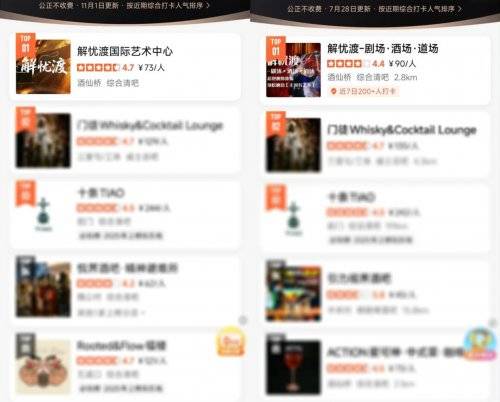
财经对话:解忧渡,“野蛮”提振消费的“中式美学消费第一股”
Sou Hu Cai Jing· 2025-11-08 09:07
Core Insights - The brand "Jieyoudu" has emerged as a leading force in the cultural and entertainment consumption sector in Beijing, consistently topping the consumption rankings for three consecutive quarters, representing a new wave of consumerism that blends ancient Eastern philosophy with modern business models [1][3]. Group 1: Business Model - Jieyoudu is distinct from traditional dining or entertainment businesses, founded by a collaboration of experienced production companies and national intangible cultural heritage inheritors, focusing on transforming ancient Chinese wisdom into contemporary, consumable experiences [3]. - The brand's mission is encapsulated in its name, aiming to create a space for spiritual relaxation and enlightenment, promoting a new cultural paradigm that transcends conventional norms [3]. - Its core business model is described as an integrated loop of "performance-driven traffic + derivative product monetization + digital experience extension," which effectively engages consumers [3][5]. Group 2: Market Response - The innovative experience framework of Jieyoudu, which allows audiences to become active participants rather than passive viewers, has successfully converted one-time consumers into loyal users who resonate with the brand's aesthetics [5]. - The brand's merchandise related to its premiere performances sold out quickly, indicating strong market appeal and consumer interest [5]. Group 3: Cultural and Emotional Value - Jieyoudu taps into the emerging consumer trend focused on "emotional value" and "spiritual consumption," particularly appealing to younger demographics seeking deeper meaning beyond material wealth [7]. - The brand's unique positioning offers not just products but also cultural identity and lifestyle solutions, creating a competitive edge in the market [7]. - The successful seed round funding is seen as a validation of its business model, reinforcing its status as a potential leader in the "Chinese aesthetic consumption" sector [7]. Group 4: Industry Implications - Jieyoudu represents a significant case study for the current consumer market, demonstrating that true market leadership stems from a profound exploration and creative transformation of cultural values rather than mere marketing gimmicks [8]. - The brand's approach signifies a deep integration of brand power, cultural influence, and commercial efficiency, suggesting a shift towards long-termism rooted in cultural heritage [8].
魏新:让更多人爱上中国故事
Zhong Guo Xin Wen Wang· 2025-11-07 07:38
Core Insights - Wei Xin, born in December 1978, has witnessed over 40 years of rapid development and social change in China, evolving from a media professional to a significant figure in the new social class [2] - Wei Xin pays special attention to the phenomenon of cultural works like "Black Myth: Wukong" and "Nezha 2" going global, emphasizing that these works deeply explore excellent traditional Chinese culture, which is crucial for their broad impact [2] Group 1 - Wei Xin's background reflects the transformation of Chinese society over the past four decades [2] - The global success of cultural products is linked to their deep cultural roots [2] - The depth of cultural exploration is essential for achieving widespread influence [2]

高盛:维持大麦娱乐(01060)“买入”评级 上半年盈喜正面超预期
Zhi Tong Cai Jing· 2025-11-07 06:39
Core Viewpoint - Goldman Sachs has issued a report indicating that Damai Entertainment (01060) is expected to report a positive profit forecast for the first half of the fiscal year 2026, with net profit attributable to shareholders projected to be no less than 500 million RMB, exceeding Goldman Sachs' expectations by 7% [1] Financial Performance - The significant growth in net profit is primarily driven by strong year-on-year growth in the Aliyu business and a reduction in investment losses compared to the previous year [1] - For the upcoming financial results announcement on November 13, Goldman Sachs forecasts total revenue to reach 3.7 billion RMB, representing a 20% year-on-year increase, mainly driven by an 84% growth in the IP business segment [1] Business Segments - In the IP business segment, Goldman Sachs anticipates continued strong contributions from Sanrio China, while newly introduced IPs, including Chiikawa, are expected to double the gross merchandise volume (GMV) of Aliyu [1] - The growth of Aliyu is expected to surpass that of Sanrio China, considering the contributions from newly introduced IPs and the expansion of product sales [1] Investment Rating - Goldman Sachs maintains a "Buy" rating for Damai Entertainment, with a 12-month target price set at 1.3 HKD based on the sum-of-the-parts (SOTP) valuation method [1]