生物制造

Search documents
「十五五」时期重点产业前瞻与发展路径研究丨36氪研究院
36氪· 2025-12-31 00:14
Core Insights - The "14th Five-Year Plan" period prioritizes the construction of a modern industrial system, marking a strategic shift from single-point technological breakthroughs to systematic industrial upgrades [6][19]. - The new energy industry is transitioning from a focus on installed capacity to building a "source-grid-load-storage" collaborative system, emphasizing dynamic balance between production and consumption [7]. - The aerospace sector is developing a dual-driven model of national engineering and commercial space, with large aircraft industrialization and commercial space driving the scale and capability of the industry chain [8]. - Future industries such as 6G and quantum technology place China in the global leading tier of R&D, aiming to seize the high ground in technology standards and industrial ecosystems through forward-looking layouts [9]. - The transformation of traditional industries emphasizes not only greening and intelligentization but also explicitly promotes "service-oriented manufacturing," guiding the manufacturing sector to extend services throughout the product lifecycle [10]. Group 1: Modern Industrial System - The construction of a modern industrial system is the primary task of the "14th Five-Year Plan," highlighting its core position as a foundation for new era development [19][20]. - The modern industrial system consists of three parts: upgrading traditional industries, developing emerging pillar industries, and strategically laying out future industries [20]. Group 2: Emerging Pillar Industries - The cultivation of emerging pillar industries is positioned as the strategic core of the modern industrial system, providing a strong new growth engine for high-quality development [23]. - Key emerging pillar industries include new energy, new materials, aerospace, and low-altitude economy, which are expected to drive explosive growth in multiple trillion-level markets [23]. Group 3: New Energy - The new energy sector has evolved into a comprehensive ecosystem encompassing "production, storage, transmission, and application," with a strategic significance in ensuring national energy security and achieving carbon neutrality [24]. - As of the end of 2024, China's cumulative installed capacity of new energy reached 1.41 billion kilowatts, maintaining a global leading position [25]. - The annual new installed capacity during the "14th Five-Year Plan" period is expected to remain around 30 million kilowatts [25]. Group 4: New Materials - The new materials industry in China has rapidly grown, with total output value exceeding 8 trillion yuan in 2024, but still faces structural challenges with about 30% of key high-end materials relying on imports [34]. - Significant breakthroughs are being made in various fields, including third-generation semiconductor materials and high-end alloys for aerospace applications [39]. Group 5: Aerospace - The aerospace sector has formed a dual-driven model of national major projects and commercial markets, with the C919 large aircraft and commercial space rapidly developing [42]. - The market size of China's aerospace manufacturing industry is expected to reach 601.7 billion yuan by 2025, with a compound annual growth rate of approximately 14.05% [42]. Group 6: Low-altitude Economy - The low-altitude economy, driven by various manned and unmanned aerial vehicles, is expected to reach a scale of 505.95 billion yuan in 2023, with a year-on-year growth of 33.8% [50]. - The market is projected to exceed 1 trillion yuan by 2026, with a compound annual growth rate of approximately 29.6% from 2021 to 2026 [50]. Group 7: Future Industries - Future industries represent cutting-edge technological and industrial development directions, including quantum technology, biomanufacturing, hydrogen energy, and brain-computer interfaces [61]. - The quantum technology sector is expected to grow significantly, with the industry scale projected to reach approximately 80 billion USD by 2024 and potentially near 1 trillion USD by 2035 [64].


把握未来五年中国经济蕴藏的新机遇
Jing Ji Ri Bao· 2025-12-30 23:58
Core Viewpoint - The "14th Five-Year Plan" outlines strategic opportunities and challenges for China's economic and social development, emphasizing high-quality growth and a focus on various key sectors [2][3]. Economic Opportunities - The plan identifies numerous new opportunities, including the development of a modern industrial system and the strengthening of the real economy, with specific mentions of sectors such as mining, metallurgy, chemicals, and advanced technologies [3]. - The goal is to achieve significant results in high-quality development, with economic growth maintained within a reasonable range and an increase in domestic consumption driving economic growth [2][3]. Economic Challenges - Challenges include unbalanced development, insufficient effective demand, and pressures on employment and income growth, which need to be addressed to convert challenges into opportunities [4]. - The plan sets a target for per capita GDP to reach the level of moderately developed countries by 2035, requiring an average annual GDP growth of approximately 4.17% from 2025 to 2035 [4]. Consumer Income and Spending - The plan aims to increase residents' income through various channels, including wage, operational, property, and transfer income, with a focus on enhancing the share of labor remuneration in national income distribution [7][11]. - There is an emphasis on improving the structure of income distribution to promote a more reasonable allocation of income among residents [7]. Investment and Consumption - The plan suggests that increasing government spending on social welfare and implementing direct consumer support policies will enhance residents' consumption capacity [8][11]. - The importance of stabilizing the stock market to increase residents' property income and subsequently boost consumption is highlighted [14]. Capital Market Development - The stability of the capital market is crucial for enhancing investor confidence and ensuring sustainable income growth, which in turn affects consumer behavior [14][15]. - Encouraging long-term funding sources for technological innovation is essential for fostering a robust capital market and supporting economic growth [15][18]. Technological Innovation and Global Competitiveness - The plan emphasizes the need for China to cultivate high-quality listed companies with international competitiveness, particularly in the technology sector, to participate in global competition [18]. - The focus is on creating a favorable investment environment for companies to grow and attract long-term capital into the market [18].
重大利好!万亿“航母级”国家引导基金来了!生物制造将大爆发
合成生物学与绿色生物制造· 2025-12-30 02:54
Core Viewpoint - The National Venture Capital Guidance Fund aims to systematically promote China's biomanufacturing industry from a follower to a leader in key areas, establishing it as a core pillar of new productive forces [2]. Group 1: Fund Structure and Scale - The National Venture Capital Guidance Fund will utilize long-term special treasury bond funds, with a total fiscal contribution of 100 billion yuan at the national level, encouraging social capital participation to form a fund scale of one trillion yuan [5]. - The fund will attract participation from local governments, central enterprises, financial institutions, and private capital, focusing on strategic emerging industries and future industries [5][6]. - The fund will be structured in a three-tier architecture: "Fund Company - Regional Fund - Sub-Fund" [7]. Group 2: Investment Focus and Strategy - The fund will prioritize early-stage investments, focusing on seed, startup, and early-mid stage enterprises, with a long-term investment horizon of 20 years [8][16]. - It will adopt a "4 investment" approach: investing early, investing small, investing long-term, and investing in hard technology [10][16]. - The fund will not directly manage daily operations, ensuring market-oriented management through competitive selection of experienced fund management institutions [9]. Group 3: Regional Funds and Projects - The first three regional funds (Beijing-Tianjin-Hebei, Yangtze River Delta, and Guangdong-Hong Kong-Macao Greater Bay Area) are expected to exceed 50 billion yuan each and have already signed investment intentions with 49 sub-funds and 27 direct investment projects [11][12]. - The regional funds will focus on early projects and seed enterprises in fields such as integrated circuits, artificial intelligence, aerospace, low-altitude economy, biomanufacturing, and future energy [6][12]. Group 4: Long-term Vision and Goals - The fund aims to cultivate "small giants" and "unicorns" across various industries by providing patient capital and supporting original and disruptive technological breakthroughs [8][16]. - It will address the long-term capital shortage in the venture capital industry and promote reform and innovation in the industry through a comprehensive service platform [9].

多元聚能兴工业 转型蝶变启新程——平凉市推动工业经济高质量发展行稳致远
Xin Lang Cai Jing· 2025-12-30 01:32
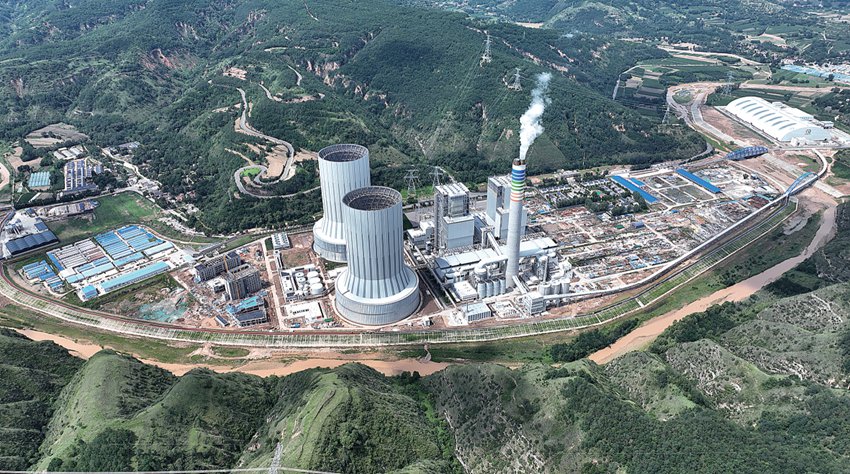
Core Viewpoint - The article highlights the industrial economic transformation in Pingliang, focusing on high-quality development and diversification beyond coal dependency, with significant growth in both traditional and emerging industries [3][4][5]. Group 1: Traditional Industry Transformation - Traditional industries in Pingliang, such as coal, electricity, and building materials, are undergoing technological upgrades and intelligent transformations, moving towards high-quality development [4]. - The coal industry has shifted from a crude extraction model to a smart mining and deep processing approach, with 21 intelligent mining projects implemented and a raw coal output of 20.53 million tons in the first three quarters of 2025, a 7.9% increase year-on-year [4]. - The electricity sector has seen a 20.9% year-on-year increase in added value, supported by the integration of ultra-low emission standards and the establishment of new power generation facilities [5]. Group 2: Emerging Industry Growth - Emerging industries such as biomanufacturing, automotive parts, and new materials are being developed, contributing significantly to the industrial economy [8][9]. - The biomanufacturing sector has experienced a staggering 249.6% year-on-year increase in added value, with key projects like the 1 billion yuan investment in corn processing leading to substantial production and revenue growth [8]. - The automotive parts industry has made significant strides, with new projects expected to generate 1.2 billion yuan in output by 2025, creating over 800 jobs [9]. Group 3: Innovation and Digital Transformation - Innovation is emphasized as a key driver for industrial transformation, with a focus on enhancing core competitiveness through technology and research collaboration [11][12]. - The establishment of innovation platforms and digital transformation initiatives has led to a significant increase in the number of enterprises engaging in research and development, with 26 enterprises having R&D activities [11]. - By the end of 2025, it is projected that 70% of industrial enterprises will undergo digital transformation, supported by extensive 5G infrastructure and smart manufacturing practices [12].
七大未来产业吸金近700亿,筑基“十五五”新增长极
Huan Qiu Wang· 2025-12-29 08:59
Group 1 - The global technology competition is intensifying, with disruptive technologies at the core of the "future industries" becoming a prominent part of China's economic landscape, as highlighted in the "14th Five-Year Plan" [1][2] - The total financing in related fields has approached 70 billion yuan this year, with specific sectors like nuclear fusion and 6G seeing index increases of over 80% [1][4] - The future industries are transitioning from "concept validation" to "commercialization," becoming a leading force in driving economic and social transformation [1] Group 2 - The "14th Five-Year Plan" outlines a clear blueprint for future industries, focusing on seven key areas including quantum technology, biomanufacturing, hydrogen energy, nuclear fusion, brain-computer interfaces, embodied intelligence, and 6G [2] - Local governments are actively responding with supportive policies, such as Beijing's "Create the Future" initiative, which has supported 83 potential enterprises and facilitated over 2 billion yuan in financing [2] - Various cities like Shenzhen and Shanghai are implementing financial measures to support high-quality development in future industries, establishing a solid foundation for growth [2] Group 3 - The capital market's enthusiasm for future industries is evident, with IPOs and refinancing processes accelerating significantly, totaling nearly 70 billion yuan as of December 26, 2025 [4] - Notable fundraising includes 14 billion yuan from China Nuclear Power in the nuclear fusion sector and over 8 billion yuan from companies in the embodied intelligence sector [4] - The overall profitability of future industries is expected to improve, with a median net profit forecast of over 650 billion yuan for 381 companies in 2025, reflecting a year-on-year increase of over 20% [5] Group 4 - Market funds are actively seeking undervalued potential stocks, with over 40 companies showing a decrease in shareholder numbers, indicating a concentration of shares [6] - Companies like Fuzhijun Technology and Zhongyuan Neipei have seen significant reductions in shareholder numbers, suggesting increased market attention [6] - Some companies, despite underperforming in the market, are positioned in sectors like embodied intelligence and quantum technology, presenting potential investment opportunities [6]


合理设定目标、找到最佳路径 提升发展新质生产力实践本领与能力
Yang Shi Wang· 2025-12-29 07:23
Group 1 - The core viewpoint emphasizes the need for tailored development of new productive forces, adhering to practical realities and specific analyses [1][4] - The National Development and Reform Commission (NDRC) advocates for a unified national strategy to optimize major productivity layouts and prevent redundant construction and "involution" competition [4] - Local advantages should be leveraged, encouraging regions to identify their roles in the national development framework and set reasonable goals based on their resources and industrial foundations [7] Group 2 - A modern infrastructure system is to be constructed, focusing on new infrastructure, comprehensive transportation systems, new energy infrastructure, and modern water networks [12] - There is a push for breakthroughs in key core technologies across various sectors, including integrated circuits, industrial mother machines, high-end instruments, basic software, advanced materials, and biomanufacturing [14] - Policies will be implemented to promote green finance and consumption, facilitating the green and low-carbon transformation in key areas such as industry, urban construction, transportation, and energy [17] Group 3 - The establishment of an open, shared, and secure national integrated data market and technology market is prioritized, alongside the development of technology finance to enhance capital market functions [19]
【申万宏源策略】周度研究成果(12.22-12.28)
申万宏源研究· 2025-12-29 07:03
Key Points - The article emphasizes the importance of systematic and practical strategies in investment analysis [2] - It discusses the favorable conditions for the spring market rally, including liquidity support and upcoming events that may influence market sentiment [8] - The article provides a detailed valuation comparison of various A-share indices, highlighting their current price-to-earnings (PE) and price-to-book (PB) ratios relative to historical percentiles [11][13] - It identifies specific industry sectors with high valuations, such as real estate and electronics, which are above the 85th percentile historically [11] - The article outlines investment themes for the upcoming year, including quantum technology, hydrogen energy, and brain-machine interfaces, indicating potential growth areas [16][18] - A strategic outlook for gold in 2026 is presented, focusing on the implications of the U.S. fiscal deficit and the trend of de-dollarization on gold prices [19]

屈贤明:重点突破领域应增加智能仪器仪表、生物制造产业
Feng Huang Wang Cai Jing· 2025-12-29 06:26
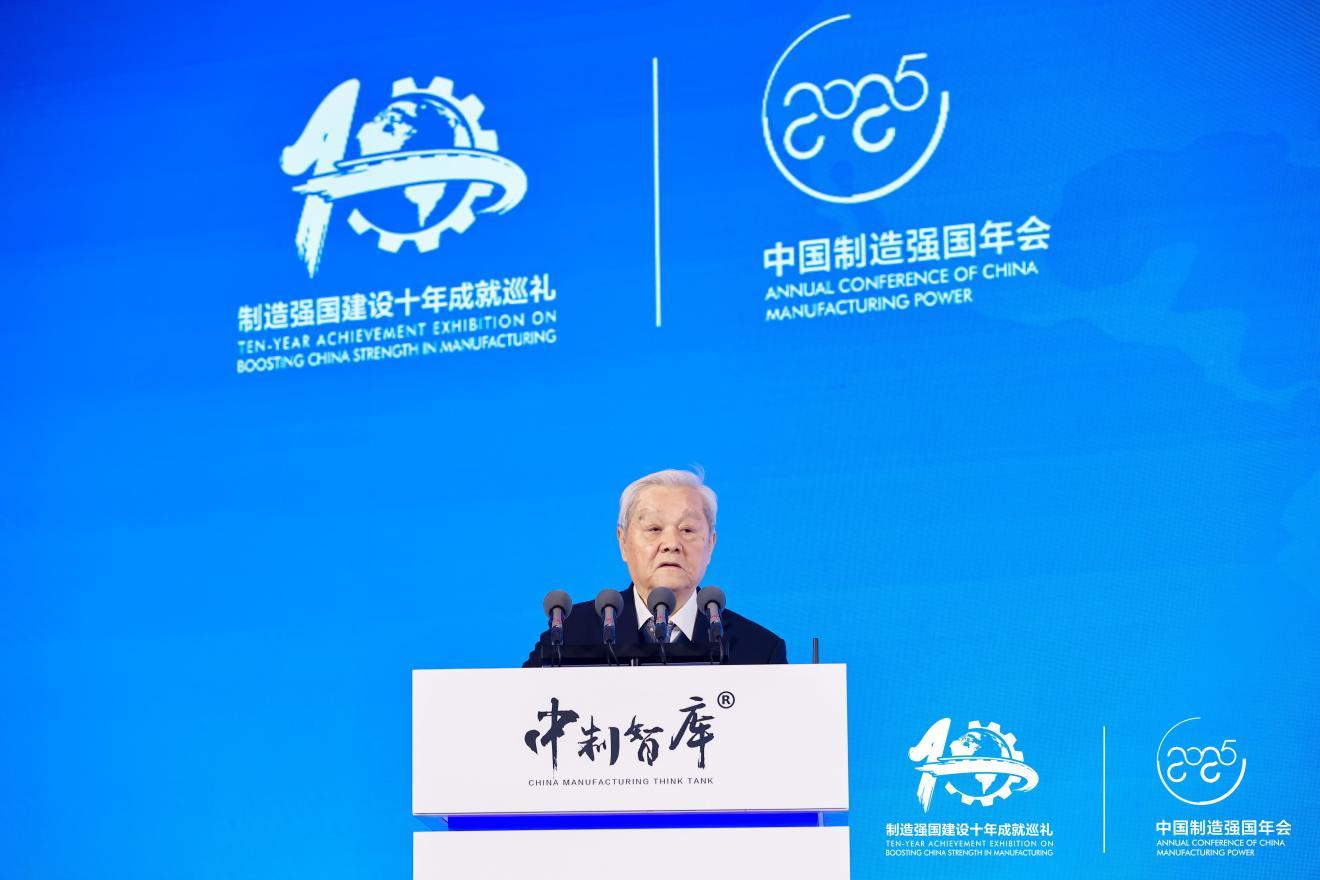
Group 1 - The 10th China Manufacturing Power Conference was successfully held in Beijing, focusing on the theme "Rooted in Reality, Moving Towards New Directions" and discussing the high-quality development path of China's manufacturing industry during the 14th and 15th Five-Year Plans [1] - The conference highlighted the achievements of China's manufacturing sector over the past decade, particularly in ten key areas, reinforcing China's position as the world's leading manufacturing power and its entry into the second tier of global manufacturing powers [3] - The future strategy for manufacturing power construction will involve two main aspects: continuing the "key breakthroughs" strategy with adjustments to include smart instruments and biological manufacturing, and increasing support for foundational research and cutting-edge technologies in five industries that have reached world-leading levels [3] Group 2 - Five industries, including information communication equipment and new energy vehicles, are currently at the forefront globally, with expectations for five to six more key industries to achieve breakthroughs in the next decade [3] - The overall goal is for China's manufacturing industry to transition into the mid-to-high-end sector within the next ten years [3]
深圳:打造强大的“永不落幕”产业
Shang Hai Zheng Quan Bao· 2025-12-29 06:25
Core Viewpoint - The "15th Five-Year Plan" for Shenzhen outlines the city's economic and social development goals, emphasizing high-quality growth, technological innovation, and enhanced living standards by 2035 [1] Group 1: Economic and Social Development Goals - The main objectives for Shenzhen during the "15th Five-Year" period include achieving new heights in high-quality development, breakthroughs in industrial and technological innovation, and significant improvements in social civilization and public welfare [1] - By 2035, Shenzhen aims to become a national model for high-quality development, with world-leading economic competitiveness and enhanced global influence as a modern international metropolis [1] Group 2: Industry and Innovation Focus - Shenzhen plans to accelerate the development of emerging industries, optimize traditional industries, and establish itself as a global leader in advanced manufacturing [3] - The city will implement an industrial innovation project to promote the application of new technologies and products, focusing on strategic emerging industries such as information technology, new energy, and aerospace [3] - Future industries like sixth-generation mobile communication, biomanufacturing, and quantum technology are identified as new economic growth points [2][3] Group 3: Traditional Industry Upgrading - Shenzhen will enhance the global competitiveness of traditional industries such as textiles, machinery, and electronics by promoting high-end, intelligent, and green transformations [4] - The city aims to develop a modern infrastructure system that supports high-quality service industry growth and positions Shenzhen as a significant global industrial and financial center [4] Group 4: Innovation and Financial Support - The plan emphasizes the integration of technological and industrial innovation, aiming to make Shenzhen a hub for new productivity and innovation [6] - Key technology areas for development include integrated circuits, advanced materials, and biomanufacturing, with a focus on achieving disruptive and asymmetrical technologies [6] - A multi-tiered financial service system will be established to support innovation and entrepreneurship, covering various investment types to foster long-term capital for hard technology [6]
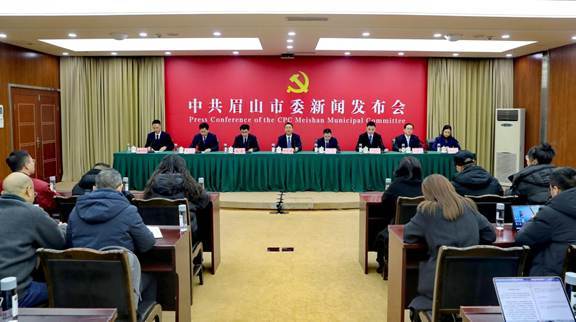
眉山新闻发布会:解码“十五五”制造业高端智能绿色发展新路径
Xin Lang Cai Jing· 2025-12-29 04:48
展望"十五五",眉山将认真贯彻落实省委、市委全会部署,紧扣兴产聚人目标,突出新型工业化主导作 用,因地制宜发展新质生产力,全力推动制造业向高端化、智能化、绿色化迈进,加快打造成渝地区先 进制造创新转化高地。黄文利介绍,重点将从三大方面协同发力: 一是聚焦产业能级提升,夯实高端化根基。眉山将继续壮大以新能源新材料为引领的"1+3"产业集群, 前瞻布局空天信息、生物制造等未来产业。深度融入成渝地区双城经济圈产业分工,加快嵌入锂电、光 伏等国家级产业集群建设。 同时,以打造"西部中试转化基地"为核心,构建"1+N"中试体系,强化企业创新主体地位,推动固态电 池、钙钛矿电池等前沿技术成果在眉山加速转化落地。 二是聚焦数实深度融合,激活智能化引擎。全市将实施"智改数转"诊断全覆盖,建设一批先进级智能工 厂和数字化车间,推动规上工业企业关键工序数控化率大幅提升。积极开展人工智能赋能行动,建 设"新型储能+""空天+"等示范应用场景。夯实数字基础设施,深化"5G+工业互联网"融合应用,推进大 数据中心、智算中心建设,打造数智融合示范区。 12月26日,中国共产党眉山市第五届委员会第十二次全体会议胜利召开。会后,市委举行新闻 ...