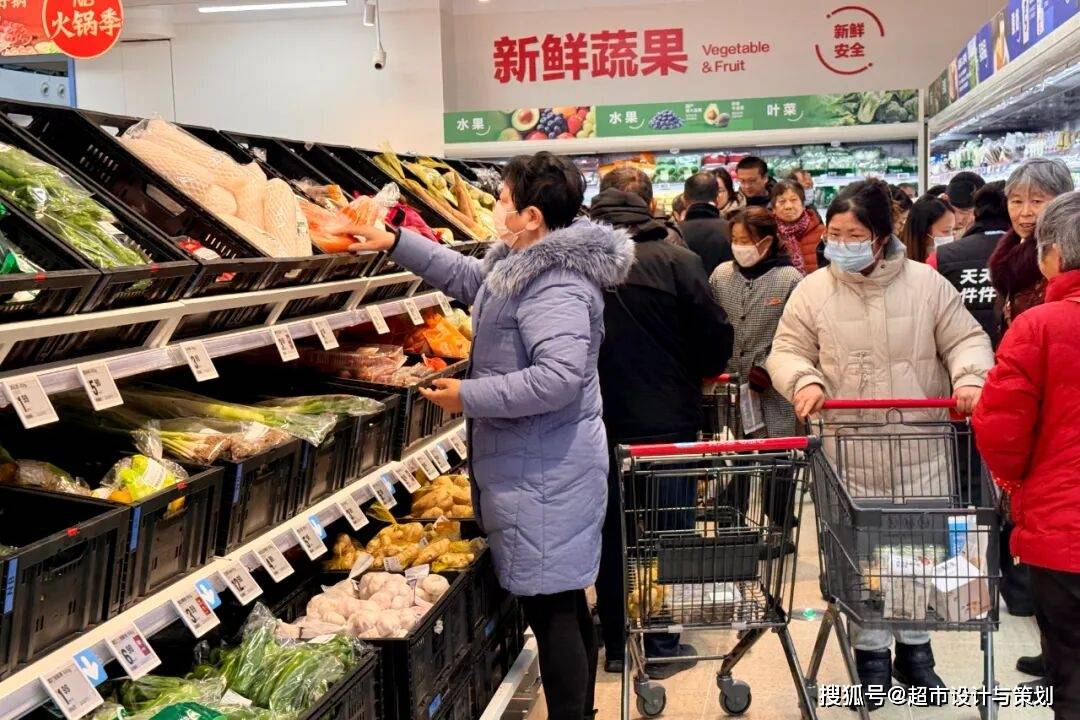
超市

Search documents
超市界“萨莉亚”,杀疯了
3 6 Ke· 2025-12-29 08:39
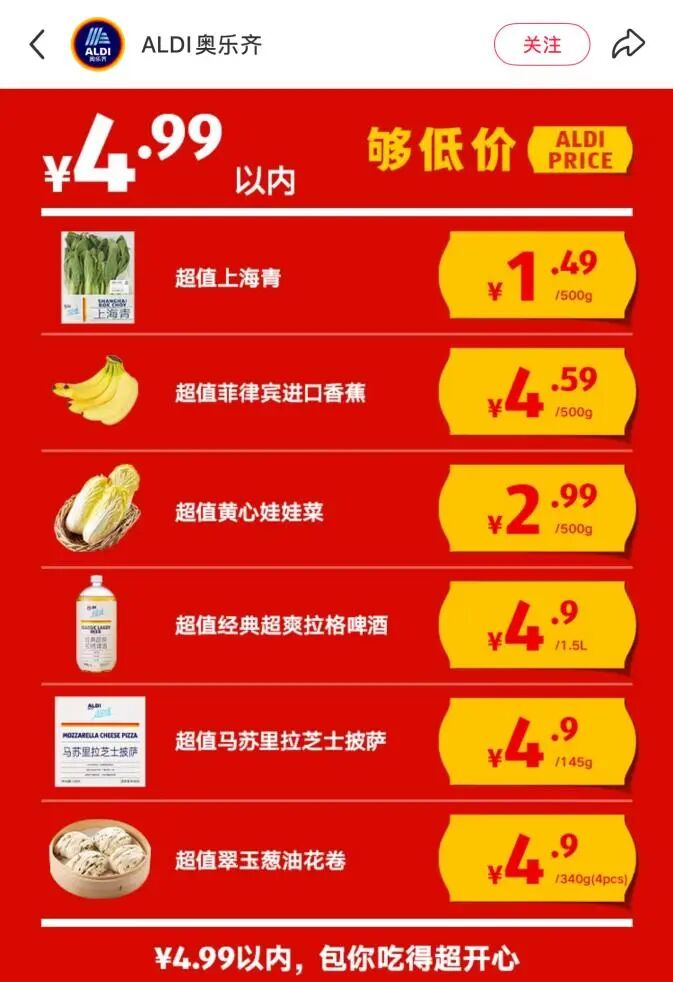
Core Viewpoint - The rise of discount supermarkets, referred to as "poor supermarkets," is reshaping the retail landscape in China, with Aldi and Wankelai leading the charge by attracting consumers with extreme price competitiveness and a focus on value for money [1][22]. Group 1: Aldi's Market Position - Aldi has gained significant popularity among young consumers, being dubbed the "ceiling of cost-performance" with prices starting as low as 1.49 yuan [2][4]. - In 2024, Aldi's sales in China reached 2 billion yuan, doubling from 2023, and the company has opened 80 stores nationwide [7][9]. - Aldi's strategic shift from a mid-to-high-end positioning in 2019 to a global chain of selected discount supermarkets has proven effective, as evidenced by its rapid rise in the "Top 100 Supermarkets in China" list, moving from 82nd to 61st place [10][12]. Group 2: Wankelai's Business Model - Wankelai, another discount supermarket, has established itself by focusing on low prices from the outset, offering items like socks for 2 yuan and pants for 19 yuan, appealing to budget-conscious consumers [14][16]. - The store has expanded to over 100 locations across more than 20 cities, with significant foot traffic and popularity among young shoppers [16][18]. - Wankelai's model emphasizes extreme pricing, attracting customers with the promise of bulk purchasing at low costs [12][14]. Group 3: Industry Trends and Consumer Behavior - The discount supermarket sector is thriving despite a general downturn in the supermarket industry, with 57.4% of supermarket enterprises experiencing a decline in sales in 2024 [22][24]. - The "poor supermarket" model employs a unique location strategy, opting for less central but high-traffic areas to reduce rental costs while still attracting customers [26][28]. - Simplified SKU management is a hallmark of these supermarkets, with Aldi typically offering around 2,000 SKUs compared to traditional supermarkets that may offer tens of thousands [26][27]. Group 4: Competitive Landscape - Major internet companies are entering the discount supermarket space, with Meituan and Hema launching their own discount formats, indicating a growing trend towards digital operations in this sector [21][34]. - The competition is intensifying as established brands adapt to the "poor supermarket" model, focusing on understanding consumer needs and preferences [36][40]. - The discount retail market in China is projected to exceed 200 billion yuan by 2025, with an annual growth rate of 25%, making it one of the fastest-growing segments in retail [40][46].

谁说山姆是中产?
远川研究所· 2025-12-29 07:35
Core Viewpoint - The article discusses the perceived betrayal of middle-class consumers by Sam's Club, highlighting the rapid descent of the brand into lower-tier markets and the resulting devaluation of its membership card, which has sparked a movement to protect the brand's image and product offerings [3][5]. Group 1: Membership and Brand Positioning - Sam's Club raised its membership fee from 150 yuan to 260 yuan in 2016, emphasizing exclusivity and targeting middle-class consumers [5]. - The value proposition for members is estimated to save around 5,000 yuan annually based on a 10% discount margin, suggesting that the membership fee is justified by the savings [6]. - Sam's Club is positioned as a "mass-market discount supermarket" rather than a high-end retailer, with a focus on cost-effectiveness and a limited SKU selection [12][14]. Group 2: Market Strategy and Expansion - Sam's Club has been expanding aggressively into lower-tier cities, with reports of single-store sales reaching 500 million yuan, significantly outpacing traditional supermarkets [15]. - The introduction of popular brands and a new local executive reflects a strategic shift towards appealing to a broader consumer base, which has led to controversy among existing middle-class members [25][26]. - The company aims to double its membership in the next 8-10 years, indicating a strong growth trajectory in the Chinese market [25]. Group 3: Product Offerings and Consumer Perception - Sam's Club's product categories include private label items, exclusive products, and customized offerings, which are designed to cater to a wide range of consumers [16][18]. - The brand's strategy includes localizing its supply chain, with approximately 70% of products sourced from domestic suppliers, which aligns with the growing demand for local products [32]. - The perception of Sam's Club as a high-end supermarket is challenged by its actual pricing and product offerings, which often undercut traditional supermarkets [12][34].


吉小安董事长简介|吉小安擅长领域|吉小安演讲主题|吉小安最新动态
Sou Hu Cai Jing· 2025-12-29 07:26
一、吉小安董事长简介:从学术精英到商业领袖的跨界人生 吉小安,1957年出生,兼具学术深度与商业敏锐度的企业家,现任北京华联集团投资控股有限公司董事 长、北京华联综合超市股份有限公司董事及北京华联(SKP)百货有限公司董事长。其职业生涯可划分 为两大阶段: 学术沉淀期:早年任职于国务院发展研究中心,担任副研究员,深耕宏观经济与政策研究,为后续商业 决策奠定理论基础。 :1993年参与创办北京华联集团,主导其从区域性商厦发展为全国性零售巨头。旗下北京SKP商场以年 营业额超200亿元的成绩,连续多年蝉联"中国最赚钱商场"称号,成为高端零售标杆。 吉小安董事长深度解析:学术背景、商业实践与战略布局 吉小安的领导风格以"稳健中求突破"著称,既注重长期战略布局,又擅长通过合资、并购等方式快速拓 展业务版图。例如,他曾推动北京华联与台湾新光三越集团合资,虽因关联交易问题引发纠纷,但体现 了其开放合作的商业思维。 二、吉小安擅长领域:零售全产业链运营与资源整合 吉小安的核心能力体现在三大维度: 零售业态创新 高端百货:北京SKP通过"品牌独家化+体验场景化"策略,吸引全球90%以上一线品牌入驻,单店年客 流量超1500万 ...


永辉通州世界村店、半壁店调改开业
Bei Jing Shang Bao· 2025-12-29 07:15
Core Viewpoint - Yonghui Supermarket has completed the renovation of two stores in Beijing's Tongzhou District, enhancing their product offerings and customer experience to better serve local communities [1] Group 1: Store Renovation Details - The Yonghui Beijing Tongzhou World Village store, operational for ten years, has undergone a renovation focusing on "quality enhancement" and "experience optimization" [1] - The Yonghui Banbi store, serving the Liyuan community for twelve years, emphasizes creating a "one-stop family living solution" with a focus on seasonal and festive products [1] Group 2: Product and Service Enhancements - The product structure of the renovated stores now aligns with 80% of the product structure of the well-regarded brand Pang Dong Lai, including the introduction of its own brand sections [1] - Both stores implement strict freshness management for perishable goods, adhering to the "468" freshness management and daily clearance system, while also publicly displaying food safety inspection data [1] Group 3: Customer-Centric Strategies - The World Village store enhances its offerings for stable family customers by improving the freshness management and quality control standards of fresh products, as well as expanding high-quality ready-to-eat meals [1] - The Banbi store focuses on providing convenient services such as free processing of meat and poultry and on-site cleaning of seafood, catering to the needs of families during winter and festive gatherings [1]

三江购物跌2.03%,成交额1.63亿元,主力资金净流出1912.02万元
Xin Lang Cai Jing· 2025-12-29 05:44
Core Viewpoint - Sanjiang Shopping has experienced a decline in stock price recently, with a notable drop in trading volume and significant net outflow of funds, despite a year-to-date increase in stock price [1][2]. Group 1: Stock Performance - As of December 29, Sanjiang Shopping's stock price decreased by 2.03% to 13.98 CNY per share, with a trading volume of 163 million CNY and a turnover rate of 2.11%, resulting in a total market capitalization of 7.657 billion CNY [1]. - Year-to-date, the stock price has increased by 30.90%, but it has seen a decline of 6.61% over the last five trading days, 14.39% over the last 20 days, and 0.36% over the last 60 days [1]. Group 2: Financial Performance - For the period from January to September 2025, Sanjiang Shopping reported a revenue of 2.988 billion CNY, reflecting a year-on-year growth of 0.59%, while the net profit attributable to shareholders decreased by 5.42% to 114 million CNY [2]. - The company has distributed a total of 1.362 billion CNY in dividends since its A-share listing, with 329 million CNY distributed over the past three years [3]. Group 3: Shareholder Information - As of September 30, 2025, the number of shareholders for Sanjiang Shopping increased to 48,400, a rise of 61.74%, while the average circulating shares per person decreased by 38.17% to 11,311 shares [2]. - Among the top ten circulating shareholders, Hong Kong Central Clearing Limited holds 3.8167 million shares, a decrease of 878,200 shares compared to the previous period [3]. Group 4: Business Overview - Sanjiang Shopping Club Co., Ltd. is located in Ningbo, Zhejiang Province, and was established on September 22, 1995, with its stock listed on March 2, 2011. The company primarily operates community fresh supermarkets [1]. - The revenue composition of Sanjiang Shopping includes 53.56% from food, 34.99% from fresh produce, 8.90% from daily necessities, 2.03% from other sources, and 0.53% from textiles [1].

家家悦跌2.06%,成交额1.06亿元,主力资金净流出50.13万元
Xin Lang Cai Jing· 2025-12-29 03:47
Group 1 - The core viewpoint of the news is that Jiajiayue's stock has experienced fluctuations, with a recent decline in price and mixed performance over different time frames [1][2] - As of December 29, Jiajiayue's stock price was 11.89 yuan per share, with a market capitalization of 7.59 billion yuan and a trading volume of 1.06 billion yuan [1] - The company has seen a year-to-date stock price increase of 6.64%, but a recent decline of 8.54% over the last five trading days [2] Group 2 - Jiajiayue's main business involves supermarket chain operations, with revenue composition as follows: 47.22% from food and cleaning products, 42.71% from fresh produce, 6.85% from other categories, 2.69% from general merchandise, and 0.52% from industrial and other sources [2] - As of September 30, 2025, Jiajiayue reported a total revenue of 13.59 billion yuan, a year-on-year decrease of 3.81%, while net profit attributable to shareholders was 206 million yuan, reflecting a year-on-year increase of 9.43% [2] - The company has distributed a total of 1.59 billion yuan in dividends since its A-share listing, with 402 million yuan distributed over the past three years [3] Group 3 - As of September 30, 2025, the number of shareholders in Jiajiayue was 21,800, a decrease of 10.62% from the previous period, while the average circulating shares per person increased by 11.89% to 29,305 shares [2] - The top ten circulating shareholders include notable entities such as Huaxia Large Cap Select Mixed Fund, which reduced its holdings by 2.14 million shares, and Hong Kong Central Clearing Limited, which decreased its holdings by 1.02 million shares [3]

步步高跌2.00%,成交额3.05亿元,主力资金净流出4457.94万元
Xin Lang Cai Jing· 2025-12-29 02:20
Core Viewpoint - The stock price of Bubugao has experienced a decline recently, despite a significant increase earlier in the year, indicating potential volatility in the market [1][2]. Group 1: Stock Performance - Bubugao's stock price has increased by 36.46% year-to-date, but it has seen a decline of 7.55% in the last five trading days, 0.55% in the last 20 days, and 3.23% in the last 60 days [2]. - The stock reached a trading volume of 3.05 billion yuan with a turnover rate of 2.59% as of December 29 [1]. Group 2: Financial Performance - For the period from January to September 2025, Bubugao reported a revenue of 3.194 billion yuan, reflecting a year-on-year growth of 26.48%, while the net profit attributable to shareholders was 226 million yuan, a decrease of 88.83% year-on-year [2]. - The company has distributed a total of 1.677 billion yuan in dividends since its A-share listing, with no dividends paid in the last three years [3]. Group 3: Shareholder Information - As of September 30, 2025, the number of shareholders for Bubugao increased to 172,500, a rise of 95% compared to the previous period, while the average circulating shares per person decreased by 27.06% [2]. - The top ten circulating shareholders saw a change, with Hong Kong Central Clearing Limited exiting the list [3]. Group 4: Business Overview - Bubugao, established on December 11, 2003, and listed on June 19, 2008, is primarily engaged in retail business, with its revenue composition being 64.34% from supermarkets, 27.44% from other businesses, 6.01% from department stores, and 2.21% from logistics and advertising [2]. - The company operates within the general retail sector, focusing on supermarkets, and is involved in concepts such as community group buying, new retail, prepared dishes, cold chain logistics, and unified markets [2].

永辉超市通州双店焕新 “胖改”模式深耕副中心社区商业
Xin Lang Cai Jing· 2025-12-28 14:17
Core Viewpoint - The recent upgrades of two community stores by Yonghui Supermarket in Beijing's Tongzhou district reflect the company's commitment to enhancing consumer experience and supporting local consumption in response to government initiatives [1][3]. Group 1: Store Upgrades - Yonghui's Beijing Tongzhou World Village store has been operational for ten years and has recently undergone a significant upgrade, while the Banbi store will also reopen after renovations [1]. - The upgrades aim to strengthen the "quality and affordable" retail network in the area, providing essential goods at competitive prices [1][3]. Group 2: Product Offerings - The product structure of the two upgraded stores aligns with 80% of the offerings from the "Fat Donglai" brand, featuring a variety of freshly made items such as dumplings, wontons, and baked goods [3]. - The stores provide stable daily supplies, including cabbage at 0.99 yuan per jin, pork at 6.99 yuan per jin, and affordable sugar oranges at 4.99 yuan per jin, ensuring reliable access to essential goods for local families [3]. Group 3: Customer Experience - The World Village store focuses on enhancing quality and optimizing the shopping experience, particularly for family customers, by improving fresh produce management and offering high-quality ready-to-eat meals [5]. - The Banbi store emphasizes a "one-stop family living solution," catering to seasonal needs with a focus on hot pot ingredients and providing convenient services such as free meat processing and on-site seafood cleaning [5]. Group 4: Operational Standards - Both stores implement strict freshness management and daily clearance protocols for fresh products, with real-time public display of food safety inspection data [7]. - The renovations have improved employee working conditions and benefits, establishing a skills certification program to enhance employee engagement and service quality [7]. Group 5: Community Impact - Yonghui's initiatives are part of a broader strategy to promote community commerce and stimulate urban consumption, with plans for promotional activities leading up to the New Year [7].
新闻周刊丨让剩余食物发挥“余热”,“食物银行”你见过吗
Yang Shi Xin Wen· 2025-12-27 23:30
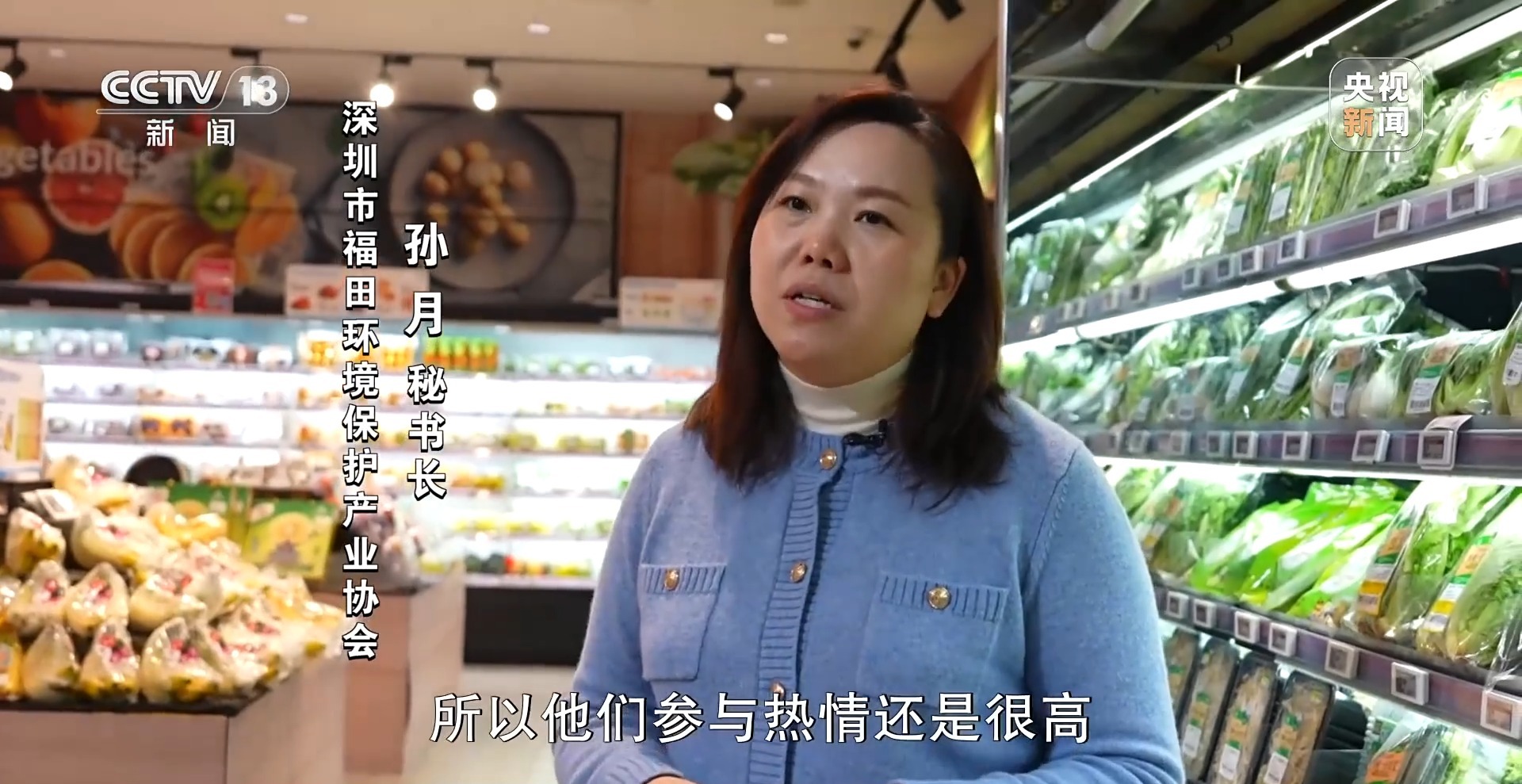
Core Viewpoint - The "Food Bank" initiative in Shenzhen's Futian District provides free food to those in need through a smart, contactless system, highlighting community support and efficient food redistribution [1][3][9]. Group 1: Operation and Accessibility - The "Food Bank" operates 24/7, allowing individuals to reserve food via an app, with priority given to vulnerable groups such as low-income individuals, the disabled, and sanitation workers [1][3]. - Food is typically collected from supermarkets and businesses, including fresh produce and items nearing their expiration date, ensuring minimal waste [3][9]. - The system has been effective, with food often fully reserved within an hour and a half of availability, indicating high community engagement [1][9]. Group 2: Volunteer Involvement and Support - Over 20 volunteers support the operation of the food banks, assisting individuals who may have difficulty accessing the food or require specific dietary considerations [5][7]. - Volunteers also ensure food safety by checking expiration dates and the quality of items before they are made available [3][9]. Group 3: Community and Corporate Engagement - The initiative has seen participation from local businesses, which can advertise their contributions and benefit from tax deductions for donations, thus reducing their waste disposal costs [9]. - The program has successfully served over 500,000 individuals across 22 food banks in 10 streets within the Futian District [9].
当下零售行业的困境,来自于对消费者的无感
Sou Hu Cai Jing· 2025-12-27 20:57
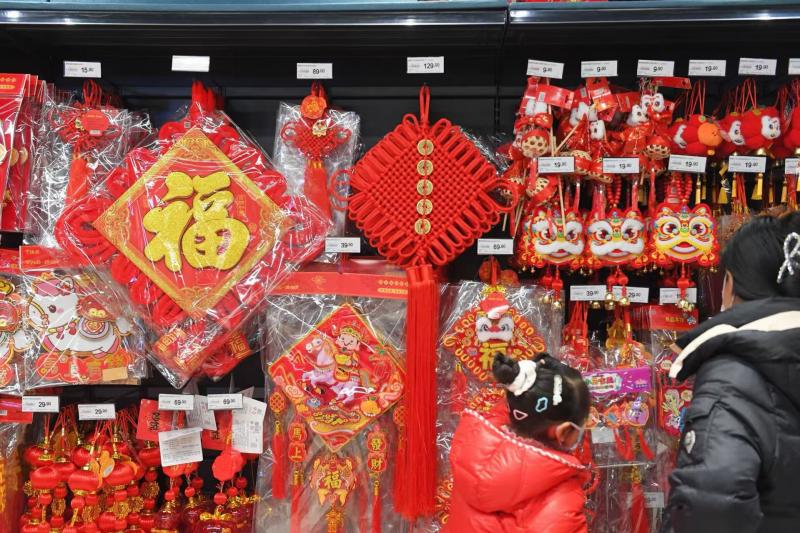
当然盒马更不用说了,除了可以在现场就餐,也可以直接在线上购买,直接送货到家。 情绪价值很奇怪,也不能吃,也不能喝,但是他能在某一方啊面切中消费者的某一个心境,然后消费者就会不顾一切的疯狂购买,还很满足,这就是情绪 价值的意义所在吧。盲盒和新鲜花还过年过节的一些装饰品,都属于此类范畴吧。 所以很多传统超市人,还是按照以前的经营理念和方式,对卖场进行管理和运营,忽视了消费者在商品和服务方面的改变,所以导致用商品和服务和顾客 之间的联系弱化了很多,而且对这种开始疏离的关系,没有足够的认识,导致客流持续下滑,慢慢生意越来越差。关键的一点,还是没有找到改善之道! 商品方面没有连接,服务方面更无法与消费者共振,自然吸引不了消费者到店。 当下的零售行业的困境,来自于对消费者的无感! 对消费者的无感,既不能对消费者提供当下主流的商品和服务,又不能提供日常生活的解决方案,也不能在现场给消费者提供更多的情绪价值,导致消费 者和商家之间的连接越来越弱,当消费者一旦觉得离开这样的购物场所,对其生活没有任何不便的时候,就是这家超市走向全面崩溃的开始。 随着社会的发展,消费者接触的商品越来越多,开始陷入一种没有时间没有过多精力去挑选的境 ...