
餐饮

Search documents
库迪咖啡一日内成立4家新公司
21世纪经济报道· 2026-03-11 10:49
Group 1 - Kudi Management (Suzhou) Co., Ltd., Kudi Holdings (Suzhou) Co., Ltd., Kudi Technology (Suzhou) Co., Ltd., and Kudi Hotel (Suzhou) Co., Ltd. were established on March 10, 2026, with registered capital of 100 million, 10 million, 10 million, and 2 million RMB respectively [1] - The business scope of these companies includes holding company services, equity investment, brand management, restaurant management, technology services, supply chain management, hotel management, and accommodation services [1] - Kudi Coffee (Suzhou) Co., Ltd. established an investment company in January 2026 with a registered capital of 320 million RMB, focusing on equity investment and asset management services [1] Group 2 - The legal representative for all four newly established companies is Zhang Jun [1] - The investment company is co-owned by Kudi Coffee (Suzhou) Co., Ltd. and Suzhou Juxing He Yao Enterprise Management Partnership [1] - The registered address for these companies is located at 21 Chengji Road, Suzhou High-tech Zone [3]

西部消费品牌出海专题一(美国篇):短看政策刺激地产周期,长看生意模型修复估值
Western Securities· 2026-03-11 08:24
Investment Rating - The report suggests a long-term focus on companies exporting to the U.S., particularly those with proprietary brands, indicating a potential for valuation premium under similar conditions [7]. Core Insights - The U.S. market offers significant opportunities due to its large capacity, high prices, and stable business models across various sectors, making it attractive for companies looking to expand internationally [5][6]. - The report highlights the impact of U.S. monetary policy, particularly interest rate cuts, which are expected to improve the economic outlook for related industries such as home appliances and tools [9]. - The report emphasizes the importance of companies adapting their business models from "manufacturing export" to "brand export," focusing on operational and technological advantages to enhance brand value [15]. Summary by Sections Short-term Outlook - Companies are currently facing challenges due to tariff impacts but are expected to see gradual improvement post-Q2 2026 [8]. - The anticipated rise in U.S. real estate market conditions is expected to benefit related sectors [9]. - After the currency depreciation effects are fully realized, valuations are expected to become more attractive [10]. Long-term Outlook - Companies with high dividend yields and potential for pricing power in overseas markets are recommended for long-term investment [16]. - Focus on companies leading in product/technology innovation and market share consolidation is advised [16]. Company Profiles - The report identifies several types of companies that are well-positioned for success in the U.S. market, including those with supply chain delivery barriers, channel innovation, and product/technology-driven advantages [14]. - Specific companies highlighted include: - 泉峰控股 (Qianfeng Holdings) with a projected CAGR of 21.11% from 2024 to 2027 [15]. - 创科实业 (Techtronic Industries) with a projected CAGR of 12.20% [15]. - 巨星科技 (Giant Star Technology) with a projected CAGR of 17.63% [15]. Market Opportunities - The U.S. economy's size and the openness of younger generations to Chinese brands present significant opportunities for growth [19]. - The report notes a dual opportunity in the K-shaped economy, where both inflation-sensitive and high-experience consumption segments are thriving [24]. Challenges - Tariffs imposed by the U.S. pose challenges for Chinese companies in terms of global capacity layout and cost management [34]. - The retail channel structure in the U.S. is highly concentrated, making it difficult for new entrants to penetrate mainstream channels [41][42]. - Regulatory scrutiny and political trends are increasingly affecting market access for foreign companies [49][52].



三问三答看两会,全面看好服务消费
China Post Securities· 2026-03-11 03:09
Investment Rating - The industry investment rating is "Outperform" [1] Core Insights - The report emphasizes the importance of expanding domestic demand as a priority in government work tasks, aiming to stimulate consumer spending and improve living standards [5][6] - The report outlines various measures to boost consumption, including increasing residents' income, enhancing consumer credit, and promoting service consumption [7][11] - The report suggests that the current investment logic is centered around the expectation of policy implementation following the government work report, indicating a potential recovery in consumer spending [12][14] Summary by Sections Industry Overview - The closing index level is 9107.46, with a 52-week high of 9615.81 and a low of 7594.38 [1] Consumption Policies - The government work report prioritizes expanding domestic demand and improving living standards, with specific measures to increase income and consumer credit [5][6][10] - Policies include promoting consumption upgrades, enhancing service consumption, and optimizing the inbound consumption environment [7][8][11] Investment Opportunities - The report identifies potential investment opportunities in sectors such as tourism, silver economy, sports consumption, and inbound consumption [13][14] - It highlights both aggressive new consumption opportunities and defensive cyclical sectors as areas to watch for recovery [14]
达能在美进军运动营养市场;Missoni创始家族退出;Lemaire CEO离职
Sou Hu Cai Jing· 2026-03-11 03:02
Acquisition Dynamics - Activist investor Starboard Value has acquired a significant stake in Lamb Weston, a leading manufacturer of French fries, and is urging the company to accelerate reforms and cut costs to improve its underperforming stock price [3] - Starboard believes Lamb Weston has the potential to regain market share, particularly in North America, despite challenges in its international business, and suggests the company consider selling its Asia-Pacific operations [3] Brand Dynamics - Katjes International, a strategic investment group under Katjes Group, has signed an agreement to acquire approximately 27% of the luxury knitwear brand Missoni, with the current minority shareholder FSI set to fully acquire the shares held by the founding family [9] - The exit of the founding family may lead to the introduction of Katjes' consumer goods operational experience, but challenges remain in merging the candy brand's identity with luxury knitwear [9] Company Expansion - Li Ziyuan plans to invest approximately 200 million yuan to expand its raw milk deep processing project, which includes the construction of new cheese production lines and formula milk powder production lines [12] - This expansion aims to optimize the company's product structure and enhance overall profitability and risk resistance [12] Business Restructuring - Ito Yokado is undergoing structural adjustments in its China operations, including the closure of stores in Beijing and the sale of 90% of a wholly-owned subsidiary to a local enterprise [15] - This shift marks a transition from direct management to a light-asset licensing model, aimed at reducing losses and recovering funds, although it raises concerns about brand control and market competitiveness [15] Market Entry - Danone's Silk brand has launched a high-protein plant-based drink, Silk Protein, targeting the sports nutrition market and aiming to appeal to Generation Z consumers [18] - This move is intended to capitalize on the growing demand for sports and functional nutrition products, repositioning plant-based beverages as functional nutritional items [18] Company Formation - The establishment of multiple restaurant companies by the Donglai Group indicates an acceleration of retail and ecosystem expansion, leveraging supermarket traffic to enhance customer engagement and increase average transaction value [21] - The founder's announcement of retirement may relate to succession planning, posing challenges for the decision-making committee in cross-industry operations [21] Personnel Changes - Dingdong Maicai has announced a significant management reshuffle, with founder Liang Changlin resigning as CEO and former CFO Wang Song taking over the role [23] - This leadership change coincides with a sensitive acquisition period involving Meituan, with the new CEO's financial background potentially expediting negotiations and valuations [23]

直击西贝闭店最后一夜,“我们也不知道会被安排去哪儿”
凤凰网财经· 2026-03-10 13:53
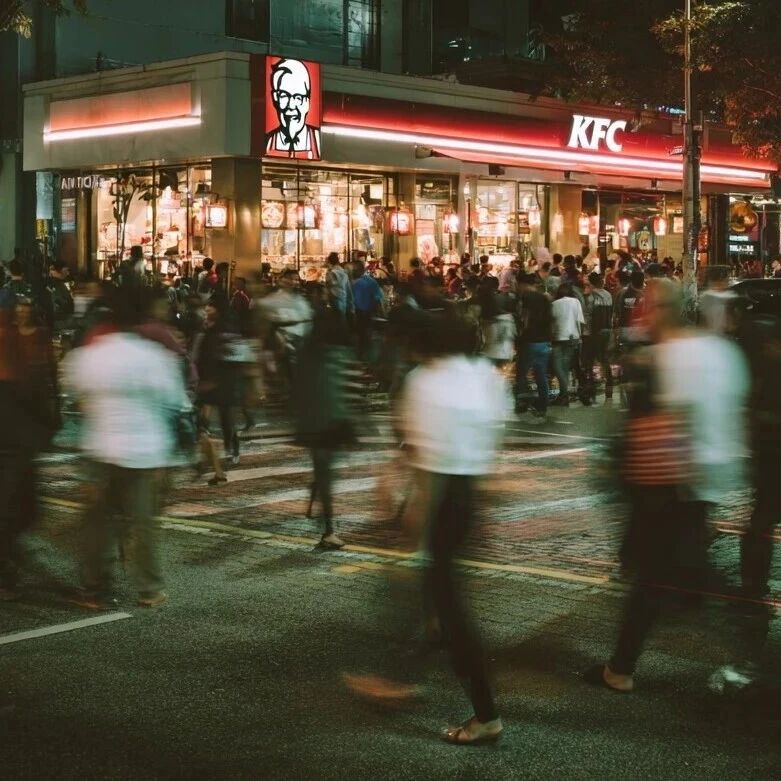
Core Viewpoint - The article discusses the struggles faced by the restaurant chain Xibei, highlighting its decision to close 102 stores, which accounts for 30% of its total locations, affecting over 4,000 employees. The narrative captures the emotional and operational challenges during the final days of the restaurant's operation, reflecting on the broader implications for the industry and the company's future [4][5][41]. Group 1: Company Challenges - Xibei is experiencing significant operational difficulties, including delayed salary payments and a 30% pay cut for management, leading to a change in leadership with founder Jia Guolong stepping back and Dong Junyi taking over as CEO [4][5]. - The decision to close stores was announced two months prior, with 102 locations set to shut down, impacting a large workforce and signaling a critical moment for the company [5][41]. - The restaurant's revenue has drastically declined, with daily earnings dropping from 1.1 million to only 400,000, indicating severe financial distress [37][41]. Group 2: Employee Perspectives - Employees express a sense of loyalty to Xibei, citing good working conditions and benefits, despite the recent turmoil. Many employees feel a strong attachment to the company, emphasizing its positive aspects [20][21]. - The article features personal stories from employees who have built their careers at Xibei, highlighting their experiences and the emotional impact of the impending closures [25][28]. - There is a noticeable shift in employee morale and job security, with some employees contemplating leaving due to limited opportunities and the company's uncertain future [31][32]. Group 3: Industry Context - The broader restaurant industry is facing challenges, with Xibei's struggles reflecting a trend of declining revenues and increased competition. The article notes that many restaurants are struggling to maintain profitability amid changing consumer behaviors [51][52]. - Xibei's management has resorted to price cuts and promotions to attract customers, which contradicts previous strategies that emphasized maintaining quality over low prices [40][41]. - The narrative suggests that the company's previous commitment to a "family culture" is being tested as financial pressures mount, leading to a potential shift in its operational philosophy [37][40].

生物医药成为新兴支柱产业,半导体维持高景气
Tebon Securities· 2026-03-10 11:49
Group 1: Consumer Sector - The average lifespan of restaurant stores in China has decreased from 2.1 years in 2015 to 16.9 months in 2023[4] - As of December 2025, the number of restaurant stores in China exceeded 7.7 million, with a year-on-year growth of 3.1%[7] - The chain rate of the restaurant industry in China increased from 15% in 2020 to 23% in 2024, but remains below the global average[11] Group 2: Health Sector - The Chinese government has elevated the biopharmaceutical industry to a pillar industry, with a focus on innovative drugs for three consecutive years in government work reports[21] - The potential total amount for BD transactions of Chinese innovative drugs reached approximately $34.6 billion in January 2026, a 55% increase from $22.3 billion in January 2025[22] Group 3: Hard Technology Sector - In January 2026, global semiconductor sales reached $82.54 billion, a year-on-year increase of 46.1%[31] - The sales of semiconductor equipment in Q3 2025 reached $33.66 billion, with a year-on-year growth of 10.8%[30] - Global smartphone shipments in Q4 2025 reached 336 million units, with a year-on-year growth of 2.3%[36]
肯德基猛攻县城
创业邦· 2026-03-10 10:35
Core Viewpoint - KFC's parent company, Yum China, achieved a record revenue of $11.8 billion in 2025, with a year-on-year growth rate of less than 5%, which is considered strong given the overall downturn in the restaurant industry [4][1]. Group 1: Revenue Structure - Yum China's revenue structure can be simplified as 1+0.5+N, where KFC accounts for over 70% of revenue, Pizza Hut around 20%, and other brands like Little Sheep and Taco Bell contribute less than 10% [7]. - KFC's performance significantly influences Yum China's overall results, highlighting its dominance in the company's revenue generation [7]. Group 2: Expansion Strategy - Yum China's recent strategy focuses on KFC's expansion into lower-tier cities and Pizza Hut's price reduction, with KFC opening 1,349 new stores in 2025, covering 270 new towns [11][1]. - KFC currently operates nearly 13,000 stores in China, compared to McDonald's 7,700, indicating a strong market presence [11]. Group 3: Market Insights - The rapid expansion of brands like Mixue Ice City, which opened nearly 25,000 stores from 2020 to 2023, has reshaped the restaurant industry's perception of the potential in lower-tier markets [15][2]. - Mixue Ice City has 57% of its stores in third-tier cities and below, demonstrating the vast potential of these markets [15]. Group 4: Franchise Model Shift - The restaurant industry has shifted from a direct ownership model to a franchise model post-pandemic, as franchises allow for faster expansion and lower capital requirements [17]. - KFC's franchise model has historically been stringent, but the company is now adapting to attract franchisees in lower-tier markets by reducing investment thresholds [19]. Group 5: Cost Management - KFC is adjusting its store formats to lower the investment required for franchisees, with standard stores costing around $120,000 and mini-stores as low as $50,000 [22]. - The average investment for new KFC stores has decreased to below $1.5 million, aligning with the company's expansion goals [24]. Group 6: Pizza Hut's Adaptation - Pizza Hut is adopting a similar strategy to KFC by introducing WOW stores, which feature simplified menus and lower prices, significantly increasing the proportion of franchise stores in its new openings [28]. - In 2025, Pizza Hut reported a 19% increase in operating profit, showcasing the effectiveness of its new strategy in a competitive market [30].

消费品零售业下半年度报告:中国宏观经济、行业趋势、投资交易及税务快讯
KPMG· 2026-03-10 08:56
Investment Rating - The report indicates a positive outlook for the consumer goods retail industry, with a focus on long-term value and stable returns for investors [8]. Core Insights - In 2025, China's GDP is projected to grow by 5.0%, supported by proactive macroeconomic policies aimed at stabilizing development and expanding domestic consumption [7][10]. - The consumer market is expected to continue expanding, with significant growth in various sub-sectors such as luxury goods, fashion, health and beauty, food and beverages, and dining [8][10]. - The luxury goods and fashion sector is entering a stable growth phase, while the health and beauty industry is experiencing a surge in IPO activities, indicating strong investor interest [8][38]. - The report highlights the importance of digital transformation and service-oriented consumption in driving market growth, particularly in the context of recent government initiatives [35]. Summary by Sections Macroeconomic Situation - China's GDP reached 140 trillion yuan in 2025, with a contribution rate of over 50% from final consumption expenditure [10][12]. - The retail sales of social consumer goods exceeded 50 trillion yuan, growing by 3.7% year-on-year, with service retail sales increasing by 5.5% [17][10]. Recent Dynamics Impacting the Industry - The consumer market is shifting towards service-oriented and digital consumption, with significant growth in the duty-free market and online shopping events [35][36]. - The luxury goods market has shown resilience, with notable sales increases during major shopping festivals [36]. Sub-Industry Trends - **Luxury Goods and Fashion**: The sector is experiencing a rebound in investment, driven by rising precious metal prices and strong consumer demand [8][36]. - **Health and Beauty**: The retail sales of cosmetics grew by 5.1% in 2025, reversing the previous year's decline, with a notable trend towards IPOs among beauty companies [38]. - **Food and Beverages**: The sector is benefiting from new consumption trends, with a focus on low-alcohol beverages and health-oriented products [8]. - **Dining**: The restaurant industry is expanding into lower-tier markets and adopting digital operations, supported by government policies [8]. Investment Transactions - The investment landscape in the consumer goods retail sector is improving, with a focus on long-term value and lower-risk projects [8]. - The luxury goods and fashion sector is seeing a strong rebound in financing activities, indicating investor confidence [8]. Tax and Policy Updates - The report outlines various government initiatives aimed at boosting consumption and stabilizing the economy, which are expected to enhance market vitality [8][36].
腾讯版“小龙虾”致歉,以军空袭伊朗核实验室,特朗普称对伊战事将快速结束
新财富· 2026-03-10 08:05
Geopolitical Developments - Trump stated that U.S. military actions against Iran would conclude quickly and mentioned the potential lifting of some oil-related sanctions to stabilize international oil prices [2] - Israeli air force conducted airstrikes on Tehran, targeting nuclear laboratories, indicating ongoing military actions against Iran's nuclear development [3] - The U.S. administration is reportedly discussing military options to seize Iran's oil export hub, escalating tensions in the Persian Gulf region [4] Energy Sector Impact - The ongoing tensions in the Middle East have led to a significant increase in overseas orders for Chinese wind power equipment, as European clients prioritize delivery capabilities over pricing [8] - Domestic fuel prices in China were raised significantly, with gasoline and diesel prices increasing by 695 yuan and 670 yuan per ton respectively, marking the largest increase in nearly four years [9] Technology and AI Developments - Nvidia's GTC 2026 conference is set to showcase advancements in AI agents and robotics, indicating a focus on the integration of these technologies [5] - Tencent has launched five AI products related to OpenClaw, enhancing its capabilities in the AI sector [15] - Alibaba has made management changes in its Qwen model, aiming to stabilize its research architecture while maintaining its open-source strategy [16] Market Performance - U.S. stock markets saw a collective rise, with the Nasdaq up by 1.38%, driven by a rebound in technology stocks amid easing geopolitical tensions [18] - A-shares in China also experienced a collective increase, with the Shanghai Composite Index rising by 0.65%, led by gains in the communication and electronics sectors [19] Corporate Developments - CATL reported a revenue of 423.7 billion yuan for 2025, a 17% year-on-year increase, with a net profit of 72.2 billion yuan, reflecting strong performance in the battery sector [11] - Tencent's WorkBuddy faced service instability due to high user traffic, leading to an apology and subsequent resource expansion to stabilize services [13] - The company Zhijian Power completed multiple financing rounds totaling 2 billion yuan, with Tencent and Alibaba as strategic investors, highlighting the growing interest in embodied intelligence [14]


消费品零售业2025下半年度报告-毕马威
KPMG· 2026-03-10 06:35
Investment Rating - The report does not explicitly state an investment rating for the consumer retail industry, but it indicates a cautious optimism regarding investment opportunities in certain segments [6]. Core Insights - The macroeconomic environment shows steady progress, with China's GDP growing by 5.0% in 2025, surpassing 140 trillion yuan for the first time, and total retail sales of consumer goods exceeding 50 trillion yuan, marking a 3.7% increase [6][7]. - The luxury goods sector is stabilizing, driven by rising precious metal prices, while the apparel and footwear industry is undergoing significant restructuring, with sportswear leading the market [6]. - Investment activity is showing signs of recovery, but capital remains cautious, favoring lower-risk, stable-return projects [6]. - Government policies are increasingly supportive, with measures such as equipment upgrades, consumption vouchers, and tax optimization aimed at boosting consumer spending [6]. Summary by Relevant Sections Macroeconomic Overview - GDP growth of 5% and retail sales surpassing 50 trillion yuan, with service retail growth outpacing goods retail by 1.7 percentage points [6][7]. Luxury Goods and Fashion - The luxury sector is in a stable growth phase, with jewelry retail sales reaching 373.6 billion yuan, a 12.8% increase [7]. Apparel and Footwear - Retail sales in clothing, footwear, and textiles exceeded 150 billion yuan, growing by 3.2% [7]. Health and Beauty - The beauty and personal care sector is recovering, with exports of cosmetics reaching 7.82 billion USD, a 9.1% increase [7]. Food and Beverage - The trend towards health-oriented and functional products is evident, with a notable rise in low-alcohol beverages [6]. Dining Sector - The dining industry saw a 3.2% increase in revenue, accounting for 11.6% of total retail sales [7]. Investment Activity - Investment in the consumer retail sector is showing localized recovery, with a preference for head projects that attract significant capital [6]. Policy Environment - Continuous government initiatives, including trade-in programs and tax incentives, are expected to further stimulate consumer spending [6].