
海产品

Search documents
加拿大哈利法克斯市市长:我们的城市从对华合作中受益匪浅
Xin Lang Cai Jing· 2025-10-16 14:58
Core Viewpoint - The mayor of Halifax, Andy Fillmore, emphasizes the importance of strengthening economic, scientific, educational, and cultural ties between Canada and China, marking the 55th anniversary of diplomatic relations [1] Economic Relations - Halifax has strong economic ties with China, particularly in the seafood industry, which is a pillar of trade for Nova Scotia [1] - The Halifax city government collaborates closely with industry associations and port authorities to support local seafood companies in expanding into the Chinese market [1] Potential Areas of Cooperation - There is significant potential for collaboration in marine science, clean energy, and higher education between Halifax and China [1] - Halifax possesses strong research capabilities and an innovative ecosystem, which can contribute to addressing global challenges through enhanced cooperation with China [1] Cultural Exchange - The mayor recalls personal experiences with Chinese culture, having hosted Chinese exchange students in his youth, which fostered an understanding of Chinese culture [1] - Cultural events such as Chinese New Year and Mid-Autumn Festival celebrations are highlighted as excellent opportunities for community integration [1] Focus on Trust and Common Interests - The mayor stresses the importance of focusing on common interests and building trust through pragmatic cooperation between people and businesses [1]
青岛:节假日期间海产品“涨跌互现”
Zhong Guo Fa Zhan Wang· 2025-10-11 05:02
Core Insights - The article discusses the price monitoring and sales situation of seafood products in Qingdao, highlighting fluctuations in prices and sales volumes due to seasonal factors and supply constraints [1][2][3] Price Monitoring - Qingdao has selected 7 representative seafood production and sales units for emergency price monitoring, including 3 large supermarkets, 3 farmers' markets, and 1 seafood processing enterprise [1] - The monitored seafood varieties include hairtail, mackerel, shrimp, dried seaweed, oyster, eel, and pomfret [1] Price Trends - Overall seafood prices have shown mixed trends, with some products experiencing price increases due to reduced supply from fishing boats during holidays [1] - The average retail price of hairtail in farmers' markets is 13.33 yuan (up 5.21% from last week), while in supermarkets it is 18.2 yuan (up 3.82%) [2] - Mackerel prices in farmers' markets average 10.33 yuan (up 5.09%), while in supermarkets it is 16.83 yuan (down 2.32%) [2] Sales Volume Changes - Total sales volume of hairtail in farmers' markets is 1545 jin (down 20.57%), while in supermarkets it is 22.57 jin (down 44.23%) [2] - The total sales volume of shrimp in farmers' markets is 1520 jin (down 31.22%), and in supermarkets it is 61.18 jin (down 7.65 times) [2] Export Prices - The export price for small pomfret is 8 yuan/kg with no export volume this week, while eel is priced at 159 yuan/kg, also with no export volume [1] Dried Seafood Prices - The average price of dried shrimp in farmers' markets is 35 yuan (unchanged), while in supermarkets it is 57.3 yuan (up 0.58%) [2] - The average price of dried seaweed remains at 19.67 yuan in farmers' markets and 29.53 yuan in supermarkets (both unchanged) [2] Shellfish Prices - The average price of oysters in farmers' markets is 6.83 yuan (down 2.43%), while in supermarkets it is 7.93 yuan (up 0.38%) [3] - Total sales volume of oysters in farmers' markets is 14013 jin (up 0.36%), and in supermarkets it is 952.71 jin (up 9.07 times) [3]
临登机前突然取消行程,莫迪策划大反转,引国际舆论沸腾
Sou Hu Cai Jing· 2025-09-05 17:00
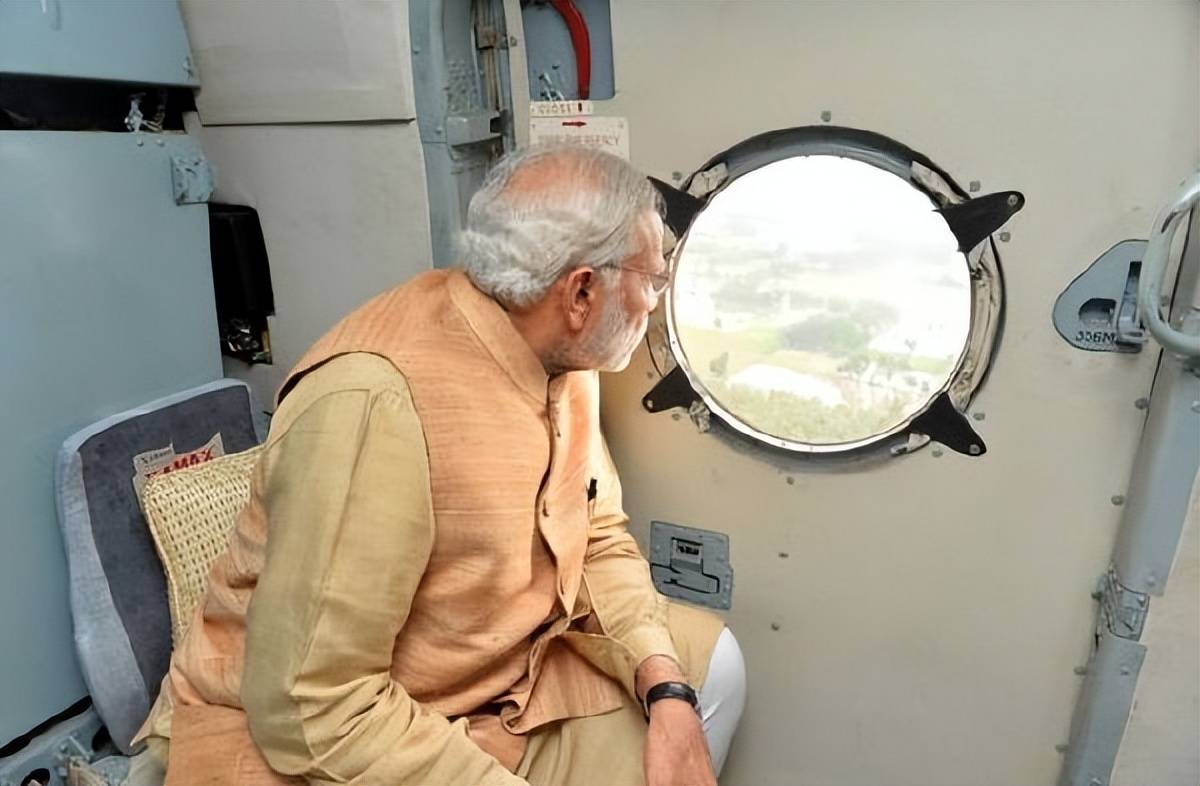
Group 1: Economic Impact of Tariffs - The U.S. has imposed tariffs on Indian steel products ranging from 25% to 50%, significantly impacting India's manufacturing sector [2] - The value of export goods affected by these tariffs exceeds $5.6 billion, particularly in the steel, textile, and seafood industries [2] - The situation has led to a backlog of steel products at Mumbai port, with prices plummeting and manufacturers expressing distress [2] Group 2: Energy Strategy and Geopolitical Dilemmas - India imports 200 million tons of oil annually, with 8 million tons coming from Russia, saving nearly $10 billion in foreign exchange [4] - This energy strategy is seen as a necessary choice for national interest, despite potential scrutiny from the U.S. regarding energy transactions with Russia [4] - The U.S. Treasury has indicated it is closely monitoring India's energy dealings with Russia, suggesting possible future restrictions [4] Group 3: Domestic Political Response - The Indian government has taken a strong stance against U.S. tariffs, filing a complaint with the WTO [5] - India's External Affairs Minister has made direct statements regarding U.S. concerns over India's oil purchases, indicating a shift in diplomatic tone [5] - Prime Minister Modi has emphasized India's resilience and commitment to self-reliance in the face of external pressures [6] Group 4: Diplomatic Balancing Act - India maintains complex relationships with multiple major powers, balancing ties with both Russia and the U.S. [8] - The country is actively participating in the U.S.-led Quad security dialogue while preserving its traditional relationship with Russia [8] - This approach reflects India's strategic autonomy, avoiding complete alignment with any single power [8] Group 5: Global Trade Dynamics - In 2023, India's trade with Russia reached a record $49.8 billion, while trade with the U.S. remained high at $191 billion [10] - India's ability to engage economically with opposing sides illustrates its diplomatic skill in navigating a multipolar world [10] Group 6: Economic Outlook and Challenges - The IMF projects India's economic growth to remain above 6%, positioning it as one of the most dynamic large economies globally [11] - However, potential challenges loom, including the possibility of a return to stricter trade measures from a future U.S. administration [11] - Regional dynamics are also shifting, with developments in the electric vehicle supply chain in Southeast Asia posing competitive threats [11]

高关税令美印关系紧张 印度多行业受冲击
Yang Shi Wang· 2025-08-29 06:28
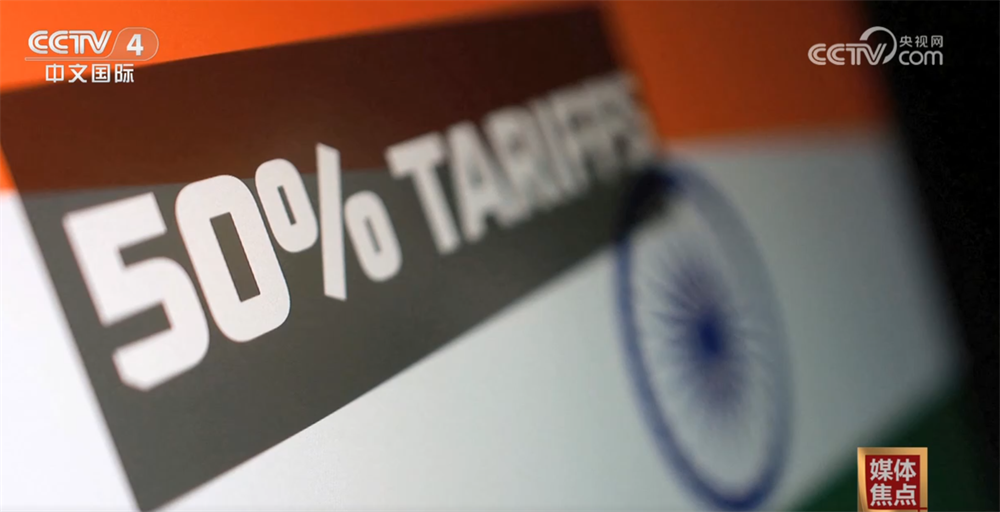
Group 1 - The cumulative tariff rate imposed by the US on Indian products has reached 50%, one of the highest rates faced by US trade partners, aimed at punishing India for purchasing Russian oil, leading to strained US-India relations [1] - Indian Foreign Minister S. Jaishankar stated that importing oil from Russia aligns with India's national interests and helps stabilize international oil prices, emphasizing India's commitment to independent decision-making in oil imports [3] - The high tariffs are expected to put over half of India's exports to the US at a competitive disadvantage compared to products from other countries, affecting multiple labor-intensive sectors such as textiles, leather goods, chemicals, handicrafts, carpets, and seafood [5] Group 2 - The Indian government has announced several policies to assist farmers and small business owners in coping with the impact of tariffs, including financial subsidies for affected exporters and encouragement to diversify export markets towards Latin America and the Middle East [6] - Despite the challenges in trade, there remains room for negotiation between the US and India, with five rounds of trade talks conducted without reaching an agreement, and the next round of negotiations postponed [8] - The strategic value of India has diminished since the Trump administration focused on economic development and manufacturing return, yet mutual interests in military cooperation and the Indo-Pacific strategy persist [8]
欧盟委员会提出立法提案,拟取消部分美国商品关税
Sou Hu Cai Jing· 2025-08-28 19:06
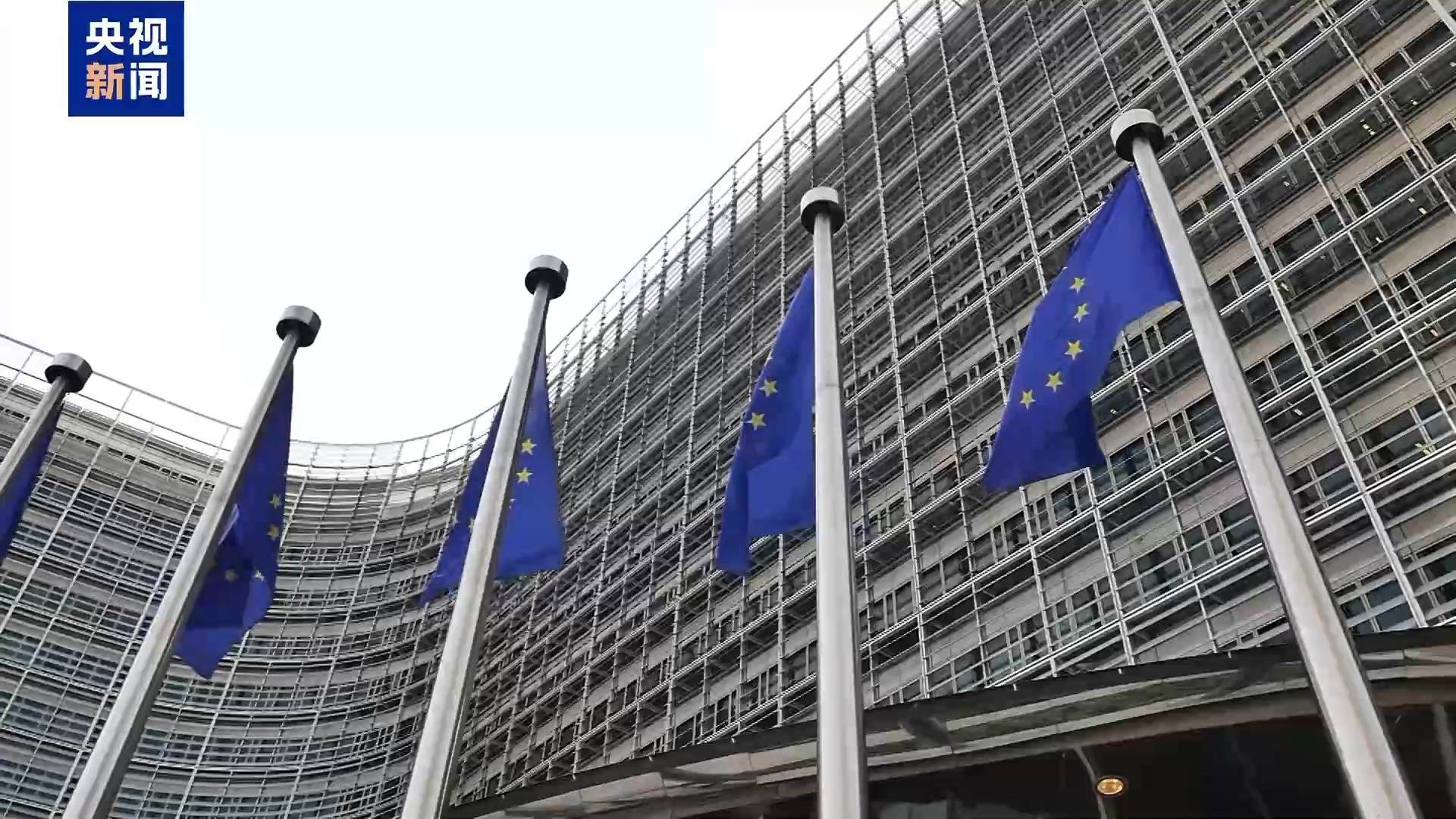
Group 1 - The European Commission proposed two legislative measures on August 28 to implement the joint statement on tariffs between the EU and the US, marking a significant step forward [2] - The measures aim to ensure the reduction of tariffs on the EU automotive industry by the US, effective from August 1, and to further stabilize and enhance transatlantic trade and investment relations [2] - The EU will eliminate certain tariffs on US industrial products, provide preferential market access for some seafood and non-sensitive agricultural products, and extend the zero-tariff treatment for shrimp [2] Group 2 - The US has committed to reducing tariffs on EU automobiles and parts from 27.5% to 15%, and will implement zero or near-zero tariffs on several products, including softwood, aircraft and parts, generics, and chemical precursors starting September 1 [2] - These proposals are necessary legislative steps to fulfill the commitments outlined in the first part of the EU-US joint statement, pending approval from the European Parliament and the EU Council through the ordinary legislative procedure for the tariff measures to take effect [2]
欧盟:拟取消部分美国商品关税
财联社· 2025-08-28 15:44
Core Viewpoint - The European Commission has proposed two legislative measures to implement the joint statement between the EU and the US regarding tariff reductions, aiming to enhance transatlantic trade and investment stability and predictability [1][2] Group 1: Legislative Proposals - The proposals include the EU's plan to eliminate certain tariffs on US industrial products and provide preferential market access for some seafood and non-sensitive agricultural products, while extending zero-tariff treatment for shrimp [1] - The US has committed to reducing tariffs on EU automobiles and parts from 27.5% to 15%, and will implement zero or near-zero tariffs on several products including softwood, aircraft and parts, generic drugs, and chemical precursors starting September 1 [1] Group 2: Legislative Process - These proposals are necessary legislative steps to fulfill the first part of the commitments made in the EU-US joint statement, requiring approval from the European Parliament and the EU Council through the ordinary legislative procedure before the tariff measures can take effect [2]
欧盟委员会提出立法提案 拟取消部分美国商品关税
Yang Shi Xin Wen· 2025-08-28 15:37
Group 1 - The European Commission proposed two legislative measures on August 28 to implement the joint statement on tariffs between the EU and the US, marking a significant step forward [1] - The measures aim to ensure the reduction of tariffs on the EU automotive industry by the US, effective from August 1, and to further promote stability and predictability in transatlantic trade and investment relations [1] - The EU will eliminate some tariffs on US industrial products, provide preferential market access for certain seafood and non-sensitive agricultural products, and extend zero-tariff treatment for shrimp [1] Group 2 - The US has committed to reducing tariffs on EU automobiles and parts from 27.5% to 15%, and will implement zero or near-zero tariffs on several products, including softwood, aircraft and parts, generics, and chemical precursors starting September 1 [1] - These proposals are necessary legislative steps to fulfill the first part of the commitments outlined in the EU-US joint statement, requiring approval from the European Parliament and the EU Council through the ordinary legislative procedure for the tariff measures to take effect [1]
投降了?曝欧盟将“跳过”正常程序,紧急立法取消所有美国工业品关税!
Jin Shi Shu Ju· 2025-08-27 12:25
Group 1 - The EU is seeking to quickly advance legislation to eliminate tariffs on all US industrial goods, as requested by President Trump, in exchange for a reduction in tariffs on EU automotive exports [2][3] - The EU Commission acknowledges that the trade arrangement with Trump benefits the US but is necessary for providing stability and certainty to businesses [2] - Currently, EU automotive exports to the US face a 27.5% tariff, while a trade agreement aims to reduce US tariffs on nearly all European products to 15%, contingent on the EU's legislative action [2][3] Group 2 - If the EU proposes the legislation by the end of the month, the 15% tariff on European cars will be retroactive to August 1 [3] - The automotive sector is a crucial export for the EU, with Germany exporting $34.9 billion worth of cars and parts to the US in 2024 [3] - Trump's tariff policies are causing a significant shift of European scrap aluminum to the US, threatening the survival of local recycling facilities in Europe [3] Group 3 - The aluminum industry in Europe, with an annual turnover of €40 billion, directly employs 250,000 people and supports an additional 1 million jobs [3] - Exports of aluminum products to the US incur a 50% tariff, severely impacting sales, while scrap aluminum exports face no tariffs [3] - The EU Commission is considering emergency measures to support the struggling aluminum industry, including potential tariffs on all EU scrap aluminum exports [3]
报道:欧盟本周将提议削减美国关税,以满足特朗普的要求
Hua Er Jie Jian Wen· 2025-08-27 11:18
Group 1 - The EU aims to legislate the removal of tariffs on US industrial goods in exchange for the US reducing tariffs on automobile imports [1][2] - The current tariff on EU automobile exports to the US is 27.5%, significantly impacting EU exports, particularly from Germany, which exported $34.9 billion worth of cars and parts to the US in 2024 [1] - The agreement would lower US tariffs on nearly all European goods to 15%, but the reduction on automobiles is contingent upon the EU's legislative action to remove tariffs on US industrial products [1] Group 2 - To expedite the legislative process, the EU Commission will bypass the standard impact assessment procedure, aiming for a swift agreement to alleviate high tariffs on EU automobiles [2]
欧盟据悉拟于本周提出取消对美国工业产品关税 以满足特朗普要求
Xin Lang Cai Jing· 2025-08-27 10:38
Core Points - The EU aims to expedite the legislative process to eliminate tariffs on U.S. industrial products by the end of the weekend [1] - This move is in response to a request from U.S. President Donald Trump, who stated that the U.S. would lower tariffs on EU automobile exports only if this condition is met [1] - The European Commission is also expected to offer preferential tariff rates on certain seafood and agricultural products [1] - The EU acknowledges that the trade arrangement reached with Trump is beneficial for the U.S. but emphasizes its importance for ensuring stability and certainty for businesses [1] - Ursula von der Leyen, President of the European Commission, referred to the agreement as "a strong deal, albeit not perfect" [1]