
潮流玩具

Search documents
斥资2.51亿港元回购,泡泡玛特盘中涨超10%
Huan Qiu Lao Hu Cai Jing· 2026-01-20 10:04
Group 1 - The company announced a share buyback of 2.51 billion HKD for 1.4 million shares, with a buyback price range of 177.7 to 181.2 HKD per share [1] - The buyback is conducted under the authorization approved at the 2025 shareholder meeting, allowing for a maximum repurchase of approximately 134.3 million shares, with about 132.6 million shares remaining for future buybacks [1] - The repurchased shares will be fully canceled, reducing the total issued shares from 1.34294 billion to 1.34154 billion, representing 0.1042% of the shares before the buyback [1] Group 2 - The company's stock price has been in a downward trend since reaching a high of 339.8 HKD in late August 2025, but the buyback announcement led to a significant increase in stock price, rising over 10% during the day and closing at 197.2 HKD, a 9.07% increase [1] - The company has a history of share buybacks, having repurchased 34.3 million shares for 735 million HKD in 2022 and 19.9 million shares for approximately 371 million HKD in 2023, with buyback prices ranging from 16.94 to 20.60 HKD [2] - The company has shown significant revenue growth, with revenues of 4.617 billion, 6.301 billion, and 13.038 billion CNY from 2022 to 2024, representing year-on-year growth rates of 2.82%, 36.46%, and 106.92% respectively [2] Group 3 - In the first half of 2025, the company achieved revenues of 13.876 billion CNY, a year-on-year increase of 204.45%, and a net profit of 4.574 billion CNY, up 396.49% [3]

中国消费必定重走日本老路吗?这份研究给出了新答案
3 6 Ke· 2026-01-13 02:34
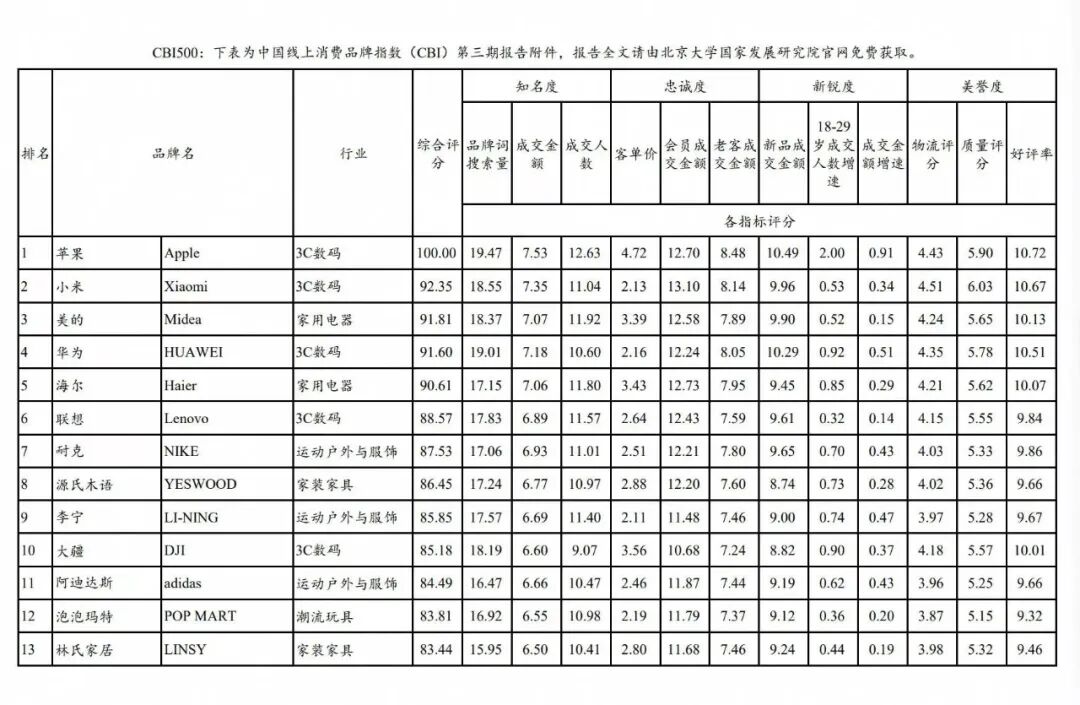
Core Viewpoint - The article discusses the evolving consumer behavior in China, contrasting it with Japan's "lost three decades," emphasizing a trend towards selective consumption upgrades rather than a decline in consumption quality [1][2]. Group 1: Consumer Behavior Trends - The Chinese online consumption brand index (CBI) reached 62.65 in Q3 2025, showing a 4.4% increase year-on-year and a 0.92% increase compared to the same quarter in 2024, indicating a stable growth in consumer preference for high-quality brands [2][4]. - The CBI reflects the proportion of consumers purchasing high-quality branded goods, suggesting that consumers are not entering a "consumption menopause" but are instead actively seeking quality [3][4]. - The trend of "selective consumption upgrade" is evident, where consumers pursue cost-effectiveness for necessities while being willing to pay a premium for emotional and experiential products [5][6]. Group 2: Brand Performance and Market Dynamics - Brands like DJI and Pop Mart have shown significant growth, with DJI entering the top ten for the first time, indicating a shift towards innovative products that create new demand rather than relying on price competition [7][16]. - The CBI report highlights that brands achieving high scores are not necessarily those known for low prices but those that create unique experiences and emotional value for consumers [7][18]. - The report indicates a seasonal pattern in consumer behavior, with higher CBI scores during promotional periods, but the third quarter's performance reflects a solid foundation for brands in non-promotional times [12][14]. Group 3: Platform Strategies and Market Evolution - E-commerce platforms like Taobao are shifting their focus towards supporting quality brands and original merchants, moving away from price wars to fostering product quality and service [24][25]. - The growth in the CBI index is attributed to a strategic shift in platform policies that encourage brands to enhance their value proposition rather than compete solely on price [25][26]. - The article emphasizes that a market balanced between daily sales and promotional periods is more resilient, indicating that brands are building long-term value rather than relying on short-term sales spikes [26][28].







泡泡玛特:没有研发手机计划
Xin Lang Cai Jing· 2026-01-12 16:22
Core Viewpoint - Pop Mart has denied rumors of developing a mobile phone, stating that it will collaborate with a well-known mobile brand for an IP co-branded product targeting young consumers [1]. Group 1: Product Development and Collaborations - Pop Mart has no plans to develop a mobile phone but will launch an IP co-branded product with a popular mobile brand [1]. - The upcoming product is expected to combine elements of trendy toys with smart device functionalities, aimed at young consumers [1]. - Pop Mart's jewelry brand, POPOP, is set to officially open in September 2025, featuring products themed around its popular IP BabyMolly [1]. Group 2: Financial Performance - In Q3 2025, Pop Mart reported a 245% to 250% year-on-year increase in overall revenue, with China revenue growing by 185% to 190% and overseas revenue increasing by 365% to 370% [1]. - Revenue from offline channels in China grew by 130% to 135%, while online channels saw a growth of 300% to 305% [1]. - In the first half of 2025, the IP THE MONSTERS, including Labubu, generated revenue of 4.81 billion yuan, marking a 668% year-on-year increase and accounting for 34.7% of total revenue [2]. Group 3: Market Performance - As of January 12, Pop Mart's stock price decreased by 0.2%, trading at 196.6 HKD per share [3].
共享单车及轻医美等成投诉重点
Xin Lang Cai Jing· 2026-01-11 22:25
Group 1 - In 2025, Shanghai Consumer Protection Committee handled a total of 321,142 consumer complaints, with a significant portion related to online shopping [2][3] - Product-related complaints accounted for 64.3% of total complaints, with clothing, home goods, and home appliances being the top three categories [2] - Service-related complaints made up 35.7% of total complaints, with internet services, transportation, and cultural entertainment being the most common issues [2] Group 2 - Online shopping complaints saw a year-on-year increase of 34.8%, totaling 172,221 complaints, primarily concerning clothing and home goods [3] - Complaints regarding communication and computer products increased significantly, with a 43.7% rise in communication product complaints and a 10% increase in computer-related complaints [4] - Complaints related to shared bicycles surged by 74.5%, highlighting issues such as inaccurate billing and vehicle malfunctions [5] Group 3 - The demand for beauty and skincare services is rising, with 3,626 complaints related to these services, indicating a need for improved service standards [5] - Complaints regarding blind boxes and card draws totaled 2,842, with consumers reporting product quality issues and concerns over after-sales responsibilities [6][7]
“消费者约99.5%为成年人”,这种卡片9个月卖了2个亿
Xin Lang Cai Jing· 2026-01-09 05:23
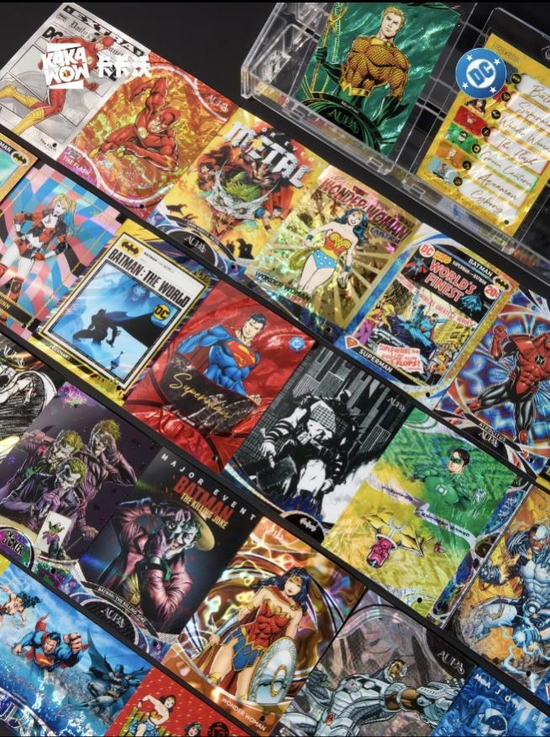
Core Insights - Suplay, the company behind the collectible card brand "Kakawo," has submitted a listing application to the Hong Kong Stock Exchange, having achieved over 400 million RMB in revenue from collectible cards and IP toys between 2023 and 2024 [1][12]. Market Overview - The global market for collectible non-combat cards is projected to grow from 12 billion USD in 2024 to 25.7 billion USD by 2029, with China’s market expected to increase from 6.2 billion RMB in 2024 to 16.5 billion RMB by 2029, reflecting a compound annual growth rate of 21.4% [2][13]. - Suplay ranks first in the Chinese collectible non-combat card market and is the only Chinese brand among the top five globally [2][13]. Company Development - Founded in 2019, Suplay experienced significant milestones in 2021, including an 8 million USD investment from miHoYo and the acquisition of the toy brand "Heyfen" [2][12]. - The company launched its collectible card product line in 2022, focusing on non-sport IPs to attract a broader audience, particularly women [3][14]. Product Lines - Suplay operates two main product lines: collectibles and consumer products, with collectibles centered around IP and limited editions [5][16]. - The pricing for collectible cards ranges from 59.9 RMB to 89.9 RMB per pack, while consumer products are priced between 19.9 RMB and 89 RMB [6][17]. Financial Performance - Suplay's revenue grew from 146 million RMB in 2023 to 281 million RMB in 2024, marking a 92.5% increase, with net profits rising from 2.95 million RMB to 49.11 million RMB in the same period [7][18]. - The share of revenue from collectibles increased significantly, accounting for 32.9% in 2023, 41.8% in 2024, and 70% in the first three quarters of 2025 [7][18]. Profit Margins - The gross margin for collectibles was higher than that of consumer products, with margins of 57.9%, 65.4%, and 69.5% for collectibles compared to 33.7%, 31.8%, and 19.3% for consumer products over the same periods [8][19]. IP Dependency - Suplay heavily relies on third-party licensed IPs, with licensed products contributing 54.2%, 85.1%, and 95% of total revenue from 2023 to the first three quarters of 2025 [9][20]. - The company has agreements with 22 IP licensors, but the non-exclusive nature of most agreements increases competition and market saturation [10][21]. Future Plans - Suplay plans to invest in extending existing IP licenses and acquiring new IPs to support global expansion, including entering markets in Asia, North America, and Europe [10][21].
泡泡玛特“投资热”退潮?LABUBU部分二手价跌破官方价
Nan Fang Du Shi Bao· 2026-01-07 11:05
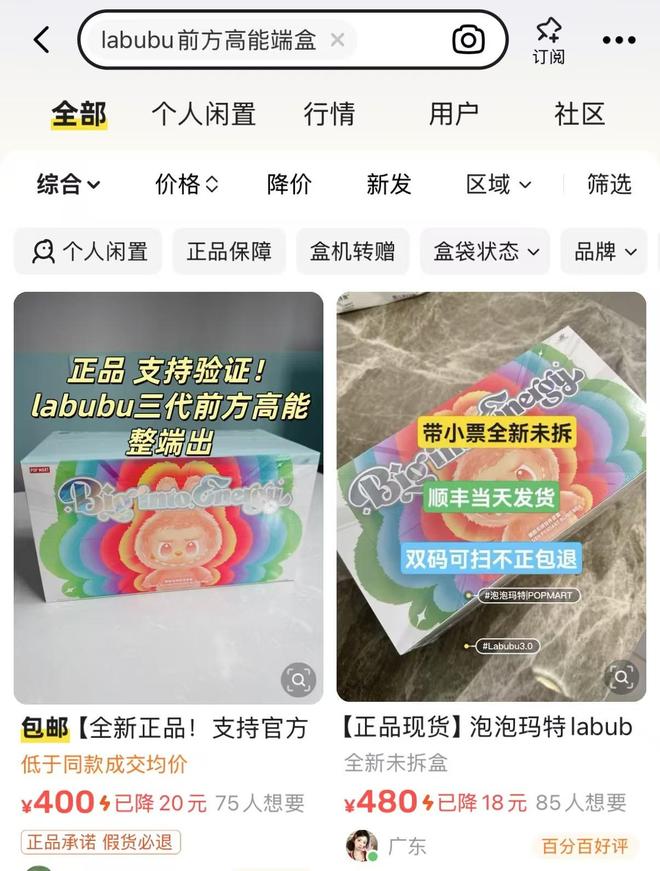
Core Viewpoint - The second-hand market prices for LABUBU, a popular IP under Pop Mart, have significantly declined, with some products selling below their official prices, indicating a shift in market dynamics from speculative investment to consumer-driven demand [1][6]. Group 1: Price Trends - On January 7, the resale price for the LABUBU 3.0 "Frontline High Energy" series dropped to 400 yuan for a set of six boxes, a notable decrease from the official price [1]. - The average transaction price for LABUBU products fell from 83.5 yuan on December 30, 2025, to 78.5 yuan by January 7, 2026 [2][3]. - Over 60% of users surveyed expressed a bearish outlook on the future price trends of LABUBU products [4]. Group 2: Market Dynamics - Analysts attribute the price decline to a rational market correction, moving away from the "investment" narrative back to the essence of "consumer goods" [1][6]. - Factors influencing this shift include market saturation, insufficient appeal of new products, and changes in the macroeconomic environment [6]. Group 3: Sales Strategy Adjustments - Pop Mart has adjusted its sales strategy, allowing direct purchases of certain LABUBU products online, with some series selling over 500,000 units [7]. - However, the "Frontline High Energy" series remains unavailable for direct purchase, indicating a disparity in product availability [7]. Group 4: Global Expansion and Strategy - Pop Mart is accelerating its global expansion, with overseas revenue growth reported at 365%-370% year-on-year for Q3 2025, including significant increases in various regions [9]. - The company is adopting strategies from the luxury goods sector, focusing on scarcity and cultural value to transition from blind box products to a luxury brand [10].
泡泡玛特在墨西哥的合作生产基地投入运营 将加大北美市场供应
Xin Lang Cai Jing· 2026-01-06 04:12
Core Insights - Pop Mart has launched a cooperative production base in Mexico to meet the strong demand for trendy toys in the rapidly growing North American market [1][2] - The company has expanded its supply network by partnering with production facilities in Mexico, Cambodia, and Indonesia, as it does not own any factories [1][2] - Since the Labubu doll became a global phenomenon last year, Pop Mart has been increasing its production capacity to address the soaring demand across China, Japan, the United States, and Southeast Asia, leading to frequent stock shortages in physical stores and rising resale prices [1][2] - As one of the few Chinese brands gaining global consumer popularity, Pop Mart is significantly investing in the U.S. market, planning to double the number of its stores in the country this year, currently operating around 60 stores and 100 "roboshop" vending machines [1][2] - Concerns regarding the sustainability of Labubu's popularity have suppressed Pop Mart's stock price in Hong Kong, which has declined approximately 40% since reaching a record high in August of last year [1][2]
2026大消费:看不清的市场,藏不住的增长
Tai Mei Ti A P P· 2026-01-05 00:40
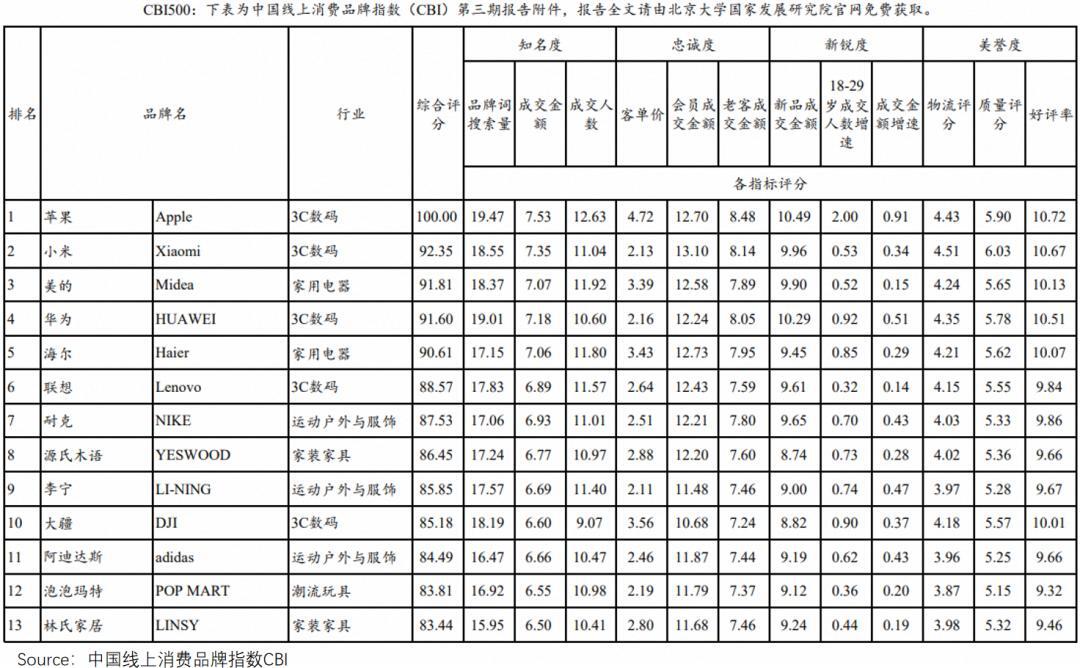
Group 1 - The consumer market in China is viewed as one of the biggest investment opportunities by 2026, but there are differing opinions on where and how to invest [1] - Traditional consumption sectors like liquor, apparel, and beauty have faced challenges, yet some brands have managed to achieve stock price increases of 30% to 50% [2] - The complexity of the consumer market requires investors to connect macro trends with micro behaviors to identify structural opportunities [3] Group 2 - The "China Online Consumption Brand Index" (CBI) and the "Global Brand China Online 500" list reveal significant shifts in consumer preferences, with traditional liquor brands like Moutai and Wuliangye declining while newer brands like Pop Mart are rising [3][4] - The CBI index reflects the performance of brands based on real consumer behavior, including sales, price, search volume, and reputation [4] - The liquor industry is undergoing a transformation, with brands like Jian Nan Chun and Shanxi Fenjiu adapting to new consumer preferences, particularly among younger demographics [6][7][13] Group 3 - The outdoor apparel market is shifting from niche enthusiasts to mainstream consumers, with brands like Berghaus gaining traction due to their stylish and affordable offerings [17] - Emerging brands in the cosmetics sector, such as Huazhi Xiao, are capitalizing on specific consumer trends and achieving significant growth in brand rankings [20][22] - The CBI index serves as a lens to identify changes in consumer demand and potential growth opportunities across various sectors [24] Group 4 - Pop Mart's financial performance shows a significant increase in overseas revenue, yet the stock has faced volatility due to market sentiment rather than fundamentals [26][28] - The brand maintains a leading position in the industry despite short-term fluctuations, indicating strong brand loyalty and potential for future growth [29][30] - The luxury gold market is experiencing challenges as competition increases, impacting customer loyalty and market positioning for brands like Laopufeng [40][35] Group 5 - The beauty industry is witnessing a resurgence for brands like Chanel and YSL as they adapt to new marketing channels and consumer preferences [22] - The investment landscape is influenced by varying investor strategies, with short-term traders reacting differently than long-term investors to market signals [34][41] - The Chinese consumer market is complex and requires a multifaceted approach to uncover hidden opportunities [42]

中国一年新增70位亿万富豪,98%白手起家,财富密码已变科技与消费!
Sou Hu Cai Jing· 2026-01-01 11:02
Group 1 - The core point of the article highlights that China has seen a significant increase in billionaires, with 70 new individuals surpassing a net worth of $1 billion in just one year, making it the highest growth globally [1] - The total number of billionaires in China has reached 470, second only to the United States, with a combined wealth of 12.7 trillion yuan, reflecting a 22.2% increase year-on-year [1] - The report indicates a shift in wealth creation from real estate to technology and consumption sectors, emphasizing that innovation in areas like AI, chips, and consumer goods is driving this change [1] Group 2 - The technology sector has produced billionaires with a wealth growth rate of 40%, significantly outperforming other industries [2] - Notable examples include Lei Jun, whose wealth surged from 129 billion to 326 billion yuan due to advancements in electric vehicles, and Chen Tian Shi, whose wealth increased by nearly 150 billion yuan through AI chip breakthroughs [4] - The pharmaceutical industry is also contributing to wealth creation, with individuals like Zhong Huijuan of Hansoh Pharmaceutical seeing an 83% increase in net worth, reaching 141 billion yuan [4] Group 3 - The new consumption trend is reshaping the market, with companies like Pop Mart and Mixue Ice Cream achieving remarkable success through innovative products and pricing strategies [5] - Pop Mart's founder saw a wealth increase from over 20 billion to 180 billion yuan, while the Zhang brothers of Mixue Ice Cream expanded their business to over 20,000 stores, doubling their wealth to 60 billion yuan [5] - The rise of new consumption billionaires reflects a significant transformation in China's consumer market, where younger consumers prioritize experience and affordability [5][7] Group 4 - The article suggests that ordinary individuals still have opportunities to participate in wealth creation, but the dynamics have changed, favoring innovation and market insight over traditional resource-based wealth [8] - The disparity in wealth growth, with billionaires' wealth increasing at a rate far exceeding GDP and average income growth, raises concerns about widening wealth gaps [8] - The need for policies that balance innovation encouragement and wealth sharing is emphasized, advocating for measures that support small businesses and equitable wealth distribution [8] Group 5 - The transformation of China's wealth landscape is evident, with technology and consumption emerging as the new drivers of wealth creation, as illustrated by the success stories of individuals like Lei Jun, Chen Tian Shi, and others [10] - The next wave of billionaires may emerge from fields like brain-computer interfaces and the metaverse, highlighting the importance of trend awareness and innovation [10] - The article concludes that each cycle of wealth redistribution opens new opportunities, encouraging individuals to accumulate knowledge and skills to position themselves for future success [10]

厦门:男子在闲鱼开设店铺,卖仿冒泡泡玛特被索赔6万余元,法院判了
Huan Qiu Wang· 2025-12-30 23:48
Group 1 - A seller on the platform Xianyu was found guilty of copyright infringement for selling counterfeit Dimoo figurines, leading to a court ruling for compensation [1][2] - The plaintiff, M Company, is the copyright holder of the DimooWorld series, which is a popular line of collectible toys under the brand POPMART [1] - The court ruled that the seller, referred to as Xiao Lin, infringed on the plaintiff's distribution rights by selling similar products without authorization, resulting in a compensation order of 9,000 yuan [2] Group 2 - The court considered factors such as the high recognition of the Dimoo series, the inducement behavior during evidence collection, and Xiao Lin's status as a small seller on Xianyu [2] - The ruling reflects the legal stance on intellectual property rights within the collectible toy industry, emphasizing the importance of authorization for sales [2]