
速冻食品

Search documents
食品饮料行业动态报告:从“价”逻辑看大众品
Guolian Minsheng Securities· 2026-02-26 00:20
Investment Rating - The report maintains a recommendation for the food and beverage industry [3] Core Insights - The current operating cycle for mass consumer goods has been characterized by oversupply, leading to declines in price and profit margins [9] - Demand has weakened since 2021, with restaurant demand growth dropping from double digits to low single digits [9] - Prices for mass consumer goods have been on a downward trend since 2021, with leading companies experiencing significant price reductions [9] - The report anticipates that prices may have reached a bottom in 2025, with potential for recovery in 2026 if demand improves [27] Summary by Sections Review of Current Operating Cycle - The food and beverage sector has faced a supply-demand imbalance, resulting in continuous price declines from 2021 to 2025, affecting prices, profits, and valuations [12] - Capital expenditure in the mass consumer goods sector grew at a compound annual growth rate (CAGR) of 14% from 2017 to 2022, leading to significant capacity expansion [9][12] Price Outlook for 2025 - The report suggests that prices may have reached a phase of stabilization, with indicators showing improvements in consumer price index (CPI) and food CPI [27] - Restaurant revenue data indicates a potential bottoming out of demand, with a recovery in consumer spending expected [27] Investment Recommendations - For the restaurant supply chain, the report recommends focusing on frozen foods, seasoning products, and beer, highlighting companies like Anjuke Foods and Yihai International for their market share growth and pricing strategies [42][43] - In the dairy industry, the report suggests monitoring companies such as Modern Farming and Yili Group, anticipating price improvements in the second half of 2026 [42][43]





春节动销渠道观察
2026-02-24 14:16
陈文博 中金公司食品饮料分析师: 位投资人,大家上午好。那也祝大家新年好,以及开工大吉。那今天上午,是中金组织的 大众食品的春节的情况跟踪电话会。我是中金的食品饮料组陈文博。那今天上午,我们请 到了两位综合的食品的专家与大家分享春节的情况。那第一位专家,主要负责华东、华中 以及华西地区的包括饮料,还有零食等大大的一些品类的运营。专家您好,能听到我说话 吗? 华东华中华西食品综合专家: 你好,可以,没问题。 陈文博 中金公司食品饮料分析师: 对,那我们就开始。那第一个,首先我想问问,就是您代理的这个品类也比较多,那想问 一下春节期间,比如说这个几个大的品类,像乳制品、饮料、零食、速冻。包括调味品, 这几个品类分别的增速情况,和景气度。然后就综合来看的话,有没有什么地方比咱们之 前预期的要好,或者是要差的? 华东华中华西食品综合专家: 我们先按照您刚才说的那个品类来说,我们今年的这个总体的品类分成像修石,修石我们 今年的整体性,春节的一二月份,这二月份我们是截止到 2 月 10 号左右。节前的这个数 据,那我们整体的出货比去年同期我们是增长了 10%左右,这所有的修饰,这里面主要是 以礼盒为主,这个品相。那从整个 ...

成都双流经开区以实干开局 助推复工复产“开门红”
Xin Lang Cai Jing· 2026-02-24 13:12
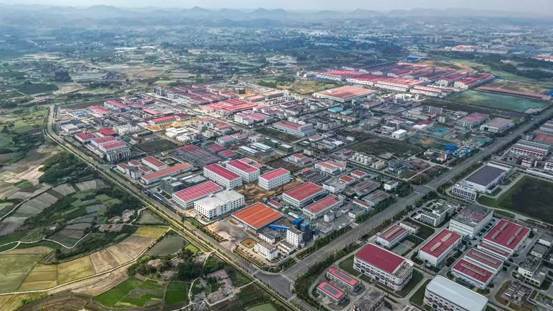
(来源:千龙网) 近日,四川成都双流经济开发区内机器轰鸣,各企业纷纷从"节日模式"切换至"生产模式",在严守安全 底线的前提下,全力冲刺一季度"开门红"。 值得注意的是,企业的"火力全开"也离不开背后的"园区力量"。春节前,成都双流经济开发区就提前谋 划,通过微信群、上门走访等方式向企业下发复工复产安全提示,指导企业做好各项准备。 据悉,该园区内的成都全益食品有限公司作为国内速冻食品行业领导企业——三全食品股份有限公司的 子公司,扎根双流已逾16年。企业相关负责人介绍,为了保障一季度生产计划,企业在春节期间就完成 了原料储备和设备维保,确保复工即满产。 今年,成都双流经济开发区将持续深化"进解优促"行动,擦亮"有需必应、无事不扰"的服务品牌,精准 破解企业在拓市场、降成本等方面的共性难题,以优质服务护航企业高质量发展,以工业 的"稳"和"进",为区域经济高质量发展注入强劲动能。 节后复工复产阶段,往往是各类事故的易发期、高发期。因此,双流经开区提前谋划,将安全监管转化 为精准服务,指导企业把好复工"第一关"。"我们首先在复工当天召开了安全生产专题会议,给员工'收 心',同时对全厂所有设备进行了全面检查。"成都 ...
策马扬鞭启新程:四川彭山经开区新春马不停蹄冲刺工业“开门红”
Huan Qiu Wang· 2026-02-24 09:19
Core Viewpoint - The Sichuan Pengshan Economic Development Zone is actively promoting industrial growth and project construction during the Spring Festival, demonstrating a commitment to high-quality development and economic resilience [1][5]. Group 1: Industrial Development - The trial production of a key project at Silicon Treasure (Meishan) New Energy Materials Co., Ltd. is nearing completion, with an expected annual output value exceeding 1 billion yuan and tax contributions between 50 million to 100 million yuan [3]. - The Pengshan Economic Development Zone has introduced 116 industrial projects with a total investment of approximately 64.7 billion yuan, including five Fortune 500 companies and 38 high-tech enterprises [6]. - The lithium battery industry in the region is projected to grow at a rate of 60% in 2024, accounting for 45% of the city's total lithium battery industry output [6]. Group 2: Project Acceleration - The rapid construction of key projects, such as the Shanshan project, which was completed in the same year it started, exemplifies the "Pengshan speed" in project execution [3]. - During the Spring Festival, 14 companies maintained production, with leading firms like Zhongchuang Xinhang and Shanshan operating 24/7 to meet demand [4]. - The Pengshan Economic Development Zone has implemented precise services to support project advancement, ensuring essential utilities like electricity and water are available for continuous production [4]. Group 3: Economic Contributions - The region aims for an industrial output value of 22.4 billion yuan by 2025, with an expected growth of over 16.5% in industrial added value [6]. - The ongoing industrial activities and project developments are expected to contribute significantly to the high-quality economic growth of the region [5].


国金证券:白酒动销符合预期 餐饮链超预期改善
智通财经网· 2026-02-24 07:49
智通财经APP获悉,国金证券发布研报称,基于节后渠道调研反馈,春节白酒动销整体符合节前市场预 期,预计全渠道动销量同比下滑约10%-15%。今年春节行业动销仍有所回落主要系泛政商务需求疲软所 致,其背后反映消费场景修复仍存在缺口,且商务招待支出意愿趋于审慎。从大众品表现来看,春节期 间预计显著改善的为餐饮链(调味品、速冻等)板块,春节聚餐、外出旅行等场景均显著拉动需求增长, 节前经销商备货仍较为谨慎,库存处于合理水平。 国金证券主要观点如下: 白酒板块:春节动销符合预期,飞天茅台量价均占优 基于节后渠道调研反馈,春节白酒动销整体符合节前市场预期,预计全渠道动销量同比下滑约 10%-15%。其中,略超预期的反馈在于:节前&节内飞天茅台批价表现相对不错、未有显性回落,当前 原箱批价仍在1700元以上;部分区域节内大众价位产品有零星终端补货行为,当然这也与近年来终端小 批量、高频次进货习惯相关,目的是规避资金占用和存货跌价风险,但仍反映一定的动销韧性。 分消费场景拆解来看:今年春节行业动销仍有所回落主要系泛政商务需求疲软所致,其背后反映消费场 景修复仍存在缺口,且商务招待支出意愿趋于审慎;相较之下,泛大众消费需求表 ...

抢好运!卖爆啦!
Sou Hu Wang· 2026-02-24 01:58
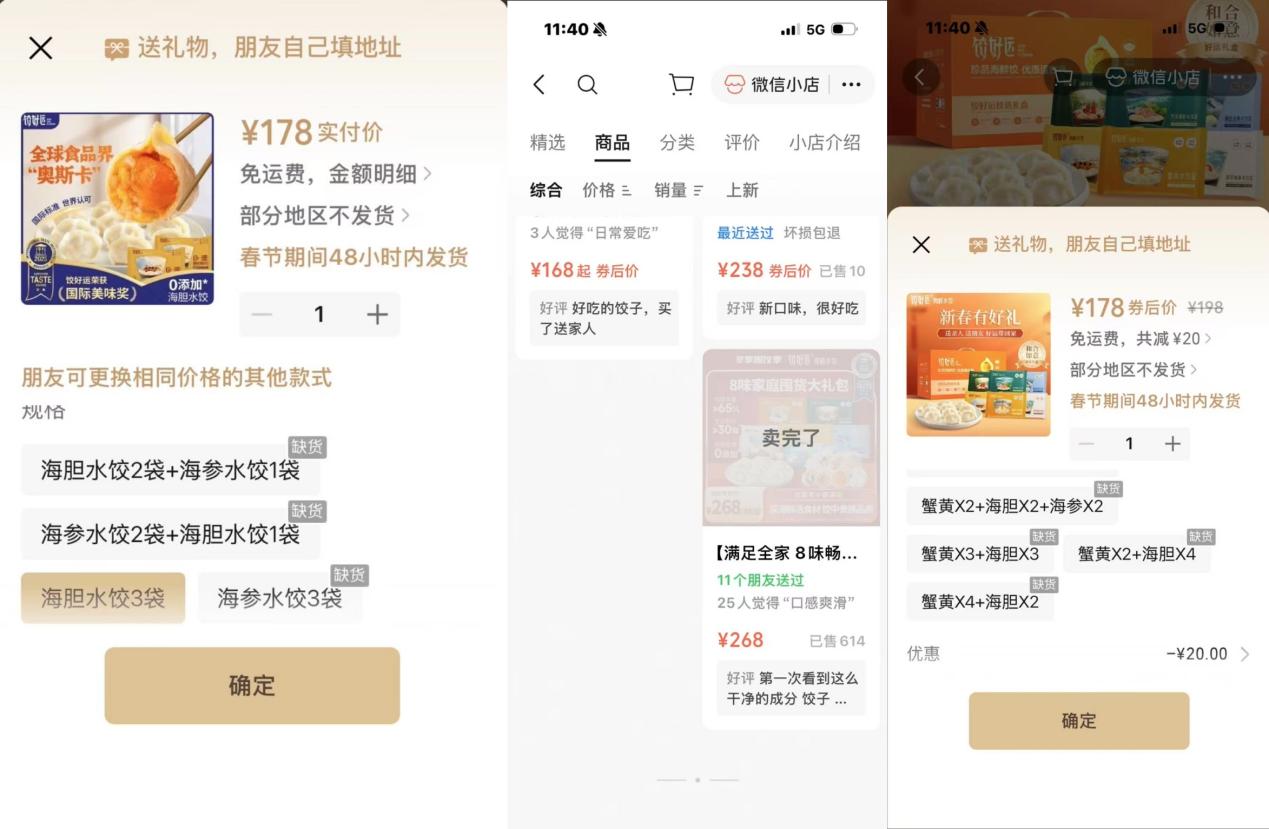
春节期间,正是阖家团圆时,饺子作为春节餐桌上的年味担当,不仅承载着"更岁交子、吉祥团圆"的美 好寓意,更是传递亲情、寄托祝福的重要载体。连日来,高端速冻水饺品牌饺好运强势引爆春节消费市 场,迎来全民抢购热潮,"春节抢好运、囤饺庆团圆"成为当下消费新风尚,线上多款核心产品售罄补 货,呈现"爆单"的火爆态势。 饺好运负责人表示:"此次春节期间的"卖爆"态势,是市场对品牌品质与核心理念的高度认可,"看到朋 友圈里大家在晒我们的礼盒,说吃了饺好运整年都顺了,这种情感价值是数据无法衡量的。"未来,饺 好运在坚守高端品质的基础上,持续传递好运寓意,让每一颗水饺都成为品质的象征、好运的载体,助 力更多家庭在便捷中享受匠心美味,在团圆相聚中收获满满福气。 此次热销并非偶然,而是饺好运品质坚守与市场需求的双向奔赴。品牌始终坚守"好食材、好营养、好 味道"的核心理念,以"珍品海鲜饺·优质蛋白高"为核心定位,深耕高端速冻水饺赛道。为呈现极致口感 与营养,饺好运甄选全球优质食材,从源头把控品质,搭配急速冷冻工艺,锁住食材本味与营养,坚守 4重零添加标准,让消费者在春节团圆时刻,既能便捷享用美味,也能吃得安心、吃得健康。 抢好运,吃好 ...
整个社会都在喊没钱了,为什么这些公司反而年赚百亿?
创业家· 2026-02-18 09:33
Core Viewpoint - The article emphasizes that despite the prevailing narrative of economic hardship, certain industries are thriving and generating significant profits, particularly in the context of Japan's "lost 30 years" and the evolving consumer behavior in China [3][4]. Group 1: Emerging Business Opportunities - The article identifies eight key industries that are experiencing growth, highlighting that a low-desire society does not equate to a lack of opportunities [4]. - The concept of consumption upgrading and demand migration is presented as the largest business opportunity [5]. Group 2: Second-Hand Economy - In the context of reduced spending on luxury goods, the second-hand economy is flourishing, with companies like "大黑屋" in Japan and "红布林" and "胖虎" in China seeing substantial revenue increases [6][7]. - The article notes that platforms like "闲鱼" and "转转" are experiencing significant user engagement and transaction volume growth [9][10]. Group 3: Pet Economy - The pet economy is highlighted as a growing sector, with young consumers spending on premium pet products despite having fewer children [12]. - Companies like "中宠" and various pet brands are witnessing strong sales growth, indicating a shift in consumer spending towards pet care [13][14][15]. Group 4: Adult Care Products - The adult diaper market in Japan has surpassed $10 billion, showcasing the potential of the aging population as a significant economic driver [18][19]. - The article suggests that aging should be viewed as an opportunity rather than a burden, contributing to a multi-trillion dollar "sunset economy" [19]. Group 5: Health Food and Beverages - The rise in health consciousness and demographic changes are driving demand for sugar-free beverages and functional foods, with brands like "东方树叶" and "简醇" gaining traction in China [21][22]. Group 6: Beauty and Aesthetics - The beauty industry continues to thrive, with products like collagen supplements and home beauty devices achieving significant sales, indicating a persistent consumer desire for beauty enhancements [23][24][26]. Group 7: Outdoor and Leisure Activities - The outdoor equipment market is growing, with brands like "凯乐石" and "骆驼" benefiting from increased consumer interest in outdoor activities [29][31]. - The article notes that even in economic downturns, consumers are willing to invest in experiences and leisure [32]. Group 8: Convenience and Time-Saving Products - The "lazy economy" is emerging, with increased demand for frozen foods and smart home appliances that save time, reflecting a shift in consumer priorities towards convenience [39][40]. - The article posits that in a low-desire economy, time-saving solutions may hold greater commercial value than cost-saving measures [42].

刘宁王凯在郑看望慰问春节期间坚守岗位的干部职工 奋战一线尽心尽责 全力守护万家团圆 确保群众过一个安定祥和的新春佳节
He Nan Ri Bao· 2026-02-16 05:52
Group 1 - The provincial leaders visited frontline workers during the Spring Festival, emphasizing the importance of safety and service for sanitation workers, delivery personnel, police, and firefighters [2][4] - The leaders highlighted the need to improve service facilities for frontline workers, addressing issues such as meal access, drinking water, and rest areas to enhance their working conditions during the cold weather [4] - The leaders conducted inspections of key projects and production activities, ensuring that operations remain uninterrupted during the holiday period to maintain supply stability and meet public needs [5][6] Group 2 - The leaders visited a well-known frozen food company, acknowledging the workers' efforts during the holiday and stressing the importance of ensuring food safety and supply during the peak consumption season [5] - They urged the company to strengthen supply-demand connections and ensure the availability and price stability of essential food items [5] - The leaders called for a focus on quality and safety in production arrangements, emphasizing the need for humanistic care and a robust safety production framework [5][6]

2025-2026年中国速冻食品行业趋势洞察白皮书-艾媒咨询
Sou Hu Cai Jing· 2026-02-13 08:23
2025-2026 年中国速冻食品行业迎来发展黄金期,行业规模稳步增长,2025 年市场规模达 2130.9 亿元,预计 2030 年将增至 2901.4 亿元,速冻小吃细分赛道 表现亮眼,2025 年规模 353.0 亿元,2030 年预计达 697.6 亿元。同时,中国速冻食品以 6.4% 年复合增长率稳健发展,依托成本与供应链优势,东南亚成为 出海新蓝海。 行业发展受多重利好驱动,国家政策围绕预制菜、冷链物流构建规范发展框架,原料供给稳定、冷链物流覆盖完善为行业奠定基础,家庭小型化、城镇女性 就业增长及餐饮标准化需求提升,叠加技术创新迭代,共同推动行业升级。当前行业竞争格局呈现集中度较低特征,2025 年 Q3CR3 不足 40%,头部企业稳 规模但利润承压,中小企业分化明显,传统品类市场份额收缩,火锅丸料、速冻肠等品类保持增长,行业整合窗口期已至。 消费者层面,速冻食品消费群体以 25-44 岁已婚中高收入群体为主,新一线及二线城市为核心市场。消费需求从基础便捷向品质化、个性化升级,饺子、烤 肉肠、手抓饼为热门速冻小吃,消费者高频购买且囤货习惯凸显,线上渠道成购买主流,短视频平台和网红推荐为主要信息获 ...

海欣食品2025年业绩预亏 募投项目延期及新零售渠道拓展引关注
Jing Ji Guan Cha Wang· 2026-02-13 02:51
项目进展 2025年12月16日,公司公告将"水产品精深加工及速冻菜肴制品项目"的建设期由2025年12月延长至2026 年6月,原因是关键设备安装延迟,但募集资金使用计划未受影响。 业务进展情况 公司产品已成功入驻山姆会员商店,并采用定制化合作模式。在2026年1月的调研中,公司表示此类渠 道处于发展初期,效益放量需要时间,未来将深化与头部零售商的合作。公司正积极拓展休闲零食业 务,已推出即食水产新品并入驻好想来、零食很忙等量贩渠道。同时,鲍鱼系列产品通过场景创新提升 附加值,水产板块向生鲜、即食方向延伸。 股价与资金表现 经济观察网海欣食品(002702)近期发布2025年业绩预亏公告,同时募投项目延期,新零售渠道拓展处 于初期阶段。 业绩经营情况 公司于2026年1月30日发布公告,预计2025年归母净利润为-5200万元至-3700万元。业绩变动主要由于 子公司福建长恒食品产能处于爬坡阶段、新品类销量未达预期、渠道投入增加以及计提商誉减值等因 素。 2026年2月上旬股价连续上涨,例如2月5日单日涨幅5.44%,总市值约40.96亿元。期间中信保诚基金、 金元顺安基金等机构持仓变动引发市场关注。 未来 ...
