储能

Search documents
2026年二季度A股投资策略:盈利驱动行情有望徐徐展开
Huaan Securities· 2026-03-16 05:52
Group 1 - The core conclusion indicates significant price changes and improved profit expectations, emphasizing the importance of the pan-AI and price increase chains [2][4] - The report predicts a gradual recovery in economic growth, with GDP growth expected to reach 4.8% in Q2 2026, driven by effective demand from major project launches and improved PPI [6][10] - The report highlights that the PPI is likely to turn positive in Q2 2026, which could enhance overall market confidence [15][17] Group 2 - The report identifies two main investment themes: the pan-AI industry chain, which is expected to see performance improvements, and the price increase chain [6][8] - The analysis suggests that the geopolitical conflicts, particularly the US-Iran situation, may have a long-term impact but could also see a phase of easing, which would reduce market shocks [6][52] - The report notes that the machinery equipment sector, particularly engineering machinery, is expected to benefit from overseas export demand [6][34] Group 3 - The report anticipates a gradual recovery in consumer spending, with retail sales growth projected at 3.8% in Q1 and 3.3% in Q2 2026, despite a high base effect from the previous year [35][36] - It mentions that the real cost of housing loans has been rising, which may dampen the real estate market, with a projected decline in real estate investment of around 9% in the first half of 2026 [45][46] - The report indicates that the export sector remains robust, with a year-on-year growth rate of 21.8% in January-February 2026, although it expects a decline in March due to seasonal factors [34][27]
行业周报:英国取消海风部件进口关税,德国屋顶光伏新规或利好户储-20260316
Ping An Securities· 2026-03-16 05:45
Investment Rating - The report maintains an "Outperform" rating for the industry [1] Core Insights - The UK government will eliminate import tariffs on offshore wind components starting April 1, 2026, aiming to boost the domestic offshore wind manufacturing industry and reduce production costs [5][10] - The National Energy Investment Group is accelerating its layout in energy consumption sectors, emphasizing the importance of green electricity and low-carbon development [6][25] - New regulations in Germany regarding rooftop solar may benefit household energy storage systems, pushing small solar systems to respond to market price signals [6][22] Wind Power - The UK will cancel import tariffs on 33 types of offshore wind-related industrial products, which is expected to lower manufacturing costs and reflect the government's commitment to offshore wind development [5][10] - The wind power index increased by 0.83% in the week of March 9-13, 2026, outperforming the CSI 300 index by 0.64 percentage points, with a current PE_TTM valuation of approximately 26.04 times [3][11] - The auction results from January 2026 awarded 8.4GW of offshore wind capacity, indicating the government's ability to stabilize market expectations despite economic pressures [5][10] Solar Power - The National Energy Investment Group is focusing on green electricity and low-carbon new tracks, which is seen as a significant opportunity for business model innovation in the energy sector [6][25] - The solar equipment index rose by 6.86%, outperforming the CSI 300 index by 6.68 percentage points [6][26] Energy Storage & Hydrogen - New regulations in Germany will stop fixed feed-in tariffs for small solar installations under 25kW, promoting market responsiveness and potentially increasing the penetration of household energy storage systems [6][22] - The energy storage sector is experiencing high demand, with recommendations for companies like Sungrow Power Supply, Huaneng Renewables, and others in the domestic and international markets [6][22]





大能源行业2026年第10周周报(20260315):\十五五\规划纲要发布储能景气度提升-20260316
Hua Yuan Zheng Quan· 2026-03-16 04:32
Investment Rating - The investment rating for the utility sector is "Positive" (maintained) [1] Core Insights - The "14th Five-Year Plan" emphasizes carbon peak and carbon neutrality, aiming for a 17% reduction in carbon emissions per unit of GDP during the "15th Five-Year Plan" period, which is slightly lower than the previous target of 17.7% [2][19] - The plan outlines a ten-year action for non-fossil energy to double, focusing on clean energy bases such as wind, solar, and nuclear power, while promoting distributed energy and green hydrogen development [2][19] - The energy consumption will shift towards green and low-carbon, with a unified national electricity market system expected to be established [2][20] Summary by Sections Power Sector - The "15th Five-Year Plan" indicates that power construction will primarily focus on stability, with significant investments in hydropower, wind, and solar energy bases [2][21] - The plan sets a target of over 100 million kW for offshore wind power installations by the end of the "15th Five-Year Plan," with an annual addition of more than 10 GW [2][21][40] - Key recommendations include low-valuation green power operators and companies with strong dividend yields and growth potential [3][27] Environmental Protection - The transition to carbon dual control is emphasized, with a focus on carbon emissions reduction and the establishment of a comprehensive carbon market [4][28] - The plan encourages the development of low-carbon industries, zero-carbon parks, and hydrogen energy, with significant government support expected [4][30] - Investment opportunities include carbon detection and low-carbon energy companies [5][31] Natural Gas - The "15th Five-Year Plan" aims to enhance resource supply security and promote domestic gas production, with a focus on increasing the share of domestic gas in the energy supply [6][32] - The plan includes the construction of key gas pipelines and emphasizes the importance of domestic gas in reducing reliance on imports [7][34] - Investment recommendations focus on upstream coalbed methane extraction and companies involved in coal-to-gas projects [8][34] Coal - The plan outlines a stable supply-demand balance for coal, with an emphasis on optimizing resource allocation and maintaining production stability [9][35] - It highlights the importance of coal in ensuring energy security and proposes measures to improve coal price stability through long-term contracts [10][38] - Key investment targets include leading coal producers and companies with high elasticity in coal production [10][36] New Energy - The plan promotes the development of clean energy bases and emphasizes the importance of grid infrastructure for energy distribution [11][39] - Offshore wind power is expected to see significant growth, with a target of 53 GW added during the "15th Five-Year Plan" [11][41] - Investment opportunities include companies involved in wind power, grid infrastructure, and traditional power equipment upgrades [12][42] Energy Storage - The demand for energy storage is expected to increase significantly, driven by geopolitical factors and energy security needs [13][44] - The market for household storage is projected to grow, supported by government subsidies and increased demand for energy independence [14][15] - Investment recommendations include companies involved in inverters, energy storage systems, and battery production [16]
储能:源网荷储和绿电直连发展现状及未来趋势
数说新能源· 2026-03-16 03:02
Core Concept and Background - The article discusses the development and configuration of renewable energy projects, particularly focusing on the "source-network-load-storage" model, which allows for localized energy consumption without feeding back to the main grid [3]. Current Development Drivers - The electricity market reform has led to a fully market-driven pricing system, prompting renewable energy companies to seek stable customers, such as data centers, thus promoting direct electricity supply transactions [4]. - Local governments, exemplified by Inner Mongolia, have introduced clear supportive policies, such as waiving transmission fees for "source-network-load-storage" projects, removing key barriers to development [4]. - The national "14th Five-Year Plan" emphasizes the development of green electricity direct connections, with expectations that this model will account for 20-30% of new renewable installations annually [4]. Economic Viability and Business Models - The direct supply of green electricity typically offers lower prices compared to grid electricity, with Inner Mongolia's grid price around 0.45 CNY per kWh, while direct supply can range from 0.18 to 0.33 CNY per kWh [6]. - For investors, projects under this model provide more stable returns, akin to "bonds," with lower internal rate of return (IRR) requirements, typically around 7-8% [6]. - The business model often involves large power generation groups holding majority stakes, while electricity consumers participate as minority shareholders, ensuring their energy security [6]. Comparison of Domestic and International Models - In China, the strategy leverages abundant and inexpensive green electricity (wind and solar) to serve as the foundational load for industries like data centers, supplemented by energy storage for regulation [7]. - In North America, due to resource and economic constraints, natural gas turbines are more commonly used as the foundational load, with energy storage primarily serving frequency regulation and peak capacity supplementation [7].


装备制造行业周报(3月第2周):储能及风电景气度上行
Century Securities· 2026-03-16 02:24
Investment Rating - The report does not explicitly state an investment rating for the industry, but it highlights positive trends in the energy storage and wind power sectors, suggesting a favorable outlook for these areas. Core Insights - The energy storage sector is experiencing a significant uptrend, with new installations in China reaching 9.51 GW and 24.18 GWh in January-February 2026, representing year-on-year growth of 182.07% in power and 472.06% in capacity. This growth is supported by favorable domestic policies and increasing global demand for energy security [5][21]. - The wind power industry is also seeing improved conditions, particularly after the UK government announced the removal of import tariffs on wind power components, which is expected to benefit domestic manufacturers and support their performance in international markets [5][21]. - The industrial gas sector is witnessing a gradual recovery in demand, with prices for liquid oxygen, nitrogen, and helium showing upward trends. The overall industrial gas market is still at a cyclical low, but there are opportunities for leading companies in the air separation equipment sector [5][21]. Summary by Sections Market Overview - In the past week, the mechanical equipment, electric power equipment, and automotive industry indices experienced declines of -2.44%, +4.55%, and -1.9%, respectively, ranking 26th, 2nd, and 24th among 31 industries [10][13]. Industry News and Key Company Announcements - The Shanghai government is promoting the development of advanced energy equipment, focusing on clean energy and smart control technologies [21]. - The Tarim Oilfield's photovoltaic green electricity project has received approval, marking a significant step in integrating renewable energy with traditional oil and gas sectors [21]. - Indonesia is accelerating its renewable energy initiatives, aiming for 100 GW of solar power capacity to reduce reliance on imported fuels [22]. - The report mentions various company announcements, including performance updates and new project contracts, indicating active engagement in the energy sector [24][25].
新能源价值重估-锂电整体走向产能紧缺
2026-03-16 02:20
Summary of Key Points from Conference Call Records Industry Overview - The conference call focuses on the lithium battery and energy storage industry, highlighting significant trends and projections for 2026, particularly regarding supply and demand dynamics in lithium materials and battery production [1][2][3]. Core Insights and Arguments - **Record Production and Demand Growth**: March 2026 is expected to see record-high lithium battery production, with concerns about "export rush" largely alleviated. The demand is anticipated to continue rising, especially in the household energy storage sector [3][4]. - **Supply Shortages**: A significant supply gap in lithium materials is projected for Q3 2026, potentially leading to a state of overall shortage in the industry. This is driven by increasing demand in both energy storage and power battery markets [2][7]. - **Price Increases in Lithium Materials**: Price hikes for lithium materials are already being observed among second-tier companies, with expectations for smoother price adjustments by April 2026 as market demand solidifies [6][10]. - **Investment Priorities**: The recommended investment hierarchy is lithium materials > lithium batteries and energy storage systems > primary power sources (e.g., wind and solar). The materials segment is expected to experience a dual boost in performance and valuation [9]. Additional Important Insights - **Cost Reduction through Large Capacity Batteries**: The introduction of large capacity storage batteries (587Ah/628Ah) is expected to reduce system costs by approximately 10%, effectively countering the pressure from rising lithium carbonate prices [8]. - **Market Participation and Policy Impact**: The entry of state-owned enterprises into the market is anticipated to enhance funding availability and project certainty, further driving demand [8]. - **Sodium-Ion Battery Developments**: Sodium-ion battery technology is advancing, with a focus on the poly-anion pathway, which is expected to lower costs to below 0.4 RMB/Wh by 2026. This technology aims to replace lead-acid batteries in the market [12][13]. - **Production Capacity and Profit Distribution**: The expansion plans of lithium material companies are lagging behind battery manufacturers, which may lead to battery companies sharing profits to ensure upstream material suppliers can expand their production capabilities [11]. Conclusion - The lithium battery and energy storage industry is poised for significant growth in 2026, driven by increasing demand, supply constraints, and technological advancements. Investors are advised to focus on lithium materials as a key area for potential returns, while also monitoring developments in sodium-ion battery technology as a competitive alternative in the market [1][2][9].
电力设备行业跟踪周报:储能锂电景气上行、欧洲海风北美缺电持续-20260316
Soochow Securities· 2026-03-16 00:49
Investment Rating - The report maintains an "Accumulate" rating for the power equipment industry [1] Core Views - The energy storage lithium battery sector is experiencing an upward trend, while Europe and North America continue to face electricity shortages [1] - The report highlights the strong demand for energy storage and the ongoing positive outlook for the industry, driven by various government policies and market dynamics [3][7] Industry Trends - The report notes significant price increases in various segments, including lithium carbonate and battery materials, indicating a robust market environment [3] - The energy storage capacity in the U.S. is projected to grow significantly, with expectations of 51% year-on-year growth in 2026 [7] - The report emphasizes the importance of new energy policies in various regions, including the U.S. and Europe, which are expected to further stimulate demand for energy storage solutions [3][19] Company Performance - Notable companies such as CATL and Tianqi Lithium are highlighted for their strong financial performance, with CATL's net profit expected to reach 72.2 billion yuan in 2025, a year-on-year increase of 42.3% [3] - The report mentions several companies with significant growth potential, including Ningde Times, Sunshine Power, and others, which are positioned well in the energy storage and lithium battery markets [3][6] Investment Strategy - The report suggests a focus on leading companies in the energy storage and lithium battery sectors, recommending investments in firms like CATL, Yihua Lithium Energy, and others due to their strong growth prospects and market positions [3][6] - The report also indicates a favorable outlook for companies involved in the development of solid-state batteries and advanced energy storage technologies [3][4]





电力设备行业跟踪周报:储能锂电景气上行、欧洲海风北美缺电持续
Soochow Securities· 2026-03-16 00:24
Investment Rating - The report maintains an "Overweight" rating for the power equipment industry [1] Core Views - The energy storage lithium battery sector is experiencing an upward trend, while Europe and North America continue to face electricity shortages [1] - The report highlights the strong demand for energy storage and the ongoing positive outlook for the sector, driven by various national policies and market dynamics [3][7] Industry Trends - Energy Storage: The 14th Five-Year Plan emphasizes the development of new energy storage and flexible power sources. In Germany, the EEG 2027 draft proposes to stop fixed feed-in tariffs for small photovoltaic installations [3] - Electric Vehicles: In February, electric vehicle sales in China reached 765,000 units, with exports increasing by 115% year-on-year. The domestic battery production was 142 GWh, showing a 41% year-on-year increase [3] - Market Prices: Lithium carbonate prices remain high, with battery prices adjusting accordingly. The report notes a significant increase in the prices of various battery materials [3] Company Performance - CATL reported a net profit of 72.2 billion yuan for 2025, a year-on-year increase of 42.3% [3] - Tianqi Lithium's performance is expected to improve significantly, with a projected increase in net profit due to rising lithium prices [3] - Other companies like Ganfeng Lithium and BYD are also highlighted for their strong growth potential in the electric vehicle and energy storage markets [3][4] Investment Strategy - The report suggests a strong push for energy storage, with expectations of over 60% growth in global installations in 2026. It emphasizes the importance of leading companies in the energy storage and lithium battery sectors [3][4] - Key investment recommendations include CATL, Sungrow Power, and other leading firms in the energy storage and electric vehicle supply chains [3][4]
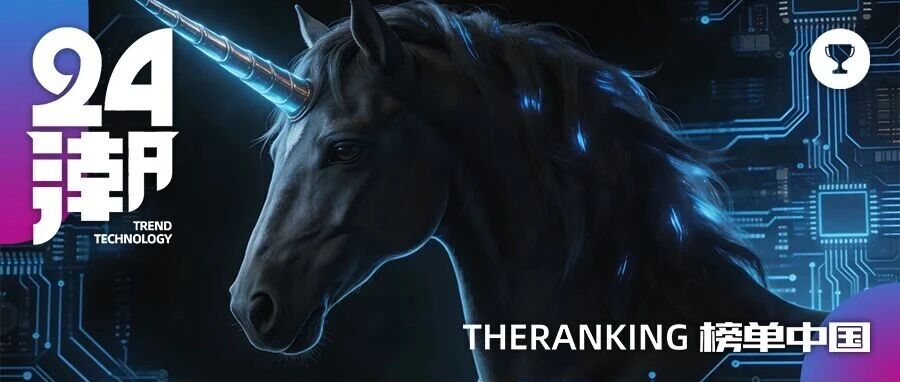
中国储能独角兽企业排行榜|独家
24潮· 2026-03-15 23:03
Core Viewpoint - The article emphasizes the importance of fostering "specialized, refined, unique, and innovative" small and medium-sized enterprises (SMEs) in China, particularly focusing on the development of unicorn companies in the energy storage sector, which are crucial for enhancing national competitiveness in the global value chain [2][3]. Group 1: Unicorn Companies - The concept of "unicorn companies" refers to startups valued at over $1 billion and established within the last 10 years, representing significant technological breakthroughs and innovative business models [2]. - China ranks second globally with 343 unicorn companies, with approximately 23 unicorns in the energy storage sector, valued at over 500 billion RMB [2]. Group 2: Strategic Importance of Energy Storage - The strategic position of energy storage, especially new energy storage technologies, is continuously rising amid global energy transformations [3]. - The National Development and Reform Commission of China aims to develop six emerging pillar industries, including new energy storage, with an estimated output value of nearly 6 trillion RMB by 2025, potentially doubling to over 10 trillion RMB by 2030 [3]. Group 3: Market Dynamics and Competition - Chinese energy storage companies are experiencing significant growth in global markets, with an estimated overseas order volume of nearly 284.26 GWh by 2025, which is 3.49 times the new installed capacity in 2024 [3]. - Chinese companies dominate the global energy storage battery shipment rankings, holding 88.8% of the market share, and occupy eight positions in the global energy storage system shipment rankings [3]. Group 4: Challenges and Future Outlook - Western countries, led by the US and Europe, are implementing trade policies to increase the costs of "Made in China" products, aiming to constrain China's competitiveness in the global energy storage market [4]. - The energy storage industry has undergone multiple economic and policy cycles, leading to intense competition and the rise and fall of numerous companies [4]. - Future success in the energy storage sector will depend on companies' capabilities in technological innovation, global expansion, financial health, and brand influence [4]. Group 5: Evaluation of Unicorn Companies - The 24潮产业研究院 (TTIR) plans to release a "China Energy Storage Unicorn Company Ranking" starting in 2026, evaluating companies based on five primary dimensions: industry influence, technological innovation, capital control, global expansion, and brand building [5]. - The ranking will provide insights into the competitive strength of leading companies in the energy storage sector and their impact on the industry [5].
【公告全知道】油服+固态电池+光模块+储能+机器人+芯片!公司油气处理系统装备适用于海洋和陆地
财联社· 2026-03-15 15:12
Group 1 - The article highlights the importance of weekly announcements related to the stock market, including key events such as suspensions, investments, acquisitions, and performance reports, which are marked in red for easy identification [1] - The company specializes in oil and gas processing systems suitable for both marine and land applications, indicating a diverse operational capability [1] - The company has developed comprehensive EPC (Engineering, Procurement, and Construction) service capabilities for offshore wind power projects and is actively engaged in related project construction [1] Group 2 - The company has signed a construction contract for a nickel mining project worth nearly 5.5 billion yuan, showcasing its involvement in the mining sector [1] - The article emphasizes the integration of various energy sources, including controllable nuclear fusion, wind power, and energy storage, reflecting a trend towards sustainable energy solutions [1] - The company is also involved in AI technology, indicating a focus on innovation and advanced technologies in its operations [1]