超市

Search documents
新加坡一企业送20年员工100克金币
Xin Lang Cai Jing· 2025-12-27 08:21
【#新加坡一企业送20年员工100克金币#】近日,新加坡本地连锁超市昇菘集团送纯金金币给员工,作 为长期服务的奖励,其中服务满20年的员工甚至获得重100克的金币,价值近19000元新元,引发热烈议 论。#金饰价格突破1400元黄金回收遇冷#近期多名在社交平台上发文分享,指公司颁发999纯度的金币 给员工作为长期服务奖。根据员工的服务年资,获颁的金币重量介于20克至100克不等。 消息一出,立 即引发不少网友讨论,纷纷留言称赞超市业者慷慨大方,还打趣问:"老板还招人吗?" 据了解,员工 获颁的金币重量与服务年资挂钩。做满5年者可获20克的金币,10年和15年者可分别获得30克和40克的 金币,而服务满20年的员工则可获得100克、市价约18600元新元的金币。 (来源:今晚报) 转自:今晚报 ...
大润发自有商品“明厨亮灶”,解锁大卖场“鲜”表达
Ge Long Hui· 2025-12-26 14:07
Core Insights - The article discusses the recent upgrade of RT-Mart's private labels "Runfa Workshop" and "HomeSmile," focusing on creating healthier and more enjoyable shopping experiences for consumers through innovative store designs and product offerings [1][2]. Group 1: Product Upgrades - The keywords for the product upgrade are fresh health and artisanal craftsmanship, with significant changes in the bakery products emphasizing the use of healthy ingredients and simplified recipes [2]. - The introduction of a "rice series" product line aims to cater to regional preferences and dietary considerations, differentiating it from the existing "noodle series" [2][14]. Group 2: Store Experience Innovations - The "bright kitchen" concept is a key innovation in enhancing the store experience, allowing consumers to see the food preparation process, which is particularly important for ready-to-eat items [6][8]. - RT-Mart has created tasting zones with a pricing strategy of "1 yuan + 2 yuan + 3 yuan" to encourage consumers to try new products at discounted prices [8][11]. Group 3: Market Positioning and Strategy - RT-Mart's strategy includes focusing on quality and freshness, optimizing product structure, and enhancing brand perception through a commitment to health and quality [12][22]. - The company has streamlined its product offerings from 560 SKUs to approximately 250, concentrating on high-potential categories like baked goods and ready-to-eat meals [14][27]. Group 4: Industry Context and Growth Potential - The global bakery retail market was valued at $385 billion in 2020, with China being the second-largest market at $34.1 billion (approximately 235.8 billion RMB) [14]. - The bakery sector is projected to grow at a compound annual growth rate (CAGR) of 11% from 2016 to 2020, with the market size expected to reach 307 billion RMB by 2023, indicating significant growth potential [17]. Group 5: Supplier Collaboration - RT-Mart collaborates closely with suppliers to create differentiated products, emphasizing a win-win relationship through effective communication and shared innovation [19][20]. - The company aims to establish a closed-loop value chain with suppliers to enhance customer value and product quality [19][20].


自有品牌,高鑫零售永辉家家悦的“难言之隐”
Ge Long Hui· 2025-12-26 14:06
Core Viewpoint - The Chinese supermarket industry is facing significant challenges, with many companies struggling to adapt to market changes and competition from foreign retailers, leading to declining revenues and profitability [1][5][11]. Industry Overview - The departure of Zhang Jingyi from Yonghui Supermarket highlights the difficulties faced by Chinese supermarkets in recent years, including the impact of e-commerce and the pandemic [1]. - Many Chinese supermarket companies have attempted to innovate and adjust their product offerings, but customer traffic remains low, and profitability is still a major issue [1][5]. Comparison with Foreign Supermarkets - In contrast to the struggles of Chinese supermarkets, foreign retailers like Walmart, Costco, and Metro have maintained strong profitability, with Walmart reporting a revenue of $161.63 billion and a net profit increase of 53.3% in its latest fiscal quarter [6][8]. - In the first half of 2023, over 60% of the 13 listed Chinese supermarket companies reported a decline in revenue, with some facing significant losses [5][9]. Financial Performance of Chinese Supermarkets - Lianhua Supermarket reported a revenue decline of approximately 13.3% in the first half of 2023, continuing a trend of losses that have accumulated to over 2 billion yuan since 2017 [9][10]. - Other companies like Bubugao and Renrenle also reported severe losses, with Bubugao's revenue dropping by 69.29% and a net loss of 449 million yuan [9][10]. Self-Brand Development - The development of private labels is crucial for supermarkets to differentiate themselves and improve profit margins, yet Chinese supermarkets lag significantly behind their foreign counterparts in this area [12][13]. - In the U.S., private label sales grew by 11.3% in 2022, while in China, the private label market share is only about 1% [12][13]. Challenges in Private Label Strategy - Chinese supermarkets have been slow to develop effective private label strategies, often relying on OEM and ODM products rather than creating unique offerings [35][36]. - The lack of dedicated procurement teams for private labels in Chinese supermarkets contrasts sharply with the practices of foreign retailers, which often have specialized teams focused on private label development [36][42]. Future Opportunities - Despite the current challenges, the potential for growth in the Chinese supermarket sector remains, given the country's manufacturing and consumer capabilities [43].

大润发,何时發
Ge Long Hui· 2025-12-26 14:06
Core Viewpoint - The parent company of the well-known supermarket chain RT-Mart, Gao Xin Retail, is reportedly preparing for a potential sale due to significant financial losses, with various potential buyers speculated, including Hillhouse Capital and KKR [2][4][9]. Group 1: Company Performance - Gao Xin Retail reported a revenue of 72.57 billion yuan for the fiscal year 2024, a decrease of 13.3% year-on-year, and a net loss of 1.668 billion yuan, marking a staggering decline of 1572.48% [4]. - This loss is attributed to factors such as negative cash flow from stores, impairment of assets, and goodwill [4]. - The company has experienced its largest loss since its listing in 2011, indicating a severe downturn in performance [4]. Group 2: Historical Context - RT-Mart was established in mainland China in 1996 and initially thrived by targeting lower-tier cities and offering competitive services, which helped it grow rapidly [5][7]. - From 1999 to 2016, RT-Mart's sales surged from 24 billion yuan to 93 billion yuan, and the number of stores expanded to 368 [7]. - In 2011, Gao Xin Retail was listed on the Hong Kong Stock Exchange with a peak market value of 127.8 billion HKD, becoming the largest retailer in China at that time [8]. Group 3: Strategic Challenges - Following Alibaba's acquisition of a controlling stake in Gao Xin Retail, attempts to revitalize RT-Mart through digital transformation and new business models have not yielded the desired results, leading to continued revenue decline [9][10]. - The company has tried various strategies, including launching smaller store formats and membership models, but these have not reversed the downward trend [9][10]. - The overall retail environment has been challenging, with major competitors like Carrefour and Walmart also facing difficulties in the e-commerce era [10].
这些小体量商业,在北京猛刷“存在感”!
3 6 Ke· 2025-12-26 03:08
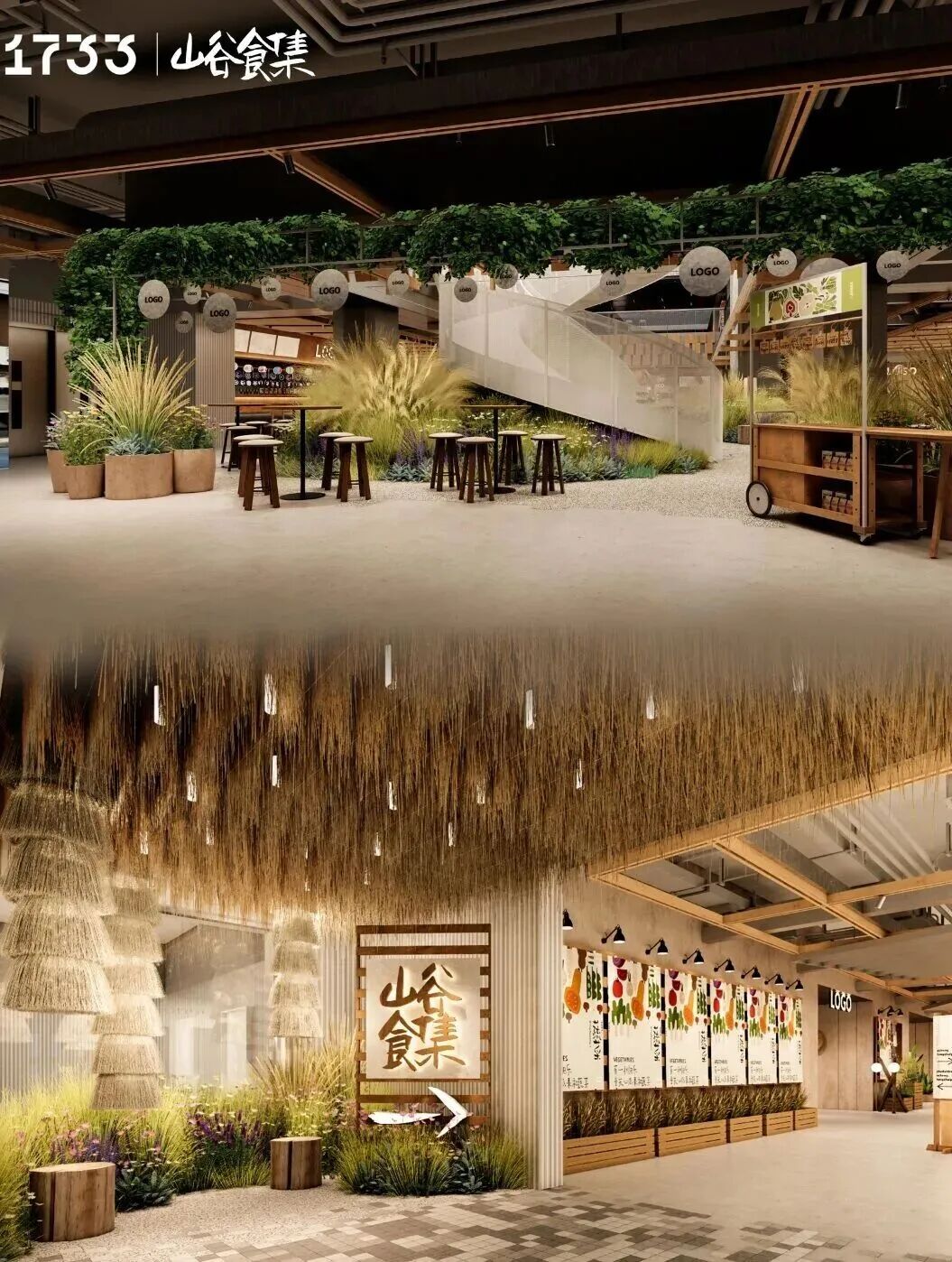
Core Insights - The article discusses the evolution of community-oriented commercial spaces in Beijing, emphasizing their role in enhancing local ecosystems and encouraging residents to engage with nearby businesses [1][4]. Group 1: Characteristics of Community-Oriented Commercial Spaces - Community-oriented commercial spaces should have a fixed radius, stable core customer groups, frequent visits, and a social interaction logic [2]. - These spaces should be designed as "shared living rooms," incorporating amenities like fresh supermarkets, children's play areas, outdoor seating, and pet-friendly facilities to attract local residents [2]. - The integration of quality content into daily life is essential, with businesses offering experiences throughout the day, from breakfast to evening social activities [2]. - Community members should be involved as "co-creators," with businesses conducting in-depth research on local consumer preferences and hosting events that engage local culture [2]. Group 2: Notable Projects in Beijing - The 1733 project, opening on April 19, 2024, features a 38,000 m² shopping center that integrates urban transport, office environments, and daily commercial life, targeting internet employees and nearby students [5][7]. - The Huadong Xincheng project, set to open on April 29, 2025, will cover 21,000 m² and focus on diverse experiences, reducing traditional retail space while introducing 30 first stores in Beijing [9][11]. - The Weigong Fanghua project, opening on September 19, 2025, spans 40,000 m² and aims to create a "small but exquisite" commercial experience with a focus on original art and innovative scenes [12]. - The Xiaozhan Park project, scheduled for trial opening on October 1, 2025, will feature a 33,000 m² shopping center that emphasizes community and lifestyle, with various themed spaces and numerous first stores in the region [14][16]. Group 3: Supermarket Innovations - Supermarkets are undergoing significant transformations to enhance customer satisfaction and adapt to changing consumer demands, with examples like the Yonghui supermarket in Shijingshan achieving sales of 7.7 million yuan in just five days after renovations [17][18]. - Many supermarkets in Beijing, including Wumart and Yonghui, are adopting a "Pang Donglai" style of renovation, focusing on local adjustments and improved customer service [17][18]. - Yonghui has completed renovations in 15 stores across Beijing and plans to expand to 18 stores by the upcoming Spring Festival, while Wumart has also opened several renovated stores [18].
奥乐齐又要猛踩油门了
Sou Hu Cai Jing· 2025-12-26 01:09
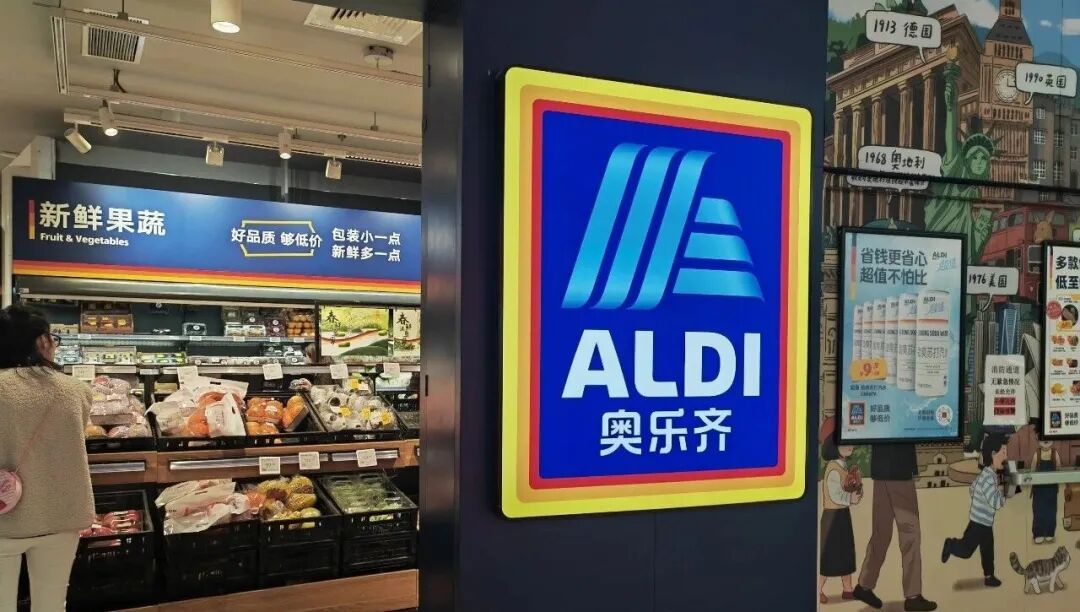
Group 1 - Aldi plans to exceed 100 stores in China by Q1 2026, accelerating its store opening pace [2][6] - The Chinese retail market is experiencing a dichotomy, with traditional supermarkets facing closures while new community supermarkets and discount stores are rapidly expanding [3] - Aldi, established in 1913 in Germany, has gained popularity in China due to its hard discount model and strong brand positioning [4][10] Group 2 - Aldi's low pricing strategy is supported by having over 90% of its products as private label items, allowing for better cost control [4][11] - Currently, Aldi operates over 80 stores in China, primarily in the Yangtze River Delta region, with a strong focus on Shanghai [5][10] - Aldi's rapid growth in China is attributed to its effective business model and brand recognition achieved through marketing and store openings [10][12] Group 3 - The competitive landscape in the discount supermarket sector is intensifying, with major players like Hema and JD.com also expanding their discount offerings [13][15] - The discount retail market in China is projected to grow significantly, with a market size exceeding 200 billion yuan in 2024 and a compound annual growth rate of 5.6% expected over the next decade [16] - The current economic environment has shifted consumer behavior towards more rational spending, making discount supermarkets appealing to price-sensitive consumers [16]
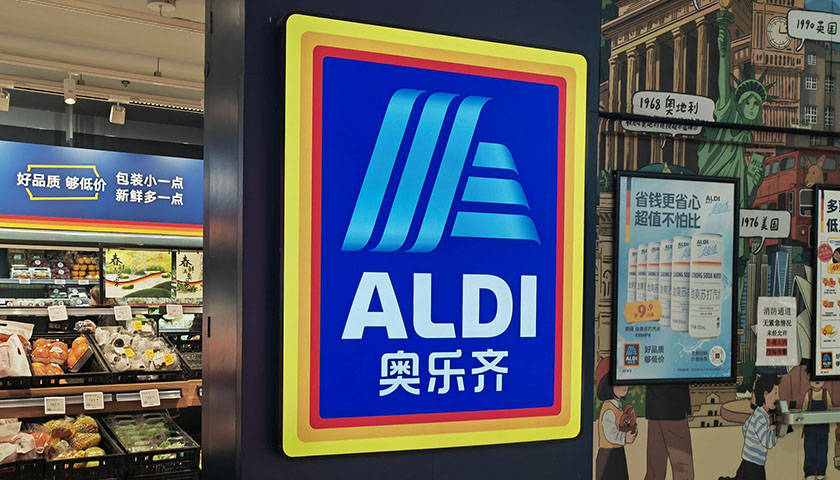
奥乐齐,又要猛踩油门了
3 6 Ke· 2025-12-25 11:33
Group 1 - Aldi plans to exceed 100 stores in China by the first quarter of 2026, accelerating its store opening pace [2][4] - The Chinese retail market is experiencing a dichotomy, with traditional supermarkets facing closures while new community supermarkets and discount stores are rapidly expanding [3][5] - Aldi, a German supermarket chain established in 1913, has gained popularity in China since its entry in 2019, particularly in the competitive Shanghai market [3][4] Group 2 - Aldi's success is attributed to its brand philosophy of "good quality, low price," with a significant portion of its products being private label items, which helps control costs [4][6] - Currently, Aldi operates over 80 stores in China, primarily in the Yangtze River Delta region, with plans to open new stores in Nanjing, Zhenjiang, and Yangzhou in 2026 [4][12] - The company has established a strong supply chain in East China, allowing it to engage in price competition effectively [7][8] Group 3 - The discount supermarket sector in China is projected to grow significantly, with a market size exceeding 200 billion yuan in 2024 and a compound annual growth rate of 5.6% over the next decade [17][19] - Competitors in the discount supermarket space, such as Hema and JD, are also expanding rapidly, indicating a highly competitive environment [13][14] - The market is characterized by a low penetration rate of discount supermarkets in China compared to countries like Germany and Japan, suggesting substantial growth potential [17][19]
步步高跌2.11%,成交额4.30亿元,主力资金净流出5242.17万元
Xin Lang Cai Jing· 2025-12-25 02:37
Group 1 - The core viewpoint of the news is that Bubu Gao's stock has experienced fluctuations, with a recent decline of 2.11% and a year-to-date increase of 40.76% [1] - As of December 25, Bubu Gao's stock price is reported at 5.56 yuan per share, with a total market capitalization of 14.949 billion yuan [1] - The company has seen a net outflow of main funds amounting to 52.4217 million yuan, with significant selling pressure observed [1] Group 2 - Bubu Gao operates in the general retail sector, specifically in supermarkets, and is involved in various concepts such as community group buying and new retail [2] - For the period from January to September 2025, Bubu Gao achieved a revenue of 3.194 billion yuan, reflecting a year-on-year growth of 26.48%, while the net profit attributable to the parent company decreased by 88.83% to 226 million yuan [2] - The number of shareholders increased by 95% to 172,500, while the average circulating shares per person decreased by 27.06% to 12,476 shares [2] Group 3 - Since its A-share listing, Bubu Gao has distributed a total of 1.677 billion yuan in dividends, with no dividends paid in the last three years [3] - As of September 30, 2025, Hong Kong Central Clearing Limited has exited the list of the top ten circulating shareholders [3]

中百集团涨2.05%,成交额3.05亿元,主力资金净流入1477.11万元
Xin Lang Zheng Quan· 2025-12-25 01:41
Group 1 - The core viewpoint of the news is that Zhongbai Group's stock has shown a recent upward trend despite a significant decline throughout the year, with a notable increase in trading volume and market activity [1][2] - As of December 25, Zhongbai Group's stock price increased by 2.05% to 8.97 CNY per share, with a total market capitalization of 5.942 billion CNY [1] - The company has experienced a year-to-date stock price decline of 31.42%, but has seen a recovery with a 12.97% increase over the last five trading days and a 21.22% increase over the last 20 days [1] Group 2 - Zhongbai Group operates primarily in the commercial retail sector, focusing on large chain supermarkets and comprehensive department stores, with 91.07% of its revenue coming from merchandise sales [1][2] - The company reported a revenue of 6.552 billion CNY for the period from January to September 2025, reflecting a year-on-year decrease of 19.41%, and a net profit attributable to shareholders of -580 million CNY, down 74.83% year-on-year [2] - Zhongbai Group has not distributed any dividends in the last three years, with a total payout of 919 million CNY since its A-share listing [3]

平价新鲜、品质好,全市“独一份”……沪上这些人气超市,热闹之后,能红多久?
Sou Hu Cai Jing· 2025-12-24 23:08
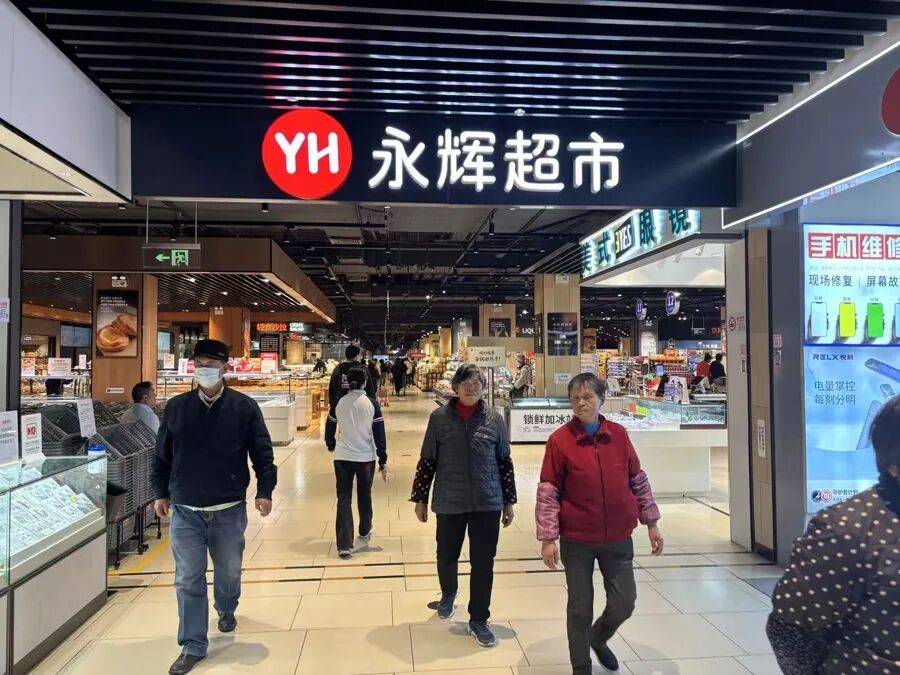
Core Insights - The Shanghai supermarket industry is undergoing a transformation characterized by intense competition and innovation, with various players adopting unique strategies to attract consumers and sustain growth [1][30]. Group 1: YH Supermarket (永辉超市) - YH Supermarket launched its first "Fat Reform" store in Shanghai's Jinshan Wanda Plaza, attracting significant consumer interest on its opening day, with 11 stores undergoing similar upgrades across the city [2][4]. - Despite initial popularity, the store's customer traffic has decreased significantly, with shoppers primarily focusing on daily necessities, indicating a need for sustained engagement beyond the initial novelty [4][9]. - The store has introduced various affordable products and services, including a dedicated area for low-priced baked goods and free tasting samples, but faces challenges in maintaining customer interest and adapting to local tastes [6][9]. Group 2: Qingmei Group (清美集团) - Qingmei Group's "Pin Shang Life" supermarket opened in July 2025, quickly attracting local residents and achieving over 1 million yuan in sales on its first day, leveraging its comprehensive supply chain for fresh produce [10][12]. - The store emphasizes local flavors and fresh, affordable products, catering to the preferences of Shanghai's consumers, particularly older demographics [10][12]. - While the store has received positive feedback for its offerings, there are concerns about the variety of products available, suggesting a need for continuous innovation in its product range [12][14]. Group 3: Aoleqi (奥乐齐) - Aoleqi has rapidly ascended in the supermarket rankings, achieving a 100% growth rate and launching new private label brands to enhance its competitive edge [15][19]. - The store attracts a diverse customer base, particularly younger consumers, with a focus on high-quality, low-priced products that resonate with local tastes [17][19]. - Aoleqi's strategy includes maintaining a high percentage of private label products, which allows for better price control and quality assurance, but faces challenges in balancing low prices with brand trust [20][19]. Group 4: RT-Mart (大润发) - RT-Mart's Pingxingguan store has become a popular destination for Korean tourists, leveraging its unique offerings and Korean language services to enhance the shopping experience [21][29]. - The store has adapted its product displays and services to cater specifically to Korean visitors, resulting in increased foot traffic and sales, particularly in snack and beverage categories [24][26]. - Despite the influx of tourists, RT-Mart remains committed to its community supermarket model, ensuring that local residents continue to receive quality service and products [29][21]. Group 5: Industry Trends - The Shanghai supermarket sector is witnessing a wave of innovation and transformation, with established players and new entrants alike striving to meet evolving consumer demands [30][31]. - There is a growing emphasis on integrating local culture and community needs into supermarket offerings, moving beyond traditional retail models to create unique shopping experiences [30][31]. - The competition in the supermarket industry is intensifying, with a focus on quality, service, and local adaptation becoming critical for long-term success [32][30].