
重卡

Search documents
零一汽车宣布完成5亿融资!Momenta/兴杭创投/辰韬资本联合领投 | 头条
第一商用车网· 2025-07-23 02:05
Core Viewpoint - The article highlights the significant progress and potential of Zero One Auto in the new energy heavy truck and autonomous driving sectors, particularly following their recent 500 million RMB Series A financing round, which has revitalized the financing market [1][3]. Group 1: Company Overview - Zero One Auto was established in 2022, focusing on end-to-end autonomous driving software and hardware technology, as well as self-developed new energy intelligent heavy truck technology [3]. - The company has launched multiple targeted derivative models since releasing two core products, "Jingzhe" and "Xiaoman," which feature self-developed electric drive bridges and tri-source heat pump systems [3]. - As of now, Zero One has delivered nearly 700 units of its two models, with total operational mileage exceeding 25 million kilometers, positioning it among the leading new energy heavy truck companies [3]. Group 2: Recent Developments - The recent financing round was led by prominent players in the autonomous driving sector, including Momenta, which indicates strong investor confidence in Zero One's business model and technology [1][3]. - The company has seen a remarkable 70% repurchase rate for its products in regions like Henan and Hebei, reflecting market recognition of its product quality and customer service [3]. Group 3: Technological Advancements - Zero One is advancing the industry's first end-to-end and multi-modal large model autonomous driving technology, which simplifies the system and enhances the potential of autonomous driving [5]. - The company emphasizes a gradual approach to commercializing high-level autonomous driving, starting from minimal commercial scenarios and progressing to more complex environments [5]. Group 4: Future Outlook - Investors and industry experts express strong confidence in Zero One's future, with expectations of significant growth in both new energy trucks and autonomous driving technology [7]. - The company aims to close the sales gap with traditional heavy truck manufacturers by the end of the year and plans to expand its technological development and market penetration over the next three years [7].


新能源重卡“五冠王”,直销直服颠覆传统!三一重卡上半年销1.3万辆涨168% | 头条
第一商用车网· 2025-07-21 09:54
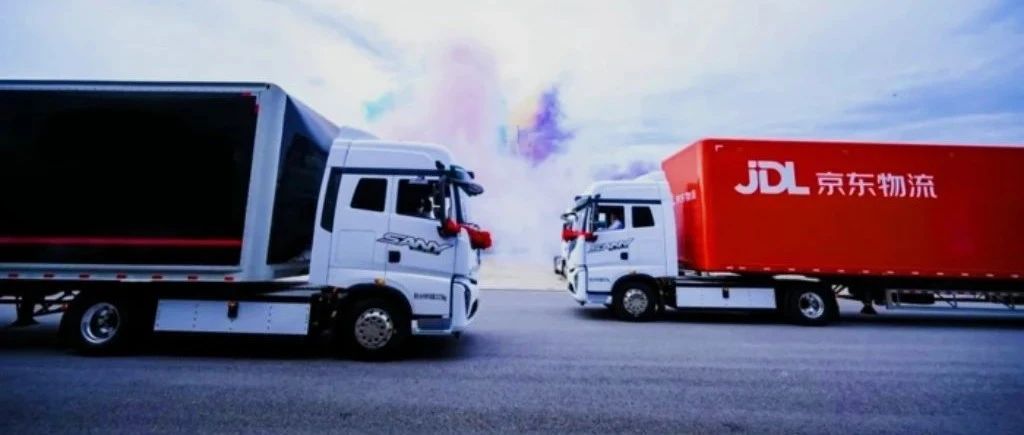
Core Viewpoint - The article highlights that SANY Heavy Truck maintains its leading position in the competitive new energy heavy truck market, achieving significant sales growth and market share in the first half of 2025 [1][2]. Group 1: Sales Performance - In June 2025, SANY Heavy Truck sold 2,887 units, marking a 178% year-on-year increase, and secured the top position in monthly sales for the fourth time this year [1]. - For the first half of 2025, SANY Heavy Truck achieved cumulative sales of 12,900 units, representing a 168% increase compared to the same period last year [5]. - The overall new energy heavy truck market saw sales reach 79,200 units in the first half of 2025, a 186% increase year-on-year, with a market penetration rate exceeding 26% [6]. Group 2: Competitive Advantages - SANY Heavy Truck's success is attributed to its high-quality products and innovative direct sales and service model, which enhances customer trust and satisfaction [8][11]. - The company has established a robust after-sales service system, "Kasheng Direct Service 2.0," ensuring efficient and comprehensive support for customers [15]. - SANY Heavy Truck's strategy focuses on reducing costs and increasing efficiency for users, supported by a strong R&D team and significant investment in product development [8][11]. Group 3: Market Presence - SANY Heavy Truck leads in sales across major provinces, including Shanghai and Guangdong, with market shares of 19.75% and 15.84% respectively [10]. - The brand's products are well-received nationwide, with market shares exceeding 10% in several key provinces, indicating strong demand and acceptance [10]. Group 4: Future Outlook - SANY Heavy Truck is positioned to continue driving industry transformation through technological innovation and a commitment to green logistics [16].

中欧红利优享灵活配置混合A:2025年第二季度利润3.59亿元 净值增长率8.22%
Sou Hu Cai Jing· 2025-07-21 02:14
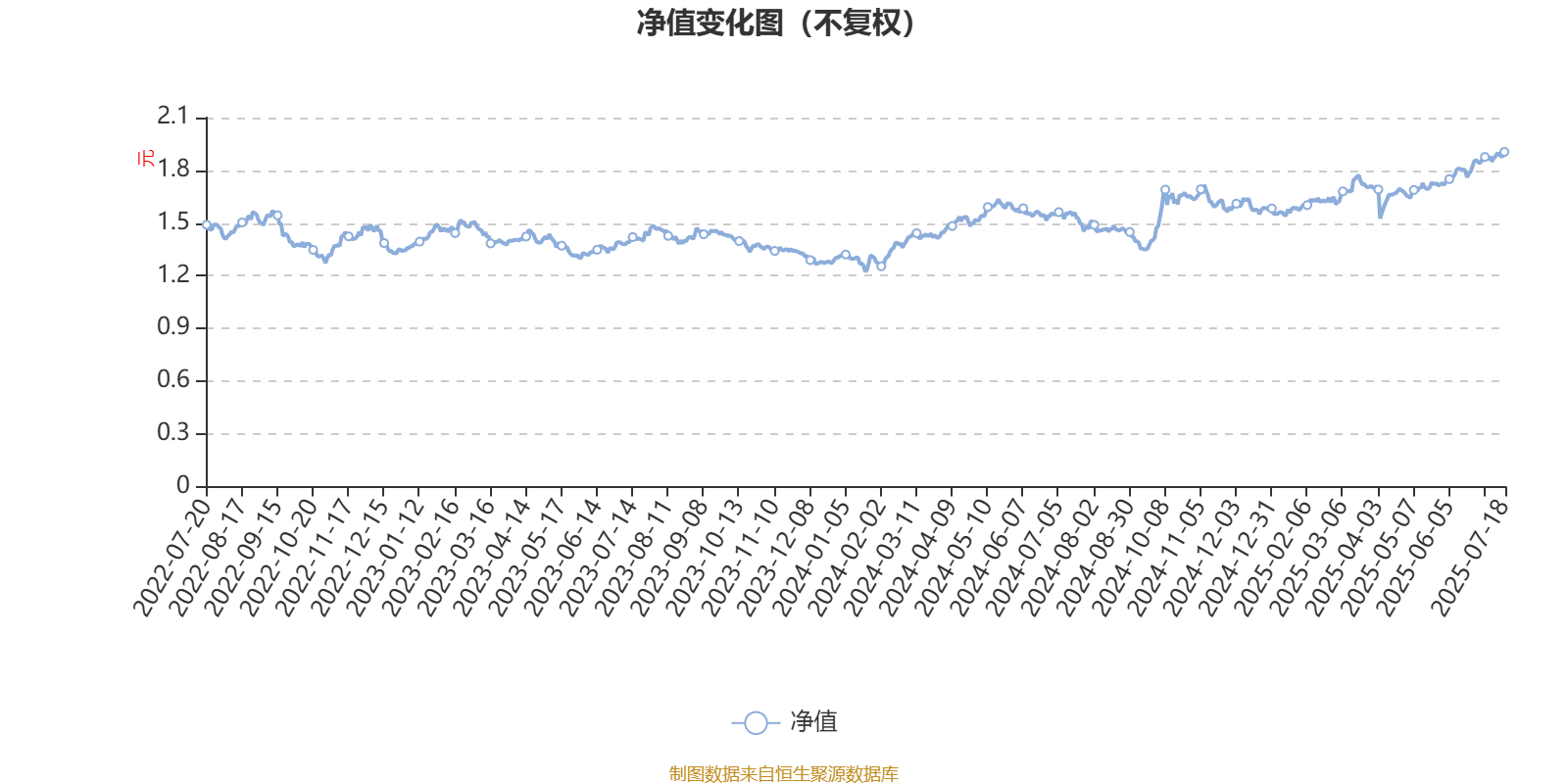
Core Viewpoint - The AI Fund, China Europe Dividend Enjoyment Flexible Allocation Mixed A (004814), reported a profit of 359 million yuan in Q2 2025, with a weighted average profit per fund share of 0.1336 yuan, and a net asset value growth rate of 8.22% for the period [2] Fund Performance - As of July 18, the fund's unit net value was 1.905 yuan, with a three-month net value growth rate of 14.13%, ranking 16 out of 82 in its category [3] - The fund's six-month net value growth rate was 20.09%, ranking 6 out of 82, and the one-year growth rate was 22.31%, also ranking 6 out of 77 [3] - Over the past three years, the fund achieved a net value growth rate of 41.31%, ranking 2 out of 57 [3] - The fund's Sharpe ratio over the past three years was 0.7644, ranking 4 out of 57 [8] - The maximum drawdown over the past three years was 19.38%, with the largest single-quarter drawdown occurring in Q1 2020 at 19.96% [10] Fund Holdings and Strategy - As of June 30, the fund maintained an average stock position of 91.42% over the past three years, compared to the category average of 84.99% [13] - The fund's top ten holdings as of Q2 2025 included Zijin Mining, New China Life Insurance, China Life Insurance, China Ping An, Construction Bank, Zhongjin Gold, Ningbo Bank, China National Heavy Duty Truck Group, China Gold International, and SANY Heavy Industry [17] - The fund manager expressed optimism about the stability and certainty of the Chinese economy, focusing on undervalued assets in both Hong Kong and A-shares, while also highlighting risks from Western debt and geopolitical conflicts [2]



行业比较周跟踪:A股估值及行业中观景气跟踪周报-20250720
Shenwan Hongyuan Securities· 2025-07-20 15:29
Valuation Summary - The overall PE of the A-share market is 19.8 times, at the historical 79th percentile [2][5] - The PE of the Shanghai 50 Index is 11.4 times, at the historical 59th percentile [2][5] - The PE of the ChiNext Index is 33.9 times, at the historical 18th percentile [2][5] - The PE of the Science and Technology Innovation 50 Index is 139.8 times, at the historical 99th percentile [2][5] Industry Valuation Comparison - Industries with PE valuations above the historical 85th percentile include Real Estate, Steel, Power Equipment (Photovoltaic Equipment), National Defense, and Aviation [2][6] - The Passenger Vehicle industry has a PB valuation above the historical 85th percentile [2][6] - The Shipping and Port industry has both PE and PB valuations below the historical 15th percentile [2][6] Industry Midstream Prosperity Tracking New Energy - The price of polysilicon futures has risen by 8.2% to above 45,000 yuan, indicating a recovery in the market [2] - Battery cell prices increased by 7.7%, while prices for silicon wafers remained stable [2] Real Estate Chain - The price of rebar increased by 1.0%, while iron ore prices rose by 3.2% [2] - The national sales area of commercial housing decreased by 3.5% year-on-year in the first half of 2025 [3] Consumption - The average price of live pigs decreased by 3.6%, while the wholesale price of pork increased by 0.3% [3] - Retail sales grew by 5.0% year-on-year in the first half of 2025, with June's growth down to 4.8% [3] Midstream Manufacturing - Manufacturing investment grew by 7.5% year-on-year in the first half of 2025, while narrow infrastructure investment grew by 4.6% [3] - The production of industrial robots increased by 35.6% year-on-year in the first half of 2025 [3] Technology TMT - The production of integrated circuits increased by 8.7% year-on-year in the first half of 2025 [3] Cyclicals - The price of Brent crude oil futures fell by 2.0% to $69.23 per barrel [3] - The Baltic Dry Index rose by 23.4%, reaching its highest level since September 2024 [3]
机构论后市丨出海依旧是强劲的业绩超预期线索之一;7月A股将呈现小幅震荡上行态势
Di Yi Cai Jing· 2025-07-20 09:49
Group 1 - The performance of A-shares is expected to benefit from overseas expansion, which is a strong indicator of exceeding expectations in earnings [1] - The market is transitioning to seek new scenarios as the mid-year earnings forecast season comes to an end [2] - A-shares are anticipated to show a slight upward trend in July, supported by stable export conditions and potential breakthroughs in technology sectors [3] Group 2 - The domestic economic recovery path is becoming clearer, with factors such as anti-involution policies and the relative advantage of A-shares compared to other markets [2] - The equity market is likely to maintain a strong oscillating trend due to positive signals from domestic policies and improving earnings in certain sectors [4] - Key investment areas include technology growth sectors, traditional cyclical industries benefiting from policy changes, and financial sectors with high dividend yields [4]




重卡行业加速回暖 4只重卡概念股业绩预增
news flash· 2025-07-19 10:10
Group 1 - The Chinese heavy truck market is showing significant signs of recovery in 2025 after experiencing a downturn, with cumulative sales of approximately 539,200 units in the first half of the year, representing a year-on-year increase of about 7% [1] - In June 2025, heavy truck sales reached 92,000 units, with actual registrations at 64,000 units, marking year-on-year growth of 29% and 36% respectively, achieving a continuous monthly increase since April [1] - The sustained growth in heavy truck sales is primarily driven by the accelerated effects of the "old-for-new" policy [1] Group 2 - There are 15 companies in the A-share market involved in the heavy truck business, with several companies such as Huichuan Technology, CIMC Vehicles, China National Heavy Duty Truck Group, Weichai Power, and Foton Motor receiving over 10 institutional research visits this year [1] - As of now, only six heavy truck concept stocks have released their half-year performance forecasts for 2025, with companies like Blue Ocean Huateng, Foton Motor, Teruid, and Wanliyang expected to achieve a year-on-year net profit growth exceeding 45% based on the lower limit of their profit forecasts [1]
重卡周末谈:以旧换新跟踪及影响推演
2025-07-16 06:13
Summary of Conference Call Notes Industry Overview - The conference call discusses the heavy truck industry in China, particularly focusing on the implementation of the "old-for-new" policy for heavy trucks, which is expected to officially start in 2025 [1][9]. Key Points and Arguments - Specific subsidy details for the "old-for-new" policy have begun to emerge from various provinces, indicating a closer implementation timeline for the 2025 version of the National IV policy [1]. - The trend of local governments releasing detailed execution guidelines suggests that the nationwide rollout of the "old-for-new" policy for heavy trucks is approaching [2]. - The execution of the policy is expected to be similar to last year's National III "old-for-new" initiative, which had a delayed rollout [2][3]. - The estimated number of eligible heavy trucks for replacement is significantly higher this year compared to last year, with projections of around 500,000 to 1 million units potentially being affected by the new policy [4][10]. - The anticipated impact of the policy is expected to drive sales by approximately 50,000 to 100,000 units throughout the year, with a more conservative estimate of 70,000 units once the policy is fully implemented [4][11]. Financial Implications - The "old-for-new" policy is expected to have a leverage effect on the profitability of major domestic heavy truck manufacturers, as the marginal profit from additional sales is significant due to fixed costs [6][7]. - The variable profit margin for heavy truck manufacturers is estimated to be around 10%, indicating that additional sales will contribute positively to their bottom line without proportional increases in management or R&D expenses [6][7]. - The introduction of new energy heavy trucks is expected to increase their market penetration, potentially raising the current monthly penetration rate of 20% [8][9]. Additional Insights - The conference notes that the heavy truck industry has a significant amount of excess production capacity, which could benefit from the new policy [7]. - The potential for increased sales due to the "old-for-new" policy could lead to a total market size of 1 million units for heavy trucks this year, combining domestic sales and exports [10][11]. - The call emphasizes the importance of monitoring the execution of the policy in various regions, as it will significantly influence the performance of key players in the heavy truck market, including Foton Motor, China National Heavy Duty Truck Group, and Weichai Power [1][11].
到底是谁在引领重卡行业增长?
Xiao Fei Ri Bao Wang· 2025-07-15 16:16
Group 1 - The Chinese heavy truck market is experiencing a significant turning point in the first half of 2025, with total sales reaching 539,000 units, a year-on-year increase of 6.9%, indicating positive signs of industry recovery [1][2] - The penetration rate of new energy heavy trucks has surpassed 20% for the first time, marking a critical transition towards electrification in a traditionally fuel-dominated sector [1][2] - The performance of the traditional heavy truck leaders—FAW Jiefang, Dongfeng, China National Heavy Duty Truck Group, Shaanxi Automobile, and Beiqi Foton—shows increasing differentiation, with some companies accelerating their lead while others struggle in the transition [1][2] Group 2 - Foton has emerged as a significant player with a remarkable sales increase of 74.3% year-on-year in the first half, and a staggering 116.3% growth in June alone, showcasing strong market expansion capabilities [3] - Dongfeng leads the new energy heavy truck segment with a staggering year-on-year growth of 609.6% in the first half, while FAW Jiefang follows with a 467.0% increase, indicating a competitive landscape forming around these two leaders [4] - Other companies like Foton and Shaanxi also reported growth rates exceeding 300%, while China National Heavy Duty Truck Group's growth of 225.7% appears relatively slower, highlighting the need for faster adaptation among competitors [4]

周观点 | 工信部倡导反内卷 乘用车基本面有望改善【民生汽车 崔琰团队】
汽车琰究· 2025-07-13 14:21
Core Viewpoints - The article emphasizes the positive impact of the Ministry of Industry and Information Technology's (MIIT) advocacy for reducing internal competition in the automotive industry, which is expected to improve the fundamentals of the passenger car market [4][10]. Weekly Data - In the first week of July 2025 (June 30 - July 6), passenger car sales reached 405,000 units, up 18.7% year-on-year but down 29.9% month-on-month. New energy vehicle (NEV) sales were 215,000 units, up 25.6% year-on-year and down 27.8% month-on-month. The NEV penetration rate was 53.1%, an increase of 1.5 percentage points month-on-month [1][43]. Weekly Market Performance - The automotive sector underperformed the market in the week of July 7-11, 2025, with a decline of 0.26%, ranking 30th among sub-industries. The Shanghai Composite Index rose by 1.15%. Among sub-sectors, automotive services and parts saw increases of 3.52% and 0.33%, while commercial vehicles, passenger cars, motorcycles, and others declined by 0.25%, 1.16%, 1.32%, and 1.78% respectively [2][30]. Investment Recommendations - The article recommends focusing on high-quality domestic brands that are accelerating in smart technology and globalization, specifically highlighting companies such as Geely, BYD, Li Auto, Xiaomi, and Xpeng [3][13]. Policy Impact - The MIIT's recent initiatives to combat internal competition include shortening payment terms for suppliers to 60 days, controlling pricing to prevent below-cost sales, and enhancing product quality checks. These measures are expected to alleviate cash flow pressures in the supply chain and shift competition from price wars to value-based competition [4][10]. Robotics Sector Insights - The acquisition of a 63.62% stake in a new material company by Zhiyuan Robotics is expected to boost interest in the robotics sector, especially with upcoming events like Tesla's Q2 2025 earnings call and the World Artificial Intelligence Conference [5][11]. Motorcycle Market Trends - The motorcycle market is experiencing growth, with sales of 250cc and above motorcycles reaching 101,000 units in May 2025, a year-on-year increase of 31.1%. The cumulative sales from January to May 2025 reached 399,000 units, up 50.4% year-on-year [18][20]. Heavy Truck Market Dynamics - Heavy truck sales in May 2025 were 83,000 units, a year-on-year increase of 6.0%. The expansion of the vehicle replacement subsidy program is expected to stimulate demand for new trucks [23][25]. Tire Industry Outlook - The tire industry is witnessing a strong performance with high operating rates and increasing demand. The average operating rate for passenger car tires was 78.11% in late April 2025, indicating robust market conditions [26][52].

汽车行业周报(20250707-20250713):反内卷叠加行业去库,预计下半年市场状态-20250713
Huachuang Securities· 2025-07-13 13:34
Investment Rating - The report maintains a "Recommended" rating for the automotive industry, indicating a positive outlook for the second half of the year [1]. Core Insights - The automotive market is expected to continue strong sales in the second half of the year, supported by a reduction in inventory and a decrease in price war risks. However, there are concerns regarding sales fluctuations due to potential electric vehicle subsidies next year, which may suppress market sentiment [1]. - The report suggests actively observing opportunities in the sector after market sentiment stabilizes, particularly in the context of the recent strong performance of Hong Kong stocks [1]. Data Tracking - In June, new energy vehicle deliveries showed significant growth, with BYD delivering 382,585 units (up 12% year-on-year), while Li Auto and Xpeng saw deliveries of 36,279 units (down 24.1% year-on-year) and 34,611 units (up 224.4% year-on-year), respectively [4][21]. - Traditional automakers also reported strong sales, with Geely's sales reaching 236,000 units (up 42.1% year-on-year) and SAIC Motor leading with 365,000 units (up 21.6% year-on-year) [4][23]. Industry Recommendations - For complete vehicles, the report recommends Jianghuai Automobile, highlighting potential for growth in both volume and profitability in the second half of the year. It also suggests monitoring new models from Li Auto and Baic Blue Valley, as well as the accelerated delivery of Xiaomi's YU7 [6]. - In the parts sector, the report advises a selective approach to stock picking, focusing on companies with lower valuations (below 15 times) and expected growth rates above 15% for the next year. Recommended stocks include Xingyu Co. and Aikodi [6]. - The heavy truck segment is expected to maintain strong growth, with policy support driving demand. Recommendations include Heavy Truck A and Weichai H/A [6]. Market Performance - The automotive sector experienced a decline of 0.56% this week, ranking 29th out of 29 sectors. In contrast, the overall market indices showed positive growth, with the Shanghai Composite Index up 1.09% and the ChiNext Index up 2.36% [9][33].
