速冻食品

Search documents
速冻有机西兰花为何更贵?“冷冻”背后藏着的万亿生意经
Tai Mei Ti A P P· 2025-09-24 11:29
Core Viewpoint - The debate surrounding the safety and health benefits of frozen vegetables, particularly frozen broccoli, has highlighted the need for public education on the nutritional value and safety of frozen foods, marking the beginning of a broader acceptance of the pre-prepared food concept in society [2][3]. Group 1: Nutritional Value of Frozen Foods - Frozen broccoli retains a significant amount of its nutrients, with studies showing that frozen vegetables can maintain over 90% of their nutritional value when processed and stored correctly [10][12]. - Fresh vegetables lose nutrients over time, with vitamin C degradation observed in various fruits and vegetables stored at 4°C, with losses of up to 70% in some cases [4][10]. - The freezing process can inhibit microbial growth and enzyme activity, thus extending the shelf life of vegetables while preserving their nutritional content [10][14]. Group 2: Market Dynamics and Pricing - The price of frozen organic broccoli can be significantly higher than fresh broccoli, with a 300g bag of frozen broccoli priced around 25 yuan, compared to fresh broccoli at approximately 10 yuan per pound [11][12]. - The higher costs are attributed to the rigorous processing techniques and the use of organic farming practices, which can increase production time and costs [12][13]. - The global organic frozen vegetable market is projected to grow from 120 billion yuan in 2024 to 250 billion yuan by 2030, with a compound annual growth rate (CAGR) of 10.2% [14]. Group 3: Industry Growth and Trends - The Chinese frozen food industry has experienced a compound annual growth rate of 10% from 2013 to 2020, indicating a robust market expansion [19]. - The demand for frozen foods is driven by the need for food safety, standardization, and cost control within the restaurant industry, which is increasingly adopting frozen ingredients to ensure consistent quality [20][21]. - The cold chain logistics market is also growing, with a projected total demand of 365 million tons for food cold chain logistics in 2024, reflecting the increasing reliance on frozen food products [21].

安井食品(603345.SH):公司海外业务正稳步推进中
Ge Long Hui· 2025-09-24 10:13
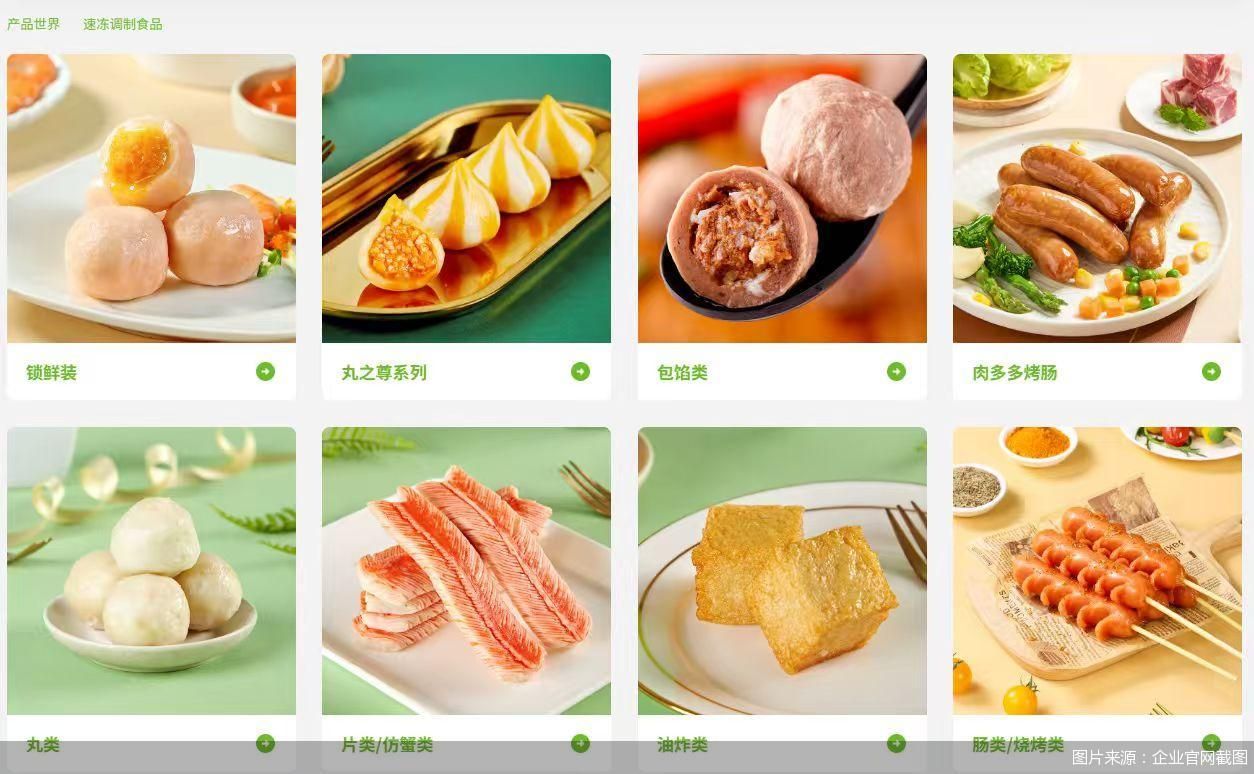
Group 1 - The core viewpoint of the article highlights that Anjuke Foods is making steady progress in its overseas business, particularly through a recent partnership with Wellcome, a leading supermarket chain in Hong Kong [1] - Anjuke Foods has successfully launched nine products from its mid-to-high-end frozen hot pot ingredient series, "Lock Fresh Packaging," in over 200 Wellcome stores in Hong Kong for trial sales [1] - The company is actively exploring and negotiating sales channels targeting B-end restaurants, hotels, and frozen food stores in the Hong Kong and Macau regions [1]

四问速冻蔬菜
Bei Jing Shang Bao· 2025-09-23 16:18
Core Insights - The safety and nutritional value of frozen vegetables, particularly frozen broccoli with a shelf life of up to two years, have raised consumer concerns and trust issues in the market [1][3][7] - The price disparity of frozen vegetables can be significant, with some products costing up to twice as much as others, influenced by raw material quality and freezing technology [3][4] - The frozen vegetable market in China is projected to exceed 100 billion yuan by 2024, indicating strong growth potential [5][6] Pricing and Cost Structure - The price of frozen vegetables can be comparable to or even higher than fresh vegetables, with examples showing frozen sweet corn priced at 29.8 yuan per pound, while fresh organic sweet corn is around 13-15 yuan per pound [4][6] - The cost of raw materials varies significantly, with specialty vegetables like broccoli and Chinese cabbage costing about twice as much to grow compared to common vegetables like carrots and green peas [4] - The choice of freezing technology also impacts pricing, with traditional air blast freezing being less efficient than liquid nitrogen freezing, which preserves quality better and incurs higher costs [4][6] Consumer Behavior and Market Trends - B2B restaurant enterprises are a key consumer group for frozen vegetables, benefiting from reduced labor and material costs, as well as minimized waste [6][7] - The convenience of frozen vegetables appeals to younger and family demographics, as they save time on preparation [6][7] - There is a need for better consumer education regarding the nutritional value of frozen vegetables, as many consumers hold preconceived negative views [6][7][9] Nutritional Value and Safety Concerns - The debate over the nutritional value of frozen versus fresh vegetables centers on the preservation of vitamins and active nutrients during long-term storage [7][8] - Studies indicate that professionally frozen vegetables retain nutritional value comparable to fresh produce, yet consumer perceptions often lean towards viewing frozen options as less "natural" [7][8] - The risk of improper home freezing practices can lead to lower nutrient retention compared to professionally processed frozen vegetables [8] Regulatory and Industry Standards - The development of industry standards and regulations is crucial for ensuring food safety and consumer trust in frozen vegetables [9][10] - The Chinese government has previously established standards for frozen vegetable production, but adherence to these standards by companies needs improvement [10][11] - Transparency in labeling and production processes is essential for building consumer confidence in frozen and pre-prepared foods [11][12]

保质期长、售价超新鲜蔬菜 速冻蔬菜遭质疑背后:谁在买、值不值
Bei Jing Shang Bao· 2025-09-23 15:47
Core Insights - The safety and nutritional value of frozen vegetables have come under scrutiny, particularly following concerns about the long shelf life of frozen broccoli, leading to a trust crisis among consumers [1][2] - The price disparity of frozen vegetables in the market is significant, with some products costing up to twice as much as others, influenced by raw material quality and freezing technology [1][3] - The frozen vegetable market in China is projected to exceed 100 billion yuan by 2024, with strong growth expected through 2030, driven largely by B2B demand from the restaurant sector [4] Pricing and Cost Structure - The price of frozen vegetables can be comparable to or even exceed that of fresh vegetables, with examples showing frozen sweet corn priced at 29.8 yuan per pound, significantly higher than fresh counterparts [2][3] - The cost of raw materials and the choice of freezing technology contribute to price differences, with specialty vegetables like broccoli having cultivation costs that are approximately double that of common vegetables [3] - Traditional air-blast freezing is less efficient than liquid nitrogen freezing, which, while more expensive, preserves quality and reduces moisture loss, leading to higher market prices for products using advanced technology [3] Consumer Behavior and Market Trends - The convenience of frozen vegetables appeals to consumers, particularly younger and family demographics, as they save time on meal preparation [4] - B2B consumers, especially in the restaurant industry, are increasingly adopting frozen vegetables to reduce labor costs and minimize waste, highlighting a shift in purchasing patterns [4] - There is a growing need for consumer education regarding the nutritional value of frozen vegetables, as many still hold negative perceptions despite evidence supporting their quality [5][7] Nutritional Value and Safety Concerns - Concerns about the nutritional value of frozen vegetables, particularly regarding vitamin retention during long storage, persist among consumers [7] - Studies indicate that professionally frozen vegetables maintain nutritional value comparable to fresh produce, yet consumer skepticism remains [7][10] - The risk of improper home freezing practices can lead to lower nutrient retention compared to commercially frozen products [8] Industry Standards and Regulations - The development of national standards for frozen vegetables is crucial for consumer trust, with recent government initiatives aimed at enhancing food safety and transparency in the industry [9][10] - Existing regulations from 2014 outline production management standards for frozen vegetables, but enforcement and compliance by companies need improvement [9][10] - The industry's evolution towards standardized production and scientific management is essential for ensuring quality and safety in frozen food products [10][11]
保质期长、售价超新鲜蔬菜,速冻蔬菜遭质疑背后:谁在买、值不值
Bei Jing Shang Bao· 2025-09-23 13:01
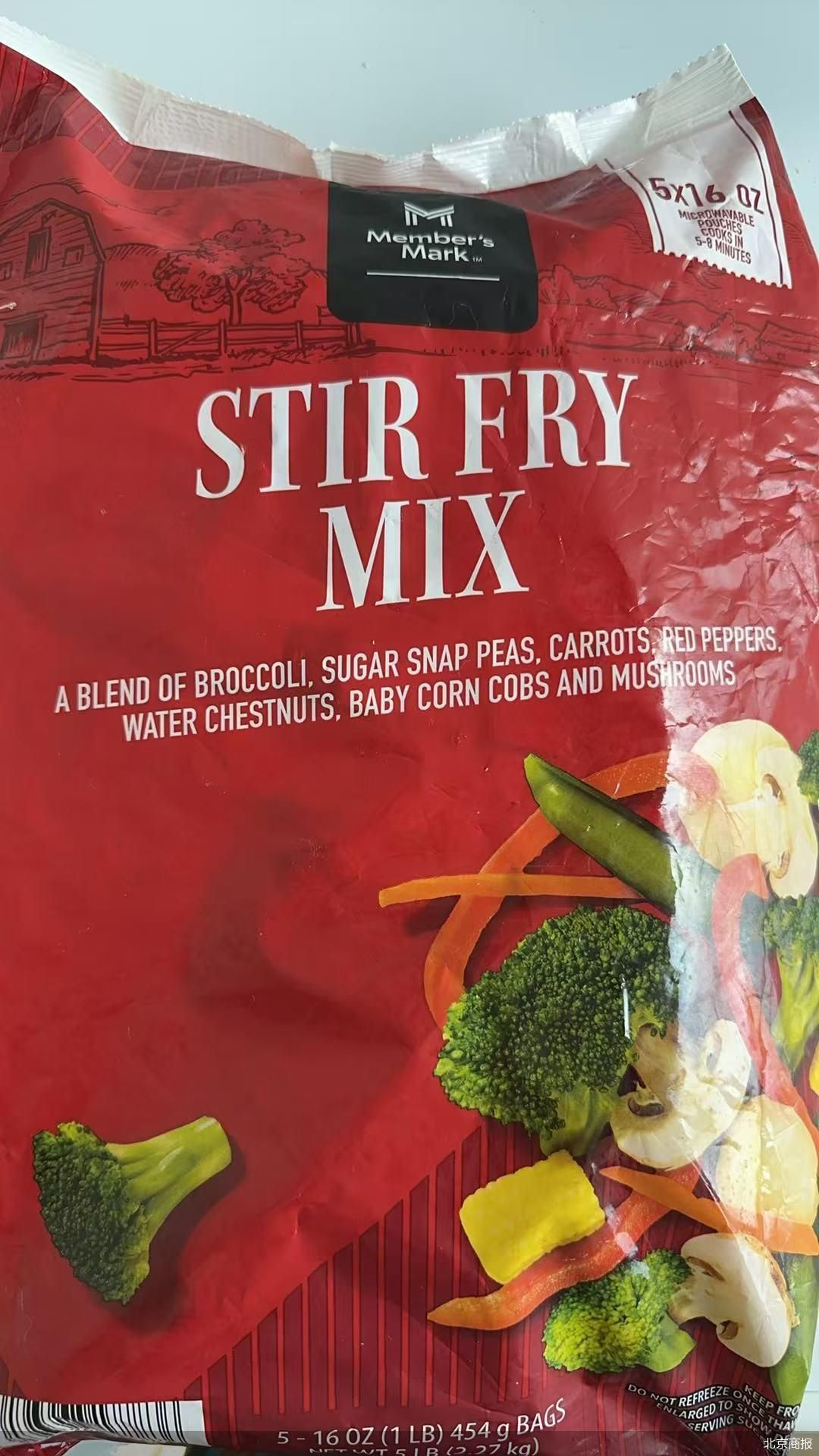
Core Viewpoint - The safety and nutritional value of frozen vegetables are under scrutiny, particularly following concerns about the long shelf life of frozen broccoli, leading to a trust crisis among consumers [1][2][9] Pricing and Market Dynamics - The price of frozen vegetables varies significantly, with some products costing up to twice as much as others, influenced by raw material quality and freezing technology [1][6] - For example, frozen sweet corn prices range from 5.69 yuan for 245g to 52.9 yuan for 2.1kg, indicating a wide price disparity in the market [2][3] - In some cases, frozen vegetables are priced similarly to or even higher than fresh vegetables, with organic sweet corn priced at 13-15 yuan per pound for fresh, while some frozen varieties exceed this price [3] Consumer Behavior and Preferences - B2B restaurant enterprises are a significant consumer group for frozen vegetables, benefiting from reduced labor and material costs, as well as minimized waste [7] - The convenience of frozen vegetables appeals to younger and family demographics, as they save time on preparation [7][18] Nutritional Value and Safety Concerns - There is ongoing debate about the nutritional value of frozen vegetables compared to fresh ones, with studies indicating minimal differences in nutritional content [9][16] - Consumers express concerns about the potential loss of vitamins and the safety of frozen vegetables during storage and transportation [9][16] Industry Standards and Regulations - The development of the frozen vegetable industry is closely tied to regulatory guidance, with recent efforts to establish national standards for pre-prepared foods [17] - Existing standards for frozen vegetables have been in place since 2014, but the execution of these standards by companies needs improvement [17][18] Quality and Transparency - The quality and pricing of frozen vegetables depend heavily on the raw materials used and the efficiency of the supply chain [8][18] - Transparency in labeling and production processes is crucial for building consumer trust in frozen and pre-prepared foods [19]
宏辉果蔬股份有限公司关于参加广东辖区上市公司投资者网上集体接待日暨召开2025年半年度业绩说明会情况的公告
Shang Hai Zheng Quan Bao· 2025-09-22 18:48
Core Viewpoint - The company will continue to focus on its core business of fruits and vegetables despite the change in its actual controller, who has a background in pharmaceuticals [3][4]. Group 1: Event Overview - The company participated in the "2025 Guangdong Listed Companies Investor Online Reception Day" and held a half-year performance briefing on September 19, 2025 [1]. - The event was conducted through the "Panorama Roadshow" website, allowing for interactive communication with investors [1]. Group 2: Key Questions and Responses - The company confirmed that it will maintain its focus on the fruits and vegetables business, emphasizing its experience and market share in this sector [3]. - There are currently no plans for collaboration with Teng Rui Pharmaceutical, and any future cooperation will be disclosed in accordance with legal requirements [3][4]. - The company is open to strategic development opportunities, including potential mergers or asset injections, but will adhere to strict evaluation and disclosure processes [4][5]. - The establishment of Shanghai Juhui Ze Pharmaceutical Technology Co., Ltd. is seen as an initial attempt to optimize business layout and enhance competitiveness, not a shift to a pharmaceutical focus [4]. - The company has prepared marketing strategies for the upcoming Mid-Autumn Festival and National Day, including the promotion of its "Fengshou Ge" brand products [4]. - Future growth will be driven by maintaining focus on core business, innovation, and improving operational quality and profitability [5]. - The company has outlined a three-year shareholder return plan (2025-2027) to ensure cash dividends and protect minority investors' rights [5].

民生证券:大众品板块分化依旧 把握结构性景气
Zhi Tong Cai Jing· 2025-09-19 03:21
Group 1: Beer Sector - The beer sector shows ongoing industry differentiation, with a recommendation for Yanjing Beer and Zhujiang Beer due to their relatively strong fundamentals and performance potential [1][2] - Yanjing Beer benefits from steady reforms and improved operational efficiency, leading to a more pronounced profit alpha [2] - China Resources Beer is highlighted as a national leader with a favorable operating cycle, expected to continue outperforming the industry despite external pressures [2] Group 2: Seasoning and Food Supply - The seasoning and food supply sector is under pressure due to weakened downstream restaurant demand, with some companies performing better due to new products and channel expansions [4] - Cost reductions in key raw materials like soybeans and sugar have positively impacted profit margins for companies like Haitian and Angel Yeast [4] - The industry is expected to see growth if restaurant demand recovers, allowing leading companies to capture more market share [4] Group 3: Snack Foods - The snack food sector is experiencing increased internal differentiation, with companies that create hit products and leverage quality channels showing strong revenue performance [1][5] - Companies like Yanjing and Youyi Foods are capitalizing on structural category benefits and new channel opportunities, particularly in membership-based and bulk sales channels [5] - The sector is advised to focus on new product development and market share growth, with recommendations for companies like Angel Yeast and Baba Foods [4][5]
安井食品“盯上”冷冻烘焙赛道
Bei Jing Shang Bao· 2025-09-18 13:53
Core Viewpoint - Anjiu Foods is focusing on expanding its frozen baking business as a new growth point, following the acquisition of Jiangsu Dingweitai Food Co., Ltd. and the establishment of a dedicated baking division [1][5][7]. Group 1: Business Performance - Anjiu Foods has experienced a slowdown in growth, with revenue growth of 7.7% in 2024, marking the end of eight consecutive years of double-digit growth [4]. - In the first half of 2025, the company reported revenue of 7.604 billion yuan, a slight increase of 0.8% year-on-year, while net profit decreased by 15.79% to 676 million yuan [4][9]. - The company's frozen dish products have seen a decline in growth rates, with expected growth rates of 29.84% and 10.76% for 2023 and 2024, respectively [3][4]. Group 2: Market Expansion and Strategy - The frozen baking market in China is projected to grow at a compound annual growth rate of over 25%, with an expected market size of 23 billion yuan by 2025 [6]. - Anjiu Foods has completed the acquisition of 70% of Dingweitai and 100% of Dingyifeng Food, enhancing its product offerings in high-end frozen products and filling channel gaps [5][6]. - The company aims to leverage its established supply chain, brand influence, and channel advantages to compete effectively in the increasingly competitive frozen baking sector [1][7]. Group 3: Internationalization Efforts - Anjiu Foods has been pursuing international expansion, having entered the European market through the acquisition of Kung Fu Foods in 2021 and establishing an import-export department in 2023 [9][10]. - The company is focusing on the Japanese and Southeast Asian markets, where it has signed contracts with local distributors to enhance brand recognition and market share [9][10]. - From 2021 to 2025, Anjiu Foods' overseas revenue has shown a gradual increase, reaching 72 million yuan in the first half of 2025, although it still represents less than 1% of total revenue [9].
四问速冻西兰花:为何冻?如何冻?营养价值几何?谁在吃?
Jing Ji Guan Cha Bao· 2025-09-18 06:40
Core Viewpoint - The article discusses the debate surrounding frozen broccoli, particularly its preservation methods, nutritional value, and consumer preferences, highlighting the differences between frozen and fresh produce [1][12]. Group 1: Reasons for Freezing Broccoli - Broccoli is commonly frozen to extend its shelf life and maintain nutritional value, as fresh vegetables lose nutrients over time during transportation and storage [3][4]. - The transportation time for fresh broccoli varies significantly, with some reaching markets within 48 hours, while others may take several days, impacting freshness and nutrient retention [2][3]. - Frozen vegetables can provide year-round availability and price stability, which is crucial for restaurant chains [4]. Group 2: Freezing Process - The freezing process involves harvesting broccoli on the same day or the next, followed by quick processing that includes blanching and rapid freezing at temperatures between -20 to -30 degrees Celsius [5][6]. - Blanching, or "killing green," is a critical step that deactivates enzymes that can degrade nutrients, ensuring that frozen vegetables maintain their quality over time [6][7]. Group 3: Nutritional Value of Frozen Broccoli - Nutritional experts suggest that frozen broccoli can have comparable nutritional value to fresh broccoli, especially when fresh produce has been stored for several days [7][10]. - Studies indicate that while fresh vegetables may initially have higher vitamin C content, frozen vegetables can surpass them in nutrient retention over time due to reduced degradation [8][9]. - The shelf life of frozen broccoli can extend up to two years without the need for preservatives, making it a practical option for consumers [11]. Group 4: Consumer Preferences and Market Trends - There is a growing acceptance of frozen vegetables among consumers, with recommendations from dietary guidelines treating frozen and fresh produce equally [12]. - Despite the higher retail price of frozen broccoli compared to fresh, there is a demand from both restaurants and home users, particularly among busy individuals seeking convenience [12]. - Nutritional experts advise against home freezing of vegetables, as industrial freezing processes are more effective in preserving quality and safety [13].
2025冻品预制菜销量及最新趋势出炉,冷链物流有哪些新机遇?
Sou Hu Cai Jing· 2025-09-17 08:28
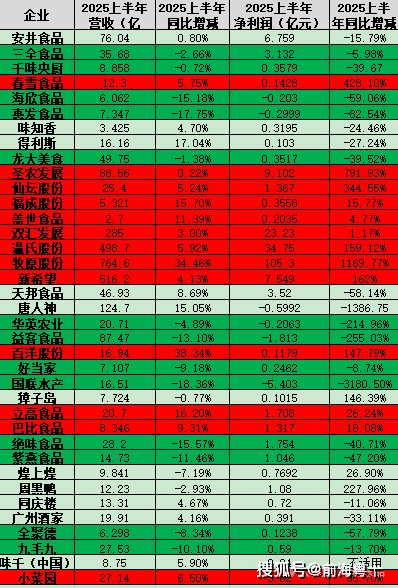
Industry Overview - More than half of the frozen food companies reported a decline in both revenue and net profit in the first half of 2025, with some experiencing increased losses [1] - The industry is facing challenges such as weakened terminal demand and intense price competition, leading to a common strategy of "exchanging price for volume" [1][6] - Despite the overall downturn, some companies achieved counter-cyclical growth, highlighting pockets of resilience within the industry [1] Financial Performance - In the first half of 2025, 12 companies reported growth in both revenue and net profit, with the top five revenue growth companies being Baiyang Co. (38.34%), Muyuan Foods (34.46%), Lihigh Foods (16.2%), Fucheng Co. (15.70%), and Gais Foods (11.39%) [2] - The top five companies with the highest net profit growth were Muyuan Foods (1169.77%), Shengnong Development (791.93%), Chunxue Foods (428.10%), Xiantan Co. (344.55%), and New Hope (162%) [2] - Conversely, 12 companies experienced a decline in both revenue and net profit, with Guolian Aquatic (-18.36%) and Huifa Foods (-17.75%) showing the largest revenue drops, while Guolian Aquatic also reported a significant net profit decline of -3180.50% [3] Segment Performance - The prepared dishes segment performed notably well, with Qianwei Central Kitchen's frozen prepared dishes revenue increasing by 67.31%, driven by significant sales growth [5] - Three Full Foods' refrigerated and short-shelf-life products also showed strong performance, with a revenue increase of 44.49% [5] - The frozen food industry is undergoing adjustments due to channel changes and cost pressures, with traditional supermarket channels seeing a decline in foot traffic [5][6] Market Trends - The industry is under cost pressure, with Three Full Foods reporting a gross margin of 22.7%, down 2.2 percentage points year-on-year due to increased promotional efforts and changes in product mix [6] - The Chinese frozen food industry is projected to reach a scale of approximately 221.2 billion yuan in 2024, making it the second-largest market globally [6] - The global frozen food market is also expanding, expected to reach 417.7 billion USD by 2024, with a compound annual growth rate of 6.0% from 2024 to 2029 [6] - Future industry consolidation is anticipated, with market share increasingly concentrating among leading companies, driven by the rise of restaurant chains and the expansion of new channels [6]