房地产业

Search documents
上市公司监督管理条例公开征求意见,资金面略有收敛,债市震荡回暖
Dong Fang Jin Cheng· 2025-12-08 09:44
Report Summary 1. Report Industry Investment Rating No relevant information provided. 2. Core Viewpoints On December 5, the liquidity slightly tightened; the bond market fluctuated and recovered; the main indices of the convertible bond market collectively rose, and most convertible bond issues increased in price; yields on U.S. Treasuries across all maturities generally increased, and yields on 10-year government bonds of major European economies generally rose [1]. 3. Summary by Directory 3.1 Bond Market News - **Domestic News**: On the evening of December 5, Chinese and U.S. economic and trade leaders held a video call, discussing the implementation of previous consensuses and promoting stable and positive development of Sino-U.S. economic and trade relations [3]; on December 6, China Securities Regulatory Commission Chairman Wu Qing emphasized accelerating the creation of first-class investment banks and institutions to boost high-quality development of the capital market [4]; on December 5, the CSRC solicited public opinions on the "Regulations on the Supervision and Administration of Listed Companies"; the "Administrative Measures for Financial Leasing Business of Financial Leasing Companies" will be implemented from January 1, 2026; the central bank renewed a bilateral currency swap agreement with the Macao Monetary Authority, expanding the scale to 50 billion yuan/57 billion Macao patacas [5][6]. - **International News**: U.S. economic data for September showed inflation and personal income increases, but actual personal consumption expenditures remained stagnant; the preliminary December consumer confidence index rose, and short-term inflation expectations dropped to the lowest level since January; key European economies' 10-year government bond yields generally increased [7][8][30]. - **Commodities**: On December 5, international crude oil futures prices continued to rise, with WTI January crude futures up 0.69% to $60.08 per barrel and Brent February crude futures up 0.77% to $63.75 per barrel; COMEX February gold futures closed flat at $4,243 per ounce; NYMEX natural gas prices rose 5.25% to $5.337 per ounce [9][10]. 3.2 Liquidity - **Open Market Operations**: On December 5, the central bank conducted 139.8 billion yuan of 7-day reverse repurchase operations at an interest rate of 1.40%, with 303.1 billion yuan of reverse repurchases maturing, resulting in a net withdrawal of 161.5 billion yuan [12]. - **Funding Rates**: On December 5, the liquidity slightly tightened but remained generally loose. DR001 rose 0.06bp to 1.300%, and DR007 rose 0.04bp to 1.438% [13]. 3.3 Bond Market Dynamics - **Interest Rate Bonds**: On December 5, affected by rumors of the Politburo's mention of "dual cuts," the bond market fluctuated and recovered. Yields on 10-year government bonds and 10-year China Development Bank bonds decreased [16]. - **Credit Bonds**: On December 5, the trading prices of two industrial bonds deviated by over 10%; several companies, including Zhengyuan Real Estate and Fosun Group, faced regulatory actions due to information disclosure violations; many companies, such as Vanke and Longfor Group, announced bond-related events [18][19][22]. - **Convertible Bonds**: On December 5, the A-share market rose, and the convertible bond market followed suit. The main convertible bond indices increased, and most individual convertible bonds rose. Several companies, including Aowei Electronics, announced convertible bond-related events [21][23][27]. - **Overseas Bond Markets**: On December 5, yields on U.S. Treasuries across all maturities generally increased, and yields on 10-year government bonds of major European economies generally rose; the daily price changes of Chinese dollar bonds are provided [26][30][32].




万达被恢复执行17亿元,刚赎回的万达广场仅1天又转让
2 1 Shi Ji Jing Ji Bao Dao· 2025-12-08 06:39
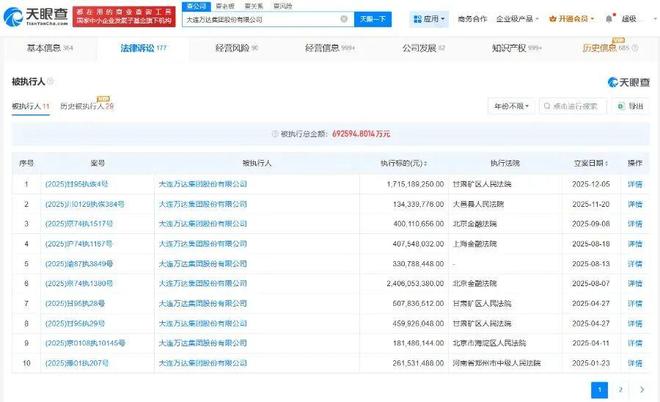
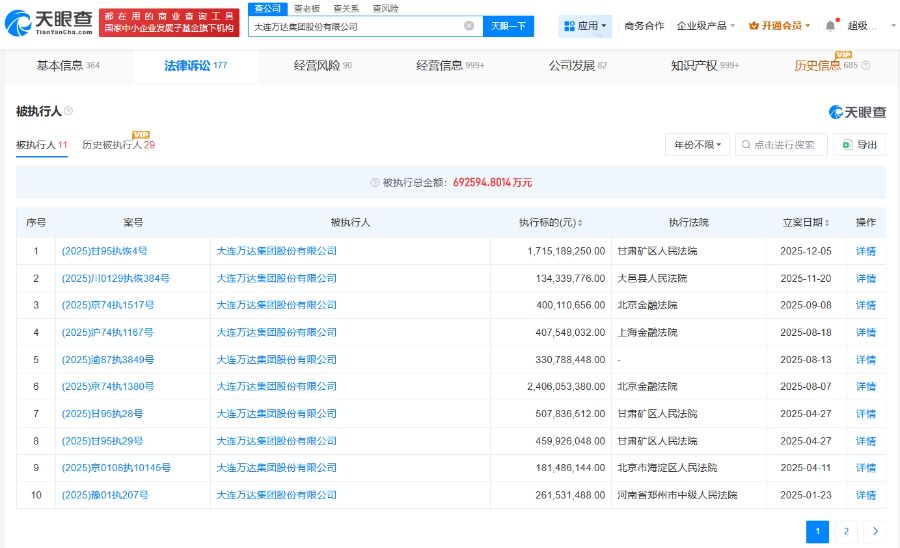
记者丨毕凤至 近年来,万达集团面临不小的债务压力。为应对资金紧张局面,万达集团多次出售旗下万达广场项目。 今年5月份,国家市场监管总局的一则公示信息显示,大连万达商管旗下48家公司股权,将被太盟牵头 的"财团"收购,接盘方还包括高和资本、腾讯控股、阳光人寿等,交易金额或达到500亿元。 据了解,上述48家公司均是万达广场的项目公司,分别位于北京、广州、成都、杭州、南京、武汉等一 二线城市,以及榆林、乐山、泉州、上饶等三四线城市,涵盖了万达商业版图中的核心优质资产。 此后,万达商管持续资产出售。企查查显示,7月,滁州万达广场投资有限公司完成工商变更,万达商 管退出股东行列,廊坊市泽瑞通科技有限公司全资接手。10月,广州增城万达广场有限公司亦步其后 尘,万达商业管退出股东行列,新增北京嘉君科技发展有限公司为股东并全资持股。 值得一提的是,近日,万达集团第一次赎回已出售的万达广场,仅一天就被转让。 编辑丨叶映橙 12月8日,21财经·南财快讯记者注意到,天眼查天眼风险信息显示,近日,大连万达集团股份有限公 司、万达地产集团有限公司等新增1条恢复执行信息,执行标的17亿余元,执行法院为甘肃矿区人民法 院。 | | | ...

万达被恢复执行17亿元,刚赎回的万达广场仅1天又转让
21世纪经济报道· 2025-12-08 06:30
Core Viewpoint - Dalian Wanda Group is facing significant debt pressure, leading to asset sales and legal challenges, including a recent court execution order for over 1.7 billion yuan [1][4]. Group 1: Legal and Financial Issues - Dalian Wanda Group and its subsidiary, Wanda Real Estate Group, have recently been subject to a court execution order for over 1.7 billion yuan, issued by the Gansu Mining Area People's Court [1]. - The total amount of executed judgments against Dalian Wanda Group exceeds 6.9 billion yuan, indicating ongoing legal and financial challenges [4]. - The company has multiple execution records, with a total of over 692 million yuan in executed amounts across various courts [2]. Group 2: Asset Sales and Corporate Restructuring - To address financial difficulties, Dalian Wanda Group has been selling off assets, including a significant transaction involving 48 companies under Wanda Commercial Management, with a potential deal value of 50 billion yuan [4][5]. - Recent changes in ownership of Wanda Plaza projects indicate a trend of divestment, with Wanda Commercial Management exiting shareholder positions in several projects [5][6]. - The company has also seen rapid turnover in ownership of its assets, as evidenced by the quick transfer of a Wanda Plaza within a day of its redemption [6].
万达集团被恢复执行17亿元,此前首次赎回一座万达广场仅1天又转让
2 1 Shi Ji Jing Ji Bao Dao· 2025-12-08 03:10
Core Viewpoint - Recently, Dalian Wanda Group Co., Ltd. and Wanda Real Estate Group Co., Ltd. have been subject to a recovery execution order amounting to over 1.7 billion yuan, issued by the Gansu Mining Area People's Court [1][2]. Group 1: Legal and Financial Issues - The execution order involves a total amount of 1,715,189,250 yuan, which is part of a broader trend of legal challenges faced by Dalian Wanda Group, with over 10 execution records totaling more than 6.9 billion yuan [1][4]. - The company has been involved in multiple legal cases, with significant amounts being executed across various courts, including the Beijing Financial Court and the Shanghai Financial Court [2][3]. Group 2: Corporate Actions and Asset Management - In response to financial pressures, Dalian Wanda Group has been selling off assets, including the sale of 48 companies under Wanda Commercial Management to a consortium led by Taikang, with a transaction value potentially reaching 50 billion yuan [4][5]. - Recent changes in ownership of Wanda Plaza projects indicate a strategy of divesting from certain assets, with multiple companies being transferred to new shareholders, including technology and investment firms [5][6].
“特朗普乌云”压顶之下,美联储降息恐成“哑炮”?
Jin Shi Shu Ju· 2025-12-05 13:22
Group 1 - The Federal Reserve officials are preparing to lower interest rates again next week, but the economic benefits may take longer to materialize and could be undermined by factors beyond monetary policy control [1] - Industries sensitive to interest rates, such as real estate, may only see limited benefits from lower borrowing costs due to historically high home prices and concerns about the labor market [1] - Other sectors, like manufacturing, are delaying investments due to the uncertainty surrounding President Trump's fluctuating tariff policies, which low interest rates cannot alleviate [1] Group 2 - The typical time for the Federal Reserve's policies to impact consumers and businesses may extend up to 18 months, and this may not apply in the current economic context [2] - The chief economist at Nationwide Mutual Insurance Co. noted that businesses are pausing hiring not solely due to high interest rates, but also because of uncertainties related to tariffs and other economic policy changes [2] - Wealthier households are benefiting more from the current interest rate cuts compared to low-income groups, as they have seen a significant rebound in the stock market, leading to increased retirement savings and consumer willingness [2] Group 3 - The clarity of interest rates and tariff policies is crucial for boosting business confidence and encouraging investment among clients [3] - U.S. manufacturers have been experiencing a downturn, with factory activity contracting for nine consecutive months, despite favorable tax provisions and lower borrowing costs [3] - Capital expenditures are essentially stagnant, as business leaders express that low interest rates alone will not influence their operations without a degree of certainty regarding tariffs [3]
东方金诚债市早报-20251205
Dong Fang Jin Cheng· 2025-12-05 08:21
Core Insights - The report highlights a continuation of a loose monetary policy in China, with the People's Bank of China (PBOC) conducting a 3-month reverse repurchase agreement to maintain liquidity in the banking system [4][5] - The bond market is experiencing a downward trend, with yields on major government bonds rising across the board, indicating market panic and selling pressure [12][13] - Several companies, including Vanke and Country Garden, are facing significant challenges, with Vanke's bonds experiencing steep declines and Country Garden's restructuring plans being approved [15][16] Domestic News - The PBOC announced a fixed amount of 1 trillion yuan for a 3-month reverse repurchase operation to ensure ample liquidity in the banking system, effectively rolling over the same amount that is maturing [4] - PBOC Governor Pan Gongsheng emphasized the need to enhance the role of policy interest rates and improve the transmission mechanism of interest rates in the economy [5][6] - Foreign institutions, including OECD and Goldman Sachs, have raised their GDP growth forecasts for China, with projections for 2025 increased from 4.9% to 5.0% [6] International News - In the U.S., planned layoffs in November decreased significantly, but the total number of layoffs for the year remains at a high level, indicating a cautious labor market [7] - The global economic environment is characterized by uncertainty, affecting hiring intentions among employers [7] Bond Market Dynamics - The bond market has seen a significant sell-off, with the yield on the 10-year government bond rising to 1.8500%, reflecting market fears [13] - The report notes that several bonds from Vanke have seen drastic price declines, with some bonds dropping over 82% [15][16] Credit Bond Events - Country Garden's bond restructuring proposal was approved, allowing for a debt reduction of approximately $1.17 billion [16] - Other companies, such as Peng Bo Shi, have reported difficulties in meeting debt obligations, with outstanding bonds totaling around $218.54 million [16] Convertible Bonds - The convertible bond market is also experiencing a downturn, with major indices declining and a significant number of individual bonds falling in value [16][17] - The report mentions specific convertible bonds that have seen notable price movements, with some increasing by over 9% while others have decreased significantly [18][19]
东北候鸟与海南县城的冬季共生,一个救活经济,一个延长寿命
3 6 Ke· 2025-12-05 00:11
Core Viewpoint - The seasonal migration of elderly people from Northeast China to Hainan, particularly to Sanya and surrounding areas, is a significant trend driven by the need for a more hospitable winter environment and improved health outcomes [4][10][28]. Group 1: Migration Patterns - The annual migration of elderly individuals from Northeast China to Hainan is a well-established practice, with many viewing Sanya as an ideal winter destination [4][10]. - Elderly migrants often use Sanya as a transit point before heading to nearby counties for a more affordable and suitable living environment [3][10]. - The migration is characterized by a collective movement, where one family's relocation often leads to others following suit, creating a "Northeast community" in Hainan [15][17]. Group 2: Health and Economic Factors - The harsh winter conditions in Northeast China, including low temperatures and health risks, drive elderly individuals to seek warmer climates for better health and quality of life [9][11]. - The elderly population in Northeast China is aging rapidly, with significant portions of the population over 65, leading to increased demand for winter migration [9][10]. - The concept of "human migration for survival" reflects the practical wisdom of the elderly, who prioritize health and comfort in their later years [11][28]. Group 3: Economic Impact on Hainan - The influx of elderly migrants has stimulated local economies in Hainan, particularly in transportation, housing, and service sectors [16][25]. - Rental markets have adapted to the needs of these seasonal migrants, with many opting for rental accommodations rather than purchasing property due to economic uncertainties [23][25]. - Local businesses, including food and service industries, have seen growth due to the increased demand from the elderly population, leading to a unique "migrant economy" [27][28]. Group 4: Challenges and Adaptations - Despite the benefits, the migration has led to challenges such as rising living costs and pressure on local resources, affecting both migrants and local residents [27][28]. - The relationship between the elderly migrants and local communities has evolved into a complex interdependence, where both parties contribute to and benefit from each other's presence [28][29]. - The need for improved infrastructure and services in Hainan is evident, as the local economy adjusts to accommodate the growing population of elderly migrants [25][27].
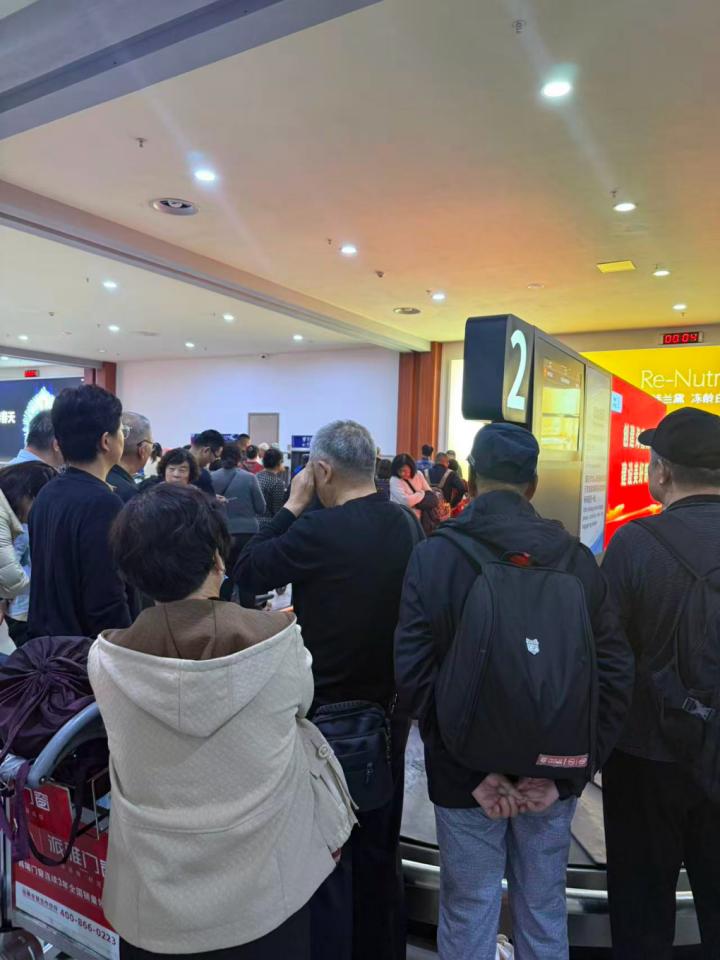
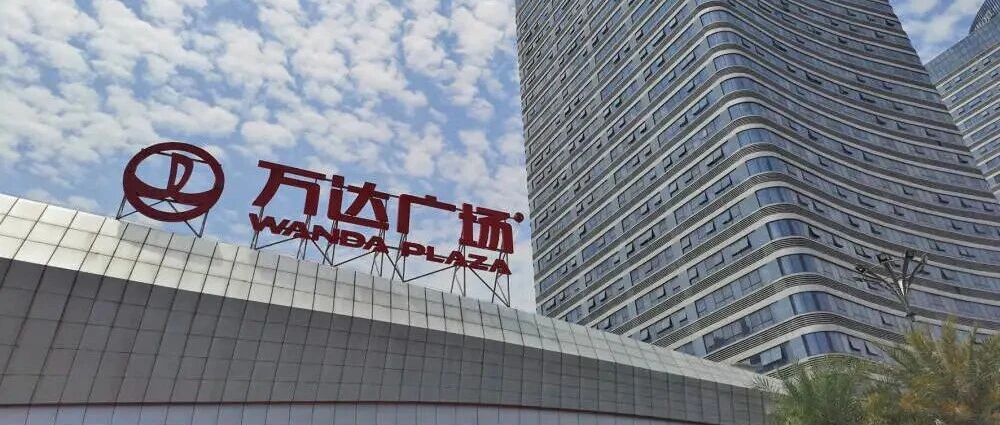
今日赎、明日卖,万达广场一天后再易主
3 6 Ke· 2025-12-05 00:05
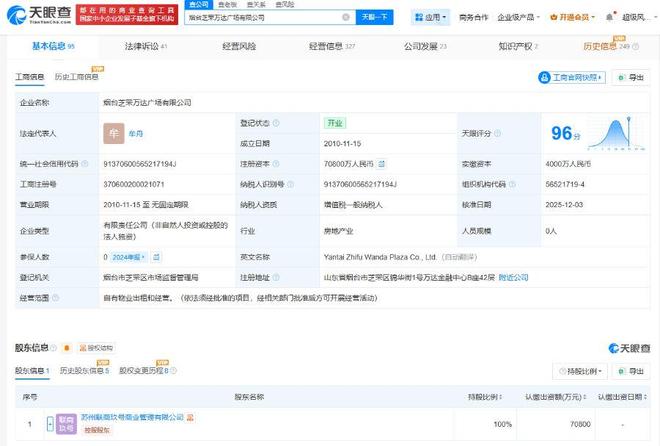
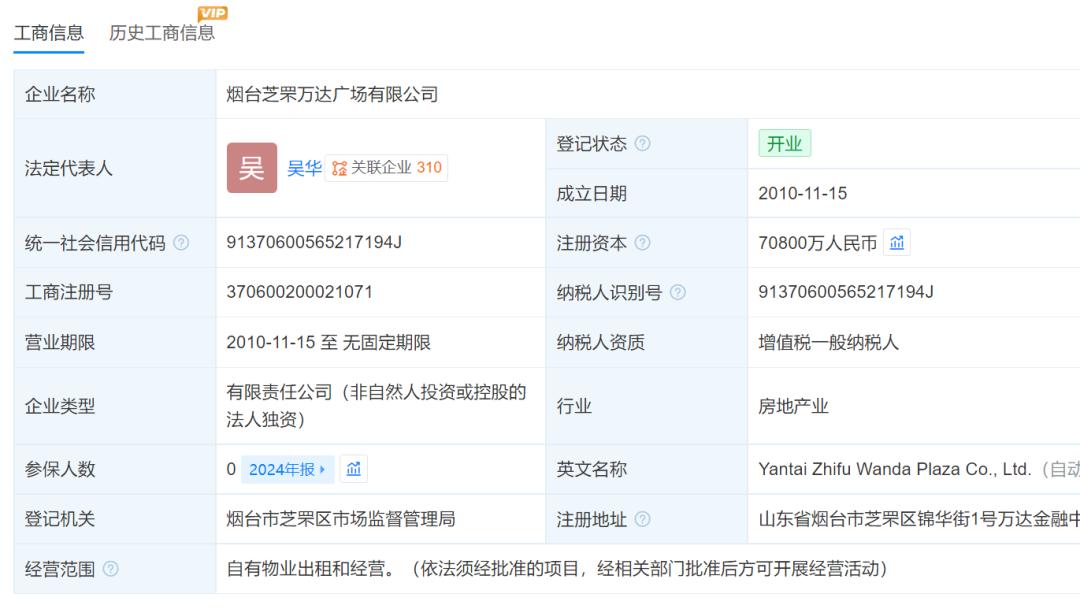
Core Viewpoint - Wanda Group, known for its asset sales, has recently made a rare purchase by acquiring Yantai Zhifu Wanda Plaza, indicating a potential shift in its strategy as it navigates through challenging times [1][3]. Company Changes - Yantai Zhifu Wanda Plaza Co., Ltd. underwent a change in ownership, with Shanghai Wanda Ruichi Enterprise Management Co., Ltd. becoming the sole shareholder, and Wu Hua appointed as the new legal representative [1][2]. - Just one day after the acquisition, the ownership changed again, with Suzhou Lianshang Jiuhao Commercial Management Co., Ltd. taking full control and changing the legal representative to Miao Zhou [4][5]. Financial Aspects - The acquisition and subsequent sale of Yantai Zhifu Wanda Plaza occurred at the same price of 708 million RMB (approximately 100 million USD), resulting in no financial gain for Wanda Group from this transaction [7]. - The plaza has been a significant commercial center in Yantai, with a near 100% occupancy rate for its retail spaces and an annual rental yield exceeding 5% [7][10]. Strategic Implications - The new owner, Suzhou Lianshang Jiuhao, is backed by Zhonglian Qianyuan Real Estate Fund Management Co., Ltd., which has strong connections to various state-owned enterprises, suggesting a strategic focus on real estate investment trusts (REITs) [10][11]. - Zhonglian Fund has been actively acquiring Wanda plazas, indicating a broader strategy to develop REITs based on commercial properties, which could reshape the investment landscape for such assets [10][12]. Market Context - Over the past two years, Wanda Group has sold over 80 plazas, representing about 25% of its original asset holdings, as part of a strategy to alleviate debt pressures following a failed IPO [11][12]. - The recent asset sales have attracted significant interest from major buyers, including insurance companies like Xinhua Insurance and Sunshine Insurance, indicating a robust market for commercial real estate [11][12].
中诚信国际研究院院长袁海霞:“做大蛋糕”是提振消费第一要位
Guo Ji Jin Rong Bao· 2025-12-04 15:14
Group 1 - The core viewpoint of the articles emphasizes the importance of boosting consumption to drive economic growth, particularly in the context of the upcoming "14th Five-Year Plan" period and the challenges of the "middle-income trap" [2] - In the first 11 months of this year, the sales revenue from the consumption upgrade program exceeded 2.5 trillion yuan, benefiting over 360 million people [1] - The government has allocated 300 billion yuan in special long-term bonds to support the consumption upgrade initiative, indicating a strong policy commitment to enhance consumer spending [1] Group 2 - Recommendations include expanding service consumption through subsidies, promoting employee vacation policies, and enhancing consumer confidence by improving dispute resolution mechanisms [2] - Urbanization reforms are suggested to meet the housing and education needs of new citizens, with a focus on equal access to public services for the non-registered population [3] - There is a significant demand for affordable housing among the new citizen group, estimated at around 100 million units, necessitating an annual funding requirement of 2.8 trillion to 4.5 trillion yuan for housing storage during the "14th Five-Year Plan" [4]
万达赎回万达广场后又转让,接盘方成立不足4个月
2 1 Shi Ji Jing Ji Bao Dao· 2025-12-04 10:17
| 都在用的筒业费调工具 | 国家中小企业发展子感企旗下机构 | 產公司 查看板 图类图 查风险 形的刷类改号简立营理有限公司 | 0 | 天眼一下 | 設 应用 · | 向务合作 | 企业级产品 · 由开通会员 · 血 超级风 ·· | | | --- | --- | --- | --- | --- | --- | --- | --- | --- | | 基本信息 # | 法律诉讼 | 经营风险 | 经营信息 | | 公司发展 | 知识产权 | | 200 历史信息 t 金 | | 股东信息 2 ● 三股权购 | | | | | | ●持酮比例 · | P 自治 | ●天眼查 | | 序号 | | 股东名称 | | | 持股比例; | 认惜出资额(万元): | 认做出资日期; 关联产品机构 | | | 1 | 服水製溶管過管理咨询合伙企业(利服合伙) 富 | | | | 90% | 900 | 2030-11-30. | | | 2 1742 胶胶板 | 第州制联管理法院制服公司 置 | | | | 10% | 100 | 2030-08-18 | 中联前深 | | 主要人员 ■ | | | | | | | ...