医疗

Search documents
大事终于发生,国家要在海南再造一个香港?
Sou Hu Cai Jing· 2026-01-16 08:51
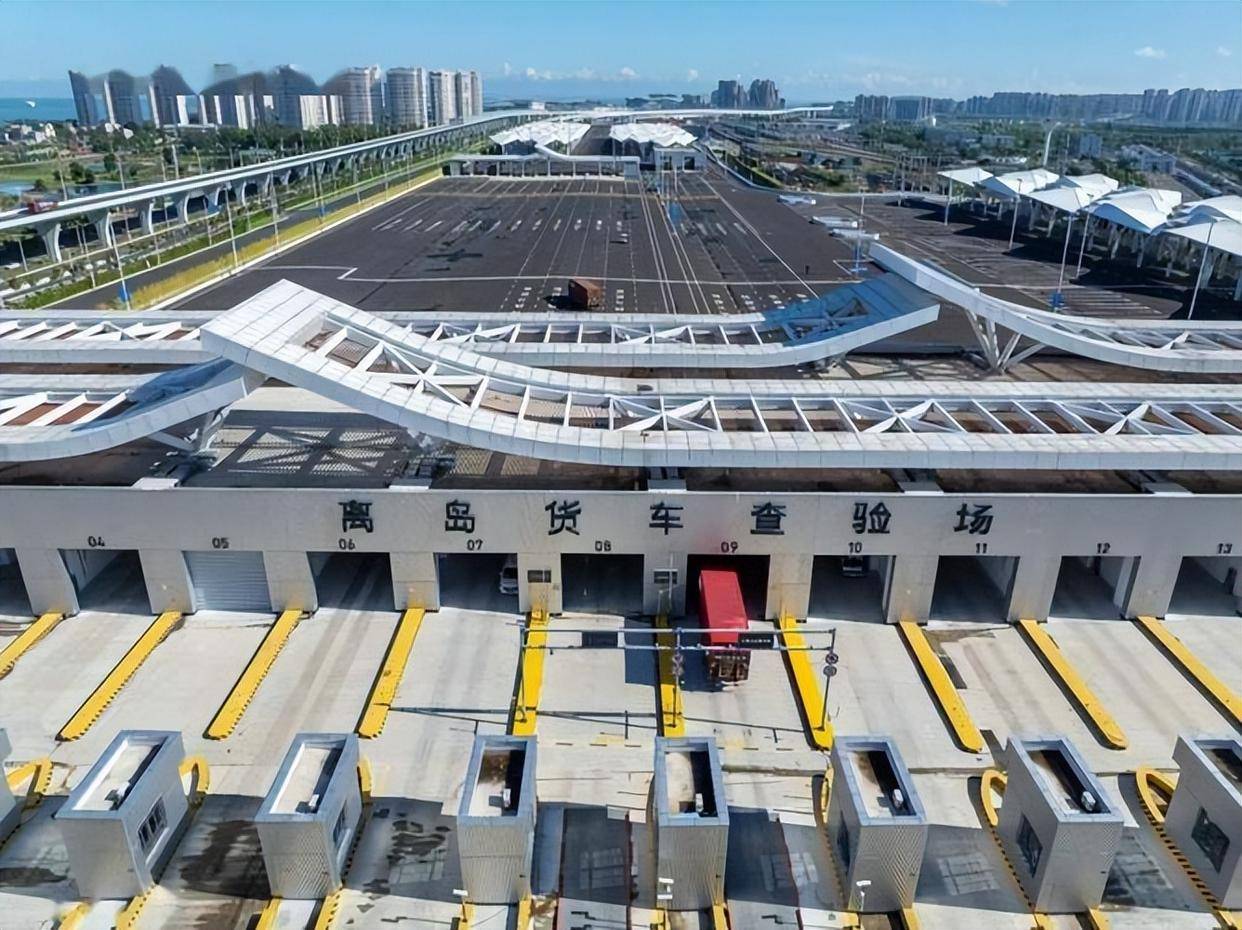
Core Viewpoint - Hainan Free Trade Port officially commenced operations on December 18, 2025, marking a significant milestone in China's high-level opening-up strategy, with the aim of leveraging the momentum of reform and opening-up initiated 47 years ago [1][3]. Group 1: Policy and Economic Impact - The core policy framework is characterized by "one line open, two lines controlled, and free flow within the island," allowing for 74% of zero-tariff goods and benefiting 6,600 tax items [3]. - The first day of operation saw the release of 18,000 tons of goods, with zero-tariff imports valued at 460 million yuan [1]. - The first month of trade after the closure recorded a total trade volume of 21.42 billion yuan, reflecting a 19.6% increase [7]. Group 2: Taxation and Investment Environment - Corporate income tax has been reduced to 15%, and personal income tax has three brackets as low as 3%, aimed at attracting high-income individuals to reside for over 183 days [5]. - The tax rate for enterprises has decreased from 25% to 15%, with a negative list for foreign investment being eliminated, facilitating a more favorable investment climate [11]. Group 3: Infrastructure and Connectivity - Hainan's geographical positioning as a "bridgehead" connecting the Pacific and Indian Oceans is emphasized, with a focus on becoming a global free trade port without the historical advantages that Hong Kong possesses [9][13]. - The island has eight open ports and ten secondary ports, covering an area of 35,400 square kilometers, enhancing its logistical capabilities [1][3]. Group 4: Talent and Industry Development - The policy allows for visa-free entry for citizens from 85 countries, with a 30-day stay, promoting business tourism without additional procedures [5]. - The influx of foreign talent is anticipated, with comparisons made to Singapore's foreign population, aiming to attract international professionals [9][13]. Group 5: Future Prospects and Challenges - While the opportunities are significant, challenges such as a weak industrial base and population outflow remain, necessitating strategic efforts to attract international talent and reduce per capita disparities [7][13]. - Hainan's unique development path is highlighted, with a focus on tourism, modern services, high-tech industries, and tropical agriculture, distinguishing it from Hong Kong's reliance on re-export trade and finance [5][13].

2025年末,在深就业执业各领域境外专业人员达1758名
Nan Fang Du Shi Bao· 2026-01-16 07:59
Core Viewpoint - Shenzhen has released the "Overseas Professional Qualification Facilitation Recognition List (Version 4.0)", allowing professionals holding qualifications on the list to practice in Shenzhen and provide professional services [1] Group 1: Expansion and Upgrading of the List - The updated list covers 12 key areas including taxation, construction, planning, healthcare, maritime, cultural tourism, law, finance, accounting, safety, environmental protection, and social services [2] - The list includes 40 professional qualifications such as tax advisors, registered architects, urban planners, doctors, nurses, crew members, tour guides, and lawyers, facilitating easier access for overseas professionals [2] - The inclusion of "Hong Kong crew members' certificate exchange for employment on Shenzhen-registered vessels" marks a breakthrough in maritime regulations and talent mobility between Shenzhen and Hong Kong [2] Group 2: Impact on Industry Development - Shenzhen's efforts in cross-border practice facilitation have attracted high-quality overseas professionals, injecting vitality into regional industrial upgrades and innovation [3] - In the healthcare sector, Hong Kong and Macau doctors can practice in multiple locations, enhancing medical integration in the Greater Bay Area [3] - Over 300 Hong Kong and Macau lawyers are practicing in Shenzhen, the highest number in the province, indicating significant legal sector integration [3] - By December 2025, the number of overseas professionals employed in various fields in Shenzhen is expected to reach 1,758 [3] Group 3: Service System Optimization - Shenzhen is enhancing its service network with a combination of online and offline services, providing a "one-stop" integrated service for international talent, including visa and residency assistance [4] - Each qualification in the list is accompanied by clear legal and regulatory guidelines, offering a structured framework for overseas professionals to practice in Shenzhen [4] - Professionals in fields like taxation and cultural tourism can complete their practice registration through an "entirely online process + mailing service," allowing them to enjoy convenient registration without leaving Hong Kong or Macau [4] - Future plans include exploring mutual recognition of professional qualifications and titles between Shenzhen and overseas qualifications, supporting more international professionals to innovate and realize their dreams in Shenzhen [4]
北京大学教授李玲:发展“健康+”新范式 开启全球产业新蓝海
Zhong Guo Jing Ji Wang· 2026-01-16 07:13
Core Viewpoint - China is transitioning from a "disease-centered" approach to a "people's health-centered" model, aiming to improve public health and reduce illness [1][3]. Group 1: Health System Reform - The Chinese government is implementing systematic reforms in the healthcare service system, focusing on integrated management of rural healthcare institutions [3]. - The payment system is being reformed, with health insurance funds being allocated to "health communities," linking hospital and physician income to residents' health levels [3]. - The "health community" model, known as the "Sanming Model," is being promoted nationwide, with a goal of achieving full coverage within four years [3]. Group 2: New Development Opportunities - The health sector in China faces challenges such as an aging population but also presents new development opportunities [4]. - The country is entering a "health+" development phase, integrating various industries such as healthcare, pharmaceuticals, green food, wellness, and smart health to create a new health industry covering the entire life cycle [4]. - The demand for this new health industry is continuous and substantial, serving both domestic needs and potential global markets [4]. Group 3: Innovation and Technology - China is leveraging the integration of agriculture, industry, commerce, and information technology to drive innovation in the health sector [4]. - With the empowerment of artificial intelligence and new production capabilities, the country aims to achieve comprehensive health management through platforms like personal health codes and health information networks [4]. - The integration of systematic, informational, and intelligent approaches is expected to create a high-quality, low-cost, and scalable health system [4].
今日国际国内财经新闻精华摘要|2026年1月16日
Xin Lang Cai Jing· 2026-01-16 00:42
International News - The international precious metals market is experiencing significant volatility, with New York futures gold falling below $4610 per ounce, down 0.28% for the day [1][10] - Spot silver and New York futures silver both fell below $91 per ounce, with daily declines of 0.41% and 0.42% respectively [2][11] - Earlier, spot gold had briefly surpassed $4620 per ounce, with a daily increase of 0.09% [3][12] - In geopolitical developments, the U.S. military is mobilizing land, sea, and air forces to the Middle East, with troop deployment expected to take one week [4][13] - U.S. Energy Secretary stated that Venezuela's oil production is expected to reach 1.2 million barrels per day in December, which will likely lower oil prices; current U.S. sales of Venezuelan oil are priced 30% higher than three weeks ago [4][13] - The U.S. Senate passed a comprehensive appropriations bill to fund the Departments of Commerce, Justice, Interior, and Energy, with a vote of 82 in favor and 15 against, now awaiting Trump's signature [4][13] - Following the White House's push to cut federal research spending, the Senate passed a bill to increase related expenditures [4][13] - There are differing views among Federal Reserve officials, with one favoring maintaining interest rates at the next meeting and possibly a mild rate cut later this year, while another believes that a rate cut could exacerbate inflation with limited benefits for employment [4][13] - In market data, U.S. net capital inflow for November was $212 billion, compared to a net outflow of $22.5 billion in October (previously a net outflow of $37.3 billion) [4][14] - U.S. stock markets closed higher on Wednesday, with the Dow up 0.61%, Nasdaq up 0.21%, and S&P 500 up 0.27%; TSMC shares rose over 4%, reaching a historical high, with a recent increase of 5.2% [4][14] - The Nasdaq Golden Dragon China Index fell by 0.60%, with several Chinese concept stocks like Zhongjin Medical, Canaan Technology, and Tencent Music experiencing significant declines [6][15] - U.S. natural gas futures dropped over 3.00%, currently at $3.026 per million British thermal units [7][16] - Jamie Dimon, CEO of JPMorgan Chase, announced plans to remain in his position for "at least" another five years [8][17] Domestic News - In November, China held $683 billion in U.S. Treasury securities, a decrease from $689 billion in October [9][18] - Rongbai Technology announced that its stock will continue to be suspended for one day on January 16, 2026, due to inquiries from the Shanghai Stock Exchange that require further verification [9][18] - In the aerospace sector, China's Taiyuan Satellite Launch Center successfully launched the Gushenxing-1 sea-launched remote sensing rocket, carrying the Tianqi constellation's 06 group of satellites into the designated orbit; this mission marks the 23rd flight of the Gushenxing-1 rocket [9][18]
[1月15日]指数估值数据(低估,总会有估值上涨的阶段;红利指数估值表更新;新书来了;指数基金定投之路感想征集)
银行螺丝钉· 2026-01-15 14:11
Core Viewpoint - The article discusses the current state of the stock market, focusing on the performance of various indices, particularly dividend indices, and the importance of patience in index fund investment strategies. Group 1: Market Performance - The overall market experienced slight declines, with the closing rating at 3.8 stars [1] - Large-cap stocks like the CSI 300 saw minor gains, while small-cap stocks faced more significant declines [2] - Recent days have shown a notable pullback in small-cap stocks after a period of substantial gains [3] - Value style indices showed little volatility, with cash flow indices experiencing slight increases [4][5] - Hong Kong stocks also faced declines, particularly in technology sectors, while dividend stocks remained stable [6][7] Group 2: Investment Strategies - The article highlights that undervalued stocks are becoming scarce as the market rises, although some dividend indices still have undervalued options [9][10] - The performance of indices like the CSI 500 low volatility has been strong since 2018, with an approximate 80% increase [16] - The article emphasizes the importance of patience in holding onto low volatility and dividend strategies, which can lead to passive valuation reductions through strategic rebalancing [25][26] - A structural bull market is noted, where not all indices rise or fall simultaneously, indicating the need for strategic investment choices [28][38] Group 3: Dividend Indices and Valuation - The article provides a valuation table for dividend indices, indicating various metrics such as earnings yield and price-to-earnings ratios [41] - The dividend index has seen rapid growth in scale over recent years, with many investors expressing interest and questions regarding these products [46][47] - A new book titled "Dividend Index Fund Investment Guide" has been released to assist investors in understanding dividend indices better [45][48]

“现代化城市雄安探路”系列报道 | 普惠共享 幸福之城
Xin Lang Cai Jing· 2026-01-15 13:17
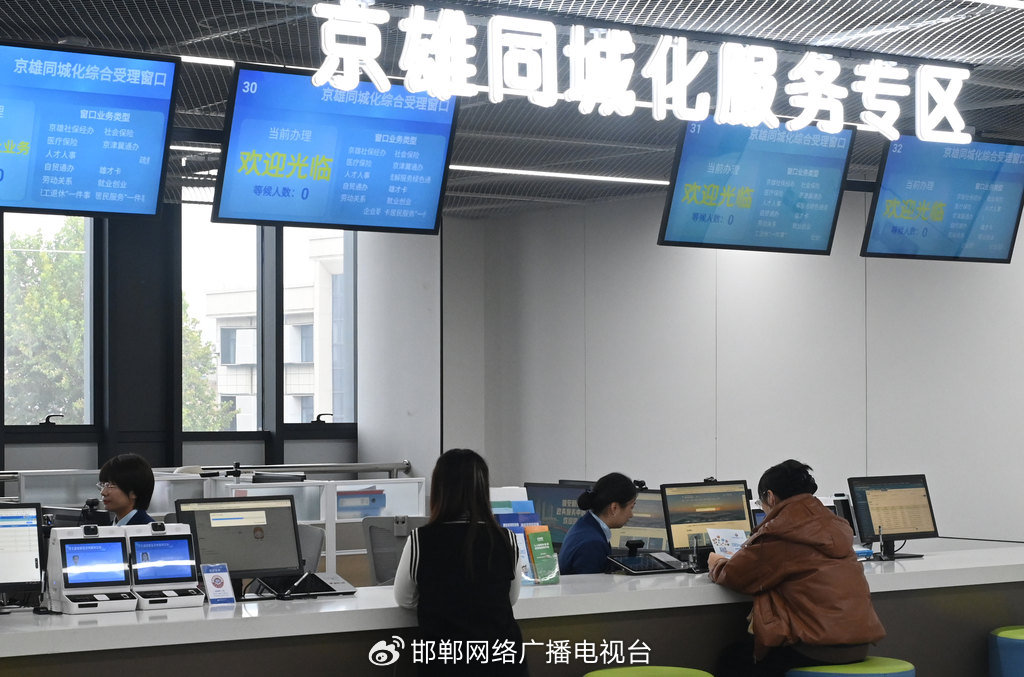
Core Viewpoint - Xiong'an New Area is focusing on enhancing public services and improving the quality of life for residents through innovative policies and the integration of resources with Beijing, aiming to create a modern, livable city that prioritizes people's needs [1][12]. Public Services and Social Security - Xiong'an has established a multi-tiered pension system that includes basic pension insurance, enterprise annuities, and personal pensions, with a notable "automatic enrollment" mechanism for enterprise annuities, enhancing both employee benefits and tax advantages for companies [3]. - The area has developed a unique employee medical insurance model that ensures hospitalization and major illness benefits are comparable to those in Beijing, with outpatient services offering even greater advantages [4]. - By the end of December 2025, over 800,000 social security cards are expected to be issued in Xiong'an, with more than 6 million uses recorded, facilitating seamless access to social security services [4]. Healthcare and Education - Xiong'an Xuanwu Hospital, supported by Capital Medical University, has opened 38 departments and has seen nearly 560,000 outpatient visits since its opening in October 2023, providing high-quality medical services locally [5]. - The area has also established several educational institutions, including Xiong'an Shijia Hutong Primary School and Beijing 4th High School Xiong'an Campus, ensuring access to quality education for local children [5]. Business Environment and Migration - Xiong'an has streamlined the business migration process, allowing companies to transfer operations from Beijing with minimal disruption, maintaining their original names and qualifications [6]. - The local government actively assists businesses during the migration process, enhancing the overall business environment and efficiency [6]. Cultural and Recreational Development - Xiong'an is developing cultural and sports facilities, including the Xiong'an Library and Xiong'an Sports Center, which host various high-profile events and activities, enriching the cultural life of residents [7]. - The area is promoting a variety of cultural activities and sports events, significantly enhancing the community's cultural engagement [7]. Employment Services - The "15-minute employment service circle" has been established, providing local job seekers with access to numerous employment services and job matching platforms, with over 27,000 job seekers registered [10]. - Xiong'an has created over 30,000 job opportunities through various initiatives during the 14th Five-Year Plan, ensuring that zero-employment families are effectively supported [11]. Elderly Care Services - A "15-minute elderly care service circle" has been developed, with 53 new elderly care facilities established, enhancing the quality of life for senior residents [11]. - The community is actively engaging elderly residents through various activities and services, fostering a supportive environment for seniors [12].
5188亿元!北京一季度开启160个重大项目
Xin Jing Bao· 2026-01-15 10:07
Core Insights - Beijing's "3 100" key projects are expected to leverage brand effects and demonstration roles, with total investment exceeding 1.4 trillion yuan by 2026, and planned investment of approximately 312.8 billion yuan for that year [1] Group 1: Major Projects - A total of 160 major projects will commence in the first quarter, with a total investment of about 518.8 billion yuan [1] - The projects span four key areas: 1. Modern industrial system construction, including 36 projects such as the Haibosi Chuang energy storage system super factory and AI innovation cultural district [1] 2. Modern infrastructure system construction, featuring 55 projects like the Fengtai 500 kV transformer project and the overall enhancement of the road network in Zhongguancun Science City [1] 3. Livelihood improvement initiatives, with 45 projects including the Beijing Sixth Experimental School and the Fangshan branch of Capital Medical University Xuanwu Hospital [1] 4. Urban renewal actions, comprising 24 projects such as the protective renovation of Yinzha Hutong in Dongcheng District and the shantytown renovation in Yuegezhuang Village, Fengtai District [1]
北大教授李玲重磅发声:中国下一个增长极已现,规模或远超房地产!
新浪财经· 2026-01-15 09:32
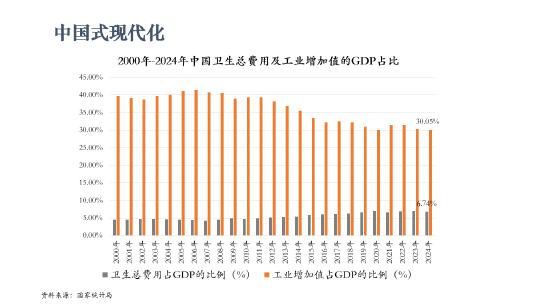
Core Viewpoint - The article emphasizes the importance of transitioning China's healthcare system from a disease-centric model to a health-centric model, highlighting the need for preventive care and a focus on overall well-being as part of the "Healthy China" national strategy [6][10]. Group 1: Healthcare System and Spending - China is recognized as the world's strongest industrialized nation, with significant progress in healthcare reform. In 2024, the total health expenditure in China was approximately 90,895.5 billion yuan, with government spending at 24.9%, social spending at 47.6%, and personal spending at 27.5%. The per capita health expenditure was 6,454.4 yuan, and the total health expenditure as a percentage of GDP fell below 7% for the first time, standing at 6.7% [4]. - The government is shifting the healthcare model to a system where hospitals and healthcare providers are incentivized to keep people healthy rather than treating them after they become ill. This involves creating a "health community" where resources are pooled to promote health and prevent disease [7]. Group 2: Challenges and Opportunities - The aging population presents significant challenges but also opportunities for a new development paradigm termed "Health+" that integrates healthcare, pharmaceuticals, green food, wellness, and elderly care into a new health industry. This industry is expected to be a lifelong necessity for individuals and could surpass the real estate sector in scale [8]. - The integration of artificial intelligence and new productive forces is seen as a competitive advantage for the nation, enabling a comprehensive health management system that spans an individual's entire life cycle [10]. Group 3: Global Contribution and Future Vision - The "Healthy China" initiative is positioned not only as a new development model for China but also as a potential original contribution to global health, leveraging China's rich agricultural civilization and wisdom in health [10]. - The article contrasts China's approach to health with that of the United States, suggesting that the challenges faced by the U.S. healthcare system present an opportunity for China to lead in global health solutions [10].
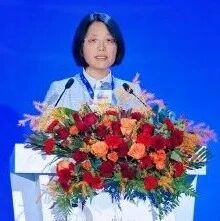
北京大学国发院教授李玲:新型大健康产业规模不可限量,“可以远远超过房地产”
Xin Lang Cai Jing· 2026-01-15 04:23
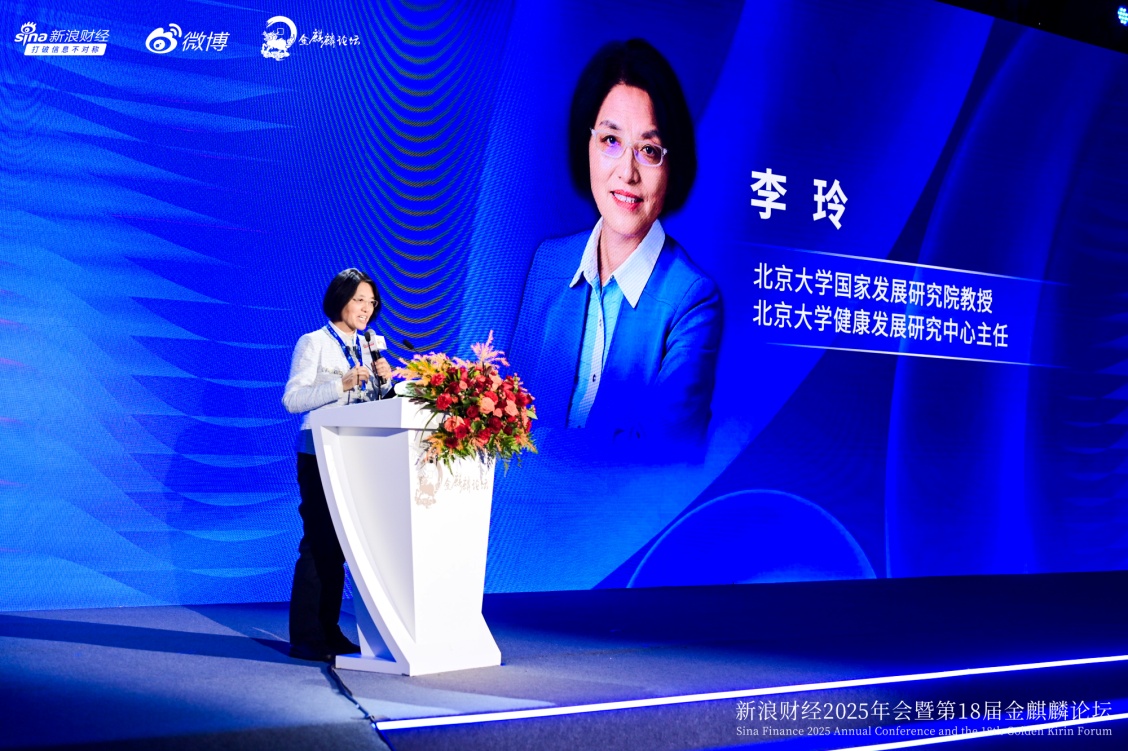
Core Viewpoint - The "Sina Finance 2025 Conference and the 18th Golden Unicorn Forum" emphasizes the theme of reshaping growth paradigms and creating future prosperity, highlighting the importance of health in China's modernization strategy [1][9]. Group 1: Healthcare Spending and Trends - In 2024, China's total health expenditure is estimated at 90,895.5 billion yuan, with government spending at 24.9%, social spending at 47.6%, and personal spending at 27.5% [1][9]. - The per capita health expenditure is 6,454.4 yuan, and the health expenditure as a percentage of GDP has dropped to 6.7%, marking a significant decline below 7% for the first time [1][9]. Group 2: Challenges and Strategic Shifts - The primary challenge facing China is population aging, necessitating a shift from a disease treatment focus to a health-centered approach, promoting disease prevention [4][12]. - The "Healthy China" national strategy prioritizes health as a key indicator of socialist modernization, requiring collaboration among government, society, and individuals to implement a preventive health model [4][12]. Group 3: Systemic Changes in Healthcare - The government is promoting a systemic approach to healthcare, integrating county, township, and village services into a cohesive "health community," moving away from a profit-driven model based on patient volume [5][13]. - The "Sanming Model" aims to incentivize hospitals and doctors to manage patients' health effectively, with a goal of nationwide implementation within four years [5][13]. Group 4: Opportunities in the Health Industry - The aging population presents opportunities for a new "health+" development paradigm, integrating healthcare, pharmaceuticals, green food, wellness, and elderly care into a large health industry [5][13]. - This emerging health industry is expected to be a lifelong necessity for individuals, with potential market size surpassing that of real estate, serving both Chinese citizens and the global population [5][13]. Group 5: Future Health Management - The envisioned future health model includes a personal health code system, utilizing AI for continuous health management throughout an individual's life, aiming to reduce disease incidence and promote longevity [6][14]. - The integration of traditional wisdom with modern technology is seen as a unique contribution from China to global health, especially in light of challenges faced by developed nations like the U.S. [6][14].
ETF盘中资讯|先于谷歌,千问推出AI购物!港股AI短线回调,港股互联网ETF(513770)宽幅溢价,连日大举吸金逾11亿元
Sou Hu Cai Jing· 2026-01-15 03:16
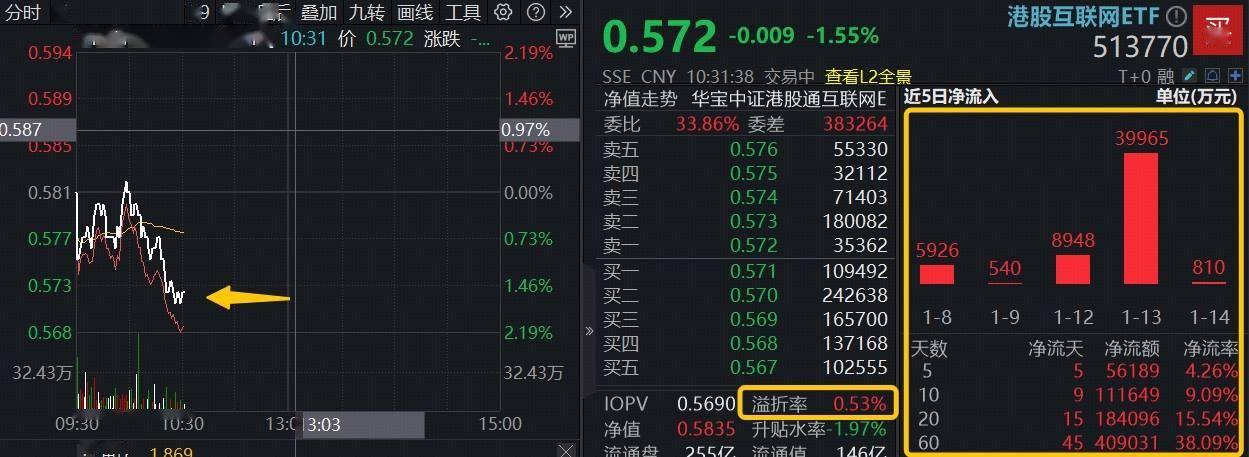
Core Viewpoint - The Hong Kong stock market experienced a short-term pullback in AI-related stocks, with major internet companies like Alibaba, Kuaishou, and Bilibili seeing declines, while the Hong Kong Internet ETF showed strong buying interest despite the drop [1][2]. Group 1: Market Performance - As of January 15, major internet stocks in Hong Kong, including Alibaba-W, Kuaishou-W, and Bilibili-W, fell over 2%, while Tencent Holdings dropped more than 1% [1]. - The Hong Kong Internet ETF (513770) saw a price decline of 1.55%, but it still exhibited a significant premium, indicating strong buying sentiment [1]. - Over the past 10 days, the Hong Kong Internet ETF has recorded net inflows of 1.116 billion yuan, with funds increasing on 9 out of those 10 days [1]. Group 2: AI Developments - Alibaba's Qianwen App has integrated with various Alibaba ecosystem services, enabling AI shopping functionalities, and has surpassed 100 million monthly active users within two months of launch [2]. - Analysts suggest that Alibaba's AI initiatives are entering a competitive phase focused on ecosystem development, with expectations for major model updates in 2026 [2]. - The AI applications are anticipated to evolve from usable to highly effective by 2026, with a focus on diverse business models and user engagement [2]. Group 3: Investment Opportunities - The Hong Kong Internet ETF (513770) tracks the CSI Hong Kong Internet Index, which includes major players like Alibaba, Tencent, and Xiaomi, with the top ten stocks accounting for over 76% of the index [3]. - The latest fund size of the Hong Kong Internet ETF reached 14.899 billion yuan, marking a historical high, with an average daily trading volume exceeding 600 million yuan since 2025 [4]. - For investors seeking to balance technology exposure with stability, the Hong Kong Large Cap 30 ETF (520560) is recommended, featuring a mix of high-growth tech stocks and stable dividend-paying companies [4].