生鲜电商

Search documents
叮咚买菜大调整:重组十个独立事业部、APP改版
东京烘焙职业人· 2025-05-26 08:53
Core Viewpoint - Dingdong Maicai is undergoing significant organizational changes to enhance its competitiveness in the long-term retail market, focusing on supply chain and product quality after achieving annual profitability [3][4]. Group 1: Organizational Changes - The original product development center has been restructured into 10 independent business units, each led by a senior executive, to improve operational efficiency and market responsiveness [3][4]. - The company's strategic goal, referred to as the "4G" strategy, emphasizes "good users, good products, good service, and good mindset," indicating a strong commitment to product quality [3][4]. Group 2: Product and App Enhancements - The app's homepage has been revamped to prioritize quality and health, introducing a "Quality Love" section with seven product categories aimed at simplifying consumer choices for high-quality and health-related products [4][5]. - An AI dietary assistant tool has been added to the app, providing users with personalized meal recommendations and nutritional analysis, thereby reducing decision-making costs and enhancing user engagement [5]. Group 3: Market Positioning - The changes reflect Dingdong Maicai's focus on differentiating its products and enhancing brand quality in a competitive instant retail market, leveraging its supply chain capabilities for sustained market competitiveness [5].


叮咚买菜连续十季盈利,接下来:用“4G战略”打零售“价值战”
华尔街见闻· 2025-05-22 10:43
Core Viewpoint - The article discusses the competitive landscape of the instant retail sector, highlighting how Dingdong Maicai has carved out a second battleground amidst fierce competition focused on speed, cost, and quality [1]. Group 1: Company Performance - In Q1, Dingdong Maicai achieved a GMV of 5.96 billion yuan, representing a year-on-year growth of 7.9%, while revenue increased by 9.1% to 5.48 billion yuan, marking five consecutive quarters of revenue growth [6]. - The platform's total order volume surged by 12.1% year-on-year, indicating increased user activity and purchase frequency, with daily active users exceeding 2 million, a 4.5% increase [7]. - The company opened 14 new front warehouses in the Jiangsu-Zhejiang-Shanghai region to optimize its fulfillment system and enhance operational efficiency [9]. Group 2: Strategic Focus - Dingdong Maicai aims to attract and retain users who prioritize product quality and service, targeting a demographic that values lifestyle quality [4]. - The company is undergoing internal reforms to enhance product quality and differentiation, restructuring its product development department into 10 independent business units led by core executives [10]. - The company has implemented a "from farm to table" closed-loop management strategy, ensuring strict quality standards and direct partnerships with agricultural producers [11]. Group 3: Product Innovation - Dingdong Maicai has successfully created popular products, such as the "Hehua Tian Australian Grain-fed Wagyu Beef Steak," which achieved sales of approximately 3.4 million yuan [14]. - The app underwent a significant redesign in May 2025, introducing a "Quality Love" section with seven new categories to meet diverse consumer needs [17]. Group 4: Supply Chain and Market Position - The company adopts a "narrow and deep" supply chain strategy, deeply engaging in every aspect of the food supply chain, from sourcing to logistics and distribution [19]. - This approach fosters strong brand recognition and consumer trust, positioning Dingdong Maicai favorably in a competitive market [19]. - Management anticipates continued year-on-year growth in Q2 2025, with expectations for significant increases in both scale and profit margins by year-end [19].
组织调整、App改版,叮咚买菜启动战略升级
Xin Jing Bao· 2025-05-20 13:57
Core Insights - Dingdong Maicai's founder and CEO Liang Changlin announced a comprehensive internal transformation that has achieved preliminary results [1] - The company has initiated a series of adjustments since early 2025, focusing on the core strategy of "Good Users, Good Products, Good Services, Good Intelligence" (4G) to systematically enhance product quality and differentiation [1] Group 1 - The company has restructured its internal organization, shifting its business focus towards product development by creating 10 independent divisions that integrate product development, operations, and quality control [1] - The Dingdong Maicai app is undergoing a comprehensive redesign, with a new section called "Quality Love" featuring high-quality and differentiated products, set to be completed by May [1] - The "Quality Love" section includes seven categories: Taste of China, Organic Collection, Low GI, Strict Selection for Moms, Clean Ingredients, Weight Loss, and Direct from Australia [1] Group 2 - A new low GI project team has been established to develop better-tasting low GI health foods, with a target of over 100 products in this category by the end of the year [1] - The company aims to actively participate in the formulation of low GI standards and promote a low GI lifestyle, enhancing industry focus on this niche market [1] - The recently launched AI Smart Diet Assistant creates a health consumption loop by providing recipe recommendations and nutritional advice based on user health data [2]
首次盈利后提速IPO,朴朴超市起死回生
Guan Cha Zhe Wang· 2025-05-20 12:51
Core Insights - Pupu Supermarket, a fresh retail brand, is reportedly in talks with top investment banks for a potential IPO in Hong Kong, following its establishment in 2016 and its focus on high-frequency fresh delivery [1][2] - The fresh e-commerce sector, particularly the front warehouse model, has faced significant challenges in profitability, with notable companies like Missfresh and Dingdong Maicai experiencing severe operational difficulties [1][3] - Despite the challenges, Pupu Supermarket has reportedly achieved revenue balance in 2023 and is preparing for an IPO, indicating a potential recovery and sustainable business model [1][2] Company Overview - Founded in June 2016 in Fuzhou, Pupu Supermarket operates as a mobile internet shopping platform offering a wide range of products, including fresh produce, personal care items, and daily necessities [1] - The company initially gained a strong reputation by targeting second-tier cities and emphasizing cost-effectiveness and service experience [1] Market Context - The fresh e-commerce sector has seen over 46.3 billion yuan in total financing from 2010 to 2020, with significant investments in leading companies like Missfresh and Dingdong Maicai [3][4] - The front warehouse model is known for its high operational costs, with fulfillment expenses being three times that of traditional warehouse e-commerce [4] Financial Performance - Pupu Supermarket has undergone multiple financing rounds, with the latest being a strategic investment from IDG Capital in November 2021 [4][6] - As of 2022, approximately 70% of Pupu's front warehouses were reportedly profitable, with the company achieving a sales volume of over 30 billion yuan in 2024 [8][9] Supply Chain Efficiency - Pupu Supermarket has implemented a two-tier supply chain system, reducing the number of distribution stages and improving delivery times, resulting in lower product loss rates [9] - The company has also focused on local sourcing, with 45% of its products coming from local agricultural markets, enhancing its competitive pricing [9] Product Strategy - Pupu Supermarket has begun launching its own brands to differentiate itself in the market, with over 750 SKUs introduced by 2024, achieving significant sales growth [10] - The competitive landscape for private labels is intensifying, with traditional supermarkets and e-commerce platforms also entering the market [10] Future Outlook - If successful in its IPO, Pupu Supermarket could gain significant capital and brand strength, although the challenges faced by other fresh e-commerce companies highlight the risks involved [11]

氪星晚报|叮咚买菜启动战略升级;现代汽车今年第三次在韩暂停生产电动汽车;神州租车与比亚迪签署战略合作协议
3 6 Ke· 2025-05-20 10:01
Group 1 - FedEx announced the appointment of John A. Smith as the President and CEO of FedEx Freight, with R. Brad Martin as the Chairman of the Board, effective after the completion of the spin-off expected in June 2026 [1] - The spin-off of FedEx Freight is progressing as planned, with the completion date set for June 2026 [1] Group 2 - Dingdong Maicai has initiated a strategic upgrade, restructuring its product development center into 10 independent divisions led by core executives, aiming for improved operational efficiency [2] - The Dingdong Maicai app has undergone a redesign, introducing new features such as a "Quality Love" section and AI-driven functionalities [2] Group 3 - Hyundai Motor will suspend production of electric vehicles IONIQ 5 and KONA in its Ulsan plant from May 27 to May 30, marking the third suspension this year [3] Group 4 - Shenzhou Car Rental and BYD signed a strategic cooperation agreement to promote the application of new energy vehicles in the rental market, aiming for large-scale and standardized development [4] Group 5 - Xiaomi's CEO Lei Jun announced that the Xiaomi玄戒O1, a self-developed 3nm flagship chip, has begun mass production, with two flagship products set to launch soon [5] Group 6 - "Digital Optical Core" completed a tens of millions RMB A+ round financing, with funds allocated for ongoing chip research and team expansion [6] - "Junhe Alliance Biotech" secured several million RMB in strategic financing to advance its product pipeline in serious and consumer healthcare sectors [8] Group 7 - NVIDIA's CEO Jensen Huang expressed deep concern over the U.S. export ban on H20 chips to China, predicting a $15 billion reduction in sales and labeling the restrictions as shortsighted [9] Group 8 - The Ministry of Housing and Urban-Rural Development of China emphasized the importance of transforming existing buildings into quality housing as part of its urban renewal initiative [10] Group 9 - Japan is considering accepting U.S. tariff reductions instead of exemptions, indicating a shift in trade negotiations [11] Group 10 - South Korea's household credit reached a historical high in Q1, with a balance of 1,928.7 trillion KRW, reflecting a 2.8 trillion KRW increase from the previous quarter [12] Group 11 - The "Private Economy Promotion Law" officially came into effect, establishing the legal status of the private economy and promoting its sustainable and high-quality development [13] Group 12 - The Chinese Ministry of Commerce criticized the U.S. for its discriminatory export control measures against Chinese chip products, urging for corrections and mutual cooperation [14]

商业那点事儿|更换Logo后,奈雪被曝悄悄涨价;美团外卖推出“堂食店”标签功能
Bei Jing Shang Bao· 2025-05-19 23:48
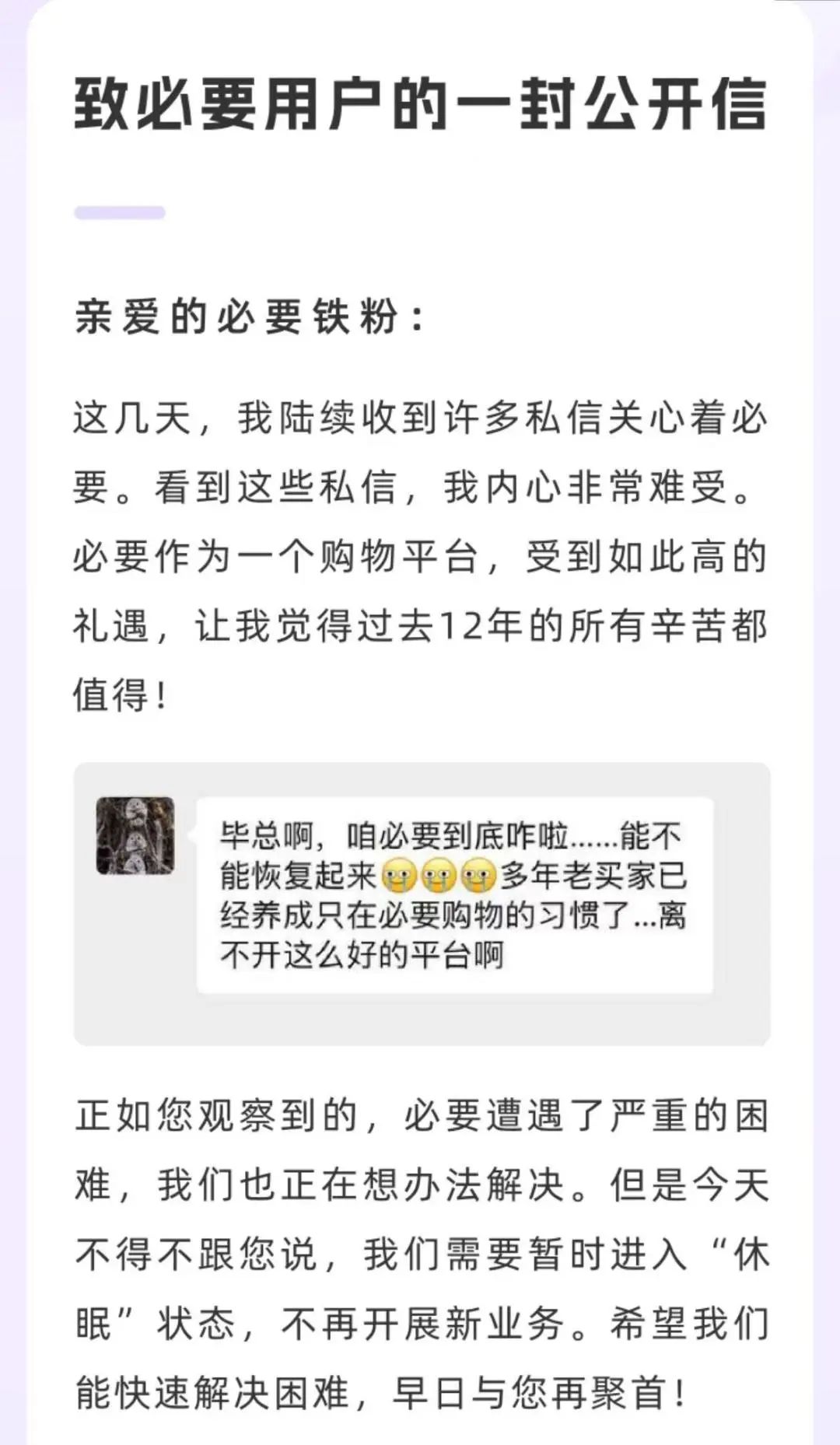
Group 1: Luxury Retail Expansion - Wangfu Central has expanded its high-end brand matrix by introducing the first Chinese flagship store of British jewelry brand GRAFF and LE LABO's fragrance laboratory in Beijing [1] - The dining sector has welcomed 17 new national or Beijing first stores, including certified Thai restaurant "CHINCHIN" and a Cantonese social dining space "DING+DIMBAR" [1] - Wangfu Central has launched cultural events such as intangible cultural heritage art exhibitions and coffee tastings, and upgraded its tax refund services for international travelers [1] Group 2: Gold Price Fluctuations - International gold prices have seen a significant decline from approximately $3430 per ounce to around $3240 per ounce, with a notable drop of $72 per ounce on May 14 [2] - Domestic gold prices have also decreased, with the price of gold from Chow Tai Fook falling to 986 yuan per gram, down 36 yuan from a week prior [2] - Shenzhen's water bay gold price dropped from 792 yuan per gram to 756 yuan per gram, reflecting a decline of over 4% due to international price changes [2] Group 3: Pricing Changes at Nai Xue - Nai Xue has increased prices for breakfast sets, requiring customers to pay for a membership card to access the original price of 9.9 yuan, with non-members facing a starting price of 15.9 yuan [3] - Several classic baked goods have been removed from the breakfast set, with new additions requiring an extra charge of 6 yuan [3] - The brand has recently changed its logo, removing "of tea" and introducing a new design that resembles both a snowflake and a fruit [3] Group 4: Necessary Mall Suspension - Necessary Mall has announced a temporary suspension of operations due to severe difficulties, with the app and mini-program still accessible but product links showing as "out of stock" [4][6] - Founded in July 2015, Necessary Mall was one of the early adopters of the C2M business model in China, initiated by CEO Bi Sheng [6] Group 5: Meituan's New Features - Meituan has upgraded its "Mingchu Plan" by introducing a "Dine-in Store" label to enhance transparency for restaurant merchants [8] - The label will be prominently displayed on the platform, helping merchants with physical stores gain more exposure [8] - Meituan has increased subsidies for small and medium-sized restaurants, with a total subsidy amounting to 50 million yuan for hardware and installation costs [8] Group 6: Dingdong Maicai's Financial Performance - Dingdong Maicai reported a revenue of 5.48 billion yuan for Q1 2025, marking a year-on-year growth of 9.1% and maintaining positive growth for five consecutive quarters [9] - The GMV reached 5.96 billion yuan, with a year-on-year increase of 7.9% [9] - Dingdong Maicai has achieved profitability under Non-GAAP standards for ten consecutive quarters and under GAAP standards for five consecutive quarters [9] Group 7: Cancellation of Meicheng Food Company - Meicheng Food Company has been deregistered, transitioning from active status to cancellation [11] - The company was involved in controversy over the authenticity of its mooncakes, leading to regulatory scrutiny and operational suspension [11]

叮咚买菜组织结构大调整,营收实现连续5个季度正增长
Guo Ji Jin Rong Bao· 2025-05-16 14:26
Core Insights - Dingdong Maicai reported a GMV of 5.96 billion yuan for Q1, representing a year-on-year growth of 7.9% [1] - The company achieved revenue of 5.48 billion yuan, with a year-on-year increase of 9.1%, marking five consecutive quarters of positive growth [1] - Non-GAAP net profit for the quarter was 30 million yuan, while GAAP net profit was 8.017 million yuan, maintaining profitability under both standards for ten and five consecutive quarters respectively [1] Business Adjustments - The company underwent significant organizational restructuring, breaking the original product development center into ten independent business units led by senior executives [1][2] - An app redesign is currently in internal testing, focusing on quality and health, with the addition of AI features [2] Strategic Initiatives - The implementation of the "4G" strategy, focusing on "good users, good products, good services, and good mindset," has begun to show results in Q1 [2] - The Shanghai region saw a GMV growth of 5.0%, while Zhejiang and Jiangsu regions experienced growth rates of 17.8% and 13.9% respectively, with all cities reporting positive year-on-year growth [2] User Engagement - Order volume increased by 12.1% year-on-year, and daily active users rose by 4.5% [2] - Monthly average order frequency reached 4.1 times, reflecting a 2.4% year-on-year increase in user stickiness [2] B2B Expansion and Internationalization - Dingdong Maicai is expanding its B2B channels and international presence, having partnered with companies like Lee Kum Kee and DFI to sell products in over 30 countries [3] - B2B revenue grew by 64.6% year-on-year, indicating steady development in this segment [3] Financial Position and Outlook - As of the end of Q1, the company had cash and cash equivalents, short-term restricted funds, and short-term investments totaling 4.29 billion yuan [3] - Management anticipates continued year-on-year growth in Q2, with expectations to maintain Non-GAAP profitability and significant improvements in scale and profit margins by year-end [3]
首批海南荔枝上市,拼多多千亿扶持如何发起"水果分级革命”?
21世纪经济报道· 2025-05-12 08:38
Core Viewpoint - The article discusses the transformation of the fresh produce e-commerce market in Hainan, particularly focusing on the quality upgrade of lychees driven by the platform Pinduoduo's initiatives and policies [3][8][10]. Group 1: Market Dynamics - Hainan's lychee market is experiencing a surge in quality, with strict sorting standards implemented by farmers, where fruits weighing less than 18 grams are labeled as "secondary" [3][4]. - Pinduoduo has introduced a "single link single specification" sales model to enhance consumer clarity and trust in product quality, resulting in a 25% year-on-year decrease in customer complaints for the fruit category [3][4][8]. - The platform's "100 billion subsidy" plan aims to invest in user and merchant support, fostering a win-win ecosystem [3][10]. Group 2: Merchant Adaptation - Merchants are adapting to the new quality standards, with some reducing their secondary fruit production by 30% and investing in ripening laboratories to meet the platform's requirements [4][10]. - The introduction of a "five-star shop" grading system by Pinduoduo incentivizes merchants to improve product quality and service levels, leading to increased exposure and sales [7][10]. Group 3: Supply Chain Innovations - Pinduoduo's "100 billion support" strategy focuses on optimizing the supply chain and enhancing quality control, encouraging merchants to invest in better sorting and handling equipment [10][12]. - The article highlights the importance of logistics and supply chain management in maintaining product quality, with examples of merchants investing in advanced sorting machines and rapid delivery systems [10][12][13]. Group 4: Consumer Behavior and Trends - The shift towards quality over price is evident, as consumers are willing to pay more for high-quality products, leading to higher repurchase rates of 30%-50% for quality-focused merchants [15][17]. - The article emphasizes that the future of fresh produce e-commerce will hinge on quality and service, with a significant correlation between high repurchase rates and profitability [17][18].

生鲜电商前置仓模式盈利难题:如何破解最后米困局
Sou Hu Cai Jing· 2025-05-09 08:50
Core Insights - The rapid development of internet technology and changing consumer shopping habits have made fresh e-commerce an important part of the retail industry. However, the front warehouse model faces significant challenges in achieving profitability. The article explores these challenges and proposes strategies to overcome the "last mile dilemma" [1]. Supply Chain Optimization - The supply chain is a core competitive advantage for fresh e-commerce. The front warehouse model requires minimizing the time from production to consumer to ensure product freshness. This complexity necessitates stable relationships with multiple suppliers and efficient logistics to reduce losses [3]. - Advanced information technologies such as big data analytics and artificial intelligence should be introduced for intelligent supply chain management. Strengthening cooperation with suppliers is essential for ensuring stable quality and supply [3]. Cost Control - Cost control is crucial for profitability in the front warehouse model, which incurs high operational costs including warehouse rent, equipment, and labor. High spoilage rates during transportation and storage further complicate cost management [4]. - Companies can optimize warehouse layout to reduce space and rental costs, implement advanced warehouse management systems to enhance efficiency, and improve logistics routes to lower costs. Advanced preservation technologies can also help reduce spoilage [4]. User Experience Enhancement - User experience is a key factor for success in fresh e-commerce. While fast delivery is an advantage of the front warehouse model, product quality is central to user satisfaction. Continuous optimization of user interfaces and customer service is necessary [5]. - Advanced technologies like artificial intelligence and big data analytics can be utilized for precise demand forecasting and personalized recommendations, enhancing user experience [5]. Market Competition Analysis - The fresh e-commerce market is highly competitive, facing challenges from traditional retailers and other e-commerce platforms. Traditional retailers have advantages in supply chain and logistics, while other platforms benefit from larger user bases and brand influence [6]. - To stand out, fresh e-commerce companies need differentiated strategies, focusing on high-quality products and excellent customer service to build a strong brand image [6]. Technology Innovation Application - Technological innovation is a driving force for profitability in the front warehouse model. Big data analytics can enhance demand forecasting and conversion rates, while artificial intelligence can improve supply chain efficiency [7]. - Companies should invest in technology research and development, recruit skilled personnel, and collaborate with academic institutions to enhance their technological capabilities [7]. Policy Environment Analysis - The regulatory environment significantly impacts the development of the fresh e-commerce front warehouse model. Compliance with food safety and cold chain logistics regulations affects operational efficiency and product quality [8]. - Companies need to stay updated on policy changes and establish robust compliance management systems to align with regulatory requirements [8]. Brand Building and Marketing - Brand building and marketing are essential for profitability in the front warehouse model. A strong brand image increases user trust and loyalty, while effective marketing strategies attract user traffic [9]. - Companies should implement differentiated branding and marketing strategies, leveraging advanced technologies for precise demand forecasting and personalized recommendations [9]. User Data Analysis - User data analysis is a vital tool for profitability in the front warehouse model. It helps companies understand user preferences and optimize products and services [10]. - Companies should adopt advanced technologies for data collection and analysis, and strengthen their data analysis teams to enhance competitive capabilities [10]. Logistics Optimization - Logistics is a core component of the front warehouse model, directly affecting operational efficiency and profitability. The quality and safety of logistics impact user satisfaction [11]. - Companies should implement advanced technologies for intelligent logistics management and collaborate with third-party logistics providers to enhance efficiency [11]. Product Diversification Strategy - Product diversification is crucial for meeting diverse user needs and reducing market risks. It can enhance user conversion and retention rates [12]. - Companies should leverage advanced technologies for demand forecasting and strengthen product development capabilities to improve market competitiveness [12]. Customer Relationship Management - Effective customer relationship management is essential for understanding user needs and enhancing loyalty. It can lead to increased revenue and profitability [13]. - Companies should utilize advanced technologies for data analysis and strengthen customer service teams to improve user satisfaction [13]. Risk Management and Control - Risk management is vital for identifying and mitigating potential risks, enhancing the company's resilience [14]. - Establishing a comprehensive risk management system and collaborating with insurance providers can help reduce potential losses [14]. Partner Relationship Management - Managing partner relationships is crucial for establishing stable supply chains and logistics systems, enhancing operational efficiency [16]. - Companies should implement advanced technologies for partner data management and strengthen collaboration with suppliers and logistics firms [16]. Market Expansion Strategy - Market expansion strategies are important for increasing market share and profitability. They can also help mitigate market risks [17]. - Companies should adopt advanced technologies for market demand forecasting and collaborate with local associations for market outreach [17]. Financial Management and Optimization - Financial management is essential for effective fund allocation and improving profitability. It can help reduce operational costs and financial risks [18]. - Companies should establish robust financial management systems and collaborate with financial institutions for funding support [18]. Human Resource Management and Development - Human resource management is crucial for optimizing talent allocation and enhancing operational efficiency [19]. - Companies should develop comprehensive HR management systems and collaborate with educational institutions for employee training [19]. Corporate Culture and Values - Corporate culture and values are important for building a strong brand image and enhancing employee cohesion [20]. - Companies should implement differentiated strategies for culture and values to improve innovation and competitiveness [20]. Social Responsibility and Sustainable Development - Social responsibility and sustainable development are essential for long-term profitability and brand image [21]. - Companies should develop strategies for social responsibility and sustainability to enhance user trust and loyalty [21]. Innovation and R&D - Innovation and R&D are key drivers for profitability in the front warehouse model, helping differentiate products and services [22]. - Companies should invest in R&D and collaborate with academic institutions to enhance technological capabilities [22]. Internationalization Strategy - Internationalization strategies can help expand market share and reduce market risks [23]. - Companies should adopt advanced technologies for market demand forecasting and strengthen international teams for effective market penetration [23].

出海速递 | 中国争抢的第三座迪士尼乐园落户中东背后/特朗普政府据悉拟取消拜登时代的AI芯片限制
3 6 Ke· 2025-05-08 10:56
Group 1 - Disney plans to open a new theme park and resort in Abu Dhabi, marking its first major entry into the Middle East market and its seventh global resort project [6] - The project aligns with Disney's broader strategy to invest $60 billion in its theme parks and cruise business by 2033, with approximately $30 billion allocated for expansions in Florida and California [6] - Amazon is expanding its low-cost platform, Amazon Haul, into the UK and Saudi Arabia, offering thousands of products priced at £20 or below, with many items under £10 [6] Group 2 - Hive Energy reported a significant increase in overseas installations, with a 126% year-on-year growth in overseas shipments of power batteries, totaling 0.77 GWh in April [7] - Dingdong Maicai has entered the Hong Kong market, partnering with DFI Retail Group to provide seasonal vegetables and other products, aiming for a sales target of HKD 100 million in the first year [7] - Grab is seeking to acquire Indonesian competitor GoTo for approximately $7 billion, with discussions ongoing regarding financing terms [5][6] Group 3 - Maersk has revised its global container market outlook, projecting a growth rate adjustment from 4% to a range of -1% to 4% due to increased macroeconomic and geopolitical uncertainties [8] - The company reported a 7.8% revenue growth in Q1 2025, reaching $13.3 billion, while maintaining its financial expectations for the year [8]