
炼油

Search documents
Phillips 66 (PSX) Q3 Earnings: Taking a Look at Key Metrics Versus Estimates
ZACKS· 2025-11-07 22:31
Core Insights - Phillips 66 reported a revenue of -$999 million for the quarter ended September 2025, marking a significant decline of 102.8% year-over-year, while EPS increased to $2.52 from $2.04 in the previous year [1] - The reported revenue was in line with the Zacks Consensus Estimate of $30 billion, and the EPS exceeded the consensus estimate of $2.07 by 21.74% [1] Financial Performance Metrics - Phillips 66's shares returned +5.4% over the past month, outperforming the Zacks S&P 500 composite, which saw a -0.2% change [3] - The company holds a Zacks Rank 3 (Hold), suggesting it may perform in line with the broader market in the near term [3] Refining Operations - Gulf Coast crude oil capacity was reported at 529 thousand barrels, matching analyst estimates [4] - Atlantic Basin/Europe crude oil capacity also stood at 537 thousand barrels, in line with estimates, with a capacity utilization of 99%, exceeding the average estimate of 92.5% [4] - Total petroleum products sales volumes reached 2,375 thousand barrels, surpassing the analyst average estimate of 2,255.45 thousand barrels [4] Revenues and Other Income - Sales and other operating revenues were reported at $34.52 billion, exceeding the five-analyst average estimate of $31.24 billion, reflecting a year-over-year decline of 2.9% [4] - Equity in earnings of affiliates was $337 million, above the estimated $315.92 million, but down 38.6% from the previous year [4] - Other income increased to $116 million, significantly higher than the two-analyst average estimate of $40.03 million, representing a year-over-year increase of 38.1% [4] Segment Revenues - Total refining revenues were reported at $19.34 billion, exceeding the two-analyst average estimate of $16.4 billion, with a year-over-year increase of 119.9% [4] - Total midstream revenues reached $5.08 billion, slightly below the average estimate of $5.37 billion, but still reflecting a year-over-year increase of 33.6% [4] - Total marketing and specialties revenues were $22.59 billion, surpassing the two-analyst average estimate of $21.36 billion, with a marginal year-over-year increase of 0.9% [4]


Delek US(DK) - 2025 Q3 - Earnings Call Transcript
2025-11-07 16:30
Financial Data and Key Metrics Changes - Delek reported adjusted EPS of $1.52 and adjusted EBITDA of approximately $319 million for Q3 2025, reflecting strong momentum and progress from the enterprise optimization plan [3][14] - Net income for the quarter was $178 million, or $2.93 per share, while adjusted net income was $434 million, or $7.13 per share, with adjusted EBITDA reaching approximately $760 million [14][15] - Cash flow from operations was $44 million, but adjusted for working capital, it improved to $150 million, a $202 million increase compared to Q3 last year [16] Business Line Data and Key Metrics Changes - The supply and marketing segment contributed approximately $130 million in the quarter, with wholesale marketing generating about $70 million [12][13] - The logistics segment delivered approximately $132 million in adjusted EBITDA, marking an $11 million increase over the previous record [15] - The enterprise optimization plan (EOP) contributed approximately $60 million to the P&L in Q3, leading to an increase in the annual run rate EOP improvement target from $150 million to at least $180 million [5][9] Market Data and Key Metrics Changes - The refining system achieved record throughput, with Krotz Springs setting a record high [11] - Total throughput in Tyler was 76,000 barrels per day, with a production margin of $11.32 per barrel [11] - El Dorado's throughput was approximately 83,000 barrels per day, with a production margin of $7.43 per barrel [12] Company Strategy and Development Direction - The company is focused on safe and reliable operations, with a strong operational quarter across its refining system [4] - Delek is committed to a disciplined capital allocation framework, having paid approximately $15 million in dividends and repurchased $15 million of its shares [9] - The company is optimistic about the future, expecting to finish 2025 strong and build on current momentum [9] Management's Comments on Operating Environment and Future Outlook - Management expressed confidence in the monetization of granted RINs, expecting approximately $400 million in profits over the next six to nine months [6][24] - The company anticipates continued strength in distillate cracks and a positive outlook for Q4 [47] - Management emphasized the importance of the EOP as a core strength and a continuous improvement culture within the organization [5][40] Other Important Information - The company has increased its full-year EBITDA guidance for Delek Logistics to between $500 million and $520 million [4][9] - The EPA's approval of several SRE petitions is seen as a critical part of the current administration's energy policy, with implications for future profitability [6][24] Q&A Session Summary Question: Refining throughput guidance and RVO risk - Management clarified that they expect to qualify for 100% of SREs for 2025 and are confident in the legal backing for their petitions [20][25] Question: Clarification on total adjusted refining margin - The reported total adjusted refining margin of $688.6 million includes SRE benefits, while gross margins reported do not [29][30] Question: Impact of Permian Sour Gas opportunity - Management highlighted the strategic advantage of being early in the Permian Sour Gas market and the need for rapid solutions for sour gas [32][35] Question: Timing of SRE cash impact on balance sheet - Management expects to see cash from SRE monetization in the next six to nine months [37][38] Question: Drivers of recent EOP cash savings guidance increase - Management emphasized that EOP is a lifestyle across the organization, with ongoing initiatives leading to improved margins and cash flow [39][40] Question: Strength of wholesale and supply results - Management noted that structural improvements in the wholesale business are a significant part of the EOP progress [43][45] Question: Sensitivity of results to Group 3 pricing - Management stated that the enterprise optimization plan aims to reduce dependence on specific market conditions, leading to more structural improvements [58][59] Question: Monetization of $400 million in RINs - Management confirmed that $400 million is a solid number to model for future cash flow from RINs [60][61]

10月份CPI同比增速有望回升
Zheng Quan Ri Bao Zhi Sheng· 2025-11-07 16:12
Group 1 - The overall price trend in October is expected to remain stable, with a potential recovery in CPI growth due to the National Day and Mid-Autumn Festival boosting tourism and consumption prices [1] - CPI is projected to turn positive at 0.1% year-on-year, while PPI is expected to show a slight decline, with a year-on-year drop of 2.5% [2] - Food prices are experiencing structural increases, particularly in vegetables and fruits, while pork and egg prices are declining due to reduced demand post-holidays [1][2] Group 2 - The service sector's business activity index has risen to 50.2%, indicating a slight recovery, influenced by holiday spending and upcoming promotional events [2] - The CRB index has decreased by 1.2% month-on-month, primarily due to a significant drop in Brent crude oil prices, while metal prices have increased by 3.9% [3] - Domestic industrial product prices are declining, with the South China Industrial Products Index down by 2.0% month-on-month, reflecting limited demand support [3]
西南期货早间评论-20251107
Xi Nan Qi Huo· 2025-11-07 08:50
Report Industry Investment Ratings No relevant content provided. Core Views - For Treasury bonds, it is expected that there will be no trending market, and caution should be maintained [5][6]. - For stock index futures, the risk of a significant decline is low, and one can choose the right time to go long [7][8][9]. - For precious metals, the short - term pricing is relatively full. After taking profit on long positions, one can wait and see [10][11]. - For rebar and hot - rolled coils, the mid - term weakness of rebar prices may be difficult to change, and hot - rolled coils may follow the same trend. Investors can focus on shorting opportunities at high levels during rebounds [12][13]. - For iron ore, the supply - demand pattern has weakened. Investors can look for shorting opportunities at high levels [15]. - For coking coal and coke, the short - term strength may continue. Investors can pay attention to buying opportunities on pullbacks [17][18]. - For ferroalloys, the short - term supply may remain in excess. One can consider long positions at low levels when the spot falls into the loss range again [20][21]. - For crude oil, the main contract should be temporarily observed [22][23][24]. - For fuel oil, one can focus on shorting opportunities for the main contract [25][26][27]. - For polyolefins, one can focus on going long opportunities [28][29]. - For synthetic rubber, it is expected to move in a range [30]. - For natural rubber, one can pay attention to going long opportunities [31][32]. - For PVC, one should focus on changes in the supply side [33][34]. - For urea, the downside space is limited [34][36]. - For PX, it may be adjusted in a range. One should pay attention to changes in crude oil and macro - policies [37]. - For PTA, it may move in a range. One should be cautious, control risks, and pay attention to oil price changes [38]. - For ethylene glycol, it may be under pressure in the short term. One should focus on port inventory and supply changes [39]. - For short - fiber, it may follow the cost to move in a range. One should control risks and pay attention to cost changes and macro - policy adjustments [40][41]. - For bottle chips, it is expected to follow the cost to move in a range. One should control risks [42]. - For lithium carbonate, pay attention to the sustainability of consumption [43]. - For copper, it is in a stage of adjustment [44][45]. - For aluminum, it is expected to run at a high level [46][47]. - For zinc, it is expected to continue the range - bound pattern [48][49]. - For lead, one should be cautious when chasing long positions [50][51]. - For tin, it may move strongly in a range [52][53]. - For nickel, it may move in a range [54]. - For soybean oil and soybean meal, one can consider exiting long positions when soybean meal continues to rise. Soybean oil can be temporarily observed [55][56]. - For palm oil, one can consider going long on pullbacks [57][58]. - For rapeseed meal and rapeseed oil, one can consider the strategy of buying near - term contracts and selling far - term contracts for rapeseed meal [59][60][61]. - For cotton, the upside space of cotton prices is expected to be limited [62][63][64]. - For sugar, the downside has certain support [65][67][68]. - For apples, one should wait and see [69][70]. - For live pigs, one can consider shorting opportunities on rebounds [71][72]. - For eggs, one can continue to hold short positions and pay attention to adding short positions on rebounds [73][74][75]. - For corn and corn starch, it is advisable to wait and see for corn, and corn starch may follow the corn market [76][77][78]. Summary by Categories Treasury Bonds - On the previous trading day, most Treasury bond futures closed down. The central bank conducted 92.8 billion yuan of 7 - day reverse repurchase operations, with a net withdrawal of 249.8 billion yuan. The macro - economic recovery momentum needs to be strengthened, and the Treasury bond yield is at a relatively low level [5]. Stock Index Futures - On the previous trading day, stock index futures showed mixed performance. The domestic economic recovery momentum is weak, but asset valuations are low, and the market sentiment has warmed up. The risk of a significant decline is low [7][8]. Precious Metals - On the previous trading day, gold and silver futures rose. The US labor market has slowed down, and the Fed is expected to cut interest rates. However, the recent increase has been large, and the pricing is relatively full [10]. Rebar and Hot - Rolled Coils - On the previous trading day, rebar and hot - rolled coil futures rebounded slightly. In the medium term, the demand for rebar is still declining year - on - year, and the inventory pressure is obvious. The fundamentals of hot - rolled coils are similar [12][13]. Iron Ore - On the previous trading day, iron ore futures rebounded slightly. The demand has declined, the supply is expected to increase year - on - year in the fourth quarter, and the port inventory has risen [15]. Coking Coal and Coke - On the previous trading day, coking coal and coke futures rebounded significantly. The supply of coking coal is slightly tight, and the third - round increase in coke procurement prices has been implemented [17]. Ferroalloys - On the previous trading day, manganese silicon and silicon iron futures rose. The supply of manganese ore has increased slightly, and the cost has risen. The production of ferroalloys remains high, and the demand is weak [20]. Crude Oil - On the previous trading day, INE crude oil fluctuated slightly. The number of US oil and gas rigs has increased, and OPEC will suspend production increases next year [22][23]. Fuel Oil - On the previous trading day, fuel oil fluctuated slightly. The market expects sufficient supply, but there are also positive factors such as sanctions on Russia [25][26]. Polyolefins - On the previous trading day, the PP market in Hangzhou declined, and the LLDPE price in Yuyao partially fell. The supply is affected by maintenance, the inventory is low, and the demand is weak [28]. Synthetic Rubber - On the previous trading day, synthetic rubber futures rose. The cost is weak, the supply is affected by maintenance, and the demand from tire enterprises has declined [30]. Natural Rubber - On the previous trading day, natural rubber futures rose. The supply is affected by bad weather, the demand from tire enterprises has declined, and the inventory has decreased [31]. PVC - On the previous trading day, PVC futures fell slightly. The supply exceeds demand, and the cost and profit situation is complex. The demand in the north has entered the off - season [33]. Urea - On the previous trading day, urea futures rose. The supply has increased slightly, the demand is affected by the end of the autumn fertilizer season, and the profit has narrowed [34]. PX - On the previous trading day, PX futures rose. The short - term supply - demand structure has improved, the PXN spread is relatively strong, and the cost is affected by the fluctuating crude oil [37]. PTA - On the previous trading day, PTA futures rose. The supply load has been adjusted, the demand from polyester is stable, and the processing fee has declined [38]. Ethylene Glycol - On the previous trading day, ethylene glycol futures rose. The overall start - up load has decreased, the port inventory has increased, and the demand support is limited [39]. Short - Fiber - On the previous trading day, short - fiber futures rose. The supply remains at a high level, the demand has little change, and the cost drive has increased [40][41]. Bottle Chips - On the previous trading day, bottle chip futures rose. The processing fee has decreased, the supply load is stable, the export growth has slowed down, and it is mainly driven by cost [42]. Lithium Carbonate - On the previous trading day, lithium carbonate futures rose. The supply is at a high level, the demand from the energy storage and power battery sectors has improved, and the inventory has decreased [43]. Copper - On the previous trading day, copper futures fell. The overseas mine production is disturbed, the supply of copper concentrate is tight, and the high price suppresses consumption [44]. Aluminum - On the previous trading day, aluminum futures showed mixed performance. The supply of alumina is in excess, the electrolytic aluminum production may be affected by winter restrictions, and the consumption is under pressure [46]. Zinc - On the previous trading day, zinc futures rose. The supply of refined zinc is restricted, the demand is weak, and the inventory has decreased slightly [48]. Lead - On the previous trading day, lead futures fell. The production of primary lead is stable, the production of recycled lead recovers slowly, and the high price suppresses demand [50]. Tin - On the previous trading day, tin futures rose. The supply of tin ore is tight, the demand shows certain resilience, and the inventory has decreased [52][53]. Nickel - On the previous trading day, nickel futures rose. The market is worried about supply, the cost of nickel - iron plants is under pressure, the consumption is weak, and the inventory is at a relatively high level [54]. Soybean Oil and Soybean Meal - On the previous trading day, soybean oil and soybean meal futures rose. The trade sentiment is weak, the soybean supply is loose, the demand for soybean meal is expected to grow moderately, and the demand for soybean oil is suppressed [55][56]. Palm Oil - On the previous trading day, palm oil futures rose. The market is waiting for new data, the domestic import has decreased, and the inventory is at a medium level [57]. Rapeseed Meal and Rapeseed Oil - On the previous trading day, the price of rapeseed oil rose, and the price of rapeseed meal was stable. The Canadian rapeseed price has declined, and the domestic inventory of rapeseed and its products is at different levels [59][60]. Cotton - On the previous trading day, domestic cotton futures fluctuated slightly, and the overseas cotton price fell. The Sino - US trade relationship is favorable in the medium - long term, but the short - term is affected by harvest pressure [62][63]. Sugar - On the previous trading day, domestic sugar futures fluctuated, and the overseas sugar price rose. The Brazilian sugar production is expected to increase, and the global sugar supply may be in surplus [65]. Apples - On the previous trading day, domestic apple futures rebounded slightly. The opening price is higher than last year, the inventory is lower, and the quality of this year's apples is poor [69]. Live Pigs - On the previous trading day, the national average price of live pigs rose slightly. The supply is increasing, the demand is weak, and the cost is at a low level [71]. Eggs - On the previous trading day, the price of eggs was stable. The egg - laying hen inventory is at a high level, the supply is sufficient, and the consumption support is weak [73]. Corn and Corn Starch - On the previous trading day, corn and corn starch futures rose. The new - season corn harvest is almost complete, the supply pressure is high, the demand is growing slightly, and the inventory of corn starch is at a high level [76][77][78].
沙特下调12?OSP报价,聚酯需求延续良好态势
Zhong Xin Qi Huo· 2025-11-07 04:01
1. Report Industry Investment Rating The report does not explicitly mention the industry investment rating. 2. Core Viewpoints of the Report - The energy and chemical industry is expected to continue its oscillatory consolidation. Crude oil should be treated with an oscillatory mindset. PX is in a strong position, and the short - term price is expected to be oscillatory and slightly bullish. PTA's supply - demand pattern shows an improvement expectation, and the price is expected to be supported [3][14]. - Most products in the energy and chemical sector are expected to oscillate, with some showing a slightly bullish or bearish tendency in the short - term, depending on factors such as supply - demand relationships, cost changes, and market sentiment [3]. 3. Summary According to Relevant Catalogs 3.1 Market Overview - On November 6, 2025, the Chinese A - share market rose, and the commodity market sentiment generally improved. PX and PTA in the energy and chemical sector performed well, with PX rising more than PTA, and TA's processing fee per ton dropping to 120 yuan/ton. The rise of aromatics is related to the high cracking spread of global gasoline, and there has been arbitrage from Asian blending products to the Americas recently. The downstream demand for polyester remains healthy, and the loom operating rate has increased week - on - week [2]. 3.2 Product - by - Product Analysis 3.2.1 Crude Oil - **Viewpoint**: Supply pressure persists, geopolitical risks remain, and the price is expected to oscillate. - **Main Logic**: Saudi Arabia has lowered the official selling price for Asia, corresponding to the downward shift of the Middle - East oil premium center in the past month. Russian refineries have been attacked, and the US refined oil inventory has decreased smoothly since October. The overseas gasoline and diesel markets remain strong, and the reduction of refined oil inventory pressure and the strong cracking spread support the crude oil demand. However, the continuous inventory build - up in reality is difficult to change, so the price oscillates [9]. 3.2.2 Asphalt - **Viewpoint**: The asphalt futures price may test the 3200 yuan/ton resistance level again. - **Main Logic**: OPEC+ is expected to continue increasing production in December, the Israel - Palestine conflict has ended, and the situation between the US and Venezuela is under control. The asphalt futures price has fallen below the important support level of 3200 yuan/ton, which may turn into a resistance level. The asphalt - fuel oil spread has fallen below 400 yuan/ton, the production schedule in November has decreased significantly, but the demand has entered the off - season. The supply shortage problem has been resolved, and the driving force for the high premium of asphalt has weakened. The pricing weight of asphalt futures has returned to Shandong, and the inventory build - up pressure is still large [11]. 3.2.3 High - Sulfur Fuel Oil - **Viewpoint**: The fuel oil is expected to oscillate weakly. - **Main Logic**: OPEC+ is expected to continue increasing production in December, the Israel - Palestine conflict has ended, but the premium on Russian products in Europe and the US still exists. The fuel oil supply in the Asia - Pacific region in November is expected to decrease due to the decline in Russian exports. However, the refinery processing demand is weak, and the fuel oil demand is still weak as it has entered the off - season [11]. 3.2.4 Low - Sulfur Fuel Oil - **Viewpoint**: The refined oil market is strong, and low - sulfur fuel oil may run strongly. - **Main Logic**: Low - sulfur fuel oil follows the weak oscillation of crude oil, and the 3500 yuan/ton resistance level is effective in the short - term. The main product attribute of low - sulfur fuel oil is strong, and the decline in Russian refined oil exports has driven the rebound of the gasoline and diesel cracking spread, supporting low - sulfur fuel oil. However, it faces negative factors such as the decline in shipping demand, green energy substitution, and high - sulfur substitution. The valuation of low - sulfur fuel oil is low, and it is expected to follow the movement of crude oil [13]. 3.2.5 Methanol - **Viewpoint**: The 2100 yuan/ton integer level provides some support, and methanol is expected to oscillate. - **Main Logic**: The methanol futures price oscillated on November 6. The domestic methanol factory operating rate remains high, resulting in sufficient supply. The port inventory is relatively high, which still suppresses the price in the short - term. However, considering the possible disturbances in Iran in winter, methanol still has long - buying value and should be treated with an oscillatory view in the short - term [28]. 3.2.6 Urea - **Viewpoint**: The export information has been confirmed, and urea is expected to oscillate strongly in the short - term. - **Main Logic**: On November 6, the supply - demand pattern of urea remained loose. Although the supply has returned to a high level after the end of plant maintenance, the demand is weak due to the end of winter wheat sowing. The high inventory pressure still exists, but the coal cost provides strong support. Combined with the speculation about export information in the market, urea is expected to oscillate strongly [28]. 3.2.7 Ethylene Glycol (EG) - **Viewpoint**: Supply and demand are under pressure, and the rebound height is limited under the fermentation of market sentiment. - **Main Logic**: The polyester chain products have strengthened, but EG's own supply - demand is weak, and the port inventory has continued to increase this week. The overall price elasticity of EG will be significantly suppressed in the medium - term. Although the factory operating rate of EG has decreased this week, providing some support to the price, the long - term inventory build - up pressure is large, and the rebound height is limited [20][21]. 3.2.8 PX - **Viewpoint**: PX is leading the polyester chain strongly, and the short - term market sentiment is enthusiastic. - **Main Logic**: The cost change is limited. There are rumors of production cuts and PX factory maintenance in the market, driving PX and PTA prices up. PX has been in a strong position in 2025, with continuous inventory reduction and tight spot liquidity. The supply of PX is expected to be tight in the first half of next year, and the positive growth of downstream demand supports PX demand to some extent [14]. 3.2.9 PTA - **Viewpoint**: After the meeting, PTA plants have stopped production in batches, and the market sentiment continues to ferment. - **Main Logic**: Affected by market news, the PTA futures price has strengthened significantly. Although it is difficult for enterprises to reach a coordinated production - cut agreement, there are many planned plant disturbances in November. The supply - demand pattern of PTA is expected to improve, and the downward compression space of the PTA processing spread is limited, but the upward space depends on whether there is more than expected production cut [14]. 3.2.10 Short - Fiber - **Viewpoint**: Caught between rising costs and falling demand expectations, the processing fee is passively compressed. - **Main Logic**: The price of upstream raw materials has risen due to capital speculation, and short - fiber has followed the cost increase but with a smaller increase, resulting in a passive compression of the processing fee. Although the downstream procurement has increased in the afternoon under the influence of market sentiment, the overall sales this week have been weak, and short - fiber has continued to accumulate inventory [22][23]. 3.2.11 Bottle - Chip - **Viewpoint**: It follows the rise of raw materials passively. - **Main Logic**: The upstream raw material futures have risen, driving some polyester bottle - chip factories to raise their prices. The market trading atmosphere is okay, and the processing fee is within a stable range [24][25]. 3.2.12 Polypropylene (PP) - **Viewpoint**: As the price drops, the trading volume increases, and PP is expected to oscillate. - **Main Logic**: The downstream trading volume has increased as the price drops. The price of crude oil oscillates, and OPEC+ has shown a cautious attitude towards increasing production. PP's own fundamental support is limited. As the peak season fades, the upstream and mid - stream still have the intention to reduce inventory at high prices, and the production pressure is large due to the decrease in maintenance and the increase in production capacity [31][32]. 3.2.13 Linear Low - Density Polyethylene (LLDPE) - **Viewpoint**: The downstream trading volume has increased, and LLDPE is expected to oscillate. - **Main Logic**: The LLDPE futures price oscillates. The price of crude oil oscillates, and OPEC+ has shown a cautious attitude towards increasing production. LLDPE's own fundamental support is limited. As the peak season fades, the upstream and mid - stream still have the intention to reduce inventory at high prices, and the production pressure is large due to the decrease in maintenance and the increase in production capacity [30]. 3.2.14 PVC - **Viewpoint**: The market sentiment has cooled down, and PVC is expected to oscillate weakly. - **Main Logic**: At the macro - level, the macro - disturbances in November have subsided. At the micro - level, the PVC fundamentals are under pressure, with stable costs. The upstream maintenance has ended in early November, and PVC production will increase. The downstream operating rate has recovered, but only the low - price procurement volume has increased. The PVC export order signing has weakened this week, and the anti - dumping measure suppresses the export expectation [34]. 3.2.15 Caustic Soda - **Viewpoint**: With low valuation and weak expectations, caustic soda is expected to oscillate. - **Main Logic**: At the macro - level, the macro - disturbances in November have subsided. At the micro - level, the fundamentals of caustic soda have improved this week, but the driving force for continuous improvement is limited. The alumina production capacity has decreased, the demand for caustic soda from Weiqiao is still high, the new alumina project in Guangxi in the first quarter of 2026 will boost the demand for caustic soda, the non - aluminum operating rate is stable, and the replenishment intention is not high. The maintenance of caustic soda plants will end in early November, and the production will increase month - on - month [35]. 3.3 Data Monitoring - **Inter - period Spreads**: The inter - period spreads of various products such as Brent, Dubai, PX, PTA, etc. have changed to different extents. For example, the 1 - 5 month spread of PX has increased by 22 yuan/ton [37]. - **Basis and Warehouse Receipts**: The basis and warehouse receipts of different products also show different changes. For example, the basis of asphalt has increased by 17 yuan/ton, and the warehouse receipt is 7690 [38]. - **Inter - product Spreads**: The spreads between different products, such as 1 - month PP - 3MA, 1 - month TA - EG, etc., have also changed. For example, the 1 - month TA - EG spread has increased by 78 yuan/ton [40].
遭乌军7架无人机袭击,俄士兵奇迹生还,视频曝光!乌军袭击伏尔加格勒炼油厂,俄方:在该州击落49架乌无人机
Mei Ri Jing Ji Xin Wen· 2025-11-06 14:15
Group 1 - Ukraine is facing increasing military pressure due to difficulties in conscription and slow delivery of weapons from the US and Europe, prompting larger-scale drone attacks [3] - Ukraine plans to invest $22.5 billion by 2030 to produce 18 million drones annually, with 90% of production focused on FPV (First Person View) drones, aiming for a target output of 8 million by 2026 [3] - The military-industrial sector has contributed to one-third of Ukraine's economic growth, with a 142% increase in the number of companies over the past two years, alongside a significant boost in ammunition and missile production capacity [3] Group 2 - Ukrainian forces have recently targeted Russian military facilities, including a drone storage and assembly base in the Donetsk airport area, resulting in explosions and secondary blasts [3] - Ukrainian military also attacked the Volgograd refinery, which has an annual processing capacity of 15.7 million tons, accounting for 5.6% of Russia's total refining capacity [5] - Russian authorities reported intercepting and destroying 75 Ukrainian fixed-wing drones in a single night, with 49 of those in Volgograd region [5]

乌称袭击俄军事能源目标
中国能源报· 2025-11-06 13:32
Group 1 - Ukraine's armed forces conducted strikes on a drone storage, assembly, and launch base located in the Donetsk airport area, resulting in explosions and secondary explosions [1] - The Ukrainian military also targeted the Volgograd refinery in Russia, which has an annual processing capacity of 15.7 million tons, accounting for 5.6% of Russia's total refining capacity [3] - Russian authorities reported that they intercepted and destroyed 75 Ukrainian fixed-wing drones during a large-scale drone attack, with 49 of these drones shot down in Volgograd region [3]
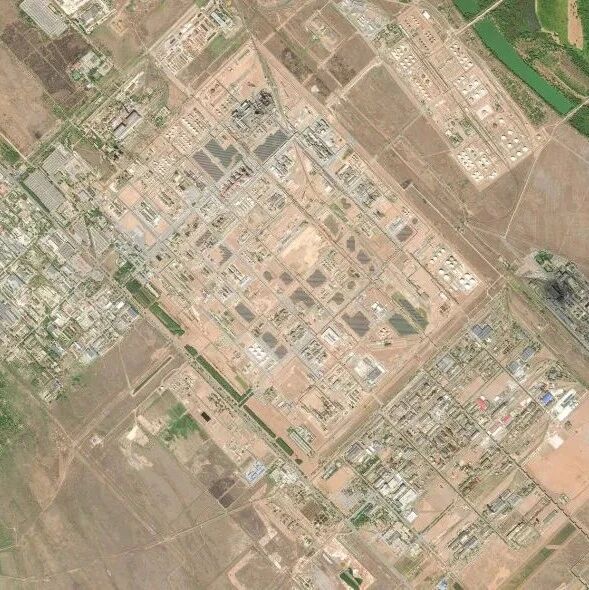
预计11月国内汽、柴油炼油利润或环比下跌 批零利润或环比上涨
Xin Hua Cai Jing· 2025-11-06 06:28
Core Viewpoint - The oil market is under pressure with a significant decline in crude oil prices in October, leading to lower retail prices and weak demand for gasoline and diesel, particularly in Shandong province [1][2][4]. Group 1: Oil Price Trends - In October, the average WTI price decreased by 5.45% and Brent by 5.37%, reflecting a downward trend in international oil prices [2]. - The oil market experienced a decline in early October due to oversupply and macroeconomic risks, but prices rebounded later in the month due to geopolitical and macroeconomic factors [2][4]. Group 2: Domestic Market Impact - The retail price of refined oil in Shandong saw two reductions in October, negatively impacting gasoline and diesel prices [4]. - The average gasoline ex-factory price in Shandong fell by 510 CNY/ton (3.94% decrease), while diesel prices dropped by 185 CNY/ton (2.62% decrease) [4]. Group 3: Price Differentials - The average gasoline crack spread in Shandong was 867.91 CNY/ton, down 4.52% month-on-month, while the diesel crack spread increased by 9.39% to 787.87 CNY/ton [4]. - The average theoretical wholesale-retail price differential for gasoline rose by 8.35% to 2051.06 CNY/ton, and for diesel, it increased by 4.12% to 1434.78 CNY/ton [6]. Group 4: Future Outlook - Looking ahead to November, crude oil prices are expected to remain under pressure due to weak demand and increased supply from Saudi Arabia, which may lead to a decline in refined oil prices [7]. - Gasoline demand is anticipated to remain weak without holiday support, while diesel demand may see slight improvement due to construction activities and e-commerce logistics [7].

两印企拟共建炼化项目
Zhong Guo Hua Gong Bao· 2025-11-05 07:53
Core Insights - Bharat Petroleum Corporation Limited (BPCL) and Indian Oil Corporation have signed a non-binding memorandum of understanding to explore potential collaboration on BPCL's proposed new refinery and petrochemical complex near Ramayapatnam Port in Andhra Pradesh [1] Company Summary - BPCL plans to construct a refinery with a capacity of 9 to 12 million tons per year, with an investment of 1 trillion Indian Rupees [1] - The project has received necessary statutory approvals and has secured 6,000 acres of land from the Andhra Pradesh government [1] - The Ramayapatnam refinery complex will include a steam cracking unit with an annual production of 1.5 million tons of ethylene, marking the first such facility in southern India [1] - The petrochemical products will account for 35% of the facility's output, making it the highest proportion of petrochemical products in India [1] - The project is expected to commence commercial operations by 2030 with support from the Andhra Pradesh government [1] Industry Summary - The Indian refining industry is undergoing a transformation, increasingly relying on integration with the petrochemical sector [1] - BPCL is actively advancing its petrochemical initiatives, currently progressing on two major projects in Bina and Kochi, with a total investment of 540 billion Indian Rupees [1] - Both projects are reported to be progressing smoothly [1]
SK Innovation 2025Q3 电池业务实现营收 1.81 万亿韩元,营业亏损 1248 亿韩元
HUAXI Securities· 2025-11-05 06:15
Investment Rating - The report recommends the industry [7] Core Insights - In Q3 2025, the company achieved revenue of 20.53 trillion KRW, a quarter-on-quarter increase of 1.23 trillion KRW and a year-on-year increase of 2.88 trillion KRW [3][20] - The operating profit reached 573.5 billion KRW, with a quarter-on-quarter increase of 991.1 billion KRW and a year-on-year increase of 996.8 billion KRW, primarily driven by the recovery in refining business and strong LNG power generation performance [3][20] - The battery business reported revenue of 1.81 trillion KRW with an operating loss of 124.8 billion KRW, although SK On achieved an operating profit of 17.9 billion KRW post-merger, marking the second consecutive quarter of profitability [9][20] Summary by Relevant Sections Overall Performance - Q3 2025 revenue was 20.53 trillion KRW, with a significant increase in operating profit to 573.5 billion KRW, attributed to improved refining margins and strong performance in energy and services [3][20] Business Segment Performance 1. **Refining Business** - Revenue of 12.44 trillion KRW and operating profit of 304.2 billion KRW, benefiting from higher refining margins and oil price increases [3][20] 2. **Petrochemical Business** - Revenue of 2.41 trillion KRW with an operating loss of 36.8 billion KRW, impacted by weak benzene and olefin markets [4][20] 3. **Lubricants Business** - Revenue of 980.5 billion KRW and operating profit of 170.6 billion KRW, driven by seasonal demand and inventory gains [5][20] 4. **Oil and Gas Exploration and Production** - Revenue of 320 billion KRW and operating profit of 89.3 billion KRW, affected by natural gas price declines [6][20] 5. **Battery Business** - Revenue of 1.81 trillion KRW with an operating loss of 124.8 billion KRW, but post-merger profitability was noted [9][20] 6. **Materials Division** - Revenue of 23.5 billion KRW with an operating loss of 50.1 billion KRW, showing a reduction in losses due to cost optimization [10][20] 7. **Energy and Services** - Revenue of 2.53 trillion KRW and operating profit of 255.4 billion KRW, benefiting from increased plant utilization [11][20] Outlook for Q4 2025 - The refining business may face downward pressure on oil prices due to OPEC+ production increases, but geopolitical uncertainties may support refining margins [12][20] - The petrochemical sector is expected to face challenges due to reduced supply and slow demand recovery [13][20] - The lubricants business may experience a weak market environment due to seasonal demand decline [14][20] - The battery business faces uncertainties from weak EV demand in the US and high initial costs of new plants [16][20] - The materials business aims to reduce losses through cost control and increased orders [17][20] - The energy and services division plans to maintain stable profitability through new gas field production [18][20]