超市

Search documents
鲜切、山野、一人食成关键词,多家电商、超市开启“火锅季”
Bei Ke Cai Jing· 2025-11-28 12:13
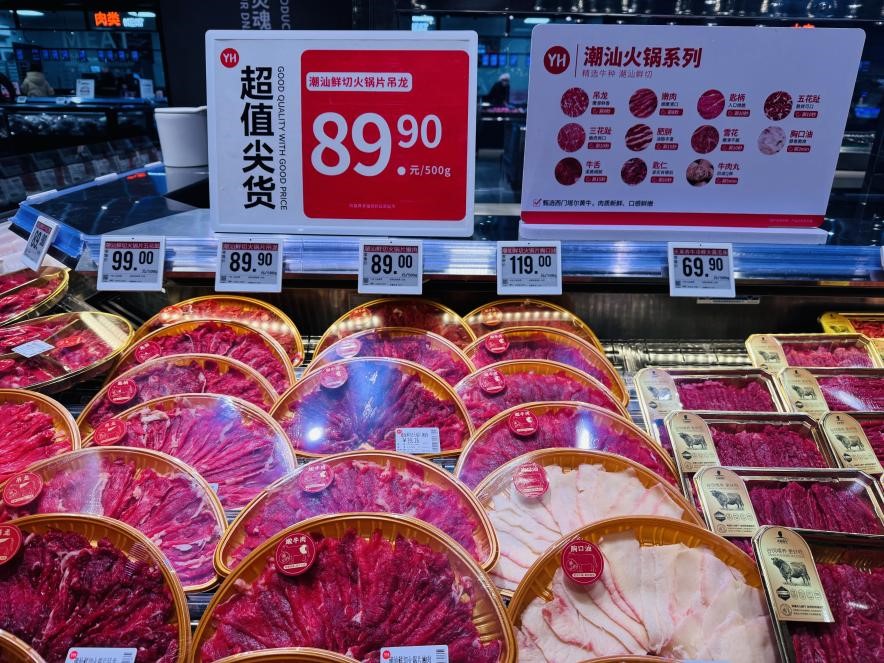
Group 1 - The core theme of the articles highlights the increasing popularity of hot pot as temperatures drop, leading to a significant rise in sales of various hot pot ingredients across multiple platforms [1][2][3] - Yonghui Supermarket has launched a nationwide "Hot Pot Ingredients" campaign, expecting to drive sales of core hot pot categories to exceed 300 million yuan, with beef and lamb products showing over 50% year-on-year sales growth in October [1] - Dingdong Maicai reports a notable increase in sales of fresh hot pot items, including sliced meats and seafood, driven by consumer demand for freshness, with nearly 30 new fresh meat products introduced for the hot pot season [2] Group 2 - The trend of "mountain-style" hot pot has gained traction, with home consumption becoming popular; Hema has introduced a single-serving hot pot cup for convenient use in various settings [3] - Hema's data indicates that over 70% of hot pot orders are placed online, reflecting a shift in consumer purchasing behavior towards digital platforms [3] - The demand for "freshly sliced" ingredients has emerged as a key consumer preference in the hot pot market, indicating a shift towards higher quality and convenience in food preparation [4]

超市布局遇到的每一个问题,解决之道,都来自运营的智慧!
Sou Hu Cai Jing· 2025-11-28 11:16
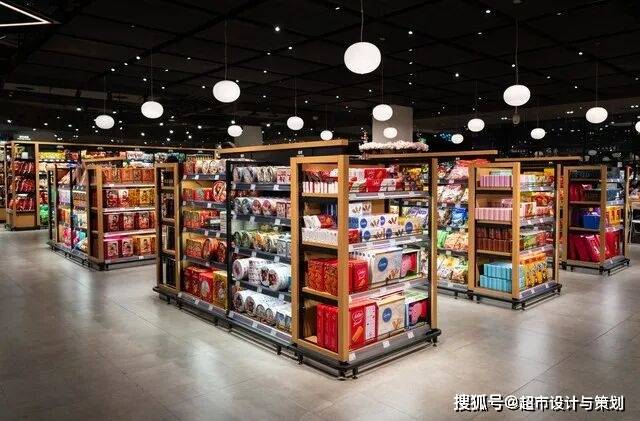
超市布局,看似是设计的问题,实则是定位的问题,超市经营的问题,超市运营的问题。 不同的定位,有其相对独特的布局设计之道。你看,大卖场的布局设计,需要从业态定位出发,合理安排经营主要的品类,进行合理化的区域划 分,区域划分的时候,首要的出发点就是,需要考虑业态经营落地,需要哪些具体的条件和要求。比如某些生鲜品类,在日常的营运操作中,需 要上下水,大容量电源的匹配,需要具备排烟的条件,那么具体落地过程中,就需要根据实际物业中,方便进行这些基础的区域进行。再就是结 合当下的流行趋势,如果生鲜品类,需要前置,就需要为前置创造适合的一些条件。 如果现场场地不具备的话。还需要对现场进行适配化的改造。同理,便利店业态,生鲜店业态,折扣店业态,都有相同或者不同的经营运营逻 辑,所以,不同业态,呈现出来的布局方式,既有相同的,也有些差异的,就是这个道理。 原创来源:超市设计策划 原创整理:超市设计策划 超市布局遇到的每一个问题,解决之道,都来自运营的智慧! 很多时候,大家看一版布局图不舒服的时候,就是布局设计和实际的经营定位,发生了偏移或者差异。一般的情况是,布局设计,拖累了超市的 经营进化,或者不符合超市运营的相关固有规律, ...
当00后老板登上超市管理的舞台,超市会发生哪些变化?
Sou Hu Cai Jing· 2025-11-28 10:26
Core Insights - The supermarket industry is undergoing significant changes as a new generation of managers and owners, particularly those born after 2000, take the lead in management roles. This shift is expected to align more closely with the preferences and behaviors of younger consumers [3][4] Group 1: Management Changes - Younger managers are more willing to learn and adapt, possessing a natural affinity for understanding the preferences of their peers, which can lead to better business outcomes [3] - The new generation is characterized by a willingness to experiment and innovate, often challenging traditional business practices and creating new models [4] - Their management styles are expected to be unique and distinct, reflecting their different experiences and approaches to the workplace [6] Group 2: Digital Integration - The new generation of supermarket owners is adept at leveraging the internet, combining online and offline strategies effectively, which can enhance business performance [4] - This digital fluency allows them to explore broader market opportunities beyond traditional business confines [4] Group 3: Consumer Preferences - There is a noticeable shift towards local and personalized products, with younger consumers showing a preference for regional specialties over global brands [7] - This trend indicates a potential for local products to gain prominence in the market, possibly even on international platforms [7] Group 4: Innovation and Tradition - While innovation is crucial, it must be grounded in the foundational principles of the industry to avoid risks associated with blind experimentation [8] - The balance between innovation and tradition is essential for sustainable growth in the supermarket sector [8]

业绩那点事需要真正的用心!——管好生鲜你就真的赢了!
Sou Hu Cai Jing· 2025-11-28 01:16
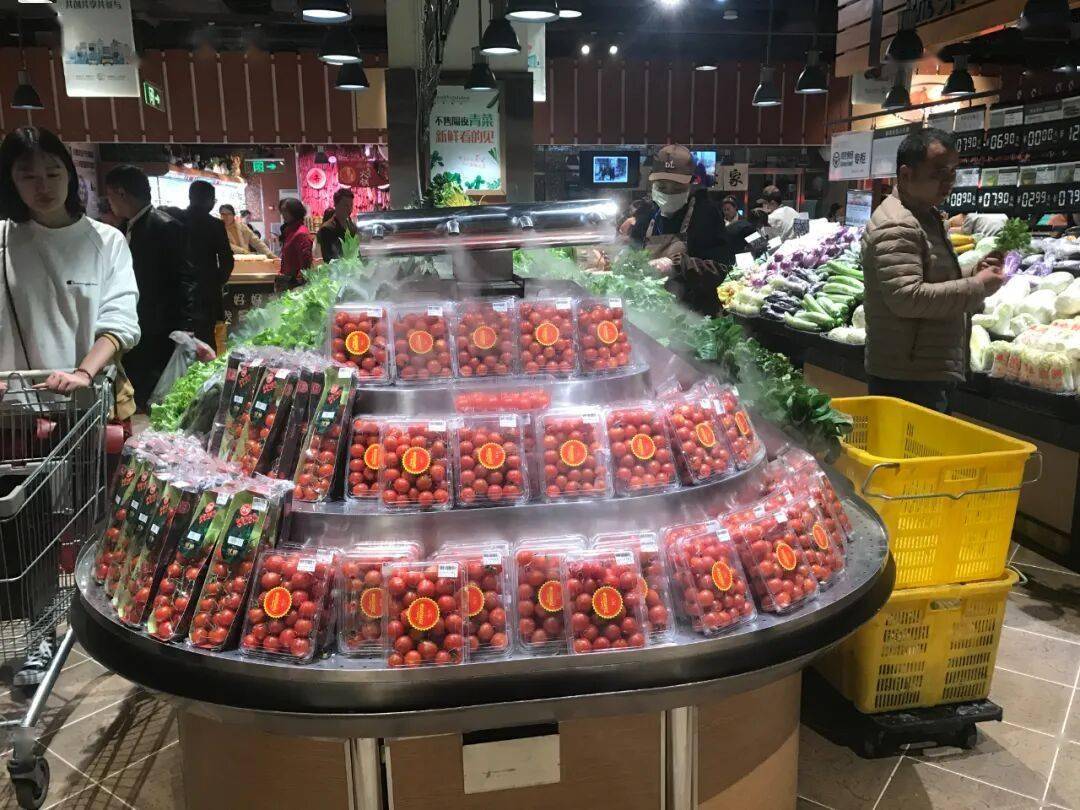
Core Insights - The article emphasizes the importance of proactive and thoughtful procurement in the fresh produce sector, highlighting that complacency can lead to significant issues in supply chain management [3][5][9] Group 1: Consumer Needs and Market Dynamics - Understanding consumer needs is crucial, as many quality products are overlooked due to procurement personnel's passive attitudes towards existing channels and products [3] - The fresh produce sector suffers from procurement personnel being "bound" by suppliers, leading to a lack of diversity in product offerings [3][5] Group 2: Procurement Strategies - Active engagement in sourcing high-quality products is essential for success in the fresh produce market, as good products are often harder to procure [5][7] - Focusing on high-ticket and high-margin items is necessary for achieving significant performance improvements in the business [7] Group 3: Management and Control - Effective management and strict controls are vital in procurement to prevent corruption and inefficiency, with the responsibility resting heavily on company leadership [9] - Companies lacking rigid procurement policies are likely to struggle, as evidenced by a case where poor management led to significant financial distress [9][11] Group 4: Leadership and Accountability - Company leaders must reflect on their own roles and responsibilities in the procurement process, as blaming external factors will not lead to improvement [11] - The article stresses that successful business outcomes in the supermarket sector require diligence and strategic thinking from management [11]
合百集团(000417) - 000417合百集团投资者关系管理信息20251127
2025-11-27 10:44
Group 1: Supermarket Business Adjustments - As of now, over 10 stores have undergone adjustments, including 合家福高新购物广场店 and 马鞍山路购物中心店 [1] - Sales at the adjusted 高新购物广场店 increased by 47.5%, with a 17.81% rise in customer traffic and a 12.4% increase in average transaction value [1] - From January to October, adjusted stores like 丹霞翠微店 and 天鹅湖店 saw customer traffic increases of 10.25% and 10.56% respectively, with all adjusted stores achieving double-digit growth in sales and traffic [2] Group 2: Own Brand Development - Since 2024, the company has focused on developing its own brands, creating a matrix that includes 合家鲜, 柔小百, and 佳小百 across various categories [3] - By November 2025, the number of own brand SKUs reached 476, with sales exceeding 40 million yuan, marking a 92% year-on-year growth [3] Group 3: Appliance Sales and Policy Impact - The adjustment of national subsidy policies has affected offline appliance sales, but a new round of consumer subsidies was launched on November 21, 2025 [4] - The subsidy covers major appliances with a maximum of 10% off the sales price, capped at 1,000 yuan, and digital products with a maximum of 500 yuan [4] - From January to October 2025, the company sold over 100,000 appliances under the old-for-new policy, benefiting from nearly 90 million yuan in national subsidies, which drove sales of 486 million yuan [4] Group 4: Retail Store Overview and Future Plans - As of September 2025, the company operates 228 retail stores, including 24 department stores, 177 supermarkets, and 27 appliance stores [5] - The company has closed underperforming supermarkets, primarily in southern and northern Anhui, impacting net profits [5] - Future plans include store renovations for department and appliance stores, while maintaining a steady pace of new supermarket openings [5] Group 5: Partnership with JD Outlet - The first JD Outlet flagship store opened on April 30, 2025, in the 百大心悦城 shopping center, covering 6,700 square meters and featuring over 100 brands [5] - The store achieved over 300,000 yuan in sales on its first day and nearly 1 million yuan during the May Day holiday, with a 30% increase in customer traffic [6] - Following the success, the company introduced the JD Outlet project in 宣城台客隆超市府山店, marking the first high-end discount store in the city [6] Group 6: Accounts Receivable and Investment - As of September 30, 2025, accounts receivable increased by 28.84% to 256 million yuan, primarily due to increased group purchase amounts and expanded business at 合家康 [7] - The company has invested 222.5 million yuan in various funds targeting key industries such as integrated circuits and biomedicine [7] - Current investments include projects in companies like 长鑫科技 and 讯飞医疗科技 [7]

京东首家首批救援物资连夜送达,紧急驰援香港大埔火灾
Xin Lang Ke Ji· 2025-11-27 07:05
Core Viewpoint - The article highlights the rapid response of JD.com in providing emergency relief supplies following a severe fire incident in Hong Kong's Tai Po district, demonstrating the company's commitment to social responsibility and community support [1][3]. Group 1: Emergency Response - JD.com was the first company to deliver emergency supplies to the fire site, coordinating with local councils and initiating an emergency response mechanism [1]. - The company mobilized over 500 hot meals for affected individuals and rescue personnel, with plans for ongoing support based on the needs at the scene [3]. Group 2: Logistics and Supply Chain - JD Logistics activated its emergency plan, leveraging its extensive warehousing network in the Greater Bay Area to expedite the delivery of essential items such as bedding, hygiene products, and food [3]. - The company has a policy allowing local warehouse managers to donate necessary supplies without prior approval during disasters, ensuring a swift response [3]. Group 3: Ongoing Support and Commitment - JD.com will maintain close communication with the Hong Kong SAR government to provide further assistance as needed, emphasizing its dedication to supporting the fire relief efforts [3]. - The company believes in the importance of mutual support during challenging times, reinforcing its role as a socially responsible enterprise [3].


11月27日早间重要公告一览
Xi Niu Cai Jing· 2025-11-27 04:07
Group 1 - Shaanxi Guotou A has received acceptance for its application to issue A-shares to specific targets, pending further review and approval by the Shenzhen Stock Exchange and the China Securities Regulatory Commission [1] - *ST Dongtong has received a notice of termination of stock listing due to false disclosures in annual reports from 2019 to 2022, leading to a suspension of trading [2] - Jianlong Micro-Nano has terminated its major asset restructuring plan, concluding that the conditions for implementation are not mature [3] Group 2 - China Iron & Steel Logistics Group plans to increase its stake in China Iron & Steel by investing between 65 million and 130 million yuan within six months [4] - Industrial Fulian has adjusted its share repurchase price ceiling to no more than 75 yuan per share, up from a previous limit of 19.36 yuan [5] - Fujian Expressway intends to invest 180 million yuan in a capital increase project for Haixia Insurance, acquiring an 18% stake [6] Group 3 - Beixin Building Materials plans to use up to 8 billion yuan of idle funds for entrusted wealth management, aiming for capital preservation and appreciation [8] - Mao Ye Commercial has confirmed that its production and operation are normal despite recent stock price fluctuations [10] - Sanjiang Shopping has reported a significantly higher rolling P/E ratio of 70.45 compared to the industry average of 26.11 [11] Group 4 - Pinming Technology has experienced a stock price increase of 255.54% from September 25 to November 26, leading to potential trading risks [13] - Jiangbolong's vice president plans to reduce his stake by up to 30,600 shares, representing 0.0073% of the total share capital [15] - He Sheng Co. shareholders plan to collectively reduce their stake by up to 3% [16] Group 5 - Baiao Chemical's major shareholders plan to transfer a total of 10% of the company's shares, with a total consideration of approximately 1.986 billion yuan [18] - *ST Huawang's subsidiary plans to invest 10 million yuan to establish a wholly-owned subsidiary in Yibin, Sichuan [19] - *ST Yatai's restructuring application has been accepted by the court, leading to a risk warning for its stock [20]


合百集团20251126
2025-11-26 14:15
Summary of HeBai Group's Conference Call Company Overview - **Company**: HeBai Group - **Date**: October 2025 Key Points Industry Performance - **Real Estate**: Revenue for the first three quarters of 2025 decreased by over 50% [2][5] - **Appliance Business**: Despite stable performance in the first half due to subsidy policies, profits are expected to decline slightly for the year [2][5] - **Agricultural Products**: Revenue increased by 16.8% year-on-year, but net profit declined due to the cultivation period of the Feixi Logistics Park, putting pressure on overall profitability [2][5] - **Supermarket Sales**: In October 2025, supermarket sales grew by 27% to 350 million yuan, while department store sales saw a slight increase of 0.5% after previous declines [2][6] - **Overall Sales**: Appliance sales dropped by 50% year-on-year, while agricultural product sales rose by 13% to 550 million yuan [2][6] Financial Metrics - **Gross Margin**: - Supermarket: Approximately 14%, down 0.5 percentage points year-on-year [14] - Department Store: Approximately 12.5%, down 0.7 percentage points year-on-year [14] - Appliance: 7.4%, slightly up by 0.1 percentage points [14] - **Net Profit**: - Supermarket net profit fell from over 30 million yuan last year to less than 10 million yuan this year [14] - Department store net profit around 12 million yuan, with appliance net profit at approximately 1 million yuan [14] Strategic Initiatives - **Store Adjustments**: Plans to gradually adjust stores from 2026 to 2028, with significant sales and customer flow increases reported in adjusted stores [4][18] - **Private Label Development**: Nearly 500 private label products, with a 90% year-on-year increase in product count, but sales contribution remains below 2% [9][10] - **Supply Chain Optimization**: Direct procurement in Hefei region increased to over 70%, with plans to expand into fresh vegetables and fruits [10][12] Investment and Expansion - **Investment in Emerging Industries**: HeBai Group invested 900 million yuan in the Hefei Guosheng Capital Equity Investment Fund, focusing on semiconductors, new energy, and biomedicine [20][21] - **Store Expansion Plans**: Closed 35 stores this year but plans to open 10 new supermarkets, focusing on stabilizing the central Anhui region [7][13] Market Challenges - **Intense Competition**: The market in Anhui, especially Hefei, is nearing saturation with new entrants, leading to fierce competition in community shopping centers [15] - **Impact of Subsidy Policies**: The shift to a lottery system for appliance subsidies has led to a significant drop in sales since mid-July 2025 [24][25] Future Outlook - **Profit Margin Improvement**: Expected improvements in profit margins through store adjustments and supply chain enhancements [16][18] - **Marketing Strategies for 2026**: Preparing differentiated marketing strategies for the upcoming Spring Festival to maximize consumer opportunities [26] Additional Notes - **New Chairman Appointment**: The appointment of a new chairman is pending, with expectations for a decision by the end of 2025 [22] - **Tax Refund Stores**: Five stores in Anhui are part of the tax refund pilot, with potential for increased transactions if policies are streamlined [11]
盒马“硬折扣”,出击!
Sou Hu Cai Jing· 2025-11-25 15:40
Core Viewpoint - The launch of the franchise channel for Super Box Calculation NB marks its first official step into franchising, targeting practical consumers with a focus on low prices and essential products [1][5]. Group 1: Franchise Details - The first cities for franchise openings are Shanghai, Hangzhou, Jiaxing, and Huzhou, with an annual franchise fee of 50,000 yuan (excluding store renovation, equipment, and deposit costs) [3]. - The total investment for a standard 600 square meter store is approximately 2.65 million yuan, which includes the franchise fee, a performance and goods deposit of 800,000 yuan, renovation costs of about 900,000 yuan, and equipment costs of around 900,000 yuan [3]. - Franchisees are required to select locations in large residential communities or mature business districts, with store sizes ranging from 500 to 650 square meters [3]. Group 2: Business Model and Strategy - Super Box Calculation NB has been rapidly expanding, opening over 20 stores per month since its brand upgrade in August, indicating a successful single-store model [5]. - The store focuses on over 1,500 essential products across four consumer scenarios, with nearly 60% of its offerings being private label products [5]. - The cautious approach to franchising suggests a trial phase to assess the viability of the franchise model, with potential challenges in maintaining product and service consistency [5][6]. Group 3: Market Context - The opening of the franchise channel adds momentum to the competitive discount retail sector, which is expected to see significant growth by 2025, referred to as the "Year of Hard Discounts" in China [6]. - Other players in the discount retail space include Meituan's Happy Monkey and JD's discount supermarkets, indicating a growing trend in the market [6][7]. - Super Box Calculation NB currently operates over 350 stores, positioning itself as a leader in the industry [7].
比优特门店破百;沃尔玛南非开店;达美乐比萨CEO卸任
Sou Hu Cai Jing· 2025-11-25 12:02
Group 1: Retail Expansion and Market Positioning - Biyoute Supermarket has opened two new stores in Changchun, reaching a total of 101 stores, marking its entry into the "hundred-store era" [1] - The company aims for a sales target of nearly 7.4 billion yuan in 2024 and expects to surpass 10 billion yuan in 2025, positioning itself as a leading regional player in Northeast China [1] - Biyoute's strategy includes taking over several Carrefour and Yonghui stores in Northeast China to strengthen its market presence [1] Group 2: Brand Management and Consumer Relations - Fila China is facing backlash after a store employee was found to have made inappropriate remarks about customers in a member group, leading to a public relations issue [3] - The company has initiated an internal investigation and confirmed that the employee violated conduct guidelines, emphasizing the importance of consumer privacy and service quality [3] Group 3: International Market Entry - Walmart has opened its first store in South Africa, marking its entry into the African market, and will compete with local retailers by offering a 60-minute online delivery service [4] - The new store has created 80 jobs and partnered with 15 local small and medium enterprises, showcasing Walmart's commitment to local economic development [4] Group 4: Corporate Leadership Changes - Domino's Pizza Group announced the resignation of CEO Andrew Rennie, with COO Nicola Frampton stepping in as interim CEO while a successor is sought [6] - This leadership change may impact the company's strategic direction and operational efficiency in the competitive pizza market [6] Group 5: Legal and Brand Protection - Little Swan has initiated legal action against the counterfeit brand "Little Gull," emphasizing the importance of brand integrity and consumer protection in the appliance market [8] - The company is collaborating with regulatory authorities to investigate the infringement and has urged consumers to purchase through official channels [8] Group 6: Corporate Culture and Performance - Three Squirrels has responded to concerns about its unique corporate culture involving "mouse" surnames, clarifying that it is not mandatory and aims to foster a friendly atmosphere [10] - The company reported a revenue of 7.759 billion yuan for the first three quarters of the year, reflecting an 8.22% year-on-year growth, although net profit has declined by 52.91% to 161 million yuan [10] Group 7: Market Developments and Investments - Farmer Spring has established a sales company in Tibet, indicating its expansion strategy in new regions [15] - Dream Dragon Ice Cream Company plans to invest 50 million pounds (approximately 470 million yuan) to upgrade its Gloucester factory, aiming for a 50% increase in production by 2027 [20]