卫星互联网

Search documents
中国信通院左铠瑞:壮大未来产业——全球态势、中国优势与培育路径
Sou Hu Cai Jing· 2025-11-11 12:11
Core Insights - The discussion focuses on the importance of developing future industries to create a high-tech industrial system comparable in scale over the next decade, emphasizing the need for strategic planning and innovation [2][3]. Group 1: Potential Key Areas and Global Development Trends - Future industries are characterized by innovation, strategy, long-term focus, externality, and high uncertainty, serving as a crucial path for economic growth and national competitive advantage [3]. - Global technological innovation is experiencing unprecedented activity, marked by new technologies (AI, 5G/6G, cloud computing), new infrastructure (intelligent and green upgrades), and new data elements becoming strategic resources [3][4]. - Key areas of focus for future industries include next-generation communication (6G, satellite internet), advanced computing (semiconductors, quantum computing), future intelligence (AI, brain-machine interfaces), and advanced manufacturing [5]. Group 2: China's Advantages and Challenges - China possesses several advantages in the six potential areas: proactive policy guidance, rich application scenarios due to a large domestic market, and abundant data resources [10]. - Specific advantages include leading technology innovation in 6G, strong AI capabilities, and a solid manufacturing base for humanoid robots [11]. - Challenges include a need for improved original innovation capabilities, key technology shortcomings (e.g., chips, operating systems), and a lack of high-quality datasets for AI and robotics [13][14]. Group 3: Pathways for Developing Future Industries - Strengthening top-level design and systematic layout is essential, including establishing mechanisms for global technology forecasting and enhancing policy coordination [15]. - Enhancing original innovation capabilities and addressing key technology gaps through collaborative efforts in high-end chips and core algorithms is crucial [16][17]. - Accelerating breakthroughs in key areas such as AI, 6G, and humanoid robots while fostering international cooperation to leverage global resources and markets is necessary for innovation [17].


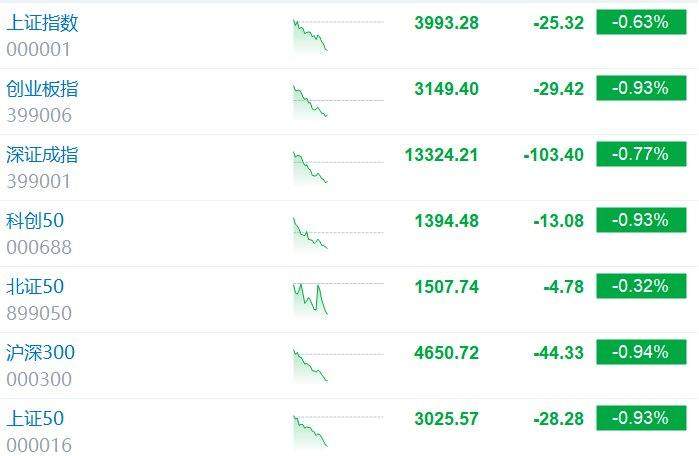
A股三大指数走弱,沪指跌0.63%再度回落至4000点下方;创业板指跌超1%!培育钻石、电池、光伏设备逆市走强,近2600股下跌
Ge Long Hui· 2025-11-11 03:15
Core Points - A-shares major indices weakened, with the Shanghai Composite Index falling 0.63% to below 4000 points, while the ChiNext Index dropped over 1% after briefly rising nearly 1% in the morning [1] - The Shenzhen Component Index decreased by 0.77%, and nearly 2600 stocks in the Shanghai and Shenzhen markets declined [1] Index Performance - Shanghai Composite Index: 3993.28, down 25.32 points, or -0.63% [2] - ChiNext Index: 3149.40, down 29.42 points, or -0.93% [2] - Shenzhen Component Index: 13324.21, down 103.40 points, or -0.77% [2] - Sci-Tech Innovation 50 Index: 1394.48, down 13.08 points, or -0.93% [2] - North Star 50 Index: 1507.74, down 4.78 points, or -0.32% [2] - CSI 300 Index: 4650.72, down 44.33 points, or -0.94% [2] - FJE 50 Index: 3025.57, down 28.28 points, or -0.93% [2] Sector Performance - Weaker sectors included coal, Hainan, insurance, diversified finance, and satellite internet [1] - Stronger sectors included cultivated diamonds, batteries, photovoltaic equipment, cement and building materials, and transportation equipment [1]

星链打击:下一代网络疑云
3 6 Ke· 2025-11-11 00:26
Core Points - Starlink, a satellite internet service by SpaceX, has cut off internet access to over 2,500 devices in Myanmar and Cambodia, targeting telecom fraud operations that rely on stable internet connections [1][4] - The action has sparked polarized public opinion, with some viewing it as a justified strike against fraud, while others express concern over the control a private company has over internet access [4][19] - Starlink aims to bridge the digital divide by providing internet access to remote areas globally, utilizing a constellation of low Earth orbit satellites that reduce latency and eliminate reliance on ground infrastructure [5][6] Group 1: Starlink's Impact - Starlink's service allows users in remote regions to access the internet without traditional infrastructure, making it a vital resource for communities previously cut off from modern connectivity [5][6] - The service has been deployed in various challenging environments, including the Amazon rainforest and remote African villages, demonstrating its potential to enhance communication and data transfer in isolated areas [5][6] Group 2: Control and Governance Issues - The centralized control of Starlink by SpaceX raises concerns about the potential for misuse of power, as the company can disconnect services at will, effectively exercising a form of sovereignty over internet access [10][19] - The ability of a single entity to control internet access poses risks, especially in politically sensitive situations where decisions may be influenced by corporate interests rather than international norms [10][19] Group 3: New Sanction Mechanism - Starlink's ability to quickly disable internet access in specific regions presents a new form of sanction that is more efficient than traditional methods, which often require international coordination [14][15] - This capability highlights the paradox of Starlink: while it decentralizes geographical access, it centralizes power within a single corporate entity, raising questions about the implications for national sovereignty and internet governance [15][20] Group 4: Global Reactions and Future Considerations - Countries like China and Russia have expressed concerns over the potential for Starlink to be used for subversive activities, leading to restrictions on satellite internet devices [19][20] - The recent actions taken by Starlink in Myanmar have prompted discussions about the balance between expanding global internet access and respecting national sovereignty, emphasizing the need for clear governance frameworks [19][20]

通宇通讯(002792.SZ):与蓝箭航天同为鸿擎科技股东
Ge Long Hui· 2025-11-10 07:08
Core Viewpoint - Tongyu Communication (002792.SZ) is investing 30 million yuan to acquire a stake in Hongqing Technology, a key satellite component manufacturer, to strengthen its upstream component layout in satellite internet [1] Group 1: Company Developments - The company will invest 30 million yuan by the end of 2024 to participate in Hongqing Technology, enhancing its strategic positioning in the satellite internet sector [1] - Tongyu Communication and Blue Arrow Aerospace are both shareholders of Hongqing Technology and have maintained close communication since their investment [1] Group 2: Industry Context - Blue Arrow Aerospace has successfully completed the first phase of its Zhuque-3 rocket's maiden flight, which includes propellant loading and static fire tests [1] - The company plans to conduct vertical operation drills and prepare for the official orbital launch and recovery of the first stage [1]

千年之城拔节生长
Zhong Guo Jing Ying Bao· 2025-11-07 19:39
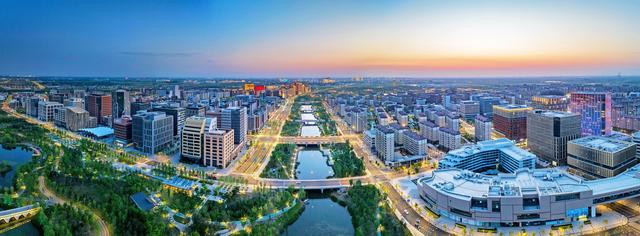
Core Insights - Xiong'an New Area is transitioning from a grand blueprint to a tangible city with the establishment of central enterprise headquarters and high-tech industry clusters, marking a significant phase in its development [3][4] - The focus of Xiong'an's development has shifted towards high-quality construction, high-level management, and effective functional relief from Beijing, emphasizing a solid foundation for future growth [3][5] Industry Development - Over 200 high-tech enterprises have settled in Xiong'an, with key industries including satellite internet, artificial intelligence, and new materials being prioritized for development [4][6] - The aerospace information and satellite internet sectors are identified as foundational industries, with 62 companies already established in the aerospace information field [6] Ecological Progress - Xiong'an has implemented an ecological-first approach, achieving a forest coverage rate increase from 11% to 35% and planting 481,000 acres of trees as part of the "Thousand-Year Forest" project [8] - The water quality of Baiyangdian has remained stable at Class III for four consecutive years, with significant improvements in biodiversity, including an increase in wild bird species [8] Social Development - Xiong'an is enhancing public services, including education, healthcare, and elderly care, while creating job opportunities through traditional industry upgrades, providing over 400,000 job openings [9] - The area is actively promoting urban-rural integration and has established various agricultural and digital innovation centers [9] Urban Planning and Infrastructure - Xiong'an is developing a comprehensive transportation network and utilizing underground space to alleviate urban issues, aiming to create a future city without "urban diseases" [11][12] - As of now, Xiong'an has developed nearly 215 square kilometers, with a total construction area of 55.88 million square meters and 5,127 buildings completed [12]
【研选行业+公司】五矿入主锂盐产能跃升5倍,钾锂双龙头价值正待重估
第一财经· 2025-11-07 12:41
Group 1 - The article emphasizes the importance of timely and insightful research reports to identify investment opportunities, particularly in the context of the rapidly evolving AI and semiconductor markets [1] - The global storage chip market is experiencing a structural supply-demand imbalance due to the continuous explosion of AI demand, with a strong investment outlook for this sector [1] - The stock of Xiangnong Chip Innovation has seen a significant increase, with a maximum rise of over 360% following multiple alerts to investors [1] Group 2 - The value of the "dual leaders" in potassium and lithium is expected to be reassessed, with the potential increase in lithium salt production capacity from 40,000 tons to 200,000 tons after the acquisition by Wenkang [2] - The industry is accelerating due to dual drivers of policy and technology, with the satellite internet computing power scheduling space potentially reaching hundreds of billions, prompting institutions to identify beneficiaries of "computing power in space" [2]

A股五张图:怎么每天都有海量新题材出现?
Xuan Gu Bao· 2025-11-07 10:32
Market Overview - The market experienced a slight decline with the Shanghai Composite Index, Shenzhen Component Index, and ChiNext Index falling by 0.25%, 0.36%, and 0.51% respectively, with over 3,100 stocks declining and more than 2,100 stocks rising, while the total trading volume remained below 2 trillion [4] Satellite Sector - The satellite sector saw a collective surge towards the end of the trading session, with stocks like Qianzhao Optoelectronics and Shanghai Huguang hitting the daily limit, and others such as Xingtum Technology and China Satellite also performing strongly, with the sector ultimately closing up by 0.84% [5][8] - The rise was attributed to the "space computing satellite" concept, following news that Google and NVIDIA are moving computing power to space, indicating a trend towards AI and computing applications in various sectors [8] Aircraft Carrier Sector - The domestic aircraft carrier sector experienced a brief surge, with stocks like Guirui Technology and Xiangdian Shares rising significantly, but this momentum was short-lived, leading to a decline of 0.6% by the end of the session [11][12] - Notably, Xiangdian Shares had a cumulative increase of nearly 10% over the previous three trading days before experiencing a significant sell-off [14] Photovoltaic Sector - The photovoltaic sector opened strong with stocks such as Yijing Photovoltaic and Hesheng Silicon Industry hitting the daily limit, while others like Jinjing Technology and Tongwei Co. also saw substantial gains, closing up by 0.5% [18] - The sector's performance was driven by ongoing discussions about potential industry consolidation, although no new catalysts were identified [18] Semiconductor Sector - Wenta Technology saw a significant increase of 9.7% towards the end of the trading session, following positive news from the Dutch government regarding the restoration of supply from its Chinese factory [21] - The stock had previously faced a decline of 4.78% due to news of a major shareholder's plan to reduce their stake, highlighting the volatility in the semiconductor sector [22]


ST创意:公司旗下创智联恒全面深化卫星互联网业务布局,形成“空间段-地面段-用户段”端到端产品体系
Mei Ri Jing Ji Xin Wen· 2025-11-06 14:04
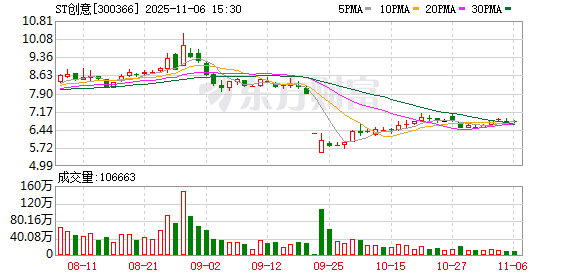
Group 1 - The company ST创意 (300366.SZ) is actively developing its satellite internet business through its subsidiary 创智联恒, establishing a comprehensive end-to-end product system that includes "space segment - ground segment - user segment" [2] - 创智联恒 is involved in technical verification, prototype development, and the production of standard samples, extending its layout of satellite-ground communication products from satellite communication payloads [2] - The company is collaborating widely with industry-related manufacturers, particularly in the field of terminal baseband products for satellite applications [2]

炸场太空赛道,低轨卫星兵家必争
3 6 Ke· 2025-11-06 10:30
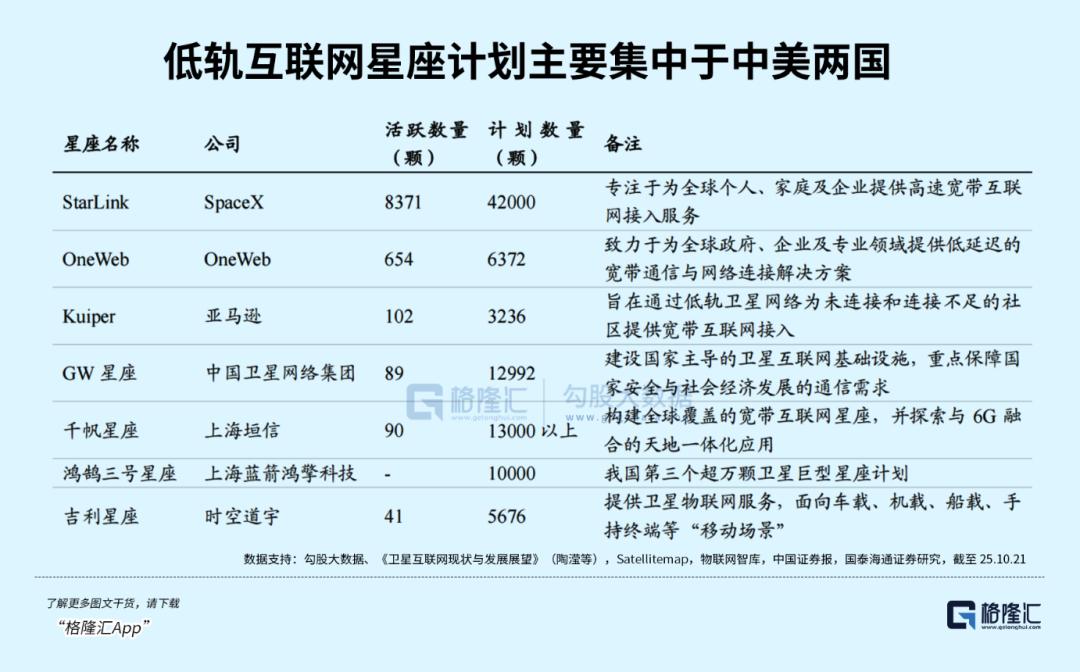
Core Insights - The low Earth orbit (LEO) satellite sector is emerging as a new investment hotspot, driven by significant market interest and capital inflow, particularly in the context of China's strategic push and technological advancements in satellite communication [1][2] Group 1: Market Dynamics - The LEO satellite industry is experiencing a collective surge across the entire value chain, from satellite manufacturing and rocket launches to core components and application services, making it a leading sector after AI chips [1] - Key companies in the sector have shown impressive stock performance, with China Satellite up 57%, Holleywo up 32%, and Shanghai Hanxun up 17% year-to-date [1] Group 2: Catalysts for Growth - Three major factors are accelerating the LEO satellite sector: 1. Policy support from the "14th Five-Year Plan," which prioritizes the construction of LEO satellite constellations [2] 2. Technological breakthroughs, including the successful launch of multiple satellites by China Star Network and the integration of satellite communication features in Huawei and Apple devices [2] 3. Recent successful launches, such as the Long March 6 rocket deploying 12 LEO communication satellites, which have heightened market enthusiasm [2] Group 3: Competitive Landscape - The global LEO satellite race is characterized by the scarcity of orbital and frequency resources, with the U.S. and China leading the charge. SpaceX's Starlink has 8,371 satellites in orbit, while China's GW and Qianfan constellations plan to deploy a total of 25,000 satellites by 2027 [5] - The competition for these resources is driving rapid development in the industry, with satellite manufacturing and launch capacities being significantly expanded [5] Group 4: Market Projections - The global LEO satellite market is projected to exceed $300 billion by 2025 and reach $1.79 trillion by 2035, with a compound annual growth rate (CAGR) of 9%. The Chinese market is expected to grow even faster, reaching 280 billion yuan in 2024 and surpassing 350 billion yuan in 2025, with a CAGR exceeding 25% [7] Group 5: Strategic Directions - Companies are advised to focus on three core areas for investment: 1. Satellite manufacturing and launch services, which are the most stable segments benefiting from large-scale deployments [13] 2. Core components and testing equipment, which are critical for satellite development and are expected to see significant demand growth [14] 3. Terminal and application services, which are poised for commercial success as satellite communication becomes more mainstream [15]

谷歌新“登月计划”曝光:要把TPU数据中心搬上太空
3 6 Ke· 2025-11-05 09:32
Core Insights - Google has launched the "Project Suncatcher," aiming to build large-scale AI data centers in space to address the growing energy demands of AI development [1][3] - The project involves deploying a satellite network powered by custom TPU chips, utilizing near-continuous solar energy to operate [1][5] - Google has partnered with Planet to launch two prototype satellites in early 2027, marking the beginning of a "space AI race" [1][12] Group 1: Need for Space-Based AI Computing - The "Project Suncatcher" is a revolutionary response to the increasing energy demands of modern machine learning, which is growing exponentially [3] - As AI models become more complex, their computational and energy requirements are rising, leading to financial costs and environmental concerns [3] - Google's solution is to move computational infrastructure to space, where solar panel efficiency can be eight times higher than on Earth [3] Group 2: Technical Feasibility and Challenges - The project envisions a constellation of solar-powered satellites in low Earth orbit, maximizing solar energy collection [5][7] - Each satellite will act as a floating AI data center node, equipped with Google's custom TPU chips, and will communicate via laser links for high-speed data transfer [7][9] - Early ground tests have shown promising results for the TPU's radiation resistance, crucial for operation in space [8][9] Group 3: Economic Viability - The economic feasibility of space data centers hinges on significantly reduced launch costs, projected to fall below $200 per kilogram [9][11] - Google anticipates that this price point could be reached around 2035, supported by advancements from companies like SpaceX [11] - The financial model for the project relies on the assumption that space-based data centers can match the energy costs of terrestrial data centers [11] Group 4: Competitive Landscape - Google is entering a competitive field of orbital computing, with other tech giants like Microsoft and Amazon also exploring similar initiatives [12][13] - The first milestone for Google is the launch of prototype satellites in collaboration with Planet, which will test the TPU hardware in space [12] - Successful implementation of "Project Suncatcher" could redefine the economics of AI and open new frontiers for digital infrastructure [14]