
面板

Search documents
电子掘金 电子的大宗品周期到哪儿了?
2025-05-18 15:48
Summary of Conference Call Records Industry Overview - The conference call primarily discusses the **PCB (Printed Circuit Board)** and **passive components** industries, along with insights into the **LCD panel** market and **display screen** demand trends. Key Points on PCB Industry - **Significant Growth in Q1 2025**: The PCB sector experienced remarkable growth in Q1 2025, with companies like Shenghong reporting a net profit increase of **339%**, Semyung Electronics over **600%**, and Semyung Technology at **43%**. This growth is attributed to rising demand in AI computing and smart driving sectors, indicating a recovery in the PCB product market [3][1][2]. - **Raw Material Price Increases**: In H1 2025, PCB raw material prices saw widespread increases, with companies like Jiantao issuing price hikes due to rising costs of copper and fiberglass, leading to an increase of **5 yuan** per unit. Major players are leading price increases across all categories of electronic fabrics and cloths [4][1][2]. - **High Demand for HDI Products**: The demand for high-end HDI (High-Density Interconnect) products is driven by AI servers, switches, and AI accelerator cards, which require high stability and precision in manufacturing processes [7][1][2]. - **Advantages of PTFE Materials**: PTFE materials are highlighted for their low dielectric constant and low loss characteristics, making them ideal for AI high-speed interconnect applications, particularly in GPU interconnections [8][1][2]. - **Future Outlook for CCL and PCB Industries**: The CCL (Copper Clad Laminate) and PCB industries are expected to continue seeing investment opportunities, driven by high demand for HDI products and the advantages of PTFE materials [9][1][2]. Key Points on Passive Components Industry - **Steady Growth in 2024 and 2025**: The passive components industry is projected to experience robust growth, with revenue and profit expected to increase by approximately **18%** and **17%** in 2024, respectively, and a continuation of this trend into 2025 [10][1][2]. - **Stable Demand for Small-Sized Components**: The market for small-sized chip components remains stable, with MLCC (Multi-Layer Ceramic Capacitor) and upstream suppliers achieving double-digit revenue growth [11][1][2]. Key Points on LCD Panel Market - **Current Market Conditions**: The LCD panel market has stabilized after previous price increases, with expectations for steady performance in H1 2025. Companies like BOE and TCL are anticipated to improve profitability due to their financial optimization strategies [15][1][2]. - **Price Trends**: LCD panel prices have shown slight increases but are expected to stabilize or face downward pressure in certain sizes due to inventory and demand fluctuations [16][1][2][17][1][2]. - **Display Screen Demand**: The demand for display screens is expected to follow a pattern of high initial demand followed by a decline, influenced by new policies and emerging applications [23][1][2]. Additional Insights - **Investment Opportunities**: Companies like BOE and TCL are highlighted as key players in the current competitive landscape, with potential for low-position investments as their profitability is expected to recover [25][1][2]. - **Technological Advancements**: The advancements in AI technology and its applications in various sectors are driving significant changes in the PCB and passive components markets, indicating a shift towards more sophisticated manufacturing processes and materials [9][1][2][8][1][2].
2025年Q1面板价格趋势回顾:波动中寻求平衡
WitsView睿智显示· 2025-05-15 10:03
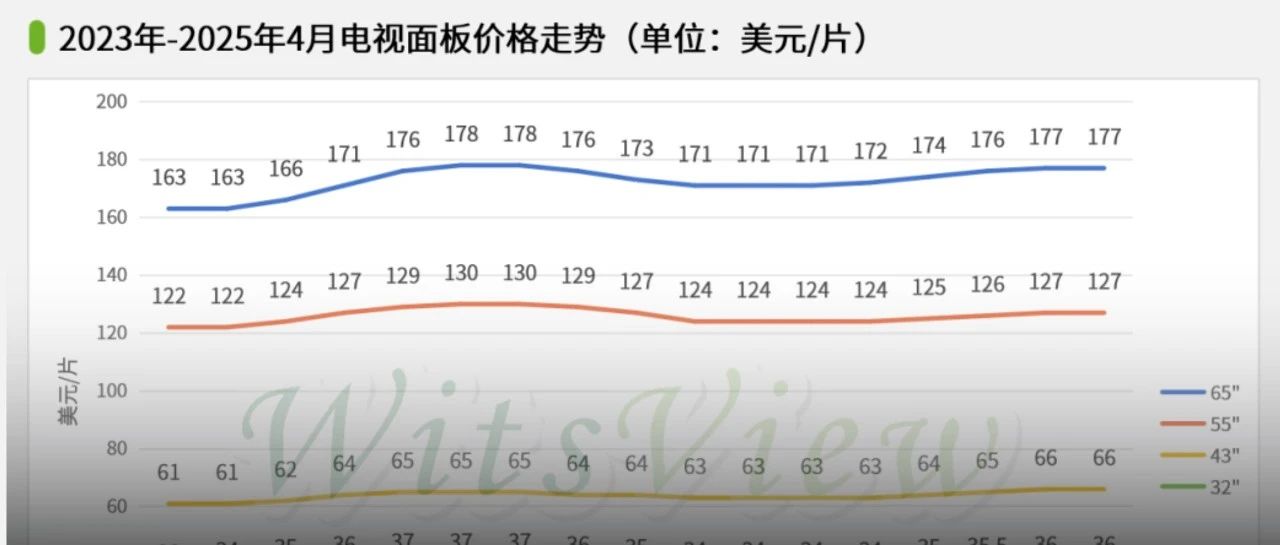
Core Viewpoint - The global panel market in Q1 2025 experienced complex and dynamic price trends influenced by multiple factors, with television panels showing initial strength but weakening by the end of the quarter, while monitor panels saw a price increase towards the end of the quarter, and notebook panels remained stable throughout [1][19]. Television Panel Price Trends - In January 2025, television panel prices rose due to strong demand driven by China's "trade-in" policy, particularly for large-sized panels, with price increases of $1 for 32-inch and 43-inch panels, $1 for 55-inch, $2 for 65-inch, $3 for 75-inch, and $4 for 85-inch panels [2][3]. - The demand for large-sized panels caused a squeeze on the production capacity of smaller-sized panels, indirectly pushing up their prices [3]. - By March, the market began to cool, with North American demand weakening post-Super Bowl promotions and Chinese policy effects diminishing, leading to a cautious outlook from brand clients due to high inventory levels [3][10]. Monitor Panel Price Trends - Monitor panel prices remained stable in January, with demand holding steady compared to Q4 2024, but began to rise in March as television panel price increases created opportunities for monitor panels [4][6]. - In February, despite being a traditional off-season, monitor panel demand remained strong, leading to a slight price increase of $0 to $0.1 for Open Cell types, while module prices stayed flat [6]. - March marked a turning point with comprehensive price increases for monitor panels, although brand clients remained cautious about future demand and international trade relations [6][10]. Notebook Panel Price Trends - Notebook panel prices remained stable throughout Q1 2025, with no significant changes observed [7][9]. - Despite some brands increasing inventory levels due to international trade issues, most panel manufacturers and brand clients adopted a cautious approach, focusing on maintaining market share and customer relationships [9][10]. Overall Market Dynamics - The price fluctuations in the panel market were influenced by demand-side drivers and constraints, with initial boosts from policies like "trade-in" in China, but diminishing effects over time [10]. - Supply-side strategies and unexpected events, such as the earthquake in Taiwan affecting production, also played a role in market dynamics [10]. - External uncertainties, particularly international trade relations, significantly impacted brand clients' inventory strategies and supply chain management [10][19]. Company Performance - In Q1 2025, several panel companies reported strong earnings, with notable revenue growth from major players like Samsung Display, BOE, and TCL Huaxing, while LG Display, AU Optronics, and others successfully turned losses into profits [11][12][14]. - TCL Huaxing's acquisition of LG Display's Guangzhou LCD line is expected to enhance its market position further [14]. - The performance of leading companies indicates strong resilience and growth potential in a competitive market, despite ongoing challenges faced by some firms [14][19].



夏普拟再出售液晶面板厂,买家是?
WitsView睿智显示· 2025-05-13 08:06
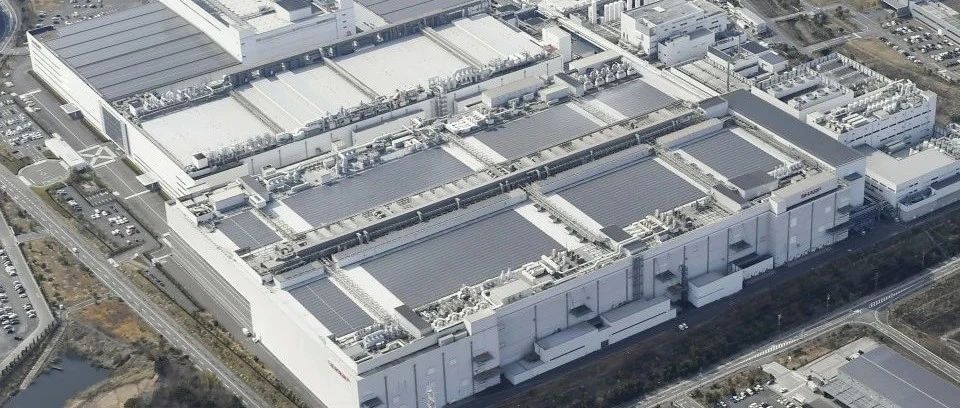
Core Viewpoint - Sharp is strategically divesting its LCD panel production facilities to focus on high-growth, high-margin sectors such as automotive, VR, and AI, amidst a declining profitability trend in the LCD panel market due to increased competition and technological advancements in OLED and Mini/Micro LED technologies [2][3]. Group 1: Business Adjustments - Sharp plans to sell its second LCD panel factory in Kameyama to its parent company Foxconn, marking another step in its strategy to reduce its LCD panel business [1][8]. - The company has reported cumulative losses of 410 billion yen for the fiscal years 2022-2023, prompting a shift from heavy asset reliance in LCD production to a lighter asset model [3][8]. - Sharp aims to transform into a brand-centric enterprise, focusing on high-value sectors while divesting from low-margin LCD production [3][8]. Group 2: Timeline of Asset Sales - On May 14, 2024, Sharp announced the closure of its Sakai 10th generation factory, which primarily produced large LCD TV panels, with full production ceasing by the third quarter of 2024 [4][5]. - Sharp has reached agreements to sell parts of the Sakai factory site to KDDI for an AI data center, expected to be operational by 2026 [6]. - In March 2025, Sharp signed a deal with SoftBank for the sale of the Sakai factory and land for approximately 100 billion yen, aiming to develop a large data center in collaboration with OpenAI [7]. - The company also sold its first factory in Mie Prefecture to Aoi Electronics, which plans to introduce semiconductor packaging lines there by 2027 [7]. Group 3: Financial Performance - Sharp reported a net profit of 36.1 billion yen for the fiscal year ending March 31, 2025, marking its first profit in three years, compared to a loss of 149.98 billion yen in the previous year [9][8]. - The company’s net sales for the fiscal year ending March 31, 2025, were 2,160.15 million yen, reflecting a year-on-year decrease of 7% [9]. Group 4: Industry Trends - The LCD panel industry is undergoing consolidation, with a shift towards higher generation panel production and a focus on improving profitability through strategic mergers and acquisitions [10][11]. - Demand for larger panels is increasing, which is expected to help normalize inventory levels and drive future growth in panel shipments [12]. - The industry is moving towards a more balanced supply-demand dynamic, with manufacturers adjusting production rates in response to market fluctuations [12].
持续看好果链:关税修复只是开始
2025-05-12 15:16
Summary of Key Points from Conference Call Records Company and Industry Involved - **Industry**: Apple Supply Chain (Fruit Chain), PCB Industry, Optical Industry, Semiconductor Industry - **Companies Mentioned**: Apple, BYD Electronics, AAC Technologies, PCB manufacturers, etc. Core Insights and Arguments - **Tariff Impact on Fruit Chain**: The A-share market is still recovering from tariff impacts, while the fruit chain benefits from tariff adjustments. Focus should also be on new Apple product expectations and long-term AI innovations, especially with the upcoming WWDC conference potentially announcing Apple's AI strategy [1][3][4] - **Apple's Price Adjustments**: Apple has significantly reduced prices for products in China, such as the iPhone 16 series and AirPods Pro 2, which is expected to boost domestic sales but may impact profit margins [1][9] - **AI Innovations by Apple**: Apple has made progress in AI integration, including Safari AI integration and collaborations with Baidu and Alibaba in China. The release schedule for new products is expected to be more even, accelerating hardware innovation [1][10][11] - **BYD Electronics' Strategy**: BYD Electronics is circumventing tariffs through its Vietnam factory, with significant growth expected from new components for foldable devices and AI-related products [1][23][24][25] - **AAC Technologies' Recovery**: AAC Technologies has been negatively impacted by tariffs but is expected to recover with a profitable optical business and growth from iPhone 17-related revenues [1][20][21][22] Additional Important Content - **PCB Industry Performance**: The PCB industry showed strong performance in Q1 2025, driven by high demand from AI, smart driving, and consumer orders. The second quarter is expected to see further growth in performance [2][26][27] - **Tariff Changes**: The U.S. has made adjustments to tariffs on Chinese goods, with some tariffs being suspended for 90 days and others completely canceled. Continuous monitoring of semiconductor-related investigations is necessary [5][6] - **Market Reactions**: Following tariff news, Hong Kong stocks related to the fruit chain saw significant price increases, indicating market optimism about resolving tariff issues [7] - **Future Product Innovations**: Apple is expected to introduce several innovative products, including foldable iPhones and smart glasses, with a more balanced release strategy to mitigate seasonal fluctuations in the supply chain [12][14][15][17] - **AI Glasses and AR Developments**: Major companies, including Apple, are actively developing AI and AR glasses, with competitive launches expected in the near future [18][19] Recommendations - **Investment Recommendations**: Suggested stocks include Luxshare Precision, AAC Technologies, and Hengmingda, which are expected to benefit from tariff adjustments and have strong growth potential in the current market environment [13][32]

5月12日早间重要公告一览
Xi Niu Cai Jing· 2025-05-12 04:04
Group 1 - Baichuan Energy plans to reduce its shareholding by up to 26.82 million shares, accounting for 2% of the total share capital, due to personal investment and funding needs [1] - Jinhong Gas intends to distribute a cash dividend of 1.00 yuan per 10 shares, with the record date on May 15, 2025 [2] - Jiahe Meikang's shareholder plans to reduce its stake by up to 1% of the total share capital due to liquidity needs [2][3] Group 2 - Jiadu Technology will cancel 10.20 million repurchased shares, reducing its total share capital from 2.143 billion shares to 2.133 billion shares [4] - ILE Home's shareholder plans to reduce its stake by up to 154,250 shares, accounting for 0.4778% of the total share capital, due to funding needs [5] - Lai Yifen has fully removed related batches of its honey date dumpling products from shelves due to consumer health concerns [6][7] Group 3 - CATL's vice chairman Li Ping and spouse plan to donate 4.05 million shares to Fudan University for establishing a research fund, reducing Li Ping's shareholding from 4.58% to 4.48% [8] - Shuanghuan Transmission's shareholders completed their reduction plan, selling a total of 6.69 million shares, accounting for 0.789% of the total share capital [9] - Chengfei Integration reported no significant changes in its business operations or external environment despite stock price fluctuations [10] Group 4 - Guizhou Tire's controlling shareholder plans to increase its stake by no less than 50 million yuan and no more than 100 million yuan within six months [11] - *ST Youshu's application to revoke the delisting risk warning has been approved, and its stock will resume trading under a new name [13] - Jingwei Huikai's shareholders plan to reduce their stake by up to 3% of the total share capital due to funding needs [14] Group 5 - Hualan Biological's major shareholder plans to reduce its stake by up to 3% of the total share capital due to funding needs [15] - Huyou Pharmaceutical's shareholder plans to reduce its stake by up to 2.997% of the total share capital due to funding needs [16] - Dongpeng Holdings' shareholders plan to reduce their stake by up to 1.5% of the total share capital due to funding needs [17] Group 6 - Keleke's controlling shareholder plans to reduce its stake by up to 3% of the total share capital due to funding needs [18] - Dongfang Ocean's major shareholder plans to reduce its stake by 1% of the total share capital due to investor redemption requests [19] - Yisheng Shares reported a sales revenue of 141 million yuan from white feather chicken seedlings in April, with a year-on-year decrease of 7.28% [20] Group 7 - Qujiang Cultural Tourism's controlling shareholder's 12 million shares are set to be auctioned due to contractual disputes, representing 4.70% of the total share capital [21] - Duople's shareholder plans to reduce its stake by up to 123,800 shares, accounting for 2% of the total share capital, due to personal funding needs [22][23]


半导体投资策略:聚焦AI+国产化,半导体设备/材料/零部件国产化提速(附124页PPT)
材料汇· 2025-05-11 15:07
Overview - The semiconductor industry is experiencing a structural recovery driven by multiple factors including AI technology penetration, deepening domestic substitution, and cyclical inventory replenishment, leading to growth across various segments [23][24]. Semiconductor Equipment - The global semiconductor equipment market is expected to reach $121 billion by 2025, with China leading in capacity expansion, projected to grow to 10.1 million wafers per month [2][28]. - Domestic high-end equipment still relies on imports, but local manufacturers are accelerating their catch-up in high-end equipment sectors due to favorable policies and external sanctions [2][28]. - In Q1 2025, selected domestic equipment companies reported a total revenue of 16.97 billion yuan, a year-on-year increase of 35.7%, and a net profit of 2.49 billion yuan, up 34.8% [2][28]. Semiconductor Materials - The global sales of wafer manufacturing materials and packaging materials are projected to be $42.9 billion and $24.6 billion in 2024, respectively, benefiting from advanced process developments [3][29]. - The semiconductor materials market is expected to exceed $84 billion by 2028, driven by AI development [3][29]. - From 2019 to 2024, the compound annual growth rate (CAGR) for selected semiconductor materials companies is projected to be 18.58% [3][29]. Semiconductor Components - The revenue and profit growth in the semiconductor components industry have significantly accelerated since 2020, with a CAGR of 27% from 6.77 billion yuan in 2019 to 22.34 billion yuan in 2024 [4][30]. - The net profit for the same period increased from 670 million yuan to 2.69 billion yuan, with a CAGR of 32% [4][30]. Packaging and Testing - The packaging and testing sector has seen continuous revenue growth for six consecutive quarters, with Q1 2025 revenue reaching 21.8 billion yuan, a year-on-year increase of 24% [5][31]. - The sector's gross margin in Q1 2025 was 13.3%, with a net profit of 420 million yuan, up 8% year-on-year [5][31]. Storage - The storage sector is expected to see an upward trend in average selling prices (ASP), driven by AI demand [7][27]. - In Q1 2025, the revenue of certain module manufacturers increased by 54% year-on-year, indicating a recovery in the sector [7][27]. Consumer Electronics - The global smartphone shipment is projected to reach 1.22 billion units in 2024, a 7% year-on-year increase, marking a rebound after two years of decline [12][32]. - The consumer electronics sector is experiencing a recovery trend, with Q1 2025 revenue reaching 400.85 billion yuan, a 22% year-on-year increase [12][32]. PCB - The PCB sector is expected to see comprehensive growth in 2024, driven by high-end demand from AI applications [13][34]. - In Q1 2025, PCB companies reported significant revenue growth, with some companies like Shenghong Technology achieving an 80.3% year-on-year increase [13][34]. Passive Components - The revenue of key listed companies in the passive components sector reached 9.383 billion yuan in Q1 2025, a year-on-year increase of 16.76% [14][35]. - The average gross margin for the sector was 27.93%, indicating stable performance despite seasonal fluctuations [14][35].







友达、群创等6家面板厂公布4月营收
WitsView睿智显示· 2025-05-09 09:47
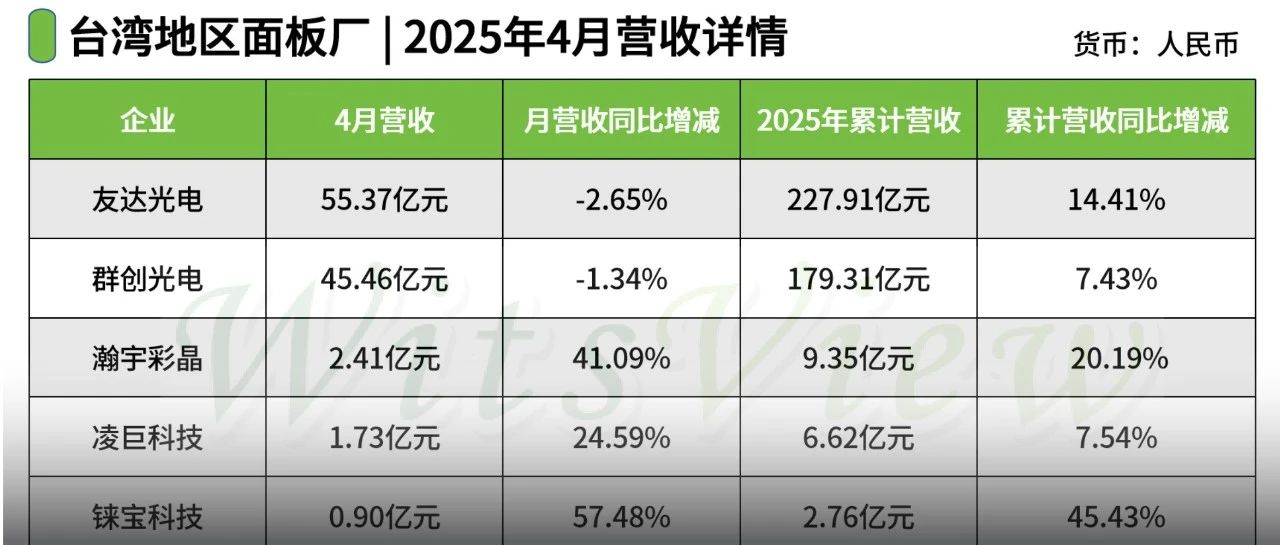
Core Viewpoint - In April 2025, Taiwan's panel manufacturers showed a mixed revenue performance, with leading companies like AUO and Innolux experiencing slight declines, while smaller firms like HannStar and Lianjia benefited from high-growth businesses. The industry is adapting to market fluctuations through diversification and technological advancements [15]. Group 1: AUO (友达光电) - AUO's revenue for April 2025 was NT$231.38 billion (approximately RMB 55.37 billion), a year-on-year decrease of 2.65% [1][2] - Cumulative revenue for 2025 reached NT$952.40 billion (approximately RMB 227.91 billion), reflecting a year-on-year increase of 14.41% [1][2] - AUO announced a joint venture with E Ink to establish a large electronic paper module production line, expected to commence production in Q4 2025 [2] Group 2: Innolux (群创光电) - Innolux's revenue for April 2025 was NT$189.97 billion (approximately RMB 45.46 billion), a year-on-year decrease of 1.34% [3][4] - Cumulative revenue for 2025 was NT$749.29 billion (approximately RMB 179.31 billion), showing a year-on-year increase of 7.43% [3][4] - Innolux showcased advanced technologies at Touch Taiwan 2025 and is progressing towards mass production of fan-out panel-level packaging (FOPLP) [5] Group 3: HannStar (瀚宇彩晶) - HannStar's revenue for April 2025 was NT$1.006 billion (approximately RMB 2.41 million), a year-on-year increase of 41.09% [6][7] - Cumulative revenue for 2025 reached NT$3.906 billion (approximately RMB 9.35 million), reflecting a year-on-year increase of 20.19% [6][7] - The company has improved yield rates in its eco-friendly display business and is increasing its revenue share from automotive applications [7] Group 4: Lianjia (凌巨科技) - Lianjia's revenue for April 2025 was NT$721 million (approximately RMB 1.73 million), a year-on-year increase of 24.59% [8][9] - Cumulative revenue for 2025 was NT$2.768 billion (approximately RMB 6.62 million), showing a year-on-year increase of 7.54% [8][9] - The company is optimistic about growth in its industrial control and consumer electronics segments, particularly due to increased demand for printers and instant cameras [9] Group 5: Raibo (铼宝科技) - Raibo's revenue for April 2025 was NT$375 million (approximately RMB 0.90 million), a year-on-year increase of 57.48% [10][11] - Cumulative revenue for 2025 reached NT$1.153 billion (approximately RMB 2.76 million), reflecting a year-on-year increase of 45.43% [10][11] - The growth is attributed to revenue recognition from battery cabinets after customer acceptance, and the company is expanding into the energy sector [11][12] Group 6: Hualing (华凌光电) - Hualing's revenue for April 2025 was NT$183 million (approximately RMB 0.44 million), a year-on-year decrease of 4.70% [13][14] - Cumulative revenue for 2025 reached NT$699 million (approximately RMB 1.68 million), showing a year-on-year increase of 5.85% [13][14] - The company is expanding its production capacity in Taiwan and is actively engaging with U.S. clients to shift orders to local production [14]
10.8亿,深天马拟在泰国建设显示模组工厂
WitsView睿智显示· 2025-05-07 09:58
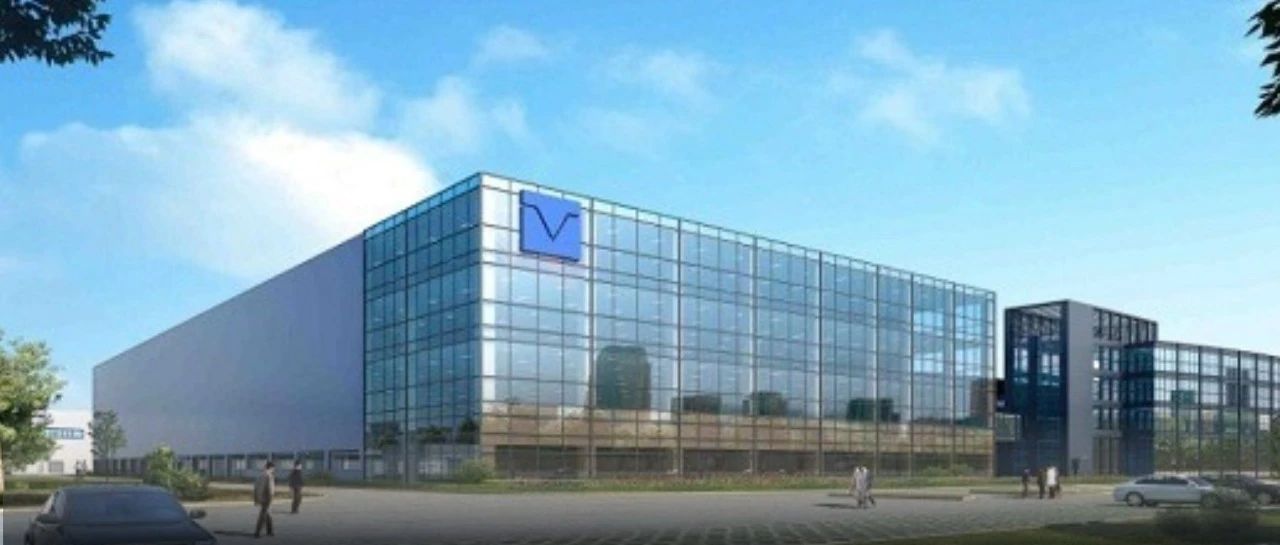
Core Viewpoint - The establishment of a display module factory in Thailand by Deep Tianma is part of the company's strategic development plan, with a total investment of 1.08 billion RMB, split equally between self-funding and bank loans [1][2]. Industry Trends - The globalization of the panel industry has become a consensus, with manufacturers accelerating overseas expansion to enhance market responsiveness through localized production and services [3]. - Multiple panel manufacturers are establishing overseas operations, particularly in India and Southeast Asia, to integrate the supply chain deeply [4]. Specific Company Developments - In February 2023, Innolux signed a technology transfer agreement with Vedanta Group to build a Gen 8.6 panel factory in India, with an initial investment of 4 billion USD and a planned capacity of 60K units per month [4]. - TCL Huaxing initiated a module project in India in 2018, with a total investment of 1.53 billion RMB, aiming for an annual output of 8 million large-sized TV panels and 30 million small-sized mobile phone panels [4][5]. - Dixon has signed a letter of intent with HKC to establish a joint venture for producing LCD modules and TFT-LCD modules in India, pending necessary approvals [8]. - Longteng Optoelectronics is setting up a new company in Vietnam for thin-film LCD production, expected to commence operations in Q2 2025 [8]. - BOE's second phase project in Vietnam, with a total investment of 2.02 billion RMB, aims to produce 3 million TVs and 7 million displays annually, expected to start mass production in 2025 [11]. Strategic Objectives - Panel companies are pursuing these overseas projects to stabilize supply chains, explore new markets, and mitigate geopolitical risks, responding to increasing market competition and changing demands [12]. - The advancement and production of these overseas projects are expected to further enhance the competitiveness of panel companies [13].

一季度电视面板行业回暖,面板企业业绩“开门红”
Guang Zhou Ri Bao· 2025-05-06 15:09
Group 1 - The global large-size LCD TV panel shipment volume reached 63.0 million units in Q1, with a year-on-year increase of 11.5% and a quarter-on-quarter increase of 4.8% [2] - The shipment area for large-size LCD TV panels was 46.7 million square meters in Q1, reflecting a year-on-year increase of 13.8% and a quarter-on-quarter increase of 3.4% [2] - The average size of LCD TV panels increased to 49.5 inches in Q1, up by 0.2 inches compared to the same period last year [2] Group 2 - Major manufacturers like BOE and TCL achieved record high shipments in Q1, with BOE exceeding 17 million units and TCL nearing 5 million units in March [3] - The domestic TV market experienced a decline in volume but an increase in revenue, with Q1 sales volume at 6.91 million units, down 2.2% year-on-year, while revenue grew by 3.4% to 26.4 billion yuan [4] - The trend towards larger TV panels contributed significantly to revenue growth, with over 5.4% of sales coming from products priced above 10,000 yuan [4] Group 3 - Companies like TCL reported substantial profit increases, with net profit growth of 321.96% and 329% for its semiconductor display business [4] - The panel market is expected to see a decline in shipments in Q2, with a projected decrease of 3%-5% [5] - The industry is focusing on "demand-driven production" and enhancing large-size demand to maintain stable growth [5]
电子:一季报总结
2025-05-06 02:28
Summary of Key Points from the Conference Call Industry Overview - The electronics industry continues to show strong growth, particularly in the SoC segment benefiting from national subsidies, with robust demand for wearable devices and home appliances, although mobile-related demand remains weak [1][2][3] - The AI chip sector has entered a performance realization phase, but valuations are high, necessitating attention to supply-side and demand structure changes [1][4] Company-Specific Insights 兆易创新 (Zhaoyi Innovation) - Achieved double-digit growth in Flash and MCU departments, driven by national subsidies and increased automotive applications [1][8] - DRAM department expected to grow by 45% to 50%, with future contributions from 3D DRAM projects [1][8] 恒玄科技 (Hengxuan Technology) - Watch business now accounts for approximately 40% of revenue, boosting gross margins [1][9] - AI glasses are expected to contribute additional growth, with a competitive edge in domestic chip selection [1][9] 盛邦电子 (Sembon Electronics) - Holds 5,900 active SKUs, leading in platform-based layout, likely to benefit from tariff impacts in the analog market [1][12] 风调科技 (Fengdiao Technology) - Revenue grew over 40% in Q1, driven by demand in home appliances, servers, and automotive sectors [1][10] 思瑞普 (SRIP) - Achieved profitability in Q1, with automotive and industrial sectors showing recovery [1][14] Careteq and 纳芯微 (Naxinwei) - Demand recovery in downstream sectors is strong, particularly in automotive, with expectations of turning profitable in Q2 [1][13] AI Chip Companies (e.g., 寒武纪) - Increased inventory and prepayments, with a shift in revenue structure from government projects to internet orders [1][6] - Stable gross margin around 57%, with a market cap expected to fluctuate around 300 billion RMB [1][6][7] Market Trends - The passive components sector saw a 17% increase in revenue and a 20% increase in profit, with strong performance in industrial and automotive sectors [1][41] - The equipment industry experienced a 39% year-on-year revenue growth, with new orders increasing by 25%-30% [1][17][20] - The consumer electronics sector remained stable, with Apple supply chain companies seeing a 15%-20% revenue increase due to pre-stocking effects [1][23] Price and Margin Dynamics - The electronics industry experienced a price decline of 3-5%, but gross margins are expected to stabilize without drastic drops [1][60] - The panel industry is projected to have a favorable market in the second half of the year, with significant revenue growth from major players like 京东方 (BOE) and TCL 华星 (TCL Huaxing) [1][45][52] Future Outlook - The AI chip sector's high valuations may see a correction, with expectations of a gradual decline to around 40 times PE next year [1][4] - The overall electronics market is expected to maintain growth momentum, driven by national policies and increasing demand in various sectors [1][2][3]



