交通出行

Search documents
21评论丨经济新动能加速成长 向好态势仍需巩固
2 1 Shi Ji Jing Ji Bao Dao· 2025-09-17 22:42
Economic Performance - The national economy of China continues to show a stable and progressive development trend, with a focus on implementing proactive macro policies to enhance flexibility and predictability [1] - The industrial added value of large-scale enterprises increased by 5.2% year-on-year, with notable growth in equipment manufacturing and high-tech manufacturing, which grew by 8.1% and 9.3% respectively [1] New Growth Drivers - High-tech product output is experiencing rapid growth, with significant increases in 3D printing equipment and new energy vehicles, indicating the effectiveness of new growth drivers [2] - The production of industrial robots has also been growing steadily, with civilian drone production increasing by over 50% year-on-year from January to August [2] Consumption Trends - Retail sales of consumer goods in August showed double-digit growth in categories such as home appliances, furniture, and cultural office supplies, reflecting the effectiveness of consumption-boosting policies [2] - Service retail sales increased by 5.1% year-on-year, outpacing goods retail sales, with strong growth in tourism, transportation, and leisure services [3] Investment Dynamics - Investment in equipment and tools increased by 14.4% year-on-year from January to August, significantly contributing to fixed asset investment growth [3] - High-tech industry investment remains robust, with double-digit growth in sectors such as information services and aerospace equipment manufacturing [3] Policy Recommendations - To maintain stable economic growth, it is essential to accelerate the implementation of existing policies and consider new incremental policies [4] - Active fiscal policies should be intensified to provide immediate support for growth, with a focus on rapid expenditure of fiscal funds [4]
锐明技术:8月20日召开董事会会议
Mei Ri Jing Ji Xin Wen· 2025-08-21 14:14
Group 1 - The company, Ruiming Technology, announced its fourth board meeting on August 20, 2025, to discuss the 2025 semi-annual profit distribution plan [1] - For the first half of 2025, Ruiming Technology's revenue composition was as follows: transportation accounted for 44.8%, travel accounted for 41.5%, pre-installed business accounted for 9.25%, innovative business accounted for 2.45%, and other businesses accounted for 2.0% [1] - As of the report date, Ruiming Technology's market capitalization was 8.9 billion yuan [1]

政策发力显效 消费潜力持续释放
Yang Shi Wang· 2025-08-16 12:32
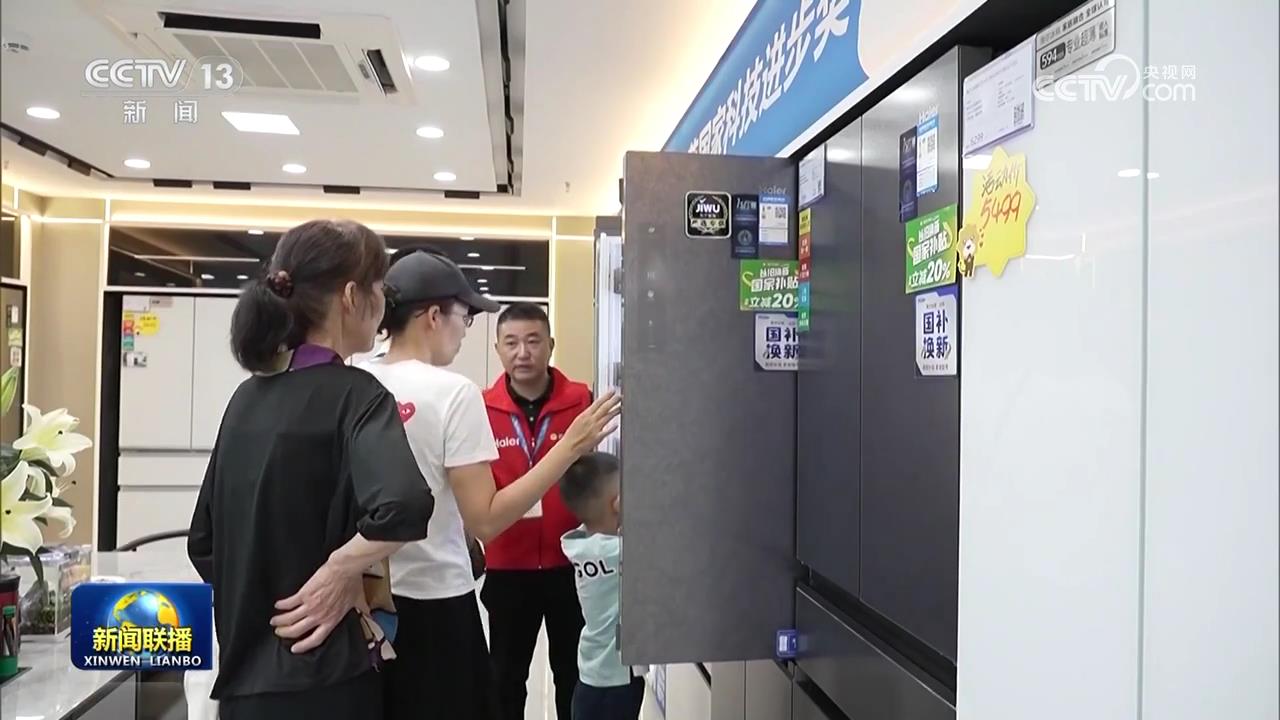
Group 1 - The core viewpoint is that a series of policies aimed at expanding domestic demand and promoting consumption have effectively stimulated China's consumption market, leading to stable growth and a stronger role as the "main engine" of economic growth [1] Group 2 - The policy of replacing old consumer goods has significantly boosted sales, with related sales exceeding 1.9 trillion yuan and benefiting over 320 million people by August 14, 2023 [1] - The automotive sector saw over 7.3 million vehicles replaced, while over 110 million home appliances and 789 million digital products were upgraded [1] - High-efficiency home appliances are experiencing rapid sales growth, indicating a trend towards quality large items [1] Group 3 - Service consumption demand has been consistently released, with an increase in tourism during the summer, leading to a new lifestyle where people travel for events [3] - Cultural venues have extended their opening hours, enhancing the cultural experience for visitors [3] - Related consumption in tourism, leisure, and cultural services has shown rapid growth, with retail sales in these sectors maintaining double-digit growth [3] Group 4 - Online consumption has gained momentum, with online retail sales increasing by 9.2% year-on-year in the first seven months of the year, marking a new high for the year [5]

滴滴旗下99Food在巴西圣保罗正式上线
Shang Wu Bu Wang Zhan· 2025-08-15 16:01
Core Insights - Didi's food delivery app 99Food officially launched operations in São Paulo on August 12, with an investment of 500 million Brazilian Reais, which accounts for half of 99Food's investment plan in the Brazilian market [1] Company Strategy - The strategy for 99Food in Brazil includes not only food delivery services but also plans for future integration of transportation, delivery, and payment services [1]

上海 86 家独角兽企业都在哪?这个区领跑全市
3 6 Ke· 2025-08-15 09:25
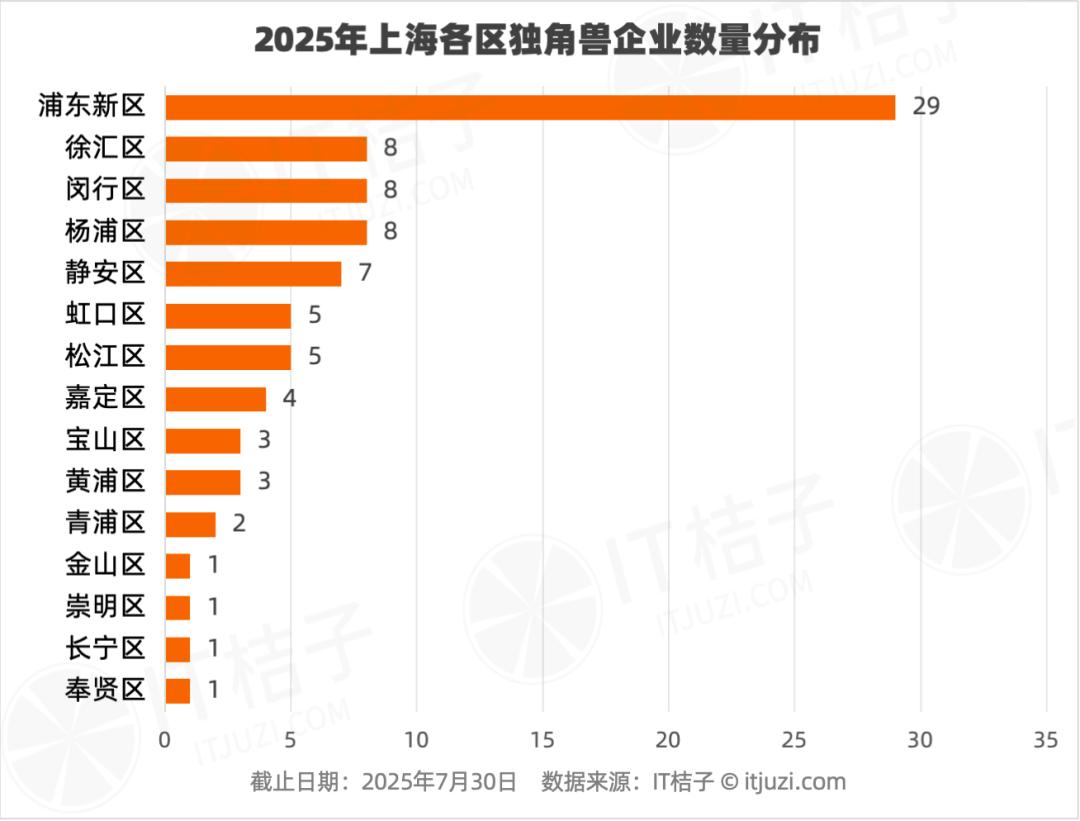
Core Insights - Shanghai aims to cultivate 100 unicorn companies by 2027, currently having 86 unicorns, which is about 20% of China's total of 427 unicorns as of July 30, 2025 [1][3]. Distribution of Unicorns - The distribution of unicorns in Shanghai shows significant regional imbalance, with Pudong New District leading with 29 unicorns, accounting for 34% of the city's total [3][9]. - Xuhui District has 8 unicorns primarily in the AI sector, benefiting from local educational institutions like Shanghai Jiao Tong University [4]. - Yangpu District also has 8 unicorns, focusing on AI and new energy, supported by numerous universities [4]. - Minhang District, despite being suburban, has 8 unicorns in transportation and logistics, with several universities establishing branches there [4]. - Jing'an District has 7 unicorns in healthcare and retail [5]. - Both Songjiang and Hongkou Districts have 5 unicorns, involved in advanced manufacturing, e-commerce, and biomedicine [6]. - Jiading District has 4 unicorns, while Huangpu and Baoshan Districts have 3 each, with several other districts having only 1 or 2 unicorns due to weaker industrial bases [7][9]. Tiered Distribution - The unicorn distribution in Shanghai can be categorized into five tiers, with Pudong New District in the first tier due to its strong policy support and infrastructure [9]. - The second tier includes Xuhui, Minhang, Yangpu, and Jing'an, which have 7 to 8 unicorns each, benefiting from established tech ecosystems and educational resources [9]. - The third tier consists of Hongkou, Songjiang, and Jiading, while the fourth tier includes Baoshan, Huangpu, and Qingpu, which have weaker industrial foundations [9]. - The last tier includes Jinshan, Chongming, Changning, and Fengxian, with limited unicorn presence due to their remote locations and traditional industries [9]. Future Outlook - Areas like Songjiang, Qingpu, and the Lingang New Area are expected to attract and incubate more unicorns in the future due to new strategic positioning and ongoing investments [10].
新华社消息|出行火热!端午假期我国交通出行人数超6.5亿人次
Xin Hua Wang· 2025-08-12 05:52
Core Viewpoint - The article discusses the production and dissemination of news content by Xinhua News Agency, highlighting its commitment to quality and accuracy in reporting [1]. Group 1 - The article emphasizes the role of Xinhua News Agency in providing timely and reliable news coverage [1]. - It mentions the agency's efforts in utilizing advanced technology to enhance news production and distribution [1]. - The focus is on the importance of maintaining journalistic integrity and public trust in the media [1].
英敏特:2025年中国消费者报告-深耕价值
Sou Hu Cai Jing· 2025-07-30 11:52
Group 1 - The core viewpoint of the report is that Chinese consumers are increasingly discerning in defining what is "worth buying," balancing rationality and self-indulgence, with emotional resonance becoming more important than mere functionality [1][4][15] - In 2024, China's consumer spending is projected to reach 48.7 trillion yuan, with a forecasted growth rate of 3.6% in 2025, bringing total spending to 50.5 trillion yuan, where nearly 60% of expenditures will focus on essential living needs [1][20][27] - Long-term growth in consumer spending is expected to be driven by service-oriented and quality-focused consumption, with a compound annual growth rate (CAGR) of 3.4% from 2024 to 2029, reaching 57.7 trillion yuan by 2029 [1][21][32] Group 2 - Different consumer categories are showing varied development trends, with essential goods like household food and dining services remaining resilient, while non-alcoholic beverages and health products are experiencing growth [2][11][21] - The report highlights a shift towards experience-driven consumption, with consumers increasingly valuing health, self-indulgence, and emotional connections with brands, indicating a need for brands to innovate based on real demands [1][21][24] - The report emphasizes that while consumers still appreciate the professionalism and innovation of "successful" brands, there is a growing preference for brands that exhibit warmth and empathy, reflecting a desire for trust and companionship in a challenging environment [1][24][15]

近380亿元!“苏超”为何有如此强大的经济带动效应?
Sou Hu Cai Jing· 2025-07-29 12:05
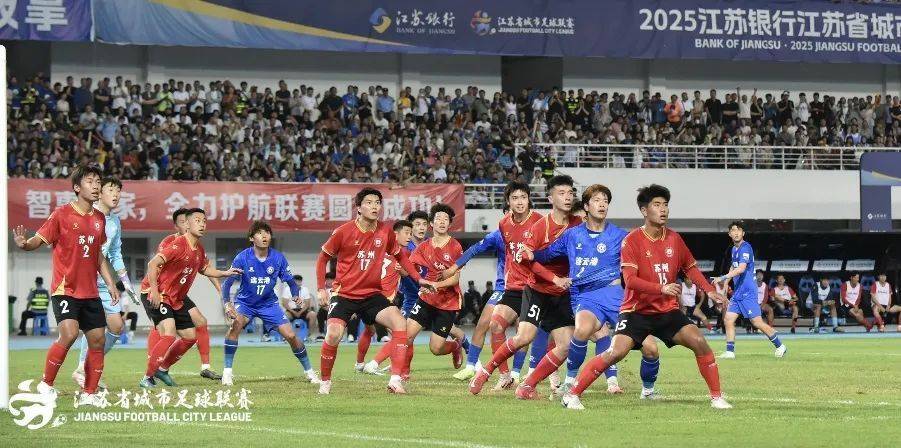
Core Insights - The economic report for Jiangsu Province in the first half of 2025 indicates stable economic performance with growth momentum, highlighting the "Su Super" events as a significant driver of economic growth [1] Economic Performance - The total service revenue from tourism, travel, dining, accommodation, and sports during the first six rounds of "Su Super" reached 37.96 billion yuan, marking a year-on-year increase of 42.7% [1] - The influx of visitors for the "Su Super" events has invigorated local economies, particularly in transportation, dining, and accommodation sectors [1][3] Tourism and Travel Impact - Out-of-province visitors accounted for 28.8% of travel payments, indicating a substantial increase in local transportation services such as car rentals and taxis [3] - The dining sector saw a 19.7% contribution from out-of-province visitors, leading to a surge in demand for local delicacies, with notable increases in searches for regional foods [3] Accommodation Sector - Hotel bookings in host cities surged during the events, with many hotels experiencing full occupancy and offering discounts to fans [3] Cultural and Sports Integration - Various cities launched tourism packages combining match attendance with local sightseeing and cultural experiences, enhancing visitor engagement with local culture [5] - The success of "Su Super" is attributed to Jiangsu's strong football culture and economic foundation, with five professional clubs and a high level of grassroots football participation [7] Economic and Cultural Synergy - The "Su Super" events have created a new pathway for integrating sports with urban development, demonstrating the economic value of emotional connections in consumer behavior [9] - The events have revitalized underutilized sports venues and fostered a vibrant football culture through community events and exhibitions [7][9]
21社论丨以高质量发展的确定性应对外部不确定性
2 1 Shi Ji Jing Ji Bao Dao· 2025-07-15 22:38
Economic Growth - China's GDP grew by 5.3% year-on-year in the first half of the year, surpassing last year's growth of 5.0% and market expectations, laying a solid foundation for achieving the annual target of around 5% [1] - The contribution rates of the three main drivers of the economy were: final consumption expenditure at 52%, capital formation at 16.8%, and net exports at 31.2% [1] Consumption - Final consumption expenditure has become the main driving force for economic growth, with a contribution rate of 52.3% in the second quarter, slightly up from the first quarter [1] - The total retail sales of consumer goods reached 24.55 trillion yuan, growing by 5% year-on-year, with a second-quarter growth of 5.4%, an acceleration of 0.8 percentage points from the first quarter [1] - Various policies to expand domestic demand and promote consumption, particularly the "trade-in" policy, significantly boosted sales in appliances, automobiles, and communication products [1][2] Investment - Investment growth and contribution rates showed fluctuations, with real estate investment continuing to decline and manufacturing investment facing saturation and pressure [3] - Fixed asset investment nominally grew by 2.8%, while the actual growth rate, after adjusting for price effects, was 5.3% [3] - The manufacturing sector's investment growth fell to 5.1% year-on-year in June, indicating challenges in industrial production despite strong consumption and net exports [3] Trade and Exports - Net exports contributed significantly to economic growth, with total goods trade reaching 21.79 trillion yuan, a year-on-year increase of 2.9% [2] - Exports broke the historical record of 13 trillion yuan, growing by 7.2% year-on-year, while imports decreased by 2.7% [2] Market Sentiment - International institutions have raised their growth forecasts for China, reflecting the resilience of the economy against external shocks and the growth potential of domestic consumption [4] - The Shanghai Composite Index surpassed 3,500 points, driven by restored investor confidence and expectations of continued policy support in the second half of the year [4]
【智库动态】王宏淼:投资于人,释放消费潜力
Sou Hu Cai Jing· 2025-05-16 11:16
Core Viewpoint - The article emphasizes the importance of transitioning to a consumption-driven economy in China, highlighting the need for sustainable income growth, diverse consumer choices, and strong consumer confidence to achieve high-quality economic development [3][4][5]. Group 1: Consumption Demand and Supply - Consumption demand is driven by individual choices and purchasing power, which are linked to stable income levels. Short-term stimulus policies may only provide temporary relief without lasting improvements in purchasing power [4][5]. - The shift in consumption patterns indicates a move from goods to services, with service consumption projected to account for 46.1% of per capita consumption expenditure by 2024, aligning with international trends [6][11]. Group 2: Government Role and Policy Recommendations - The government can enhance consumer choices by improving the institutional environment and optimizing the supply of goods and services. Employment-focused macro policies are essential for increasing disposable income and stabilizing consumer expectations [5][8]. - Strategies should include deregulation, expanding service supply, and reducing macro tax burdens to invest more in human capital, which is crucial for stabilizing consumption and achieving consumption upgrades [5][7]. Group 3: Enhancing Consumer Confidence and Income - The net wealth flow and disposable income of residents are influenced by initial and secondary distribution of national wealth, with a focus on reducing the macro tax burden to enhance consumer purchasing power [8][9]. - Addressing residents' debt and interest payments through multi-channel policies can significantly improve long-term consumption capacity [9]. Group 4: Investment in Human Capital - Social investment aimed at enhancing human capital is critical for economic growth and social progress. This includes investments in education, healthcare, and community development, which are essential for fostering new consumption patterns [10][11]. - The transition from material to human investment is necessary to support the growth of a consumption-oriented society, emphasizing the importance of continuous skill training and education for workers [10][11].