宠物

Search documents
经济越来越差,这八大行业越赚爆!
创业家· 2026-02-17 09:22
Core Insights - The article discusses how certain industries are thriving despite a general perception of economic downturn, highlighting eight key sectors that present significant business opportunities in a low-desire society [3][4]. Group 1: Key Industries - **Second-Hand Economy**: The second-hand luxury market in Japan, represented by companies like Daikokuya, has seen a surge in revenue. In China, platforms like Hongbulin and Panghu are experiencing similar growth, indicating a shift in consumer spending towards second-hand goods [6][7][8][9]. - **Pet Economy**: With declining birth rates, young people are spending more on pets, leading to significant growth in pet food and healthcare products. Companies like Inaba in Japan and Guobao in China are capitalizing on this trend [11][12][14][15]. - **Adult Care Products**: The adult diaper market in Japan has surpassed $10 billion, indicating a growing demand for adult care products in China, with companies like Kexin poised for growth [16][17][18]. - **Health Food and Beverages**: The rise in health consciousness has led to increased demand for sugar-free beverages and functional drinks, with brands like Dongfang Shuye and Jianchun gaining traction in China [21][22]. - **Beauty Economy**: The demand for beauty products, including collagen supplements and at-home beauty devices, is on the rise, with companies like Jinbo Bio and U like seeing significant sales growth [23][25]. - **Outdoor Recreation**: The outdoor equipment market is booming, with brands like Kailas and Camel experiencing rapid sales growth as consumers seek leisure activities [25][26][27]. - **Emotional Economy**: Products that provide emotional comfort, such as low-alcohol beverages and lifestyle brands, are gaining popularity, reflecting a dual consumer behavior of frugality and indulgence [28][29][30]. - **Convenience Economy**: The demand for convenience foods and smart home appliances is increasing as younger generations spend less time cooking. Brands like Anjijia and Kewotai are seeing steady growth [33][35][36]. Group 2: Market Trends - The article emphasizes that the current economic climate, often viewed as a "winter," presents opportunities for those willing to invest in counter-cyclical sectors [39]. - It suggests that the key to success in a low-desire society is to identify and capitalize on emerging trends and consumer needs, rather than retreating from the market [39].


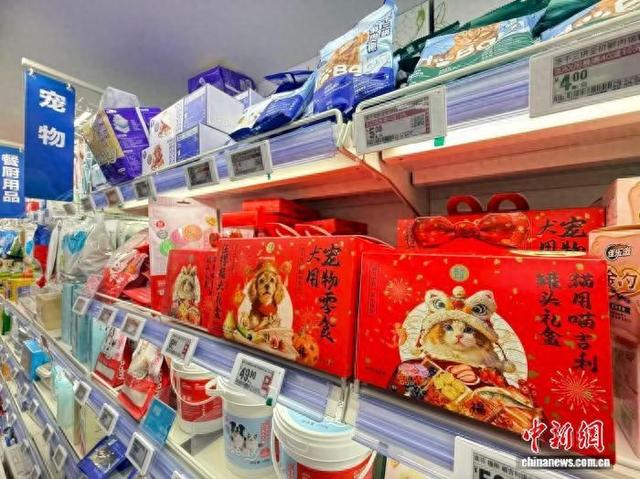
(新春走基层)“宠物年夜饭”走俏市场 创意迭出仪式感“拉满”
Zhong Guo Xin Wen Wang· 2026-02-16 13:14
在中国,年夜饭承载着辞旧迎新、阖家团圆的文化意涵。"宠物年夜饭"的兴起,意味着宠物正作为新的 家庭角色一同参与传统节庆。 中新网杭州2月16日电(蓝伊旎 林姝妤)除夕当日,当人们围坐享用热气腾腾的年夜饭时,一份特殊的"团 圆饭"也在许多养宠家庭悄然登场。红包造型的宠物饼干、寓意吉祥的鸡肉糖葫芦、印着"福"字的羊奶 冻干……"年味"十足的专属食物,让"毛孩子"们也成了年夜饭桌上的一员。 据了解,市场上的"宠物年夜饭"多以鸡肉、三文鱼、牛肉等宠物鲜食中常见的食材为原料,往往采用纯 手工制作、不添加防腐剂。从传统猫粮犬粮,到水饺、佛跳墙等中式佳肴,再到惠灵顿牛排、恰巴塔等 西式美食,其产品形态亦"花式"翻新,价格在几十元(人民币,下同)到数百元不等。 许多商家还将美好祝福融入产品设计,让这份特殊的年夜饭更有"情绪价值"。例如,好利来旗下宠物烘 焙品牌推出"萌爪贺岁"礼盒,内含福袋造型的饼干;盒马则推出了猫犬通用的冻干"压岁红包",让宠物 也能收到一份新年祝福。 宠物年节消费热潮,也正从"吃"延伸至更广的领域。经营"人宠社交"空间的甜豆SweetPets主理人王璐璐 介绍,其推出的"新春一条龙"服务颇受欢迎:"宠物新 ...
未来10年,最挣钱的凭什么一定是这群人?
创业家· 2026-02-16 09:32
Core Insights - Amazon's report on global e-commerce trends highlights emerging consumer preferences and market opportunities, serving as a guide for businesses in product selection and strategy [1][2]. Group 1: AI-Driven Consumer Experience - The trend of "AI Quality Space" indicates that homes are evolving into emotionally interactive environments, with over 65% of consumers in Europe and the U.S. willing to spend more on smart home products [3][4]. - Consumers are seeking personalized experiences that cater to emotional needs, such as safety and comfort, which presents significant market opportunities for businesses that understand user demands [6][7]. Group 2: Sleep Economy - The "Dream Cabin" trend addresses the growing issue of sleep quality, with 37% of U.S. adults reporting a decline in sleep quality in 2023 [10]. - The sleep economy is expanding, with consumers willing to invest in products that enhance health and quality of life, including smart sleep monitoring devices and high-quality sleep environments [11][12]. Group 3: Workplace Happiness - The "Happy Office" trend reflects a shift in expectations for workspaces, emphasizing ergonomic designs and comfort to enhance productivity and well-being [13][14]. Group 4: Subtle Technology Integration - Consumers are increasingly favoring technology that seamlessly integrates into their lives, enhancing quality of life without being intrusive, as seen in brands like Apple [15]. Group 5: Pet Economy - The global pet industry is projected to grow by 45% over the next six years, with 55% of pet owners in Europe and Japan willing to spend more on pet healthcare and wellness products [16][17]. - Pets are becoming integral family members, leading to increased demand for personalized pet products and services that foster emotional connections [19]. Group 6: Outdoor Cooking - The trend of outdoor cooking is gaining popularity, driven by a desire for unique experiences in nature, leading to demand for professional outdoor cooking equipment and related products [20][21][22]. Group 7: Mobile Living Spaces - Vehicles are transforming into multifunctional spaces, serving as mobile homes or offices, with innovations in comfort and utility becoming key selling points for automotive companies [23][27]. Group 8: Generation Z Consumers - Generation Z, as digital natives, is becoming a significant consumer force, prioritizing values such as sustainability, personalization, and emotional engagement in their purchasing decisions [28][29][30]. Group 9: Health and Fitness - The focus on health remains paramount, with modern consumers seeking scientific, efficient, and enjoyable fitness solutions, supported by the rise of smart wearable devices and personalized fitness programs [31][34]. Group 10: Esports Market - The esports market is rapidly expanding, particularly in emerging markets, with consumers seeking high-performance equipment and immersive experiences [35][36][37]. Summary of Trends - The report identifies three key drivers of these trends: accelerated technology, emotional shifts, and lifestyle changes, reflecting the complex needs of contemporary consumers [39]. - Many new opportunities lie within fundamental human desires for a better quality of life, emphasizing the importance of understanding consumer behavior [40].


当年轻人说“爱你老己”:情绪经济正在成形吗?
经济观察报· 2026-02-16 03:07
Core Viewpoint - The article discusses the emergence of the "emotional economy," which encompasses various consumer behaviors driven by emotions, such as self-care, companionship, and anger, highlighting the complexities and implications of these trends in modern society [4][6][30]. Group 1: Emotional Economy Overview - The emotional economy is defined as a new economic form where consumers prioritize emotional value over functional value in their purchasing decisions [9][12]. - Emotional consumption is driven by the need for psychological comfort, self-identity, and emotional resonance, rather than just the utility of products [8][9]. - The emotional economy includes three layers: emotions as commodities, the role of data and platforms in shaping emotional experiences, and the shift from functional value to emotional connection in brand relationships [9][11]. Group 2: Examples of Emotional Economy - Pop Mart serves as a clear example of the emotional economy, where its blind box model creates emotional anticipation and excitement, leading to increased consumer willingness to purchase [10][11]. - The emotional value derived from Pop Mart's products is not just about the toys themselves but the designed emotional experience associated with the purchase [10][11]. - The emotional economy is rapidly growing, with a projected market size of approximately 2.3 trillion yuan in 2024, expected to exceed 4.5 trillion yuan by 2029 [12]. Group 3: Subcategories of Emotional Economy - The "self-love economy" has gained prominence, where consumers focus on personal well-being and emotional satisfaction through various expenditures, such as wellness services and hobbies [20][21]. - The "companionship economy" is characterized by the rise of AI companionship and emotional support services, which have become significant in addressing loneliness and emotional needs [24][25]. - The "anger economy" reflects the monetization of negative emotions, particularly through social media, where content designed to provoke anger garners more engagement and visibility [26][27]. Group 4: Future Implications of Emotional Economy - The emotional economy raises concerns about the potential for emotional commodification to lead to a depoliticized approach to self-care, shifting responsibility for emotional well-being onto individuals rather than addressing systemic issues [30][32]. - The article suggests that while the emotional economy can provide short-term comfort, it may also internalize structural problems as personal issues, complicating the relationship between individual well-being and societal conditions [31][32]. - The evolution of the emotional economy may lead to a revaluation of emotional skills in the workforce, particularly as AI takes over more analytical tasks, potentially benefiting those with strong emotional intelligence [33].


年货消费迎来“00后主理人”:“手搓”年味火了,为宠物花钱更多了
第一财经· 2026-02-14 11:27
Core Insights - The article highlights the increasing influence of young consumers, particularly those born after 2000, on the Chinese New Year shopping trends, with online retail sales reaching 9897.3 billion yuan by February 8, 2026, marking a 47% year-on-year increase in spending by this demographic [3][4]. Group 1: Consumer Trends - Young consumers are driving the demand for "emotional value" products during the New Year, with a notable rise in nostalgic and DIY items, such as handmade decorations and childhood snacks, reflecting a shift towards self-indulgence in holiday spending [4][5]. - The trend of DIY products is significant, with searches for "New Year DIY" increasing by over 200% and "Horse Year DIY" searches rising by 600%, indicating a preference for creative and personalized holiday items among younger shoppers [5][6]. Group 2: Pet Market Growth - The pet market is experiencing a surge during the New Year, with young consumers increasingly purchasing pet-related items, including toys and festive clothing, leading to a year-on-year growth of 115.60% in pet apparel sales [5][6]. - The pet ownership in urban areas has surpassed 126 million, with the pet consumption market reaching 312.6 billion yuan in 2025, showcasing the growing significance of pets in holiday celebrations [5][6]. Group 3: Pre-prepared Meals - Pre-prepared meals continue to gain traction in New Year celebrations, with sales of a new "Legendary" meal series from Hema increasing by 116% since its launch, reflecting consumer demand for unique and high-quality dining experiences [6]. - Consumers are prioritizing regional flavors and are open to trying innovative dishes, with 90% preferring hometown flavors and over 80% willing to experiment with creative New Year meals [6].

瑞普生物做LP,参设10亿元并购基金
FOFWEEKLY· 2026-02-14 09:20
瑞普生物做LP 导读: 上市公司密集设立并购基金,又一家LP入场。 作者丨黄蓉 时隔一年,瑞普生物又出手了。 2月12日,瑞普生物发布公告,称公司与海通并购(上海)私募基金管理有限公司、 海通开元投 资有限公司、高邮市产业引导基金(有限合伙)及关联方天津瑞晟私募基金管理有限公司签署《江 苏国泰海通瑞普并购产业基金合伙企业(有限合伙)之合伙协议》,拟共同出资设立江苏国泰海通 瑞普并购产业基金合伙企业(有限合伙)。 根据公告,该基金总规模为人民币10亿元。其中,瑞普生物作为有限合伙人以自有资金及自筹资 金出资人民币2.95亿元,占合伙企业认缴出资总额的 29.50%。 此外, 作为有限合伙人, 海通开元出资2.05亿元,占认缴出资总额20.5%。高邮市产业引导基 金认购4.9亿元,占比49%。海通并 购(上海)私募基金管理有限公司作为基金普通合伙人和执 行事务合伙人,与 天津瑞晟私募基金管理有限公司各认缴500万元,占比0.5% 本基金投资期为5 年,退出期为2年。退出期后仍有存续项目的, 经合伙人会议同意可延长, 每 次不超过一年,最多不超过一次。 从投资方向看,此次产业并购基金主要以支持实体产业发展为导向,重 ...


年货消费迎来“00后主理人”:“手搓”年味火了,为宠物花钱更多了
Di Yi Cai Jing· 2026-02-14 08:40
Group 1 - The core trend of emotional consumption and pet consumption is rising during the Spring Festival, with young consumers becoming the main drivers of this trend [1][2] - The online retail sales for the national New Year goods festival reached 989.73 billion yuan by February 8, 2026, with post-00s consumers accounting for over 30% of the total sales and a year-on-year increase of 47% in order value [1] - The demand for "emotional value" in New Year goods is increasing, with products that evoke nostalgia and emotional resonance, such as home decorations and childhood snacks, becoming popular among young consumers [1] Group 2 - The DIY segment is gaining traction, with searches for "New Year DIY" increasing by over 200% and "Horse Year DIY" searches rising by 600%, indicating a willingness to pay a premium for creative and personalized products [2] - The pet market is experiencing significant growth during the Spring Festival, with sales of pet toys, clothing, and food seeing substantial increases, including a 115.60% rise in pet clothing sales compared to last year [2][3] - The pet consumption market in China reached 312.6 billion yuan in 2025, with a growing trend towards diversification in pet products, including offerings for various types of pets beyond just cats and dogs [3] Group 3 - Pre-made dishes are maintaining growth in the New Year meal segment, with sales of a new series of dishes increasing by 116% since launch, reflecting consumer demand for unique and high-quality meal options [3][4] - Consumers are prioritizing regional flavors and are open to trying creative dishes, with nearly 90% preferring hometown flavors and over 80% willing to experiment with innovative New Year meals [4] - Health considerations, such as low-fat and low-sugar options, are becoming increasingly important in the decision-making process for young consumers regarding New Year meals [4]

波奇宠物股价承压,行业竞争加剧,流动性风险需关注
Jing Ji Guan Cha Wang· 2026-02-13 22:51
Core Viewpoint - The stock price of BQ.US has experienced significant fluctuations and is under long-term pressure, with the company stating its commitment to maintaining its listing status [1][2]. Company Summary - BQ.US is a comprehensive pet service platform in China, listed on the New York Stock Exchange in 2020, and was placed on the "pre-delisting" list by the SEC in 2022 [1]. - The company has seen a notable increase in trading volume, with a surge of 109.32% to $315,700 on January 10, 2026, but has faced a cumulative decline of 78.4% over the past 60 days [1][2]. - The company's liquidity is currently low, with daily trading volume often below $500,000, which can amplify price volatility [2]. Industry Summary - The pet industry is becoming increasingly competitive, with accelerated mergers and acquisitions since 2025, indicating a shift in capital exit strategies towards consolidation [1]. - According to a report by the China Business Industry Research Institute, the market size of China's pet industry is expected to reach 345.3 billion yuan in 2024 and grow to 362.6 billion yuan by 2025, suggesting a stabilizing industry landscape [1]. - Trends in the pet economy for 2026 include aesthetic product design, deep integration of AI, and brand internationalization, which may impact platform-based companies [1].

整个社会都在喊没钱了,为什么这些公司反而年赚百亿?
创业家· 2026-02-13 10:10
Core Insights - The article discusses how certain industries are thriving despite a general perception of economic downturn, highlighting eight key sectors that present significant business opportunities in a low-desire society [3][4]. Group 1: Key Industries - **Second-Hand Economy**: The second-hand luxury market in Japan, represented by companies like Daikokuya, has seen a surge in revenue. In China, platforms like Hongbulin and Panghu are experiencing similar growth, indicating a shift in consumer spending towards second-hand goods [6][7][8][9]. - **Pet Economy**: With a decline in birth rates, young consumers are increasingly spending on pets, leading to significant growth in pet food and healthcare products. Companies like Inaba in Japan and Guobao in China are capitalizing on this trend [12][13][15][16]. - **Adult Care Products**: The adult diaper market in Japan has surpassed $10 billion, showcasing the potential of the aging population as a lucrative market segment [17][18][19]. - **Health Food and Beverages**: Changing demographics and rising health awareness have led to the growth of sugar-free beverages and functional foods in both Japan and China, with brands like Suntory and Dongpeng gaining traction [21][22]. - **Beauty and Aesthetic Products**: The demand for beauty products, including collagen supplements and at-home beauty devices, remains strong, indicating that consumers prioritize personal care even in economic downturns [23][24][26]. - **Outdoor Recreation**: Companies in the outdoor equipment sector, such as Snow Peak in Japan and various Chinese brands, are benefiting from increased interest in outdoor activities as a form of stress relief [29][31][32]. - **Convenience Economy**: The rise of frozen foods and smart home appliances reflects a shift towards convenience, with brands like Anjijia and Kewell seeing steady growth as consumers seek time-saving solutions [39][40][42]. - **Lazy Economy**: The trend of reduced cooking time among younger generations has led to a preference for ready-to-eat meals and smart appliances that automate household tasks, indicating a shift in consumer priorities [39][40][42]. Group 2: Market Dynamics - The article emphasizes that even in a low-desire economy, there are significant opportunities for those willing to invest in counter-cyclical sectors. Companies that can identify and act on these opportunities are likely to emerge as winners [44].



融资放缓、并购加速:2025年新消费正在换一种生长方式——年度投融资复盘
3 6 Ke· 2026-02-13 09:45
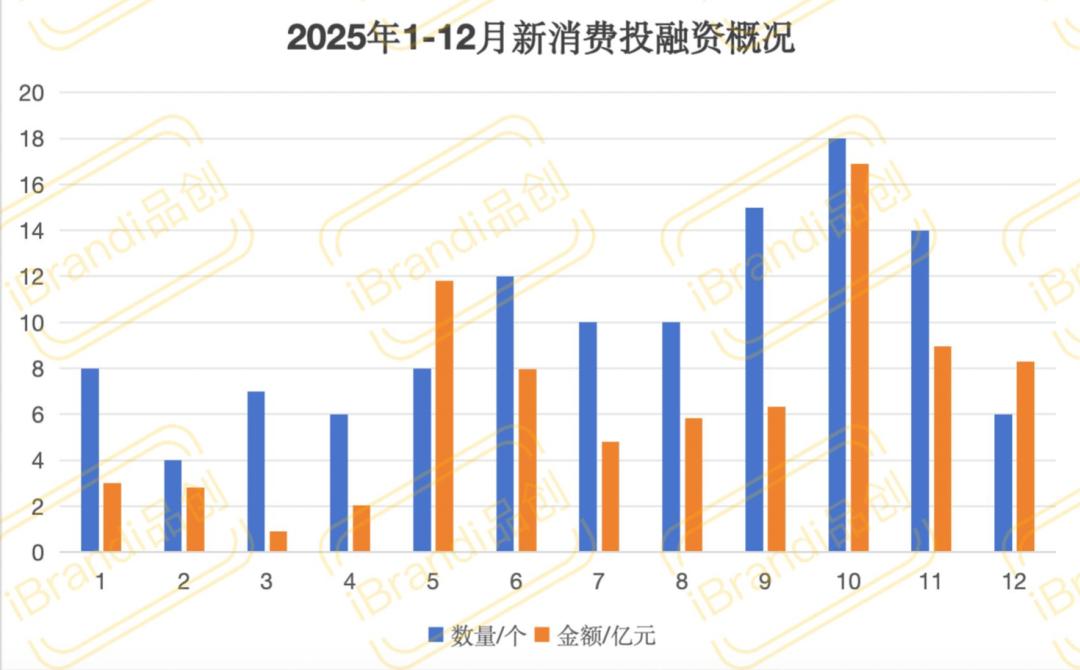
据iBrandi品创不完全统计,2025年全年共披露完成116起投融资项目,金额约80亿人民币。 其中,有25起为亿元级别项目。 当然,从表面上看,趋势依旧是"降温",无论从项目数量还是资金规模来看,这一数据都已是近五年的低位区间。 具体到几个关键品类来看——食品品类披露融资32起,金额约为15亿人民币;饮品品类披露融资16起,金额约为14亿人民币;美妆个护披露14起项目,金 额约为7.7亿人民币;宠物赛道披露完成9起项目,金额约为7亿人民币;智能生活(含AI硬件消费)披露18起,金额超20亿人民币。 具体来看,2025年的食品饮料行业,虽然并未出现需求断崖式下滑,但增长逻辑已经发生转向。就整体消费环境来看,消费者变得更加理性,对价格、稳 定供给与长期品质的关注明显提升;行业整体进入低增速阶段,新品牌突围难度显著加大。 在这样的背景下,资本对食品饮料的参与方式明显改变:对新品牌的早期下注减少;对功能食品、原料端、供应链体系的关注上升;并购、控股,开始比 融资更重要。 比如在2025年的食品饮料项目中,与供应链或是"创新健康食品"相关的有14起,几乎占据半壁江山。供应链层面,进口冻品产业互联网数字化交易平台 「 ...