
娱乐

Search documents
擎华控股预计中期净亏损约2600万至3100万港元
Zheng Quan Shi Bao Wang· 2025-08-27 00:25
Core Viewpoint - The company expects a significant increase in net loss for the six months ending June 30, 2025, projected to be between 26 million to 31 million Hong Kong dollars, compared to a net loss of 8.59 million Hong Kong dollars for the same period ending June 30, 2024 [1] Financial Performance - The anticipated net loss of 26 million to 31 million Hong Kong dollars represents a substantial increase from the previous year's loss of 8.59 million Hong Kong dollars [1] - The gross profit for the current period is expected to be only 700,000 Hong Kong dollars, a sharp decline from the gross profit of 4.32 million Hong Kong dollars recorded in the same period last year [1]
擎华控股(08082.HK)盈警:预计中期净亏损2600万至3100万港元
Ge Long Hui· 2025-08-26 14:41
Core Viewpoint - The company, Qinhua Holdings (08082.HK), anticipates a significant increase in net loss for the six months ending June 30, 2025, projecting a loss between approximately HKD 26 million to HKD 31 million, compared to a net loss of about HKD 8.59 million for the same period ending June 30, 2024 [1] Financial Performance - The expected increase in losses is primarily attributed to poor market performance in the concert sector, resulting in a gross profit of only approximately HKD 700,000, a substantial decline from the gross profit of about HKD 43.2 million recorded for the six months ending June 30, 2024 [1]
姚记科技:8月25日召开董事会会议
Mei Ri Jing Ji Xin Wen· 2025-08-26 10:48
Group 1 - The core viewpoint of the article highlights the recent announcement by Yaoji Technology regarding its board meeting and financial performance for the first half of 2025 [1] - Yaoji Technology's revenue composition for the first half of 2025 is as follows: Internet marketing accounts for 36.19%, entertainment for 33.44%, cultural and sports entertainment for 29.8%, and other businesses for 0.58% [1] - As of the report, Yaoji Technology has a market capitalization of 12.2 billion yuan [1] Group 2 - The article mentions a significant growth opportunity in the pet industry, which is projected to reach a market size of 300 billion yuan, indicating a booming sector with rising stock prices among industry-listed companies [1]

如何在三四线城市赚大钱?教你10个复制策略,缺什么就复制什么
Sou Hu Cai Jing· 2025-08-25 10:40
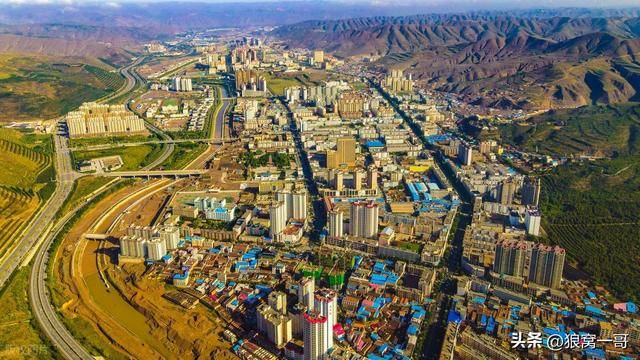
Core Insights - The article argues that third and fourth-tier cities present significant wealth opportunities that are often overlooked due to perceptions of lower consumer power compared to first and second-tier cities [1][47][50] Group 1: Investment Opportunities - Many successful business models from first and second-tier cities can be replicated in third and fourth-tier cities, where competition is lower and investment costs are reduced [5][50] - The consumer behavior in third and fourth-tier cities shows a strong tendency for "follow-the-trend" consumption, making it easier to introduce new concepts [5][50] Group 2: Replication Strategies - **Food and Beverage**: Replicating popular dining concepts from first and second-tier cities can attract young consumers in third and fourth-tier cities [8][9] - **Health and Fitness**: Establishing well-equipped gyms can fill a gap in the market, as health consciousness is rising among younger demographics [12][13] - **Retail Innovations**: Introducing modern retail formats like convenience stores and fresh supermarkets can significantly improve the shopping experience [15][16] - **Education and Training**: There is a demand for educational services, including tutoring and skill training, which remains underdeveloped in smaller cities [20][21][24] - **Entertainment and Leisure**: Creating social venues and entertainment options can cater to the lack of recreational activities in these areas [25][27] - **Marriage and Social Services**: There is a notable absence of marriage and social platforms, presenting an opportunity to introduce these services [27][28] - **Home Services**: The demand for reliable home services is high, and replicating successful models from larger cities can quickly build a customer base [32][33] - **Local Internet Business**: Leveraging e-commerce and social media marketing can help local businesses thrive in third and fourth-tier cities [35][37] - **Elderly Care**: The aging population in these cities creates a market for elder care services, which are currently lacking [39][40] - **Platform Thinking**: Transitioning from small businesses to platform-based models can yield greater financial returns [44][45] Group 3: Conclusion - The article concludes that third and fourth-tier cities are often underestimated as wealth generation areas, and the key to success lies in replicating proven business models rather than creating unique concepts [47][48][50]

马来西亚二季度经济增长稳健
Jing Ji Ri Bao· 2025-08-20 23:11
Economic Growth - Malaysia's GDP grew by 4.4% year-on-year in Q2, maintaining a steady growth trend despite a complex external environment, slightly below the earlier forecast of 4.5% but above market expectations of 4.3% [1] - Seasonally adjusted GDP increased by 2.1% quarter-on-quarter, significantly higher than the 0.7% growth in Q1, indicating economic resilience [1] Domestic Demand - Strong domestic demand was a key driver of economic growth, with household consumption rising by 5.3% year-on-year and public consumption increasing by 6.4% in Q2 [1] - Government policies, such as raising minimum wages and adjusting civil servant salaries, enhanced consumer purchasing power, contributing to a thriving consumption market [1] - Private and public investments grew by 10.2% and 6.8%, respectively, further supporting economic expansion [1] Sector Performance - The services sector grew by 5.1% year-on-year, driven by active performance in wholesale and retail, as well as food and beverage sub-sectors [2] - Manufacturing sector growth slowed but still achieved a 3.7% year-on-year increase, with electrical, electronic, and optical products showing sustained growth [2] - Agriculture and construction sectors also reported growth rates of 2.1% and 12.1%, respectively [2] Labor Market - Total employment in Malaysia increased by 2.9% year-on-year, reaching 16.86 million, with an unemployment rate stable at 3%, down 5.7% from the previous year [2] - Labor force participation rate rose to 70.8%, indicating a robust labor market that supports household consumption and sustainable economic growth [2] Trade Performance - Despite challenges, Malaysia's trade performance showed some highlights, with a significant 72.6% drop in net exports due to reduced commodity exports, particularly in mining [2] - Strong performance in electrical and electronic product exports partially offset the overall decline in exports [2] - Malaysia's important position in regional supply chains and trade cooperation with other countries provided some buffer against export market pressures [2] Inflation and Monetary Policy - Malaysia's inflation remained moderate in Q2, with the overall inflation rate decreasing from 1.5% in Q1 to 1.3%, and core inflation holding steady at 1.8% [3] - The decline in fuel prices and a slowdown in food price increases were the main reasons for the drop in inflation rates, providing stability for consumer purchasing power and room for monetary policy adjustments [3] - The central bank expects overall inflation to remain moderate, ranging between 1.5% and 2.3% for the year [3] Future Outlook - Analysts predict that Malaysia's economy may face challenges in the second half of the year, with potential further slowdown in exports [3] - However, continued domestic demand growth and stable investment activities are expected to provide some support for the economy [3] - The recovery of the tourism sector and the advancement of infrastructure projects are anticipated to inject new momentum into the economy [3]
索尼中国金燕敏:以创意和科技探索多元化ESG建设
2 1 Shi Ji Jing Ji Bao Dao· 2025-08-20 10:48
(原标题:索尼中国金燕敏:以创意和科技探索多元化ESG建设) 21世纪经济报道记者 吴立洋 上海报道 8月16日,由南方财经全媒体集团指导,21世纪经济报道联合东方证券主办、上海环境能源交易所战略 支持的第三届21世纪"活力·ESG"创新论坛在上海隆重举办。 在论坛的《构筑绿色供应链、产业链和价值链》圆桌讨论环节,索尼(中国)有限公司高级副总裁金燕 敏分享了索尼集团在ESG领域的探索和实践。她表示,索尼的企业宗旨是以创意和科技的力量感动世 界,基于企业宗旨,公司在ESG方面的目标是为了下一代,从各个方面完成各项ESG倡议,以环境、社 会、治理、三方面齐头并进,达到更高ESG标准为使命要求。 索尼(中国)有限公司高级副总裁 金燕敏 2025年是中国"双碳"目标五周年,政府工作报告提出,"协同推进降碳减污扩绿增长,加快经济社会发 展全面绿色转型"。 作为业务领域涵盖电子、游戏、娱乐、金融等多个领域的综合性跨国集团,金燕敏表示,跨行的多元化 ESG协同管理,也是近年来索尼内部一直在探讨的课题。 据介绍,索尼在中国的ESG战略与HR人才管理紧密结合,将ESG理念从企业宗旨,到价值观,再到文 化传承,力推其成为员工"M ...

港股午评:恒指跌0.57%失守25000点,科技股及医药股下挫,新消费概念股普涨,泡泡玛特再创新高
Jin Rong Jie· 2025-08-20 04:35
金融界8月20日消息,周三上午盘,港股低开后震荡冲高,触及高点后震荡下行,整体呈现倒"V"走 势,截止午盘,恒生指数跌0.57%报24980.2点,恒生科技指数跌1.26%报5472.25点,国企指数跌0.67% 报8945.88点,红筹指数跌0.93%报4316.13点。 盘面上,大型科技股再度低迷拖累市场情绪,快手跌近5%,京东、阿里巴巴跌1.5%,百度、腾讯跌 1%,网易、美团、小米均走低;前期持续上涨的医药类股近日持续调整,互联网医疗股、创新药概念 股跌幅明显,其中,同源康医药大跌超22%,歌礼制药、诺诚健华、复星医药跌幅靠前;中资券商股集 体低迷,弘业期货、东方证券跌幅靠前,重型机械股、锂电池股、家电股、航空股、建材水泥股、钢铁 股等纷纷走低。另一方面,光伏再开反内卷会议,福耀玻璃绩后大涨近14%表现最为强势,小摩指中国 银行股有望进一步上涨,内银股普遍上涨,新消费概念股拉升,尤其是泡泡玛特大涨超7%首次站上300 个月大关。 企业新闻 小米集团(01810):二季度收入约1160亿元,同比增长30.5%;净利润108亿元,同比增长75.4%。二季度 全球智能手机出货量为4240万台,同比增长0.6 ...

“清凉经济”乘“热”而上 热产品、暖服务将“凉资源”变成“热钱流”
Yang Shi Wang· 2025-08-20 03:50
Group 1 - The core idea of the article is the emergence of a "cooling economy" driven by the ongoing high temperatures across the country, leading to various innovative consumer demands and market opportunities [1][19] Group 2 - The transformation of air raid shelters into underground cooling spots is highlighted, with examples from Zhejiang and Sichuan where these spaces offer recreational activities and dining options [6] - The "lazy economy" is thriving as people opt for home cooling solutions, with significant increases in sales of convenient food items on delivery platforms, such as a peak order volume of 150 million on Meituan [10] Group 3 - The "pet economy" is also experiencing growth, with a variety of cooling products for pets gaining popularity, including pet air conditioning rooms and cooling mats, with monthly sales exceeding 10,000 units for basic models [14] Group 4 - Exports of cooling products from China are on the rise, with Zhejiang's ice cream and beverage exports reaching 120 million yuan, a 30% increase year-on-year, and Fujian's air conditioning exports hitting 140 million yuan, a 50% increase [16] Group 5 - The "cooling economy" is not only creating new consumer market trends but also driving upgrades in production, manufacturing, and technological innovation, emphasizing the importance of meeting consumer demands to convert "cool resources" into revenue [19]

【人间烟火】 夜经济激活新“夜”态
Zheng Quan Shi Bao· 2025-08-18 18:23
Core Viewpoint - The "night economy" is a significant aspect of urban economic activity, encompassing leisure, entertainment, dining, and shopping that occurs after dark, reflecting a modern economic form in cities [1][2][3] Group 1: Importance of Night Economy - The night economy accounts for 60% of urban consumption in China, with large shopping malls generating over half of their daily revenue between 6 PM and 10 PM, highlighting its role as a vital economic driver [1] - The increasing consumer demand for diverse experiences, from street food to cultural activities, indicates a shift towards higher living standards and quality of life [1][2] - The night economy showcases a city's soft power, enhancing its charm, openness, and inclusivity through unique nighttime attractions like night markets and cultural events [2] Group 2: Innovation and Economic Growth - Innovative business models are emerging in the night economy, such as AR/VR experiences and nighttime museum tours, promoting a blend of culture, tourism, commerce, and technology [2] - The night economy stimulates economic growth by extending consumption hours and boosting domestic demand, thereby revitalizing market resources and expanding commercial scale [2][3] Group 3: Challenges and Management - While the night economy serves as a new engine for consumption and growth, it also poses challenges such as public safety concerns, environmental issues, and market competition [2] - Issues like increased crime rates in crowded areas, waste management challenges, and the risk of homogenous competition highlight the need for effective urban governance and market management [2][3] Group 4: Overall Impact - The benefits of the night economy outweigh its drawbacks, as it enhances urban vitality, cultural branding, and economic growth, representing a crucial point of innovation in modern urban economic systems [3]
夜经济以烟火气与规范化共筑城市新活力
Qi Lu Wan Bao Wang· 2025-08-18 07:24
Core Insights - The night economy in Dongying is thriving, driven by government initiatives and cultural empowerment, enhancing consumer enthusiasm and boosting employment and economic activity [1][2][3] Employment Impact - The night economy serves as a significant employment reservoir, with over 230 stalls at Honggang Night Market providing direct jobs for more than 800 individuals, including laid-off workers and young entrepreneurs [2] - The growth of night markets and food streets creates a multiplier effect on employment, indirectly generating demand for logistics, cleaning, and food supply services [2] - In the first half of 2025, jobs related to the night economy in Dongying increased by 18% year-on-year, alleviating employment pressure on key demographics [2] Consumer Engagement - The Dongying government launched a summer night consumption season, distributing 10 million yuan in special consumption vouchers, which generated over 30 million yuan in direct consumption, achieving a leverage effect of 1:6 [3] - Cultural activities, such as non-heritage exhibitions and outdoor music events, have attracted significant foot traffic, with daily visitor numbers exceeding 20,000 and weekend peaks surpassing 30,000 [3] - The integration of cultural tourism with the night economy has led to a 62% year-on-year increase in tourist numbers, with over 60% participating in night-time consumption [3] Management and Regulation - Dongying is implementing refined management strategies to balance the vibrancy of the night economy with urban livability, addressing issues like traffic congestion and noise [4] - Infrastructure improvements include road expansions and additional parking spaces, while a self-regulatory model among merchants is being promoted to ensure compliance with hygiene and operational standards [4] - Smart management tools, such as real-time monitoring systems and service apps, enhance operational efficiency and address customer complaints effectively [4] Future Outlook - The night economy is positioned as a key driver for urban functionality and quality of life improvements in Dongying, emphasizing the need for a dynamic balance between vibrancy and order [5]