
家电

Search documents
春晚40年赞助商变迁史,从康巴丝到机器人见证中国经济跃迁
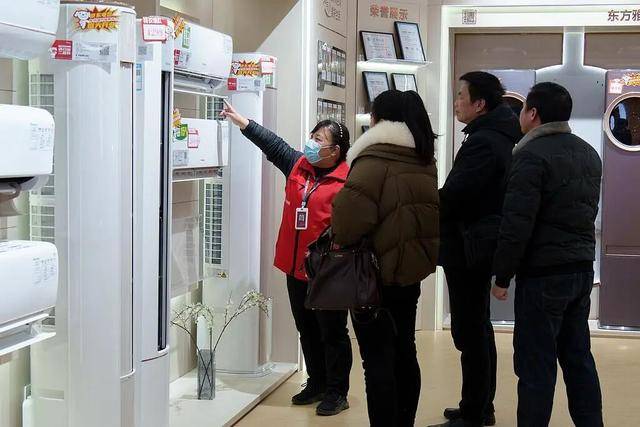
Sou Hu Cai Jing· 2026-02-18 02:17
Group 1 - The article discusses the evolution of sponsorship in the CCTV Spring Festival Gala over the past 40 years, reflecting changes in Chinese society and consumer behavior [2][3] - The first sponsor, 康巴丝 (Kambas), set a precedent in 1984 by using 3,000 quartz watches as payment, marking the beginning of brand sponsorship in the gala [6][8] - The transition from watches to bicycles as the next major sponsor in 1995 illustrates the shift in consumer goods that represented status during the era of material scarcity [10][12] Group 2 - The late 1990s saw a surge in consumer spending on new household appliances, with 山东孔府宴酒 (Shandong Confucius Banquet Wine) becoming the first "mark king" of the gala in 1995, paying 30.79 million yuan [10][12] - The rapid growth of the liquor industry during this period was fueled by "human consumption," where premium liquor became a social currency [12][14] - The article highlights the consequences of over-reliance on advertising without maintaining product quality, as seen in the case of 秦池酒 (Qin Pool Wine), which faced a significant drop in sales after quality issues emerged [14][15] Group 3 - From the early 2000s, the focus shifted to home appliances, with 美的 (Midea) becoming a prominent sponsor, securing 16 sponsorships from 2003 to 2019 [17][19] - The cost of advertising during the gala increased significantly, with Midea's sponsorship fee rising from 6.8 million yuan in 2005 to 57.2 million yuan in 2011, reflecting the growing viewership [17][19] - The brand storytelling approach adopted by companies like 海尔 (Haier) and 格力 (Gree) during this period indicates a shift towards building emotional connections with consumers [20] Group 4 - The rise of internet companies post-2010 transformed the gala's advertising landscape, with platforms like WeChat leveraging the event for massive user engagement through interactive features like the "red envelope battle" [21][23] - The article notes that the 2015 Spring Festival Gala saw WeChat's user engagement peak, with over 10.1 billion red envelopes sent, showcasing the event's potential as a digital marketing platform [21][23] - The involvement of tech giants in the gala reflects a broader trend of digital economy reshaping traditional advertising methods, with companies like 快手 (Kuaishou) and 抖音 (Douyin) entering the sponsorship arena [25][27] Group 5 - The article concludes by emphasizing the transition from showcasing products to highlighting technological advancements, as seen with the introduction of robots in recent galas [27] - This shift signifies a broader change in China's economic landscape, moving from manufacturing to innovation-driven growth, with a focus on high-tech industries [27] - The future of the Spring Festival Gala sponsorship landscape remains uncertain, raising questions about which industries will dominate the next decade [27]





从瓷器到手机:广货们的时髦秘诀
2 1 Shi Ji Jing Ji Bao Dao· 2026-02-17 23:02
Core Viewpoint - "Guangdong goods" represent not only cost-effectiveness but also influence global aesthetic trends, showcasing Chinese cultural spirit and manufacturing aesthetics [1][6]. Group 1: Guangdong Goods and Cultural Significance - Guangdong goods are an important part of Chinese manufacturing and serve as a window to the world for Chinese cultural aesthetics [3]. - The aesthetic value of Guangdong goods is deeply rooted in the meticulousness of Guangdong artisans and their pursuit of inner spiritual beauty [3]. - Historical products like lacquerware exported from Guangzhou exemplify the blend of craftsmanship and aesthetics, becoming star products along the "Maritime Silk Road" [3]. Group 2: Modern Transformation and Consumer Preferences - In the context of the digital economy, Guangdong goods have undergone significant transformation, integrating aesthetics and cultural values into their products [3]. - Young consumers today prioritize not only the functional value of products but also the spiritual value they convey, seeking a higher level of resonance with their personal aspirations [4]. - The Guangdong home appliance industry leads the nation in scale, innovation, and export share, focusing on the integration of humanistic aesthetics and manufacturing [4]. Group 3: Fashion and Textile Industry - The Guangdong fashion industry boasts a strong foundation, with significant advantages in clusters and supply capabilities, leading the nation in quick response and cross-border e-commerce [5]. - The province is home to 29 textile and apparel industrial clusters and 53 fashion schools, producing around 150,000 designers [5]. - The ongoing "Wear Guangdong Fashion" initiative aims to upgrade the textile and apparel industry by incorporating Lingnan cultural elements into modern clothing [5]. Group 4: Technology and Aesthetics in Manufacturing - Guangdong's technological products, such as DJI drones and Huawei smart devices, combine innovation with design aesthetics, telling a compelling "technology + aesthetics" story [6]. - The smartphone industry in Guangdong is a major production and innovation hub, evolving from basic communication devices to multifunctional "super platforms" that integrate various aspects of life and aesthetics [6]. - The rise of foldable smartphones and the integration of AI technologies are key trends driving the smartphone industry's evolution in Guangdong [6].
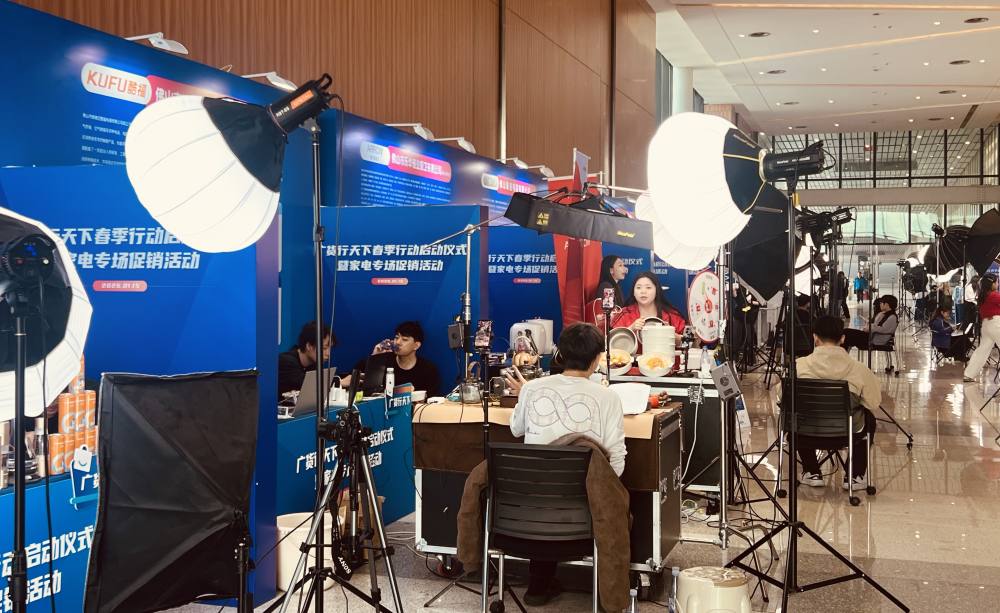
春晚的广告牌 印刻着中国经济的一次次跃迁
Nan Fang Du Shi Bao· 2026-02-17 15:27
Core Insights - The sponsorship history of the CCTV Spring Festival Gala reflects China's economic development and industrial upgrades over the past four decades, showcasing three major transitions: from basic needs to consumer electronics and automobiles, from virtual economy to hard technology, and from demographic dividend to engineer dividend [1][2]. Group 1: Historical Sponsorship Trends - In the 1980s, the main sponsors represented basic household needs, with brands like 康巴丝 leading the way, highlighting the public's desire for precision and the prosperity of light industry [1]. - The 1990s saw a shift towards quality consumption, with liquor brands and home appliance giants like 美的集团 becoming prominent sponsors, marking a transition from survival to quality-focused consumption [1]. Group 2: The Rise of Internet and Technology - The year 2015 marked a turning point with the emergence of internet giants like WeChat and Alipay, initiating a "red envelope war" that transformed user engagement and payment methods [2]. - As the internet traffic peaked, the focus shifted to hard technology, with a notable increase in sponsorship from the electric vehicle sector, indicating a fundamental shift in China's competitive edge from demographic to engineer dividends [2]. Group 3: Future Trends and Cultural Consumption - The upcoming 2026 Spring Festival Gala will feature new partnerships with brands like 名创优品 and 卡游, suggesting a potential shift towards "emotional value" and "cultural consumption" as new wealth drivers in a mature market [3]. - The evolution of sponsors serves as a "value anchor" migration, reflecting China's economic transitions from production capabilities to creative intelligence, providing a lens to observe the pulse of the times [3].
春晚广告位争夺战:四十年国民记忆与商业暗流
创业邦· 2026-02-17 10:32
Core Viewpoint - The evolution of the Spring Festival Gala sponsorship reflects the changing landscape of China's economy and consumer behavior over the past 40 years, showcasing the transition from material scarcity to technological innovation and brand storytelling [4][24]. Group 1: 1980s to Early 1990s - The 1980s marked a period of material scarcity, where items like watches and radios were symbols of wealth and status, leading to the first brand sponsorship by 康巴丝 (Kangbasi) at the Spring Festival Gala [5][7]. - 康巴丝 sponsored the gala by trading 3,000 quartz watches for advertising, which significantly boosted its brand recognition and sales, reaching an annual production of 1.26 million watches by 1987 [8]. - The sponsorship model evolved, with 中华自行车 (Zhonghua Bicycle) taking over the sponsorship in 1995, reflecting the changing consumer demands and economic conditions [9][14]. Group 2: Mid-1990s to Early 2000s - The mid-1990s saw a surge in consumer spending, with the emergence of "标王" (advertising king) sponsorships, particularly in the liquor industry, exemplified by 山东孔府宴酒 (Shandong Confucius Feast Wine) and 秦池酒 (Qinchijiu) [11][12]. - 秦池酒's sponsorship led to a dramatic increase in sales from 1.8 billion yuan in 1995 to 9.5 billion yuan in 1996, highlighting the impact of gala sponsorship on brand visibility and sales [16]. - The era was characterized by a shift towards consumerism, with brands leveraging the gala to enhance their market presence, although some faced backlash due to quality issues [16]. Group 3: 2000s to Early 2010s - The early 2000s marked the rise of home appliance brands, with 美的 (Midea) becoming a prominent sponsor, securing 11 sponsorships from 2003 to 2014, reflecting the growing importance of brand trust [17][19]. - The cost of advertising skyrocketed, with Midea's sponsorship fee increasing from 6.8 million yuan in 2005 to 57.2 million yuan in 2011, indicating the gala's significant viewership and advertising value [21]. - Brands began to focus on storytelling and emotional connections with consumers, moving beyond mere product promotion to build brand loyalty [23]. Group 4: Mid-2010s to Present - The 2010s saw the rise of internet companies as key players in the advertising space, with platforms like WeChat revolutionizing audience engagement through interactive features like the "red envelope battle" during the gala [25][26]. - The digital transformation of the gala allowed for unprecedented levels of interaction, with WeChat reporting 10.1 billion red envelope transactions on New Year's Eve, significantly enhancing its user base [26]. - The emergence of technology companies in the gala sponsorship landscape reflects a broader shift towards innovation and digital engagement, with brands like Xiaomi and AI robotics showcasing advancements in technology [32].





正月初一开门红,长沙马年首趟中欧班列启航
Xin Lang Cai Jing· 2026-02-17 10:06
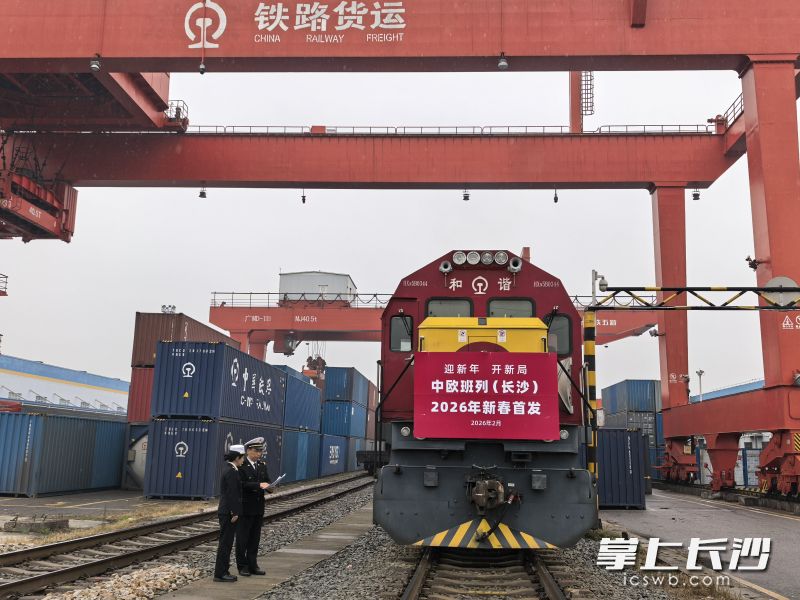
Core Viewpoint - The first China-Europe freight train from Changsha to Russia in the Year of the Horse departed on February 17, 2023, with a total of 220 standard containers valued at 10.04 million USD, primarily carrying engineering machinery, automobiles and parts, and small household appliances [1] Group 1: Freight Train Operations - The China-Europe freight train (Changsha) issued 2 export trains on the same day, totaling 220 standard containers [1] - The total value of the goods transported was 10.04 million USD [1] Group 2: Customs Support - During the Spring Festival, customs provided holiday appointment overtime and 24-hour clearance services to ensure timely issuance of the freight trains [1] Group 3: Year-on-Year Growth - As of January 2026, the Xingsha Customs supervised a total of 109 China-Europe freight trains (Changsha) for import and export, representing a year-on-year increase of 101.9% [1]
深圳有车间堆满包裹!首批625亿元已到位!
Sou Hu Cai Jing· 2026-02-16 17:50
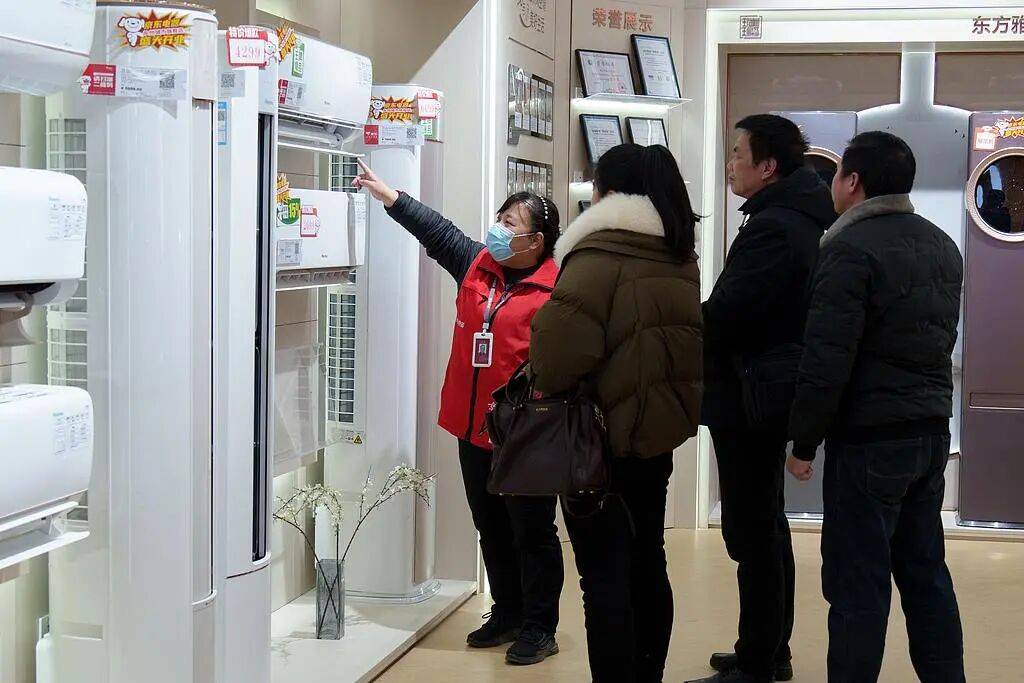
Core Insights - The "Happy Shopping Spring Festival" special event initiated by the Ministry of Commerce and nine other departments has officially started, with a total of 62.5 billion yuan in national subsidy funds allocated to stimulate consumer spending during the holiday [10][11] - The event has led to a surge in consumer interest in upgrading household appliances, with many consumers taking advantage of the old-for-new policy and various discounts [3][10] Group 1: Consumer Behavior - Consumers are actively participating in the old-for-new program, with a significant portion of customers opting to replace old appliances, as seen in a large appliance store in Shijiazhuang where 70% of year-end orders came from replacement customers [3] - The trend of upgrading to energy-efficient and smart appliances is becoming a priority for consumers, with many specifically looking for high-efficiency products [6] Group 2: Government Initiatives - The government has introduced three major packages for consumers during the Spring Festival: the old-for-new program, a prize invoice initiative, and financial support measures [10][11][12] - The old-for-new program includes a subsidy of 1,500 yuan for each old appliance replaced, along with additional discounts from retailers, leading to significant savings for consumers [3][10] Group 3: Market Trends - The demand for smart and digital products is increasing, with items like smart glasses becoming mainstream rather than niche [8] - The automotive market is also experiencing a boost, with consumers benefiting from multiple layers of subsidies when purchasing new vehicles [10]
从米兰巨幅广告到快闪店,冬奥迎来史上最多中国顶级赞助商
第一财经· 2026-02-16 15:09
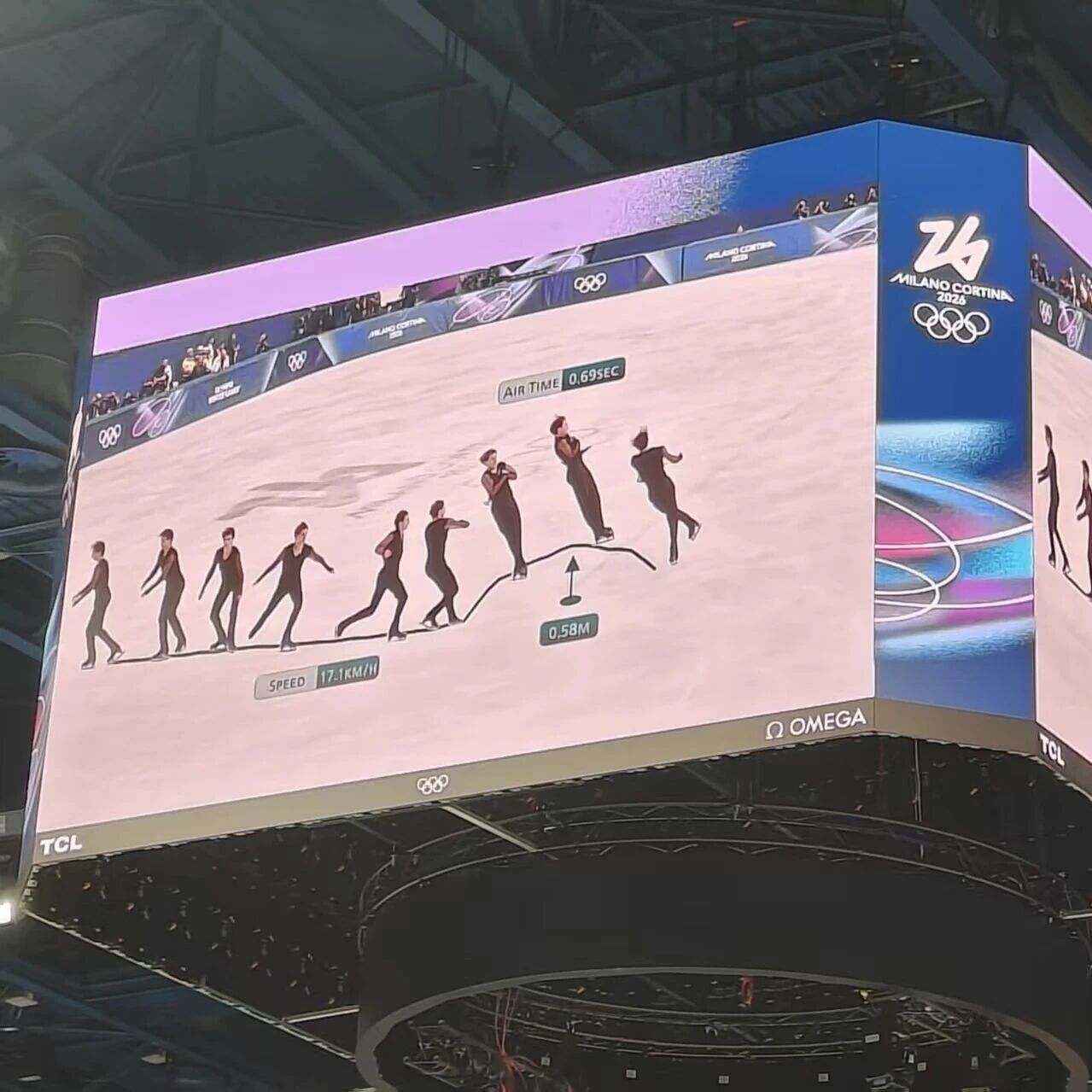
Core Viewpoint - The article highlights the significant presence and impact of Chinese brands as TOP sponsors at the Milan-Cortina Winter Olympics, showcasing the evolving landscape of sports marketing and sponsorship dynamics in the context of global events [5][15]. Group 1: Sponsorship Dynamics - The Milan-Cortina Winter Olympics features the highest number of Chinese TOP sponsors, including TCL, Alibaba, and Mengniu, marking a notable increase in Chinese brand representation compared to previous Olympics [5][15]. - The TOP sponsorship program is crucial for the financial support of the Olympics, with companies paying over $300 million per cycle, contributing significantly to the International Olympic Committee's revenue [12]. - The article notes that the TOP sponsorship program has seen a shift in participants, with traditional sponsors like Panasonic and Toyota exiting, while new entrants like TCL and Budweiser are filling the gaps, reflecting changes in commercial power [17][18]. Group 2: Marketing Strategies and Brand Visibility - TOP sponsors utilize various marketing strategies, including prominent outdoor advertising in Milan, to enhance brand visibility during the Olympics, with TCL securing a major outdoor advertising space [7][10]. - The presence of sponsors extends beyond advertising, as they provide services and products within the Olympic Village, enhancing the overall experience for athletes and staff [10][11]. - The article emphasizes the role of technology in enhancing viewer experience, with AI and cloud technologies being utilized for broadcasting and event management, showcasing the integration of new technologies in sports marketing [18][20]. Group 3: Market Expansion and Brand Recognition - Companies like TCL are leveraging the Olympic platform to expand their global business, with TCL reporting a 50% increase in market share in Italy, indicating successful brand recognition efforts [20]. - The article discusses the competitive landscape in the European market, where Chinese brands are gaining market share from traditional Japanese brands, highlighting a shift in consumer preferences [20]. - The need for companies to adapt their strategies to local market conditions in Italy is emphasized, as the market presents unique challenges and opportunities for growth [20].



乐购新春!首批625亿元国家补贴已到位
Sou Hu Cai Jing· 2026-02-16 12:42
Core Viewpoint - The "Lego New Year" special event initiated by the Ministry of Commerce and nine other departments aims to stimulate consumer spending during the Spring Festival, with a total of 625 billion yuan in national subsidies allocated to support the "old for new" consumption policy [10]. Group 1: Consumer Behavior - Consumers are actively participating in the "old for new" program, with many opting to replace old appliances. For instance, a consumer in Hebei saved nearly 4,000 yuan by utilizing government subsidies and store promotions [3]. - The trend of replacing old appliances is prevalent, with a significant portion of sales attributed to customers engaging in trade-ins, accounting for 70% of year-end orders at a major appliance store [3]. - The demand for energy-efficient and smart appliances is rising, with consumers prioritizing these features when making purchases [7]. Group 2: Government Initiatives - The government has launched a comprehensive support package for consumers, including the "old for new" subsidy, a lottery for invoices, and financial support measures to encourage spending during the holiday [10]. - The "old for new" subsidy program specifically includes support for digital and smart products, offering a 15% subsidy on eligible items priced under 6,000 yuan, with a maximum subsidy of 500 yuan per item [8]. - The Ministry of Commerce is coordinating with various departments to ensure the effective distribution of the 625 billion yuan in subsidies during the nine-day holiday period [10]. Group 3: Market Trends - The Spring Festival has seen a surge in demand for smart and green products, with items like smart glasses becoming mainstream consumer goods rather than niche products [8][11]. - The automotive market is also experiencing a boost, with consumers taking advantage of multiple layers of subsidies to save significant amounts on vehicle purchases [10]. - The overall trend indicates a shift towards modern, energy-efficient, and technologically advanced products as essential items for the holiday season [12].
莱克电气公布国际专利申请:“多功能净水机及功能水机”
Sou Hu Cai Jing· 2026-02-16 10:01
Group 1 - The core point of the article is that Leike Electric (603355) has filed an international patent application for a multifunctional water purifier and functional water machine, indicating a focus on innovation and product development [1] - The patent application number is PCT/CN2025/103313, with an international publication date set for February 12, 2026 [1] - Leike Electric has announced a total of three international patent applications this year, representing a 200% increase compared to the same period last year [1] Group 2 - In the first half of 2025, Leike Electric invested 282 million yuan in research and development, which is a year-on-year increase of 12.64% [1]


(新春走基层)天津春节假期首日消费“开门红”
Xin Lang Cai Jing· 2026-02-16 09:54
Group 1 - The core viewpoint of the articles highlights the strong performance of the Tianjin consumer market during the Spring Festival, driven by promotional activities and consumer incentives [1][2] - On the first day of the Spring Festival, monitored retail enterprises in Tianjin achieved sales of 530 million yuan, a year-on-year increase of 32.5%, with foot traffic reaching 2.634 million, up 27.7% [1] - Key commercial districts in Tianjin saw synchronized increases in foot traffic and sales, with significant growth in sectors such as dining, cultural tourism, retail, home appliances, and automobiles [1] Group 2 - The "Lucky Spring" promotional campaign and various consumer incentives, including payment discounts and installment plans, effectively stimulated consumer spending [1] - The monitored shopping centers reported a substantial sales increase of 28%, with high-end consumer goods and entertainment-related sales rising by 28.5% and 18.7% respectively [1] - The dining sector showed robust growth, with monitored restaurants reporting a 12.1% increase in revenue, as families prepared for traditional New Year's Eve dinners [2]