
清洁能源

Search documents
碳中和50ETF(159861)跌超3%,光伏需求预期与能源转型催化,回调或可布局
Mei Ri Jing Ji Xin Wen· 2025-11-21 06:22
Group 1 - The Carbon Neutrality 50 ETF (159861) has dropped over 3%, driven by expectations of photovoltaic demand and energy transition catalysts [1] - Huazhong Securities emphasizes the need for the power equipment industry to focus on "high proportion of renewable energy consumption" and innovate regulatory models to ensure the safe and stable operation of the power system [1] - The public review of the environmental impact assessment for the Yantai-Weihai ultra-high voltage project indicates that ultra-high voltage construction is expected to accelerate [1] Group 2 - In the photovoltaic equipment sector, the industry chain prices remain weak but stable, with a high focus on anti-involution storage policies, although actual implementation requires detailed rules [1] - Domestic industry self-regulation continues, and policy details are still under observation, with the main photovoltaic industry chain prices expected to stabilize above the cost line [1] - In the wind power sector, domestic offshore wind progress remains high, with four offshore wind projects in Jiangsu undergoing sea area usage verification, and the launch of a 20MW deep-sea floating wind demonstration project in Yangjiang [1] Group 3 - The Carbon Neutrality 50 ETF tracks the Environmental Protection 50 Index (930614), which selects 50 companies that perform well in environmental protection, covering clean energy, energy conservation, and environmental governance [1] - This index reflects the overall performance and development trends of publicly listed companies in the environmental protection industry, showcasing distinct characteristics of the green economy [1]
澳专家:中国为全球降碳作出实质贡献 期待澳中深化能源合作 | 世界观
Zhong Guo Xin Wen Wang· 2025-11-21 06:12
Core Insights - China has made substantial contributions to global decarbonization, recognized internationally, particularly through technological innovation and manufacturing capabilities that have significantly reduced the costs of solar and wind energy [2][3] - The collaboration between Australia and China in the clean energy sector presents vast opportunities, despite differing governance systems, as both countries share a common goal of global decarbonization [4][6] Group 1: China's Contribution to Global Decarbonization - Over the past decade, China's efforts have led to an average cost reduction of 60% for wind power and 80% for solar power generation [3] - The scale of China's production and technological advancements has made electric vehicles more affordable, supporting energy transitions in developing countries [3] Group 2: Australia-China Cooperation in Clean Energy - There is potential for joint educational programs between Australian and Chinese universities focusing on energy transition, policy analysis, and clean technology [4] - The influence of Chinese brands in the Australian electric vehicle market is creating opportunities for establishing battery recycling and reuse systems, aligning with sustainable development goals [6] Group 3: Political Trust and Climate Cooperation - The implementation of climate commitments is hindered by political trust issues, with a need for genuine cooperation to enhance climate governance effectiveness [7] - The geopolitical tensions pose challenges to global climate action coordination, emphasizing the importance of political goodwill in achieving decarbonization goals [7]

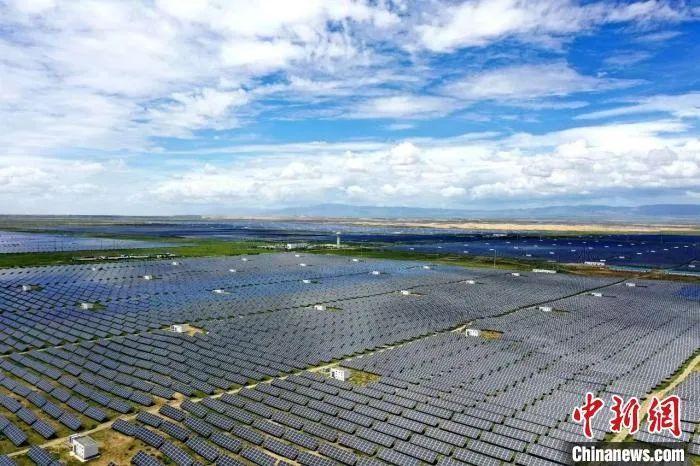
从新一轮NDC到COP30,中国为全球低碳转型注入宝贵的确定性
Zhong Guo Huan Jing Bao· 2025-11-20 23:20
Group 1 - The COP30 conference is a significant milestone in global climate governance, with China promoting action and consensus to address current challenges [1] - China aims to enhance and implement its Nationally Determined Contributions (NDCs), encouraging other countries to adopt more ambitious climate commitments [1][2] - The new NDC framework from China includes a clear target of reducing greenhouse gas emissions by 7%-10% from peak levels by 2035, alongside specific quantitative and qualitative indicators [2][3] Group 2 - China is committed to multilateralism and provides stable expectations for global climate governance through clear and measurable commitments [3] - The country is leading in clean energy, contributing over 60% of the global new wind and solar capacity in 2024, supporting both domestic and global decarbonization goals [3][4] - The national carbon trading market covers over 40% of China's CO2 emissions, with plans to increase coverage to over 60%, making it the largest carbon market globally [3][4] Group 3 - China is implementing systematic reforms to address its energy structure, aiming for an 18% reduction in carbon emissions per unit of GDP by 2024 compared to 2019 [4] - The country has integrated energy-saving and carbon reduction targets into local government performance assessments, fostering a collaborative approach to climate action [4] - China emphasizes open cooperation and aims to build a fair global climate governance system, actively engaging in South-South cooperation to assist developing countries [5] Group 4 - China is willing to collaborate with other nations to contribute to global ecological civilization and the construction of a community with a shared future for mankind [6]
海南省政府与国家开发投资集团有限公司在京签署深化战略合作协议
Zheng Quan Shi Bao Wang· 2025-11-20 12:05
Core Viewpoint - The Hainan provincial government and China National Development Investment Corporation have signed a strategic cooperation agreement to enhance collaboration in various sectors, aiming to support national strategies and develop the Hainan Free Trade Port [1] Group 1: Strategic Cooperation - The agreement establishes a comprehensive strategic partnership between the Hainan provincial government and the National Development Investment Corporation [1] - The cooperation will focus on multiple sectors including clean energy, transportation and ports, seed industry, biomanufacturing, health and elderly care, digital economy, inspection and testing, financial services, human resources services, and engineering services [1] Group 2: Objectives - The partnership aims to pragmatically serve national strategies and contribute to the high-standard construction of the Hainan Free Trade Port [1]

国际观察:全球推进绿色发展,究竟谁在逆势而动?
人民网-国际频道 原创稿· 2025-11-20 02:20
Group 1 - The United States accused China and other developing countries of being major carbon emitters and claimed that China has stagnated in clean energy development, which is seen as an attempt to justify its withdrawal from the Paris Agreement and to promote the "China threat" narrative [1] - China has made significant achievements in clean energy development, with a commitment to reduce greenhouse gas emissions by 7%-10% from peak levels by 2035, showcasing its responsible global leadership [1] - By 2024, China's non-fossil energy consumption is projected to reach 19.7%, and its renewable energy generation is expected to hit 3.46 trillion kilowatt-hours, accounting for 35% of total electricity consumption, resulting in a reduction of 2.5 billion tons of CO2 emissions [2] Group 2 - China's green technology products are gaining global traction, with BYD achieving significant sales growth in Europe, surpassing Tesla in monthly sales in key markets [2] - The global influence of low-carbon environmentalism is rising, with China's renewable energy efforts recognized as a sustainable development model by international leaders [3] - The U.S. is regressing in its climate policies, with a projected increase of 120 million tons of CO2 emissions by 2030 due to its support for coal and the reduction of incentives for renewable energy projects [3] Group 3 - China's 14th Five-Year Plan emphasizes green development as a priority, reflecting its commitment to ecological and sustainable growth [4] - The country aims to continue its practical actions and open stance towards building a cleaner and more sustainable planet [4]
中非共绘互利共赢新图景
Jing Ji Ri Bao· 2025-11-20 02:01
Group 1: Economic Partnership and Trade Agreements - China is actively signing economic partnership agreements to implement 100% zero-tariff measures on products for 53 African countries, with the Republic of Congo being the first beneficiary [1] - China has maintained its position as Africa's largest trading partner for 16 consecutive years, with trade volume expected to reach 2.1 trillion yuan in 2024, setting a new historical record [1] Group 2: Agricultural Trade Growth - The bilateral trade structure between China and Africa is diversifying, with African agricultural products becoming a significant highlight, as imports of agricultural products from Africa to China are projected to exceed 70 billion yuan in 2024 [2] - In the first five months of this year, China imported 15.83 billion yuan worth of agricultural products from Africa, with notable increases in coffee (145.7%), cocoa beans (88.6%), and frozen strawberries (82%) [2] Group 3: Investment and Infrastructure Development - In 2024, China's direct investment in Africa is expected to reach 3.37 billion USD, primarily concentrated in construction, mining, and manufacturing sectors [6] - Chinese enterprises have participated in the construction and renovation of over 10,000 kilometers of railways and nearly 100,000 kilometers of roads across Africa, significantly enhancing regional connectivity [9][10] Group 4: Clean Energy Initiatives - China plays a crucial role in Africa's energy transition, focusing on solar power projects that leverage Africa's abundant solar resources [7] - A solar energy storage project in Côte d'Ivoire, with an investment exceeding 50 million euros, aims to provide stable electricity to 30,000 households and reduce the electricity abandonment rate from 35% to below 5% [8] Group 5: Agricultural Cooperation and Food Security - Chinese agricultural technology has been instrumental in promoting rice cultivation in Guinea-Bissau, increasing the rice planting area from 60,000 hectares to 100,000 hectares [12] - The introduction of hybrid rice varieties has led to significant yield improvements, with some varieties achieving over 10 tons per hectare [12]


秦创原“耐心资本”精准滴灌科创企业
Shan Xi Ri Bao· 2025-11-19 23:09
今年7月底,一份投资协议的签署,为西安汇智医疗集团有限公司的发展注入了新动能。 这家国家级专精特新"小巨人"企业已取得多项核心技术突破,累计申请专利180项,拥有15项软件 著作权。"此次投资将助力企业成长为高端医疗器械细分领域龙头。"11月17日,汇智医疗创始人陈旭良 表示。 秦创原科技创新投资股份有限公司对汇智医疗的独家投资,是陕西以"耐心资本"破解科创企业融资 难题的探索。 破冰:创新释放"敢投"活力 "我们曾拒绝了上海投资机构的'橄榄枝'。对方给的估值不低,但科技企业需要的不仅仅是钱,还 有'耐心的陪伴'。"陈旭良道出了不少科创企业在融资中的困境。秦创原"耐心资本"让他看到了"懂行 业、真赋能"的资本力量。 这份"懂与真"的背后,是秦创原科技金融的探索与创新。"陕西科创基金长期存在'J曲线'痛点:早 期创投基金稀缺导致科创企业价值被低估,后期PE基金扎堆又推高成熟项目的估值泡沫。"秦创原创投 公司副总经理薛晓芹介绍。 为破解这一难题,陕西设立省级科创母基金,明确以早期投资为主,引导国有资本"投早、投小、 投硬科技、投未来"。与此同时,省级科创母基金与长安汇通存量基金协同,打造纵向贯穿种子、天 使、VC ...
中企在中亚五国能源投资的法律风险及其防范
Sou Hu Cai Jing· 2025-11-19 12:05
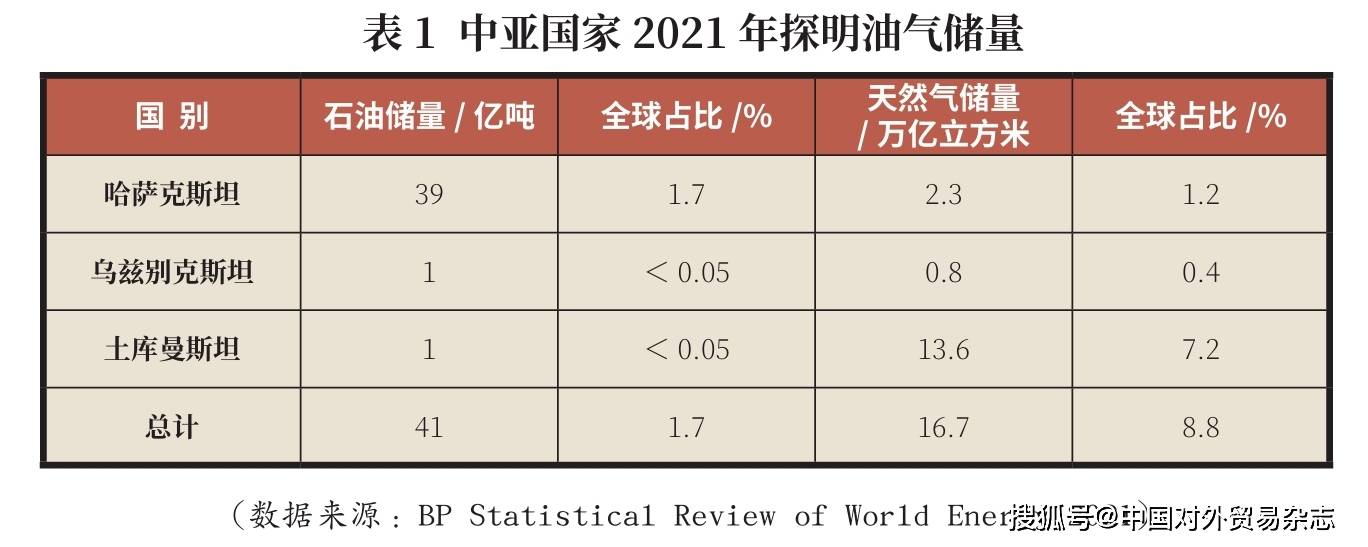
Core Insights - Central Asia is a crucial region for China's Belt and Road Initiative, with significant oil and gas resources, particularly in Kazakhstan, Tajikistan, and Turkmenistan [1][2] - The second China-Central Asia Summit in June 2025 resulted in agreements to enhance energy cooperation across traditional and renewable sectors [1][2] - Chinese investments in Central Asia's energy sector have been increasing steadily since the Belt and Road Initiative was launched in 2013, with notable projects like the Angren power plant in Uzbekistan [2] Energy Investment Landscape - China has established a comprehensive energy cooperation framework with Central Asia, focusing on oil and gas exploration, development, refining, transportation, and sales [2] - As of 2025, the China-Central Asia gas pipeline has become a major supply route, with significant gas volumes being transported to China [7] - The total oil reserves in Kazakhstan are 3.9 billion tons, accounting for 1.7% of global reserves, while Turkmenistan holds 13.6 trillion cubic meters of natural gas [6] Legal Risks in Energy Investment - Legal frameworks in Central Asian countries present challenges for Chinese enterprises, including Kazakhstan's laws that allow the government to refuse mineral development rights [3] - Uzbekistan's mining rights are subject to cabinet approval and public bidding, leading to legal uncertainties [3] - Other countries like Tajikistan and Kyrgyzstan have strict regulations that can increase operational costs and complicate dispute resolution [3] Risk Mitigation Strategies - There is a need to revise and improve bilateral investment agreements between China and Central Asian countries to better protect Chinese investors [4] - Establishing a multilateral energy cooperation mechanism can help balance interests and reduce investment barriers [8] - Utilizing overseas investment insurance and the ICSID dispute resolution mechanism can provide additional protection for Chinese enterprises [9][10] Investment Dispute Resolution - ICSID is favored for resolving investment disputes due to its binding nature and recognition by member countries [10][11] - Most Central Asian countries, except Tajikistan, are members of the ICSID Convention, which allows for arbitration of investment disputes [11] - Chinese investors should consider the specific legal frameworks and reservation clauses when selecting dispute resolution mechanisms [11]
联合国助理秘书长:中国清洁能源投资是普惠全球的公共产品
Xin Lang Cai Jing· 2025-11-19 06:39
Group 1 - The core message emphasizes the urgency of climate action, stating that it must remain a priority on the agenda of world leaders despite multiple global challenges [3][4] - The upcoming decade is described as a critical period for accelerating climate action, with a focus on international cooperation and the need for ambitious climate plans from countries [6][8] - China is highlighted as a key player in the global energy transition, with its clean energy investments being recognized as a public good that benefits not only China but also other countries [3][7] Group 2 - The dialogue underscores the importance of multilateralism, with nearly 120 parties to the Paris Agreement having submitted updated climate plans, representing about 75% of global emissions [5][6] - The necessity for South-South cooperation is emphasized as a means for developing countries to learn from each other and tackle climate challenges collectively [8] - The role of the Sina Finance ESG Rating Center is introduced, which provides various ESG services to promote sustainable development and responsible investment [1][9]

深圳新增独角兽企业全国第一 政策赋能助企业勇闯科创赛道
Sou Hu Cai Jing· 2025-11-19 01:16
Core Insights - Shenzhen has 42 unicorn companies in 2024, with a total valuation of $159.9 billion and an average valuation of $3.71 billion, marking a significant increase in unicorn numbers compared to other major cities in China [1][7] - The city has produced 13 new unicorns, accounting for 25% of the national total, making it the leading city in terms of new unicorns [1][7] - Shenzhen's unicorns are primarily concentrated in hard technology sectors, with 66.7% of them focusing on this area, showcasing strong innovation capabilities [3][9] Growth Factors - The rapid growth of unicorns in Shenzhen is attributed to a shift in policy from "single-point support" to "ecological empowerment," creating a comprehensive support system [4][10] - The "20+8" strategic emerging industry cluster policy has been pivotal in supporting sectors like integrated circuits, robotics, and clean energy, aligning with the distribution of unicorns in hard tech [4][10] - Shenzhen aims to cultivate 80 unicorns by 2027 through a multi-dimensional support system encompassing finance, talent, and innovation ecosystems [4][10] Innovation and Patents - Shenzhen unicorns hold an average of 141 authorized invention patents per company, significantly higher than Beijing (74) and Shanghai (81), indicating a robust innovation environment [3][9] - The city has a total of 151 invention applications per company, nearly double that of Beijing and Shanghai [3][9] Global Expansion - Over 80% of Shenzhen's unicorns are global companies, actively expanding into international markets through overseas factories and marketing networks [5][11] - Companies like XREAL and欣旺达动力 are seizing opportunities in the global market, with XREAL's AR device achieving significant overseas revenue [6][11] - The establishment of cross-border research environments and support for overseas technology acquisitions are facilitating this global expansion [6][11]