
卫星互联网

Search documents
代表建议统筹考虑产业全要素集聚,“争取唯一性产业相关组织落地上海”
第一财经· 2026-02-05 04:28
Core Viewpoint - The article emphasizes the importance of accelerating the construction of the "Five Centers" in Shanghai during the 14th Five-Year Plan period, highlighting the city's commitment to enhancing its urban capabilities and competitiveness [2]. Group 1: Development of the Five Centers - The Shanghai government report outlines support for industries such as smart connected vehicles, marine economy, low-altitude economy, aerospace, and satellite internet, aiming to cultivate distinctive digital industry clusters and enhance service sector quality [3]. - The report advocates for the synergistic development of the "Five Centers," promoting mutual support and efficient collaboration to amplify overall, platform, and radiation effects [4]. - A representative from the Shanghai Robotics Industry Technology Research Institute suggests that high-quality industrial development requires comprehensive support across the entire supply chain and resource allocation [4]. Group 2: Internationalization and Global Engagement - The article discusses the need for Shanghai to enhance its international presence by participating in the formulation of international rules and strengthening its voice on the global stage, particularly in supporting talent and projects that take on leadership roles in international organizations [5]. - The construction of Shanghai's international shipping center is transitioning from "basically completed" to "fully completed," yet it faces challenges in enhancing its soft power and optimizing the port business environment [6]. Group 3: Recommendations for Shipping and Trade - Suggestions include signing inter-port cooperation agreements with major international ports to promote green and digital shipping corridors, establishing dynamic optimization mechanisms for business content, and enhancing strategic cooperation among friendly ports [7]. - The article highlights the need for innovative port supervision models to support cross-border e-commerce and the integration of shipping trade with digital platforms, focusing on improving digital infrastructure and public service capabilities [8]. - To enhance shipping factor aggregation, the article recommends attracting quality shipping enterprises, supporting existing local companies, and implementing policies to draw back "convenient flag ships" and high-end shipping talents [8].

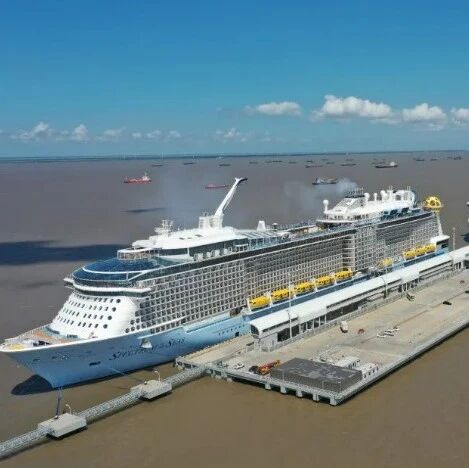
代表建议统筹考虑产业全要素集聚,“争取唯一性产业相关组织落地上海”
Di Yi Cai Jing· 2026-02-04 13:55
Group 1 - The core focus is on accelerating the construction of the "Five Centers" in Shanghai, which includes enhancing the city's international economic center capabilities and fostering the development of various industries such as smart connected new energy vehicles, marine economy, low-altitude economy, aerospace, and satellite internet [1][2] - The Shanghai government report emphasizes the importance of synergistic development among the "Five Centers" to enhance overall effects, platform effects, amplification effects, and radiation effects [1] - The representatives highlight the need for a comprehensive approach to industry development, including the integration of resources, platforms, and support systems to ensure high-quality industrial growth [2] Group 2 - The construction of Shanghai's international shipping center is transitioning from "basically completed" to "fully completed," but it still faces challenges in enhancing the business environment and the level of shipping element aggregation [3][4] - Suggestions include optimizing the port business environment by establishing international port cooperation agreements and promoting green and digital shipping corridors [4] - There is a focus on attracting high-quality shipping-related enterprises to Shanghai and implementing supportive policies to draw back "convenient flag ships" and high-end shipping talents [5]
持续提升“五个中心”能级,上海拿出了施工图
第一财经· 2026-02-04 06:35
Core Viewpoint - Shanghai aims to achieve a GDP growth rate of around 5% for 2025, with a focus on enhancing its status as an international economic, financial, trade, shipping, and technological innovation center [3][5][12]. Group 1: Economic Goals and Projections - The main expected economic targets for Shanghai in 2025 include a GDP growth of approximately 5%, a 2% increase in local public budget revenue, and R&D expenditure reaching 4.6% of GDP [3][12]. - The "15th Five-Year Plan" outlines an average annual GDP growth target of around 5%, with potential growth levels estimated between 4.6% and 5.2% [3][12]. Group 2: Development of the "Five Centers" - The report emphasizes the continuous enhancement of the "Five Centers," which include international economic, financial, trade, shipping, and technological innovation centers [5][7]. - Specific initiatives include supporting industries such as smart connected vehicles, marine economy, low-altitude economy, aerospace, and satellite internet [5][11]. Group 3: New Quality Productivity - The focus is on integrating technological and industrial innovation to foster new quality productivity, including accelerating the application of major technological achievements and promoting intelligent, green, and integrated industrial development [9][10]. - Shanghai's R&D expenditure as a percentage of GDP reached approximately 4.5% in 2025, with significant growth in key industries like integrated circuits, biomedicine, and artificial intelligence [9][10]. Group 4: Modern Industrial System - The "2+3+6+6" modern industrial system aims to establish a world-class high-end industrial cluster, with a focus on traditional industry transformation and the development of three leading industries: integrated circuits, biomedicine, and artificial intelligence [10][13]. - By 2030, the plan targets that the total output value of strategic emerging industries will account for over 50% of the total industrial output value [12][13]. Group 5: Future Industry Layout - The report highlights the importance of forward-looking layouts in future industries, including quantum technology, brain-computer interfaces, and bio-manufacturing, to enhance Shanghai's competitive edge [14][12]. - The establishment of a reasonable investment mechanism for manufacturing and the promotion of collaboration between industry, academia, and research in emerging fields are emphasized [14][13].
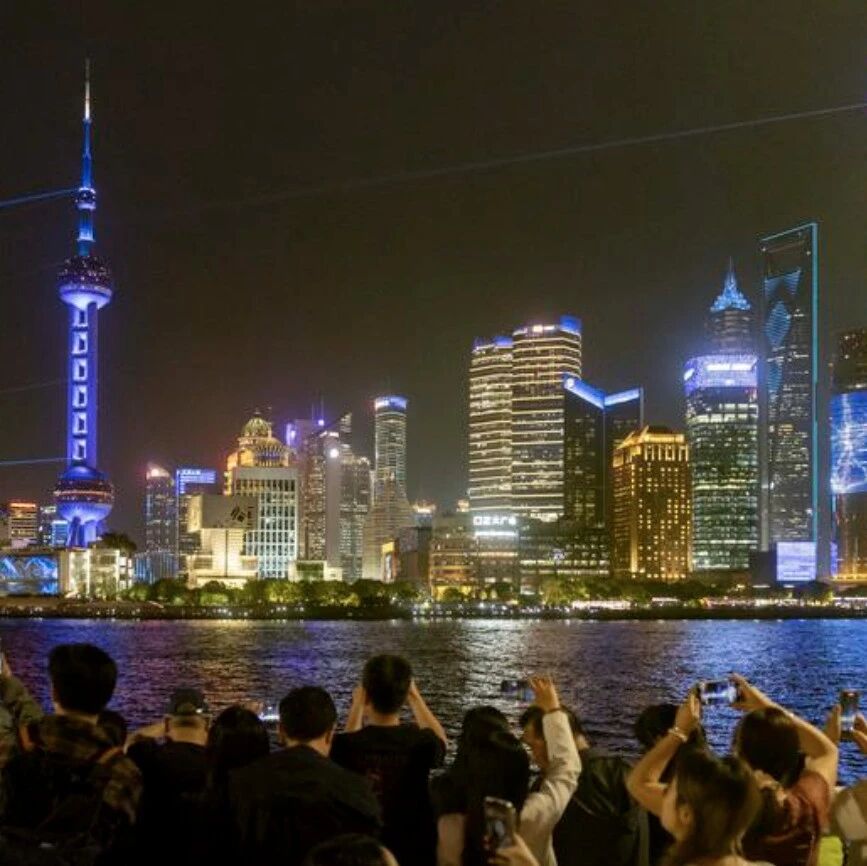
2025年上海政府工作报告聚焦实体经济,四大新兴产业集群成发展核心引擎
Jin Rong Jie· 2026-02-04 01:16
Group 1 - The report emphasizes the dual-driven model of upgrading traditional industries and nurturing emerging industries, focusing on the transformation of sectors like petrochemicals and steel through digital and green technology [1][2] - Shanghai's traditional manufacturing industry has achieved an 85% coverage rate in intelligent transformation, which is expected to accelerate energy efficiency improvements and structural optimization [2] - Emerging industries such as intelligent connected new energy vehicles and low-altitude economy are prioritized, with Shanghai opening 1,200 kilometers of testing roads for autonomous vehicles, accumulating over 10 million kilometers of testing mileage [2] Group 2 - The report highlights the low-altitude economy as a new focus area, with Shanghai laying out plans in core fields like drones and eVTOL, which will enhance the collaborative effects across the industry chain [2] - The satellite internet and aerospace industries are expected to synergize with Shanghai's technological reserves in integrated circuits and artificial intelligence, creating a "space-ground integration" industrial ecosystem [2] - The ongoing industrial policy in Shanghai is projected to strengthen the foundation of the real economy, with new productive forces becoming the core driver of economic growth, benefiting the Yangtze River Delta and the national industry [2][3]
持续提升“五个中心”能级 上海拿出了施工图
Xin Lang Cai Jing· 2026-02-03 16:43
Core Insights - Shanghai aims to achieve a GDP growth rate of around 5% for the year, with a focus on enhancing its economic and social development [2] - The "15th Five-Year Plan" outlines ambitious targets for the next five years, including an average annual GDP growth rate of approximately 5% and a significant increase in R&D expenditure [2][10] Economic Goals - The main economic targets for the year include a 5% GDP growth, a 2% increase in local public budget revenue, and R&D expenditure reaching 4.6% of GDP [2] - By 2030, the plan aims for R&D expenditure to exceed 5% of GDP and for the digital economy's core industries to account for over 20% of GDP [10][11] Development Strategies - The report emphasizes the enhancement of the "Five Centers" including international economic, financial, trade, shipping, and technological innovation centers [3] - Specific industries targeted for growth include smart and connected vehicles, marine economy, low-altitude economy, aerospace, and satellite internet [3][8] Technological Innovation - The focus on technological innovation includes deepening the integration of technology and industry, promoting smart, green, and integrated development [7] - The report highlights the importance of smart shipping and the legislative framework surrounding smart vessels, predicting a market size of 736 billion yuan for smart shipping in China by 2027 [4] Industrial Development - Shanghai's industrial strategy is structured around a "2+3+6+6" framework, focusing on traditional industry transformation and the development of three leading industries: integrated circuits, biomedicine, and artificial intelligence [8][11] - The plan aims to establish a modern industrial system that supports advanced manufacturing and maintains a reasonable proportion of manufacturing investment [12] Future Outlook - The report outlines the need for strong support from new economic drivers and the release of core functions of the "Five Centers" to achieve the targeted GDP growth [10] - Emphasis is placed on leveraging major projects and platforms to drive economic growth and industrial clustering [10][12]
持续提升“五个中心”能级,上海拿出了施工图
Di Yi Cai Jing Zi Xun· 2026-02-03 14:11
Core Insights - Shanghai aims to achieve a GDP growth rate of around 5% for the year, with a focus on enhancing its status as a global economic center and improving various sectors including finance, trade, and technology [2][3][10] Economic Goals - The expected GDP growth for Shanghai in 2025 is set at approximately 5%, with local public budget revenue projected to increase by 2% [2] - The "15th Five-Year Plan" outlines a target for average annual GDP growth of around 5% over the next five years, with potential growth levels estimated between 4.6% and 5.2% [2][10] Development Strategies - The report emphasizes the enhancement of the "Five Centers" including international economic, financial, trade, shipping, and technological innovation centers [3][5] - Key industries targeted for development include smart connected vehicles, marine economy, low-altitude economy, aerospace, and satellite internet [3][8] Technological Innovation - The report highlights the importance of integrating technological and industrial innovation to foster new productive forces, with a focus on accelerating the application of major scientific achievements [7][12] - Shanghai's R&D expenditure is expected to reach 4.6% of GDP, with significant growth in sectors like integrated circuits, biomedicine, and artificial intelligence [7][11] Future Industry Focus - The "2+3+6+6" modern industrial system aims to promote the digital and green transformation of traditional industries, develop three leading industries, and establish six emerging pillar industry clusters [8][12] - Future industries will include advanced manufacturing, future information, future materials, future energy, future space, and future health [12][13] Legislative and Regulatory Framework - The development of smart shipping is identified as a strategic direction, with a focus on legislative support for smart vessels to enhance China's competitive position in the international shipping system [4][10] - Recommendations include accelerating the establishment of standards in low-altitude economy sectors to improve Shanghai's regulatory influence [9][12]
美联航称已在300多架飞机上提供星链服务,年底扩大至800架以上
Xin Lang Cai Jing· 2026-02-03 06:50
Core Viewpoint - United Airlines is expanding its partnership with SpaceX's Starlink satellite internet service to enhance in-flight Wi-Fi offerings [1][2] Group 1: Partnership Expansion - United Airlines announced the expansion of its collaboration with Starlink to provide in-flight Wi-Fi services [1][2] - The Starlink service is currently operational on over 300 aircraft, covering nearly the entire regional fleet of United Airlines [1][2] Group 2: Service Availability - The airline expects to offer Starlink service on more than half of its fleet, which consists of over 800 aircraft, by the end of this year [1][2] - Over 7 million passengers have already utilized the Starlink service [1][2] Group 3: Customer Benefits - MileagePlus members of United Airlines can access the Starlink service for free [1][2]

2026上海科技和产业怎么干,政府工作报告划重点
第一财经· 2026-02-03 06:31
Core Viewpoint - Shanghai aims for a GDP growth of around 5% in 2026, with a focus on enhancing its status as an international economic center and promoting technological innovation and industrial integration [3][5][7]. Economic Goals - The main expected targets for Shanghai's economic and social development include a GDP growth of approximately 5%, a 2% increase in local public budget revenue, and a research and development expenditure ratio of 4.6% of GDP [3][5]. Technological and Industrial Focus - Key tasks for 2026 involve deepening the construction of an international technology innovation center, supporting industries such as smart connected new energy vehicles, marine economy, low-altitude economy, aerospace, and satellite internet [5][6][10]. - The report emphasizes the integration of technological and industrial innovation to cultivate new productive forces [7]. Research and Development - In 2025, Shanghai's R&D expenditure was about 4.5% of its GDP, with leading industries like integrated circuits, biomedicine, and artificial intelligence exceeding a scale of 2 trillion yuan [8]. - The city plans to establish 7 high-quality concept verification platforms and 6 incubators, with a technology contract transaction volume of 649.68 billion yuan, marking a 24.9% increase [8]. Modern Industrial System - Shanghai's "14th Five-Year Plan" outlines a modern industrial system characterized by advanced manufacturing, focusing on two transformations (digital and green) and three leading industries (integrated circuits, biomedicine, artificial intelligence) [9]. - The plan also includes six emerging pillar industries and six future industry fields [9]. Specific Industry Initiatives - The "Shanghai High-Level Autonomous Driving Leading Area" plan aims for large-scale implementation of high-level autonomous driving by 2027, with a target for L2 and L3 vehicles to comprise over 90% of new car production [10]. - The low-altitude economy is projected to reach a core industry scale of around 80 billion yuan by 2028, with plans to establish Shanghai as a leading city in eVTOL technology [10][12].

马斯克太空AI大动作,航天军工强势拉升,军工龙头ETF(512710)盘中涨幅达4.15%
Mei Ri Jing Ji Xin Wen· 2026-02-03 05:27
Core Insights - Aerospace and military sectors showed strong performance, with significant gains in aerospace, large aircraft, and satellite internet stocks [1] - The military leader ETF (512710) rose by 4.15%, while the satellite ETF (563230) and aerospace ETF (159392) increased by 3.83% and 3.68% respectively [1] - Major stocks within the military leader ETF, such as Aviation Industry Corporation of China, saw a limit-up increase, and Aviation Power surged over 8% [1] Industry Developments - SpaceX announced the acquisition of xAI, an artificial intelligence company also owned by Elon Musk, indicating a strategic expansion into AI [1] - The State Administration for Market Regulation, along with ten other departments, released the "Low Altitude Economy Standard System Construction Guide (2025 Edition)," aiming to establish a standard system for low-altitude aviation by 2027 and exceed 300 standards by 2030 [1] - The latest government work report from Shanghai emphasizes support for the development of intelligent connected new energy vehicles, aerospace, and satellite internet industries [1] ETF Information - The military leader ETF (512710) closely tracks the CSI Military Leader Index (931066), which includes 30 listed companies involved in military products and services [2]


2026上海科技和产业怎么干,政府工作报告划重点
Di Yi Cai Jing· 2026-02-03 04:58
Core Insights - Shanghai aims for a GDP growth of approximately 5% in 2025, with a focus on enhancing its international economic center and supporting key industries such as smart connected vehicles, marine economy, low-altitude economy, aerospace, and satellite internet [2][4] Industry Development Goals - The report emphasizes the importance of integrating technology and industry innovation to cultivate new productive forces, including accelerating the application of major technological achievements and promoting intelligent, green, and integrated industrial development [3] - Shanghai plans to increase its R&D expenditure to 4.6% of GDP, with significant growth in the integrated circuit, biomedicine, and artificial intelligence sectors, which have collectively surpassed 2 trillion yuan [3][4] Specific Industry Initiatives - The city has outlined specific initiatives for smart connected vehicles, including the "Mosu Zhixing" action plan, which aims for large-scale implementation of high-level autonomous driving by 2027, targeting over 90% of new vehicles to have L2 and L3 capabilities [4] - In the low-altitude economy sector, Shanghai aims for a core industry scale of approximately 80 billion yuan by 2028, with plans to establish itself as a global hub for eVTOL (electric vertical takeoff and landing) technology [5] Recommendations and Challenges - Industry representatives suggest leveraging Shanghai's strengths in high-end manufacturing and technology innovation to advance low-altitude economy sectors, while also addressing challenges in key technologies such as autonomous flight control and low-altitude communication [6] - Recommendations include accelerating the establishment of standards and applications in low-altitude communication, navigation, and safety operations, as well as fostering collaboration among leading enterprises, research institutions, and universities [6]
