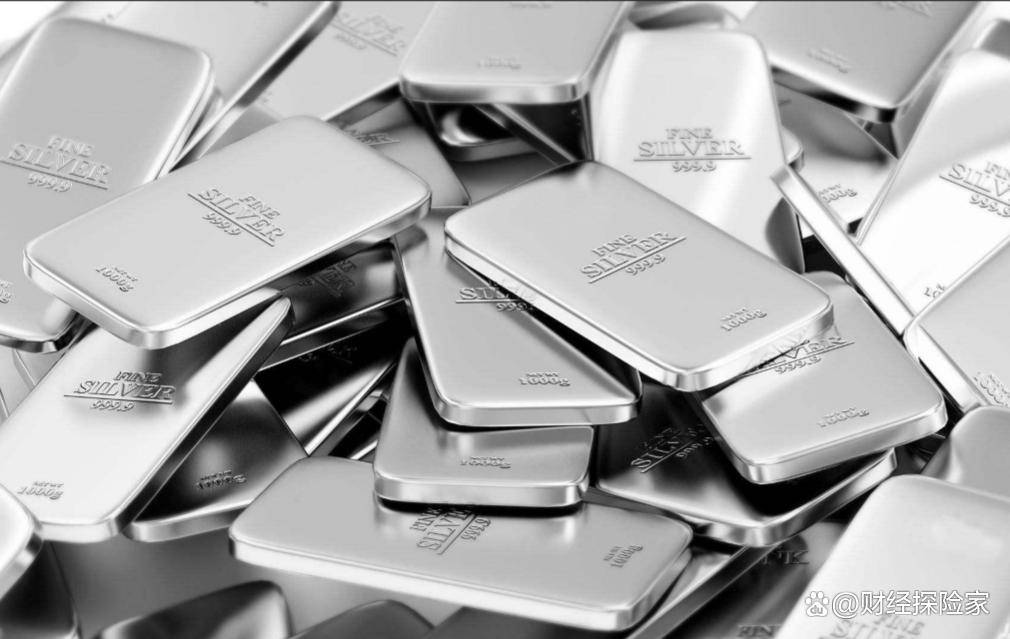
贵金属

Search documents
黄金价格一夜暴跌又反弹,2026年2月11日全国金店最新报价一览,现在该抄底还是观望?
Sou Hu Cai Jing· 2026-02-16 17:34
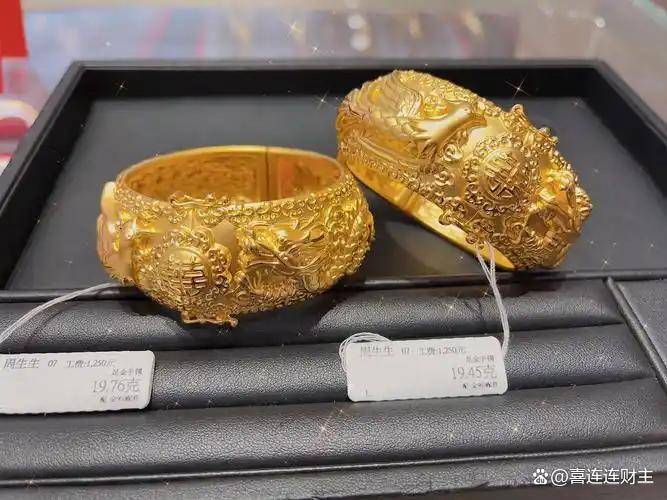
Market Volatility - The gold market experienced significant volatility on February 11, 2026, with prices fluctuating from around $5000 to a low of $4880 before recovering to $5011.69 per ounce [1] - This volatility follows a historic drop in late January, where gold prices fell over $700 in two days after reaching a record high of $5500 per ounce [3] Influencing Factors - The primary catalyst for the recent market fluctuations was a shift in expectations regarding U.S. Federal Reserve policy, particularly following the nomination of Kevin Warsh, known for his hawkish stance [3] - The U.S. labor department's report indicating higher-than-expected core producer price index (PPI) also contributed to a stronger dollar, putting pressure on gold prices [3] Investor Sentiment - Investor sentiment has shown a clear divide, with early holders remaining calm while others expressed regret for not entering the market earlier [5] - Discussions among investors about whether to sell or hold have become prevalent, with some choosing to average down their positions despite the volatility [5] Institutional Movements - Prior to the price drop, significant inflows into gold ETFs were noted, with over 2.4 billion yuan net inflow into a specific ETF in late January [5] - However, following the downturn, the largest gold ETF, SPDR Gold Trust, reported a notable reduction in holdings, indicating a shift towards profit-taking among institutional investors [5] Recovery Market - The gold recycling market was also affected, with recovery prices around 1110 yuan per gram for general gold and slightly lower for specific types [6] Supply and Demand Dynamics - Central bank gold purchases provided crucial support for gold prices, with global demand reaching 863 tons in 2025, although lower than previous years [8] - The issuance of stablecoins by Tether, allocating 10% to 15% of their portfolio to gold, reflects ongoing interest in gold assets [8] Technical Indicators - Market sentiment indicators showed extreme sensitivity, with a significant rebound in gold prices following a drop to $4440 per ounce, marking the highest single-day gain since November 2008 [8] Price Forecasts - Various international institutions have differing views on gold price trajectories, with UBS and JPMorgan raising their price targets for 2026, while Brookings Institution expressed concerns about market risks [9] Futures Market Dynamics - Changes in futures market positions have also influenced price volatility, with significant assets under management in major gold ETFs [11] Marketing Influence - Fund marketing strategies during the bullish phase have attracted many investors who may not fully understand the high volatility of precious metals [12] Geopolitical Factors - Recent geopolitical developments, including easing tensions in the Middle East, have redirected some safe-haven investments away from gold [14] Consumer Behavior - For ordinary consumers, the decision to purchase gold jewelry differs fundamentally from investment logic, as retail prices include additional costs beyond the base gold price [14]

RadexMarkets瑞德克斯:市场全线遭遇抛售
Xin Lang Cai Jing· 2026-02-16 16:41
Market Overview - Global financial markets are experiencing significant volatility due to macroeconomic data and industry technological changes [1] - Investors are showing extreme caution ahead of key inflation data, leading to notable sell-off pressure across markets [1] - Precious metals, particularly gold and silver, have seen sharp declines, with gold dropping $160 to around $4920 per ounce and silver experiencing a double-digit percentage drop to $75 per ounce [1] Industry Impact - The impact of artificial intelligence (AI) is extending from the software sector to the logistics and transportation industry [2] - Traditional freight giants are facing severe setbacks, with Universal Logistics (ULH) down 10% and CH Robinson (CHRW) down over 14% following the announcement of AI freight scaling tools by Algorhythm Holdings (RIME) [2][5] - The technology sector is also underperforming, with Cisco Systems (CSCO) down 12% and Apple (AAPL) down 5%, contributing to a decline in the Nasdaq Composite Index [2][5] - Despite some companies seeing stock price increases of 30% due to AI announcements, the expectation of technological replacement is reshaping valuation logic and exacerbating the overall vulnerability of tech stocks [2][5] Labor Market and Monetary Policy - The latest non-farm payroll data for January shows an addition of 130,000 jobs, exceeding expectations by a factor of two, with the unemployment rate unexpectedly dropping to 4.3% [3][5] - Strong labor market data, combined with a projected year-on-year CPI inflation rate of only 2.5%, which remains above target, makes monetary policy easing unlikely in the near term [3][5] - The robust labor market and persistent inflation pressures create a closed loop, effectively blocking the possibility of the Federal Reserve initiating interest rate cuts in the short term [3][5] Future Outlook - Interest rate traders have reached a consensus that the Federal Reserve is likely to maintain interest rates in March [6] - Market confidence is expected to take time to rebuild amid multiple headwinds, including a $2 drop in oil prices due to oversupply concerns and ongoing declines in cryptocurrency [6] - As the next FOMC meeting is over a month away, the market will continue to digest inflation pressures and the industry pain caused by technological changes [6]



金银集体跳水,现货黄金失守5000美元关口,白银年内涨幅从50%缩水至个位数
Sou Hu Cai Jing· 2026-02-16 07:18
Core Viewpoint - The international precious metals market continues to decline, with significant price drops in both gold and silver, influenced by recent economic data from the United States [1][2]. Group 1: Market Performance - On February 16, spot gold fell by 1.22% to $4976.82 per ounce, while spot silver dropped by 2.66% to $75.07 per ounce, with gold briefly falling below the $5000 per ounce mark [1]. - Since the beginning of 2026, gold and silver prices have experienced significant volatility, with gold reaching a historical high of $5594.77 per ounce on January 29, followed by a substantial pullback [1]. - As of February, the precious metals market has entered a phase of consolidation after the recent fluctuations [1]. Group 2: Economic Influences - Recent U.S. economic data has exerted pressure on precious metals, with January's Consumer Price Index (CPI) rising by 2.4% year-on-year, lower than market expectations, and core CPI dropping to 2.5%, the lowest since March 2021 [1]. - Strong employment data has led the market to push back expectations for the Federal Reserve's first interest rate cut to mid-year, which has tempered the outlook for gold and silver prices [1]. Group 3: Market Dynamics - There is a notable divergence in the performance of gold and silver during this adjustment phase, with gold maintaining approximately a 15% increase year-to-date, while silver's gains have contracted from over 50% to single-digit levels [1]. - Silver's dual role as both a financial and industrial metal has resulted in greater selling pressure during the adjustment period, given its higher industrial demand [1]. Group 4: Domestic Market and Regulation - In the domestic market, several gold jewelry brands have maintained stable prices, with prices ranging from 1529 to 1530 yuan per gram, and the largest price drop observed in Lao Feng Xiang's gold products [2]. - The extreme volatility in the precious metals market has attracted regulatory attention, leading to a joint announcement from multiple departments in Shenzhen to regulate gold market operations and prohibit illegal trading activities [2]. - A report from Dongguan Securities indicates that while short-term market dynamics are uncertain, the long-term outlook for gold may improve due to a weakening dollar and expectations of future interest rate cuts by the Federal Reserve [2].
港股蛇年收官:三大指数低开高走,恒指收涨0.52%全年累涨超32%,恒生科指涨0.13%盘中一度跌近2%,港股“AI双雄”齐创新高
Jin Rong Jie· 2026-02-16 05:05
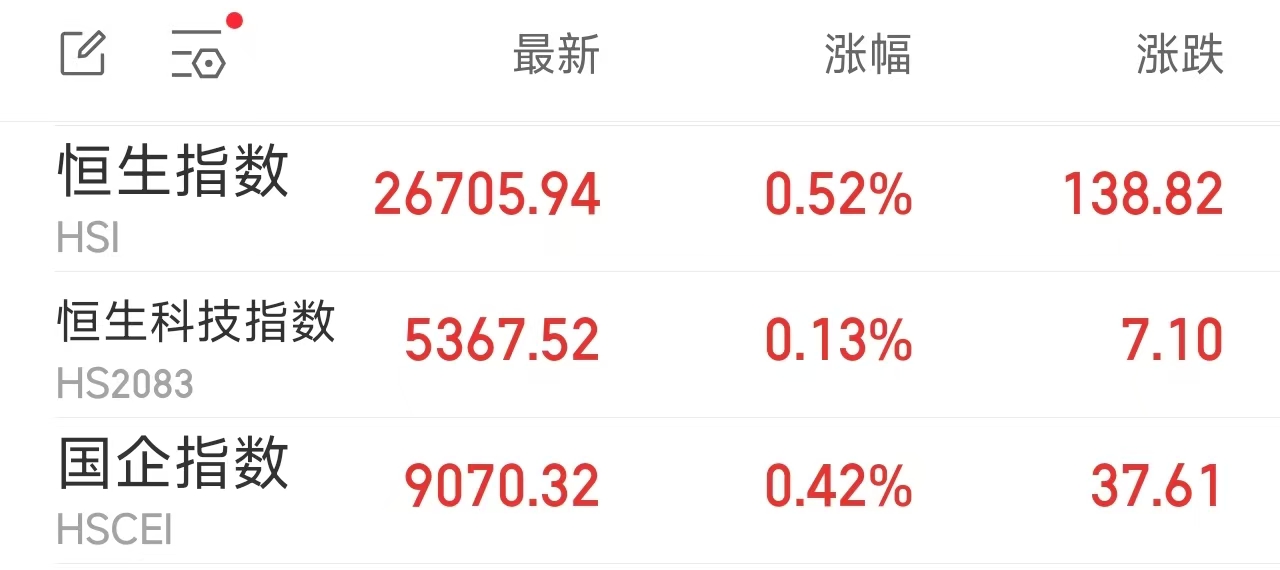
Market Performance - The Hong Kong stock market experienced a half-day trading session on February 16, with the Hang Seng Index closing up 0.52% at 26,705.94 points, the Hang Seng Tech Index up 0.13% at 5,367.52 points, and the National Enterprises Index up 0.42% at 9,070.32 points [1][2] - For the year of the Snake, the Hang Seng Index has increased by over 32%, the Hang Seng Tech Index by over 13%, and the National Enterprises Index by over 23% [1] Sector Performance - The precious metals, semiconductor, and oil & petrochemical sectors showed strength, while defense, consumer discretionary, and hardware equipment sectors underperformed [2] - Notable movements among major tech stocks included Alibaba down 0.26%, Tencent up 0.47%, JD.com down 2.26%, Xiaomi down 0.16%, NetEase up 2.32%, Meituan up 0.43%, Kuaishou up 0.15%, and Bilibili up 0.67% [2] AI Sector Developments - AI application stocks saw significant gains, with Hong Kong's AI leaders, Zhizhu and MiniMax-WP, reaching new highs, with Zhizhu up 4.74% and MiniMax-WP up 24.26% [4] - Zhizhu launched its flagship model GLM-5, which has gained popularity overseas, and announced a price increase for its AI programming subscription plan [5] Semiconductor Sector Insights - The semiconductor sector showed strength, with stocks like Zhaoyi Innovation and Lanke Technology rising over 17%, closing at increases of 9.78% and 14.05% respectively [7] - A price increase trend in storage chips is emerging, with Kioxia expected to raise average selling prices by approximately 50% starting Q1 2026, which is anticipated to significantly improve profitability in the NAND industry [9][10] Precious Metals Market - The precious metals sector is experiencing a surge, with companies like Luoyang Molybdenum rising over 5% and others like Zijin Mining and Ganfeng Lithium also seeing gains of over 4% [6] - Analysts from ANZ have raised their Q2 gold price forecast from $5,400 to $5,800 per ounce, citing ongoing structural drivers despite recent price corrections [6]
美国通胀重回2%?贝森特亮出底牌,大宗商品迎来十年一遇配置窗口
Sou Hu Cai Jing· 2026-02-15 04:39
Group 1 - The U.S. Treasury Secretary's statement that tariffs do not lead to inflation has sparked significant debate, especially given his previous stance that tariffs would raise prices [1] - The January Consumer Price Index (CPI) showed a year-on-year increase of 2.4%, which is below market expectations and indicates a slowdown from December's 2.7% [3] - The core CPI, excluding food and energy, remained steady at 2.5%, marking the slowest growth since March 2021 [3] Group 2 - Following the CPI data release, market expectations shifted towards the likelihood of multiple interest rate cuts by the Federal Reserve, with predictions of two to three cuts in 2026 [4] - Goldman Sachs forecasts the first rate cut in June and a second in September, each by 25 basis points, while some analysts suggest the cuts could exceed current market expectations [4] Group 3 - The decline in inflation has led to a renewed focus on commodities, driven by three macro forces: changes in financial attributes, a shift in demand drivers, and a reallocation of capital [6][7] - The demand for commodities is now linked to broader themes such as the AI revolution, energy transition, and supply chain security, termed "supercycle 2.0" [6] Group 4 - The supply side of commodities is under pressure, with declining ore grades and a lack of large new projects, leading to historically low inventory levels [9] - The chemical sector is experiencing significant value differentiation, with high-end chemical products gaining pricing power compared to traditional petrochemical products [9] Group 5 - Gold is increasingly viewed as a hedge against credit risk, with central banks continuing to purchase gold, reflecting concerns over the U.S. dollar's credit system [10] - Predictions for gold prices in 2026 range between $4,500 and $5,000 per ounce, while silver's industrial demand is also expected to rise due to its dual financial and industrial roles [10] Group 6 - The macroeconomic environment is shifting, moving away from reliance on single-country urbanization to a new paradigm driven by technological revolution, energy security, and geopolitical dynamics [11] - The focus is now on tangible "hard materials" that support these transformations, with attributes of copper, silver, specialty chemicals, and gold becoming critical for future wealth allocation [11]
一份通胀报告让全球市场已经疯狂!美元跌破97,黄金直线拉升,白银单日暴涨近5%,美联储降息概率有变
Sou Hu Cai Jing· 2026-02-15 03:59
Core Insights - The U.S. Consumer Price Index (CPI) for January 2026 rose by 2.4% year-on-year, lower than the market expectation of 2.5%, marking the lowest level since May 2025 [1][2] - The market reacted dramatically to the CPI report, with the dollar index falling below the 97 mark and gold prices rising over 1% [1][3] - Expectations for Federal Reserve interest rate cuts shifted significantly, with traders now betting on a potential third rate cut this year [1][13] Inflation Data - The January CPI decreased from 2.7% in December to 2.4%, exceeding analyst predictions [2] - The core CPI, which excludes volatile food and energy prices, fell from 2.6% to 2.5%, the lowest since March 2021 [2] Market Reactions - The dollar index dropped to around 96.87 following the CPI release, while gold surged by over $20 [3] - The two-year U.S. Treasury yield fell to approximately 3.4%, the lowest since October of the previous year, reflecting market expectations for lower short-term rates [5][6] Precious Metals Performance - Gold's price increase is linked to expectations of lower interest rates and a weaker dollar, making it more attractive to investors [8] - Silver prices experienced a more significant rise than gold due to its smaller market size, which amplifies price movements [9] - Industrial demand for silver, particularly in sectors like solar energy and electric vehicles, is expected to continue growing, contributing to a supply deficit [11] Federal Reserve Expectations - Market expectations for the Federal Reserve's rate cuts have shifted, with a 69% probability of easing by June and a 50% chance of a third cut this year [13] - Analysts suggest that the CPI data supports a clearer path for the Fed's normalization of interest rates, with some predicting more than two cuts in 2026 [14] Economic Indicators - The CPI decline was influenced by a 1.5% drop in energy prices, particularly a 3.2% decrease in gasoline prices, and a significant drop in used car prices [14] - Core CPI's month-on-month growth of 0.3% indicates some persistent inflationary pressures in service prices [16]
牛市逻辑再现,商品配置正当时?|策马点金
Qi Huo Ri Bao· 2026-02-15 00:20
Group 1 - The core viewpoint is that the current macroeconomic environment in the U.S. is reminiscent of the 1970s, where fiscal expansion and geopolitical tensions are driving a new commodity bull market, with significant implications for pricing and demand in various sectors [3][4]. - The U.S. is expected to implement a tax reduction of $396 billion in 2026, which could directly boost consumer growth by 1.8 percentage points, while the AI revolution and green transition are creating new demand dynamics [3][4]. - The commodity market is shifting from a supply-demand pricing model to one focused on liquidity and risk hedging, indicating that commodities may outperform other asset classes [4]. Group 2 - AI capital expenditure is reshaping the demand for non-ferrous metals, with significant increases in copper consumption driven by data center construction and energy storage systems [5][6]. - The first phase of AI investment is expected to double copper usage in power distribution systems, with an anticipated increase of 400,000 tons in copper consumption by 2026, representing 2% of global production [6]. - The second phase involves a surge in lithium demand, projected to grow at an annual rate of 15%-20%, while aluminum's application in energy storage systems is expected to rise above 15% [6]. Group 3 - There is a consensus in the market ranking commodities as "non-ferrous > precious metals > agricultural products > energy > ferrous," but this consensus is fragile, with risks of underestimating fundamental pricing and macro structural changes [8]. - The black metal sector faces pressure due to traditional demand drivers, and if fiscal signals do not exceed expectations by March 2026, valuation recovery for black metals may be constrained [8]. - The risk of a rollback in global decarbonization efforts could lead to a reassessment of demand premiums for green metals like copper and aluminum, with potential price adjustments exceeding expectations [9]. Group 4 - In the precious metals market, gold is viewed as a more stable investment compared to silver, supported by strong demand from central banks and ETFs, which enhances its "safe haven" status [10][11]. - Gold's unique financial attributes insulate it from industrial demand fluctuations, and its relatively low volatility makes it attractive for long-term investment [11]. - The current speculative net long positions in gold are below levels seen during last year's rate cuts, suggesting potential for price increases if monetary easing resumes [11].
海外市场点评:1月美国CPI:“鹰”派担忧的缓解?
Guolian Minsheng Securities· 2026-02-14 11:41
Inflation Data Summary - January CPI in the U.S. showed a year-on-year increase of 2.4%, below the expected 2.5% and previous value of 2.7%[2] - Core CPI remained steady at 2.5%, matching expectations but down from 2.6% previously[2] - The decline in energy inflation was a key driver for the lower CPI, with international oil prices weakening year-on-year[2] Market Reactions - The mild inflation data alleviated concerns about the Federal Reserve's liquidity tightening, providing temporary relief to capital markets[2] - Following the release of the CPI data, market expectations for interest rate cuts were pushed forward, with projections indicating potential cuts as early as June[2] - Precious metals, particularly gold, saw significant gains, with prices reaching around $5000 per ounce[2] Economic Indicators - The manufacturing PMI returned to the expansion zone, indicating positive momentum in the manufacturing sector[2] - Non-farm payrolls exceeded market expectations, contributing to a shift in market sentiment regarding Federal Reserve policies[2] Seasonal Factors - January typically experiences seasonal inflationary pressures, but the CPI's moderation was notable given these trends[2] - The end of holiday discounts and the timing of corporate price adjustments usually contribute to inflationary increases at the start of the year[2] Risks and Considerations - Potential risks include significant changes in U.S. trade policies and geopolitical factors that could lead to increased market volatility[3]
金价银价反弹 白银期价涨超3%
Sou Hu Cai Jing· 2026-02-14 08:57
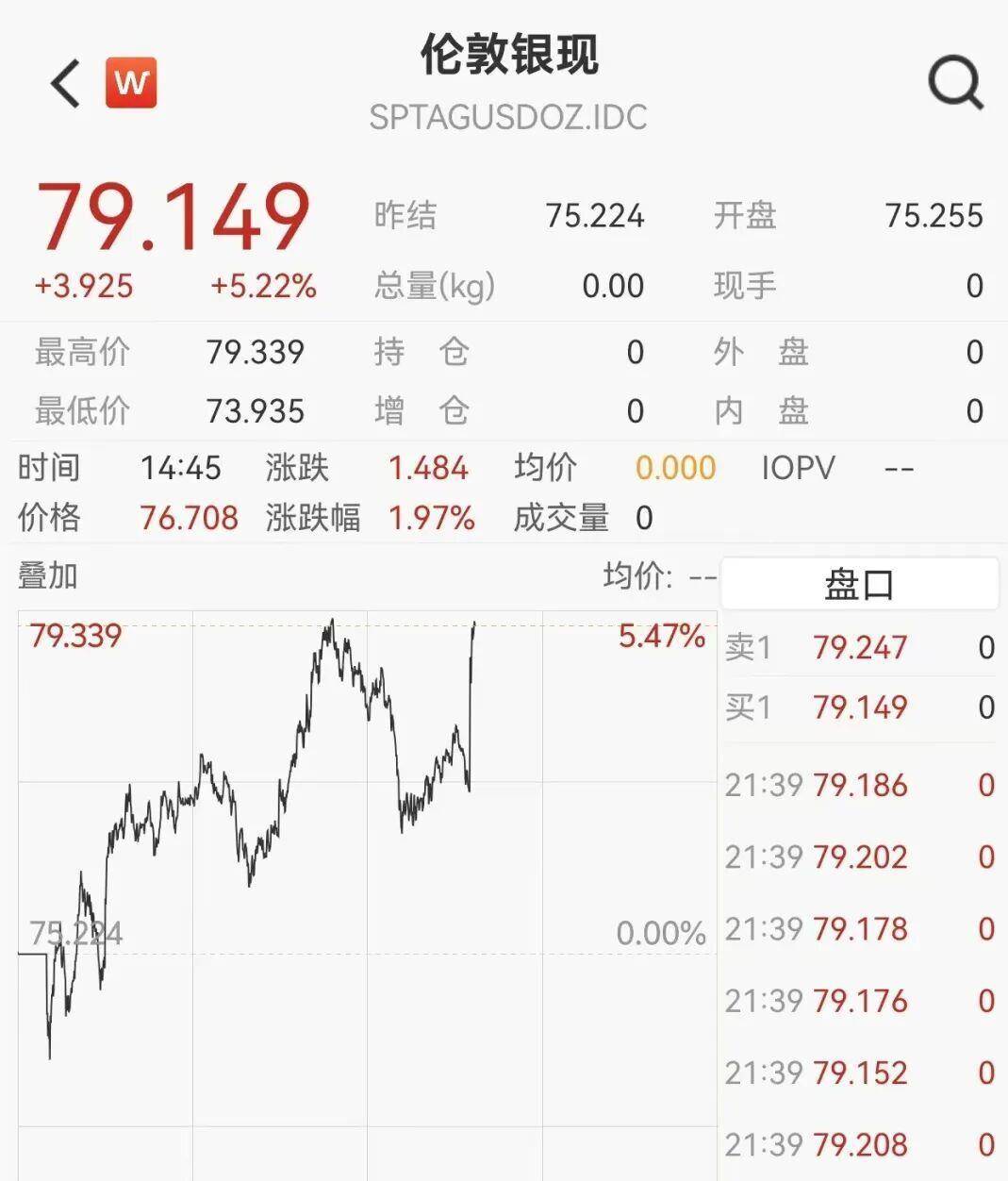
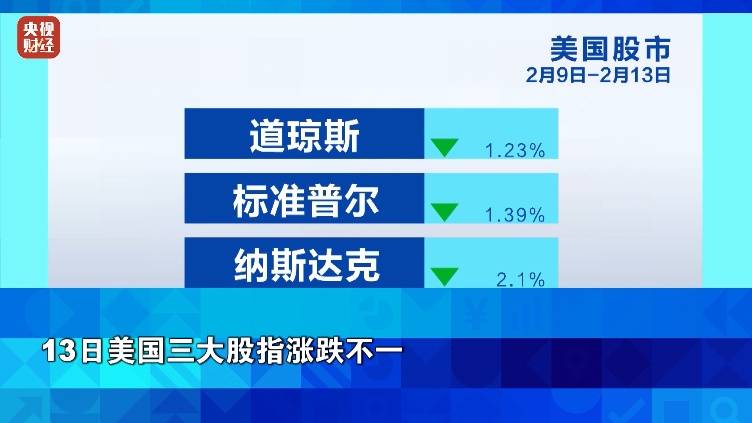
Group 1 - The core point of the article highlights that the January inflation data in the U.S. has eased concerns about persistent inflation, leading to increased expectations for interest rate cuts by the Federal Reserve [3][5]. - The U.S. January CPI rose by 2.4% year-on-year, marking the lowest growth rate since May 2025, and lower than the market expectation of 2.5% [5]. - The core CPI for January increased by 2.5% year-on-year, the lowest growth rate since March 2021, which has further bolstered market expectations for rate cuts [5]. Group 2 - In the stock market, the three major U.S. indices showed mixed results, with the Dow Jones up by 0.10% and the S&P 500 up by 0.05%, while the Nasdaq fell by 0.22% [3]. - The performance of precious metals was notable, with gold prices rising by 1.98% to $5046.30 per ounce and silver prices increasing by 3.02% to $77.964 per ounce [9]. - The overall weekly performance for gold and silver was positive, with gold prices up by 1.34% and silver prices up by 1.4% [9].
纽约交易所被搬空,黄金白银价格闪崩,中国休市,有更大风浪?
Sou Hu Cai Jing· 2026-02-14 07:15
Core Insights - The silver inventory at the New York Commodity Exchange (COMEX) is depleting at an alarming rate, potentially leading to a complete emptying of the warehouse within two months if the current outflow continues [1][2] - A significant demand for physical silver is emerging, driven by a surge in delivery requests ahead of the March contract expiration, with open interest reaching 429 million ounces while registered inventory has dropped to approximately 103.5 million ounces [4][5] Inventory Crisis - COMEX's registered silver inventory has decreased from about 167.7 million ounces in October 2025 to approximately 103.5 million ounces by early February 2026, marking a 38% decline [2][4] - The daily outflow of silver has accelerated to around 785,000 ounces, with a notable shift of approximately 43.9 million ounces of silver being transported from New York to London since January 2, 2026 [2][5] Market Demand and Supply Dynamics - The demand for physical silver is intensifying, with delivery requests in January 2026 reaching about 49.4 million ounces, which is 4.17 times higher than January 2025 and 7.27 times higher than January 2024 [4] - The global silver market is expected to face a structural supply shortage for the sixth consecutive year in 2026, with an estimated shortfall of 67 million ounces (approximately 2,100 tons) [5][10] Impact of External Factors - The upcoming Chinese New Year holiday (February 14-23, 2026) will create a market vacuum, as China is a major silver producer and consumer, potentially exacerbating delivery pressures in the international market [5][8] - The London silver leasing rates have surged, reaching an annualized rate of 6.16%, indicating extreme physical shortages and driving U.S. investment institutions to expedite silver shipments to London [2][5] Regulatory Responses - In response to the market volatility, Chinese exchanges have raised margin requirements and adjusted trading limits to mitigate risks associated with potential price fluctuations during the holiday period [8][10] Price Volatility - As of February 13, 2026, the COMEX silver price was reported at $80.88 per ounce, reflecting a significant recovery from a January low but still exhibiting high volatility due to ongoing supply concerns and market dynamics [11]