数码

Search documents
贵州:扎实开展汽车报废、置换更新、家电家居数码产品等以旧换新
Zheng Quan Shi Bao Wang· 2025-08-01 07:20
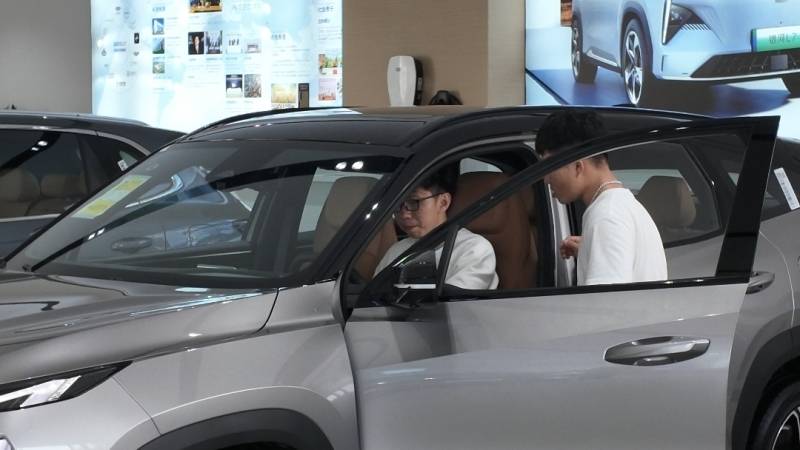
人民财讯8月1日电,贵州省人民政府办公厅近日印发《贵州省提振消费专项行动实施方案》。其中提 出,全力推进大宗消费品以旧换新。用好超长期特别国债资金,扎实开展汽车报废、置换更新、家电家 居数码产品等以旧换新,优化补贴申领与兑现流程。加强资金监管审计,依法打击虚假交易套取补贴等 违法行为。支持报废汽车、家电、农机回收拆解项目建设,发展"精细化拆解+回收件高效流通"模式。 规范废旧产品有害物质处理,完善再生资源回收体系。 ...
国家育儿补贴新政落地,关注食品饮料ETF(515170)、港股消费ETF(513230)布局机会
Mei Ri Jing Ji Xin Wen· 2025-07-31 06:31
Core Points - The national childcare subsidy scheme will provide 3,600 yuan per child annually until the child reaches three years old, starting from January 1, 2025 [1] - The policy will also apply to infants born before January 1, 2025, who are under three years old [1] Summary by Category Subsidy Details - Each child will receive an annual subsidy of 3,600 yuan until the age of three, benefiting all children regardless of whether they are the first, second, or third child [1] - The subsidy aims to reduce the costs associated with childbirth, upbringing, and education through various channels [1] Tax and Leave Policies - Childcare costs for children under three will be included in the personal income tax special additional deductions, with a monthly deduction standard raised to 2,000 yuan per child [1] - Maternity leave has been extended to 158 days or more in most provinces, with around 15 days of paternity leave and 5-20 days of parental leave established [1] Economic Impact - The childcare subsidy is expected to create a consumption multiplier effect, despite being slightly lower in scale compared to traditional national subsidies [1] - In 2024, the total sales revenue of large-scale dairy enterprises in China reached 510.5 billion yuan, indicating that the subsidy is approaching the annual support scale of some traditional consumer sectors [1] - The government previously supported consumption through 150 billion yuan in special long-term bonds for the automotive and home appliance sectors, which increased to 300 billion yuan in 2025, highlighting significant consumption stimulation [1]
三天抢不到一张券!国补落地遇挑战
Di Yi Cai Jing· 2025-07-30 04:55
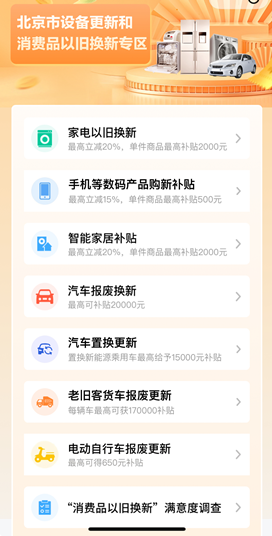
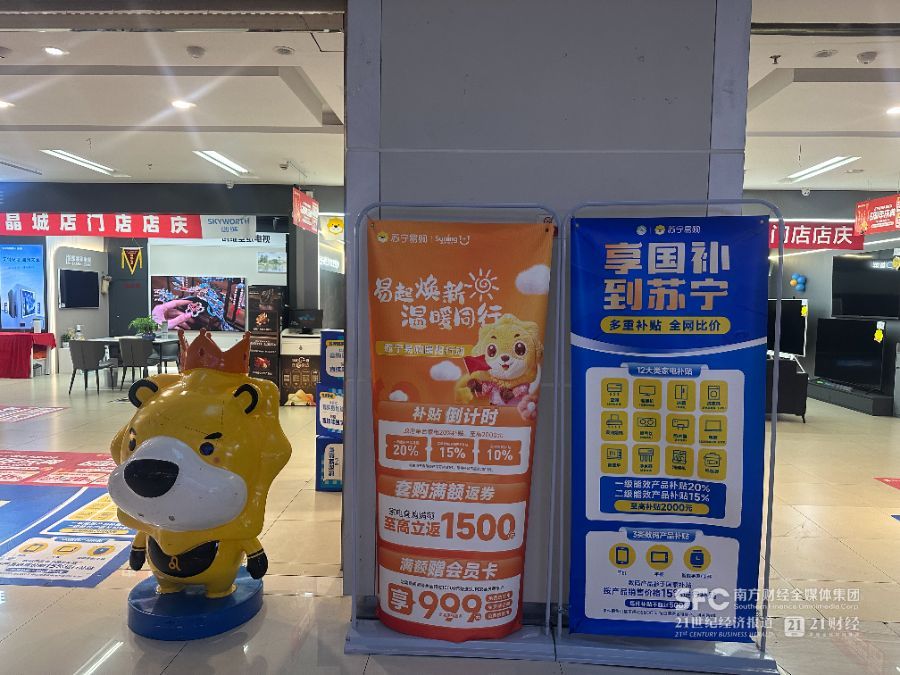
Core Insights - The new round of the "old-for-new" policy has been implemented since the second half of last year, with significant expansion this year, leading to over 66 million consumers purchasing home appliances and over 69 million purchasing digital products through national subsidies [1][4] - The policy has effectively stimulated a large demand for product upgrades, but challenges such as "difficulty in obtaining coupons" and "capital pressure" have emerged for some offline channels [1][7] - The government plans to enhance the "timeliness" and "equity" of policy implementation in response to market concerns, with a focus on ensuring balanced distribution of subsidy funds [1][13] Market Performance - Retail sales of home appliances and audio-visual equipment increased by 30.7% year-on-year, while communication equipment sales rose by 24.1% in the first half of the year [3] - The number of consumers participating in the "old-for-new" program has significantly increased, with 1.09 billion appliances and 740 million digital products purchased [1][4] Policy Impact - The "old-for-new" policy has expanded from covering 8 categories of appliances in 2024 to 15 categories in 2025, with subsidies of up to 2000 yuan for home appliances and 500 yuan for digital products [4][5] - The policy has led to a notable shift towards high-efficiency and smart products, with sales of energy-efficient appliances seeing substantial growth [5] Challenges Faced by Retailers - Some retailers report difficulties in accessing subsidies, with stringent requirements and long waiting periods for reimbursement, leading to cash flow issues [7][10] - The competition between online and offline channels has intensified, with online platforms offering easier access to subsidies, causing offline retailers to struggle [8][9] Future Directions - The government is set to implement a more structured approach to subsidy distribution, ensuring that funds are allocated equitably and efficiently across regions [13][14] - There is an expectation for improved consumer experience and policy effectiveness as local governments refine execution details based on regional consumption characteristics [14]

“国补”第三批资金已下达!以旧换新后续重点在哪?
Xin Hua Wang· 2025-07-28 09:39
Core Viewpoint - The Chinese government is actively promoting a consumption upgrade program through a subsidy scheme for replacing old products with new ones, with a total funding of 300 billion yuan allocated for this initiative in 2023 [2][4]. Group 1: Funding and Progress - The Ministry of Finance has issued a total of 690 billion yuan in the third batch of special bonds to support the consumption upgrade program, with a cumulative total of 2.8 billion people applying for subsidies, leading to over 1.6 trillion yuan in related sales [2][3]. - The total scale of special bonds allocated for the consumption upgrade program this year is 300 billion yuan, with 162 billion yuan already disbursed in two earlier batches [2][4]. Group 2: Market Impact - Retail sales of home appliances and audio-visual equipment, cultural office supplies, communication equipment, and furniture have seen year-on-year growth rates of 30.7%, 25.4%, 24.1%, and 22.9% respectively, contributing to a 5% increase in total retail sales of consumer goods [3]. - The program has expanded to include new categories such as smartphones, tablets, and dishwashers, with some regions also including coffee machines and robotic vacuum cleaners in the subsidy scope [4]. Group 3: Subsidy Process - Consumers can apply for the government subsidy through a mini-program, where they need to select their province and input personal information to qualify for the subsidy [5]. - Some brands have initiated their own subsidy programs, and regional consumption vouchers are being introduced in various districts, with expectations for the next round of government subsidies to be available in October [5].
释放毕业季消费潜能
Jing Ji Ri Bao· 2025-07-27 22:15
Group 1 - The core viewpoint is that the youth consumption market is shifting towards "new" trends, particularly during the graduation season, with significant increases in sales of digital products and outdoor equipment, reflecting new demands from the youth demographic [1] - The growth in graduation season consumption is driven by multiple factors, including government subsidies for digital products, financial institutions promoting consumption, and a focus on emotional and experiential aspects of purchases [1][2] - The rise of e-commerce, AI personalized recommendations, and AR technologies has expanded the choices available for youth consumers during the graduation season [1] Group 2 - The shift towards "new" consumption patterns can unlock potential for market growth and create new opportunities, emphasizing the need for a sustainable and rational consumption approach among graduates [2] - There is a call to increase quality supply by developing products that resonate emotionally with youth, incorporating elements of traditional culture into modern aesthetics, and offering discounts for graduates at tourist attractions [2] - Innovation in business models is encouraged, with a focus on creating new consumption venues such as themed hotels and creative markets, while enhancing the integration of online and offline experiences for youth [2][3] Group 3 - Improving the consumption environment is essential, which includes establishing a collaborative regulatory mechanism, enhancing consumer rights protection, and ensuring transparency in the consumption process [3] - Strengthening industry self-regulation and platform accountability is necessary to ensure quality and transparency in graduation season consumption [3] - There is a need for increased data security measures to protect against issues like information leakage and algorithmic discrimination, ensuring a safe digital consumption environment for youth [3]
"以旧换新"政策进阶,浙江等地如何破题内需增量?
2 1 Shi Ji Jing Ji Bao Dao· 2025-07-25 12:38
Group 1 - The core viewpoint of the articles highlights the positive impact of the "old-for-new" consumption policy on driving retail sales and stimulating economic growth in China, particularly in Zhejiang province [1][9] - In the first half of the year, retail sales of consumer goods reached 1.6 trillion yuan, with significant year-on-year growth in various categories such as home appliances and communication equipment, contributing to a 5% increase in total retail sales [1][9] - The expansion of the "old-for-new" program in Zhejiang includes a wider range of products, now covering 85 categories, including smart home devices and electric bicycles, with increased subsidy limits [6][7] Group 2 - The Ministry of Finance plans to accelerate the implementation of policies to boost consumption, focusing on enhancing the consumer environment and supporting key cities in promoting new consumption models [2] - The "old-for-new" initiative has been extended to various community and enterprise settings, with over 500 events planned across 11 cities in Zhejiang to promote the program [8] - The growth in retail sales in Zhejiang was particularly strong in the second quarter, with a 6% increase, marking the highest growth rate since last year [9][10] Group 3 - The introduction of subsidies for 3C digital products, including smartphones and smartwatches, is expected to further stimulate consumer spending in these categories [6] - The government has increased the subsidy rate for electric bicycles from 20% to 40%, with a cap raised from 500 yuan to 1200 yuan, indicating a strong focus on promoting green transportation [7] - The integration of cultural and sports events into consumption strategies has shown potential for driving additional consumer spending, with significant attendance at events in Zhejiang [10][11]
商务部流通发展司负责人谈2025年1-6月我国批发和零售业发展情况
Shang Wu Bu Wang Zhan· 2025-07-22 00:50
Group 1: Wholesale and Retail Industry Performance - The wholesale and retail industry in China achieved a value-added of 6.8 trillion yuan in the first half of the year, with a year-on-year growth of 5.9%, accounting for 10.3% of GDP [1] - The transaction volume in the wholesale sector reached 2.8 trillion yuan, with industrial consumer goods and agricultural products seeing year-on-year growth of 7.3% and 0.1% respectively [1] - Retail sales amounted to 21.8 trillion yuan, reflecting a year-on-year increase of 5.1%, with all five major retail formats showing growth [1] Group 2: Urban and Rural Market Dynamics - Urban commercial activity remained robust, with foot traffic and sales in monitored pedestrian streets increasing by 5.2% and 3.4% respectively [2] - The construction of convenient living circles has reached 5,510 in 210 pilot areas, serving 125 million residents [2] - The rural market's scale accounted for 38.9% of total retail sales, with rural e-commerce growing by 6.2% and agricultural product online sales increasing by 7.0% [2] Group 3: Consumer Trends and Product Popularity - The "trade-in" program has successfully stimulated consumer spending, with over 66 million consumers participating and purchasing more than 1.09 million home appliances [3] - Retail sales of home appliances and audio-visual equipment increased by 30.7%, while communication equipment sales rose by 24.1% [3] - Traditional brands gained popularity, with direct sales from the "Old Brand Carnival" reaching 2.78 billion yuan, contributing to a total sales figure of 11.62 billion yuan [3]
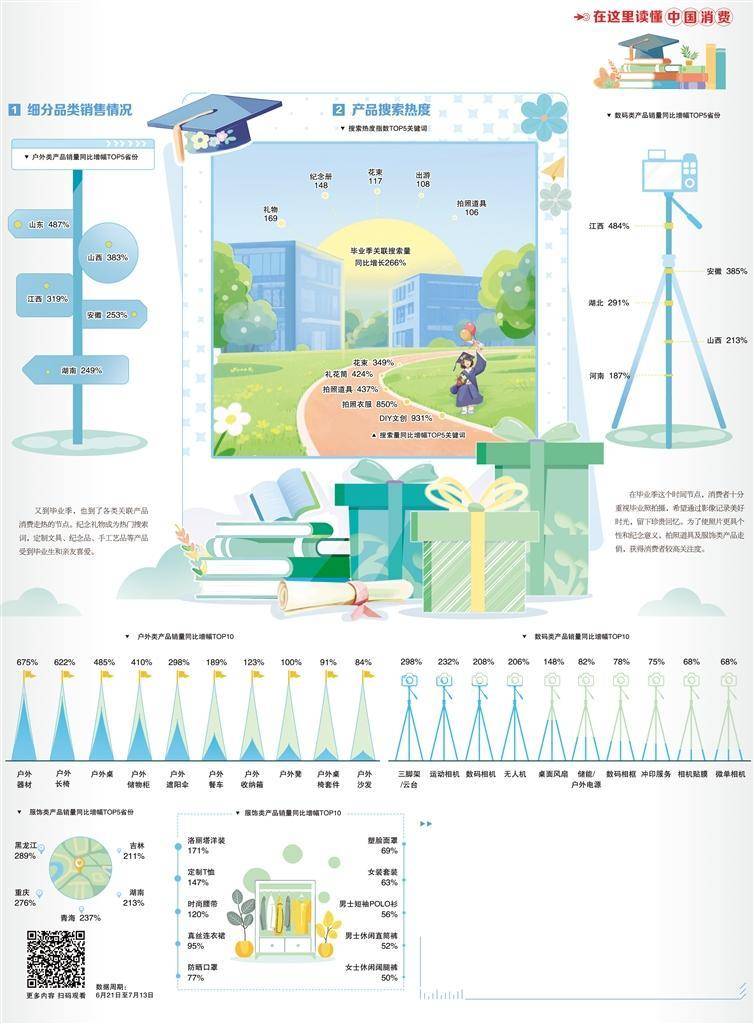
毕业季消费折射青年新需求
Sou Hu Cai Jing· 2025-07-16 23:41
Core Insights - Graduation season drives significant sales in various consumer sectors, particularly in digital products, apparel, and outdoor equipment [3][4] - Digital products, especially photography and videography equipment, see over 200% year-on-year sales growth during graduation season [3] - Customized apparel, such as T-shirts, experiences a nearly 150% increase in sales, highlighting the demand for personalized products among consumers [3] - Outdoor equipment sales also perform well, as graduates seek essential gear for travel and gatherings, indicating a strong market for outdoor products [3] Consumer Trends - Young consumers prioritize practicality and durability in their purchases, reflecting a shift towards long-term value rather than impulsive buying [4] - The graduation season consumption trend indicates a sustained and forward-looking approach to spending among young individuals, emphasizing quality and utility [4]
湖南省2025年加力扩围支持大规模设备更新和消费品以旧换新政策汇编
Sou Hu Cai Jing· 2025-07-13 09:02
Group 1 - The core viewpoint of the article emphasizes Hunan Province's proactive response to national policies by implementing large-scale equipment updates and consumer goods replacement programs in 2025, creating a comprehensive policy system covering multiple fields and categories [1][41][39]. Group 2 - In the area of equipment updates, Hunan Province has expanded its focus to include electronic information, safety production, and facility agriculture, in addition to traditional sectors like industry and energy [1][42]. - The province is implementing loan interest subsidy policies, with a central government subsidy of 1.5 percentage points, and is applying for additional subsidies from national long-term special bonds to reduce financing costs for businesses [1][42]. - There is an emphasis on evaluating and diagnosing existing equipment, legally eliminating outdated and inefficient devices, and strengthening project reserves [1][42]. Group 3 - The consumer goods replacement program covers various categories, including automobiles, where subsidies for scrapping old vehicles and purchasing new energy vehicles can reach 20,000 yuan, and for fuel vehicles, up to 15,000 yuan [1][2]. - In the home appliance sector, the subsidy categories have expanded to 16 types, with subsidies ranging from 15% to 20% based on energy efficiency ratings, and a maximum subsidy of 2,000 yuan per item [1][2]. - Digital products such as smartphones and tablets are eligible for a 15% subsidy, with a maximum of 500 yuan per item [2][23]. Group 4 - The transportation sector has seen an expansion of the subsidy scope for scrapping old operational trucks to include those meeting the National IV emission standards, with an average subsidy of 80,000 yuan for new energy city buses and battery updates [2][9]. - The agricultural machinery subsidy has been broadened to 27 categories, with increased subsidy standards for specific equipment, such as a maximum of 80,000 yuan for cotton-picking machines [2][11]. Group 5 - Hunan Province is focusing on financial supervision and a clear central-local cost-sharing mechanism, with the central government covering 85%, 90%, and 95% of costs for eastern, central, and western regions, respectively [2][32]. - The province is optimizing the subsidy process by simplifying application procedures and enhancing market supervision to combat price fraud and subsidy abuse [2][36].

石嘴山市上半年消费品以旧换新活动带动3.28亿元消费
Sou Hu Cai Jing· 2025-07-08 12:42
Core Insights - The consumption upgrade policy in Shizuishan has significantly boosted sales across various sectors, with a total of 438 merchants participating in the program and government subsidies amounting to 55.68 million yuan, leading to a sales increase of 328 million yuan in related products [1][6]. Automotive Sector - The automotive consumption policy has shown remarkable results, with Shining Star Automobile Sales Service Co. reporting a 30% year-on-year increase in sales, totaling 210 vehicles and generating 21 million yuan in revenue from January to June [3]. - Government subsidies for new energy vehicles amount to 15,000 yuan for purchases over 100,000 yuan, with total incentives exceeding 30,000 yuan when combined with manufacturer subsidies. For fuel vehicles, the government subsidy is 13,000 yuan, with total incentives reaching 40,000 to 50,000 yuan [3]. Consumer Electronics - The demand for consumer electronics, particularly smartphones, has surged due to the consumption upgrade policy, with citizens taking advantage of government subsidies of up to 500 yuan [5]. - A Huawei authorized experience store reported an 800,000 yuan revenue from January to June, with 40% of this revenue attributed to participation in the national subsidy program, marking a 20% increase compared to the previous year [6]. Overall Market Impact - The consumption upgrade initiative has led to significant increases in sales across various categories: automotive sales grew by 33.1% year-on-year, with new energy vehicles up by 56.8%; home appliances increased by 6.4%; and mobile phones rose by 33% [7]. - The local government is committed to maintaining the momentum of the consumption upgrade policy by developing monthly funding plans and adjusting consumption voucher distributions to ensure the program's effectiveness throughout the year [7].