即时零售

Search documents
国信证券晨会纪要-20250723
Guoxin Securities· 2025-07-23 01:58
Key Insights - The report focuses on the sportswear industry, particularly analyzing the product cycles of major brands like Nike, Adidas, and Asics, highlighting the significant performance divergence among these brands post-pandemic [7][11] - The sportswear market is projected to reach approximately $400 billion in 2024, with a year-on-year growth of 3.8%, indicating a stable growth trend despite varying brand performances [7] - The analysis emphasizes the importance of product cycles in driving brand performance, suggesting that investment strategies should focus on identifying key marketing events that signal new product cycles [11] Industry and Company Analysis Nike - Nike's stock price experienced a significant increase from 2019 to 2021 due to steady performance driven by technological innovation and popular products, but faced a downturn in 2022-2023 due to supply chain disruptions and inventory issues [8] - The brand's over-reliance on classic models and slow commercialization of new technologies has raised concerns about its future performance, with a notable decline in Google search interest indicating potential challenges ahead [8][11] - Nike is expected to revitalize its brand through enhanced sports marketing and new product launches, showing early signs of recovery [8] Adidas - Adidas has successfully navigated challenges post-pandemic, with a strategic shift in product offerings leading to a significant stock price recovery, particularly through the introduction of retro styles and localized strategies [9] - The brand's marketing expenditure is planned to remain at 12%, focusing on optimizing regional advertising efficiency [9] - The successful transition from Yeezy to other product lines has been pivotal in driving growth, with a notable increase in consumer interest preceding stock price recovery [9] Asics - Asics has seen a remarkable stock price increase, driven by strong revenue growth and improved profit margins, with expectations of doubling revenue from 2019 to 2025 [10] - The brand's focus on professional running shoes and the establishment of a running ecosystem have contributed to its profitability, alongside successful product launches that resonate with current trends [10] - Asics has maintained a lower marketing spend compared to its competitors while effectively leveraging sponsorships and collaborations to enhance brand visibility [10] Investment Recommendations - Investors are advised to monitor the product cycles of these sportswear brands closely, particularly looking for signs of new product introductions and marketing strategies that could drive future performance [11] - The report suggests a favorable outlook for domestic brands like Anta Sports and Li Ning, which are positioned to capitalize on market trends and consumer preferences [12] - The analysis highlights the potential of brands like Xtep International and the positive impact of celebrity endorsements on brand visibility and sales [12]
浙商证券浙商早知道-20250723
ZHESHANG SECURITIES· 2025-07-22 23:31
Market Overview - The Shanghai Composite Index rose by 0.6%, the CSI 300 increased by 0.8%, the STAR 50 also went up by 0.8%, the CSI 1000 gained 0.4%, the ChiNext Index increased by 0.6%, and the Hang Seng Index rose by 0.5% [3][4] - The best-performing sectors on that day were coal (+6.2%), building materials (+4.5%), construction decoration (+3.4%), steel (+2.6%), and non-ferrous metals (+2.0%). The worst-performing sectors included banking (-1.0%), computers (-0.7%), telecommunications (-0.4%), electronics (-0.2%), and textiles and apparel (-0.2%) [3][4] - The total trading volume in the Shanghai and Shenzhen markets was 1,893 billion yuan, with a net inflow of 2.72 billion Hong Kong dollars from southbound funds [3][4] Industry Insights Alcohol Industry - The report analyzes the current adjustment period in the alcohol industry, comparing it with the previous adjustment period to summarize a counter-cyclical investment strategy [5] - Short-term impacts on consumption scenarios are more severe, while medium to long-term focus should be on the bottoming out of cycles and strategic choices of liquor companies across four dimensions [5] - Key investment opportunities are identified from now until the Mid-Autumn Festival and National Day, with recommendations for leading liquor companies such as Kweichow Moutai, Shanxi Fenjiu, and Luzhou Laojiao based on their financial performance and dividend yields [5] Social Services Industry - The report highlights ongoing competition in the local and e-commerce sectors, particularly in instant retail, with a focus on the acceleration of this market segment [6] - The report expresses optimism about the growth of instant retail, noting that Meituan has a significant advantage and is likely to maintain its leading position [6] - Investment opportunities are seen in the increasing penetration rates of instant retail and the rapid growth of multi-platform instant retail formats, with Meituan leading and Alibaba potentially emerging as a strong competitor [6]
解读!约谈后即时零售行业格局如何演变?
2025-07-22 14:36
Summary of Instant Retail Industry Conference Call Industry Overview - The instant retail industry is experiencing a shift in competitive dynamics, with the market leader changing from JD.com to Ele.me between May and July 2025 [1] - Regulatory measures are being implemented to stabilize the industry and promote fair competition, aiming to protect merchant profits and prevent excessive price wars [1][5] Key Points and Arguments - **Market Competition Shift**: The competitive landscape has evolved, with Ele.me now taking the lead over JD.com and Meituan, reflecting rapid market changes [3] - **Anti-Competition Policies**: New regulations are aimed at curbing low-price subsidies to maintain market order and ensure reasonable profits for merchants [1][4] - **External Effects of Instant Retail**: The growth of instant retail has stimulated consumer demand and increased employment for delivery riders, with daily orders rising from 100 million to over 200 million in two months [6] - **Investment in Business Environment**: Meituan has invested over 400 million yuan to open satellite stores, while Taobao Flash and JD.com are enhancing incentives for merchants and riders [7][8] - **Demand and Competition Outlook**: Despite a reduction in subsidy activities, strong demand is expected from July to September 2025, with competition tools becoming more diversified and refined [9] - **Order Structure Adjustment**: The industry is shifting from broad-based products to more elastic items and adjusting category structures, which will help platforms stabilize their businesses long-term [10] Additional Important Insights - **Impact of Subsidy Wars**: The recent subsidy wars have led to a significant increase in demand but have also pressured traditional dining establishments, as online orders surpass dine-in options [4][9] - **Challenges for New Entrants**: New high-growth platforms face challenges in supply-side capabilities and fulfillment to maintain their market positions [11] - **Future Market Predictions**: Various scenarios have been tested to predict future market dynamics and platform profitability, with further discussions encouraged with the investment team [12]
互联网巨头中期业绩前瞻
2025-07-22 14:36
Summary of Key Points from Conference Call Records Industry Overview - **Industry**: Internet and E-commerce - **Key Trends**: The overall e-commerce market remains stable, with shelf e-commerce and live-streaming e-commerce continuing to grow. Instant retail is expected to reach a market size of 2-3 trillion yuan by 2030, posing a threat to traditional e-commerce players like JD and Alibaba [2][16]. Company-Specific Insights Meitu Company - **Performance**: Meitu's earnings forecast indicates a high profit outlook, particularly in the European market where its AI flash products topped the Italian charts. The software payment capability in Europe is significantly higher than in China, suggesting substantial overseas market potential [1][8]. - **Investment Strategy**: The focus should be on profitable companies like Meitu and Kuaishou, rather than those that have not yet shown successful products since the launch of GPT two years ago [4]. - **Profitability**: Meitu's financials show that many expenses are front-loaded, indicating a strategy of testing marketing ROI in various markets, which could lead to significant profit elasticity once successful [8]. Cloud Computing Sector - **Growth**: Domestic cloud computing maintained a high revenue growth rate in Q2, with Alibaba Cloud, Tencent Cloud, and Baidu Cloud growing approximately 20%, 16%, and 25% year-over-year, respectively [10]. - **Market Dynamics**: The demand for cloud services accelerated under the influence of AI, although competition among players has shifted. The impact of H20 supply disruptions is expected to ease in the second half of the year [5][10]. - **Future Outlook**: Despite a slowdown in training demand due to H20 disruptions, there is optimism for a recovery in order deliveries in the latter half of the year [10][12]. Instant Retail Competition - **Market Dynamics**: The instant retail market is highly competitive, with JD and Alibaba both heavily investing to maintain their market shares. Instant retail is projected to capture 20% of the e-commerce market by 2030, threatening JD's core business and Alibaba's market share [7][22]. - **Strategic Moves**: Alibaba's strategy involves significant subsidies and leveraging its traffic advantages through platforms like Taobao, while Meituan is also ramping up its subsidy efforts to compete effectively [18][19]. Tencent - **Performance**: Tencent's Q2 performance was stable, but there are concerns regarding its gaming business, particularly with the decline in revenue from DNF and the need for new game launches to sustain growth [23][24]. - **Advertising and Financial Services**: Despite macroeconomic pressures, Tencent's advertising business remains strong, with video accounts contributing to growth. Financial services are also showing signs of recovery, with expected revenue growth of over 10% in Q2 [25][26]. Baidu - **Earnings Outlook**: Baidu's core business is expected to see a low single-digit decline, primarily due to macroeconomic factors and the transition to generative AI in its search services. However, its cloud business is projected to grow by over 25% [33][34]. JD and Pinduoduo - **JD's Performance**: JD's Q2 results showed double-digit growth in key categories, benefiting from national subsidies. However, significant investments in new businesses like food delivery have impacted profit margins [37]. - **Pinduoduo's Challenges**: Pinduoduo is facing a decline in MAU in the U.S. and a decrease in transaction service revenue due to its shift from fully managed to semi-managed services [38]. Additional Insights - **AI Applications**: The rapid growth of small AI applications, such as Kuaishou's "Speak," indicates a strong potential in the AI sector, with significant revenue growth expected [9][32]. - **Market Sentiment**: The overall sentiment in the market remains cautious, particularly regarding the competition in instant retail and the performance of major players like Meituan and Tencent [3][29]. This summary encapsulates the key points from the conference call records, highlighting the performance and strategies of various companies within the internet and e-commerce sectors, as well as the broader market trends.


外卖大战:残暴的开始必将以残暴结束
虎嗅APP· 2025-07-22 09:50
Core Viewpoint - The article discusses the intense competition in the food delivery market in China, particularly focusing on the aggressive subsidy strategies employed by major players like Meituan, Alibaba, and JD.com, and the implications of these strategies on market dynamics and consumer behavior [2][3][6]. Group 1: Market Dynamics - The food delivery market in China is experiencing a significant increase in order volume, with a record of 200 million orders on July 5, driven by substantial subsidies from major companies [2][3]. - Meituan, Alibaba, and JD.com are collectively burning through approximately 20 billion RMB monthly in subsidies, indicating a fierce battle for market share as user growth stagnates [2][3]. - The competition has led to a situation where consumers benefit from heavy discounts, but the long-term sustainability of such a model is questionable [2][3]. Group 2: Company Strategies - Alibaba's delayed entry into the food delivery battle is attributed to internal restructuring and the need to align its resources effectively before launching a competitive response [3][4][5]. - The timeline of Alibaba's strategic moves includes significant organizational changes and the announcement of a 50 billion RMB subsidy plan, indicating a coordinated effort to regain market presence [5][6]. - Meituan's response to the competition has been characterized by a focus on maintaining operational efficiency and leveraging its existing infrastructure to counter the aggressive tactics of its rivals [10][11]. Group 3: Competitive Landscape - The article highlights the differences in strategic approaches between Meituan and its competitors, noting that Meituan is more cautious and strategic in its responses compared to the aggressive tactics of JD.com and Alibaba [10][11]. - The competitive landscape is further complicated by the entry of new players and the potential for existing platforms like Pinduoduo and Douyin to join the fray, indicating a rapidly evolving market [15][16]. - The profitability of the food delivery business remains a concern, as companies struggle to balance subsidies with sustainable business models, leading to volatility in stock prices across the sector [11][12].


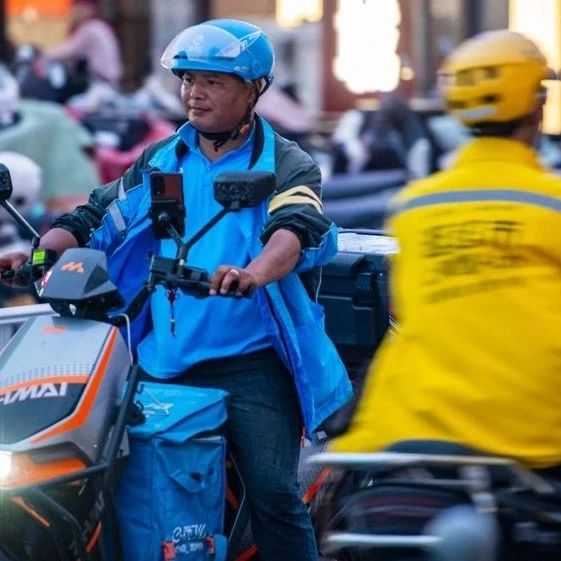
国信证券:即时零售远期市场空间广阔 看好美团-W(03690)等企业
智通财经网· 2025-07-22 03:28
Core Viewpoint - The competition in the retail market will return to efficiency comparisons across various segments, similar to e-commerce, where only players capable of driving efficiency transformations can disrupt market dynamics [1] Group 1: Market Overview - Instant retail is defined as online immediate ordering and offline immediate fulfillment, relying on local retail supply to meet local instant demand [1] - The demand for instant retail primarily stems from the shift of offline scenarios, with the market size expected to reach 780 billion yuan in 2024, reflecting a compound annual growth rate (CAGR) of 46% over the past five years [1] - The long-term market potential for instant retail is projected to exceed 3 trillion yuan, potentially leading to a slowdown or negative growth for some e-commerce platforms [1] Group 2: Competitive Landscape - Instant retail includes platform and self-operated models, with platform models accounting for 60%-70% of market share, where Meituan maintains a leading position [2] - The three key elements of instant retail are instant demand (users & traffic), instant delivery (fulfillment), and local supply [2] - The current competition focuses on user acquisition through subsidies and traffic advantages, but the long-term competition will shift towards the supply side [2] Group 3: Company Analysis - Meituan has significant advantages in organizational capability, user operation, supply chain coverage, and delivery efficiency, positioning it well for continued leadership in the instant retail market [1] - Alibaba has demonstrated stronger organizational capabilities in this round of competition, leveraging its financial and user traffic advantages, but has yet to implement disruptive strategies in food delivery and instant retail [1][2] - JD Group is still in the construction phase regarding fulfillment and supply, but long-term profitability is expected from instant retail, food delivery, and corresponding supply chain layouts [1] Group 4: Future Projections - Meituan's flash purchase gross transaction value (GTV) is expected to approach 1.1 trillion yuan by 2030, contributing 18.6 billion yuan in profit [3] - Alibaba's food delivery, instant retail, and e-commerce cross-selling are projected to generate nearly 1 trillion yuan in GMV, but with limited profit contribution [3] - JD's future food delivery, instant retail, and supply chain layouts are anticipated to achieve overall profitability [3]

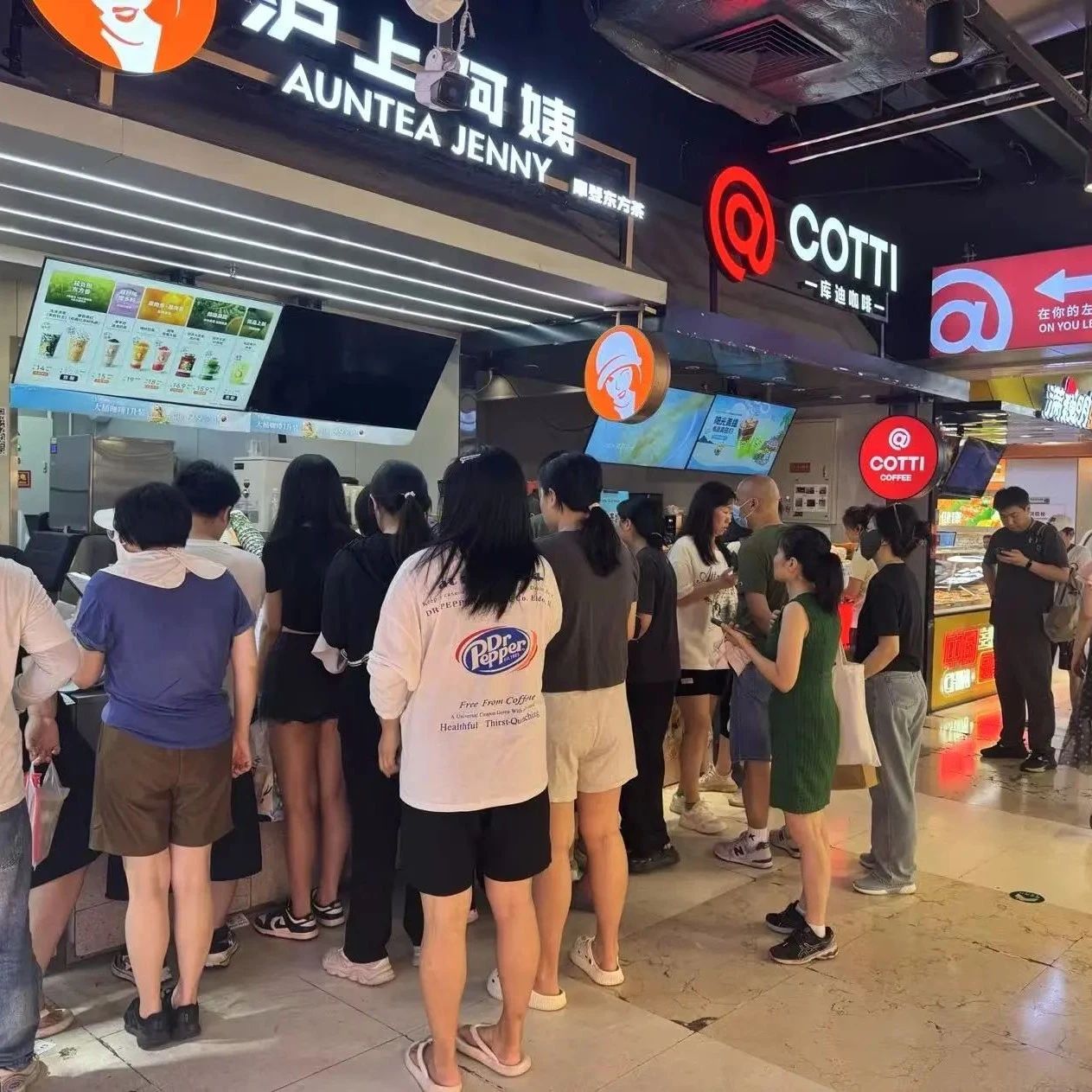
外卖热战停了,冷思考有哪些?
第一财经· 2025-07-22 02:51
Core Viewpoint - The recent decline in subsidies from food delivery platforms indicates a shift in the competitive landscape, influenced by regulatory actions and the need for rational competition among major players in the industry [1][2][3]. Group 1: Impact of Subsidy Cuts - Consumers have experienced a reduction in the benefits of food delivery subsidies, leading to a decrease in the excitement of "hunting for deals" [1]. - The intense competition among platforms has resulted in record-high order volumes, but has also caused some merchants to face declining profits and operational challenges [1][2]. - The shift in order distribution, with delivery orders increasing from 30%-40% to around 60%, has altered the dynamics between dine-in and delivery services [3]. Group 2: Merchant Perspectives - Restaurant owners express concerns over the pressure from platforms to participate in subsidy programs, which can lead to reduced profit margins and negative impacts on product pricing [2][3]. - The need for platforms to return pricing power to merchants is emphasized, as many businesses struggle to maintain profitability amidst aggressive discounting [2][5]. - The operational challenges faced by merchants, such as staffing and supply chain adjustments, highlight the strain that rapid order increases can place on businesses [6]. Group 3: Long-term Industry Implications - The substantial investment in subsidies by platforms, exceeding 100 billion, raises questions about the long-term benefits for the restaurant industry [3][7]. - The ongoing competition may lead to increased consolidation within the restaurant sector, with smaller businesses at greater risk of failure [7]. - Platforms are encouraged to adopt a more rational approach to competition, which aligns with their long-term interests and the need for a sustainable industry ecosystem [7][8]. Group 4: Future of Instant Retail - The future of instant retail hinges on the ability of platforms to integrate more product categories and enhance service efficiency, which will require significant improvements in supply chain and technology [8]. - The potential for growth in the instant retail market remains high, but the effectiveness of platforms in transitioning from aggressive competition to building a more digital and efficient ecosystem is yet to be seen [8].
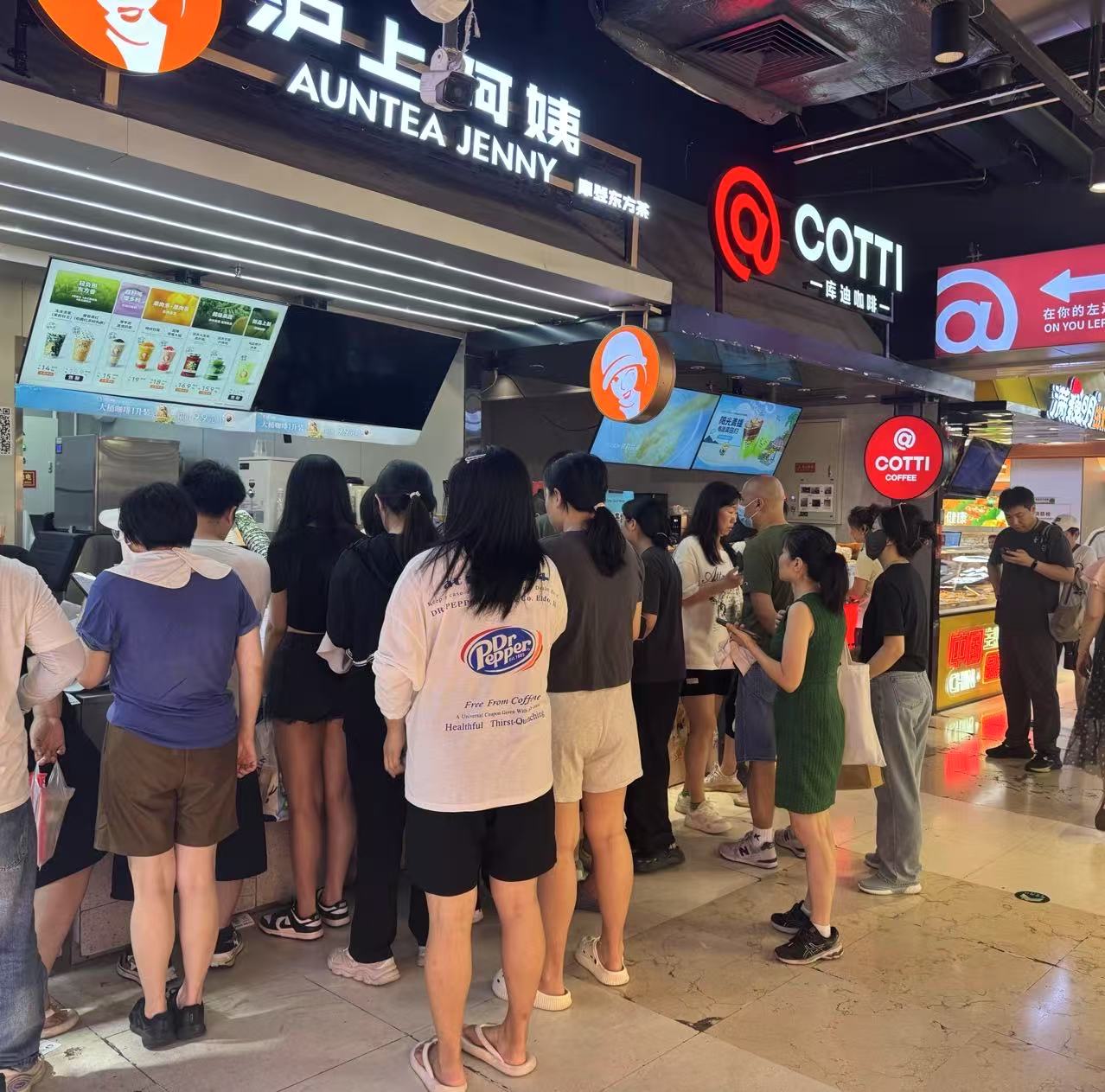
即时零售系列报告(一):竞争格局、平台博弈与巨头利润影响
Guoxin Securities· 2025-07-22 02:40
Investment Rating - The investment rating for the industry is "Outperform" [1] Core Insights - Instant retail is defined as a retail format that meets local immediate demand through online ordering and offline fulfillment, with a market size projected to reach 780 billion yuan in 2024, reflecting a compound annual growth rate (CAGR) of 46% over the past five years [2][17] - The market is expected to exceed 3 trillion yuan by 2030, with a penetration rate in online retail increasing from 6% to 15.7% [35][38] - The competition in instant retail is primarily between platforms and self-operated models, with platforms holding a market share of 60%-70%, and Meituan leading the market [2][47] Summary by Sections 01 Instant Retail: Local Supply and Immediate Fulfillment - Instant retail is characterized by its ability to fulfill local demand quickly, leveraging local retail supply [6][8] - The development of instant retail has accelerated due to the rise of smartphones and location-based services, leading to various business models [8] 02 Competitive Landscape: Fulfillment as the Core Barrier - The competitive landscape is defined by short-term competition for user traffic and long-term competition for supply capabilities [2][3] - Fulfillment capability is identified as a long-term competitive barrier, with current competition focused on subsidies and user acquisition [2] 03 Analysis of Instant Retail Platforms - The analysis covers organizational efficiency, user growth driven by subsidies, supply capabilities, and fulfillment efficiency [2][3] - Meituan has a significant advantage in fulfillment due to its established delivery network and operational scale [2] 04 Profit Impact Assessment for Meituan, Alibaba, and JD - Projections indicate that Meituan's flash purchase gross transaction value (GTV) could reach approximately 1.1 trillion yuan by 2030, contributing 18.6 billion yuan in profit [3] - Alibaba's cross-selling in food delivery and instant retail is expected to generate close to 1 trillion yuan in GMV, but with limited profit contribution [3] 05 Investment Recommendations - The essence of retail competition is efficiency, with a focus on operational capabilities and supply chain management [3] - Meituan is expected to maintain its leading position in the instant retail market due to its organizational capabilities and user engagement strategies [3]
外卖热战停了,冷思考有哪些?
Di Yi Cai Jing· 2025-07-22 02:35
增强理性竞争下的确定性,即时零售的盘子才能做得更大。 "没有那么便宜了。"刚刚过去的周末,许多消费者发现了外卖平台补贴力度的集体下降。7月18日,市场监管总局约谈饿了么、美团、京东三家平台企业, 要求各平台进一步规范促销行为,理性参与竞争。随着监管出手规范,过去几个月轰轰烈烈的"外卖大战"有了降温趋势。 回顾这场外卖大战,消费者享受到了外卖"薅羊毛"的快乐,外卖平台收获了订单量创新高的红火战报,不少商家订单疯涨、骑手收入翻倍,也有部分外卖商 家利润下降,"0元购"奶茶无人取,消费者遭遇商家"卡单"、出餐慢,增长的热闹与过度的消耗同时存在。 这不会是即时零售市场的最后一战。只要大公司们对即时零售和传统电商终将进入同一片战场的战略判断不变,京东、美团、阿里的流量"入口"之争就不会 轻易结束,甚至还可能迎来新玩家的不断入场。一些问题因此变得重要——这场热战留下了什么?市场需要有哪些冷思考? "定价权要还给商家" 值得外卖平台警惕的是,在这场外卖大战中喊停的,除了监管,还有许多餐饮品牌创始人、餐饮协会的声音。 部分平台补贴需要商家部分出资是争议的一面,嘉和一品创始人刘京京呼吁,平台不应裹挟商家参与巨额补贴,双重承担配 ...
外卖三平台暗流涌动,被约谈后谁更“稳”?谁最“慌”?
Xin Lang Ke Ji· 2025-07-22 00:04
Core Insights - The recent "takeout war" has seen a reduction in subsidy intensity following discussions with major platforms like Ele.me, Meituan, and JD.com [2][12] - Meituan's actual subsidy on July 12 was between 300 million to 400 million yuan, significantly lower than the rumored 800 million to 1 billion yuan, while achieving 150 million orders in a single day [2][3] - Taobao's flash purchase service has shown rapid growth in non-food categories, with specific segments like blind boxes and maternal nutrition products seeing year-on-year increases of 2407% and 820% respectively [2][7] - JD.com has struggled to maintain order growth compared to Taobao's flash purchase, which has nearly matched Meituan's order volume in some cities [2][4] Market Dynamics - Since JD.com announced its entry into the takeout market in February, the competitive landscape has shifted from a "three-horse race" to a "two-horse race" between Meituan and Taobao's flash purchase [2][4] - Meituan's rider capacity and merchant scale provide it with a competitive edge, making it challenging for other platforms to achieve higher order volumes without significant investment in rider capacity and merchant partnerships [5][6] Non-Food Segment Growth - Non-food orders have become a focal point for all platforms, with Meituan reporting over 20 million non-food orders on July 5, and Taobao's flash purchase experiencing rapid growth in this segment [7][8] - The growth in non-food orders allows riders to optimize their delivery schedules beyond traditional meal times, catering to diverse consumer needs [8] Infrastructure and Delivery Models - The instant retail sector has evolved into three main service models: self-operated front warehouses, integrated store-warehouse models, and platform aggregation [9] - Meituan plans to expand its lightning warehouse network to over 100,000 locations within three years, enhancing its delivery capabilities [9] Regulatory Environment - The Chinese Chain Store and Franchise Association has called for the regulation of the instant retail market, urging platforms to cease aggressive price subsidy practices and ensure fair competition [11][13] - The State Administration for Market Regulation has also engaged with major platforms to enforce compliance with e-commerce laws and promote healthy competition [12][13]