社交媒体

Search documents
马来西亚计划禁止16岁以下人群使用社交媒体
Xin Hua Wang· 2025-11-25 02:06
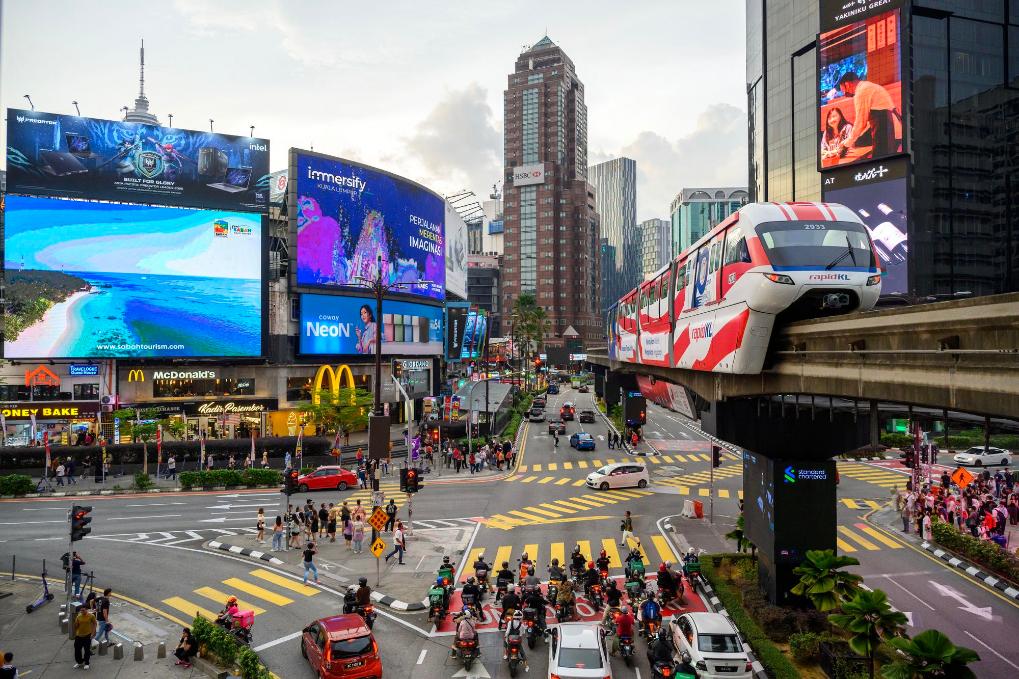
Core Viewpoint - The Malaysian government plans to implement age restrictions on social media users, prohibiting individuals under 16 from using these platforms starting next year to protect youth from online bullying and fraud [1][3]. Group 1: Government Actions - The Malaysian Minister of Communications, Fahmi Fadzil, announced that the government is studying practices from countries like Australia to implement these restrictions [1][3]. - The new regulations will prevent individuals under 16 from creating accounts on social media platforms [1]. Group 2: Public Support and Trends - A survey by Ipsos Group indicated that over 70% of respondents in Malaysia support restrictions on children's use of social media [3]. - Malaysia has been increasing its regulation of social media platforms in response to the rising incidence of cybercrime [3]. Group 3: International Context - Australia passed a law in November last year that prohibits minors under 16 from using most social media platforms, with penalties for non-compliance reaching up to AUD 50 million (approximately 229 million RMB) [3]. - Other countries such as Germany, France, the Netherlands, and New Zealand have also taken measures to limit youth access to social media [3].

微博-SW(9898.HK):3Q25业绩点评 AI对冲宏观&高基数压力 等待广告需求修复
Ge Long Hui· 2025-11-24 21:15
Core Viewpoint - The revenue in Q3 2025 is under pressure due to high base effects and macroeconomic factors, with a significant increase in advertising from Alibaba being the highlight, while maintaining a steady profit margin guidance for the year [1][4] Revenue Performance - In Q3 2025, the company reported a net income of $442 million, a decrease of 5% year-on-year (4% decline at constant exchange rates) [1] - Advertising and marketing revenue was $375 million, down 6% year-on-year, while value-added services (VAS) revenue increased by 2% to $67 million [1][2] User Metrics - As of September 2025, the monthly active users (MAU) reached 578 million, with daily active users (DAU) at 257 million [2] Profitability - The Non-GAAP operating profit for Q3 2025 was $132 million, with a Non-GAAP operating profit margin of 30% [2] - The Non-GAAP net profit attributable to shareholders was $111 million, a decline of 20.5% year-on-year, with a diluted Non-GAAP earnings per share of $0.42 [2] Advertising Dynamics - The FMCG sector faced a significant decline due to the high base from the previous year's Paris Olympics, while advertising revenue from Alibaba surged by 112% to $45.5 million, driven by increased budgets for local life services and strong e-commerce demand [1][2] - The company expects a slight year-on-year decline in total revenue of about 3% in Q4 2025, influenced by the performance of the mobile and gaming sectors [2] AI Impact - AI technology is increasingly applied throughout the advertising process, particularly in smart search and recommendation flows, contributing approximately 10% to eCPM improvements [3] - The company aims to maintain a Non-GAAP operating profit margin of 30% for the year, with a projected net profit margin of around 26-27% [3] Investment Outlook - The overall performance for 2025 is becoming clearer, with a focus on maintaining profits while awaiting recovery, despite the FMCG sector's challenges [4] - Key variables for 2025 include stabilization in major consumer spending, synchronization of mobile upgrade cycles and new gaming releases, and continued AI-driven improvements in eCPM [4]

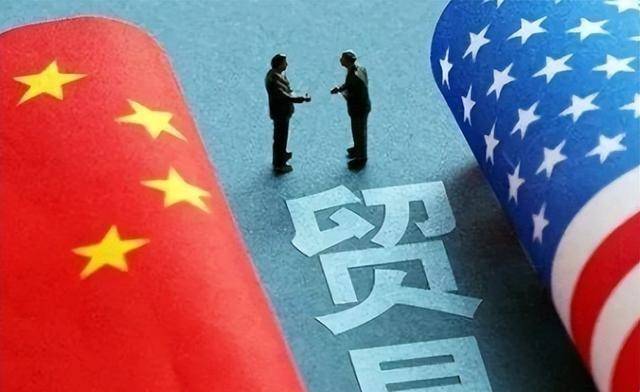
中企全球遍地开花,在华美企超7万家、投下1.2万亿,为啥在美国只剩边缘席位?
Sou Hu Cai Jing· 2025-11-24 20:41
Core Insights - The article highlights the stark contrast between the number of American companies operating in China, exceeding 70,000 with investments over $1.2 trillion, and the relatively small presence of Chinese companies in the U.S., totaling around 5,000 [3][22]. Group 1: American Companies in China - Since the early days of China's reform and opening up, American companies have been attracted to the Chinese market due to its vast consumer base and demand for international brands [5][11]. - The number of American enterprises in China has surged from a few dozen to nearly 80,000 over 30 years, encompassing various sectors including retail, technology, finance, and manufacturing [15]. - Despite global investment fluctuations, many American companies continue to report stable profits in China, indicating a reluctance to withdraw from a lucrative market [17]. Group 2: Chinese Companies in the U.S. - Chinese companies view the U.S. market primarily as a "financial springboard," seeking to leverage the large capital pool of over $40 trillion and the potential for enhanced global recognition through U.S. listings [18][19]. - However, the number of Chinese firms in the U.S. is significantly lower due to stringent regulatory hurdles and compliance standards, making entry challenging [20][22]. - High-profile cases like Huawei and TikTok illustrate the difficulties faced by Chinese companies in the U.S. market, with increasing restrictions and scrutiny impacting their operations [20][22]. Group 3: Market Dynamics - The article emphasizes the differing approaches to foreign investment between the U.S. and China, with the U.S. imposing more barriers while China remains open to foreign capital, particularly in high-end manufacturing and services [26][32]. - Chinese companies are diversifying their global presence by investing in emerging markets such as Southeast Asia, the Middle East, Africa, and Latin America, rather than relying solely on the U.S. market [24]. - The successful integration of American companies in China has led to the development of robust supply chains and local partnerships, benefiting both foreign and domestic firms [28].
美媒称元公司隐瞒对其不利的内部研究
Xin Hua She· 2025-11-24 10:37
新华社旧金山11月23日电(记者吴晓凌)据多家美国媒体23日报道,美国社交媒体巨头元公司曾在一项 内部研究中发现,短暂停止使用其脸书平台有助于改善用户心理状态,但公司随后停止相关研究并未公 开研究结果。 ...

智能早报丨我国启动聚变领域国际科学计划;“国产GPU第一股”摩尔线程今日发行
Guan Cha Zhe Wang· 2025-11-24 02:35
Group 1: Nuclear Fusion Research - China's "Burning Plasma" international scientific program has been officially launched, focusing on the BEST (Broadly Enhanced Stellarator Technology) research plan aimed at achieving controlled nuclear fusion [1] - The BEST device, set to be completed by the end of 2027, will conduct deuterium-tritium burning plasma experiments, targeting fusion power output between 20 megawatts and 200 megawatts [1] - The goal is to demonstrate energy output exceeding energy consumption, paving the way for fusion energy generation [1] Group 2: Stock Market Developments - "Moore Threads," known as the first domestic GPU stock, has launched its IPO on the Sci-Tech Innovation Board at a record price of 114.28 yuan per share, marking the highest IPO price in the A-share market this year [2] - Investors need to pay 57,140 yuan for one lot (500 shares), indicating strong market interest [2] Group 3: Autonomous Driving Industry - "HaoMo Intelligent Driving," backed by Great Wall Holdings and other investors, has reportedly ceased operations and notified employees not to report to work starting November 24 [3] - Founded in November 2019, HaoMo was the first company in China to achieve mass production of autonomous driving technology, with its HPilot system deployed in over 20 vehicle models [3] - The company had projected to surpass 250 million kilometers of autonomous driving mileage by 2024 and was listed in the Hurun Global Unicorn List [3] Group 4: Social Media and Mental Health - Meta is facing a lawsuit from multiple school districts in the U.S. for allegedly concealing evidence of the negative impact of its platforms, Facebook and Instagram, on users' mental health [4] - The lawsuit claims that Meta halted internal research after discovering causal evidence linking its products to adverse psychological effects [4] Group 5: Space Energy Production - Elon Musk announced plans for the Starship to potentially deliver around 300 gigawatts of solar energy satellites annually, with a possibility of reaching 500 gigawatts [5] - Musk indicated that with lunar manufacturing combined with mass drivers, an energy output exceeding 100 terawatts per year could be achieved [5]

我国启动聚变领域国际科学计划;“国产GPU第一股”摩尔线程今日发行
Guan Cha Zhe Wang· 2025-11-24 02:32
Group 1: Nuclear Fusion Research - China has launched an international scientific program in the field of nuclear fusion, unveiling the BEST research plan aimed at igniting the "artificial sun" [1] - The BEST device, as the next-generation "artificial sun," is set to conduct deuterium-tritium burning plasma experiments by the end of 2027, with a goal of achieving fusion power output between 20 megawatts and 200 megawatts [1] - The research aims to demonstrate energy output exceeding energy consumption, showcasing the potential for fusion energy generation [1] Group 2: Domestic GPU Market - The company Moole Technology, known as the "first domestic GPU stock," has launched its IPO on the Sci-Tech Innovation Board at a price of 114.28 yuan per share, marking the highest IPO price in the A-share market this year [2] - Investors need to pay 57,140 yuan for a single lot of 500 shares, indicating strong market interest [2] Group 3: Autonomous Driving Industry - The autonomous driving company Haomo Technology, backed by Great Wall Motors, Hillhouse Capital, and Qualcomm, has reportedly ceased operations and notified employees not to report to work starting November 24 [3] - Established in November 2019, Haomo was the first in China to achieve mass production of autonomous driving technology, with its HPilot system deployed in over 20 vehicle models [3] - The company had projected to surpass 250 million kilometers of autonomous driving mileage by 2024 and was listed in the Hurun Global Unicorn List [3] Group 4: Social Media and Mental Health - Meta is facing a lawsuit from multiple school districts in the U.S. for allegedly concealing evidence of the negative impact of its social media platforms, Facebook and Instagram, on users' mental health [4] - The lawsuit claims that Meta halted internal research after discovering causal evidence linking its products to adverse mental health effects [4] Group 5: Space Energy Production - Elon Musk has announced plans for the Starship to potentially deliver around 300 gigawatts of solar-powered satellites annually, with a possibility of reaching 500 gigawatts [5] - Musk stated that with lunar manufacturing combined with mass drivers, an energy output exceeding 100 terawatts per year could be achieved [5]

美股中概股全线上涨,A股却跌近百点!下周是反击还是继续沉沦?
Sou Hu Cai Jing· 2025-11-22 20:41
Market Overview - US stock market experienced a rebound with the Dow Jones up by 1.08%, S&P 500 up by 0.98%, and Nasdaq up by 0.88%, providing a glimmer of hope after three weeks of declines [1] - Chinese concept stocks also saw an increase, with the index rising by 0.84%, indicating a positive sentiment among investors [7] A-share Market Performance - A-share market faced a significant drop, with the Shanghai Composite Index falling by 2.45%, and the ChiNext Index dropping over 4%, marking the largest decline in nearly six months [10] - Over 5,000 stocks in the A-share market declined, with more than 100 stocks hitting the daily limit down [10] Sector Performance - Notable sectors included gene editing, which surged by 10.50%, and nanotechnology, which rose by 8.13%, showcasing strong performance in specific areas [4][5] - Despite the overall market downturn, certain sectors like the shipbuilding sector and video content related to artificial intelligence showed resilience, indicating selective investment opportunities [17] Investor Sentiment - The market sentiment is characterized by fear and pessimism, with many retail investors caught off guard by the sudden drop [10] - However, historical patterns suggest that extreme sell-offs often lead to technical rebounds, creating potential for recovery [15] Future Outlook - Analysts predict a high probability of a short-term rebound, with the key focus on whether the market can maintain momentum and attract new capital [20] - The performance of Northbound capital will be a crucial indicator for market confidence moving forward [20] - The biotechnology and semiconductor sectors are highlighted as potential areas for investment, especially if market sentiment improves [21]

微博拟进一步深化AI创新:微博智搜与开源模型重构社交生态
Zheng Quan Ri Bao Wang· 2025-11-21 12:34
Core Insights - Weibo reported its Q3 2025 earnings, with net revenue of $442 million (approximately RMB 3.156 billion) and non-GAAP operating profit of $132 million (approximately RMB 937 million) [1] - The platform's monthly active users reached 578 million, with daily active users at 257 million, and Weibo Zhisu's monthly active users surpassed 70 million, showing over 50% quarter-on-quarter growth in both daily active users and search volume [1] User Engagement and Product Development - Weibo Zhisu, launched in 2024, is an AI search product that integrates platform content to enhance user information retrieval efficiency, significantly upgraded after integrating the DeepSeekR1 model in February 2025 [2] - By Q3 2025, Weibo Zhisu's user engagement metrics showed substantial increases, with users averaging 36.6 uses per month, indicating high engagement compared to other AI applications [2][3] Ecosystem Integration and Technical Advancements - Weibo Zhisu is deeply embedded in the social ecosystem, with independent search access and synergy with trending topics and recommendation streams, enhancing the platform's value as an "event second scene" [3] - The company is focusing on upgrading technical capabilities and integrating ecological scenarios, improving search result relevance and enabling continuous, exploratory dialogue with users [3][4] AI Model Development and Strategic Positioning - The launch of the VibeThinker-1.5B model marks Weibo's strategic shift from AI application to foundational technology, demonstrating that algorithmic innovation can replace sheer computational power in specific high-value scenarios [5][6] - The open-source nature of VibeThinker-1.5B has attracted developers and research institutions, positioning Weibo as a promoter of "AI for all" and enhancing its industry influence [6][7] Future Directions and Market Impact - Analysts note that Weibo Zhisu has significantly impacted user activity, content distribution efficiency, and advertising monetization, becoming a key driver for overcoming growth bottlenecks [4] - The VibeThinker model complements Weibo's existing AI products, enhancing interaction while reducing computational costs, facilitating the transition from a "social platform" to an "intelligent content service" [7]
剑桥年度词 Parasocial,孤独时代的万亿生意
3 6 Ke· 2025-11-21 11:10
Core Idea - The article discusses the concept of "Parasocial" relationships, which are one-sided emotional connections that individuals develop with media figures, particularly in the context of social media and modern technology. This phenomenon reflects a significant shift in social dynamics and emotional needs in contemporary society [1][2]. Group 1: Definition and Evolution of Parasocial Relationships - The term "Parasocial" was coined in 1956 by sociologists Donald Horton and Richard Wohl, describing the emotional investment viewers make in media figures as if they were friends [1][2]. - Over the past seventy years, the rise of algorithms and social media has intensified these relationships, leading to strong emotional responses from fans towards celebrities and influencers, often resembling familial loyalty [2][3]. Group 2: Impact of Modern Society on Social Connections - Modern society is experiencing unprecedented "atomization," where individuals feel increasingly isolated despite physical proximity to others, leading to a reliance on digital connections for emotional fulfillment [4][5]. - The smartphone has created a barrier between individuals and real-world interactions, prompting people to seek emotional connections through screens, which provide a safe and controlled environment for expressing feelings [5][6]. Group 3: Commercialization of Parasocial Relationships - Parasocial relationships have become a foundation for the "fan economy" or "trust economy," where emotional investment translates into financial support for creators and brands [11][12]. - The success of artists like Taylor Swift and influencers in live-streaming contexts illustrates how deep emotional ties can drive significant economic impact, as fans feel they are supporting a friend rather than merely purchasing a product [12][13]. Group 4: Psychological Implications and Concerns - The article highlights a concerning trend where individuals increasingly invest emotional energy in virtual relationships as real-life connections diminish, leading to a potential emotional void [13][14]. - While Parasocial relationships can provide comfort during lonely times, they should not replace genuine human interactions, raising questions about the long-term effects on emotional health and social behavior [15][16].

PayPal黑帮,从支付颠覆者到资本与政治的合流
3 6 Ke· 2025-11-21 02:59
Core Insights - The "PayPal Mafia" represents a group of former PayPal employees who have significantly influenced various industries in Silicon Valley, creating companies with a combined valuation exceeding one trillion dollars and impacting billions of lives globally [2][11]. Group 1: PayPal's Founding and Culture - PayPal was founded in 1998 during the internet boom, initially as a secure software company before pivoting to online payments due to the inefficiencies of traditional payment methods [3][4]. - The company was characterized by a non-traditional culture, favoring unconventional thinkers over typical MBA graduates, and promoting transparency and efficiency within its operations [7][9]. - PayPal's rapid adaptability allowed it to transition from a handheld device platform to a leading online payment service within months, showcasing its agility in a competitive market [9][10]. Group 2: The Evolution of the "PayPal Mafia" - After PayPal's acquisition by eBay for $1.5 billion in 2002, its core members maintained close ties and ventured into various sectors, forming a network that would drive innovation across multiple industries [10][11]. - Notable figures like Peter Thiel and Elon Musk emerged as key players, with Thiel making a landmark investment in Facebook that yielded over a thousandfold returns, while Musk founded SpaceX and Tesla, reshaping their respective industries [12][13]. Group 3: The Impact of the "PayPal Mafia" - The "PayPal Mafia" has been instrumental in the creation of several unicorn companies, including SpaceX, LinkedIn, and YouTube, which have collectively transformed sectors such as aerospace, social networking, and media [12][17]. - Their success can be attributed to a shared culture of challenging traditional norms and a robust mutual support network that facilitates collaboration and resource sharing among members [18][20]. Group 4: Political Engagement and Influence - Since 2010, the "PayPal Mafia" has increasingly intertwined with political power, exemplified by Peter Thiel's Palantir, which provides data analysis services to government agencies, and Musk's SpaceX, which collaborates with NASA [22][26]. - The group's political involvement has grown, with significant financial contributions to candidates aligned with their interests, particularly during the Trump administration, which has resulted in favorable policies for their businesses [27][30]. Group 5: Ethical Concerns and Future Challenges - The "PayPal Mafia" faces scrutiny over the implications of their technological advancements and political influence, raising questions about privacy, governance, and the potential for capital to overshadow public interest [32][33]. - As they continue to shape both the tech landscape and political discourse, the balance between innovation and social responsibility remains a critical challenge for the future [33][34].