电子

Search documents
有色金属板块领涨市场;港股主题ETF受青睐丨ETF晚报
2 1 Shi Ji Jing Ji Bao Dao· 2026-02-25 10:17
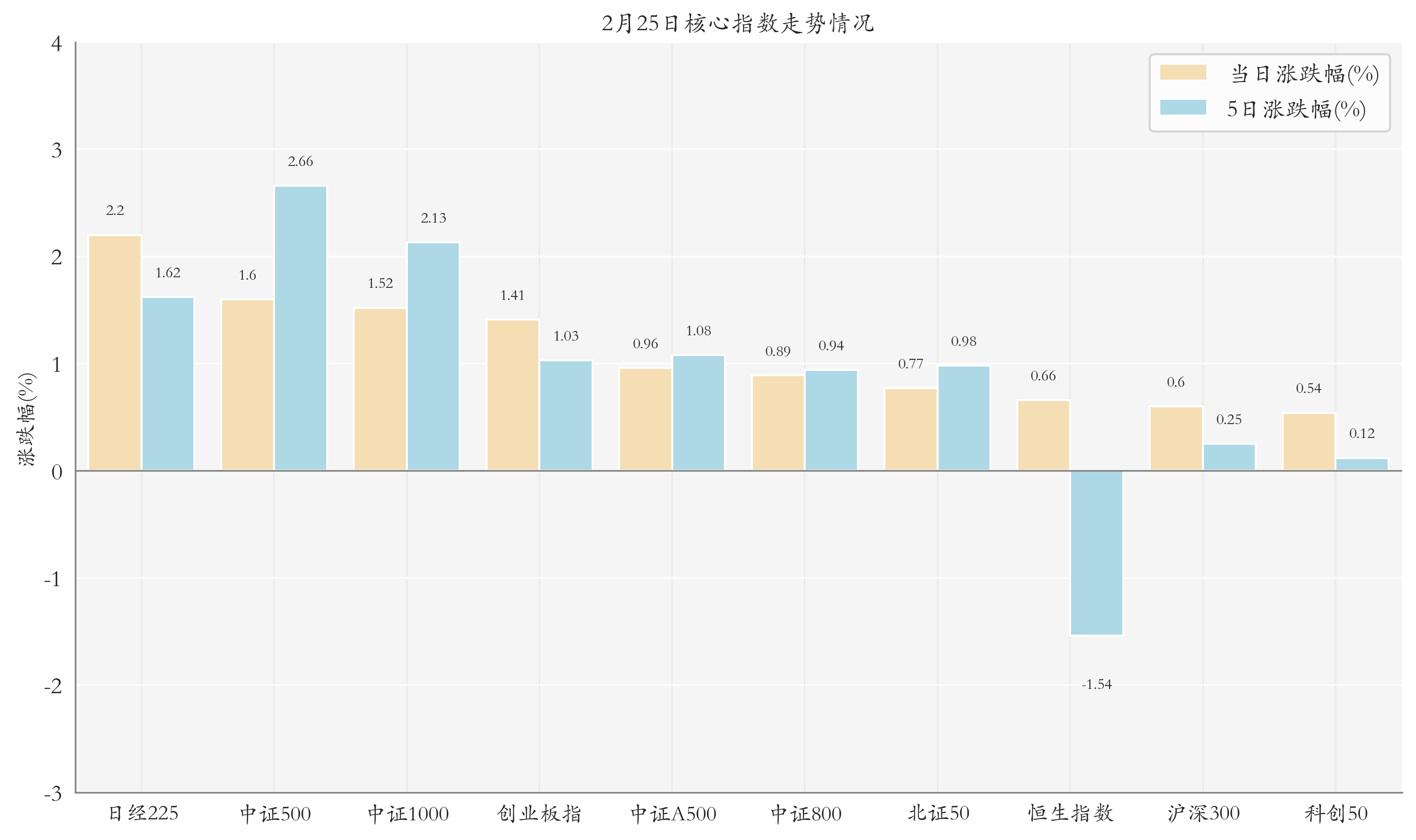
Group 1: ETF Market Overview - The three major indices collectively rose, with the metal sector leading the market, as the Shanghai Composite Index increased by 0.72%, the Shenzhen Component Index by 1.29%, and the ChiNext Index by 1.41% [1][4] - The rare earth ETFs saw significant gains, with E Fund Rare Earth ETF (159715.SZ) rising by 6.25%, followed by other rare earth ETFs with increases of 6.12% and 6.08% [1][12] - The demand for metals like cobalt, tin, lithium, copper, and nickel is expected to remain strong due to high investment in power grids, energy storage batteries, and AI servers, alongside a demand amplification effect from stockpiling amid trade disputes [1] Group 2: Fund Flows and Performance - On the first trading day of the Year of the Horse, stock ETFs experienced a net inflow of 56.34 billion yuan, reversing the trend of net outflows seen in the previous five trading days [2] - The overall market for stock ETFs reached a total scale of 3.92 trillion yuan, indicating a strong recovery in investor sentiment [2] - The ETF market displayed a "hot and cold" pattern, with broad-based ETFs experiencing net outflows while Hong Kong-themed ETFs attracted significant inflows, highlighting a structural allocation logic in the current market [3] Group 3: Sector Performance - In the A-share market, sectors such as steel, non-ferrous metals, and building materials performed well, with daily increases of 4.69%, 3.48%, and 2.75% respectively [7] - Over the past five trading days, the comprehensive, building materials, and non-ferrous metals sectors showed strong performance with increases of 9.09%, 7.74%, and 6.66% respectively [7] Group 4: ETF Category Performance - Among different categories of ETFs, the average increase for stock industry index ETFs was 0.92%, while bond ETFs had the worst performance with an average decrease of 0.06% [10] - The top-performing ETFs today were all rare earth ETFs, with E Fund Rare Earth ETF (159715.SZ) leading with a 6.25% increase [12]

中石科技:公司积极布局新兴消费电子、光通信、AI服务器、智能汽车等高景气领域
Zheng Quan Ri Bao· 2026-02-25 10:06
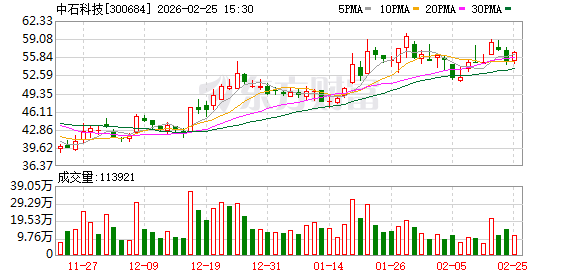
Core Viewpoint - The company is actively expanding into high-growth sectors such as emerging consumer electronics, optical communication, AI servers, and smart vehicles, focusing on promoting new cooling solutions and core product development [2] Group 1: Business Development - The company plans to gradually ramp up new business operations by 2025, expecting significant revenue growth from related products, which will inject new growth momentum into its development [2] - The company is committed to a major client market strategy, deepening cooperation with core clients to steadily increase market share and broaden the range of cooperative products [2] Group 2: Market Expansion - The company is actively exploring market demand in emerging fields, focusing on high-quality leading clients across various sectors to optimize its global client layout and solidify a long-term customer base [2]
去年中德货物进出口1.51万亿元 机电产品占贸易规模的70.8%
Yang Shi Xin Wen· 2026-02-25 09:56
Core Insights - In 2025, the trade volume between China and Germany is projected to reach 1.51 trillion yuan, representing a 5.2% increase from 2024, with exports to Germany amounting to 664.3 billion yuan and imports from Germany totaling 846.3 billion yuan [1] - Germany remains China's largest trading partner in Europe, marking China's return to this position after a year [1] - The trade in electromechanical products between China and Germany is expected to reach 1.07 trillion yuan in 2025, a 5.8% increase from 2024, accounting for 70.8% of the total trade volume [1] Trade Details - The import and export of automobiles and their parts is projected to be 131.5 billion yuan, making up 12.3% of the electromechanical trade [1] - Exports of electronic components, computers and their parts, and measuring and testing instruments are expected to be 74 billion yuan, 73.8 billion yuan, and 59.8 billion yuan respectively [1] - The trade in pharmaceuticals and basic organic chemicals is expected to reach 65.7 billion yuan and 18.4 billion yuan respectively, while emerging products like 3D printers and industrial robots are projected to have trade volumes of 2.6 billion yuan and 1 billion yuan [1] Strategic Partnership - China and Germany are described as comprehensive strategic partners with deep industrial integration, benefiting both countries' enterprises and people through mutually beneficial economic cooperation [1]
融资融券周报:主要指数多数下跌,两融余额继续下降-20260225
BOHAI SECURITIES· 2026-02-25 09:45
- The main indices of the A-share market mostly declined last week, with the CSI 500 index having the largest increase of 1.04%, and the SSE 50 index having the largest decrease of 1.49%[9][10] - As of February 24, the balance of margin trading and securities lending in the Shanghai and Shenzhen markets was 2,614.239 billion yuan, a decrease of 37.544 billion yuan from the previous week[12][15] - The financing balance was 2,597.750 billion yuan, a decrease of 37.299 billion yuan from the previous week, and the securities lending balance was 16.488 billion yuan, a decrease of 245 million yuan from the previous week[12][15] - The average daily number of investors participating in margin trading and securities lending transactions from February 11 to February 24 was 422,471, a decrease of 2.21% from the previous week[23] - The industries with higher net financing purchases last week were building materials, environmental protection, and social services, while the industries with lower net financing purchases were electrical equipment, pharmaceuticals, and electronics[30] - The industries with higher net securities lending sales last week were basic chemicals, petroleum and petrochemicals, and building decoration, while the industries with lower net securities lending sales were electrical equipment, non-ferrous metals, and banking[33] - The top five ETFs with the highest net financing purchases last week were ChinaAMC Hang Seng Technology ETF (QDII), E Fund CSI Overseas China Internet 50 (QDII-ETF), ChinaAMC Hang Seng Internet Technology Industry ETF (QDII), HFT CSI Short-term Bond ETF, and Guotai Gold ETF[45][46] - The top five stocks with the highest net financing purchases last week were China Jushi (600176), Biwin Storage (688525), Dongshan Precision (002384), Kingsoft Office (688111), and GigaDevice (603986)[49][51] - The top five stocks with the highest net securities lending sales last week were Shenzhen Tech (000021), Xiangnong Chip (300475), Tongkun Group (601233), China Tungsten High-tech (000657), and Mindray Medical (300760)[54]
华为“制造智能体”为广东制造业破题 | 高质量大会第三分会场
Sou Hu Cai Jing· 2026-02-25 09:19
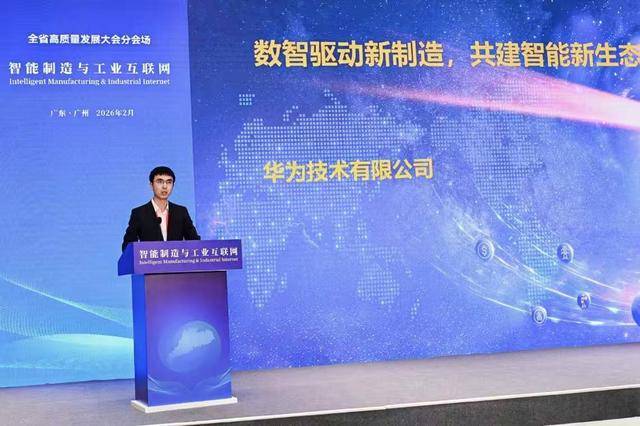
面对全球制造业"电动化、智能化、网联化、共享化"的"新四化"浪潮,王宁认为,中国制造业在坐拥规 模优势的同时,也普遍面临着效率瓶颈、数据孤岛以及技术迭代加速带来的严峻挑战。他以汽车产业为 例指出,中国汽车年产销3000万辆的庞大体量背后,是消费者对个性化定制需求的激增,以及头部企业 市场集中度日益提高带来的生存压力。"如何通过智能化手段提升生产柔性,成为摆在所有制造企业面 前的必答题。" 基于对行业痛点的深刻洞察,华为在此次大会上重点推介了其"制造智能体"的创新理念。这一方案旨在 通过"场景化+平台化+生态化"的融合,为企业提供全栈式的智能解决方案。王宁分享了多个在粤落地 的生动案例:某车企应用华为工业互联网平台后,订单交付周期从14天锐减至7天,库存周转率提升 25%;一家电子企业通过云化改造,IT资源利用率从30%跃升至70%;更有钢铁企业借助智能排产系 统,年节省能耗成本超5000万元。"这些实实在在的价值回报,正是智能制造生命力的最好证明。" 王宁介绍,华为已构建起覆盖"云-边-端-网-智"的全栈技术能力,在5G、AI、工业互联网等领域拥有超 过4万项全球专利。这些技术积累不仅是华为自身发展的基石,更 ...
北交所日报:马年开门红,关注产业趋势及流动性波动-20260225
Western Securities· 2026-02-25 08:34
Investment Rating - The report does not explicitly provide an investment rating for the industry or specific companies [26]. Core Insights - The market focus is on "resource price increases" and "technology growth," with cyclical sectors like oil, petrochemicals, and precious metals leading the gains due to geopolitical tensions and seasonal agricultural policies [3][19]. - The North Exchange is expected to benefit from new productivity policies and price elasticity in resource commodities, particularly in high-end equipment and new materials that align with national industrial upgrade directions [3][19]. - The report highlights a significant increase in MLCC prices, with major manufacturers like Murata and Samsung planning double-digit price hikes due to rising demand from AI infrastructure investments [2][3]. Summary by Sections Market Review - On February 24, the North Exchange A-share trading volume reached 16.379 billion yuan, a decrease of 0.057 billion yuan from the previous trading day, with the North Exchange 50 Index closing at 1,535.432, up 0.37% [8][13]. - Among 294 companies listed on the North Exchange, 242 saw their stock prices rise, 4 remained flat, and 48 experienced declines [15][16]. Key Company Announcements - Mingyang Technology reported a revenue of 389.60 million yuan for 2025, with a net profit of 82.14 million yuan, reflecting a year-on-year growth of 3.81% [19]. - Yisheng Precision announced a revenue of 35.19 million yuan, a year-on-year increase of 9.50%, with a net profit of 5.99 million yuan, up 10.70% [20][21]. - The report also mentions other companies like Iron Big Technology and Digital Human, which reported significant revenue growth due to market expansion and project completions [22][23].
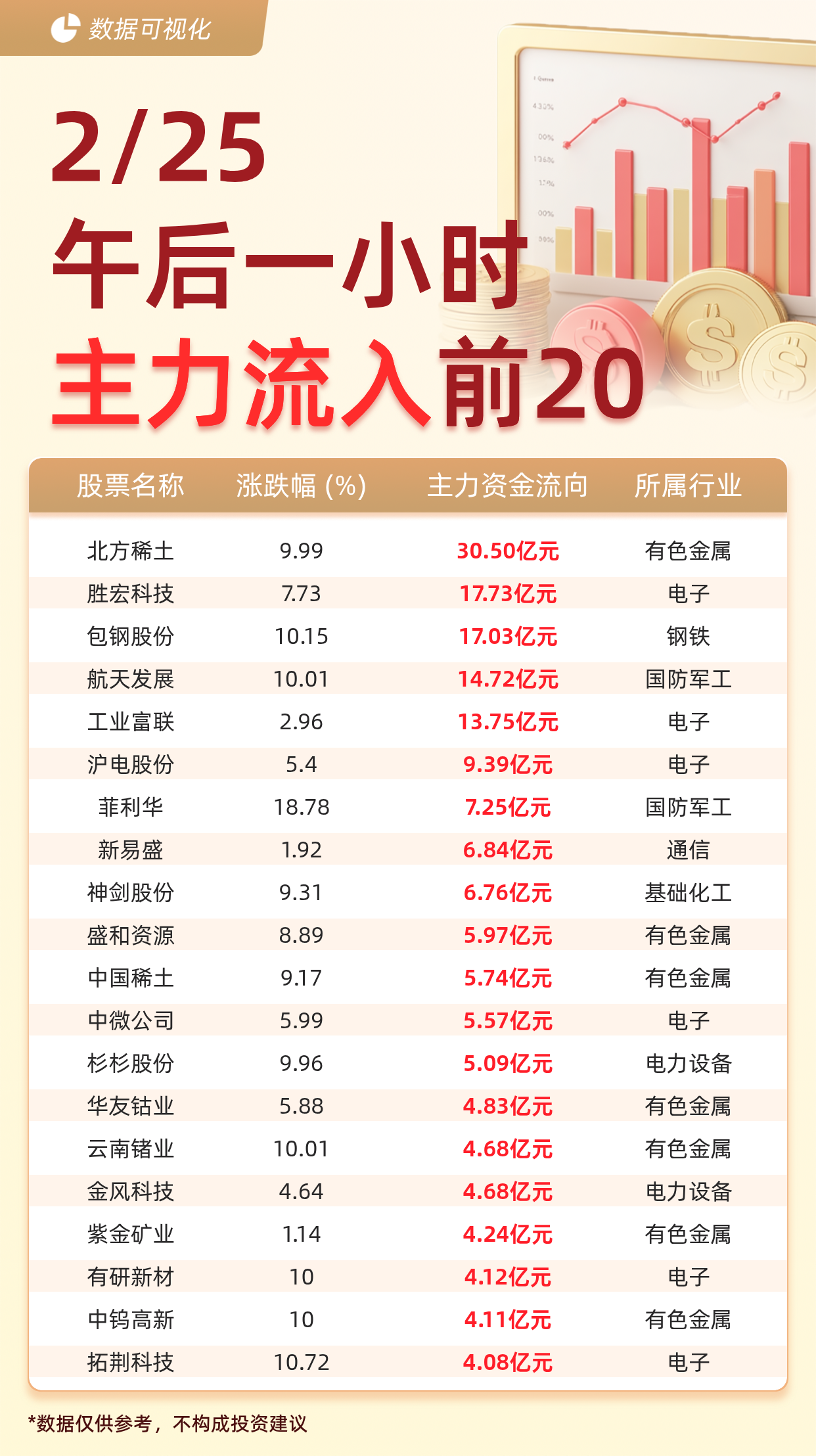
主力资金流入前20:北方稀土流入30.50亿元、胜宏科技流入17.73亿元
Jin Rong Jie· 2026-02-25 06:34
Group 1 - The main stocks with significant capital inflow include Northern Rare Earth (30.50 billion), Shenghong Technology (17.73 billion), and Baosteel (17.03 billion) [1] - Northern Rare Earth saw a price increase of 9.99%, while Baosteel increased by 10.15% [2] - Other notable stocks with substantial inflows are Aerospace Development (14.72 billion) and Industrial Fulian (13.75 billion) [1][2] Group 2 - The electronics sector is represented by companies like Shenghong Technology, Industrial Fulian, and Huadian Shares, with inflows of 17.73 billion, 13.75 billion, and 9.39 billion respectively [2] - The defense sector includes Aerospace Development and Feilihua, with inflows of 14.72 billion and 7.25 billion respectively [2] - The non-ferrous metals sector has significant representation with Northern Rare Earth, Shenghe Resources, and China Rare Earth, attracting inflows of 30.50 billion, 5.97 billion, and 5.74 billion respectively [1][3]






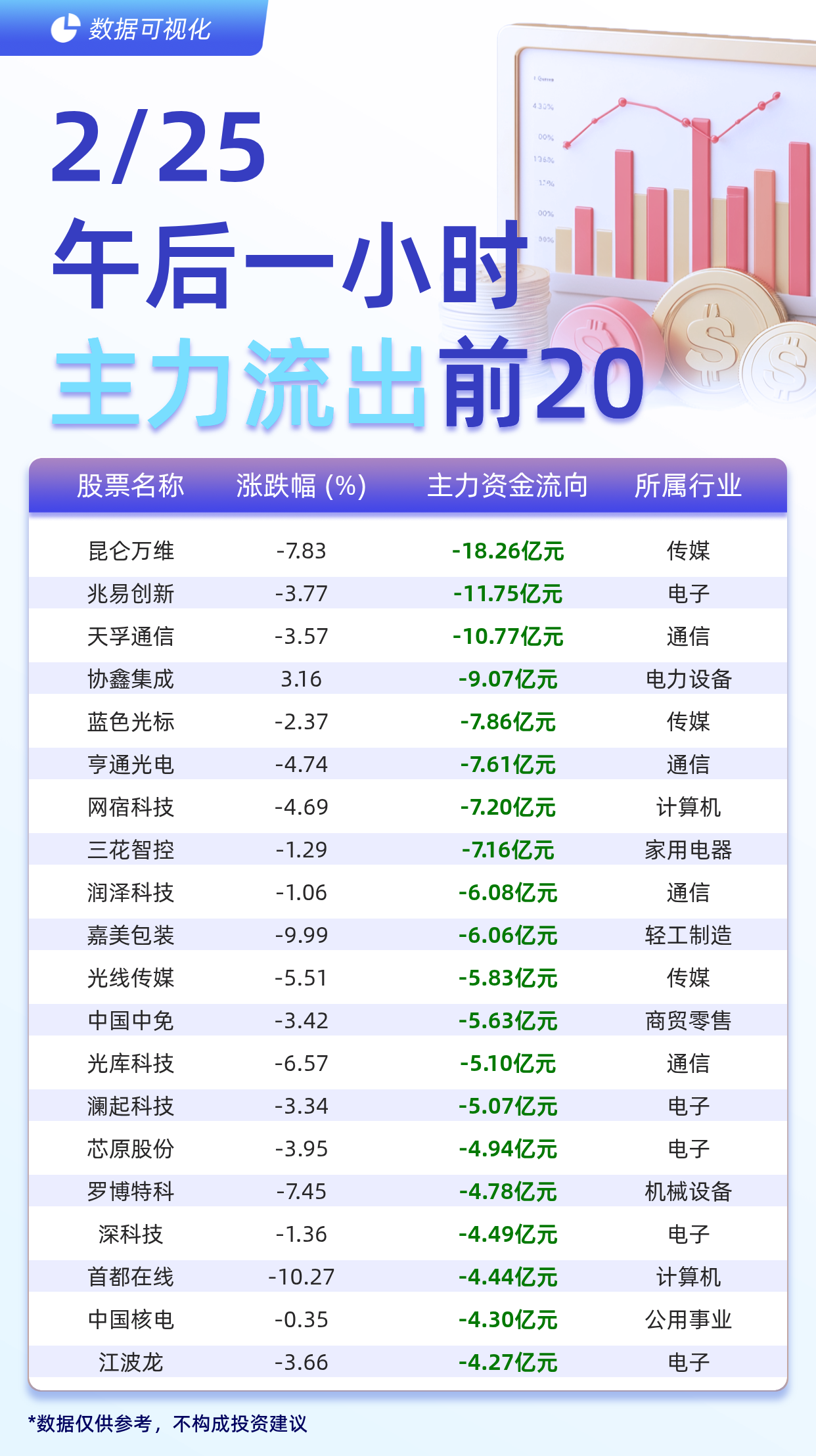
主力个股资金流出前20:昆仑万维流出18.26亿元、兆易创新流出11.75亿元
Jin Rong Jie· 2026-02-25 06:34
Group 1 - The main stocks with significant capital outflow include Kunlun Wanwei (-1.83 billion), Zhaoyi Innovation (-1.175 billion), and Tianfu Communication (-1.077 billion) [1] - The sectors affected by the capital outflow include Media, Electronics, and Communication, with notable declines in stock prices for companies like Kunlun Wanwei (-7.83%), Zhaoyi Innovation (-3.77%), and Tianfu Communication (-3.57%) [2][3] - Other companies experiencing substantial capital outflow include GCL-Poly Energy (-0.907 billion), BlueFocus (-0.786 billion), and Hengtong Optic-Electric (-0.761 billion) [1] Group 2 - The total capital outflow from the top 20 stocks indicates a trend of investor withdrawal from these sectors, particularly in Media and Electronics [1][2] - Companies like China Duty Free (-0.563 billion) and Guangku Technology (-0.510 billion) also show significant capital outflow, reflecting broader market concerns [3] - The overall market sentiment appears negative, with many stocks experiencing declines in both capital flow and stock price [2][3]






一周观市|光大保德信基金:全球风险偏好走强,有望推动A股重新积蓄力量
Xin Lang Cai Jing· 2026-02-25 06:33
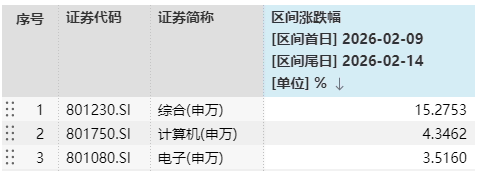
Market Overview - The equity market experienced a general rise, with the Shanghai Composite Index increasing by 0.4%, the Shenzhen Index by 1.4%, the CSI 300 by 0.4%, the ChiNext Index by 1.2%, and the STAR 50 by 3.4% [1][14] - The bond market also saw gains, with the 10-year government bond yield closing at approximately 1.79%, down about 2 basis points [1][14] Industry Performance - In the Shenwan first-level industry classification, the comprehensive, computer, and electronics sectors showed significant gains, while the textile and apparel, food and beverage, and beauty care sectors experienced notable declines [2][16] Economic Events - During the Spring Festival period from February 16-20, global major stock indices mostly rose, driven by easing concerns over AI's disruptive impact, strong European corporate earnings, and a U.S. Supreme Court ruling invalidating tariffs, which boosted overall market risk appetite [3][17] - The KOSPI led the gains with a rise of 5.5%, followed by European indices such as France's CAC40 and the UK's FTSE 100, which rose by 2.5% and 2.3% respectively [3][17] - The U.S. stock market lagged behind due to a retreat in interest rate cut expectations and geopolitical tensions, with the Nasdaq and S&P 500 increasing by 1.5% and 1.1% respectively [3][17] Bond Market Dynamics - The U.S. bond market showed a mixed performance, with yields rising across all maturities due to a hawkish stance from Federal Reserve officials, while non-U.S. long-term bond yields generally declined [4][18] - The 2-year, 10-year, and 30-year U.S. Treasury yields increased by 7.1 basis points, 3.4 basis points, and 2.9 basis points respectively [4][18] Commodity Market Trends - The commodity market saw widespread increases, particularly in oil prices, which surged over 4% on February 18, with a cumulative increase of nearly 6% during the Spring Festival week [5][18] - Precious metals also rose, with London silver and gold prices increasing by 9.34% and 1.30% respectively [5][18] Real Estate Market Insights - The Spring Festival period in 2026 saw a significant increase in travel activity, with daily migration indices reaching a historical high of 871.44, marking a 27% increase from 2025 and a 39% increase from 2024 [6][19] - New housing transactions doubled year-on-year during the Spring Festival, with a total area of 5.18 million square meters sold in 13 cities, although this was largely due to a low base effect from 2025 [7][20] Market Outlook - The equity strategy remains optimistic about the technology sector's growth potential, with global risk appetite strengthening and many non-U.S. assets continuing a bullish trend [8][21] - The bond strategy suggests a "barbell" approach, focusing on the favorable supply-demand dynamics in the bond market, with expectations of continued liquidity support from the central bank [10][23]
马年2连涨,机构继续观望!热点轮动过快,还有哪些投资机会?
Sou Hu Cai Jing· 2026-02-25 06:32
Group 1 - The year 2026 marks the beginning of a new five-year plan, creating numerous trading opportunities related to policy implementation [1] - Despite an increase in resident incremental funds, significant reductions in major ETF investments have offset this inflow, leading to a challenging liquidity environment before the Spring Festival [1] - The market is expected to experience volatility in February, with a potential rebound in indices post-holiday, focusing on sectors like oil, food and beverage, AI, and semiconductors [1] Group 2 - The "Shengong-Hua Tuo" brain-controlled acupuncture and neuro-rehabilitation platform has been launched, targeting patients with neurological injuries, indicating advancements in brain-machine interface technology [3] - Quantum technology has reached a strategic height in policy, with significant funding growth, totaling approximately 34.9 billion yuan by Q3 2025, surpassing previous years [3] - The quantum computing market is projected to grow from $5 billion to over $800 billion between 2024 and 2035, with a CAGR exceeding 55% [5] Group 3 - The short-term market trend is strong, but the influx of incremental funds remains limited, indicating a cautious approach from investors [7] - The Shanghai Composite Index has been rising, primarily driven by the energy sector, while the demand for funds remains stable despite an increase in net reductions by major shareholders [9] - February's investment strategy should focus on cyclical and technology sectors, with an emphasis on electronics, media, machinery, and power equipment [9]