
茶饮

Search documents
“中国消费潜力超美国,奶咖赛道将催生新一批世界级公司”
Guan Cha Zhe Wang· 2025-12-02 13:10
Core Insights - The conference "Kaimen 2026 Annual Conference" focused on the theme "Resilience Meets Future," gathering industry leaders to discuss the beverage sector's path through cycles and towards future growth [1] - Zhu Yonghua, a prominent investor, shared insights on the Chinese consumer market, predicting that the tea and coffee sectors will see the emergence of approximately six new publicly listed companies in the next 5-10 years, with a combined market size potentially reaching trillions [1][3] Investment Landscape - Zhu highlighted a significant decline in the number of investment opportunities, with the team reviewing around 1,000 projects annually but only investing in 2-3 since 2022, indicating a challenging market environment [5] - The market has shown signs of recovery, particularly with successful IPOs of companies like Gu Ming and Mi Xue Bing Cheng, which exceeded expectations and revitalized investor confidence [6] Consumer Behavior - The presentation emphasized changes in consumer spending patterns, particularly among middle-aged consumers (ages 35-50), who are reducing their dining frequency and opting for lower-priced options [8] - Young consumers (ages 18-30) exhibit different spending behaviors, focusing more on spiritual needs rather than traditional consumption, with a notable interest in IP products and experiences like concerts [10][12] Market Opportunities - The tea and coffee markets are identified as having the most significant growth potential, with the current market size for tea nearing 300 billion and coffee projected to reach 600 billion [12] - The combined tea and coffee market is expected to become a trillion-dollar market, with the potential for six additional companies to go public in the next five years [13]





海外GMV两季连增超75% 霸王茶姬引领中国茶饮出海结构性升级
Bei Jing Shang Bao· 2025-12-02 11:11
Core Insights - The core viewpoint of the articles highlights the impressive performance of Bawang Chaji in the competitive new tea beverage industry, showcasing its continuous profitability and significant growth in overseas markets [1][3][11]. Financial Performance - As of September 30, Bawang Chaji reported a total of 7,338 global stores, achieving a total GMV of 7.93 billion yuan and net revenue of 3.208 billion yuan in Q3, with an adjusted net profit of 503 million yuan [1]. - The company has maintained profitability for 11 consecutive quarters, with a store closure rate stabilizing at an exceptionally low level of 0.3% for three consecutive quarters [1]. Overseas Business Growth - Bawang Chaji's overseas GMV exceeded 300 million yuan in Q3, marking a year-on-year increase of 75.3% and a quarter-on-quarter growth of 27.7%, continuing a trend of over 75% growth for two consecutive quarters [3][4]. - The overseas segment has transitioned from a cultivation phase to a high-growth phase, becoming a key driver of overall company performance [4]. Market Expansion and Strategy - In Q3, Bawang Chaji added 54 overseas stores, bringing the total to 262, covering seven major markets including Malaysia, Singapore, Indonesia, Thailand, Vietnam, the Philippines, and the United States [4]. - Malaysia has emerged as a pivotal market, with store expansion accelerating and surpassing 200 locations in October [4]. - The company has adopted a localized operational strategy, forming joint ventures with local firms to leverage their resources and expertise, which has facilitated rapid market penetration [8][10]. Product and Brand Development - The introduction of the "Qingyu Xiangti" series of fresh milk tea in Malaysia achieved a remarkable 50% sales share on its launch day, setting a record for the brand [5]. - Bawang Chaji's products have received recognition, with the "Boya Jue Xuan" winning the Best Natural/Organic Beverage award at the 2025 World Beverage Innovation Awards [5]. Future Outlook - Bawang Chaji plans to enhance its product matrix and expand consumption scenarios, including breakfast and evening offerings, to improve store utilization efficiency [11]. - The company aims to maintain high-speed growth in its overseas business, contributing to the global influence of Chinese tea beverages [12].
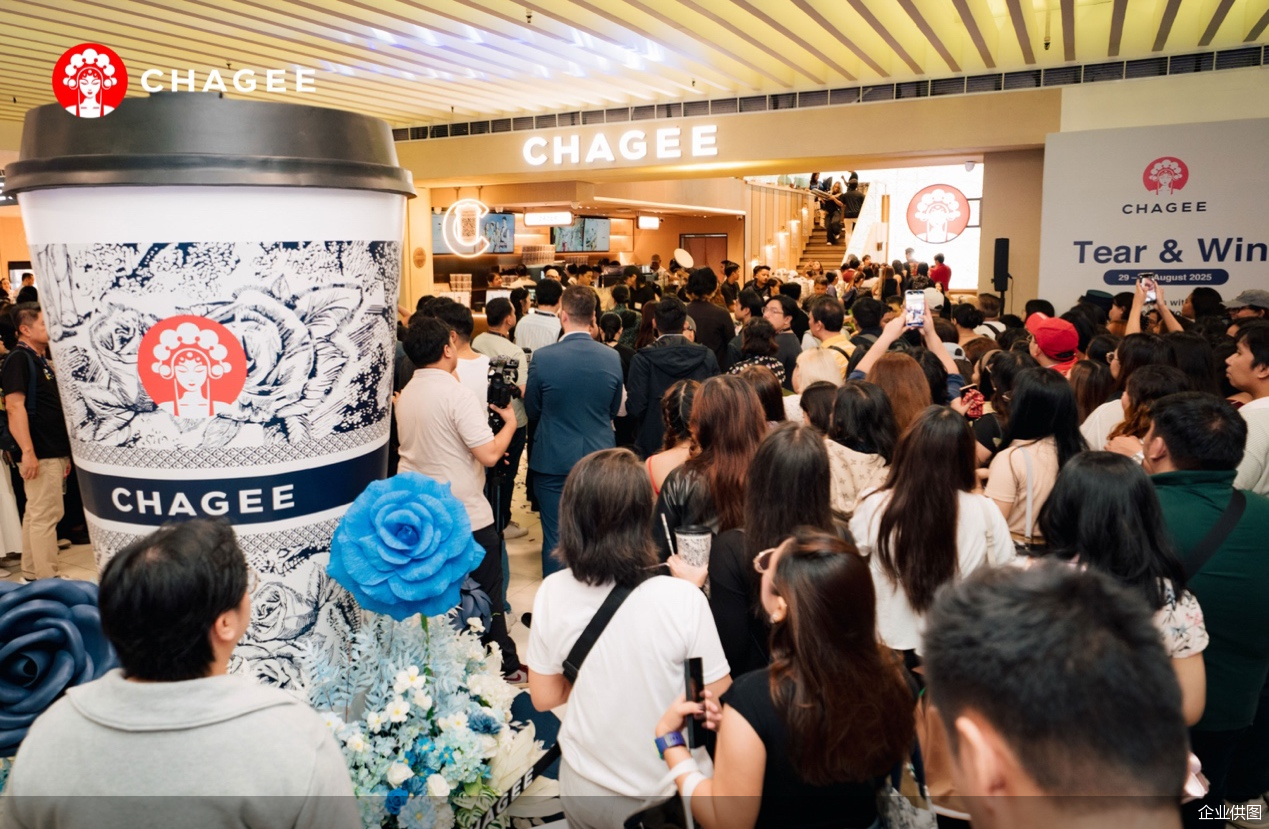
沈阳霸王茶姬万达店顶棚出现大面积漏水 已暂停营业
Xin Jing Bao· 2025-12-02 11:03
12月2日,辽宁沈阳霸王茶姬万达店顶棚出现大面积漏水,红褐色的水不断从该店顶棚多处流下,店铺 周围出现大面积积水。记者从沈阳铁西万达广场客服获悉,霸王茶姬饮品店已暂停营业,目前,商场其 他店铺经营未受影响,工程部人员正在进行维修。 ...
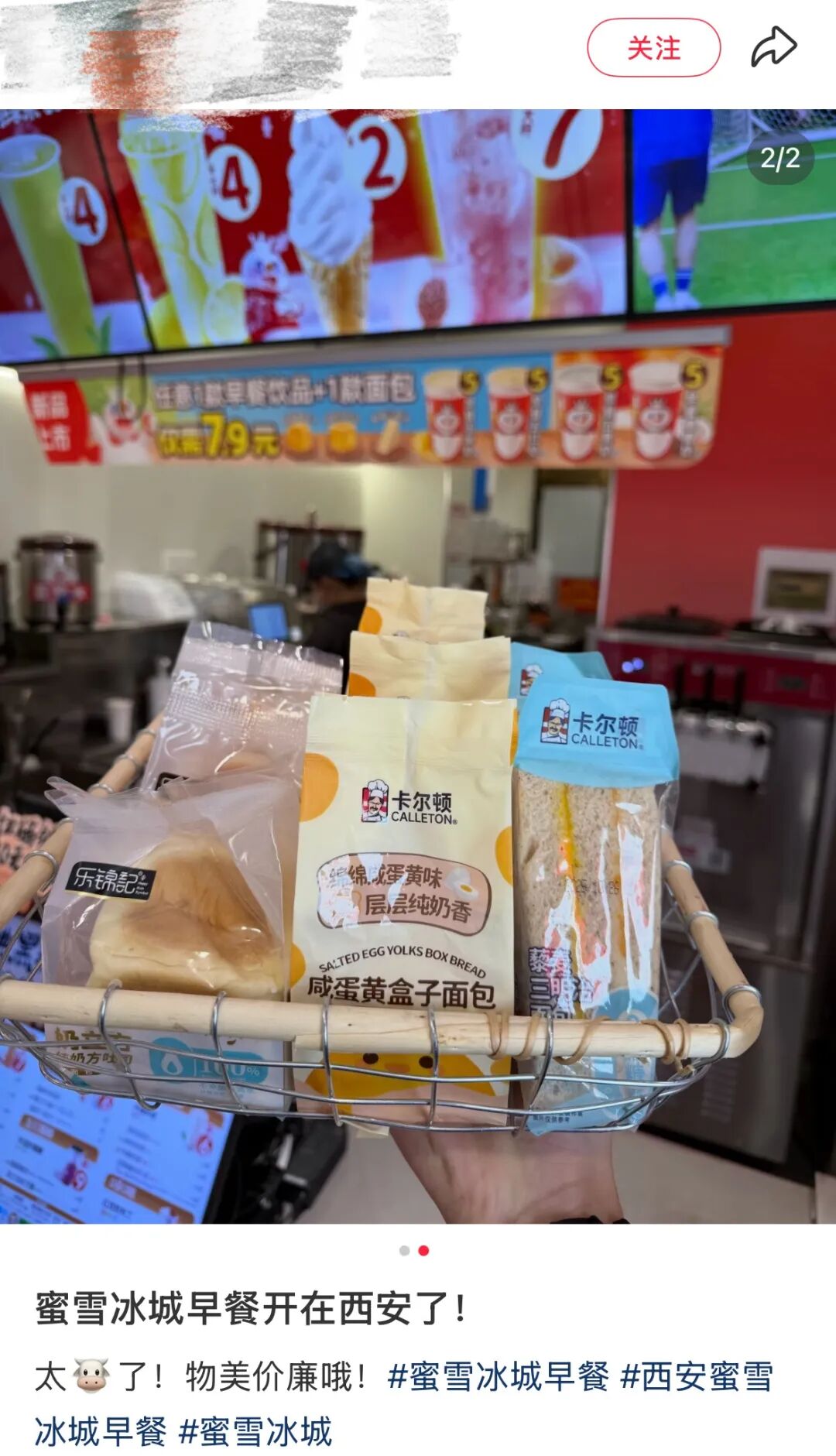
早餐套餐开卖,蜜雪冰城太想进步了
3 6 Ke· 2025-12-02 10:57
Core Insights - The entry of the chain restaurant brand into the breakfast market indicates that it is not yet saturated, as evidenced by the recent testing of breakfast items in various cities [1][10] - The breakfast offerings include a combination of drinks and staple foods, with prices set at competitive levels compared to other market players [5][8] Company Strategy - The company is conducting a broad survey and small-scale trials to assess consumer interest in breakfast items, indicating a formal launch of its breakfast plan [1][10] - The breakfast menu features a mix of familiar items, such as drinks priced at 5 yuan and staple foods at 2.9 yuan each, aiming to attract a wide customer base [5][6] Market Positioning - The breakfast products are designed to fill a market gap, providing a cleaner and more affordable option compared to street vendors while being cheaper than premium coffee shops [8][9] - The company aims to extend operational hours to maximize store utilization and maintain a presence in the high-frequency morning consumption period [9][10] Competitive Landscape - The breakfast segment is highly competitive, with established brands like KFC and McDonald's also expanding their breakfast offerings, highlighting the importance of this market [11] - The company’s strategy may involve testing the overall viability of breakfast sales to enhance store efficiency and stimulate sales, rather than focusing solely on specific product performance [10][12] Future Considerations - The success of the breakfast initiative will depend on the ability to provide suitable services in appropriate locations, as not all stores may be ideal for breakfast sales [11][12] - The company is exploring ways to increase sales volume and improve store efficiency, which is critical in a market where breakfast is often a low-margin business [12]
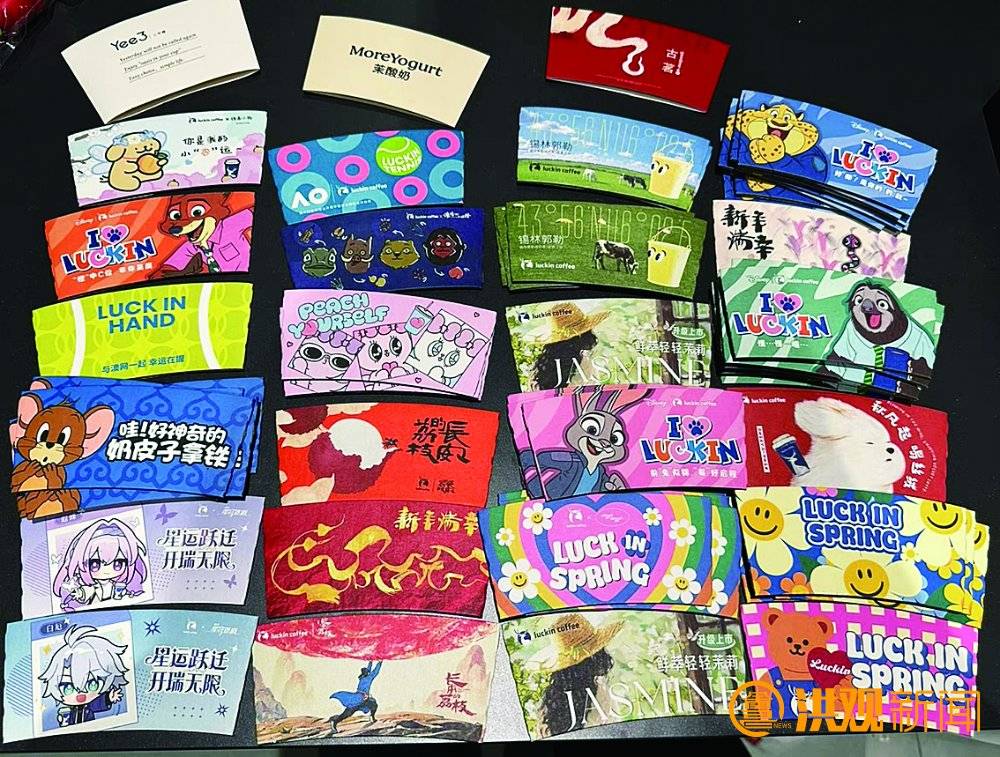
“衍生产品”走红 年轻人爱上“情怀消费”
Sou Hu Cai Jing· 2025-12-02 07:57
Core Insights - The rise of "derivative products" such as free packaging bags and cup sleeves from tea and coffee brands has become popular among young consumers, leading to significant sales on second-hand platforms [1][5][9] - Young consumers are increasingly collecting limited edition packaging associated with popular IPs, driven by nostalgia and the desire for unique items [3][4][6] Group 1: Consumer Behavior - Young consumers, like 26-year-old Zhu Yongzhi, actively seek out limited edition packaging from popular films and brands, often purchasing from multiple stores to complete their collections [3][4] - University student Tao Xiaoqing shares her collection of IP-themed paper bags on social media, indicating a community of collectors who exchange and trade items on second-hand platforms [4][9] - The popularity of these items is evident as consumers often request specific limited edition packaging when making purchases, highlighting a shift in consumer priorities [5][6] Group 2: Market Dynamics - Second-hand platforms show a high volume of listings for tea and coffee packaging, with prices varying significantly based on brand and popularity, ranging from 0.5 to 50 yuan [4][9] - The demand for limited edition packaging is linked to the IP economy and the trend of scarcity, as young consumers seek personalized and unique products [6][9] - Some sellers on second-hand platforms emphasize the condition and authenticity of the packaging, indicating a market that values quality and provenance [9]
英伟达,入股这一行业巨头!
Zheng Quan Shi Bao· 2025-12-02 00:50
Market Overview - On December 1, U.S. stock indices collectively declined, ending a five-day upward trend. The Dow Jones fell by 0.90%, the Nasdaq by 0.38%, and the S&P 500 by 0.53% [1][2]. Sector Performance - In the S&P 500, eight out of eleven sectors declined, with utilities, industrials, and healthcare leading the losses at 2.35%, 1.49%, and 1.49% respectively. Conversely, the energy and technology sectors saw gains of 0.91% and 0.07% [2]. Technology Sector Highlights - Notable technology stocks experienced mixed performance. ASML rose over 2%, while Micron Technology, NVIDIA, Apple, Netflix, and AMD increased by over 1%. However, Broadcom dropped over 4%, and companies like Google-A, Intel, TSMC, AMD, Meta, and Microsoft saw slight declines [2]. Strategic Partnerships - NVIDIA announced a strategic partnership with Synopsys, a leader in electronic design automation (EDA), investing $2 billion for a 2.6% stake. This collaboration aims to integrate NVIDIA's AI computing technology into industrial design and engineering, enhancing the design process from chips to systems [2][3]. Chinese Market Performance - Chinese assets showed resilience, with the Nasdaq China Golden Dragon Index rising by 0.87%. Notable gainers included Bawang Tea, which rose over 6%, NetEase by 5%, Alibaba by over 4%, New Oriental by over 3%, and Baidu by over 2%. However, Xpeng Motors and Li Auto fell over 2%, while iQIYI dropped by 4% and NIO by 5% [1][3]. Silver Market Update - Silver prices reached a new high, trading at $58.84 per ounce, following a nearly 6% increase the previous Friday. Silver has nearly doubled in price this year, outperforming gold by approximately 60% [4].


集体上糖水,茶饮品牌在赌下一个“超级品类”
3 6 Ke· 2025-12-02 00:11
Core Viewpoint - The tea beverage industry is experiencing a surge in the introduction of sugar water products, with major brands launching new offerings to attract consumers and enhance their product lines [1][3][10]. Group 1: New Product Launches - Several leading tea brands have recently introduced sugar water products, such as Gu Ming's peach gum tapioca milk and CoCo's amber peach gum sugar water bowl, which have seen high demand and sold out in many locations [1][3]. - The number of new sugar water products launched by tea brands has increased significantly, with 8 new sugar water products identified among 74 brands in September and October [3]. Group 2: Strategies for Sugar Water Integration - Tea brands are adopting three main strategies for integrating sugar water into their offerings: adding sugar water directly to menus, creating dedicated sugar water sections in existing stores, and establishing sub-brands focused on sugar water [5][7][10]. - For example, brands like Ji Dong and Cha Yan Yue Se have successfully created dedicated sugar water stores, with Ji Dong's upgraded stores seeing performance increases of over 200% [5][7]. Group 3: Market Trends and Consumer Behavior - The resurgence of sugar water has attracted new players in the market, particularly those offering "new-style sugar water," which appeals to younger consumers' aesthetic and health concerns [8][10]. - Social media platforms have seen significant engagement with sugar water content, indicating a strong consumer interest in this product category [8]. Group 4: Industry Evolution and Competitive Landscape - The tea beverage industry is transitioning from a focus on single product breakthroughs to a more integrated ecosystem approach, expanding into adjacent categories like sugar water, coffee, and desserts [11][12]. - As competition intensifies, brands are increasingly looking to diversify their product offerings to extend operational hours and enhance customer loyalty [13][15]. Group 5: Future Outlook and Consolidation Trends - The industry is expected to undergo a consolidation wave, with leading companies exploring mergers and acquisitions to build brand matrices and expand product boundaries [16]. - The competition is evolving from single products to an ecosystem-based approach, with sugar water being a strategic move in this broader trend [16].

霸王茶姬三季度财报彰显全球化加速度 海外GMV连续两季增长超75%
Zhong Guo Jing Ji Wang· 2025-12-02 00:04
Core Insights - Bawang Chaji (CHA.O) demonstrates strong operational resilience amid fierce market competition, leveraging global expansion and differentiated strategies [1] - The company's Q3 financial results show a total GMV of 7.93 billion yuan, net revenue of 3.21 billion yuan, and adjusted net profit of 503 million yuan, with overseas GMV exceeding 300 million yuan, marking a year-on-year increase of 75.3% [1] - The brand's international journey began in 2019, with significant growth in Malaysia and the Philippines, indicating a shift from scale expansion to deep operational engagement in overseas markets [1][3] Financial Performance - As of September 30, Bawang Chaji operates 7,338 stores globally, with Q3 GMV reaching 79.30 billion yuan and net income of 32.08 billion yuan [1] - The overseas business has shown remarkable growth, with a 27.7% quarter-on-quarter increase in GMV for two consecutive quarters [1] Market Expansion - Bawang Chaji's entry into the Southeast Asian market has been marked by the opening of over 200 stores in Malaysia, establishing it as a leading Chinese tea brand in the region [1][5] - The brand's successful launch of multiple region-specific products, such as the "谷香焙茶" and "兰花碧螺春," highlights its adaptation to local tastes [3] Cultural Integration - The company's strategy involves deep cultural integration rather than merely replicating its domestic model, as seen in collaborations with local institutions and the creation of culturally resonant products [3][5] - Bawang Chaji's approach to global expansion emphasizes local cultural resonance and innovative product offerings, contributing to its brand identity and market acceptance [5]
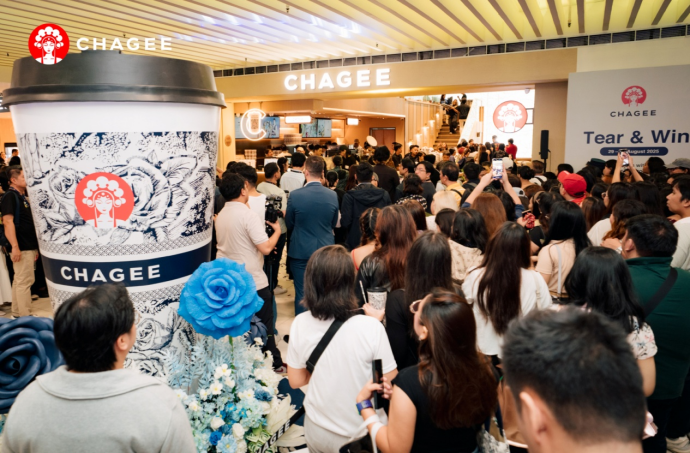
霸王茶姬(CHA.US)涨近5% 海外GMV连续高增长
Zhi Tong Cai Jing· 2025-12-01 15:55
Core Insights - Bawang Chaji (CHA.US) shares rose nearly 5% to $15.73 following the release of its financial report for Q3 2025, indicating strong market performance [1] Financial Performance - In Q3 2025, Bawang Chaji's total GMV reached 7.93 billion yuan, with net revenue of 3.208 billion yuan and an adjusted net profit of 503 million yuan [1] - The company's overseas business showed significant growth, with GMV exceeding 300 million yuan, representing a year-on-year increase of 75.3% and a quarter-on-quarter increase of 27.7% [1] Market Expansion - Bawang Chaji entered the Philippine and Vietnamese markets in Q3 2025, increasing its overseas store count to 262 [1] - The overseas GMV has consistently grown over 75% year-on-year for two consecutive quarters, becoming a crucial growth engine for the company [1]
美股异动 | 霸王茶姬(CHA.US)涨近5% 海外GMV连续高增长
智通财经网· 2025-12-01 15:53
Core Viewpoint - Bawang Chaji (CHA.US) experienced a nearly 5% increase in stock price, reaching $15.73, following the release of its financial report for Q3 2025, which highlights significant growth in both domestic and international markets [1] Group 1: Financial Performance - In Q3 2025, Bawang Chaji's total GMV (Gross Merchandise Volume) reached 7.93 billion yuan, with net revenue of 3.21 billion yuan [1] - The adjusted net profit for the third quarter was 503 million yuan [1] Group 2: International Expansion - Bawang Chaji's overseas business continued to grow, with GMV exceeding 300 million yuan, marking a year-on-year increase of 75.3% and a quarter-on-quarter growth of 27.7% [1] - The company entered the Philippine and Vietnamese markets in Q3, increasing its overseas store count to 262 [1] - Overseas GMV has shown consistent year-on-year growth of over 75% for two consecutive quarters, becoming a significant growth engine for the company [1]