奶茶

Search documents
拟跨界涉足保健食品 香飘飘这次能“飘”起来吗?
Nan Fang Du Shi Bao· 2025-12-15 11:20
Core Viewpoint - Xiangpiaopiao is undergoing a transformation by expanding its business scope to include health food production and sales, aiming to adapt to the changing market dynamics and address declining performance in its core milk tea business [2][6]. Business Adjustment - The company has approved amendments to its articles of association to include "health food production" and "health food (pre-packaged) sales" in its business scope, indicating a strategic shift towards the health food sector [2][4]. Financial Performance - Xiangpiaopiao's revenue peaked at 39.78 billion yuan in 2019 but has seen a continuous decline over the past four years, dropping to 31.28 billion yuan in 2022. Although there was a brief recovery to 36.25 billion yuan in 2023, projections for 2024 indicate a further decline of approximately 9% in both revenue and net profit [6][12]. - In the first three quarters of 2025, the company reported a 13.12% year-on-year revenue decline and a net loss of nearly 90 million yuan, marking a 603.07% drop compared to the previous year [6]. Market Context - The health food market is experiencing rapid growth, with online sales reaching 129.89 billion yuan in the previous year, a 15.2% increase, and sales volume exceeding 733 million units, up nearly 20% [8]. - Analysts suggest that entering the health food sector is a logical move for Xiangpiaopiao, as it seeks new growth engines amid stagnation in its core business [7]. Challenges Ahead - Xiangpiaopiao faces significant challenges in entering the health food market, including high industry barriers, regulatory complexities, and the need for substantial research and development investment [9][10]. - The competitive landscape is dominated by established brands with strong market presence, making it difficult for new entrants to gain consumer trust and market share [9]. - There is a potential conflict in brand perception, as Xiangpiaopiao is known for its "delicious" and "convenient" image, while health food emphasizes "health" and "efficacy," posing a challenge for effective brand transition [10]. Strategic Initiatives - The company is also exploring new business avenues, such as opening offline tea shops focused on "original leaf brewing" to enhance brand visibility and consumer engagement [12]. - Recent leadership changes and attempts to modernize management practices indicate ongoing efforts to navigate the company's challenges and improve operational efficiency [12][13].


上市即巅峰的蜜雪冰城还有机会吗?
Sou Hu Cai Jing· 2025-12-15 05:45
它的同行有多少?奈雪的门店只有1906家,喜茶4477家,茶百道8385家,沪上阿姨5435家, 古铭6705 家,在雪王面前,一个能打的都没有! 而蜜雪冰城招股说明书显示,公司超99%门店由加盟商开设及经营。正是这些加盟商为蜜雪冰城在2024 年前9个月,创造了187亿元的营收,以及35个亿的净利润! 所以蜜雪冰城赚的是加盟费吗? 为什么雪王一上市就吊打另外三家(奈雪、茶百道、古茗),市值是他们总和的2.5倍。 很简单,它背后有五名顶级基石投资者,M&G是欧洲资管巨头;红杉中国投出过阿里、美团、拼多 多;博裕资本偏好对高增长行业的持续关注;高瓴堪称长期主义头号玩家;美团龙珠则精通中国下沉市 场逻辑。 这五名基石投资者合计认购了2亿美元股份,且设有6个月禁售期,相当于给蜜雪冰城的股价注入了"定 海神针"。 除此之外,它还赶上了好风口,今年港股这波科技牛大家都看到了,截至到2月末,2025年以来南下资 金高达2391亿港元,蜜雪冰城就正好出生在天量资金的涌入之下。 很多人都认为之所以它生意好是因为性价比高,在我看来,性价比当然是蜜雪冰城的护城之一,但做性 价比的奶茶品牌有很多,规模做到这么大的却只有雪王这一家, ...
蜜雪冰城最大的对手,年入25亿的“高仿之王”
东京烘焙职业人· 2025-12-14 08:32
Core Viewpoint - The article discusses the rapid expansion and unique business strategy of the tea brand "Tianlala," which has successfully penetrated lower-tier cities in China, leveraging a "high imitation" model to compete with established brands like "Mixue Bingcheng" [4][9]. Group 1: Market Positioning - Tianlala has opened over 8,000 stores, with 80% located in county and town markets, contrasting with other brands that typically establish themselves in major cities first [4]. - The brand has capitalized on the approximately 1 billion people living in third-tier and below cities, which account for 70% of China's total population [5]. - In the sub-10 yuan tea market, Tianlala has achieved significant success, reportedly generating over 2 billion yuan in annual revenue [8][6]. Group 2: Competitive Strategy - Tianlala employs a "follow closely" strategy, opening stores next to competitors like Mixue Bingcheng and offering similar products at lower prices [7][9]. - The brand's product strategy focuses on providing affordable alternatives to popular items from competitors, such as a 4 yuan lemon water compared to Mixue's 5 yuan version [9][11]. - Tianlala's "high imitation" approach has allowed it to become a major player in the tea market, with its "one bucket of fruit tea" selling 110 million cups in a year [12]. Group 3: Expansion Model - The brand has learned from Mixue Bingcheng's expansion tactics, achieving significant growth without large-scale marketing or frequent financing [14]. - Tianlala's expansion is facilitated by low rental costs in lower-tier markets, where rents can be as low as a few hundred yuan, allowing for a sustainable business model [16]. - The brand's low profit margins are offset by the ability to maintain profitability in lower-tier markets, creating a cost barrier for other competitors [16]. Group 4: Challenges and Future Outlook - Despite its success, Tianlala faces challenges in sustaining growth solely through its "super down-market + alternative" strategy, as it may struggle to create premium offerings [17]. - The brand's limited brand recognition is a significant drawback, and any attempt to upgrade its brand image could alienate its existing customer base [17]. - The evolving landscape of the lower-tier market suggests that Tianlala's current position may be time-sensitive [18].

“骑手取餐被晾15分钟”,茉莉奶白涉事门店已关闭,官方:已介入核查
Xin Lang Cai Jing· 2025-12-08 12:14
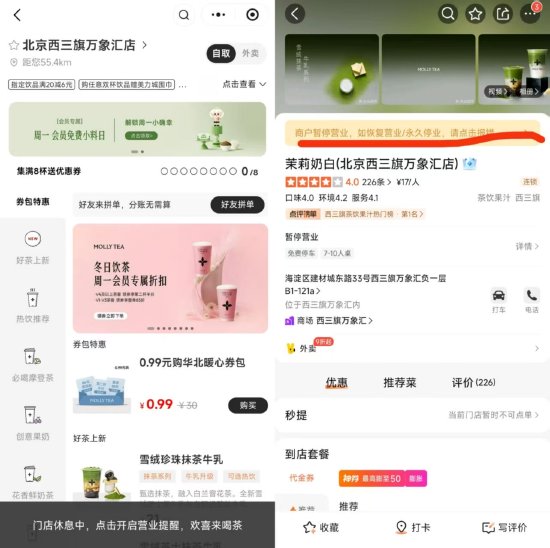
Core Viewpoint - A delivery rider in Beijing reported an incident at a store of Mo Li Nai Bai (Jingxi Wanhua Store) where a prepared drink was left unpackaged for over ten minutes, leading to a confrontation with staff [2][4] Group 1 - The delivery rider expressed frustration, stating, "If you are not going to pack it for me, then do not prepare the order" [2][4] - The rider attempted to pack the drink themselves but was stopped by the store staff, who insisted, "Don't leave, everyone stay" [2][4] - The affected store's phone was unresponsive, and the ordering function on the mini-program was disabled [2][4] Group 2 - Mo Li Nai Bai's official customer service confirmed that they are investigating the incident and will enhance store service in the future [2][4]
香飘飘:12月5日召开董事会会议
Mei Ri Jing Ji Xin Wen· 2025-12-05 10:45
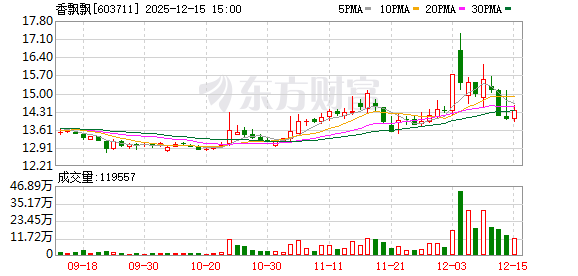
每经头条(nbdtoutiao)——秒光、售罄!银行大额存单成稀缺资源,2%以上产品很难抢,有的门槛高 达1000万元!专家:存款利率或长期下行 (记者 张明双) 每经AI快讯,香飘飘(SH 603711,收盘价:15.41元)12月5日晚间发布公告称,公司第五届第六次董 事会会议于2025年12月5日以现场结合通讯方式召开。会议审议了《关于调整经营范围并修订 <公司章 程> 的议案》等文件。 2024年1至12月份,香飘飘的营业收入构成为:奶茶行业占比98.7%,其他业务占比1.3%。 截至发稿,香飘飘市值为64亿元。 ...
Borough Broth获投资;雀巢创建科技中心;Gucci任命CFO
Sou Hu Cai Jing· 2025-12-05 09:05
Investment Dynamics - Borough Broth Company, a UK organic bone broth producer, secured £7.5 million (approximately ¥70.08 million) in new funding from consumer brand investment firm Piper [3] - The company, founded in 2015 and based in London, currently generates annual revenue of about £11 million, with projections to exceed £20 million by 2026 [3] - The investment will be used to relocate to a new factory, doubling production capacity, strengthening the management team, and expanding into adjacent organic categories such as soups and broths [3] Acquisition Dynamics - Tetra Pak acquired Bioreactors.net, a Latvian bioreactor company with nearly 30 years of experience in bioreactor system design and manufacturing [6] - Bioreactors.net specializes in providing biomass fermentation and precision fermentation solutions for the new food sector, serving clients from laboratories to large-scale commercial production [6] - This acquisition will enhance Tetra Pak's processing technology capabilities and expand its product portfolio in the new food sector [6] - Royal FrieslandCampina N.V. announced the acquisition of Wisconsin Whey Protein, a well-known US whey protein producer [8] - The acquisition will integrate Wisconsin Whey Protein into FrieslandCampina's global leading protein and prebiotic supplier, enhancing its capabilities in sports nutrition and medical nutrition markets [8] - The Wisconsin facility is currently expanding, with whey protein production capacity expected to more than double [8] - Imlek's CEO Bojan Radun is collaborating with entrepreneur Andrej Jovanović's family office AJFH to acquire Serbia's leading dairy producer, mlek, from private equity investor MidEuropa [10] - The transaction is expected to complete in Q1 2026, pending regulatory approval [10] - Imlek processes nearly 400 million liters of milk annually from over 3,500 dairy farmers and owns well-known brands [10] Brand Dynamics - Xiangpiaopiao opened its first offline stores in Hangzhou, including a brand experience store and a takeaway outlet [13] - The experience store focuses on customer interaction and covers five product series, with prices ranging from ¥7.9 to ¥16 [13] - The move aims to establish a second growth curve amid increasing competition in the market [13] - Nestlé announced the establishment of a new deep technology center to enhance its expertise in biotechnology and optimize innovation processes [16] - The center aims to develop new nutritional solutions and support emerging growth platforms in maternal nutrition, early life nutrition, and medical nutrition [16] - The scientific solutions will also be applied to Nestlé's pet care business, including the pet treatment sector [16] Personnel Dynamics - Valentino's Greater China employees reported CEO Janice Lam for alleged performance fraud and workplace bullying [18] - The allegations include unconventional sales tactics to boost performance metrics and creating a fear-based atmosphere in team meetings [18] - This is the third report submitted by employees since early this year, with the outcome pending further decisions from the parent company [18] - Rocco Basilico, Chief Wearable Devices Officer and President of Oliver Peoples at EssilorLuxottica, will leave the company next month after six years [20] - Basilico has extensive experience and led the development of smart glasses during his tenure [20] - His departure may impact the company's growth in smart glasses and high-end sunglasses if a suitable successor is not found [20] - Francesca Leoni is rumored to join Fendi as Global Chief Communications Officer, succeeding Cristiana Monfardini [22] - Leoni has 25 years of experience in the fashion and luxury goods industry and previously worked with Fendi's new Chief Creative Officer [22] - Her collaboration with the new creative leadership may bring fresh energy to Fendi [22] - Gucci appointed Gianluca De Ficchy as Chief Financial Officer, reporting to the brand's President and CEO [25] - De Ficchy previously held executive roles in the automotive industry and banking [25] - The appointment aims to streamline costs and stabilize profits, allowing time for creative transformation [25]


安徽广德正在努力接住泼天流量
第一财经· 2025-12-03 14:04
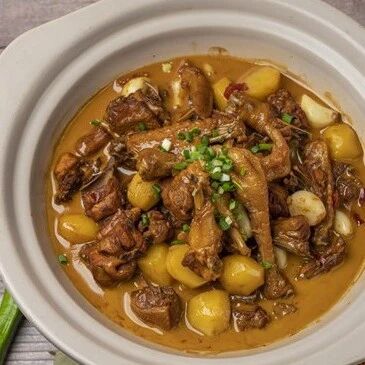
Core Insights - The article highlights the rising popularity of the "Guangde Three-Piece Set" consisting of Guangde stewed pot, Kawan Kawa milk tea, and Zhanji peach crisp, which has gained significant attention on social media with over 1.15 billion views [3][4] - Guangde has become a popular short-trip destination in the Yangtze River Delta, attracting tourists from various regions due to its geographical advantages and improved transportation infrastructure [4][5] Summary by Sections Popularity and Impact - The "Guangde Three-Piece Set" has led to a surge in local tourism, with long queues at restaurants and rapid sales growth, such as a 150% increase in sales for Zhanji peach crisp [3][4] - Guangde's location at the intersection of Jiangsu, Zhejiang, and Anhui provinces makes it a key node in the Yangtze River Delta, enhancing its appeal as a travel destination [4][5] Transportation and Accessibility - The completion of the commercial railway and the G50 highway has significantly reduced travel time to Guangde, making it accessible within 2 hours from major cities like Shanghai, Hangzhou, and Nanjing [3][4] Economic and Cultural Development - The local government is actively working to capitalize on the increased attention, focusing on sustainable tourism and enhancing the city's image to support economic growth [5][6] - The shift in consumer behavior towards experiential and emotional consumption is noted, with a growing demand for unique local experiences rather than just sightseeing [5][6] Future Prospects - The article emphasizes the importance of maintaining the momentum gained from the "Three-Piece Set" phenomenon to boost local economy, tourism, and cultural development [5][6]
涨停!刚刚,A股“惊人一幕”!释放什么信号?
券商中国· 2025-12-03 07:59
Core Viewpoint - The recent surge in A-share stocks, particularly in the commercial aerospace sector, is driven by the launch of the Zhuque-3 rocket, highlighting a peculiar market logic where unrelated stocks, like Xiangpiaopiao, also experience significant price movements due to thematic associations [1][4][5]. Group 1: Zhuque-3 Rocket Launch - The Zhuque-3 "Yao-1" rocket successfully launched on December 3, 2023, from the Dongfeng Commercial Aerospace Innovation Test Area, completing its flight mission and entering the designated orbit [3]. - Zhuque-3 is a new generation of low-cost, high-capacity, reusable liquid oxygen-methane launch vehicle developed by Blue Arrow Aerospace, featuring a two-stage design with a total length of 66.1 meters [3]. - Although the first stage recovery test failed due to an abnormal combustion incident, the mission provided critical engineering data for future launches and recovery efforts [3][4]. Group 2: Market Reactions and Implications - Following the Zhuque-3 launch, stocks in the commercial aerospace sector, such as Shanghai Hanyun and Zhaobiao Co., saw significant price increases, with some reaching their daily limit [4]. - Xiangpiaopiao's stock price notably reversed from a decline to a limit-up, driven by a humorous association with the aerospace theme, as its cumulative sales reportedly equate to over 100 billion cups, enough to circle the Earth approximately 61 times [4][5]. - Analysts suggest that the market is currently in a phase of stock selection and thematic trading, indicating a lack of sustainable investment themes and a weak overall market environment [2][7]. Group 3: Future Market Outlook - The successful launch of Zhuque-3 is seen as a resolution to the core issue of insufficient rocket capacity in China's commercial aerospace sector, paving the way for a new phase of rapid development in the industry [6]. - Market analysts predict that the A-share market is in a recovery phase, with potential for increased investment from insurance and banking sectors, which could inject approximately 1.15 trillion yuan into the stock market if equity allocation ratios return to historical averages [8].

淡水泉投资李天:未来1-2年,新消费最大机会在“她经济”与“多巴胺经济”
Sou Hu Cai Jing· 2025-11-27 03:33
Core Insights - The rise of new consumer brands such as trendy toys, cosmetics, and milk tea is primarily driven by the increase in female consumption, characterized by a tendency to try new products and share experiences [2][5][6] - The investment opportunities in the new consumer sector are expected to focus on companies that can leverage both the "she economy" (female consumption) and the "dopamine economy" (affordable entertainment services) [4][10] Group 1: New Consumer Trends - New consumer brands have seen explosive growth due to female consumers' preference for trying new brands and sharing their experiences, leading to rapid brand adoption [5][6] - However, the loyalty of female consumers is low, which poses challenges for brand sustainability and growth in the long term [6][7] - The performance of traditional male-oriented brands has been relatively weak under current macroeconomic pressures, highlighting the shift towards female-centric consumption [5][6] Group 2: International Expansion - Many new consumer companies are exploring international markets, but the focus is shifting from goods to services due to increased tariffs on products [7][8] - The entertainment sector presents a unique opportunity for Chinese companies to expand internationally, as it has lower barriers to entry compared to other service categories [8][9] - The concept of "affordable happiness" or "dopamine economy" is emerging, where Chinese companies can offer low-cost entertainment options such as short videos and games to global markets [9][10]

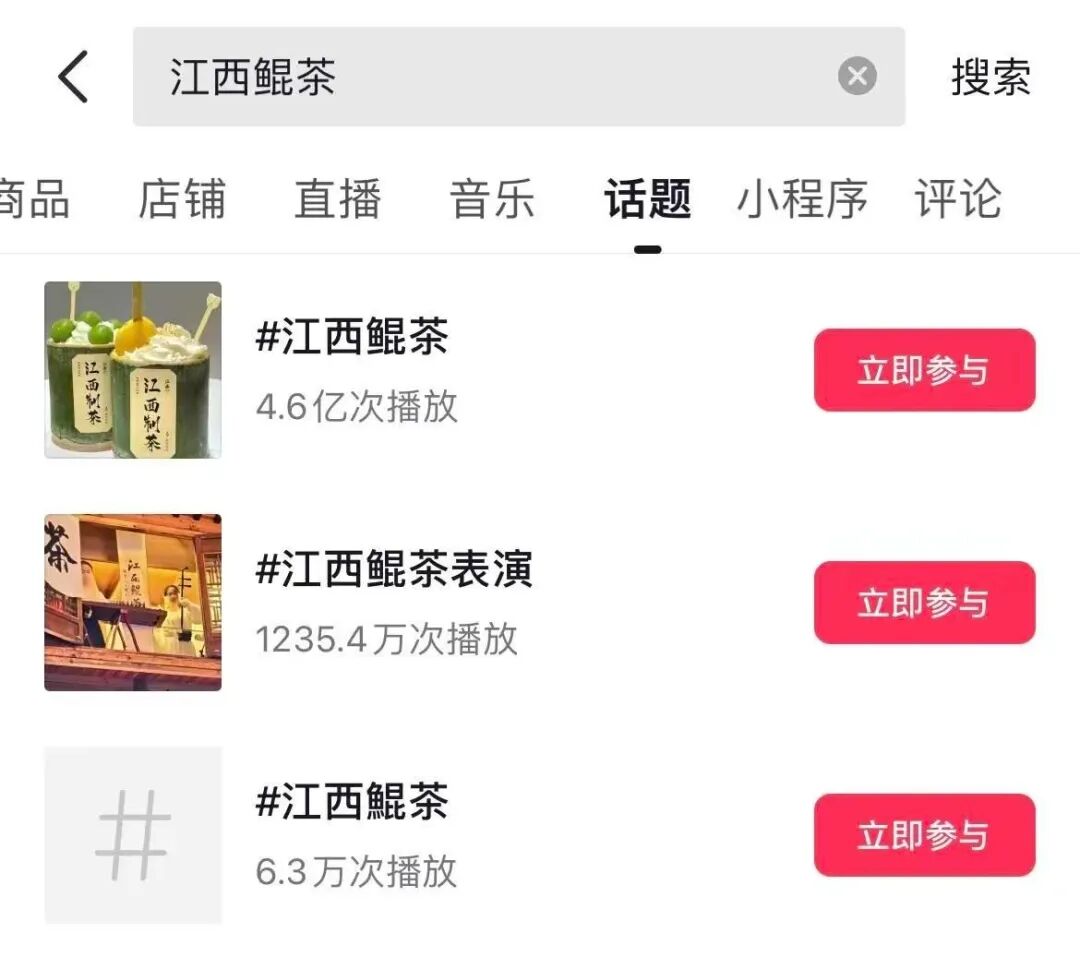
霸王茶姬、喜茶都在跟,年轻人正捧红一批“地域文旅奶茶”
3 6 Ke· 2025-11-24 03:49
Core Insights - A new wave of tea shops focusing on "regional + cultural tourism" has emerged, gaining popularity among young consumers who view these experiences as essential during their travels [2][10][19] Group 1: Market Trends - Traditional tea shops are struggling with price wars, while those emphasizing regional and cultural tourism are experiencing rapid growth and national expansion [2][6] - For instance, Jiangxi Kuncha has achieved monthly revenues exceeding 1 million yuan at its Wan Shou Gong store, with a total of 20 locations across various cities [4][6] - Similarly, Xuzhou's Yunlong Tea has opened 8 stores, consistently ranking in the top three on local review platforms [4][6] Group 2: Consumer Engagement - The popularity of these tea shops is driven by their ability to create immersive cultural experiences, which resonate well with consumers [10][11] - For example, Kuncha's stores feature traditional decor that reflects local culture, enhancing the overall customer experience [11][12] - The integration of local ingredients into product offerings, such as Kuncha's "瓦罐系列" and Yunlong Tea's "徐州汉茶" series, further strengthens the connection to regional identity [13][14] Group 3: Marketing Strategies - Many tea brands are leveraging collaborations with cultural tourism IPs to enhance their market presence, such as Yi He Tang's partnership with Handan's cultural tourism [14][19] - The trend of co-branding is evident, with brands like Bawang Chaji embedding their products within cultural sites, thus creating a unique selling proposition [14][19] - Social media engagement is significant, with over 50 million posts related to "regional + cultural tourism" tea shops, indicating strong consumer interest [9][10] Group 4: Challenges and Competition - The rapid rise of these tea shops has led to a wave of imitation, resulting in a homogenization of offerings and decor styles across the market [15][18] - The challenge of maintaining unique brand identities is critical, as many shops struggle to differentiate themselves beyond surface-level cultural elements [15][18] - Experts suggest that true differentiation requires a deeper integration of local cultural elements into both product and store design [15][19]