
建材

Search documents
中国银河证券:港股今年节奏看资金流向 科指市盈率存较大修复空间
智通财经网· 2026-01-05 09:45
Core Viewpoint - Under the backdrop of domestic and international monetary policy easing, foreign capital and southbound funds are expected to continue their net inflow trend, leading to a substantial improvement in the profitability of Hong Kong-listed companies, resulting in a market environment of rising profits and valuations [1] Group 1: Market Outlook - The fundamentals of the Hong Kong stock market largely depend on the domestic macroeconomic environment, with stable macro policies expected to maintain economic resilience and inflation likely to recover from low levels [2] - For 2026, the earnings growth forecast for major indices includes a 9.64% year-on-year increase in the Hang Seng Index, a 34.63% increase in the Hang Seng Tech Index, and a 9.9% increase in the Hang Seng China Enterprises Index [2] Group 2: Capital Flow - As of December 19, 2025, the market value of Hong Kong Stock Connect holdings accounted for approximately 13.1%, while international intermediaries held about 40.1%, indicating a net increase in domestic capital holdings compared to foreign capital [3] - From the beginning of the year to December 19, 2025, the cumulative net inflow into the Hong Kong stock market via Stock Connect reached HKD 1.4 trillion, a 74% year-on-year increase [3] - Cumulative net inflow from foreign capital into the Hong Kong market from early 2025 to December 17, 2025, was USD 17.689 billion, with expectations of a continued low interest rate environment encouraging further inflows [3] Group 3: Market Performance - As of December 19, 2025, the price-to-earnings ratio of the Hang Seng Tech Index was 23.1 times, an 11.91% increase from the end of 2024, indicating significant room for valuation recovery compared to historical highs [5] - The Hang Seng Tech Index's earnings per share increased by 9.58% compared to the end of the previous year, and its valuation is notably lower than other major global tech indices [5] Group 4: Investment Themes - The technology innovation theme is expected to be a major investment focus, with significant valuation recovery potential for the Hang Seng Tech Index and strong performance anticipated from leading companies [6] - In the context of supply-side reform, sectors such as steel, building materials, electrical equipment, and paper are expected to see improved supply-demand dynamics and rising profit margins [6] - Under the strategy of expanding domestic demand, sectors with growth potential and historically low valuations, particularly in service consumption and new consumption models, are expected to perform well [6]

三峡新材:拟向国投公司收购其持有的临港新材料40%股权
Xin Lang Cai Jing· 2026-01-05 09:38
三峡新材公告,拟向宜昌国有资本投资控股集团有限公司收购其持有的三峡新材临港新材料(宜昌)有 限公司40%股权,交易金额为0万元。本次交易构成关联交易,不构成重大资产重组。本次交易已经公 司独立董事专门会议2026年第一次会议、董事会2026年第一次临时会议审议通过。本次关联交易的金额 未达到股东会审议标准,无需提交公司股东会审议。 ...

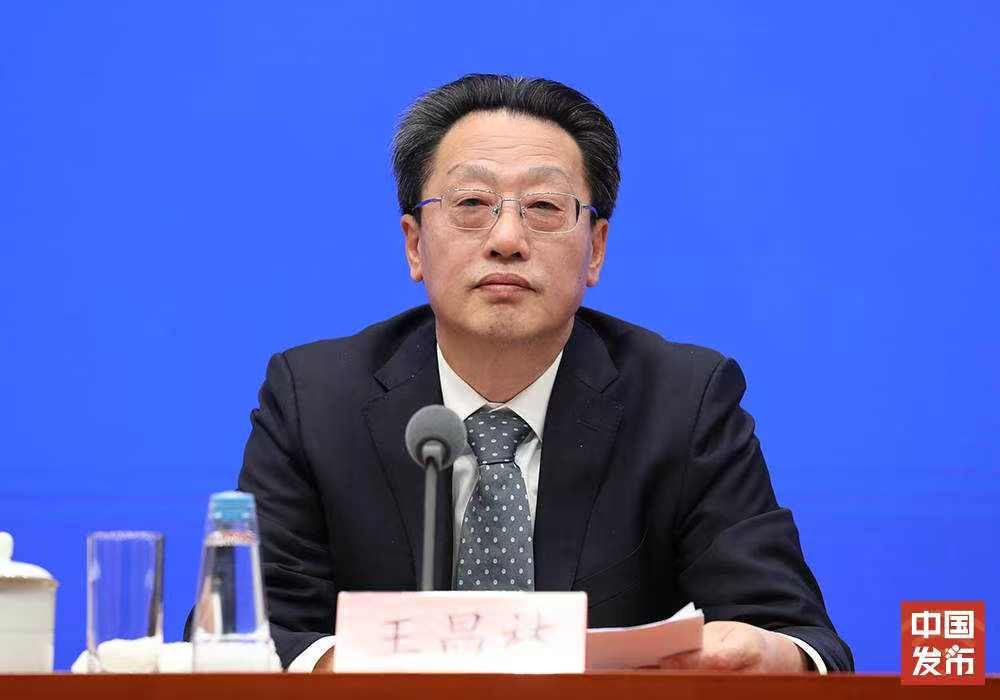
长江经济带如何绿色发展?国家发改委副主任王昌林点名武汉光谷
Chang Jiang Ri Bao· 2026-01-05 08:22
1月5日,国务院2026年第一场新闻发布会聚焦长江经济带发展,国家发展改革委副主任王昌林在回答"推动沿江产业绿色 低碳发展"时,专门提及武汉光谷等科创产业高地的高速发展。 产业升级塑造新优势,已累计培育国家级先进制造业集群41家、战略性新兴产业集群30家,分别占全国的51%和45%。他 以汽车产业为例,随着电动化、智能化技术加快变革,沿江地区汽车产业链供应链不断焕新升级,2025年上海、江苏、浙江、 安徽、重庆新能源汽车产量均超过百万辆,一条贯通全流域、覆盖全链条的新能源汽车产业链正在加速形成。 绿色转型实现新突破:积极推动钢铁、石化化工、建材等传统产业绿色转型,在长江经济带布局建设了24个国家碳达峰试 点城市和园区、14个零碳园区。加大新能源清洁能源船舶研发和推广,累计支持约1万艘老旧营运船舶报废更新。积极推动浙 江丽水、江西抚州等14个试点地区加快探索生态产品价值实现机制。 王昌林说:长江经济带以占全国约三分之一的能源消耗和碳排放,贡献了近一半的GDP,生态优先绿色发展主战场的引领 带动作用日益凸显。下一步,将加快推动沿江传统产业绿色转型,因地制宜培育壮大绿色低碳产业,更好实现在发展中保护、 在保护中发展 ...

三峡水运新通道项目有最新进展!
Zheng Quan Ri Bao Wang· 2026-01-05 07:36
Core Insights - The development of the Yangtze River Economic Belt has shown significant progress over the past decade, with improvements in waterway infrastructure, cargo throughput, and environmental quality [1][2][3][4] Group 1: Infrastructure and Economic Growth - The length of high-grade waterways in the Yangtze River has increased from 8,000 kilometers to 11,000 kilometers, and cargo throughput at major ports has grown by 71% to reach 4.2 billion tons, maintaining the world's leading position in inland river transport [1] - The GDP of the Yangtze River Economic Belt has more than doubled, increasing its share of the national economy from 42.2% to 47.3% [1] - By 2025, it is expected that cargo throughput at major ports will reach 4.2 billion tons, with the number of large ports increasing to 18 and the average tonnage of cargo ships exceeding 2,300 tons, representing growth of 71%, 50%, and 67% respectively since 2015 [1] Group 2: Environmental Protection and Sustainable Development - The proportion of good water quality in the Yangtze River Economic Belt has improved from 67% to 96.5%, indicating significant advancements in environmental protection [1] - The "Three-Year Action Plan for Further Strengthening the Protection of the Yangtze River" outlines key tasks in water pollution control and ecological restoration from 2025 to 2027, with noticeable progress already made [2] - The region is focusing on green and low-carbon transformation of industries, with the establishment of 24 national carbon peak pilot cities and parks, and 14 zero-carbon parks [4] Group 3: Innovation and Industrial Upgrading - The Yangtze River Economic Belt has become a hub for innovation, with the establishment of three technology innovation centers and eight national laboratories, leading to breakthroughs in key technologies in various fields [3] - The region has nurtured 41 national-level advanced manufacturing clusters and 30 strategic emerging industry clusters, accounting for 51% and 45% of the national totals respectively [3] - The automotive industry is undergoing significant transformation, with projections indicating that by 2025, the production of new energy vehicles in several provinces will exceed one million units, forming a comprehensive supply chain across the entire river basin [3]
建材、建筑及基建公募REITs半月报(12月20日-1月2日):北京市优化地产政策,《求是》强调地产政策不能采取添油战术-20260105
EBSCN· 2026-01-05 07:05
1. Report Industry Investment Rating No specific industry investment rating is provided in the report. 2. Core Views of the Report - Beijing optimized and adjusted housing purchase restriction policies, and "Qiushi" emphasized that real - estate policies should not adopt a piecemeal approach. The continuous introduction of real - estate policies further supports demand, and the pace of subsequent policy introduction may accelerate. Although the new construction of the real - estate chain still faces multiple pressures, the industry bottom is approaching as the base gradually decreases. Sales data (new + second - hand houses) remains the leading indicator for driving the sector's valuation [3][7]. - Anti - involution is the main line for cyclical products. In the new field, attention should be paid to electronic cloth, clean rooms, and commercial aerospace. For the cement and glass industries, the effective reduction of supply is the key point to observe in the next stage. The glass fiber sector has relatively good profitability, and there is a possibility of a staged price increase. In the new field, the high - growth of the AI supply chain in 26H1 is the most certain direction, and the semiconductor/storage capital expenditure at home and abroad drives the performance and valuation of the clean - room sector. The theme investment in commercial aerospace is constantly catalyzed [4][8]. 3. Summary According to the Directory 3.1 Anti - involution is the Main Line for Cyclical Products, and Attention is Paid to Electronic Cloth, Clean Rooms, and Commercial Aerospace in the New Field - **Real - estate Policy**: On December 24, 2025, Beijing optimized real - estate policies, including relaxing the conditions for non - Beijing households to purchase houses, supporting the housing needs of multi - child families, optimizing personal housing credit policies, and adjusting the project approval method for real - estate development. On January 1, 2026, "Qiushi" proposed that policies should be sufficient at one time to avoid a game between the market and policies [3][7]. - **Cyclical Products**: For the cement and glass industries, with demand declining, the effective reduction of supply is crucial. Currently, the average profitability of the cement and float glass industries has fallen below the break - even line. The cold - repair reduction of glass production capacity in Q1 will determine the price recovery space of float glass from March to April. The glass fiber sector has relatively good profitability, with stable demand growth and potential for staged price increases [4][8]. - **New Fields**: The high - growth of the AI supply chain in 26H1 is the most certain direction. Special electronic cloth has high demand elasticity and limited short - term supply, so its price is elastic. The increasing semiconductor/storage capital expenditure at home and abroad drives the performance and valuation of the clean - room sector. The theme investment in commercial aerospace is constantly catalyzed [4][8]. 3.2 Profit Forecast and Valuation of Main Covered Companies The report provides the profit forecast, valuation, and investment ratings of 28 companies from 2024 to 2027, including Punaite, China Jushi, and Conch Cement. Most of the investment ratings are "Buy" or "Increase", and all ratings remain unchanged [10]. 3.3 Weekly Market Review - **Industry Index**: The construction index, building materials index, etc. had different changes. The construction index decreased by 1.4%, and the building materials index decreased by 0.6% [13]. - **Sub - sectors of Construction**: The building decoration II index increased by 9.33%, and the garden engineering index increased by 1.92%, while some sub - sectors had negative growth [15]. - **Infrastructure Public REITs**: The report provides the weekly, monthly, and annual - to - date price changes of 70 infrastructure public REITs. The average weekly decline was 0.47%, and the average annual - to - date increase was 9.29% [23][24][25]. 3.4 Aggregate Data Tracking - **Real - estate Data**: It includes the cumulative year - on - year changes in real - estate new construction, construction, completion, and sales areas, land transaction data, real - estate transaction data, social financing data, and infrastructure investment growth rates [28][37][47]. - **New Contracts of Eight Major Construction Central Enterprises**: The report shows the quarterly new contract amounts and year - on - year growth rates of eight major construction central enterprises from 2022Q1 to 2025Q3 [73]. - **Special Bond Issuance**: It shows the monthly and cumulative issuance amounts of new and replacement special bonds from 2022 to 2025 [75][77]. 3.5 High - frequency Data Tracking - **Building Materials Data**: It includes the price trends, cost - profit differences, inventory, and other data of cement, float glass, photovoltaic glass, glass fiber, carbon fiber, magnesium sand, alumina, and other building materials [83][90][98]. - **Upstream Raw Material Prices**: It shows the price trends of asphalt, waste paper, PVC, HDPE, etc. [137][138]. - **Physical Workload Data**: It includes the price trends of acrylic acid, titanium dioxide, and the rental rate of high - altitude machines, asphalt average start - up rate, etc. [144][147].


地产政策持续落地,关注建材龙头估值修复机遇
China Post Securities· 2026-01-05 06:45
证券研究报告:建筑材料|行业周报 行业投资评级 强于大市|维持 | 行业基本情况 | | | --- | --- | | 收盘点位 | 5362.85 | | 52 周最高 | 5449.43 | | 52 周最低 | 4167.51 | 行业相对指数表现 研究所 分析师:赵洋 SAC 登记编号:S1340524050002 Email:zhaoyang@cnpsec.com 近期研究报告 《地产政策托底需求,关注反内卷落地 情况》 - 2025.12.29 建材行业报告 (2025.12.27-2026.01.04) 地产政策持续落地,关注建材龙头估值修复机遇 发布时间:2026-01-05 投资要点 上周财政部、国家税务总局于 2025 年 12 月 30 日联合发布《关 于个人销售住房增值税政策的公告》,明确个人销售住房的增值税征 收细则,个人将购买不足 2 年的住房对外销售的,按照 3%的征收率全 额缴纳增值税,个人将购买 2 年以上(含 2 年)的住房对外销售的, 免征增值税。此次政策能够有效减轻房东经济压力,也使得房屋出售 的成本快速下降、促进市场流通。 地产政策持续释放,一方面托底需求,另一方面 ...

政策组合拳发力!房地产板块直线飙升,中新集团涨停引领涨停潮,产业链机遇全面开启
Jin Rong Jie· 2026-01-05 03:37
Core Viewpoint - The A-share real estate sector is experiencing a significant short-term rally, driven by strong market sentiment and supportive policies, leading to increased trading activity and investor interest [1][2]. Group 1: Market Performance - The real estate sector has shown notable short-term gains, with leading stocks like New China Group hitting the daily limit up, indicating strong market leadership [1]. - Other key stocks such as China Merchants Shekou, Poly Development, and Xinda Real Estate also saw synchronized gains, highlighting a pronounced profit effect across the sector [1]. - Trading volumes for individual stocks in the sector have generally increased compared to the previous trading day, reflecting a positive market response to favorable policies [1]. Group 2: Policy Support - Multiple authoritative policies have been implemented since January, injecting strong momentum into the real estate industry [1]. - A new tax policy on personal home sales will reduce transaction costs for second-hand homes, enhancing market liquidity and indirectly benefiting the new home market [1]. - An article in "Qiushi" magazine emphasized the importance of stabilizing expectations in the real estate market, advocating for comprehensive policy measures to meet diverse housing needs and promote market stability [2]. Group 3: Industry Benefits - The recovery of the real estate sector is expected to benefit various upstream and downstream industries [3]. - The home furnishing and decoration industry will see increased demand due to heightened real estate transaction activity, particularly in renovation and customization segments [3]. - The building materials industry will benefit from increased demand for materials like cement and glass, driven by project initiation and construction activities [3]. - The property management sector will expand as new home deliveries and increased occupancy rates from second-hand transactions create more opportunities for service revenue growth [3].





破解企业点线面体空战略下个十百千万亿业绩增长
Jing Ji Guan Cha Bao· 2026-01-05 02:28
Core Insights - The article discusses the growth logic of companies as they scale from millions to billions and beyond, emphasizing the importance of strategic development at each stage of growth [1][3][25]. Group 1: Growth Stages - Companies can achieve different levels of revenue growth: from millions to billions, and then to trillions, by following a structured growth strategy [1][3]. - The growth process is described as a logical progression, where companies must navigate through various stages: individual products, product lines, categories, platforms, and ecosystems [1][3][25]. Group 2: Case Studies - Weixing Kele successfully transitioned from zero to one hundred million by focusing on product innovation and channel penetration, particularly in the waterproof coating market [4][9]. - Shanyuan Technology leveraged a unique product, the "mining lamp black box," to achieve significant revenue growth by addressing safety concerns in mining operations [10][11]. - Mars Man, a latecomer in the integrated stove industry, rapidly grew its revenue by expanding product categories and enhancing channel strategies [13]. - Supor transitioned from a small cookware company to a leading brand by effectively utilizing distribution channels and expanding its product range [16][17]. - Anta transformed its business model by focusing on operational efficiency and strategic store management, leading to substantial revenue growth [19][20]. Group 3: Strategic Insights - The article emphasizes the importance of channel development as a critical factor for achieving initial revenue milestones [9][12]. - Companies must focus on product and brand positioning while ensuring that operational strategies are aligned with market needs [6][12]. - The transition from product-level growth to category-level growth requires a clear understanding of how to structure product lines effectively [15][18]. Group 4: Ecosystem Development - Companies like COFCO and China State Construction have successfully implemented ecosystem strategies to achieve trillion-level revenues by integrating various business units and enhancing brand visibility [25][26]. - The article highlights the necessity of creating a unified brand strategy that aligns with the overall business objectives to facilitate sustainable growth [25][26].




2026海南安居房新政炸场!六折+五年可售,引爆四大万亿风口
Sou Hu Cai Jing· 2026-01-05 02:13
Core Insights - The new housing policy in Hainan, effective from January 1, 2026, allows for affordable housing at 60% of the market price, with the ability to sell after five years and full ownership after fifteen years, significantly benefiting homebuyers and attracting capital investment [1][3] Group 1: Policy Highlights - The affordable housing price is set at no more than 60% of the previous year's average market price in the respective city or county, with prices in Sanya as low as 12,800 yuan per square meter, over 50% cheaper than market rates [3] - Homebuyers can apply to sell their property after five years or purchase government equity, providing flexibility and preventing asset lock-in [3] - The policy covers a wide range of applicants, including local residents, introduced talent, and non-residents with two years of residence and social security contributions [3] - The focus is on practical housing types, primarily under 100 square meters, with larger units available for families with multiple children, and increased public housing loan limits [3] - By the end of 2025, Hainan has initiated over 110,000 affordable housing units, with more than 50,000 allocated and an additional 60,000 in inventory or under construction, meeting the demand for first-time buyers [3] Group 2: Infrastructure Development - The policy mandates that infrastructure development must accompany affordable housing projects, with plans to build 250,000 units during the 14th Five-Year Plan, ensuring that transportation and public services are developed in tandem [4] - Transportation upgrades include enhancing rural roads and urban networks, with 100 kilometers of new village roads and improvements to irrigation facilities [4] - Each affordable housing area will include essential services such as schools, clinics, and community centers, aiming for a 90% compliance rate for township health clinics [4] - Urban renewal efforts will also be implemented, improving old neighborhoods and revitalizing existing land, as seen in Haikou's integration of affordable housing with urban renewal [4] Group 3: Consumer Market Expansion - The affordable housing initiative is expected to stimulate a significant increase in consumer spending, with estimates suggesting that furnishing a 100 square meter home could cost between 100,000 to 150,000 yuan, contributing to a multi-trillion yuan market [4] - Major consumer goods such as home renovations, appliances, and furniture are anticipated to see increased demand, with Hainan's public housing loans reaching 8.688 billion yuan in 2025, driving home improvement projects [4] - The influx of residents in affordable housing areas will create demand for community businesses, including supermarkets and restaurants, accelerating the development of local commercial ecosystems [4] - Service sectors such as education, healthcare, and tourism are expected to experience growth due to increased population, enhancing Hainan's wellness and tourism industries [5] Group 4: Agricultural Opportunities - The population growth from affordable housing is projected to open new avenues for Hainan's agriculture, enhancing both local supply and external sales [5] - To support the increased population, Hainan plans to maintain 4.07 million acres of grain planting and establish 150,000 acres of vegetable bases, promoting local food security [5] - The initiative includes branding efforts for Hainan's agricultural products, with plans to develop 35 new agricultural brands and improve logistics for nationwide distribution [5] - Technological advancements in agriculture will be supported through platforms like "Southern Breeding Silicon Valley," focusing on high-quality crop breeding and efficiency improvements [5] Group 5: Technological Integration - The construction of affordable housing will emphasize smart building practices, with a target of 80% of new constructions being prefabricated by 2025, promoting green building technologies [6] - Digital services will be enhanced, including zero-material approvals for public housing loans and rapid processing for rental withdrawals, increasing the demand for digital governance and smart community solutions [6] - Collaboration with technology firms will drive the integration of smart security, green energy, and intelligent property management into affordable housing projects, fostering growth in AI and IoT sectors [6]

我国绿色产品认证新规出台 涉及电子电器、家具、快递包装等
Jing Ji Ri Bao· 2026-01-04 22:35
Core Viewpoint - The article discusses the recent revision and release of the "Management Measures for Green Product Certification and Labeling" by the State Administration for Market Regulation, marking a significant shift towards comprehensive regulation of green product certification in China [1] Group 1: Regulatory Changes - The new measures represent the first systematic and unified standard for green product certification activities in China [1] - The approach focuses on "unified product catalog, unified evaluation standards, unified certification rules, and unified product labeling" to ensure comprehensive oversight of the entire green product certification process [1] Group 2: Implementation Details - The management measures clarify the classification and grading management of the certification system, defining the applicable scenarios for both full and partial certifications [1] - Specific regulations regarding certification implementation, certificate management, labeling usage, and supervisory responsibilities have been detailed, providing clear guidance for all parties involved [1] Group 3: Current Statistics - As of now, the green product certification catalog includes 122 types of products closely related to consumers, such as electronics, furniture, building materials, express packaging, and textiles [1] - Nearly 40,000 effective certification certificates have been issued, involving over 8,000 certified enterprises [1]