
建材

Search documents
【固收】信用债发行量环比上升,各行业信用利差涨跌互现——信用债周度观察(20251222-20251226)(张旭/秦方好)
光大证券研究· 2025-12-28 00:20
Group 1: Primary Market - In the week from December 22 to December 26, 2025, a total of 267 credit bonds were issued, with a total issuance scale of 427.70 billion, representing a week-on-week increase of 15.42% [4] - Among the issued bonds, industrial bonds accounted for 117 issues with a scale of 219.26 billion, a week-on-week increase of 34.26%, making up 51.26% of the total issuance [4] - City investment bonds totaled 110 issues with a scale of 71.36 billion, a week-on-week decrease of 18.87%, representing 16.69% of the total issuance [4] - Financial bonds had 40 issues with a scale of 137.08 billion, a week-on-week increase of 14.92%, accounting for 32.05% of the total issuance [4] - The average issuance term for credit bonds was 2.74 years, with industrial bonds averaging 2.36 years, city investment bonds 3.25 years, and financial bonds 2.35 years [4] - The overall average coupon rate for credit bonds was 2.26%, with industrial bonds at 2.12%, city investment bonds at 2.41%, and financial bonds at 2.23% [4] Group 2: Secondary Market - The total trading volume of credit bonds was 1782.75 billion, reflecting a week-on-week increase of 28.47% [7] - The top three categories by trading volume were commercial bank bonds, corporate bonds, and medium-term notes, with commercial bank bonds at 630.89 billion (up 38.88%), corporate bonds at 521.31 billion (up 15.93%), and medium-term notes at 347.64 billion (up 40.63%) [7] - In terms of credit spreads, the largest increase for AAA-rated industries was in pharmaceuticals, up 5.1 basis points, while the largest decrease was in real estate, down 1.3 basis points [6] - For AA+ rated industries, the largest increase was in household appliances, up 6.4 basis points, and the largest decrease was in textiles and apparel, down 9.8 basis points [6] - The AAA-rated credit spread increased the most in Gansu, up 8.7 basis points, while the largest decrease was in Jilin, down 2.9 basis points [6]


二手房跌不断,老百姓持币观望,稳住楼市成中国经济突围关键一步
Sou Hu Cai Jing· 2025-12-27 07:06
Group 1 - The core issue is that stabilizing the real estate market has become crucial for both individual wealth and the overall economy of the country [1][12] - The cooling of the second-hand housing market has led to declining prices, causing anxiety among families looking to sell and potential buyers to hesitate [1][3] - The sentiment of wealth depreciation has resulted in reduced consumer spending and investment decisions, impacting various industries connected to real estate [3][5] Group 2 - Many families in China have invested a significant portion of their savings in real estate, and the downturn has led to a consensus of asset depreciation [5][10] - The external economic environment has become challenging, with reduced foreign demand, making the domestic market increasingly important [7][8] - The government has initiated actions to support the real estate sector, including debt restructuring for large developers and ensuring timely delivery of properties to restore buyer confidence [10][12] Group 3 - The instability in the real estate market affects consumer confidence and corporate investment willingness, which are critical for economic growth [12] - The need for new policies and measures to stimulate the market is evident, including support for first-tier cities and the integration of technology in housing [10][12] - Addressing the real estate issue is essential for the broader economic recovery and development of new industries like high-end manufacturing and artificial intelligence [12]


294项国家标准完成制修订 动力电池“不起火、不爆炸”首次列为强制性要求
Yang Shi Wang· 2025-12-27 06:17
Core Viewpoint - The joint issuance of the action plan for upgrading traction equipment and the old-for-new consumption scheme has led to the completion and approval of 294 national standards across 13 key areas, focusing on energy consumption, product quality, and recycling standards [1][3]. Group 1: Energy Consumption and Emission Standards - The approved standards include 113 national standards aimed at upgrading energy consumption limits in key industries such as thermal power, steel, and building materials, facilitating the elimination of outdated production capacity [3]. - The initiative emphasizes the need for enhanced energy efficiency and emission reduction technologies [3]. Group 2: Consumer Goods Standards - A total of 115 national standards have been developed for consumer goods, including automobiles, home appliances, and emerging consumption sectors, aligning with actual consumer needs [3]. - The focus on consumer safety and quality is highlighted, particularly in the automotive sector [3]. Group 3: Recycling and Resource Utilization Standards - The plan includes 66 national standards related to the recycling, disassembly, and regeneration of waste products, covering areas such as home appliances, furniture, electronics, photovoltaics, wind power, and power batteries [3]. - The standards aim to promote product design that considers ease of recycling and regeneration, addressing bottlenecks in the recycling chain [3]. Group 4: Safety Standards for Electric Vehicles - Significant advancements have been made in safety standards for electric vehicle batteries, with mandatory requirements for "non-flammability and non-explosiveness" introduced, encouraging manufacturers to optimize battery structures and thermal management systems [3].
海南自贸港全岛封关引发中外企业高度关注
Hai Nan Ri Bao· 2025-12-27 02:05
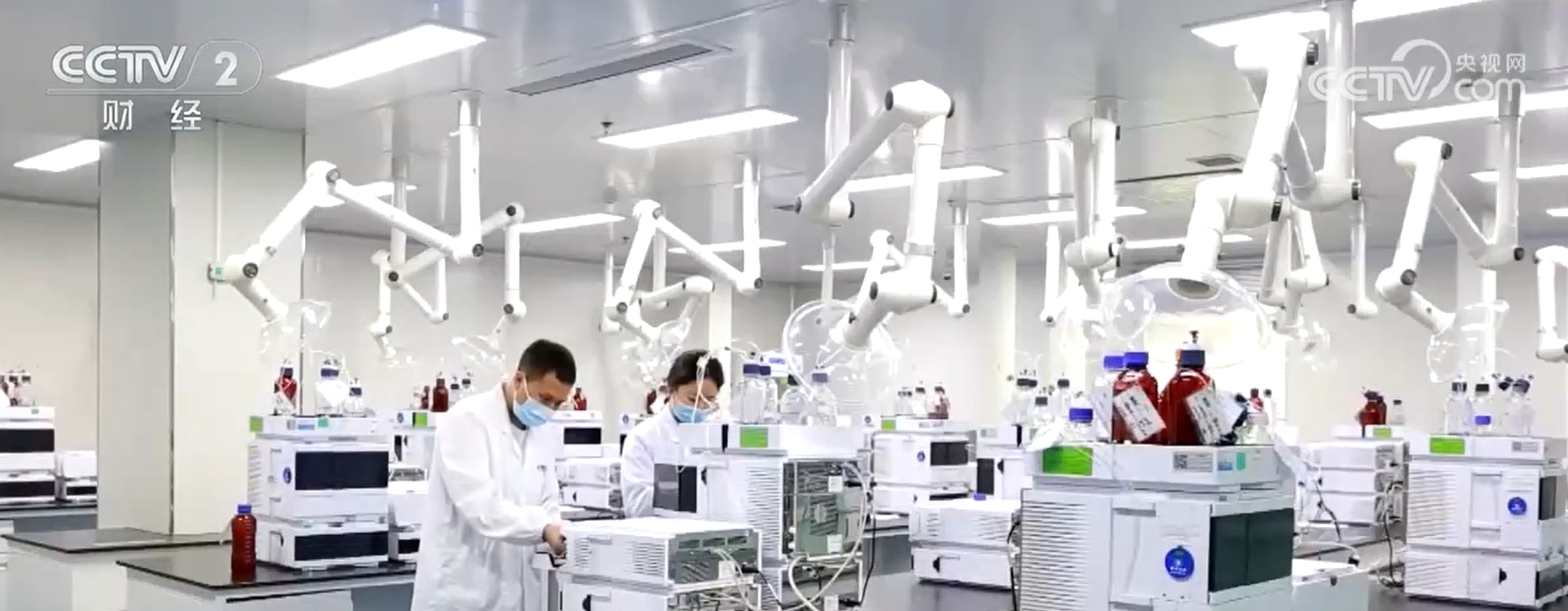
Core Viewpoint - The official launch of the full island closure of Hainan Free Trade Port marks a historic opportunity for both domestic and foreign enterprises, encouraging them to leverage this strategic moment for growth and integration into Hainan's development [2]. State-Owned Enterprises - China National Offshore Oil Corporation (CNOOC) aims to ensure energy security and optimize energy supply structures to support key industries in the free trade port, leveraging its resources and industry advantages [3]. - Datang Hainan Energy Development Co., Ltd. plans to enhance investment in offshore wind power, hydrogen energy, and energy storage to support the construction of a new energy system in Hainan [3]. - China Galaxy Securities intends to utilize Hainan's geographical and policy advantages to facilitate cross-border financial cooperation and innovate financial products tailored to local industries [4]. - Hainan Airport Group is focusing on building an aviation ecosystem and enhancing logistics and commercial supply chains to support the development of the free trade port [4]. Private Enterprises - Hainan Modern Technology Group sees the closure as a chance to develop a globally competitive digital industry cluster, enhancing research efficiency and reducing costs through cross-border data flow [6][7]. - Hainan Posheng Marine Technology Development Co., Ltd. plans to expand its aquaculture and marine tourism businesses, leveraging the free trade port's policies to enhance production and attract international partnerships [7]. - Hainan Chun Guang Food Co., Ltd. aims to expand its procurement channels and enhance market competitiveness by taking advantage of the expanded zero-tariff product list [8]. - Hainan Xiansheng Pharmaceutical Co., Ltd. plans to accelerate drug research and development by utilizing the free trade port's policies to attract top research teams and advanced equipment [8]. - Hainan Huasheng Group intends to build a cross-border collaborative value chain ecosystem, expanding its market share in Southeast Asia through logistics integration [9]. Foreign Enterprises - Eurogreen Group is expanding its investment in Hainan, capitalizing on the favorable policies and improved business environment to strengthen its presence in the green energy sector [10]. - Zambon Pharmaceutical Co., Ltd. plans to utilize the zero-tariff policy to enhance production capacity and expand into international markets while maintaining a strong domestic presence [10]. - Dun & Bradstreet aims to leverage the data flow policies of the free trade port to enhance its services for over 160,000 companies, positioning Hainan as a central hub for global resources [11]. - Ernst & Young is preparing to meet the growing market demands in Hainan, exploring new service models and assisting enterprises in understanding the investment environment [11].
294项国家标准发布
Xin Lang Cai Jing· 2025-12-26 22:04
Core Viewpoint - The article discusses the completion of a national action plan aimed at enhancing standards for traction equipment updates and consumer product recycling, covering 294 national standards across 13 key areas, which has been successfully finalized [1]. Group 1: Energy Consumption and Emission Standards - The 294 national standards focus on upgrading energy consumption and emission technology standards, enhancing product quality and safety standards, and increasing the supply of recycling and circular economy standards [1]. - The action plan includes the revision of energy consumption limit standards for key industries such as thermal power, steel, and building materials, aiming to eliminate outdated production capacity and improve the proportion of advanced capacity [1]. - A total of 113 national standards have been published to tighten energy efficiency requirements for general equipment like boilers, motors, and transformers [1]. Group 2: Carbon Emission Standards - The plan aims to establish a carbon emission accounting and product carbon footprint standard system, with 18 national standards for corporate greenhouse gas emission accounting published to provide unified norms for carbon emission calculations [1]. - This initiative guides companies in systematically implementing energy-saving and carbon-reduction transformations [1]. Group 3: Quality and Safety Standards for Consumer Products - The action plan includes the revision of 115 national standards in sectors such as automotive, home appliances, furniture, and emerging consumer goods, aimed at improving product quality and safety standards [1]. - The goal is to facilitate the entry of high-quality durable consumer goods into residents' lives [1]. Group 4: Recycling and Resource Utilization Standards - The plan also addresses the recycling, disassembly, and regeneration of waste products, with 66 national standards for resource recycling established in areas like home appliances, furniture, electronic products, photovoltaic, wind power, and power batteries [2]. - These standards encourage product design that considers ease of recycling and regeneration, and they regulate scientific disassembly and reuse during product recovery [2].
13个重点领域294项国家标准发布
Xin Lang Cai Jing· 2025-12-26 19:59
Core Viewpoint - The release of 294 national standards across 13 key areas aims to enhance the upgrade of traction equipment and promote the recycling of consumer goods, supporting the transition to a greener economy and improved product quality [1][2][3] Group 1: Energy Consumption and Emission Standards - The 294 national standards focus on upgrading energy consumption and emission technology standards, enhancing product quality and safety standards, and increasing the supply of recycling and circular economy standards [1] - New mandatory national standards for coal-fired power generation units are expected to reduce average coal consumption to below 302 grams per kilowatt-hour by 2030, leading to a decrease in carbon dioxide emissions by approximately 160 million tons [1] Group 2: Consumer Product Standards - A total of 115 national standards have been revised in sectors such as automotive, home appliances, and emerging consumption, aimed at improving product quality and safety, thereby facilitating the entry of high-quality durable consumer goods into households [2] - Significant advancements in electric vehicle battery safety standards now include mandatory requirements for "no fire, no explosion," which will enhance the safety of new energy vehicles and boost consumer confidence [2] Group 3: Recycling and Resource Utilization Standards - The establishment of 66 national standards for the recycling, disassembly, and regeneration of waste products aims to ensure that product design considers recyclability and to streamline the recycling process [2] - New mandatory standards for electronic product information clearance have been introduced to ensure the safety and privacy of second-hand product circulation [2] Group 4: Impact on Industry and Economy - The implementation of these standards is expected to support the government's policies for stable growth and consumption, effectively driving the transformation and upgrading of the light industry [3] - From January to November, over 12.8 million home appliances were replaced under the old-for-new policy, generating sales exceeding 2.5 trillion yuan, while approximately 8.6 million units of various appliances were dismantled, yielding around 1.9 million tons of recycled resources [3]
13个重点领域294项国家标准发布 “两新”标准提升行动圆满收官
Xin Hua Wang· 2025-12-26 11:42
Core Viewpoint - The release of 294 national standards across 13 key areas marks the successful completion of the "Two New" standard enhancement initiative, aimed at improving energy consumption, product quality, and recycling standards in China [1]. Group 1: Energy Consumption and Emission Standards - The initiative focuses on upgrading energy consumption and emission standards, with 113 national standards published to guide industries like thermal power, steel, and construction materials in energy efficiency [1]. - A new mandatory standard for coal-fired power generation aims to reduce average coal consumption to below 302 grams per kilowatt-hour by 2030, potentially decreasing carbon dioxide emissions by approximately 160 million tons [1]. Group 2: Quality and Safety Standards - The establishment of 18 national standards for greenhouse gas emissions accounting provides a unified framework for companies to implement energy-saving and carbon reduction measures [2]. - A total of 115 national standards have been revised in sectors such as automotive, home appliances, and emerging consumption, enhancing product quality and safety, thereby increasing consumer confidence [2]. - Significant advancements in electric vehicle battery safety standards now mandate that batteries must not catch fire or explode, promoting better battery design and thermal management [2]. Group 3: Recycling and Resource Utilization Standards - The initiative includes 66 national standards for the recycling, disassembly, and reuse of products, ensuring that product design considers recyclability and that recycling processes are scientifically managed [2][3]. - A mandatory standard for information clearance in electronic products has been introduced to ensure the safety and privacy of second-hand product circulation [3]. - The establishment of 12 national standards for battery recycling promotes efficient recovery of strategic resources like nickel, cobalt, and lithium [3]. Group 4: Market Impact and Consumer Behavior - The implementation of these standards supports the "old for new" consumption policy, with over 128 million home appliances replaced in the first 11 months of the year, generating sales exceeding 2.5 trillion yuan [3]. - Standards for home appliance recycling have improved the efficiency of waste appliance recovery, with approximately 8.6 million units processed, yielding around 1.9 million tons of recycled resources [3].
方正富邦基金乔培涛:寻找盈利驱动的结构性机遇
Zhong Guo Jing Ji Wang· 2025-12-26 08:52
Group 1 - The core theme of the investment strategy meeting held by Fangzheng Fubang Fund is "Transformational Innovation," focusing on investment opportunities and challenges for the year 2026 [1] - In 2025, the A-share market exhibited a structural market trend, with new technology sectors, particularly those related to AI, performing strongly, while traditional economic sectors remained sluggish [1][2] - The difficulty of further valuation increases in the A-share market is expected to rise, prompting a focus on industries capable of profit enhancement, especially those that have been at the bottom in terms of profit, valuation, and stock price over the past two years [1][2] Group 2 - Key sectors for potential investment include new energy, chemicals, building materials, and the innovative pharmaceutical industry, with new energy transitioning to a collaborative development phase of "generation-storage-usage" [2] - Breakthroughs in energy storage technology and cost reductions are expected to unlock diverse market opportunities, allowing companies with technological and integration advantages to evolve from equipment suppliers to energy solution providers [2] - The innovative pharmaceutical sector is anticipated to increase R&D investment after securing cash flow through business development and public offerings, while certain chemical and building material industries are set to benefit from "anti-involution" policies and are entering a recovery phase [2]
市场监管总局:2026年推动完成1800余项传统产业标准制修订
Zhong Guo Xin Wen Wang· 2025-12-26 07:43
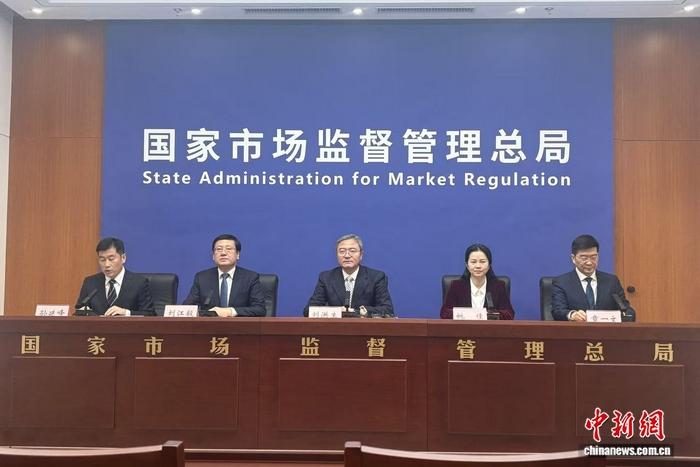
Core Viewpoint - The State Administration for Market Regulation is focusing on optimizing traditional industries, promoting high-quality development in the service sector, and boosting consumption through the revision and formulation of over 1,800 standards by 2026 [1][2]. Group 1: Traditional Industry Standards - The initiative will involve updating standards for ten traditional industries including petrochemicals, machinery, light industry, steel, non-ferrous metals, building materials, textiles, shipbuilding, automotive, and electric power [2]. - The focus will be on intelligent, green, and integrated development to support the transformation of these industries [2]. Group 2: Consumer Goods Standards - There will be an acceleration in the upgrade of consumer goods standards to meet new consumer demands for safety, quality, green products, intelligence, and health [2]. - A new consumer goods standards system will be established to enhance the compatibility of supply and demand, thereby stimulating consumption potential [2]. Group 3: Service Standards - The development of service standards will be strengthened, with guidelines to be issued for production services, life services, and public services [2]. - This aims to address urgent needs in both traditional and emerging service sectors, promoting high-quality and efficient service development [2]. Group 4: Mandatory Standards - There will be an increased focus on the development of mandatory national standards, particularly in areas related to life and property safety [2]. - The initiative includes updating standards for thermal insulation materials, hazardous chemicals, special equipment, and the recycling of power batteries, converting relevant recommended standards into mandatory ones [2].
市场监管总局:2026年将推动完成1800余项标准制修订
Yang Shi Xin Wen· 2025-12-26 07:06
Group 1 - The State Administration for Market Regulation will focus on optimizing traditional industries, promoting high-quality development in the service sector, and boosting consumption in 2026 [1] - A total of over 1,800 standards will be revised and developed to support the high-quality development needs of ten traditional industries, including petrochemicals, machinery, light industry, steel, non-ferrous metals, building materials, textiles, shipbuilding, automotive, and electric power [1] - The implementation of a special action for updating and upgrading mandatory national standards will be promoted, particularly in areas related to life and property safety [1] Group 2 - The agency will collaborate with relevant departments to accelerate the development of standards in critical areas such as thermal insulation materials, hazardous chemicals, special equipment, and the recycling of power batteries [1] - Important recommended national standards in relevant fields will be timely converted into mandatory national standards to strengthen safety standards [1]