
电动汽车

Search documents
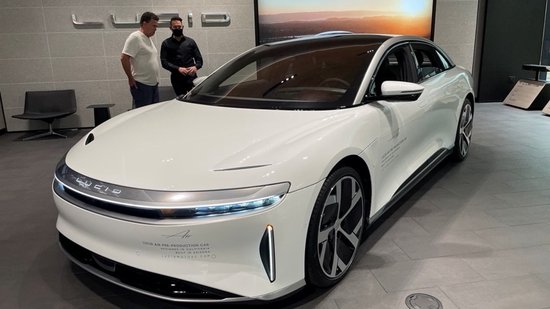
Lucid集团2025年电动汽车交付量增长55% 达成下调后业绩指引
Xin Lang Cai Jing· 2026-01-05 16:46
Group 1 - Lucid Group significantly increased production and sales last year, continuing to expand the capacity of its new Gravity SUV model [3][5][8] - The company announced that deliveries will rise to 15,841 units in 2025, representing a 55% year-over-year increase compared to 2024, with fourth-quarter deliveries expected to grow over 70% [3][5][8] - Lucid has adjusted its 2025 production target to approximately 18,000 units, down from an initial forecast of 20,000 units, with actual production expected to be 18,378 units, including 8,412 units in the fourth quarter [3][8] Group 2 - The increase in production is largely attributed to the extended ramp-up period for the Gravity SUV, which has faced challenges primarily due to supply chain shortages [3][8] - The electric vehicle industry is encountering broader challenges, including rising costs due to tariffs, slowing sales expectations, and negative impacts from regulatory policy changes, including the termination of federal consumer purchase subsidies [3][8]


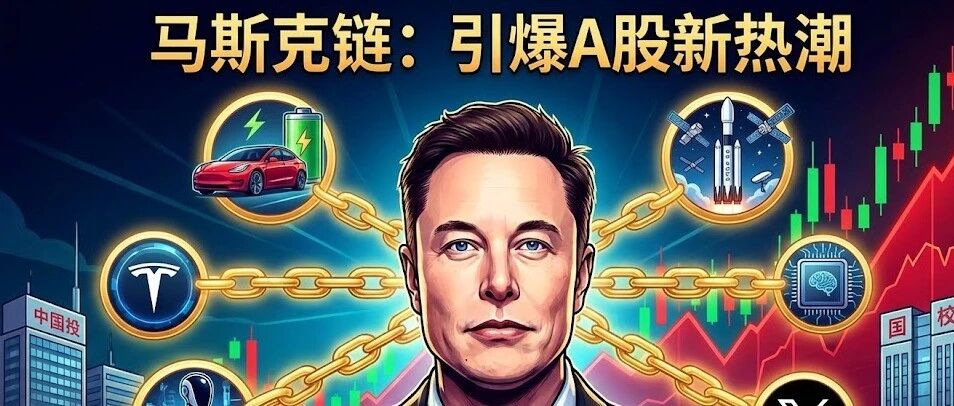
发酵的马斯克链和PCB
傅里叶的猫· 2026-01-05 15:15
Core Viewpoint - The article highlights the significant influence of Elon Musk on the stock market, particularly in sectors such as brain-computer interfaces, commercial space, and humanoid robots, coining the term "Musk Chain" to describe this trend [2]. Group 1: Sector Performance - The top five sectors on the first trading day of the new year included brain-computer interfaces, commercial space, storage chips, humanoid robots, and AI agents, with brain-computer interfaces leading with a 13.70% increase and a heat index of 880,400 [3]. - The commercial space sector saw a 1.81% increase with a heat index of 424,800, while storage chips rose by 4.44% with a heat index of 215,000 [3]. Group 2: Tesla's Business Directions - Tesla operates in five main business areas: automotive, energy storage, network (including FSD), Robotaxi, and humanoid robots [5]. - The energy storage segment, which includes products like Powerwall and Megapack, is crucial for Tesla, contributing over 95% of the revenue from this business [6]. Group 3: Energy Storage Business Growth - Tesla's energy storage business is experiencing significant growth, with a projected compound annual growth rate (CAGR) of 91% in battery deployment from 2022 to 2025, and an expected global market share of 18% by 2024 [7]. - The gross margin for the energy storage business is anticipated to rise from 7% in 2022 to 30% by 2025, indicating effective scale effects and cost optimization [7]. Group 4: Product Details - Powerwall is designed for residential users, capable of storing solar energy or low-cost grid energy, providing emergency power during outages, and enabling energy trading through a virtual power plant model [6]. - Megapack, aimed at grid and commercial users, has a modular capacity of 3.9 MWh and is used for grid peak shaving and renewable energy integration, with over 36 GWh already deployed globally [12].

三大股指期货涨跌不一,委内瑞拉局势突变扰动油市预期!石油股闻风大涨
Zhi Tong Cai Jing· 2026-01-05 13:30
Market Overview - US stock index futures showed mixed performance with Dow futures down 0.08%, S&P 500 futures up 0.25%, and Nasdaq futures up 0.63% [1] - European indices also saw gains, with Germany's DAX up 0.68%, UK's FTSE 100 up 0.18%, France's CAC40 up 0.16%, and the Euro Stoxx 50 up 0.65% [2] Oil Market Dynamics - WTI crude oil rose by 0.63% to $57.68 per barrel, while Brent crude increased by 0.51% to $61.06 per barrel [3] - The arrest of Venezuelan President Maduro led to a drop in oil prices, alleviating inflation concerns and causing US Treasury yields to rise [4] - Goldman Sachs indicated that the short-term impact on oil prices from the Venezuelan situation is expected to be limited, but long-term production may increase, potentially putting pressure on global oil prices [6] Company-Specific News - Chevron (CVX.US) stock rose by 6% in pre-market trading following the US government's actions in Venezuela, which may lead to a relaxation of sanctions on Venezuelan oil [9] - Tesla (TSLA.US) faced challenges in the Chinese market, with a significant decline in annual shipments compared to 2024, losing its top position in the electric vehicle market to BYD [10] - Novo Nordisk (NVO.US) launched its oral weight loss drug Wegovy in the US, priced at $149 per month for self-paying patients, which could enhance its competitive position against Eli Lilly (LLY.US) [10] - L3Harris Technologies (LHX.US) is nearing a significant deal to sell 60% of its aerospace and propulsion business to AE Industrial Partners, focusing on national security technology [11] - Trump Media Technology Group (DJT.US) saw a surge in short positions following a merger announcement with TAE Technologies, valued at over $60 billion [12]





特斯拉2025 年以苦涩的结局收尾,2026年又会怎样?
美股研究社· 2026-01-05 12:54
Core Viewpoint - Tesla's Q4 2025 delivery report revealed a significant decline in annual delivery volume, failing to meet the CEO's earlier guidance of a 20% to 30% growth, primarily due to multiple adverse factors [1][11]. Group 1: Previous Reports Review - In the previous quarter, Tesla's revenue exceeded market expectations, but net profit fell short. CEO Elon Musk remained optimistic about the Robo-Taxi plan, which temporarily boosted stock prices before a subsequent decline [2]. Group 2: Q4 2025 Core Data Analysis - The market had low expectations for Tesla's Q4 performance due to the expiration of the U.S. federal EV tax credit. To boost sales, Tesla implemented various incentives, and the anticipated reduction in Norway's EV subsidies spurred early purchases [3]. - Tesla's actual total delivery volume fell short of both internal analyst expectations and Bloomberg's consensus. The company experienced a year-on-year decline of over 150,000 vehicles in total deliveries [4]. Group 3: Future Focus Areas - Analysts will closely monitor Tesla's pricing adjustments and promotional strategies to assess efforts to stimulate global sales. The complete Q4 financial report is scheduled for January 28, with a focus on quarterly profit margins and 2026 performance guidance [5]. - Attention will also be given to management's comments on rising raw material costs, as significant price increases in key materials like silver and lithium carbonate could elevate production costs for Tesla and other EV manufacturers [5]. Group 4: Current Valuation Level Analysis - Tesla's stock price reflects an extremely high valuation, with a P/E ratio of approximately 198 times the adjusted earnings per share for 2026, compared to single-digit P/E ratios for major traditional automakers [8]. - The average target price from Wall Street analysts for Tesla is around $399, indicating a potential decline of nearly 9% from the recent closing price, despite a recent increase of about $32 in target price [10]. Group 5: Final Views and Investment Recommendations - Tesla concluded 2025 with a disappointing delivery report, with Q4 delivery volumes not meeting market expectations and a year-on-year decline of over 150,000 vehicles. While the energy storage business showed promise, the progress on autonomous driving remains significantly behind initial projections [11].
美股前瞻 | 三大股指期货涨跌不一,委内瑞拉局势突变扰动油市预期!石油股闻风大涨
智通财经网· 2026-01-05 12:50
1. 1月5日(周一)美股盘前,美股三大股指期货涨跌不一。截至发稿,道指期货跌0.08%,标普500指数期货涨0.25%,纳指期货涨0.63%。 | ■ US 30 | 48,343.00 | 48,437.20 | 48,316.50 | -39.40 | -0.08% | | --- | --- | --- | --- | --- | --- | | ■ US 500 | 6,875.60 | 6,881.60 | 6,855.80 | +17.10 | +0.25% | | 트 US Tech 100 | 25,365.90 | 25,393.00 | 25,213.90 | +159.70 | +0.63% | 2. 截至发稿,德国DAX指数涨0.68%,英国富时100指数涨0.18%,法国CAC40指数涨0.16%,欧洲斯托克50指数涨0.65%。 | 3. 截至发稿,WTI原油涨0.63%,报57.68美元/桶。布伦特原油涨0.51%,报61.06美元/桶。 | | --- | | ■ WTI原油 | 2026年2月 | 57.68 | 57.75 | 56.32 | +0.36 | +0.63% ...

富豪财富暴增6000亿!帮主郑重:看懂背后,普通人也有路
Sou Hu Cai Jing· 2026-01-05 06:20
朋友们,一个让人瞠目结舌的数据:全球十大富豪,去年财富暴涨了整整5790亿美元! 这比亚马逊的 整个市值还高。我是帮主郑重,当我们还在为账户几个点的波动操心时,顶级财富的膨胀已经进入了另 一个维度。 第一, "看长做长" :放弃纯粹的短线博弈,深入研究并长期持有那些定义未来的产业龙头。 第二, "借船出海" :通过相关主题的优质基金(ETF),分散布局整个黄金赛道,分享行业成长红 利。 第三, "保持在场" :财富的指数级增长需要时间。就像SpaceX估值从4000亿到8000亿的翻倍,需要的 是在正确的方向上,保持耐心和定力。 顶级富豪的财富地图,其实就是一张全球产业变革的导航图。看懂它,不是为了仰望,而是为了找到我 们普通人前行的路。 关注帮主郑重,一起穿透财富表象,把握产业内核。 看看首富马斯克,身家一年激增1870亿,核心是特斯拉与SpaceX。这不是炒股的运气,而是牢牢站在 了电动汽车、商业航天这两大产业浪潮的顶峰。谷歌两位创始人的财富增长也超千亿,背后是AI浪潮 下公司股价65%的飙升。他们的故事告诉我们一个冰冷的事实:财富的巨幅增长,越来越依赖对核心产 业与顶尖公司的垄断性持有。 所以,我的核心 ...

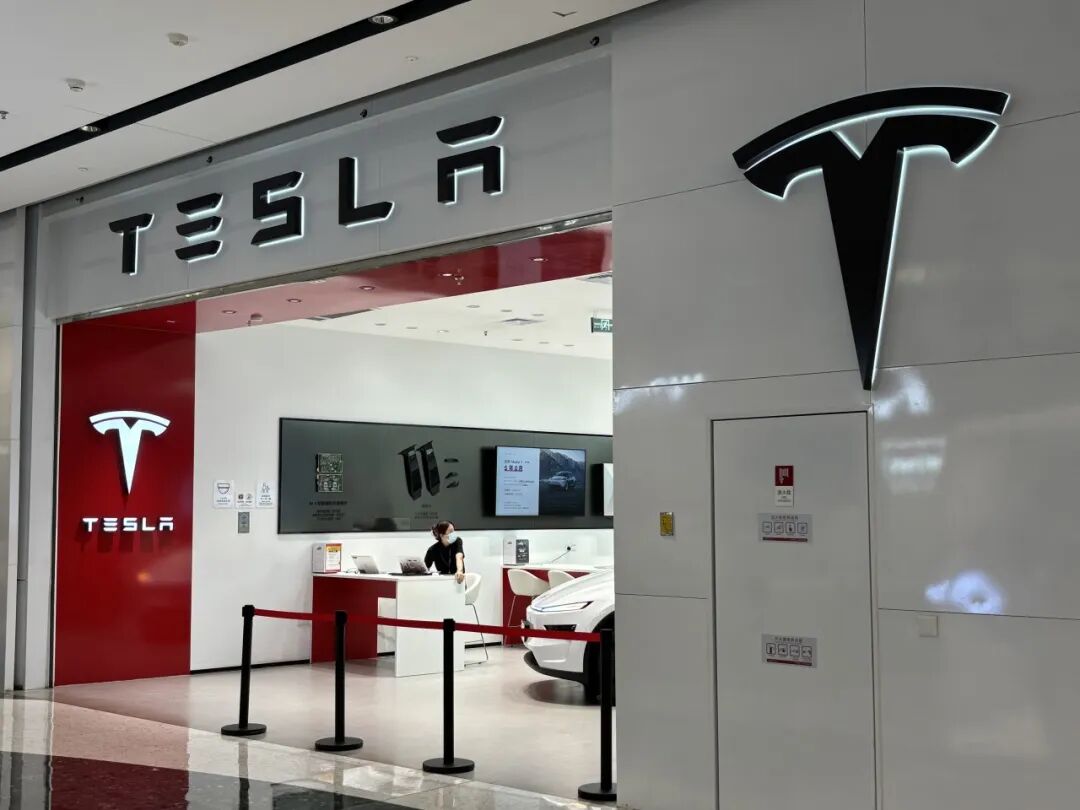
特斯拉2025全年交付163.6万辆落后比亚迪 中国仍是最大市场
Chang Jiang Shang Bao· 2026-01-05 04:50
Core Viewpoint - Tesla's global vehicle deliveries for 2025 are projected to be 1.636 million, representing an approximate 8.6% year-over-year decline, marking the first time that Tesla's annual electric vehicle sales have been surpassed by Chinese manufacturer BYD, which expects to deliver 2.26 million electric vehicles in the same year [2][4][14]. Group 1: Sales Performance - In the first 11 months of 2025, Tesla's vehicle registrations in China reached 531,900, down 7.37% from 574,200 in the same period last year, although China remains Tesla's largest single market [2][12]. - Tesla's production for 2025 is estimated at 1.655 million electric vehicles, with deliveries of 1.636 million, both lower than the previous year's figures of 1.773 million and 1.789 million respectively [5]. - In the fourth quarter of 2025, Tesla produced approximately 434,000 vehicles and delivered about 418,000, which is a year-over-year decline of around 16% compared to the same quarter in 2024 [5]. Group 2: Market Competition - BYD's electric vehicle sales are increasingly coming from markets outside of China, including Asia, Europe, and Latin America, contributing to its growth of 28% year-over-year [4]. - Analysts indicate that Tesla faces growing competition from various global automakers entering the electric vehicle market, with companies like BYD and Geely targeting both mid-range and high-end segments [14]. - The overall electric vehicle market in the U.S. is experiencing a slowdown, with a reported drop of over 40% in sales across all brands in 2025 [6][8]. Group 3: Executive Compensation - Tesla has established a compensation incentive plan for CEO Elon Musk, potentially worth up to $1 trillion, contingent on achieving ambitious targets such as delivering 20 million vehicles over the next decade [2][13]. - The plan includes performance metrics tied to Tesla's market capitalization and operational goals, with Musk's stock holdings potentially increasing significantly if the targets are met [13]. Group 4: Market Trends - In the European market, Tesla's new car registrations in November 2025 fell by 11.8% year-over-year, with a cumulative decline of 28% for the first 11 months [6][7]. - The market share for Tesla in the EU has decreased to 1.3%, while the overall market for electric vehicles in the EU has seen a growth of 44.1% in new registrations [7].
1月5日早餐 | 全球半导体公司大涨;蓝箭航天IPO获受理
Xuan Gu Bao· 2026-01-05 00:09
Market Overview - Major US stock indices showed mixed performance, with the S&P 500 rising by 0.19% and the Dow Jones increasing by 0.66%, while the Nasdaq fell by 0.03% [1] - Tesla shares dropped by 2.6%, influenced by software stocks offsetting gains in chip stocks, while Salesforce fell over 4% and Nvidia rose over 1% [1] - The White House's decision to delay tariffs on certain household goods led to an 8% increase in shares of RH [1] Semiconductor Sector - SanDisk surged nearly 16%, Micron Technology rose over 10%, ASML increased by over 8%, and TSMC hit a historical high with a rise of over 5% [2] - The semiconductor sector is expected to benefit from increased capital expenditure in 2026, with analysts projecting a tightening market for memory chips, leading to significant price increases [11] Chinese Tech Stocks - The China concept index rose over 4%, with Baidu increasing by 15% and Alibaba by over 6% [3] - Baidu announced plans to spin off Kunlun Chip for independent listing on the Hong Kong Stock Exchange, resulting in a 9% rise in its stock [10] Economic Policies and Initiatives - The State Council approved the draft of the Water Supply Regulations and the revised Drug Administration Law Implementation Regulations [4] - Shanghai's measures to accelerate the construction of low-altitude economic advanced manufacturing clusters include support for eVTOL and industrial-grade drones, with funding up to 50 million yuan [5] - The State Council issued a solid waste comprehensive governance action plan aiming for a 45 billion-ton annual comprehensive utilization of major solid waste by 2030 [5] IPO and Corporate Actions - Blue Arrow Aerospace's IPO application was accepted, aiming to raise 7.5 billion yuan for reusable rocket technology upgrades and capacity enhancement [12] - Multiple companies announced acquisitions, including Zhongwei Company planning to acquire a 64.69% stake in Hangzhou Zhonggui, and Meike Home proposing to buy 100% of Wande Technology [15][16] Lithium and Battery Materials - Tianqi Lithium forecasted a net profit of 1.1 to 1.6 billion yuan for 2025, driven by strong demand in the new energy vehicle and energy storage markets [29] - The lithium hexafluorophosphate market is expected to remain tight, with significant price increases anticipated due to strong demand and cautious supply expansion [13] Consumer Market Trends - Hainan's duty-free market saw a significant increase during the New Year holiday, with sales reaching 712 million yuan, a year-on-year growth of 128.9% [10][14]




音频 | 格隆汇1.5盘前要点—港A美股你需要关注的大事都在这
Ge Long Hui A P P· 2026-01-04 23:03
Group 1 - The upcoming week will focus on China's CPI and PPI data, as well as the CES technology exhibition [2] - The U.S. stock market showed mixed results last Friday, with ASML and Micron Technology experiencing significant gains, and the Chinese concept index rising by 4.38% [2] - Venezuela's oil exports are reportedly paralyzed amid a national emergency declared by President Maduro [2][2] Group 2 - Trump announced plans to allow major U.S. oil companies to enter Venezuela following the capture of President Maduro [2] - The OPEC+ group agreed to pause production increases in the first quarter, without discussing the situation in Venezuela [2] - TSMC is set to trial production of its advanced 1.4nm process next year, signaling the approach of the 1nm era [2] Group 3 - BYD has surpassed Tesla to become the top seller of electric vehicles globally [2] - Standrobotics plans to list in Hong Kong, with Xiaomi having previously invested in its early stages [2] - Wanbang Digital Energy intends to list on the Hong Kong main board, positioning itself as the largest supplier of smart charging equipment globally [2]

特斯拉跌落电车销冠王座
Bei Jing Shang Bao· 2026-01-04 15:44
Core Viewpoint - Tesla has lost its title as the world's top electric vehicle seller for the first time, being surpassed by Chinese manufacturer BYD in 2025, with Tesla's global deliveries dropping to 1.636 million units, a year-on-year decline of approximately 8.6% [1][2]. Group 1: Tesla's Performance - In Q4 2025, Tesla produced over 434,000 vehicles and delivered over 418,000, with a significant drop in annual deliveries compared to 2024 [1]. - Tesla's Q4 2025 deliveries decreased by about 16% compared to Q4 2024, and annual deliveries fell from 1.79 million in 2024 to 1.636 million in 2025 [1][2]. - Analysts estimate that Tesla's Q4 2025 delivery volume will be around 426,000 units [1]. Group 2: Market Dynamics - The decline in Tesla's Q4 sales is attributed to the U.S. federal government's early termination of electric vehicle incentives, which prompted a rush in sales during Q3 [2]. - In Europe, Tesla's registrations fell by 39% in the first 11 months of 2025, while BYD's registrations grew by 240% [2]. - The overall electric vehicle market in Europe is growing, accounting for approximately 16% of all new car sales in 2025 [2]. Group 3: BYD's Growth - BYD's pure electric vehicle sales reached nearly 2.26 million units in 2025, marking a nearly 28% increase from 2024 and surpassing Tesla for the first time [3]. - BYD is expanding its presence in overseas markets, including Europe, Latin America, and Southeast Asia, with new production facilities in Brazil and Thailand [3]. Group 4: Tesla's Future Outlook - Despite disappointing sales figures, Tesla is focusing on CEO Elon Musk's vision of "sustainable abundance," which includes future projects like robot taxis and humanoid robots [3]. - Tesla's stock price increased by 40% in Q3 2025 and reached an all-time high in Q4, with a market capitalization exceeding $1.6 trillion [4]. - Analysts suggest that Tesla's current valuation is heavily based on its potential in autonomous driving and AI technologies, which are estimated to account for over 70% of the company's total value [4]. Group 5: Energy Storage Business - Tesla's energy storage business continues to grow rapidly, with 14.2 GWh of battery storage products deployed in Q4 2025, a significant increase of 13.6% from 12.5 GWh in 2024 [5].