
茶饮

Search documents
霸王茶姬创始人辟谣
财联社· 2025-11-22 00:35
近日,霸王茶姬创始人张俊杰婚礼一事,成为舆论焦点。11月21日,张俊杰本人通过朋友圈证实了这一婚讯,并透露已于今年6月登记领证。在感谢 公众祝福的同时,张俊杰也表示:此前围绕他婚姻和创业的诸多谣言,让其本人及家人受到了很大伤害,"有必要站出来说话"。 "我郑重声明:在我 遇见我妻子(高海纯)前,从未有过婚姻,也从未发生'茶叶富商残疾女儿'的任何故事。"张俊杰在他的朋友圈表示。 详情 张俊杰(霸王茶姬) 好久没发朋友圈了,这几天,收到很多朋友 对我们婚礼的祝贺,真的很感谢大家。但确 实没想到信息传播引来了如此多的关注,也 着实让我们受宠若惊。 我与海纯相识相恋,在茫茫人海里,能够遇 到和自己灵魂契合、同频共振的另一半是人 生之幸。今年6月,我们领了证,组建了小 家庭。携手迈入婚姻殿堂,我感恩我的妻子 和亲友,也感恩命运。 但随着婚讯公开,那些关于我婚姻和创业的 谣言,比如"娶富豪的残疾女儿生了孩子"、 "拥有万亩茶园"等等不实信息又冒了出来。 这让我和家人受到了很大伤害,对霸王茶姬 的形象也产生了影响。在此,我郑重声明: 我在遇见我的妻子之前,从未有过婚姻, 也从未发生过"茶叶富商残疾女儿"的任何故 劃 对那些 ...


霸王茶姬创始人辟谣
Di Yi Cai Jing· 2025-11-21 23:26
Group 1 - The founder of Bawang Tea Ji, Zhang Junjie, confirmed his marriage and addressed rumors surrounding his personal life and business, stating that these rumors have caused significant harm to him and his family [2][6] - Zhang Junjie has been in the milk tea industry since the age of 17 and founded Bawang Tea Ji in 2017, which has since opened over 7,000 stores globally and has more than 200 million registered members [7] - The company is set to go public on NASDAQ in April 2025 [7] Group 2 - Since November 2024, numerous rumors about Zhang Junjie have circulated online, including false claims about his marriage and wealth, which have been widely disseminated on short video platforms [7] - Bawang Tea Ji has taken legal action against the spreaders of these rumors, resulting in penalties and public apologies from the offenders [7]

霸王茶姬创始人张俊杰辟谣:“遇见我妻子前,从未有过婚姻”
21世纪经济报道· 2025-11-21 15:29
Group 1 - The founder of Bawang Tea Ji, Zhang Junjie, publicly addressed rumors surrounding his marriage and business, stating that these rumors have caused significant harm to him and his family [1][5] - Zhang emphasized the need to clarify facts and protect his family from malicious rumors, urging friends not to believe or spread false information [3][5] - The company has faced a surge of rumors since November 2024, including false claims about Zhang's marriage and business ventures, which have been denied through official channels [5][6] Group 2 - Bawang Tea Ji has experienced a decline in its growth rate, with a total GMV of 8.1031 billion yuan in Q2 2025, representing a year-on-year increase of 15.5%, and net revenue of 3.3319 billion yuan, up 10.2% [6] - The company has been affected by a competitive market environment, with rumors posing additional challenges to its operations [6] - Legal actions have been taken against individuals spreading false information, resulting in penalties and public apologies from the offenders [6]

霸王茶姬创始人张俊杰辟谣:“遇见我妻子前,从未有过婚姻”
2 1 Shi Ji Jing Ji Bao Dao· 2025-11-21 15:09
Core Viewpoint - The founder of Bawang Chaji, Zhang Junjie, publicly addressed rumors regarding his marriage and business, emphasizing the need to protect his family and clarify the truth [1][2]. Group 1: Rumors and Response - Zhang Junjie stated that he had never been married before meeting his wife, Gao Haichun, and denied various rumors, including those about a "tea merchant's disabled daughter" [1][2]. - He expressed that the spread of rumors has caused significant harm to him and his family, prompting him to take legal action against the perpetrators [1][2]. Group 2: Impact of Rumors on Business - The Shanghai police reported a case involving the use of AI to generate and spread false information about Bawang Chaji, which negatively impacted the company's brand image and operations [2]. - Reports indicated that some stores experienced a daily revenue drop of over 20% due to the spread of these rumors [2]. Group 3: Financial Performance - Bawang Chaji's total GMV reached 8.1031 billion yuan in Q2 2025, reflecting a year-on-year growth of 15.5%, while net revenue was 3.3319 billion yuan, up 10.2%, indicating a slowdown in growth compared to competitors [3].
港股异动 | 新消费概念股午后快速拉升
Xin Lang Cai Jing· 2025-11-21 09:46
Group 1 - New consumption concept stocks experienced a surge, with Hu Shang A Yi rising nearly 11%, and Xiaomi Group-W increasing by 1.22% [1] - Hu Shang A Yi announced a proposed H-share incentive plan aimed at promoting long-term sustainable development and attracting talent, which requires shareholder approval [1] - The brand's store count reached 10,739, marking a net increase of 1,303 stores in four months, entering the "10,000 store club" [1] Group 2 - The toy market, represented by blind boxes and figurines, has been growing rapidly, with retail sales projected to reach 55.83 billion yuan in 2024 [2] - Innovative domestic companies are showcasing strong capabilities in original IP creation and brand operation, enhancing China's toy industry's international influence [2]
当外卖带不动电商,茶饮行业开始入冬
雷峰网· 2025-11-21 09:31
Core Viewpoint - The takeaway from the article is that the current food delivery war mirrors the e-commerce subsidy wars of the past, characterized by aggressive price cuts and subsidies that disrupt industry norms and create unsustainable business models for tea beverage brands [4][40]. Group 1: Industry Dynamics - The tea beverage industry is experiencing a significant downturn as seasonal demand declines and platform subsidies wane, leading many businesses to express concerns about survival through the winter [4][6]. - The delivery war has resulted in a drastic increase in the number of tea beverage outlets, with a net addition of 26,000 stores in the third quarter alone, nearly doubling year-on-year [6]. - The high return rates and pressures faced by downstream e-commerce businesses, such as the 90% return rate in women's apparel, reflect the broader challenges within the industry [4]. Group 2: Financial Implications - Luckin Coffee reported delivery expenses of 2.89 billion RMB in Q3, significantly higher than the previous year, consuming all incremental profits for the season [5][16]. - The financial performance of brands like Mixue Ice City has also suffered, with stock prices dropping from 600 HKD to 376 HKD, indicating diminishing returns from delivery subsidies [5]. - The article highlights that during the peak of the subsidy war, brands like Nai Xue's Tea saw a 50% increase in delivery orders, but the profitability per order was severely compromised, averaging only 4-5 RMB after costs [11][30]. Group 3: Market Behavior and Consumer Trends - The article notes a shift in consumer behavior, with over half of the increased order volume during the delivery war coming from tea and coffee, compared to only 20% the previous year [10]. - The delivery war has altered the business model for tea brands, with the ratio of dine-in to delivery orders shifting dramatically from 3:1 to 1:7 for many businesses [21][22]. - There is a growing concern among tea beverage entrepreneurs that consumers may become accustomed to lower prices due to subsidies, making it difficult to revert to higher price points post-subsidy [16]. Group 4: Strategic Responses - To adapt to the changing landscape, tea brands are focusing on building membership systems and enhancing private domain operations to retain existing customers and attract new ones [32][34]. - The article suggests that effective supply chain management is crucial for brands to survive and thrive, emphasizing the need for higher cost-performance ratios rather than just low prices [33][36]. - Brands like Gu Ming have successfully leveraged their supply chain capabilities to handle sudden spikes in order volume, showcasing the importance of operational efficiency in a competitive market [36].



奶茶店上架烤红薯,淡季业绩涨80%!这个品牌从福建火到香港
Sou Hu Cai Jing· 2025-11-21 08:12
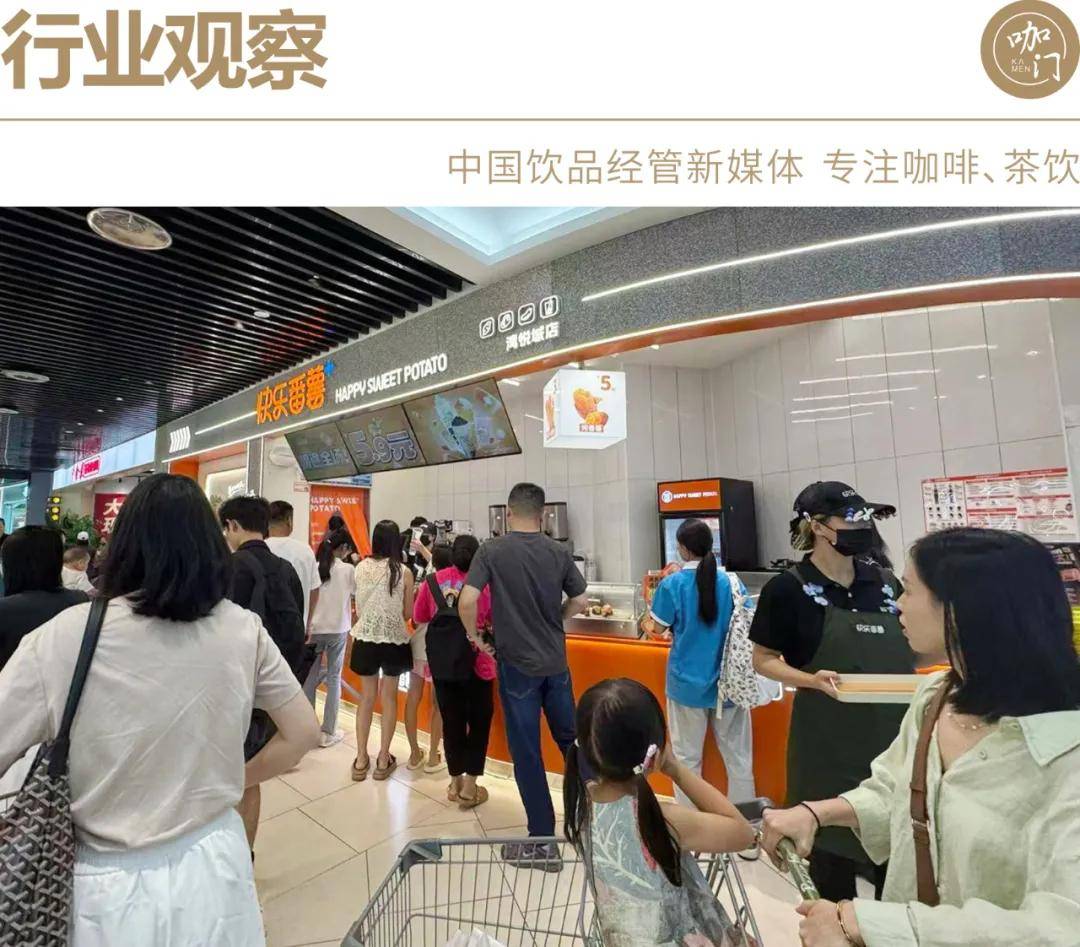
Core Insights - The brand "Happy Sweet Potato" has experienced an 80% increase in overall store revenue during the winter season, contrary to typical seasonal trends [6][8] - The company has successfully expanded its presence in the Southeast sinking market and Hong Kong, with plans to open 50 stores by the end of the year [6][11] - The introduction of baked sweet potatoes has significantly boosted sales, with daily sales reaching up to 4,000 yuan in Hong Kong stores [11][14] Group 1: Business Performance - In November, the average revenue per store for Happy Sweet Potato increased by 80%, with some stores achieving daily sales exceeding 10,000 yuan [6][8] - The best-performing stores can break even within six months of opening [6] - The company has established over 30 stores in Hong Kong, all of which are profitable, with monthly revenues ranging from 450,000 to 600,000 yuan [6][11] Group 2: Product Innovation - The introduction of baked sweet potatoes has been a key driver of revenue, with sales of baked sweet potatoes alone reaching 2,000 to 3,000 yuan per day [11][14] - Happy Sweet Potato has developed a proprietary sweet potato variety that is sweeter and has a better texture, enhancing customer appeal [14][16] - The company has implemented a unique sweet potato sugarization process to standardize sweetness and extend shelf life, allowing for year-round sales [17][19] Group 3: Pricing Strategy - The company has adopted a long-term price reduction strategy, offering all items at 5.9 yuan to attract customers during the off-peak season [22][25] - Happy Sweet Potato has benefited from the competitive landscape of food delivery services, which has allowed for increased sales despite lower prices [23][24] - The company is investing in smart tea machines and a self-sufficient supply chain to maintain profitability while reducing costs [27][29] Group 4: Future Outlook - The company aims to achieve a comprehensive gross margin of 25% after the full operation of its new food technology industrial park [29] - Happy Sweet Potato is committed to maintaining a balance between quality and price, with a focus on long-term sustainability in a competitive market [32] - The brand's strategy emphasizes the importance of a robust supply chain and consistent product quality to thrive in a saturated market [32]
茶饮霸总娶光伏女神,现在流行“董事长”终成眷属?
Sou Hu Cai Jing· 2025-11-21 08:01
近日,一张光伏龙头天合光能创始人高纪凡之女高海纯与霸王茶姬创始人张俊杰的结婚请柬在网上流 传。11月20日晚,天合光能证实了消息,高海纯与张俊杰相识于青年企业家学习活动,已登记结婚,双 方将于近期举行婚礼。 "奶茶霸总"跟"光伏女神"结婚了! 近日,一张光伏龙头天合光能创始人高纪凡之女高海纯与霸王茶姬创始人张俊杰的结婚请柬在网上流 传。 正当大家讨论事情真假之时,11月20日晚,天合光能证实了消息,高海纯与张俊杰相识于青年企业家学 习活动,已登记结婚,双方将于近期举行婚礼。 一个是光伏二代、布朗大学学霸,如今执掌448亿上市公司,是商界公认的"光伏女神"。一个是白手起 家,身家135亿茶饮新贵,两家上市公司市值加起来超600亿。 网友感慨,这种"剧本"也就是小说敢这么写。以后"千金二代"结婚就按照这个标准来,既要才子佳人, 又要找个跟自己实力匹配的人,联合成"双霸总"模式。 11月19日,网上传出一张请柬。"家主"高纪凡和吴春艳发出请帖,邀请嘉宾参加新郎张俊杰、新娘高海 纯的婚礼。婚礼的日期是12月15日,举办地在常州市的酒店。 光伏龙头天合光能的创始人叫高纪凡,他的夫人叫吴春艳(财报中体现),二人的女儿高海 ...


霸王茶姬创始人将与天合光能联席董事长结婚;俞敏洪否认南极邮轮舱位价148万元;何同学称公司今年亏损百万;魅族回应出售总部大楼
Sou Hu Cai Jing· 2025-11-21 07:33
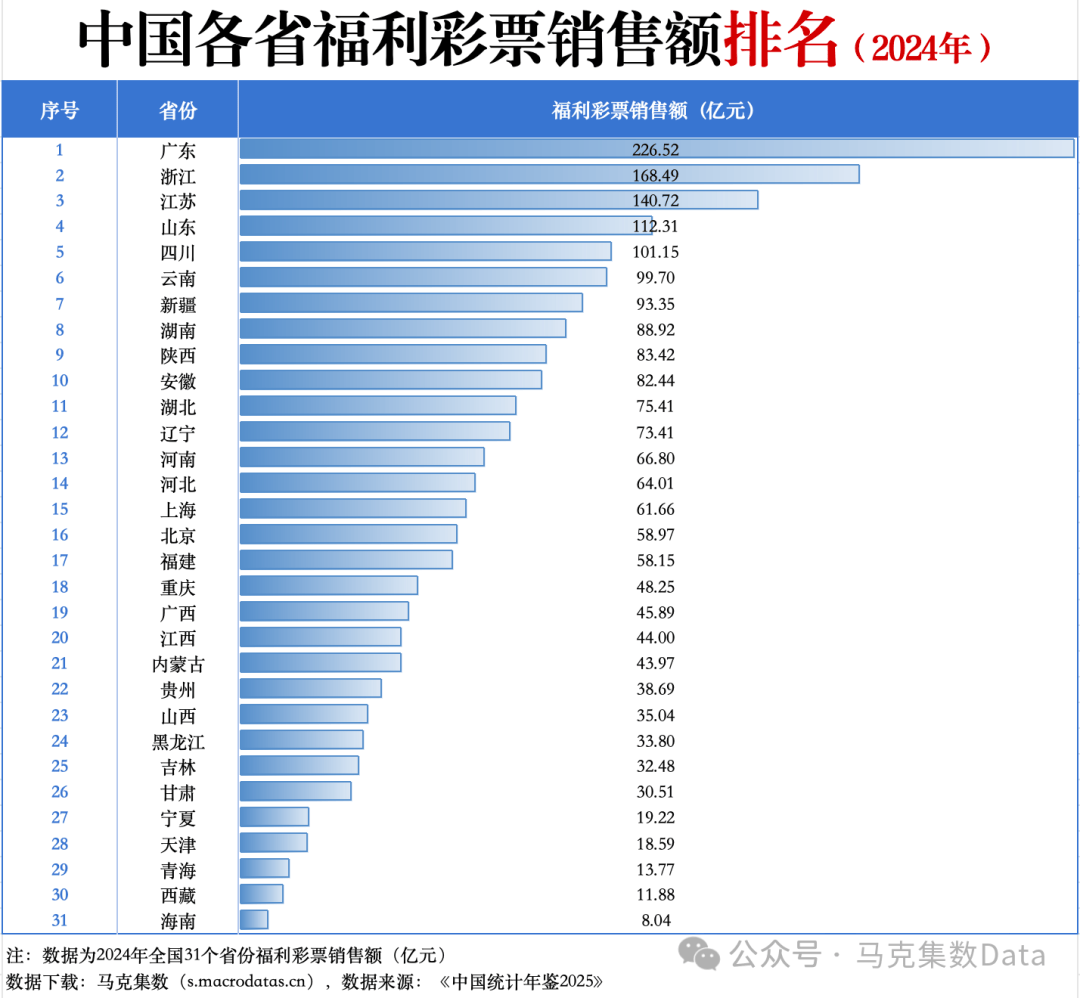
Group 1: Lottery Sales Data - Guangdong province leads in lottery sales with 226.52 billion yuan, followed by Zhejiang with 168.49 billion yuan and Jiangsu with 140.72 billion yuan [1] - Other notable provinces include Shandong (112.31 billion yuan), Sichuan (101.15 billion yuan), and Yunnan (99.70 billion yuan) [1] - The data reflects a significant distribution of lottery sales across various provinces, indicating regional preferences and participation levels [1] Group 2: Corporate News - The founder of Bawang Tea Ji is set to marry the co-chairman of Trina Solar, highlighting a notable merger of interests between the beverage and solar energy sectors [6] - Yu Minhong, chairman of New Oriental, clarified the pricing of Antarctic cruise tickets, stating they range from 50,000 to 300,000 yuan, countering claims of a 1.48 million yuan price [6] - He Tongxue reported a potential loss of 1-2 million yuan for his company this year, attributing it to the impact of a controversial social media post [6] Group 3: Market Developments - Xiaomi's automotive division announced the production of its 500,000th vehicle, emphasizing a commitment to safety and technological innovation [9] - Meizu Technology responded to rumors about selling its headquarters, confirming that it will not relocate and that the building's lease is still valid [7][8] - Ant Group has open-sourced a high-performance reinforcement learning framework, showcasing advancements in AI technology [18] Group 4: Financial Insights - Google's market capitalization has surpassed Microsoft's, reaching 3.65 trillion yuan, placing it among the top three in the U.S. stock market [19] - Nvidia's CEO stated that there is no AI bubble, emphasizing the ongoing demand for computing power in AI applications [15] - Meta was fined 5.52 billion dollars in Spain for unfair competition and data protection violations, reflecting regulatory scrutiny in the tech sector [14]



一杯奶茶的钱 买一个废弃的袋子:年轻人到底在买什么?
Xin Jing Bao· 2025-11-21 04:37
Core Viewpoint - The second-hand market for milk tea bags is experiencing a surge in popularity, with ordinary bags selling for 0.5 to 2 yuan, while special edition bags can fetch prices between 15 to 50 yuan, driven by their scarcity and branding [1][2][4]. Group 1: Market Dynamics - Ordinary milk tea bags are priced between 0.5 to 2 yuan, while limited edition bags can reach 15 to 50 yuan due to their perceived value and branding [1][2]. - The phenomenon of reselling milk tea bags has gained traction, with some sellers reporting earnings of hundreds to thousands of yuan from these transactions [1][3]. - The demand for milk tea bags is primarily driven by young consumers, particularly those who are trend-sensitive and value unique items [5][6]. Group 2: Consumer Behavior - The main buyers of second-hand milk tea bags include Gen Z consumers who are sensitive to trends and seek to express their individuality through unique items [5][6]. - Practicality also plays a role, as some consumers use these bags as everyday carry items, aligning with sustainable living trends [5][6]. - Collectors view these bags as trendy derivatives, similar to sneakers or blind boxes, and are motivated by the desire for rarity and completeness in their collections [5][6]. Group 3: Legal and Ethical Considerations - The resale of personal, unused milk tea bags is legal; however, bulk sales without brand authorization may infringe on intellectual property rights [4][6]. - Brands like Heytea and Nayuki have not authorized the sale of their bags, raising concerns about potential infringement by sellers on second-hand platforms [4][6]. Group 4: Future Outlook - The sustainability of the milk tea bag trend in the second-hand market depends on brands continuing to release attractive designs and maintaining supply-demand dynamics [6]. - The current market is in an early expansion phase, but the lack of stable supply and the potential for market saturation could lead to a decline in interest [6].