稀土开采

Search documents
美财长不装了:应对中国,就得这么做
Guan Cha Zhe Wang· 2025-10-16 06:09
Core Viewpoint - The U.S. government is shifting towards unprecedented industrial policies to exert greater control over domestic companies, particularly in response to China's dominance in rare earth and critical mineral sectors [1][2][3]. Group 1: U.S. Industrial Policy Shift - The approach signifies a new era of industrial policy in the U.S., contrasting sharply with the traditional emphasis on "free markets" and "open investment" [2]. - The Trump administration aims to reduce reliance on China by increasing ownership stakes in companies deemed critical to national security [2][5]. - The U.S. Treasury Secretary emphasized the need for industrial policy when facing economic powers like China, especially after China's recent export controls on rare earths [3][6]. Group 2: Strategic Investments and Partnerships - The Trump administration has invested in key companies, including U.S. Steel, Intel, and rare earth mining company MP Materials, and is seeking revenue sharing from Nvidia and AMD's sales in China [5][10]. - Establishing a "strategic mineral reserve" is a priority, with the government identifying seven strategic industries for potential increased control [6][12]. - The U.S. Department of Defense has agreed to invest $400 million in MP Materials, which operates the only active rare earth mine in the U.S., indicating a willingness to break from "free market" principles [8][11]. Group 3: Challenges and Market Dynamics - The U.S. faces significant challenges in reviving its rare earth supply chain, including high labor costs, a lack of skilled workforce, and environmental regulations [11][12]. - The demand for rare earths is projected to double by 2050, driven by the rise of electric vehicles and wind turbines, yet the U.S. government has cut subsidies for renewable energy [11][12]. - Analysts express concerns that the U.S. government may lack the experience to effectively implement industrial policies after decades of absence in this area [13][14].


美国财长喊话中国,愿意放弃100%加税,但是稀土限制必须取消
Sou Hu Cai Jing· 2025-10-14 19:17
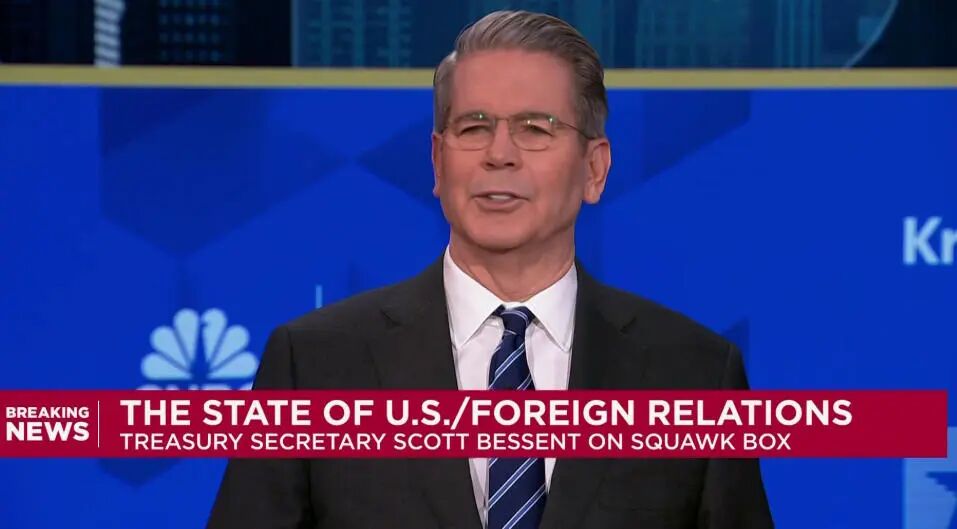
Core Insights - The unexpected statement from the U.S. Treasury Secretary indicates that a 100% tariff is not a certainty, contingent upon China "opening a specific valve" [2] - The U.S. is eager to negotiate conditions with China regarding rare earth exports, suggesting a psychological battle between the two nations [2] Group 1: U.S.-China Rare Earth Competition - In April, China implemented export licensing for heavy rare earths, requiring detailed end-use information from applicants [3] - In October, China intensified controls, including a comprehensive ban on the export of rare earth mining, smelting, and magnetic material manufacturing [3] - China's regulations now include "extraterritorial applicability," meaning products containing a certain percentage of Chinese rare earths require export permits even if produced outside China [3] Group 2: U.S. Dependency on Rare Earths - The U.S. relies on China for 80% of its rare earth imports, with some strategic categories being almost entirely sourced from China [5] - Despite efforts to diversify supply chains and develop domestic rare earth capabilities, China still holds over 90% of production capacity in heavy rare earth separation and high-end magnetic materials [5] Group 3: Negotiation Dynamics - The U.S. threat of a 100% tariff appears to be a tactic to enhance its bargaining position in negotiations [7] - The potential for increased tariffs could exacerbate domestic inflation, disrupt supply chains for U.S. allies, and lead to volatility in global capital markets [7][9][10] Group 4: China's Strategic Positioning - China is building a comprehensive supply chain advantage in rare earths, focusing on mining, processing, and technology recovery while deepening cooperation with resource-rich countries [11] - The U.S. faces significant challenges in developing its rare earth industry, including long project timelines, stringent environmental regulations, and a shortage of skilled labor [11] Group 5: Broader Implications - The ongoing struggle over rare earth resources and tariffs reflects a larger contest for control over global industrial supply chains [12] - The party that can effectively manage critical supply chain elements and understand industry dynamics will hold the upper hand in negotiations [12]
英伟达涨超3%,三大期指齐涨,中概股多数上涨,明星科技股多数走高;美银上调黄金目标价至每盎司5000美元【美股盘前】
Mei Ri Jing Ji Xin Wen· 2025-10-13 13:10
Group 1 - Major stock indices are showing positive movements, with Dow futures up 0.98%, S&P 500 futures up 1.41%, and Nasdaq futures up 1.96% [1] - Chinese concept stocks are mostly rising, with Alibaba up 5.18%, Pinduoduo up 1.98%, and JD.com up 2.76%, while Baidu is down 4.10% [1] - Star tech stocks are also performing well, with Nvidia up 3.68%, AMD up 4.24%, and Amazon up 2.17% [2] Group 2 - Warner Bros. Discovery has rejected Paramount's initial acquisition offer, citing it as too low, with the offer being approximately $20 per share [2] - Rare earth concept stocks have seen significant gains, with USA Rare Earth up 23.58%, Critical Metals up 21.23%, and Energy Fuels up 14.11% [2] Group 3 - Marathon Digital Holdings (MARA) has made a substantial purchase of 400 Bitcoins for $46.29 million, increasing its total Bitcoin holdings to over 53,000 [3] - Tesla's domestic deliveries exceeded 240,000 units in Q3, contributing nearly half of the total deliveries for the quarter, with the stock rising 2.6% [3] Group 4 - Bank of America has raised its gold price target to $5,000 per ounce for next year, with an average price forecast of $4,400, attributing the increase to a recovery in investor appetite [3] Group 5 - Toyota plans to launch its first mass-produced solid-state battery vehicle by 2027, aiming for advancements in range, charging speed, and performance, leading to a 2.16% increase in its stock [4]


【美股盘前】三大期指齐涨,中概股多数上涨,金山云涨超7%;稀土概念股大涨,USA Rare Earth上涨23%;MARA豪掷4600万美元抄底比特币;...
Mei Ri Jing Ji Xin Wen· 2025-10-13 10:10
Group 1 - Major stock index futures are up, with Dow futures rising by 0.98%, S&P 500 futures up by 1.41%, and Nasdaq futures increasing by 1.96% [1] - Chinese concept stocks mostly rose, with Alibaba up by 5.18%, Pinduoduo up by 1.98%, JD.com up by 2.76%, and Ctrip up by 2.34%, while Baidu fell by 4.10% [1] - Star tech stocks also saw gains, with Nvidia up by 3.68%, AMD up by 4.24%, and Amazon up by 2.17% [1] Group 2 - Warner Bros. Discovery rejected Paramount's initial acquisition offer, citing it as too low, with the offer being around $20 per share [1] - Rare earth concept stocks experienced significant increases, with USA Rare Earth up by 23.58%, Critical Metals up by 21.23%, and MP Materials up by 11.55% [1] Group 3 - Marathon Digital Holdings (MARA) purchased 400 Bitcoins for approximately $46.29 million, increasing its total Bitcoin holdings to over 53,000 [2] - Tesla's domestic deliveries exceeded 240,000 units in Q3, contributing nearly half of the total deliveries for the quarter [2] Group 4 - Bank of America raised its gold price target to $5,000 per ounce for next year, with an average price forecast of $4,400 [3] - Toyota plans to launch its first mass-produced solid-state battery vehicle by 2027, aiming for advancements in range, charging speed, and performance [3]
突然变盘!美股全线跳水大跌,发生了什么?
天天基金网· 2025-10-11 01:25
Market Overview - The U.S. stock market experienced a significant decline, with the Nasdaq and S&P 500 indices recording their largest single-day drops since April 10 [5][6] - The Nasdaq index fell by 3.56% to 22,204.43 points, while the S&P 500 dropped by 2.71% to 6,552.51 points, marking a weekly decline of 2.43% for the S&P 500 and 2.53% for the Nasdaq [5][6] - Major technology stocks saw substantial losses, with the "Big Seven" tech index down by 3.65% [7] Individual Stock Performance - Notable declines in individual stocks included Tesla down over 5%, Amazon down 5.06%, and Nvidia down 4.92% [7][8] - Alibaba's stock fell by 8.45%, while other Chinese stocks like Bilibili and Baidu also experienced significant drops [9][10] Commodity Market - International oil prices saw a notable decline, with U.S. crude oil futures down 4.24% to $58.90 per barrel, and Brent crude down nearly 3.82% to $62.73 per barrel [12] - Gold prices increased by over 1%, reaching a high of $4,022.90 per ounce [13] Government Employment and Economic Outlook - The Trump administration has begun large-scale layoffs of federal employees, with 200,000 already reduced this year and an additional 100,000 expected by year-end [17][18] - There is a growing belief among traders that the U.S. government shutdown may last until the end of October or longer, with probabilities for a shutdown exceeding 30 days increasing [18] - Federal Reserve officials have indicated a willingness to consider further interest rate cuts in response to a weakening labor market and persistent inflation [18]



盘前突发!商务部:对境外相关稀土物项实施出口管制!
证券时报· 2025-10-09 01:24
Core Viewpoint - The Ministry of Commerce of China has announced new export control measures to safeguard national security and interests, requiring specific export licenses for certain items, particularly those related to dual-use technologies and rare earth materials [1][4]. Summary by Sections Export Control Measures - Foreign organizations and individuals must obtain export licenses from the Ministry of Commerce before exporting items that contain or integrate Chinese-origin materials, with a value proportion of 0.1% or more [1]. - Export applications to military users and those listed on control and watch lists will generally not be approved [2]. Specific Use Cases - Export applications for items potentially used in the design, development, or production of weapons of mass destruction, terrorism, or military enhancement will also be denied [2]. - Applications for exporting technologies related to the research and production of advanced semiconductor chips (14nm and below) and AI with potential military applications will be reviewed on a case-by-case basis [2]. Compliance and Reporting - Exporters must report humanitarian aid exports to the Ministry of Commerce within 10 working days post-export, ensuring that these items are not used against China's national security [2]. - Exporters must submit relevant documents in Chinese and can either apply directly or through authorized entities in China [3]. Implementation Timeline - Certain measures will take effect on December 1, 2025, while others are effective immediately upon announcement [3]. Definition and Scope - The announcement defines "rare earth," "smelting separation," and "metal smelting" according to existing regulations, and includes various technologies and their carriers [5]. - Exporters are required to apply for licenses for controlled items and must provide detailed explanations regarding the transfer of controlled technologies [6]. Prohibitions and Penalties - Chinese citizens and organizations are prohibited from providing substantial assistance for foreign rare earth activities without permission, with penalties for violations outlined in relevant laws [7]. - The announcement updates the list of controlled items and is effective immediately [8].

港股收盘 | 恒指收跌0.48% 黄金股继续高歌猛进 新股长风药业收涨161%
Zhi Tong Cai Jing· 2025-10-09 00:28
Market Overview - The Hong Kong stock market experienced a decline, with the Hang Seng Index dropping 0.48% to close at 26,829.46 points, while the total trading volume reached 173.8 billion HKD [1] - The market is expected to enter a "low season" due to the impact of the National Day and Mid-Autumn Festival holidays, compounded by uncertainties surrounding the U.S. government's short-term financing plan [1] Blue-Chip Stocks Performance - Geely Automobile (00175) saw a notable increase of 3.36%, closing at 19.67 HKD, contributing 6.07 points to the Hang Seng Index. The company announced a share buyback plan worth up to 2.3 billion HKD, indicating management's belief that the stock is undervalued [2] - Other blue-chip stocks included Hengan International (01044) up 3.46%, NetEase-S (09999) up 2.92%, while Semiconductor Manufacturing International Corporation (00981) and CNOOC (00883) saw declines of 1.7% and 1.39%, respectively [2] Sector Performance Gold Stocks - Gold stocks performed strongly, with several companies reaching new highs. Chifeng Jilong Gold Mining (06693) rose 13.26%, China Silver Group (00815) increased by 12.5%, and Shandong Gold (01787) was up 7.61% [3] - Spot gold prices surpassed 4,000 USD per ounce, marking a year-to-date increase of nearly 1,400 USD per ounce, or over 52% [3] Cryptocurrency Stocks - Cryptocurrency-related stocks faced declines, with Boyaa Interactive (00434) down 8.48% and Okcoin Chain (01499) down 7.69%. The drop in Bitcoin futures contributed to the negative sentiment in this sector [4] Cloud Computing Stocks - Cloud computing stocks were negatively impacted by disappointing profit margins reported by Oracle's cloud business, with Mingyuan Cloud (00909) down 4.92% and Alibaba-W (09988) down 1.61% [4][5] Notable Stock Movements - Changfeng Pharmaceutical (02652) debuted with a significant increase of 161.02%, closing at 38.5 HKD, following a successful IPO [7] - Xinjiang Xin Mining (03833) continued its upward trend, closing up 16.88% at 3.6 HKD, driven by plans to issue A-shares [7] Industry Developments - The U.S. government is actively working to rebuild its rare earth industry, with discussions to invest in Critical Metals, which could provide direct ownership of Greenland's largest rare earth project [8] - Jiangxi Copper (00358) reached a new high, closing up 6.02% at 35.2 HKD, amid expectations of a copper supply shortage due to the Grasberg mine's shutdown [9]
美国大豆卖不出,中国稀土买不到,这世界将更黑暗还是将更光明?
Sou Hu Cai Jing· 2025-10-07 04:39
Group 1: U.S. Soybean Market Impact - China has completely stopped purchasing U.S. soybeans, which was unexpected for the U.S. market, leading to a significant shift in trade dynamics [2][4] - Historically, China imported around 100 million tons of soybeans annually, with domestic production at approximately 20 million tons; this year, over 70% of imports came from Brazil [2] - The share of U.S. soybeans in China's imports has drastically decreased from 57% in 2017 to 42% in 2024, with a sudden halt in purchases resulting in a substantial loss of market share for the U.S. [5] Group 2: Argentina's Role - Argentina, despite receiving U.S. financial aid, has increased its soybean exports to China, shipping 30 to 40 vessels in a short period, which has severely impacted U.S. soybean trade [4] - This move by Argentina may indicate a strategic alignment with China and BRICS nations, aiming to re-enter a trade network centered around China [4] Group 3: Global Trade Dynamics - The halt in Chinese soybean purchases has led to a supply glut in the U.S., causing prices to plummet and forcing other countries to wait for discounted offers before purchasing [5] - The trend is shifting towards South American countries as primary suppliers, indicating a long-term replacement of U.S. soybeans in the global market [5] Group 4: U.S.-China Trade Relations - The U.S. government's unilateral trade actions, particularly under Trump's administration, lack a cohesive global economic strategy, making it vulnerable to targeted responses from China [9] - China is using key commodities like rare earths and soybeans as leverage in trade negotiations, complicating U.S. efforts to secure these resources [9][10] Group 5: Broader Economic Implications - If U.S. hostility continues, China has various economic tools at its disposal to respond, potentially affecting U.S. tech companies and their supply chains [10] - China's zero-tariff policy towards Africa is reshaping international economic relations, encouraging African nations to align their trade practices with Chinese demands [11] - The potential for a collective response from developing countries against U.S. trade practices could significantly impact U.S. economic interests globally [11]


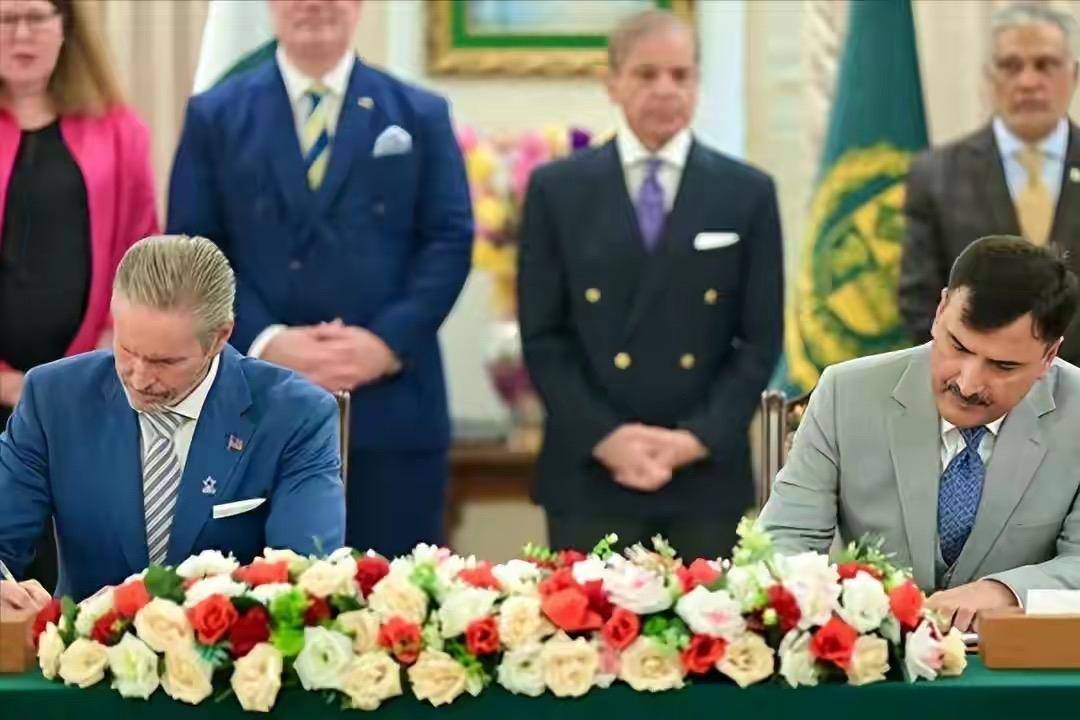
稀土反制有得解了?巴铁对美伸出援手,特朗普上桌的底气又足三分
Sou Hu Cai Jing· 2025-10-07 04:32
Group 1 - China is leveraging its rare earth resources as a strategic card in the context of US-China tensions, seeking negotiations to alleviate its critical domestic rare earth reserves situation [1] - The US is exploring a partnership with Pakistan to develop a port in Pasni, which could facilitate the transport of key minerals to the US, potentially enhancing its bargaining position in negotiations with China [1][2] - The proposed Pasni port could strategically counter China's influence by providing a closer alternative to Gwadar port, enhancing US military and economic interests in the region [2] Group 2 - Pakistan has expressed willingness to supply critical rare metals to the US, signing a $500 million investment agreement to establish a complete supply chain for rare earth elements [3] - Despite the strategic advantages, the US faces challenges in re-engaging with Pakistan due to ongoing terrorism issues and the complex geopolitical landscape involving China and India [5] - The immediate impact of the Pasni port strategy on US-China negotiations may be limited, as the US is currently more focused on agricultural concessions rather than intimidation tactics [7] Group 3 - Trump's strategy provides the US with new leverage but also introduces risks and uncertainties, emphasizing the need for China to maintain its long-term competitiveness in critical sectors like rare earths [9]
稀土王牌不吃香了?巴铁卖矿给美国救军工,其实中国早留有后手
Sou Hu Cai Jing· 2025-10-01 21:50
Core Viewpoint - The cooperation between the United States and Pakistan on rare earth development is driven by mutual needs: the U.S. seeks to secure rare earths for military use, while Pakistan aims to alleviate its economic crisis through foreign investment and technology support [1][3][4]. Group 1: Economic Context - Pakistan is facing a severe economic crisis characterized by high external debt, soaring prices, and a lack of funds, making the underground rare earth resources a potential lifeline [1][3]. - The U.S. is providing $500 million in investment along with technical support, which is crucial for Pakistan at this time [3]. Group 2: U.S. Military Needs - The U.S. military industry has become increasingly dependent on Chinese rare earths, which are essential for various military applications, leading to production delays due to recent export controls by China [4][6]. - The urgency for the U.S. to find alternative sources of rare earths is driven by the need to reduce reliance on China [4]. Group 3: Resource Compatibility and Challenges - Most of Pakistan's rare earths are light rare earths, while the U.S. requires medium and heavy rare earths, indicating a mismatch in resource availability [6]. - Establishing a complete supply chain for rare earths in Pakistan will take years, which may not meet the immediate demands of the U.S. military [6]. Group 4: China's Position - China maintains a dominant position in the rare earth market due to its comprehensive supply chain capabilities, making it difficult for other countries to compete in the short term [7][9]. - China's export control policies are designed to balance international demand while protecting its strategic resources [9]. Group 5: Security Concerns - The rare earth mines in Pakistan are located in regions with existing tribal conflicts and armed activities, raising security concerns for large-scale mining operations [11]. - Although the U.S. has promised security support, historical precedents show that foreign investments can be jeopardized by security issues [11]. Group 6: Strategic Implications - The rare earth cooperation between the U.S. and Pakistan represents a small episode in the broader U.S.-China geopolitical competition, with both countries pursuing their strategic interests [13].