非物质文化遗产

Search documents
非遗扬帆,陕西故事“出海”
Shan Xi Ri Bao· 2025-10-04 23:32
Core Insights - Shaanxi's intangible cultural heritage (ICH) is gaining international recognition through diverse innovations and cross-border collaborations, showcasing the rich cultural heritage of the Sanqin region and contributing to the province's cultural development [1] Group 1: Fashion and Cultural Exchange - The "Cloud of Orchid" international cultural exchange event at the 2025 China International Fashion Week featured exquisite Qiang embroidery garments, highlighting the cultural stories behind each piece and the appeal of ICH across borders [2] - Wang Xiaoqin, a provincial-level ICH representative, has established 10 training bases and 6 cooperatives, creating employment for over 1,700 women and expanding the market for Qiang embroidery products both domestically and internationally [2] Group 2: Cultural Performances and Exhibitions - At the Osaka Expo, traditional performances such as Fengxiang woodblock paintings and Shaanxi paper-cutting captivated audiences, demonstrating the vibrancy of Shaanxi's ICH in the context of modern Chinese development [3] - Wang Yixuan, a 21st-generation inheritor of Fengxiang woodblock painting, creatively integrated traditional elements with contemporary themes, attracting diverse audiences and promoting ICH through collaborations with major companies [3] Group 3: Youth Engagement and Global Outreach - The "Old Waist Drum ICH Goes to Campus" event in Yulin engaged 5,000 students, marking a shift from passive to active participation in cultural heritage, fostering local cultural identity among youth [4] - The Anse waist drum has gained international acclaim, performing at significant events and cultural exchanges in countries like Germany and South Korea, showcasing the global appeal of Shaanxi's ICH [4] Group 4: Culinary and Performing Arts - Shaanxi's cultural outreach includes performances of traditional arts like the Shaanxi Yangge and storytelling in Malaysia, allowing local audiences to experience the cultural richness of the Loess Plateau [5] - The innovative presentation of traditional arts, such as the performance of Shaanxi storytelling in Australia, has resonated with international audiences, reflecting the successful fusion of tradition and modernity [5]
文旅部:推动各地建设非遗工坊1.29万家,带动120万余人就业增收
Zhong Guo Xin Wen Wang· 2025-09-29 08:54
Core Viewpoint - The press conference highlighted the achievements in the high-quality development of culture and tourism during the "14th Five-Year Plan" period, emphasizing the integration of intangible cultural heritage (ICH) into daily life and its role in economic and social development [1]. Group 1: Non-Material Cultural Heritage Protection - The atmosphere for ICH protection has become more robust, with the issuance of guidelines and local regulations across 31 provinces, fostering a collaborative environment for ICH protection [2]. - Over 270 cultural ecological protection zones have been established for comprehensive protection of ICH and its cultural and natural environments, enhancing the connection between traditional practices and modern life [2]. Group 2: Active Transmission Practices - The Ministry of Culture and Tourism has promoted the integration of traditional transmission methods with modern education, resulting in over 100 universities offering ICH protection programs and training for more than 100,000 ICH inheritors [3]. - There is a growing trend of younger individuals and even foreign friends engaging in traditional practices such as playing the guqin and watching Kunqu opera, indicating a modernization and popularization of ICH [3]. Group 3: Economic and Social Benefits - The establishment of 12,900 ICH workshops has created job opportunities for over 1.2 million people, demonstrating the economic impact of ICH on local communities [3]. - The integration of ICH with tourism and local culture has enhanced cultural experiences for the public, showcasing the potential for ICH to serve as a local identity and attract tourism [3].
聚焦文旅商融合 “非遗+”京津对话论坛成功举办
Bei Jing Shang Bao· 2025-09-25 16:53
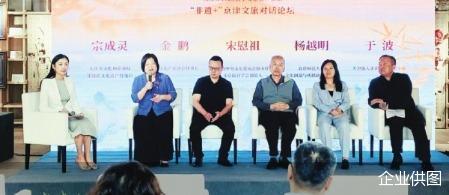
Core Viewpoint - The "Autumn Colors, Tianjin's Vibrancy" cultural tourism promotion event in Beijing aims to integrate intangible cultural heritage (ICH) with modern consumer demands, highlighting the importance of cultural preservation and innovation in the context of urban cultural development [1][3]. Group 1: Event Overview - The event features four main components: an ICH exhibition, a "Non-Heritage+" dialogue forum, an immersive pop-up market, and a government-enterprise matchmaking meeting [1]. - The "Non-Heritage+" forum focuses on the modern expression and commercial transformation of urban cultural IP against the backdrop of cultural and tourism integration [3]. Group 2: Forum Insights - The forum is hosted by renowned auctioneer and art finance PhD Zhou Peipei, with notable guests including Song Weizu, Zong Chengling, Yang Yueming, Jin Peng, and Yu Bo, who discuss various aspects of cultural and commercial symbiosis [3][4]. - Song Weizu emphasizes the need to align cultural concepts and artistic expressions with contemporary consumer preferences, particularly among younger audiences, by integrating traditional art with consumer demands [3][4]. Group 3: Future Directions - Zong Chengling identifies three key areas for future focus in ICH: integration with tourism, collaboration with cultural and creative industries, and the use of new media and technology [4]. - Yang Yueming points out the gap between urban cultural resources and cultural IP, stressing the importance of connecting cultural resources with contemporary lifestyles for effective transformation [4]. - Jin Peng notes that the combination of ICH and tourism creative products has entered a new phase, with a growing market and numerous representative products emerging [4]. Group 4: Cultural Preservation Strategies - Yu Bo advocates for "living inheritance" as the best form of protection for ICH, emphasizing the need for integration into daily life, leveraging technology, and connecting with industries to ensure market value [5].

(上合天津峰会)古韵新声:“上合时间”里的津门非遗
Zhong Guo Xin Wen Wang· 2025-08-30 09:01
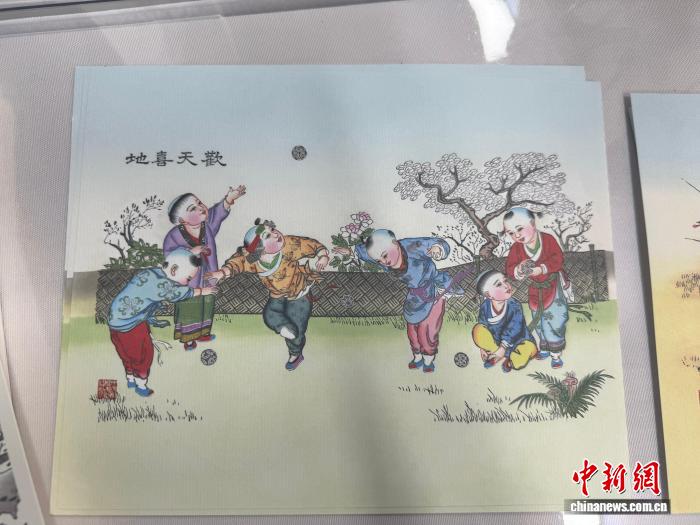
Group 1 - The article highlights the cultural significance of intangible heritage crafts showcased during the Shanghai Cooperation Organization summit in Tianjin, emphasizing the blend of traditional and modern elements [1][3]. - Yangliuqing woodblock New Year paintings and Zheng's lacquerware techniques are featured as key intangible cultural heritage items, with interactive experiences for visitors [1][3]. - The Yangliuqing woodblock New Year painting, particularly the "Tianjin Hometown" piece, has gained popularity among international guests, reflecting the cultural exchange facilitated by the summit [1][3]. Group 2 - The article discusses the hands-on experience of making lacquer fans, which is part of the Zheng's lacquerware technique, known for its interactive nature and cultural symbolism [3]. - The article mentions the collaboration between Tianjin Maritime Vocational College and Uzbekistan's Tashkent State Transport University, promoting vocational education in traditional crafts under the SCO framework [5]. - A visitor from Azerbaijan expresses appreciation for the vibrant colors and the opportunity to engage with Chinese historical culture through these heritage crafts [5].
灯芯草点染、泥人DIY……天津非遗让世界读懂中国
Yang Shi Xin Wen· 2025-08-29 17:30
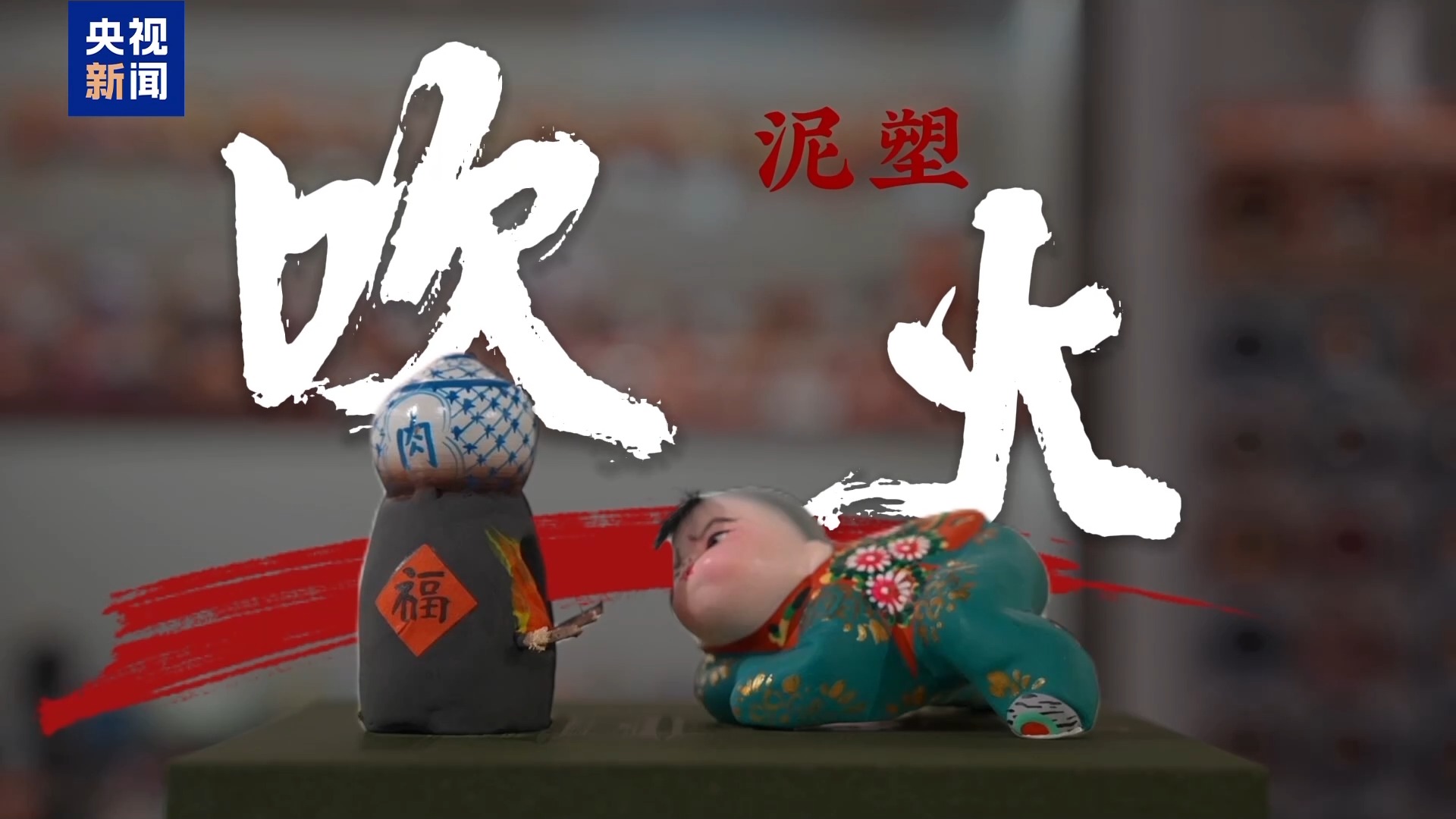
Core Points - The upcoming Shanghai Cooperation Organization summit in Tianjin will host over 20 foreign leaders and 10 international organization heads, creating a vibrant atmosphere in the city [1] - Traditional Chinese arts, such as Mud Figure Zhang and Yangliuqing Woodblock New Year Paintings, will be showcased during the summit, highlighting Tianjin's cultural heritage [9][14] Group 1: Mud Figure Zhang - The art of Mud Figure Zhang is a national intangible cultural heritage and serves as a cultural emblem for Tianjin [1] - Artisan Xia Qing will demonstrate the creation of lifelike mud figures, aiming to engage foreign media and visitors [3] - The challenge lies in making the art understandable and enjoyable for international guests, allowing them to experience and take home a piece of this unique "Chinese memory" [6] Group 2: Yangliuqing Woodblock New Year Paintings - Wang Yan, a key artist in the Yangliuqing Woodblock New Year Painting studio, will present classic works while incorporating innovative designs [10] - The exhibition will feature interactive elements, enhancing visitor engagement and showcasing traditional Chinese aesthetics [12] - The use of color processing and creative techniques aims to make the art accessible and enjoyable for participants [13] Group 3: Other Cultural Heritage - In addition to Mud Figure Zhang and Yangliuqing paintings, other intangible cultural heritages such as Zheng's lacquerware and wooden joint techniques will also be featured during the summit [14] - Tianjin is poised to warmly welcome guests from around the world, showcasing the brilliance of Chinese culture [14]
新疆是个好地方,体验非遗的“美”与“好”
Zhong Guo Qing Nian Bao· 2025-08-29 09:03
Core Viewpoint - The "Intangible Cultural Heritage (ICH) Aid Xinjiang Theme Exhibition" held in Hotan, Xinjiang, showcases the integration of traditional culture with modern technology, highlighting the potential of ICH in promoting cultural tourism and local economies [1][3][4]. Group 1: Event Overview - The exhibition features 435 representative ICH projects and 383 inheritors from Xinjiang and 25 other provinces, providing a platform for diverse activities including exhibitions, hands-on experiences, and performances [1][3]. - The event is part of a broader initiative to enhance cultural exchange and support local communities through the promotion of ICH [3][4]. Group 2: Technological Integration - Digital art installations like "Weaving Dreams" and "Paper-like Screen Wall" utilize technology to create immersive experiences, allowing audiences to interact with ICH in innovative ways [1][8]. - Companies are leveraging modern technology such as VR and AI to preserve and promote ICH, making it more accessible to contemporary audiences [10][11]. Group 3: Economic Impact - The transformation of villages like Ayagdund into cultural hubs demonstrates the economic potential of ICH, with significant improvements in local living conditions and tourism [3][4]. - The "Non-Heritage Summer Shopping Month" launched during the exhibition aims to promote ICH products that meet consumer needs and enhance local economies [11][12]. Group 4: Case Studies - The success of the walnut wood handicraft brand "Hehe Wood" illustrates how ICH can be commercialized effectively, achieving monthly sales of 200,000 to 400,000 yuan [14][15]. - The black tea production technique has evolved to improve efficiency and product quality, showcasing the balance between tradition and modern production methods [7][15].
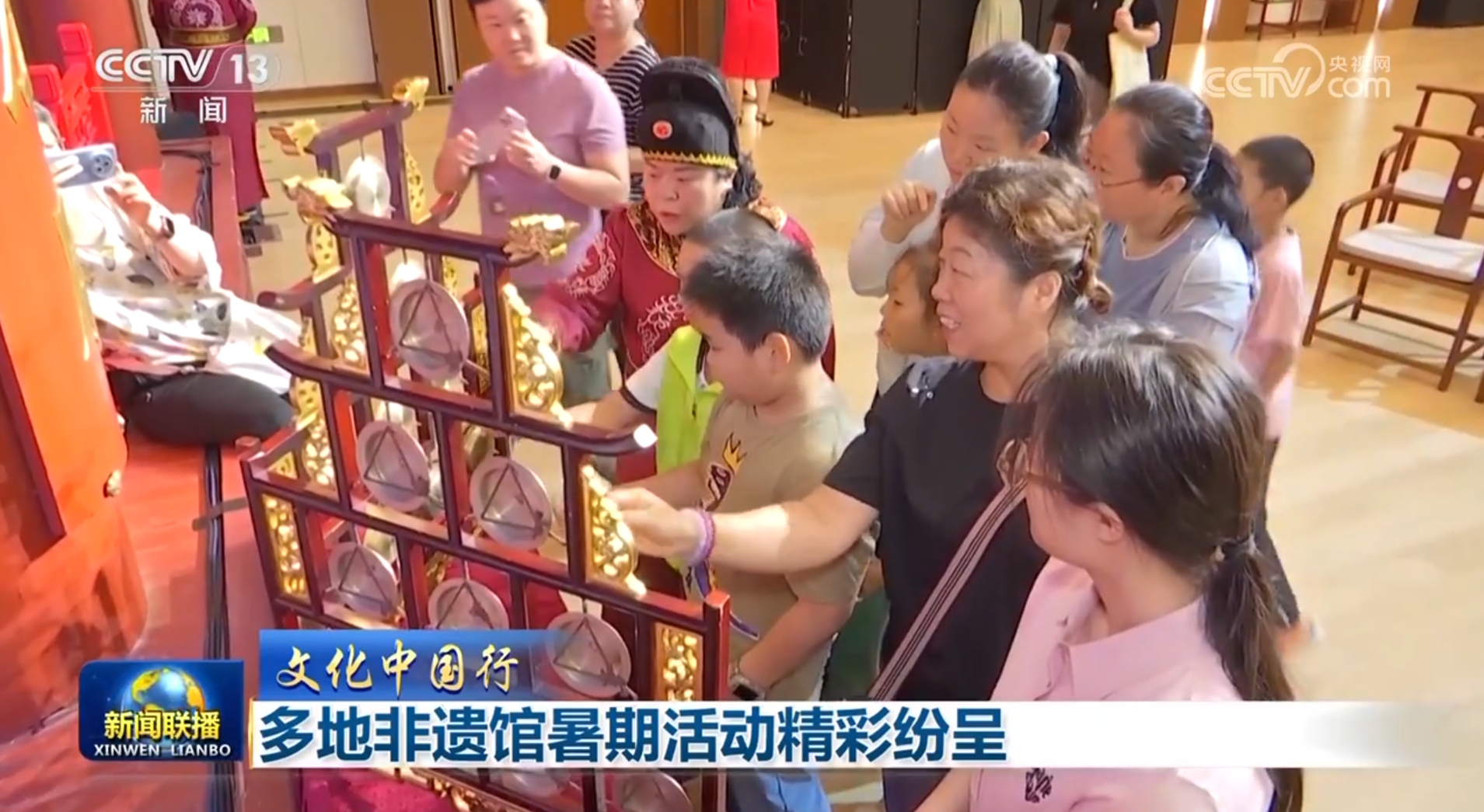
多地非遗馆暑期活动精彩纷呈
Yang Shi Wang· 2025-08-28 23:52
Core Insights - The article highlights the rich traditional cultural activities organized in various intangible cultural heritage venues across China during the summer, aimed at immersing children in the charm of intangible cultural heritage [1][2]. Group 1: Activities and Participation - Numerous venues have launched programs such as "Meet Intangible Heritage" and summer intangible heritage classes, featuring traditional projects like Guqin and Kunqu through explanations, performances, and interactive experiences [2]. - The China Intangible Cultural Heritage Museum has hosted nearly 500 performances and experiential activities during the summer, with an average daily attendance exceeding 13,000 visitors [2]. - The Hunan Provincial Intangible Cultural Heritage Protection Center's "I Come to Learn Skills" program includes over ten traditional Hunan intangible heritage crafts, with 45 fully booked experiential activities [2]. - In the ceramic experience activity in Changsha, children learned from heritage inheritors about this ancient craft [2]. - The Zhejiang Provincial Intangible Cultural Heritage Museum has conducted 90 exhibitions, performances, and experiential activities during the summer, with an average daily attendance of over 5,500 visitors [2]. Group 2: Educational Impact - Experts guided children in experiencing various traditional musical instruments, emphasizing the unique charm of Chinese music [2]. - Children engaged in hands-on learning of the indigo-dyed fabric technique, creating unique art pieces through different tying methods [2].
高品会上的非遗经济:当古老技艺成新潮消费
2 1 Shi Ji Jing Ji Bao Dao· 2025-08-28 03:47
Group 1 - The fourth China (Macau) International High-Quality Consumption Expo and Hengqin World Bay Area Forum will be held from September 3 to 7, featuring a special "Everlasting New" intangible cultural heritage exhibition area [1] - The exhibition will showcase intangible cultural heritage from various regions, integrating ancient techniques with contemporary trends, thus promoting cultural consumption [1][2] - The event aims to explore innovative paths for the integration of cultural and economic values, transforming traditional intangible cultural heritage into new consumption trends [1][2] Group 2 - The "Everlasting New" exhibition area will adopt a dual approach of "exhibition + experience," allowing visitors to engage with the heritage through hands-on activities, enhancing public recognition and driving consumption [2] - The vitality of intangible cultural heritage lies in continuous innovation and adaptation, with the expo facilitating the transition from display to participation and from protection to activation [2] - China has over 100,000 intangible cultural heritage projects and nearly 140,000 related enterprises, highlighting the potential for these cultural treasures to become new growth points in consumption [2] Group 3 - Macau's unique geographical and policy advantages position it as a key node in the Belt and Road Initiative, allowing the expo to integrate and promote intangible heritage resources within the global consumer market [3] - The event seeks to establish a sustainable development path that drives heritage transmission through consumption and stimulates innovation through market engagement [3]
【文化中国行】多地非遗馆暑期活动精彩纷呈
Yang Shi Wang· 2025-08-24 12:44
Group 1 - The core viewpoint of the articles highlights the rich traditional cultural activities organized by various intangible cultural heritage (ICH) venues across the country during the summer, aimed at immersing children in the charm of ICH [1][3]. - The China Intangible Cultural Heritage Museum hosted nearly 500 performances and experiential activities during the summer, attracting an average of over 13,000 visitors daily [3]. - In Hunan Province, the "I Come to Learn Skills" experiential activity featured over ten traditional ICH techniques, with 45 sessions fully booked, allowing children to learn from heritage inheritors [5]. - The Zhejiang Province ICH Museum conducted 90 experiential activities during the summer, with an average of over 5,500 visitors daily, where children learned unique dyeing techniques [7].
辉煌60载 魅力新西藏丨“世界屋脊”上非遗正青春
Xin Hua Wang· 2025-08-20 12:45
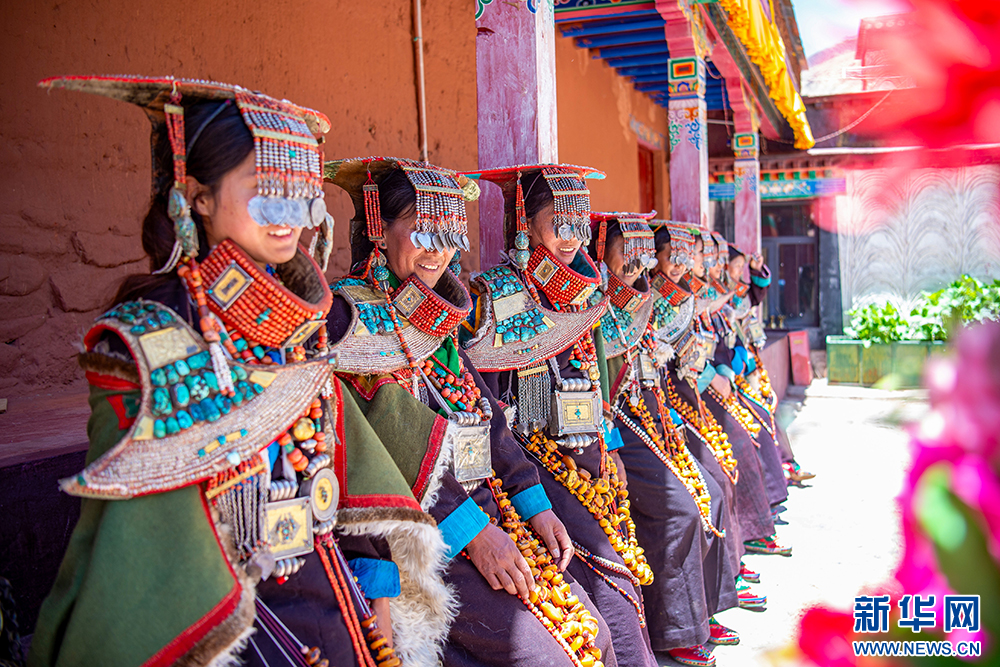
Core Viewpoint - The article highlights the efforts made in Tibet's Ali region to transition from static protection to dynamic innovation in the preservation and development of intangible cultural heritage, showcasing the significance of traditional culture in contemporary society [2][6]. Group 1: Cultural Heritage Initiatives - The Tibet Autonomous Region has made significant progress in the protection and innovation of cultural heritage over the past 60 years, leveraging its cultural resource advantages [2]. - From 2012 to 2024, a total of 473 million yuan has been allocated by the central and regional governments for the protection of intangible cultural heritage projects, documentation of national-level inheritors, and the construction of facilities for protection and utilization [2]. Group 2: Intangible Cultural Heritage Projects - There are currently 2,760 representative projects of intangible cultural heritage at various levels in Tibet, with 1,668 recognized inheritors [2]. - The "Guoerzi Dance," which has a history of over 1,300 years, was included in the national intangible cultural heritage list in 2011 [6]. - The "Xuan Dance," a traditional folk dance in Tibet, was recognized as a national intangible cultural heritage in 2008, incorporating elements of Tibetan opera, dance, and folk art [8]. Group 3: Traditional Costumes and Performances - The "Pulan Costume," known for its intricate design resembling a peacock, weighs over 20 kilograms and is adorned with gold, silver, amber, coral, and turquoise [2]. - The "Garl Traditional Costume," made from lambskin and wool, is characterized by its simple square shape and is both warm and decorative [10][12]. - The "Senguo Costume," referred to as the "Rainbow Costume," is made from five colors of fabric and is celebrated for its vibrant appearance [18].