外贸

Search documents
实探 | “我们没有自乱阵脚!”关税重压下,大湾区中小外贸企业迎难而上
券商中国· 2025-04-14 02:48
Core Viewpoint - The article discusses the impact of the U.S. government's fluctuating tariffs on China, highlighting the resilience and adaptability of Chinese export-oriented companies in the face of these challenges [2][4][6]. Group 1: Tariff Impact - The U.S. government recently raised tariffs on Chinese goods to an unprecedented 125%, but subsequently exempted certain electronic products from these tariffs [2]. - Since the onset of the trade war, China's exports to the U.S. have decreased from 19.2% of total exports in 2018 to an estimated 14.7% in 2024, while U.S. investments in China have reached a record high of $1.27 trillion [4]. Group 2: Company Responses - Companies are not panicking but are instead strategizing their next steps, indicating a shift in mindset after eight years of trade conflict [4][14]. - Many companies plan to expand their business into non-U.S. markets, particularly in Europe and other emerging markets, to mitigate the impact of tariffs [8][12]. Group 3: Market Opportunities - Despite the high tariffs, some U.S. clients continue to place orders, demonstrating confidence in Chinese products and the competitive advantages they offer [4]. - Companies are exploring new markets and adapting their strategies to meet local consumer demands and cultural preferences in regions such as Europe, Central Asia, Southeast Asia, and Africa [8][10]. Group 4: Logistics and Supply Chain Adjustments - Logistics companies are adjusting their operations to follow client needs, indicating a proactive approach to changing market dynamics [10]. - Companies like 华夏物流 have already begun expanding their logistics networks in response to geopolitical changes, focusing on regions like Europe [11]. Group 5: Long-term Strategies - Companies are considering long-term strategies such as price adjustments, shifting supply chains, and increasing sales in alternative markets to counteract the effects of tariffs [11][12]. - The sentiment among many business leaders is one of resilience, with a belief that innovative solutions will emerge from the current challenges [13][14].


充分发挥超大规模国内市场优势应对外部冲击
第一财经· 2025-04-14 00:44
导读 :应对外部冲击重要的是保持定力、做好自己的事,外部冲击是考验也是转型平衡发展的机遇。 作者 | 一财评论员 2025.04. 14 本文字数:1606,阅读时长大约3分钟 在日前举行的商务部4月第2次例行新闻发布会上,商务部新闻发言人表示,将坚定不移推进高水平 对外开放,坚定不移走好自己的发展路,稳步推进内外贸一体化工作。更好发挥超大规模国内市场优 势,共同应对外部冲击。 具体措施包括,持续举办"外贸优品中华行"活动,搭建外贸企业拓内销平台,在市场准入、渠道开 拓、财政金融、服务保障等方面加大对外贸企业拓内销的帮助力度,促进内外贸渠道对接、品牌对 接、产销对接、标准对接。 11日,中国商业联合会联合中国连锁经营协会、中国百货商业协会、中国烹饪协会等七家协会发布 了倡议书,其中指出,当前拓展国内市场、促进内外贸联动发展,做好出口商品转内销的工作,已成 为当务之急。 外贸企业也早已在拓展国内市场上加快布局。由此,就形成了政府部门、行业协会、外贸企业等多方 合力的局面。 超大规模国内市场有能力缓冲外部不确定性带来的冲击。2024年,我国社会消费品零售总额达到 48.8万亿元,在促消费政策的支持下,这一数字还将 ...
应对关税冲击!全国多地谋实策出真招:出政策、送服务、拓市场!
Zheng Quan Shi Bao· 2025-04-12 13:05
在4月10日举行的商务部例行新闻发布会上,商务部新闻发言人表示,近期,美国以各种借口宣布对包 括中国在内的所有贸易伙伴滥施关税,严重侵犯中方企业正当权益,严重冲击全球经济秩序稳定,中方 对此强烈谴责、坚决反对。作为全球第二大经济体和第二大商品消费市场,面对美国霸凌关税,我们将 坚定不移推进高水平对外开放,坚定不移走好自己的路,以自身的稳定发展为全球经济注入更多确定 性。 商务部新闻发言人还表示,近日,商务部已组织有关商协会、大型商超和流通企业座谈,研究更好发挥 各自优势,帮助外贸企业扩宽内销渠道。"我们将坚定不移办好自己的事,以中国的确定性对冲外部环 境的不确定性。我们将帮助出口遇阻的外贸企业开拓国内市场,用好消费品以旧换新政策,办好外贸优 品中华行等系列活动,深入开展内外贸一体化工作等。可以看到,中国超大规模市场潜力不断释放,稳 经济、稳外贸政策接续发力,中国外贸有信心、有底气应对各种风险挑战。" 而为了帮扶外贸企业度过挑战,全国各地也正积极出台相关扶持政策,尤其是一些外贸大省、大市已经 率先行动起来,"送资金、送政策、送服务"。 深圳:为外贸企业送上政策"及时雨" 近日,中国(深圳)国际贸易单一窗口与创贸 ...
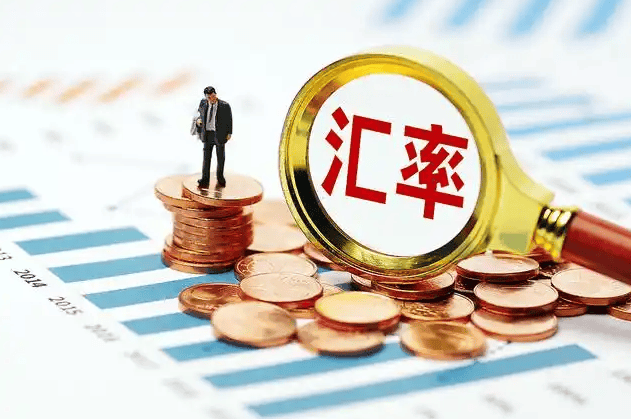
什么是汇率风险,利多星为你层层揭秘
Sou Hu Cai Jing· 2025-04-12 05:22
Core Viewpoint - Exchange rate risk, also known as foreign exchange risk, refers to the potential for loss (or gain) due to fluctuations in currency exchange rates affecting the value of assets, liabilities, income, or expenses denominated in foreign currencies [1][5]. Group 1: Types of Exchange Rate Risk - Transaction risk is the most common form of exchange rate risk, occurring during transactions priced in foreign currencies. For example, a Chinese export company expecting to receive 1 million USD may face a loss if the exchange rate changes unfavorably before payment is received [4]. - Translation risk, also known as accounting risk, arises when a company needs to convert its functional currency into its reporting currency for financial statements. A depreciation of the local currency against the reporting currency can lead to reduced asset and profit values in the consolidated financial statements [4]. - Economic risk, or operational risk, involves unexpected exchange rate changes that can affect a company's future revenues or cash flows by altering production costs, sales volumes, and pricing strategies. For instance, a sudden appreciation of the local currency can make exported products more expensive, potentially reducing sales [4]. Group 2: Impact and Management of Exchange Rate Risk - In the current international trade environment, exchange rate risk significantly impacts companies, particularly in foreign trade. For export-oriented firms, local currency appreciation can reduce price competitiveness and profit margins, while for import-oriented firms, local currency depreciation can increase costs [5]. - To assess and manage exchange rate risk, companies need to monitor factors influencing currency fluctuations, such as international balance of payments, foreign exchange reserves, interest rates, inflation, and political conditions. Financial instruments like foreign exchange forward contracts, futures, and options can be utilized for hedging [5]. - Companies should also optimize their choice of settlement currencies and adjust pricing strategies for imports and exports to mitigate the impact of exchange rate fluctuations [5].
冲上热搜!浙江义乌 “最牛老板娘”霸气喊话美国客户→
第一财经· 2025-04-12 02:54
微信编辑 | 格蕾丝 推荐阅读 新修订《婚姻登记条例》自5月10日起施行 作者 | 第一财经 丁玎、朱斌、杨立培 近期,美国所谓的"对等关税"阴影笼罩全球,也让义乌这座外贸之城备受关注。在浙江义乌,第一财 经记者遇到了万圣节用品类目的头部商户聂自勤,同时也是义乌商贸城评选的"最牛老板娘"之一。她 的美国市场业务占比达到50%左右,此次受到一定影响,目前正在把部分订单转到欧盟市场,接下来 的重心则是放在国内市场做一系列的年货产品。她相信通过拓欧盟、转内销,也能做得很好。 2025.04. 12 本文字数:262,阅读时长大约2分钟 FS 下 ...
2024年中国外贸B2B SaaS行业研究报告-艾瑞咨询
Sou Hu Cai Jing· 2025-04-09 03:48
Group 1: Overview of Foreign Trade B2B SaaS Industry - The report provides a comprehensive market insight into the foreign trade B2B SaaS industry, covering the development environment of foreign trade enterprises, SaaS market characteristics, competitive landscape, and development trends [1] - In 2023, the growth rate of foreign trade exports slowed down, with a slight recovery expected in 2024. The export of machinery and equipment remains stable, with B2B business accounting for 58% of the overall foreign trade market exports and approximately 70% in the cross-border e-commerce market [1][22] - The domestic market has formed multiple industrial clusters, enhancing foreign trade competitiveness, while export destinations are gradually shifting from Europe and the United States to Southeast Asia and emerging markets [1][25] Group 2: Characteristics of Foreign Trade SaaS Market - Foreign trade B2B SaaS can be categorized into four types based on business processes: business growth, operational management, cross-border payment, and compliance, with product functions increasingly integrated towards a unified foreign trade operation [3] - The market size of foreign trade B2B SaaS is projected to reach approximately 7.8 billion yuan in 2024, with expected modest growth in the next 2-3 years driven by AI and cross-border payment sectors [3][4] Group 3: Competitive Landscape of Foreign Trade SaaS - Foreign trade SaaS vendors are classified into platform-type, tool-type, and resource-type, with platform-type vendors being concentrated at the top, while resource-type vendors compete based on ecological barriers [4] - In the tools category, business growth and compliance segments are concentrated at the top, while website building and ERP solutions are relatively fragmented. Companies like Xiaoman OKKI lead the first tier due to mature products and support from Alibaba's ecosystem [4] Group 4: Development Trends of Foreign Trade SaaS - The competitive domestic environment is prompting SaaS vendors to expand overseas, with mid-tier and smaller vendors focusing on emerging markets like Southeast Asia, while top vendors target medium to large clients in Europe and the U.S. [5] - AI applications are transitioning from automation to enhanced decision-making across various scenarios, with a focus on customer relationship management, enterprise risk monitoring, and compliance in foreign trade environments [5][42]

AI挤走了实习生
投资界· 2025-04-05 07:24
以下文章来源于AI故事计划 ,作者陈漫曼 人在AI时代的命运。这个编辑部致力于记录AI时代的真实故事。 下半场竞争。 作者 | 撰文|陈漫曼 编辑|温丽虹 来源 | AI故事计划 (ID:AIstory1) AI的出现,挤走了办公室里的实习生。 在职场,实习生往往承担部分简单的工作,来换取积累经验的机会。也因为职责简单, AI出现后,实习生成为了办公室里最先被挤走的角色。 AI故事计划 . 实习是工作的预演,为人们从学生阶段过渡到职场积累经验。在这个阶段,学生们可以 提前直面工作中的具体事务和磨难的挑战,与此同时,用人单位也会提供给实习生更多 试错的容忍度。 AI来了,实习生们被"卷"着进入了下半场竞争。 实习生的工位空了 办公室的最后一排空了,那原本是留给实习生的工位。 在上海长宁,黄莱春节假期后回到公司,就开始劝退组内的实习生。在这家主营灯具的 企业,黄莱主要负责儿童智能台灯的市场运营与媒介投放。日常工作的内容,就是联系 社交平台上用户画像与产品用户相符的博主,和他们合作投放推广内容、维护推广后的 舆情。过往,公司配给黄莱2到3名实习生协助工作。 复工前,黄莱接到通知,公司重新规划了使用实习生的策略,把配 ...
二季度中国宏观分析报告:压力仍大,亮点涌现
Shan Jin Qi Huo· 2025-03-25 08:13
Group 1: Trade and Economic Challenges - The US has imposed an additional 10% tariff on Chinese goods, raising the cumulative tariff to 20%, with the overall tariff rate on Chinese exports potentially reaching 45%[7] - The trade war has led to a significant decline in bilateral trade, with the proportion of US imports from China dropping from 18% in 2018 to 11% in 2023[9] - China's export growth is expected to face further pressure, with a forecasted decline in export growth for 2025 due to rising tariffs and stricter "origin" requirements[9] Group 2: Real Estate Market Dynamics - In the first two months of the year, national real estate development investment was 1,072 billion yuan, a year-on-year decline of 9.8%[13] - New housing sales area decreased by 5.1% year-on-year, indicating ongoing challenges in the real estate sector[13] - The pressure on real estate companies to deliver projects is increasing, with a significant rise in unsold residential properties, which grew by 6.6% year-on-year[13] Group 3: Fixed Asset Investment and Consumption - Fixed asset investment (excluding rural households) reached 52,619 billion yuan in January-February, with a year-on-year growth of 4.1%[19] - Consumer confidence remains low, with per capita disposable income growth at only 3.9%, leading to a decline in consumption willingness[21] - Retail sales in January-February totaled 83,731 billion yuan, reflecting a modest year-on-year growth of 4.0%[21] Group 4: Policy Responses and Economic Outlook - The fiscal deficit is projected to increase to 5.66 trillion yuan, with a deficit rate of around 4%, aimed at stimulating economic growth[26] - Monetary policy is expected to shift towards easing, with indications of potential interest rate cuts and reserve requirement ratio reductions[30] - The overall economic environment is anticipated to stabilize in the second quarter, despite ongoing pressures from the trade war and domestic challenges[37]
季节性因素致通胀走弱,强力稳增长政策稳定预期
AVIC Securities· 2025-03-12 06:01
Investment Rating - The industry investment rating is "Overweight," indicating that the growth level of the industry is expected to exceed that of the CSI 300 index in the next six months [25]. Core Insights - The government has set a GDP growth target of around 5% for 2025, maintaining a balance between short-term stability and long-term transformation, reflecting a pragmatic yet challenging policy stance [1]. - The fiscal deficit is projected at 5.66 trillion yuan, with a deficit rate of around 4%, marking a historical high for the two sessions, which aligns with the direction of a more proactive fiscal policy [2]. - The issuance of special bonds and local government bonds is expected to reach 6.2 trillion yuan this year, significantly higher than the previous year's total of 4.9 trillion yuan, indicating an increase in effective fiscal spending [3]. - The monetary policy is characterized as "moderately loose," with expectations for potential reductions in reserve requirements and interest rates throughout the year [4]. - CPI is projected to show a "high-low-high" trend throughout the year, with an expected year-end CPI increase of around 1.2% [12]. - PPI is anticipated to narrow its decline throughout the year, with a forecasted annual decrease of -1.2% [14]. Summary by Sections Macroeconomic Policy - The government work report emphasizes a combination of "expansive fiscal and monetary policies" to stabilize growth expectations [1][4]. - The fiscal policy aims to enhance domestic demand through increased public spending and special bond issuance [2][3]. Inflation and Price Trends - February 2025 CPI showed a year-on-year decrease of -0.7%, with core CPI also negative for the first time since January 2021 [11]. - The CPI is expected to rise later in the year due to strong growth policies and increased consumer spending [12]. Trade and Export Performance - Exports in the first two months of 2025 increased by 2.3% year-on-year, while imports decreased by 8.4%, indicating a mixed trade environment [15]. - The impact of U.S. tariffs on exports has not yet fully materialized, suggesting resilience in certain sectors [17]. Market Performance - The REITs market experienced a limited rebound, with the CSI REITs index up by 1.14% [18]. - Market liquidity has decreased, with average daily trading volume dropping to 787 million yuan [19].
每个字都是信号,今年《政府工作报告》有何不同?
吴晓波频道· 2025-03-05 17:34
Group 1 - The core viewpoint of the article emphasizes the shift in the government's economic policy focus from macro policy consistency to a stronger emphasis on people's livelihood, particularly in promoting consumption and expanding domestic demand [5][10]. - The GDP target remains around 5%, but its implications have changed due to ongoing economic structural adjustments and a more challenging external environment [10][12]. - The report indicates an increase in the fiscal deficit rate to 4%, reflecting a more proactive fiscal policy, with general budget expenditures expected to grow by 4.2% [12][13]. Group 2 - The report highlights the importance of enhancing consumer capacity and willingness through fiscal subsidies and improving social security systems [14][15]. - It suggests that the government should focus on optimizing supply structures and increasing the proportion of high-end manufacturing to meet demand [17]. - The report also emphasizes the need for a stable market environment for foreign trade and investment, with specific measures to support cross-border e-commerce and financial services [23][24]. Group 3 - The legislative process in China is outlined, detailing the stages from proposing legal drafts to their approval and publication [26][28]. - The report indicates potential improvements in financial regulations, green finance, and AI supervision, which may lead to new laws and regulations [29][30]. - It stresses the need for a transparent legal framework to protect investors' rights and improve the business environment [31][32]. Group 4 - The real estate sector is identified as a key area for risk mitigation in 2025, with a focus on compliance financing and optimizing resource allocation [34][35]. - The concept of "good housing" is introduced, indicating a shift towards a new development model in real estate that emphasizes safety, comfort, and sustainability [36][37]. - The report highlights the importance of stabilizing the housing market and improving demand through various supportive measures [39][42]. Group 5 - The report underscores the significance of addressing issues related to private enterprises and the relationship between government and market dynamics [44][45]. - It emphasizes the need for equal treatment of private enterprises in government procurement and market access [50][51]. - The report suggests that improving the business environment for private enterprises is crucial for economic growth [48][49]. Group 6 - The report identifies key sectors for investment, including biotechnology, quantum technology, and artificial intelligence, which are expected to drive stock market activity [53][55]. - It mentions the potential establishment of a market stabilization fund to support the stock market amid ongoing uncertainties [54][56]. - The overall outlook for Chinese assets remains positive, with expectations of continued recovery despite short-term market fluctuations [56].