饮料

Search documents
港股异动 | IFBH(06603)尾盘涨近6% 基石投资者六个月禁售期即将届满
智通财经网· 2025-12-29 07:26
Core Viewpoint - IFBH has seen a significant increase in stock price, rising nearly 6% towards the end of trading, with a current price of 15.48 HKD and a trading volume of 40.99 million HKD [1] Company Overview - IFBH focuses on coconut-based beverages, primarily owning the brands if and Innococo [1] - According to a report by Zhi Shi Consulting, IFBH has maintained the top position in the coconut water beverage market in mainland China for five consecutive years since 2020, with a market share of approximately 34% in 2024, surpassing its second-largest competitor by more than seven times [1] Shareholder Information - The lock-up period for IFBH's cornerstone investors is nearing its end, with the final date for compliance being December 29, 2025 [1] - A total of 11 shareholders will have their shares unlocked, amounting to 11.15 million shares [1]
84%中国人误认的“国货”利润骤降,日本饮料巨头的中国光环正在褪色
3 6 Ke· 2025-12-29 03:25
Core Insights - Suntory, a Japanese beverage giant, is facing unprecedented challenges in the Chinese market, with a 9.2% year-on-year decline in operating profit for Q3 2025, despite revenue reaching 1,278.1 billion yen [1][2] - The company's market share in the sugar-free tea segment has been significantly eroded, with competitors like Nongfu Spring capturing over 70% of the market, while Suntory's share has dropped to 8.7% [1][3] Financial Performance - Suntory's operating profit for the first three quarters of 2025 was 126.5 billion yen, down 9.2% year-on-year, with Q3 profit at 91.7 billion yen, reflecting a 9.9% decline [2] - The only region showing growth in both revenue and profit is Europe, while the Asia-Pacific region, including China, has seen double-digit profit declines [2] Market Dynamics - The sugar-free tea market is experiencing a slowdown, with sales growth dropping from over 127% in early 2023 to just 8.09% by Q4 2024 [2][8] - Suntory's market share in the sugar-free tea segment fell from 21.12% in 2024 to 12.04% in 2025, indicating a continuous downward trend [2] Competitive Landscape - Nongfu Spring's market share in the sugar-free tea segment increased by 10.94 percentage points to 79.36% by June 2025, while Suntory's share decreased by 6.96 percentage points [3] - Local brands have established extensive distribution networks, posing challenges for Suntory, which relies heavily on convenience stores and large supermarkets [4] Channel Strategy - Suntory has recognized the need for channel adjustments and is restructuring its sales regions to better align with market characteristics [5] - The company is facing limitations in penetrating lower-tier cities, where local brands have a stronger presence [4] Product Innovation - Suntory has been slow in product innovation, focusing primarily on oolong tea, while competitors have diversified their offerings across various tea types [6] - In 2025, Suntory announced nearly 10 new products, including new flavors and a new brand focused on differentiated sugar-free tea [6][7] Consumer Trends - The sugar-free tea market is shifting from a growth phase to a competitive phase, with increasing market concentration among leading brands [8] - Consumer preferences are evolving, with a growing demand for products that provide emotional value rather than just hydration [8] Future Outlook - Suntory remains optimistic about the long-term potential of the sugar-free tea market in China, driven by a trend towards healthier lifestyles [9] - The company is aware that it needs to undergo significant transformation, not just in product innovation but also in channel penetration and brand communication [9]
中国经济样本观察·企业样本篇丨“小饮品”何以释放大能量——东鹏饮料转型记
Xin Hua Wang· 2025-12-29 03:14
Core Viewpoint - Dongpeng Beverage has transformed from a near-bankrupt company to a market leader in the functional beverage sector, achieving over 10 billion yuan in annual sales through continuous innovation and market segmentation [1][2]. Group 1: Market Position and Growth - The functional beverage market in China has surpassed 100 billion yuan, with Dongpeng's flagship product, Dongpeng Special Drink, leading the market [2]. - Dongpeng Beverage reported revenue of 16.844 billion yuan and a net profit of 3.761 billion yuan for the first three quarters of 2025, marking year-on-year growth of 34.13% and 38.91% respectively [4]. Group 2: Product Development and Innovation - Dongpeng Special Drink was launched in 1997 after extensive research on ingredient ratios, focusing on high-quality and cost-effective domestic functional beverages [2]. - The introduction of a PET bottle with a dust-proof cap in 2009 significantly increased market share by enhancing consumer trust and convenience [3]. - The company has developed a new sugar-free version of Dongpeng Special Drink, incorporating L-α-glycerylphosphorylcholine to cater to health-conscious consumers [9][10]. Group 3: Competitive Strategy - Dongpeng Beverage has adopted a digital marketing strategy by implementing a coding system for each bottle, allowing for better tracking of sales and inventory [6][7]. - The company emphasizes consumer feedback in product development, leading to the successful launch of the 500ml "Big Gold Bottle," which has become a best-seller [8]. Group 4: Future Expansion Plans - Dongpeng Beverage aims to increase its international presence, with plans to expand into over 20 countries and regions by 2026, marking 2025 as its "outbound year" [12]. - The company aspires to elevate its brand to a global level, similar to Coca-Cola, by increasing its overseas revenue share [12].

中国经济样本观察·企业样本篇|“小饮品”何以释放大能量——东鹏饮料转型记
Xin Hua She· 2025-12-29 03:09
Core Insights - Dongpeng Beverage has transformed from a near-bankrupt company to a market leader in the functional beverage sector, achieving over 10 billion yuan in annual sales [1] - The functional beverage market in China has surpassed 100 billion yuan, with Dongpeng's flagship product, Dongpeng Special Drink, leading the market [1] Company Development - Dongpeng Beverage was founded in 1988 by Lin Muqin, who recognized the potential of the beverage industry in Shenzhen [1] - The company faced bankruptcy in 2003 but chose to invest in its brand and production capabilities, leading to a successful turnaround [1] - Dongpeng's revenue for the first three quarters of 2025 reached 16.844 billion yuan, with a net profit of 3.761 billion yuan, marking a year-on-year growth of 34.13% and 38.91% respectively [1] Product Innovation - Dongpeng Special Drink was launched in 1997, featuring a unique blend of taurine, B vitamins, and other ingredients that enhance energy and reduce fatigue [1] - The introduction of a PET bottle with a dust-proof cap in 2009 significantly increased market share by improving hygiene and convenience [1] - The company has developed a new sugar-free version of Dongpeng Special Drink, which includes L-α-glycerylphosphorylcholine to help alleviate brain fatigue, catering to the growing health-conscious consumer base [2] Market Strategy - Dongpeng Beverage employs a digital marketing strategy that includes product coding for better tracking and consumer engagement [1] - The company is expanding its product line to include electrolyte drinks and tea-based beverages, aiming to diversify its offerings and reach more consumers [1][2] - Dongpeng is targeting international markets, with plans to increase its overseas revenue, having already exported products to over 20 countries [2]
中国人最爱喝的饮料,大多数都不及格
3 6 Ke· 2025-12-29 02:55
Core Viewpoint - Shanghai is implementing a beverage "nutritional choice" grading system, marking a nationwide first in China, aimed at reducing sugar consumption among residents [1][2]. Group 1: Grading System Overview - The grading system categorizes beverages into four levels: A, B, C, and D, with A being the healthiest and D the least healthy [1][2]. - Manufacturers are required to label C and D grade beverages, effectively informing consumers about their health risks [2][5]. - The grading is based on three main criteria: sugar content, saturated fat content, and the presence of non-sugar sweeteners [2][5]. Group 2: Specific Criteria for Grading - A grade beverages must have sugar content ≤ 1g/100ml and saturated fat ≤ 0.7g/100ml, with no added sweeteners [5]. - D grade beverages have sugar content > 10g/100ml and saturated fat > 2.8g/100ml, and face advertising bans with fines for violations [5][6]. - The grading applies broadly to packaged drinks, including water, milk, plant-based milk, meal replacements, and even some infant formulas [5][6]. Group 3: Comparison with Singapore - Singapore has already implemented a similar grading system, which has been described as the strictest in history, requiring manufacturers to label drinks based on sugar content [1][2]. - The Singaporean system has expanded to include freshly made drinks like milk tea and fruit juices, indicating a trend towards stricter regulations on sugary beverages [1][2]. Group 4: Health Implications - The average sugar intake in Singapore is significantly higher than recommended levels, with many residents consuming around 60g of sugar daily, primarily from sugary drinks [18]. - In China, the average daily sugar intake is lower at 21g, but there are concerns about the rising health issues related to sugary beverage consumption, including a 95% increase in deaths from related diseases from 1990 to 2019 [22][26]. - The grading system could serve as a model for China to address its own rising health concerns linked to sugar consumption [19][22].


「大窑」最后也没坚持住…
Sou Hu Cai Jing· 2025-12-29 01:39
Core Viewpoint - The recent leadership change at Dayao, with founder Wang Qingdong stepping down and Dai Cheng taking over, signals a significant shift towards capitalizing the company, likely involving a deal with KKR, a major US private equity firm [1][3][4]. Company Dynamics - Wang Qingdong, the founder, previously stated a firm refusal to accept foreign investment, emphasizing Dayao's independence [3]. - KKR is reported to have acquired 85% of the shares in Yuanjing International, which is likely the overseas holding entity for Dayao, indicating a strategic move towards international investment [4]. - Dai Cheng, who has a background in international private equity, is expected to play a crucial role in the company's management, although his exact relationship with Dayao remains somewhat unclear [5]. Financial Performance - Dayao's sales for 2023 reached 3.2 billion yuan, significantly outperforming competitors like Beibingyang and Bingfeng, with projections to exceed 5 billion yuan in 2024 [9]. - The company boasts a high profit margin, with a gross profit of over 3 yuan per bottle, which is notably higher than international brands like Coca-Cola [9]. Market Position and Strategy - Dayao's sales are primarily driven by the food and beverage sector, with 70%-80% of sales coming from barbecue stalls, hot pot restaurants, and street vendors, creating a strong customer loyalty with an 80% repurchase rate [9]. - Despite its stronghold in northern markets, Dayao faces challenges in expanding into southern markets, indicating a need for strategic adjustments to support nationwide growth [9][11]. - The entry of external capital and management expertise is seen as a necessary step to address the company's limitations in market expansion and operational management [11].
这家药企要在创新上动真格了
Di Yi Cai Jing Zi Xun· 2025-12-28 10:17
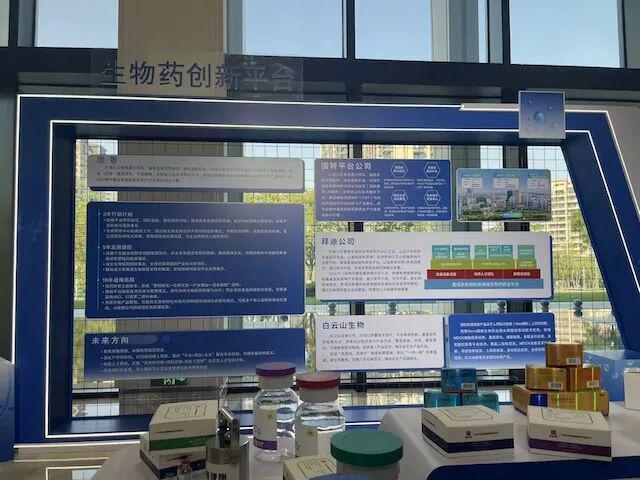
Core Viewpoint - The new leadership of Guangzhou Pharmaceutical Group aims to lead the company out of a low operational period by focusing on technological innovation and transformation during the 14th Five-Year Plan period [3]. Group 1: Innovation Strategy - The company plans to invest between 10 billion to 15 billion yuan in research and development and 20 billion to 30 billion yuan in industrial investment and acquisitions during the 14th Five-Year Plan [3]. - The strategy includes building incubation platforms, aggregating innovation ecosystems, and enhancing talent acquisition and platform development to accelerate innovation transformation [3][6]. Group 2: Business Performance - Guangzhou Pharmaceutical Group's listed company, Baiyunshan, derives its revenue from three main sectors: traditional Chinese medicine, health products, and pharmaceutical distribution [3]. - The pharmaceutical distribution sector generated 29 billion yuan in revenue in the first half of 2025, accounting for nearly 70% of Baiyunshan's total revenue, but with a low gross margin of 6.13% [4]. - The health products sector followed with a revenue of 7.02 billion yuan and a gross margin of 44.67%, while the traditional Chinese medicine sector generated 5.24 billion yuan with a gross margin of 49.71% [4]. Group 3: Challenges and Market Dynamics - The health products and traditional Chinese medicine sectors are experiencing sluggish growth due to intense competition in the beverage industry and ongoing drug procurement policies [5]. - Traditional pharmaceutical companies that have prioritized innovation are seeing growth in sales of innovative drugs and external licensing, contrasting with the challenges faced by traditional Chinese medicine companies, which struggle with innovation capacity and aging product structures [5]. Group 4: Commitment to Innovation - Baiyunshan's R&D investment was only 828 million yuan in 2024, representing just 4.26% of the company's revenue, indicating a need for increased focus on innovation [6]. - The company is committed to a dual approach of self-research and acquisitions to drive innovation, aiming for results from acquisitions within one to two years and from self-research within five to ten years [6].
山楂树下歧视山东?流言、AI和静默如何酿成舆论风暴
3 6 Ke· 2025-12-28 01:01
Core Viewpoint - The brand "Shanzha Tree Under" is facing a public relations crisis due to allegations of regional discrimination against consumers in Shandong, sparked by limited sales policies and negative comments from staff during a live broadcast [1][2][6][25]. Group 1: Incident Overview - The controversy began with a customer service interaction where it was stated that products were limited in certain regions, including Shandong [2][25]. - A live broadcast incident where a host made inappropriate remarks about Shandong consumers further fueled the outrage [6][25]. - The brand's silence and lack of a timely response allowed misinformation to spread, exacerbating the situation [12][26]. Group 2: Brand Response - "Shanzha Tree Under" issued an apology acknowledging the issues with regional sales policies and the negative impact on consumer experience [9][10]. - The apology was widely circulated but was criticized for lacking authenticity and proper documentation, leading to suspicions of it being fabricated [10][12]. - Despite the apology, the brand's failure to provide a clear and transparent explanation contributed to ongoing consumer dissatisfaction [32][45]. Group 3: Market Impact - The incident has led to a significant backlash against "Shanzha Tree Under," with consumers expressing their discontent by publicly disposing of the product [1][12]. - Competing brands have seized the opportunity to market themselves as more favorable alternatives to Shandong consumers, emphasizing local identity [34][35][40]. - The negative perception of "Shanzha Tree Under" could have long-term implications for its market position, especially in a highly competitive beverage industry [44][45].
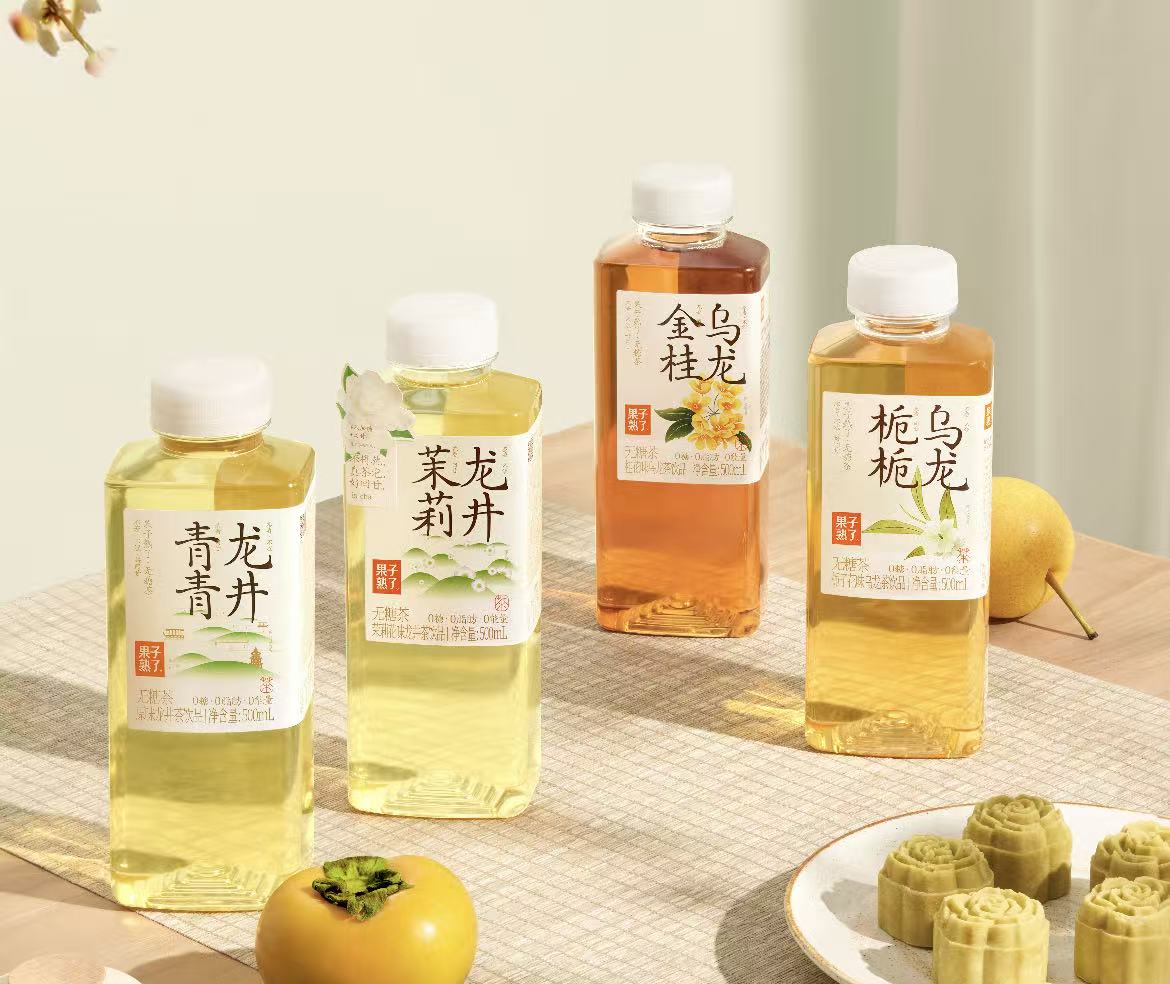
果子熟了拿下无糖茶排位赛后怎么打?
Xin Lang Cai Jing· 2025-12-26 11:19
Core Insights - The beverage brand "Guo Zi Shu Liao" has stabilized its position in the sugar-free tea market and is expected to rank among the top three by mid-2025 [1] - The brand is exploring new product categories while maintaining its focus on sugar-free tea, with plans to introduce electrolyte water and other products in 2026 [1] Product Development - In 2025, the pace of new product launches for the sugar-free tea series has slowed, with approximately 14 new products introduced since January, including 4 fruit tea variants and 3 vitamin drinks [2] - The brand has launched a new sugar-free tea product, "White Peach Guanyin Fruit Tea," in December [2] Market Position and Strategy - "Guo Zi Shu Liao" has differentiated itself in the competitive sugar-free tea market through frequent product launches and a youthful brand positioning, offering over 20 floral-flavored tea variants [3] - The overall growth rate of the sugar-free tea industry has slowed, but "Guo Zi Shu Liao" has maintained a stable market share ranking [3] Channel Expansion - The brand is expanding into new channels such as restaurants and sports venues, as well as emerging channels like snack stores and instant retail [5] - The 970ml bottle has achieved a doubling in sales despite a competitive market environment [5] New Product Categories - The brand has introduced electrolyte water, with four flavors launched in May, priced competitively between similar products [5] - The electrolyte drink category is experiencing rapid growth, with sales growth rates exceeding 40% since April 2024 [6] Competitive Landscape - The beverage market in China is transitioning from a focus on blockbuster products to full-category competition, with established brands like "Yuanqi Forest" and "Dongpeng" expanding into multiple categories [10] - "Guo Zi Shu Liao" has adopted a multi-category strategy from its inception, supported by a flexible supply chain and R&D system [10] Future Outlook - The brand aims to enhance its product offerings in sugar-free tea and electrolyte drinks while also exploring new flavors and specifications [7] - The ability of "Guo Zi Shu Liao" to establish a differentiated advantage against established competitors will significantly influence its long-term position in the Chinese beverage market [14]
一个完成1500万的经销商,被娃哈哈砍掉了
Sou Hu Cai Jing· 2025-12-26 09:50
Core Insights - The article discusses the significant changes and challenges faced by Wahaha after the succession of Zong Fuli, highlighting the strict measures taken against underperforming distributors and the impact on sales and inventory levels [2][3][5][6]. Group 1: Distributor Challenges - Many distributors have been eliminated due to strict performance criteria, with a focus on sales growth and a new policy that cancels contracts for those with two consecutive months of negative growth [2][3]. - The annual performance threshold for distributors has been raised from 1 million to 1.5 million yuan, leading to a significant reduction in the number of participating distributors at the annual conference [6]. - Distributors are facing high inventory levels and declining sales, with some resorting to selling products at lower prices in different regions, further disrupting the pricing structure [8][10]. Group 2: Company Performance and Strategy - Despite achieving a revenue growth of 500 million yuan in 2025, many regions are experiencing poor performance, particularly in the western market, which has seen a significant decline [5]. - The company has streamlined its product line under Zong Fuli's leadership, focusing on a few best-selling items while discontinuing many others, which has led to a lack of new product offerings [10][14]. - The management changes and reforms initiated by Zong Fuli have resulted in a drastic reduction in the sales workforce, from nearly 9,000 to about 3,000, impacting market coverage and support for distributors [14]. Group 3: Future Outlook - The upcoming period post-Spring Festival is seen as a critical test for Wahaha, as unresolved issues like high inventory and pricing chaos could lead to more significant problems [16][19]. - The new management team, primarily composed of individuals with ties to the Hongsheng Group, is expected to address existing challenges, but fundamental issues such as market competition and product aging remain [19][20]. - The success of Wahaha's transformation will depend on its ability to clear inventory and rebuild distributor confidence, as the market dynamics continue to evolve [19][20].