Workflow
农业
icon
Search documents
金融期货早评-20251030
Nan Hua Qi Huo· 2025-10-30 06:16
Group 1: Overall Market and Macroeconomic Situation - The Fed cut interest rates by 25 basis points in October and will end balance - sheet reduction in December, but Powell's hawkish remarks on December rate - cut prospects led the market's probability of a December rate cut to drop from 95% to 65% [1][3] - South Korea promised to invest $350 billion in the US to get tariff preferences for the auto and semiconductor industries, and the US - Canada trade negotiation was suspended [1] - The Bank of Canada cut interest rates by 25 basis points as expected and significantly lowered its economic growth forecast [1] - China's Q3 GDP growth rate declined as expected, and the GDP deflator showed a recovery trend. Fiscal policy has clearly taken action to support the economy [2] - The Fourth Plenary Session of the 20th Central Committee of the Communist Party of China was positively received by the stock market, and the adjustment of key work deployment emphasized the importance of technology, opening - up, and focusing on people's livelihood to boost domestic demand [2] Group 2: RMB Exchange Rate - The on - shore RMB against the US dollar closed at 7.0991 on the previous trading day, up 15 basis points, and the central parity rate was raised by 13 basis points [3] - Optimistic expectations of Sino - US trade negotiations and the central bank's guidance on the exchange rate are key factors for the RMB's strength against the US dollar. Export enterprises are advised to lock in forward exchange settlement at around 7.13, and import enterprises are advised to adopt a rolling foreign exchange purchase strategy at the 7.09 mark [4] Group 3: Stock Index - The stock index closed higher on the previous trading day, with small - cap stocks performing strongly. The Shanghai and Shenzhen 300 Index rose 1.19%. The total trading volume of the two markets increased by 10.817 billion yuan [5] - The release of the full - version of the "15th Five - Year Plan Proposal" boosted market sentiment. The stock index is expected to be affected by the Fed's rate - cut expectations, with short - term volatility increasing but overall remaining relatively strong [5] Group 4: Treasury Bonds - On Wednesday, Treasury bond futures opened higher, but the TL contract closed down. The stock market was strong, but the bond market was not affected. The yield of 1 - 3 - year bonds decreased by 3 - 4 basis points. It is recommended to maintain a long - position strategy on dips [6] Group 5: Container Shipping (European Routes) - On October 29, the container shipping index (European routes) futures market closed higher across the board. The main contract EC2512 rose 5.08%. The market volume increased significantly, and the position of the main contract increased to 31,906 lots [8] - Bullish factors include geopolitical support, improved macro - situation, and a stronger spot index. Bearish factors include uncertain spot demand, a loose supply - demand pattern, and weak European economic data. The futures are expected to continue to fluctuate strongly in the short term, but beware of technical corrections [9][10][11] Group 6: Precious Metals (Gold and Silver) - On Wednesday, precious metal prices continued to fluctuate and adjust. COMEX gold 2512 contract closed at $3941.7 per ounce, down 1.04%; SHFE silver 2512 contract closed at 11,338 yuan per kilogram, up 1.91% [13] - The Fed's hawkish rate cut in December led to a significant cooling of rate - cut expectations. In the short term, precious metals are in an adjustment phase. It is recommended to pay attention to mid - term buying opportunities on dips and continue to hold existing long positions cautiously [13][15] Group 7: Copper - Overnight, Comex copper closed at $5.19 per pound, down 1.35%; LME copper closed at $11,090 per ton, up 0.47%; SHFE copper closed at 89,130 yuan per ton, up 1.23%. The 89,200 level may be the high for the year [16][17] - Glencore lowered its 2025 copper production target due to a decline in ore grade at some mines. It is recommended to pay attention to the support at 87,000 and the pressure at 89,200 for the December contract [16][17][18] Group 8: Aluminum and Related Products - For aluminum, the Fed's rate cut and Sino - US trade talks have mixed effects. In the short term, Shanghai aluminum is expected to fluctuate at a high level. For alumina, it is in an oversupply situation, and it is recommended to maintain a short - position strategy. For cast aluminum alloy, it has a strong follow - up relationship with Shanghai aluminum, and it is recommended to pay attention to the price difference [18][19][20] Group 9: Zinc - The zinc price maintained a high - level shock on the previous trading day. The smelting end's willingness to cut production in November has increased, and the low inventory provides support for the price. It is expected to fluctuate strongly [21][22] Group 10: Nickel and Stainless Steel - The Shanghai nickel main contract rose 0.34%, and the stainless - steel main contract rose 0.31%. The nickel ore policy in Indonesia has become stricter, and the downstream demand for new energy is strong. Stainless steel may fluctuate widely due to cost and demand factors [22][23] Group 11: Tin - The Shanghai tin main contract was strongly volatile on the previous trading day, closing at 286,700 yuan per ton. Technically, the 290,000 level is a stable resistance. Fundamentally, supply is weaker than demand, and it is recommended to hold long positions [23][24] Group 12: Carbonate Lithium - On Wednesday, the main contract of carbonate lithium futures closed at 82,900 yuan per ton, up 1.54%. The market demand is good, and the futures price is expected to be supported in stages [25] Group 13: Lead - The Shanghai lead main contract closed at 17,355 yuan per ton. The high - lead price has a limited upside. It is recommended to use an option double - selling strategy to earn option premiums [25][26][27] Group 14: Black Metals Rebar and Hot - Rolled Coil - Rebar has been oscillating upward recently, supported by rising iron ore and coking coal prices and improved downstream demand. However, the upward momentum is weak due to weak fundamentals and weak iron ore prices. Crude steel production is expected to decline slightly [28] Iron Ore - The iron ore market has a loose supply - demand relationship. Supply is abundant, and inventory is high, while demand is weak. After the impact of macro - events fades, the price is expected to continue to be under pressure [29] Coking Coal and Coke - Coking coal supply has tightened, and coke enterprises have started the third round of price increases. In the short term, coke prices may be strong, but the potential negative feedback from the steel market will limit the rebound height of coal and coke prices [30] Ferrosilicon and Silicomanganese - The fundamentals of ferrosilicon and silicomanganese provide limited support, and the upward space is limited due to high inventory and weak demand [30][31] Group 15: Energy and Chemicals Crude Oil - WTI crude oil futures rose 0.55% to $60.48 per barrel, and Brent crude oil futures rose 0.77% to $64.32 per barrel. The decline in EIA inventory and Sino - US trade optimism led to a small increase in oil prices, but in the long - term, supply surplus may put pressure on prices [32][33] LPG - The LPG market rose slightly due to macro - favorable factors. In the short term, it is expected to fluctuate, with supply affected by port arrivals and demand showing little change [34][35] PTA - PX - The PX - TA - PR sector was strongly volatile due to the "anti - involution" sentiment. PX supply is expected to remain high in the fourth quarter, and PTA is in a relatively surplus situation. In the short term, it is expected to be strongly volatile, and in the long - term, the industrial structure contradiction needs to be resolved [35][36][37] MEG - Bottle Chips - The fundamentals of ethylene glycol have marginally improved, but the valuation is under pressure due to inventory accumulation expectations. It is recommended to wait for opportunities to sell call options on rallies [39][40] Methanol - The methanol 01 contract is not optimistic from a fundamental perspective. It is recommended to reduce short - put positions and sell call options on the 01 contract [40][41] PP - The PP market is in a situation of oversupply. Although the supply has slightly decreased in the short term, the demand is weak, and the price is expected to fluctuate widely [43][44] PE - The PE market is also facing supply - demand pressure. Supply is expected to increase, and demand growth is limited. It is mainly affected by cost and macro - factors and is expected to maintain a wide - range oscillation [46][47] Pure Benzene and Styrene - Pure benzene is expected to be weak in the fourth quarter due to a high - supply and low - demand situation. Styrene has inventory pressure, and it is recommended to wait and see in the short term and consider narrowing the processing spread on rallies [47][48] Fuel Oil - For high - sulfur fuel oil, the current high - cracking situation is a strong - expectation and weak - reality pattern, and the upside of cracking is limited. For low - sulfur fuel oil, the fundamentals are weak, but the valuation is low and there is an expectation of repair [48][49][50] Asphalt - The asphalt market showed no more - than - expected performance during the peak season. The short - term price was boosted by cost, but the spot basis continued to weaken. It is recommended to wait and see or try short - positions when the price reaches the resistance level [51][52] Rubber and 20 - Number Rubber - The rubber market was boosted by macro - sentiment. The downstream performance is good, but there is still inventory pressure and uncertainty in the long - term supply and demand. In the short term, it is strong, but the upward drive is limited [52][53][54] Urea - The urea futures price rose with the improvement of macro - sentiment, and the spot sales also improved. However, in the long - term, it still faces pressure without export quotas [55] Glass, Soda Ash, and Caustic Soda - For soda ash, the supply is expected to remain high in the long - term, and the price is limited by high inventory but supported by cost. For glass, the inventory is high, and the spot sales have improved after price cuts. The game in the 01 contract may continue until near delivery [56][57]
广发早知道:汇总版-20251030
Guang Fa Qi Huo· 2025-10-30 03:33
Report Summary 1. Report Industry Investment Ratings The provided content does not mention any industry investment ratings. 2. Core Views of the Report - **Financial Derivatives**: The market is influenced by various factors such as Sino - US relations, central bank policies, and economic data. For example, Sino - US leaders' meetings affect market sentiment, and central bank monetary policies impact interest rates and asset prices [2][4]. - **Precious Metals**: After the Fed's interest rate decision and statements, precious metals are under short - term pressure, but there are long - term bullish factors [7][9]. - **Shipping Index (European Line)**: The container shipping market shows a mixed situation with increasing capacity and different demand indicators in different regions. The futures market is expected to be volatile [12][13]. - **Non - ferrous Metals**: Different non - ferrous metals have different supply - demand situations and price trends. For example, copper has long - term supply - demand contradictions supporting price increases, while aluminum is in a tight - balance situation [13][18][23]. - **Black Metals**: The steel and iron ore markets are affected by supply, demand, and inventory factors. The coal and coke markets are also influenced by production, consumption, and policy factors [44][47][50]. - **Agricultural Products**: Different agricultural products have different market trends. For example, soybean meal has cost support, while the pig price is in a volatile state [56][59]. 3. Summary by Directory Financial Derivatives Financial Futures - **Stock Index Futures**: On Wednesday, the main indexes opened higher and rose with increased trading volume. The four major stock index futures contracts also rose, and the basis spread of the main contracts was repaired. The Sino - US leaders' meeting and relevant policies affected market sentiment. It is recommended to try to sell put options at the support level or construct a bullish call spread [2][3][4]. - **Treasury Bond Futures**: Most treasury bond futures closed higher, and the yield of most major interest - rate bonds in the inter - bank market declined. The short - end bonds were supported by the expectation of the central bank's bond - buying restart, while the long - term bonds were suppressed. It is recommended to go long on dips and pay attention to the positive arbitrage strategy [5][6]. Precious Metals - The Fed cut interest rates by 25 BP as expected and announced the end of the balance - sheet reduction. The precious metals market was affected by the Fed's statements and economic data. Gold prices fell after rising, and silver prices rose slightly. In the short term, precious metals are under pressure, but there are long - term bullish factors [7][9]. Container Shipping Index (European Line) - As of October 30, the freight quotes for Shanghai - Europe routes varied among different shipping companies. The container shipping index showed an upward trend. The global container capacity increased, and the demand indicators in different regions were different. The futures market is expected to be volatile, and it is recommended to go long on dips for the December contract [12][13]. Non - ferrous Metals Copper - The spot price of copper decreased slightly, and the trading was light. The Fed cut interest rates, and the market focused on the Sino - US leaders' meeting. The supply of copper ore was tight, and the production of refined copper was expected to decline in October. The demand for copper had strong resilience. It is recommended to pay attention to the support at 87000 [13][14][18]. Alumina - The spot price of alumina was stable with a slight decline in some regions. The supply was abundant, and the demand was weak. The inventory increased. The price is expected to be under pressure in the short term, and the main contract is expected to oscillate between 2750 - 2950 [18][19][20]. Aluminum - The spot price of aluminum increased slightly. The supply was affected by the proportion of molten aluminum, and the demand was structurally different. The inventory increased slightly. The price is expected to be in a high - level oscillation, and the main contract is expected to operate between 20800 - 21400 [21][22][23]. Aluminum Alloy - The spot price of aluminum alloy was stable. The supply was affected by raw materials and policies, and the demand was in a mild recovery. The inventory decreased. The price is expected to be in a strong - side oscillation, and the main contract is expected to operate between 20200 - 20800 [23][24][25]. Zinc - The spot price of zinc increased slightly. The supply was expected to be limited in the future due to the decline in processing fees and by - product prices. The demand was stable, and the inventory decreased. The price is expected to be in an oscillation, and the main contract is expected to operate between 21800 - 22800 [26][27][28]. Tin - The spot price of tin increased slightly. The supply of tin ore was tight, and the demand was weak. The inventory situation was mixed. Due to the hawkish remarks on the December interest - rate cut, the short - term price may decline. It is recommended to buy on dips [29][30][33]. Nickel - The spot price of nickel decreased slightly. The production of refined nickel was high, and the demand in different sectors was different. The inventory increased. The price is expected to be in an interval oscillation, and the main contract is expected to operate between 118000 - 126000 [33][34][35]. Stainless Steel - The spot price of stainless steel was stable. The raw material cost support was weakening, the supply was expected to increase, and the demand was not significantly boosted. The inventory decreased slowly. The price is expected to be in a weak - side oscillation, and the main contract is expected to operate between 12500 - 13000 [37][38][39]. Lithium Carbonate - The spot price of lithium carbonate increased. The supply was increasing, and the demand was optimistic. The inventory was decreasing. The price is expected to be strong in the short term, and attention should be paid to the resistance levels at 83,000 and 85,000 [40][41][43]. Black Metals Steel - The spot price of steel increased, and the basis spread weakened. The cost and profit situation was complex, the supply was affected by production reduction and increase, and the demand was affected by domestic and foreign factors. The inventory decreased. It is recommended to hold long positions and pay attention to the previous high pressure [44][45][46]. Iron Ore - The spot and futures prices of iron ore increased. The supply situation was mixed with increasing global shipments and decreasing arrivals at ports. The demand was affected by steel production and profit. The inventory increased. It is recommended to go long on dips for the 2601 contract and conduct 1 - 5 positive arbitrage [47][48][49]. Coking Coal - The futures price of coking coal rose strongly. The spot price was strong, and the downstream had replenishment demand. The supply was affected by domestic production reduction and import situations. The demand was affected by iron and steel production. The inventory increased slightly. It is recommended to go long on dips for the 2601 contract, with a reference interval of 1200 - 1350, and conduct long - coking coal and short - coke arbitrage [50][52][55]. Coke - The futures price of coke rose strongly. The spot price had a third - round price increase. The supply was affected by coking coal prices and production reduction. The demand was affected by steel production. The inventory decreased slightly. It is recommended to go long on dips for the 2601 contract, with a reference interval of 1700 - 1850, and conduct long - coking coal and short - coke arbitrage [53][54][55]. Agricultural Products Meal Products - The spot price of soybean meal was mixed, and the trading volume decreased. The supply and demand situation was affected by Sino - US relations, Brazilian soybean exports, and domestic inventory. The cost of domestic soybean imports was supported, and the trend of domestic soybean meal was expected to be strong [56][57][58]. Live Pigs - The spot price of live pigs was stable with a slight increase. The profit of pig farming improved, and the average weight of pigs decreased. The second - round fattening enthusiasm slowed down, and the price was expected to be volatile. It is recommended to wait and see for the reverse spread arbitrage [59][60]. Corn - The spot price of corn was mixed. The inventory situation in ports showed different trends for different grains. The supply pressure was still there, and the price was expected to be in a weak - side oscillation [61].
文字早评:宏观金融类-20251030
Wu Kuang Qi Huo· 2025-10-30 03:03
Report Industry Investment Ratings No relevant content provided. Core Views of the Report - For the stock index, after a continuous rise, hot sectors are rotating rapidly, with technology remaining the market's main theme. Policy support for the capital market remains unchanged, and the medium - to - long - term strategy is to go long on dips [4]. - For treasury bonds, the central bank's restart of treasury bond trading is short - term positive for the bond market. In the medium term, the bond market in the fourth quarter is affected by fundamentals, the implementation time of fund fee regulations, and institutional allocation power. The overall bond market may oscillate, with potential for an oscillatory recovery [7]. - For precious metals, after Powell's hawkish statement, gold and silver prices dropped in the short term. The Fed's easing monetary policy needs time to be released, but the "rate cut + balance - sheet expansion" policy is strengthened. It is recommended to go long on silver on dips [9]. - For non - ferrous metals, most metal prices are expected to show an oscillatory and strong - running trend due to factors such as improved Sino - US relations, expected Fed rate cuts, and supply disturbances [12][14][17][19]. - For black building materials, in the long - term, steel prices have an upward logic under a loosening macro - environment, but in the short - term, real demand is weak. The iron ore market is oscillating, and the black sector is not pessimistic in the long - term [34][36][44]. - For energy and chemicals, different products have different trends. For example, rubber prices are rising, and for oil, a low - buying and high - selling strategy is maintained, with short - term waiting recommended [51][58]. - For agricultural products, different products have different trends. For example, the short - term trend of pig prices is a rebound, while the medium - term trend is downward, and the egg market is expected to bottom out [80][82]. Summaries by Related Catalogs Macro - Financial Stock Index - **Market Information**: Sino - US leaders will meet; a central - enterprise strategic emerging industry development fund is launched; domestic energy - storage project tenders are increasing; some companies' Q1 - Q3 net profits are rising [2]. - **Strategy**: The market's main theme is technology, and the medium - to - long - term strategy is to go long on dips [4]. Treasury Bonds - **Market Information**: Bond contract prices have changed; Sino - US leaders will meet; a city business improvement plan is issued; the central bank conducts reverse repurchase operations [5][6]. - **Strategy**: The short - term bond market is positive, and the medium - term market is affected by multiple factors, with an expected oscillatory recovery [7]. Precious Metals - **Market Information**: Gold and silver prices are rising; the Fed's October interest - rate meeting has a "hawkish rate - cut" tone [8]. - **Strategy**: Go long on silver on dips, with reference price ranges provided [9]. Non - Ferrous Metals Copper - **Market Information**: LME copper prices hit a record high; inventory and price differentials have changed [11]. - **Strategy**: Copper prices are expected to oscillate strongly, with reference price ranges provided [12]. Aluminum - **Market Information**: Aluminum prices rose and then fell; inventory and price differentials have changed [13]. - **Strategy**: Aluminum prices are expected to oscillate strongly, with reference price ranges provided [14]. Zinc - **Market Information**: Zinc prices rose; inventory and price differentials have changed [15]. - **Strategy**: Zinc prices are expected to oscillate strongly in the short - term [17]. Lead - **Market Information**: Lead prices rose; inventory and price differentials have changed [18]. - **Strategy**: Lead prices are expected to run strongly in the short - term [19]. Nickel - **Market Information**: Nickel prices rebounded; cost and price information of related products are provided [20]. - **Strategy**: Short - term observation is recommended, and long positions can be considered at appropriate prices [21]. Tin - **Market Information**: Tin prices rose; supply and demand information is provided [23]. - **Strategy**: Tin prices are expected to oscillate at a high level in the short - term, with observation recommended [23]. Carbonate Lithium - **Market Information**: Carbonate lithium prices rose [24]. - **Strategy**: Caution is recommended, and overseas mining company quarterly reports should be monitored [25]. Alumina - **Market Information**: Alumina prices rose; inventory and price differentials have changed [26]. - **Strategy**: Short - term observation is recommended, with attention to supply - side policies [28]. Stainless Steel - **Market Information**: Stainless steel prices rose; inventory and price differentials have changed [29]. - **Strategy**: Observation is recommended due to unresolved supply - demand contradictions [29]. Casting Aluminum Alloy - **Market Information**: Casting aluminum alloy prices rose; inventory and price differentials have changed [30]. - **Strategy**: Prices are supported by cost and supply factors [31]. Black Building Materials Steel - **Market Information**: Steel prices rose; inventory and price differentials have changed [33]. - **Strategy**: In the long - term, steel prices have an upward logic, but in the short - term, real demand is weak [34]. Iron Ore - **Market Information**: Iron ore prices rose; inventory and price differentials have changed [35]. - **Strategy**: Iron ore prices are expected to oscillate, with attention to Sino - US talks [36]. Glass and Soda Ash - **Market Information**: Glass prices rose, and soda ash prices fell; inventory and price differentials have changed [38][40]. - **Strategy**: Glass prices rebounded due to short - term sentiment, and soda ash prices are expected to oscillate narrowly [39][40]. Manganese Silicon and Ferrosilicon - **Market Information**: Prices rose; inventory and price differentials have changed [41]. - **Strategy**: The black sector is not pessimistic in the long - term, and manganese silicon and ferrosilicon are likely to follow the sector [43][44]. Industrial Silicon and Polysilicon - **Market Information**: Industrial silicon and polysilicon prices rose; inventory and price differentials have changed [45][48]. - **Strategy**: Industrial silicon prices are expected to fluctuate with sentiment, and polysilicon supply - demand may improve [46][49]. Energy and Chemicals Rubber - **Market Information**: Rubber prices rose; different views on supply and demand are provided [51][52]. - **Strategy**: Short - term trading is recommended, and a hedging strategy is suggested [56]. Crude Oil - **Market Information**: Crude oil and related product prices fell; inventory data are provided [57]. - **Strategy**: A low - buying and high - selling strategy is maintained, with short - term waiting recommended [58]. Methanol - **Market Information**: Methanol prices rose; inventory and price differentials have changed [59]. - **Strategy**: Observation is recommended due to import uncertainties [59]. Urea - **Market Information**: Urea prices rose; inventory and price differentials have changed [60]. - **Strategy**: Observation or long - position opportunities at low prices are recommended [61]. Pure Benzene and Styrene - **Market Information**: Prices and inventory data have changed [62]. - **Strategy**: Benzene and styrene prices may stop falling, with attention to BZN spread [63]. PVC - **Market Information**: PVC prices rose; inventory and price differentials have changed [64]. - **Strategy**: A short - term long - position reduction and medium - term short - position strategy are recommended [65]. Ethylene Glycol - **Market Information**: Ethylene glycol prices rose; inventory and price differentials have changed [66]. - **Strategy**: A short - position strategy is recommended [67]. PTA - **Market Information**: PTA prices rose; inventory and price differentials have changed [68]. - **Strategy**: Attention is paid to potential production - cut signals [69][70]. p - Xylene - **Market Information**: p - Xylene prices rose; inventory and price differentials have changed [71]. - **Strategy**: p - Xylene prices mainly follow crude oil, with attention to PTA production - cut signals [72]. Polyethylene (PE) - **Market Information**: PE prices rose; inventory and price differentials have changed [73]. - **Strategy**: PE prices are expected to oscillate at a low level [74]. Polypropylene (PP) - **Market Information**: PP prices rose; inventory and price differentials have changed [75]. - **Strategy**: PP prices are under pressure due to supply - demand and inventory [77]. Agricultural Products Live Pigs - **Market Information**: Pig prices fluctuated; regional price changes are provided [79]. - **Strategy**: Short - term rebound and medium - term short - position strategies are recommended [80]. Eggs - **Market Information**: Egg prices were stable or fell; supply and demand information is provided [81]. - **Strategy**: Observation is recommended as the market is expected to bottom out [82]. Soybean Meal and Rapeseed Meal - **Market Information**: Soybean and soybean meal prices changed; inventory and import cost data are provided [83]. - **Strategy**: A short - position strategy on rebounds is recommended [84]. Oils and Fats - **Market Information**: Oil prices fell; palm oil production and export data are provided [85]. - **Strategy**: Palm oil prices are expected to oscillate weakly before export improvement [86]. Sugar - **Market Information**: Sugar prices rose; import control policies are provided [87]. - **Strategy**: A short - position strategy after a rebound is recommended [88]. Cotton - **Market Information**: Cotton prices rose; supply and demand information is provided [89]. - **Strategy**: Cotton prices have limited upward space in the short - term [90].
“十五五”,“建设现代化产业体系,巩固壮大实体经济根基”排首位
Ren Min Ri Bao· 2025-10-30 01:01
Core Viewpoint - The importance of the real economy is emphasized as a foundation for China's economic development and international competitiveness, particularly in the context of the "14th Five-Year Plan" and the upcoming "15th Five-Year Plan" [1][2][3]. Group 1: Importance of the Real Economy - The real economy is described as the foundation of a major country, with a strong emphasis on not allowing the economy to become detached from reality [2][3]. - The real economy serves as a "ballast" for economic operations, with significant labor demand across manufacturing, construction, agriculture, and services, absorbing over 400 million jobs, which accounts for 53% of the national employment population [3]. - Manufacturing is highlighted as a crucial pillar of the national economy, directly related to national strategic security, with China maintaining the world's largest manufacturing scale for 15 consecutive years, providing resilience against external uncertainties [3][4]. Group 2: Strategic Tasks for the "15th Five-Year Plan" - The strategic tasks for the "15th Five-Year Plan" include four main areas: 1. **Solid Foundation and Upgrading**: Optimizing and upgrading traditional industries, which account for over 80% of manufacturing, aiming to create approximately 10 trillion yuan in new market space over the next five years [4]. 2. **Innovation and New Industries**: Cultivating and expanding emerging and future industries, focusing on strategic emerging industries like new energy and new materials, and planning for quantum technology and biomanufacturing, with a goal of creating a scale equivalent to a new high-tech industry in the next decade [4]. 3. **Service Industry Development**: Promoting high-quality and efficient development of the service industry, enhancing the integration of modern services with advanced manufacturing and modern agriculture to meet people's needs and open new economic growth spaces [4]. 4. **Infrastructure Modernization**: Accelerating the construction of a modern infrastructure system, ensuring coordinated planning and development of new infrastructure to enhance connectivity and safety [5]. Group 3: Response to External Challenges - The real economy is positioned as a key element for navigating external uncertainties, with a call for leveraging technological advantages to transform into industrial strengths, ensuring that China's economy can withstand challenges and explore broader horizons [5].
金融兜牢秋收保障网
Jin Rong Shi Bao· 2025-10-30 00:44
Core Viewpoint - Continuous rain in Shandong's Dezhou Lingcheng District poses significant challenges for the autumn harvest, particularly for corn, leading to issues such as high moisture content, drying difficulties, and financial constraints for farmers [1] Financial Support Measures - The Lingcheng Financial Regulatory Bureau has initiated a "credit + insurance" strategy to support farmers during the autumn harvest, ensuring food security and farmer income [1][3] - A special fund of 200 million yuan has been established to prioritize financing for new agricultural operators, family farms, and grain storage enterprises, with a total of 322 million yuan in various autumn harvest loans issued to date [3] Equipment and Operational Efficiency - Farmers are facing severe risks of delayed corn harvesting due to weather conditions, prompting banks to expedite loan approvals for purchasing drying equipment [2] - The Lingcheng Agricultural Commercial Bank has implemented a green approval channel, allowing farmers to receive loans quickly, with one farmer receiving 800,000 yuan within 48 hours [2] On-Site Financial Services - The establishment of 20 "autumn harvest financial service points" in villages aims to provide integrated services such as on-site loan processing and mobile fund disbursement [5] - A "financial service village ambassador" program has been initiated to enhance farmers' understanding of financial products and risk prevention [5] Insurance and Risk Management - Insurance companies have activated emergency response plans to assist farmers, with rapid claims processing and a focus on minimizing losses [6][7] - By October 18, 360,000 yuan had been paid out in claims, with a goal of completing 80% of claims by the end of October [7] - The establishment of specialized teams for damage assessment and the use of technology for efficient loss evaluation have been implemented to support farmers [8]
中美元首将于10月30日会晤
Dong Zheng Qi Huo· 2025-10-30 00:43
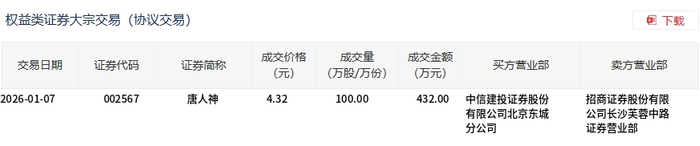
Report Industry Investment Rating No relevant information provided. Core Viewpoints of the Report - The Fed cut interest rates by 25 basis points, and Powell's hawkish stance reduced the expectation of a December rate cut, leading to a short - term profit - taking logic for gold [1][13]. - The Fed's rate cut and Powell's warning on a December rate cut led to a decline in market risk appetite and a rebound in the US dollar index [2][16]. - The start of the central enterprise strategic emerging industry development special fund and the positive news of Sino - US trade negotiations boosted the A - share market, and it is recommended to allocate various stock indices evenly [18][19]. - The performance of technology giants in the US supported the stock index, but the market risk appetite decreased due to the uncertainty of a December rate cut, and it is recommended to maintain a slightly bullish view in the short term [23]. - The bond market was slightly bullish in the short term, but the room for further strengthening was limited, and it is necessary to grasp the rhythm when going long [26][27]. - The supply of soybeans in the fourth quarter is expected to be sufficient, and the price of soybean meal futures is expected to be volatile [30]. - Zhengzhou cotton continued to strengthen due to positive external news, but the upside space is limited [36]. - Steel prices may be volatile and slightly bullish in the short term, but the upside space is limited [40]. - The price of thermal coal is expected to decline slightly in the short term and remain strong in the fourth quarter [42]. - The price of live pigs is expected to be volatile in the short term, and it is recommended to short on rallies [43]. - The price of iron ore followed the market slightly, but it is recommended to remain cautious and wait and see [45]. - The futures market of red dates is in a state of long - short game, and it is recommended to wait and see [47]. - The fundamentals of corn starch are better than expected, and there is still room for the price to strengthen [48]. - The price of corn is expected to be stable in the short term, and it is recommended to wait and see [51]. - The price of nickel is expected to rise gradually, and it is recommended to go long on dips [53]. - The spot price of polysilicon is expected to remain flat, and it is recommended to take profits on long positions in a timely manner [58]. - The price of lead may remain strong in the short term, and it is recommended to be cautious when going long [62]. - The price of zinc may be volatile and slightly bullish in the short term, and it is recommended to wait and see [63]. - The price of industrial silicon may have a lower limit, and it is recommended to go long on dips [66]. - The price of lithium carbonate is expected to be range - bound in the short term, and it is recommended to short after the demand peaks [68]. - The price of crude oil is expected to be volatile in the short term, and it is necessary to pay attention to geopolitical conflicts and OPEC+ meetings [71]. - The price of methanol is expected to be bearish, and it is recommended to hold short positions [73]. - The price of PVC may rebound slightly, but the upside space is limited due to weak supply - demand [75]. - The price of PTA may be slightly bullish in the short term, and it is recommended to hold long positions and wait and see [77]. - The valuation of the pure benzene - styrene industry chain is restricted, and it is necessary to pay attention to the Sino - US summit and oil prices [80]. - The downside space of soda ash is limited in the short term, and it is necessary to pay attention to coal prices and new capacity [81]. - The price of float glass may be under pressure in the short term, and it is recommended to wait and see [83]. - The container freight index is affected by macro - disturbances, and it is recommended to wait and see in the short term [84]. Summary by Directory 1. Financial News and Comments 1.1 Macro Strategy (Gold) - The Fed cut the federal funds rate by 25 basis points to 3.75% - 4.00% and will end the balance - sheet reduction on December 1st. There were differences among Fed officials on the rate cut. Powell's hawkish stance reduced the expectation of a December rate cut, and the short - term gold price is under pressure [12][13]. 1.2 Macro Strategy (Foreign Exchange Futures - US Dollar Index) - Trump said he reached a trade agreement with South Korea. The Fed cut interest rates by 25 basis points and will stop shrinking the balance sheet in December. Powell warned that a December rate cut is not certain, leading to a decline in market risk appetite and a rebound in the US dollar index [14][16]. 1.3 Macro Strategy (Stock Index Futures) - The central enterprise strategic emerging industry development special fund with an initial scale of 51 billion yuan was launched. The A - share market was strong, with the Shanghai Composite Index breaking through 4000 points. It is recommended to allocate various stock indices evenly [18][19]. 1.4 Macro Strategy (US Stock Index Futures) - Microsoft's revenue increased nearly 20% last quarter, and Google's Q3 performance exceeded expectations. However, due to the uncertainty of a December rate cut, the market risk appetite decreased, and the US stock index was under pressure. It is recommended to maintain a slightly bullish view in the short term [21][23]. 1.5 Macro Strategy (Treasury Bond Futures) - The Sino - US leaders will meet, and the central bank conducted 557.7 billion yuan of 7 - day reverse repurchase operations. The bond market was slightly bullish in the short term, but the room for further strengthening was limited [25][26]. 2. Commodity News and Comments 2.1 Agricultural Products (Soybean Meal) - The estimated arrival of soybeans at domestic oil mills in November is about 9.685 million tons, and the production in Brazil and Paraguay in the 25/26 season is expected to increase. The price of soybean meal futures is expected to be volatile [28][30]. 2.2 Agricultural Products (Cotton) - Pakistan's cotton production decreased significantly. The port cotton inventory is expected to rebound. Zhengzhou cotton continued to strengthen due to positive news, but the upside space is limited [32][36]. 2.3 Black Metals (Rebar/Hot - Rolled Coil) - Thailand and Vietnam launched anti - circumvention investigations on Chinese steel products. The completion of transportation fixed - asset investment in the first three quarters was 2.6 trillion yuan. Steel prices may be volatile and slightly bullish in the short term, but the upside space is limited [37][40]. 2.4 Black Metals (Thermal Coal) - The import thermal coal market is weak. The price of thermal coal is expected to decline slightly in the short term and remain strong in the fourth quarter [42]. 2.5 Agricultural Products (Live Pigs) - Tangrenshen has reserved artificial meat technology. The price of live pigs is expected to be volatile in the short term, and it is recommended to short on rallies [43]. 2.6 Black Metals (Iron Ore) - The Simandou iron ore project is expected to achieve its first shipment by the end of 2025. The price of iron ore followed the market slightly, but it is recommended to remain cautious and wait and see [44][45]. 2.7 Agricultural Products (Red Dates) - The price of red dates in the Guangzhou Ruyifang market was strong. The futures market is in a state of long - short game, and it is recommended to wait and see [46][47]. 2.8 Agricultural Products (Corn Starch) - The operating rate of corn starch increased, and the inventory decreased seasonally. The fundamentals are better than expected, and there is still room for the price to strengthen [48]. 2.9 Agricultural Products (Corn) - The inventory of southern ports increased seasonally, and the inventory of northern ports decreased slightly. The price of corn is expected to be stable in the short term, and it is recommended to wait and see [51]. 2.10 Non - Ferrous Metals (Nickel) - The inventory of nickel in SHFE increased. The price of nickel is expected to rise gradually, and it is recommended to go long on dips [53]. 2.11 Non - Ferrous Metals (Polysilicon) - TCL Zhonghuan reported a net loss in the first three quarters. The price of polysilicon is expected to be flat, and it is recommended to take profits on long positions in a timely manner [56][58]. 2.12 Non - Ferrous Metals (Lead) - The LME lead was in contango. A new project in Liaoning was successfully ignited, and Camel Group's performance increased in the first three quarters. The price of lead may remain strong in the short term, and it is recommended to be cautious when going long [59][62]. 2.13 Non - Ferrous Metals (Zinc) - The LME zinc was in backwardation. The domestic TC price decreased, and the production in November may decline. The price of zinc may be volatile and slightly bullish in the short term, and it is recommended to wait and see [63]. 2.14 Non - Ferrous Metals (Industrial Silicon) - The production of industrial silicon in Sichuan decreased. The price may have a lower limit, and it is recommended to go long on dips [65][66]. 2.15 Non - Ferrous Metals (Lithium Carbonate) - Dazhong Mining's subsidiary obtained a lithium mine mining license. The price of lithium carbonate is expected to be range - bound in the short term, and it is recommended to short after the demand peaks [67][68]. 2.16 Energy Chemicals (Crude Oil) - The EIA commercial crude oil inventory decreased. The price of crude oil is expected to be volatile in the short term, and it is necessary to pay attention to geopolitical conflicts and OPEC+ meetings [71]. 2.17 Energy Chemicals (Methanol) - The methanol port inventory increased slightly. The price of methanol is expected to be bearish, and it is recommended to hold short positions [72][73]. 2.18 Energy Chemicals (PVC) - The price of PVC powder increased slightly. The supply is expected to increase, and the demand is weak. The upside space of the price is limited [74][75]. 2.19 Energy Chemicals (PTA) - The spot basis of PTA strengthened. The price may be slightly bullish in the short term, and it is recommended to hold long positions and wait and see [76][78]. 2.20 Energy Chemicals (Styrene) - A styrene plant in South China shut down due to a malfunction. The valuation of the pure benzene - styrene industry chain is restricted, and it is necessary to pay attention to the Sino - US summit and oil prices [79][80]. 2.21 Energy Chemicals (Soda Ash) - The price of soda ash in the Shahe area was volatile. The fundamentals have limited driving force, and the downside space depends on coal prices and new capacity [81]. 2.22 Energy Chemicals (Float Glass) - The price of float glass in the Shahe market was flat. The price may be under pressure in the short term, and it is recommended to wait and see [82][83]. 2.23 Shipping Index (Container Freight Rate) - HMM's shipping capacity exceeded 1 million TEU. The container freight index is affected by macro - disturbances, and it is recommended to wait and see in the short term [84].
“中国仍将是全球增长的重要引擎”
Ren Min Ri Bao· 2025-10-29 22:11
Group 1: Economic and Financial Insights - The 2025 Bund Summit in Shanghai gathered over 700 financial and political leaders from 21 countries to discuss economic, financial, and governance issues amid global order restructuring and technological revolution [1] - Key themes discussed included China's "14th Five-Year Plan," "high-quality development," and "mutual benefit," reflecting global anticipation for shared opportunities in China's development [1] - The IMF's Asia-Pacific Department Deputy Director praised China's efforts in economic rebalancing, stating that China will remain a significant engine of global growth over the next five years [1] Group 2: Agricultural and Environmental Perspectives - The ASEAN President of Olam Group highlighted improvements in China's business environment and the potential of the futures market, emphasizing China's role in global commodity pricing and risk management [2] - The release of the "Natural and Biodiversity Finance" report showcased China's commitment to ecological protection and financial innovation, positioning China as a global leader in clean energy technologies [2] - Experts noted that China is leading in decarbonization efforts, providing new avenues for international cooperation through initiatives like the BRICS mechanism and partnerships with African nations [2] Group 3: Technological Advancements - Artificial intelligence and its governance were focal points, with discussions on the emergence of data-driven industries such as next-generation internet, AI, and biotechnology [3] - The transformation of China's payment systems from cash to digital payments was highlighted as a significant shift that has accelerated financial inclusion [3] - The development of China's technology sector is attributed to increased government investment in education, fostering high-quality engineers and researchers, which is crucial for economic growth in China and beyond [3]
大食物观驱动农业变革
Jing Ji Ri Bao· 2025-10-29 22:08
Core Viewpoint - The global agricultural and food security landscape is facing unprecedented challenges due to climate change, geopolitical conflicts, and rising trade protectionism, leading to the emergence of the "big food" concept, which emphasizes a multi-dimensional approach to food security and agricultural modernization in China [1] Group 1: Current Agricultural Situation in China - During the 14th Five-Year Plan period, China has made significant progress in implementing the big food concept, with grain production expected to exceed 1.4 trillion jin in 2024, an increase of 74 billion jin from 2020 [2] - Total livestock production is projected to reach 175 million tons, reflecting an 18.8% increase since 2020, while total aquatic product output is expected to be 73.58 million tons, a 12.3% increase from 2020 [2] - The shift in consumer behavior from "eating enough" to "eating well" indicates a growing focus on nutrition and health, with stable consumption of staple foods and increasing demand for meat, eggs, dairy, fruits, and vegetables [2] Group 2: Challenges and Misconceptions - Despite progress, there are misconceptions and operational challenges in implementing the big food concept, which hinder the coordinated advancement of food and grain security [2] - Some regions focus solely on increasing grain production while neglecting other important agricultural products, and the monitoring and statistical systems for big food are still inadequate [2] - Current agricultural technology efforts are primarily concentrated on major crops, with insufficient support for livestock, fruit, and forage sectors [2] Group 3: Nutritional Focus and Technological Innovation - The big food concept emphasizes diversifying food supply to better meet residents' nutritional needs, advocating for a shift from quantity-focused to quality-oriented food production [3] - There is a need to develop a food nutrition standard system and a new supply guarantee framework aligned with the big food concept [3] - Technological innovation is crucial for realizing the big food concept, with countries that maintain stable food supplies possessing advanced breeding capabilities and integrated research and industry systems [3] Group 4: Key Areas for Implementation - To further implement the big food concept, key areas include scientifically developing resources from forests, grasslands, lakes, and oceans, and optimizing livestock structures to improve protein efficiency [4] - The development of new food production technologies such as vertical farming, algae reactors, cultured meat, and microbial protein is essential for future food industries [4]
吉隆坡会谈拆穿美国底!关税不管用,中方反制咋让美方从硬变实谈?
Sou Hu Cai Jing· 2025-10-29 19:45
Core Points - The absence of U.S. Commerce Secretary Wilbur Ross from the U.S.-China trade talks in Kuala Lumpur has raised concerns, revealing internal power struggles within the White House regarding China policy [1][6] - The "50% rule" introduced by Ross, which imposes export controls on companies with over 50% Chinese ownership or technology, has led to a significant increase in the number of Chinese companies under U.S. sanctions, contradicting previous agreements [3][6] - China's countermeasures, including enhanced export controls on rare earth materials, have targeted critical supply chains for U.S. defense industries, highlighting the U.S.'s reliance on Chinese technology [3][8] Group 1 - The "50% rule" has resulted in thousands of additional Chinese companies being added to the U.S. export control list, undermining prior agreements made in Madrid [3] - The U.S. underestimates China's ability to retaliate, as evidenced by the significant financial impacts on U.S. companies due to China's countermeasures [8] - The U.S. Treasury Secretary and Trade Representative have replaced Ross as key negotiators, indicating a shift towards a more pragmatic approach in trade discussions [6] Group 2 - The trade war has caused over $12 billion in losses for U.S. companies, with agricultural states experiencing declining support due to halted soybean exports [8] - The U.S. has announced it will not consider imposing a 100% tariff on Chinese goods, reaching preliminary agreements on agricultural trade and fentanyl cooperation, though deeper issues remain unresolved [9] - The dual strategy of negotiation and pressure continues, as evidenced by threats to limit software exports to China, which has been met with strong opposition from Chinese officials [8][9]
“十五五”规划建议的18个新提法,释放了哪些重要信号?
Mei Ri Jing Ji Xin Wen· 2025-10-29 15:24
Group 1 - The "15th Five-Year Plan" emphasizes the importance of technological innovation, mentioning "technology" 46 times and "innovation" 61 times, aiming to create a favorable environment for original and disruptive innovations [2] - The plan proposes to gradually increase the basic pension for urban and rural residents, highlighting the focus on improving people's livelihoods and promoting common prosperity [2][29] - New strategic technologies such as quantum technology, biomanufacturing, hydrogen energy, and artificial intelligence are identified as future economic growth points, with a focus on their commercialization during the "15th Five-Year Plan" period [3][4] Group 2 - The plan suggests establishing a risk-sharing mechanism for future industry investments, recognizing the uncertainties in technology and market conditions [5][6] - It proposes a new national system to tackle key technologies in areas like integrated circuits and advanced materials, emphasizing the need for collective efforts from various market entities [7] - The plan includes measures to enhance public service spending to boost consumer capacity, indicating a shift towards improving the consumption environment [9][10] Group 3 - The plan aims to peak coal and oil consumption, aligning with the broader goal of achieving carbon peak by 2030, necessitating a transition to a new energy system [12][13] - It emphasizes the need for proactive macroeconomic policies to stabilize growth, employment, and expectations, particularly in light of the challenges posed by traditional economic drivers [14][15] Group 4 - The plan highlights the importance of expanding service trade and optimizing market access, particularly in the service sector, to enhance international competitiveness [18][21] - It focuses on promoting green trade and intermediate goods trade, which are seen as vital for stabilizing foreign trade and aligning with global environmental goals [19][20] Group 5 - The plan includes initiatives to enhance food security through a new round of grain production capacity improvement actions, aiming for a significant increase in grain output [23][24] - It emphasizes the need for efficient land use in rural areas, addressing the mismatch between idle land and the demand for construction land to support rural development [25][26] Group 6 - The plan proposes to expand free education and explore extending compulsory education, which is expected to alleviate educational burdens and improve human capital development [27][28] - It aims to optimize the supply of affordable housing to meet the basic housing needs of urban wage earners and disadvantaged families, marking a shift towards a more inclusive housing policy [30][31]