潮玩

Search documents
米哈游押注的卡牌奢侈品,估值狂飙20倍
阿尔法工场研究院· 2026-01-07 00:04
Core Viewpoint - Suplay, a card company, is preparing for an IPO, focusing on collectible cards and aiming to test the long-term growth potential of the collectible card business model in China [4][24]. Group 1: Company Overview - Suplay specializes in collectible cards, distinguishing itself from social trading cards popular among youth, with products including cultural heritage cards and popular IP collaborations [4]. - The company ranks first in the Chinese collectible non-combat card market by GMV for 2024, holding a market share greater than the second and third competitors combined [4]. - In the first nine months of 2025, Suplay reported revenues of 283 million yuan, with adjusted net profits nearing 100 million yuan [4]. Group 2: Business Model and Strategy - Suplay began as a secondary market trading platform for collectibles, addressing inefficiencies in the trading of blind box items [5][6]. - The company transitioned from being a platform to a brand by launching its own high-end collectible card brand, Kakawo, focusing on adult collectors [8][9]. - Suplay's revenue is increasingly driven by collectibles, which accounted for over 70% of total revenue in the first nine months of 2025, up from less than half in 2023 [14]. Group 3: Financial Performance - Suplay's revenue grew from 146 million yuan in 2023 to an estimated 281 million yuan in 2024, with a significant increase in net profit from 2.95 million yuan in 2023 to 49.12 million yuan in 2024 [13]. - The company's gross margin improved from 41.7% in 2023 to 54.5% in the first three quarters of 2025, driven by the higher margins associated with collectible cards compared to blind box products [14]. Group 4: Market Position and Competitive Advantage - Suplay has established partnerships with top global IPs, including Disney and MiHoYo, enhancing its product offerings and market appeal [9][12]. - The company targets a demographic of 18-35-year-olds, positioning its products as collectible assets rather than mere toys, which differentiates it from traditional card games [20][21]. - Suplay's unique market strategy includes a strong community and trading functionality within its app, allowing users to track real-time market prices for their cards, fostering a perception of cards as tradable assets [22]. Group 5: Future Outlook and Challenges - The collectible card market in China is projected to exceed 30 billion yuan by 2025, with Suplay aiming to capture a significant share of this growing market [19]. - Suplay faces challenges related to its dependency on a few key IPs for revenue and the need to diversify its distribution channels beyond traditional distributors [15][16]. - The company plans to use IPO funds to expand its IP portfolio globally and explore the development of trading card games (TCGs) to enhance the longevity of its products [24].


最低两位数拿下,Labubu怎么了?
Chang Sha Wan Bao· 2026-01-06 23:51
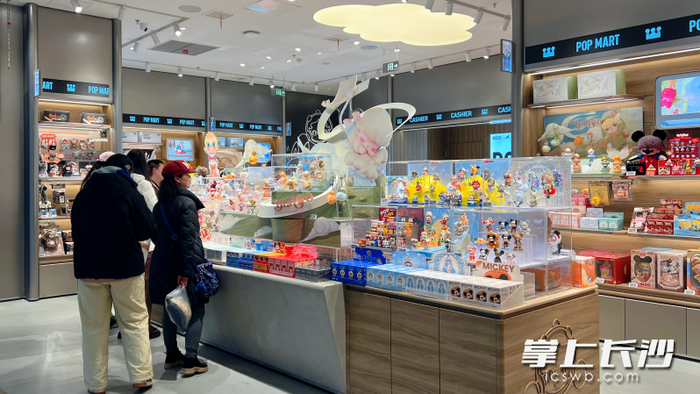
Core Viewpoint - The Labubu series by Pop Mart, once considered a "hard currency" in the trendy toy market, has seen a drastic price drop of over 80% within six months, indicating a significant market correction and a shift from "investment products" back to "ordinary consumer goods" [1][3][5] Group 1: Price Decline and Market Dynamics - The price of Labubu collectibles has plummeted, with some items that were once valued at thousands now listed for a fraction of that on second-hand platforms like Xianyu, reflecting a severe revaluation in the trendy toy market [3][5] - The regular Labubu products, originally priced between 59 to 79 yuan, are now being sold for as low as 49 yuan with shipping included, indicating a collapse in the pricing structure [5][6] - The overall heat index for Labubu products has dropped from a peak of 9.2 to 6.5, showcasing a significant decline in market interest [5] Group 2: Supply and Demand Factors - A substantial increase in supply has been identified as a core reason for the price drop, with new Labubu products frequently available at retail prices, breaking the previous scarcity model [5][7] - The shift in consumer demographics, with younger buyers purchasing for personal enjoyment rather than investment, has altered the market dynamics, leading to a decline in speculative buying [6][7] Group 3: Industry Trends and Strategic Shifts - The failure of the artificially created scarcity model in the trendy toy industry has prompted a shift from an "investment logic" to a "consumer logic," emphasizing genuine consumer interest over speculative value [7][8] - Pop Mart's recent strategy includes reducing reliance on single IPs and increasing the variety of products, moving away from blind box sales and enhancing collaborations with artists to improve product value [8][10] - The current market adjustment is seen as a necessary step towards sustainable growth, as the industry transitions from being perceived as "financial products" to "cultural consumer goods" [10]

不抢了!Labubu二手跳水,多亏了谁?
Sou Hu Cai Jing· 2026-01-06 18:25
Core Viewpoint - The popularity of Labubu has significantly declined, leading to a drop in its market price and availability, indicating a shift from a financial product to a regular consumer good [2][3][6]. Group 1: Market Dynamics - Labubu's availability has increased, with products now in stock and ready for shipment within 48 hours, contrasting with previous pre-sale conditions that required a rush to purchase [2][3]. - The resale price of Labubu products has plummeted, with the price for a set of six boxes dropping to 400 yuan, significantly lower than the official price of 1168 yuan for the same set [3][6]. - The increase in supply and the retreat of speculative buying have contributed to the decline in second-hand prices, with some resellers halting purchases of Labubu products [6][11]. Group 2: Company Performance and Future Outlook - Despite the drop in Labubu's market value, the founder of Pop Mart, Wang Ning, projects a revenue of no less than 30 billion yuan for the year 2025, emphasizing the importance of sustainable growth over short-term gains [6][11]. - The stock price of Pop Mart has experienced a significant decline after peaking at 339.8 HKD per share, reflecting market adjustments following the Labubu price drop [6][11]. - The company aims to establish itself as a global leader in IP management, focusing on long-term operational strategies rather than short-term speculative profits [11][13]. Group 3: Future IP Development - The decline in Labubu's scarcity raises questions about its future appeal and revenue-generating potential for Pop Mart, which relies heavily on this IP for a significant portion of its revenue [7][8]. - There are concerns about whether new IPs, like the Star People series, can replicate Labubu's initial success without facing similar market saturation [8][13]. - The company recognizes the need for continuous innovation and the introduction of new IPs to maintain its trendiness and market relevance [13].

Labubu不用抢了?泡泡玛特回应Labubu放量:随机进行,无法保证持续补货
Xin Lang Cai Jing· 2026-01-06 14:57
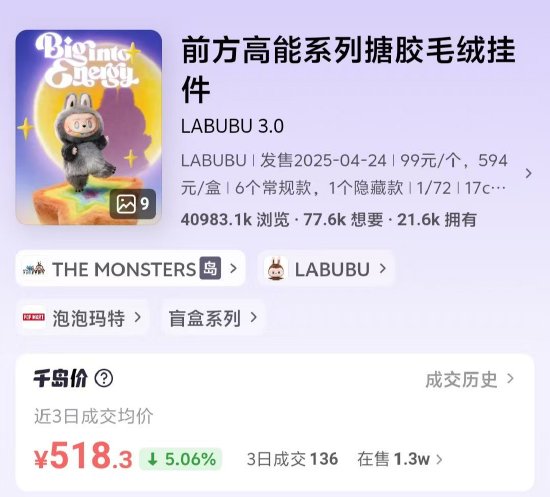
Core Viewpoint - The availability of Labubu blind box products has improved on platforms like Tmall and Douyin, although some items remain out of stock, indicating a mixed supply situation across different channels and product lines [3][7]. Supply Situation - Consumers have reported that previously hard-to-find Labubu products are now more accessible, with some items still facing stock shortages [3][7]. - The "Labubu Frontline High Energy Series" remains largely out of stock on major online channels, while the "Labubu Heart Code Series" is available for purchase [3][7]. - Official customer service from Pop Mart confirmed recent restocking efforts but noted that restocking times are random and quantities are not disclosed, suggesting uncertainty in future availability [3][7]. Secondary Market Trends - Recent reports indicate that the secondary market for Labubu products has seen significant price drops, with the average price of the "Labubu Sit Party Rubber Plush Series" falling from 1478 yuan to approximately 632 yuan, nearing its original price of 594 yuan [4][8]. - The "Labubu 3.0 Frontline High Energy Series" experienced a price surge to 2500 yuan upon release, but has since seen a decline, with recent average transaction prices around 518 yuan, below the official price [4][8].
狂飙的中国IP,掏空全球年轻人钱包丨36氪年度回眸
36氪· 2026-01-06 13:36
Core Viewpoint - The article discusses how Chinese companies like Pop Mart and game developers are successfully creating and marketing IPs that resonate globally, moving away from traditional content-driven models to product and operational strategies that leverage design and consumer psychology [4][5][41]. Group 1: Product and Design - Pop Mart's LABUBU character has gained immense popularity, similar to the iconic "Ballet Slippers" nail polish, by being an affordable luxury item that consumers can aspire to own [6][10]. - The success of LABUBU is attributed to its design excellence, which differentiates it from cheaper alternatives, creating a perceived value that consumers are willing to pay for [16][17]. - The design process at Pop Mart is meticulous, with strict IP approval processes ensuring that every detail aligns with the brand's aesthetic, contributing to the uniqueness of their products [20][21][33]. Group 2: Marketing and Operations - Pop Mart's marketing strategy focuses on creating a celebrity-like persona for LABUBU, utilizing social media to engage consumers and build a community around the brand [49][50]. - The company has established a significant presence both online and offline, with plans to expand its store count internationally, aiming for a localized approach to enhance brand connection [64][65]. - The marketing efforts of Chinese game companies like miHoYo emphasize community building and long-term engagement, utilizing various platforms to maintain consumer interest and loyalty [56][61]. Group 3: Consumer Behavior and Trends - The article highlights a shift in consumer behavior towards "show-off" consumption, where owning unique items like LABUBU serves as a status symbol in a society increasingly characterized by loneliness [91][92]. - The concept of "lonely society" suggests that products that help consumers express individuality and connect with others will thrive, as people seek to differentiate themselves in a homogenized market [88][90]. - The emotional connection consumers have with products like LABUBU is crucial, as it fulfills a desire for recognition and belonging, particularly among younger demographics [97][98].

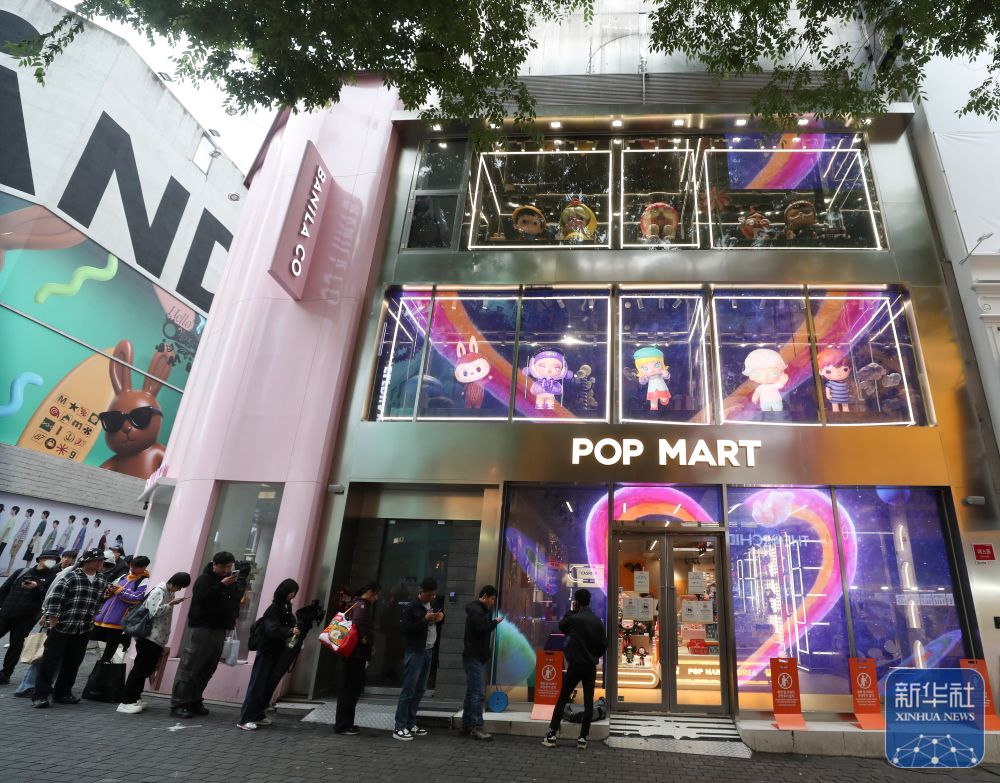
镜观世界|在韩国感受“中国风”
Xin Hua She· 2026-01-06 13:07
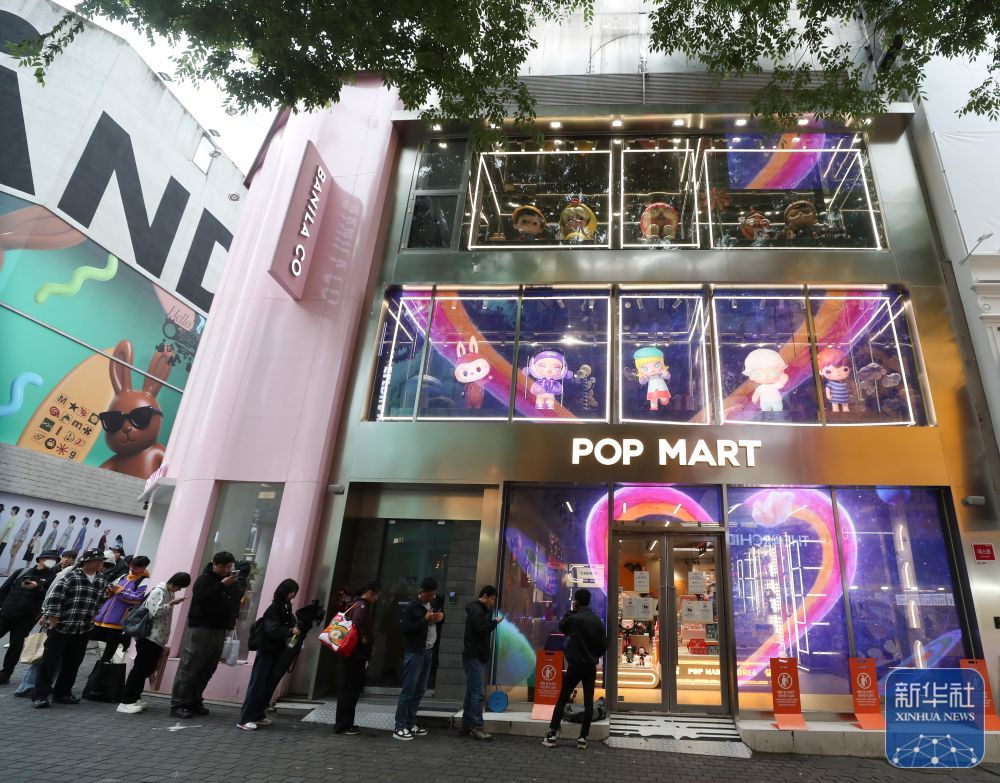
Group 1 - The integration of "Chinese elements" into Korean society is evident through various cultural and commercial exchanges, including the establishment of the "Korea-China Friendship Forest" and the presence of Chinese brands in sectors like tea, home appliances, and entertainment [1][5][7] - The popularity of Chinese brands is highlighted by consumer engagement, such as long queues at Chinese tea drink stores and demonstrations of Chinese robotic products in shopping centers [2][3] - Cultural exchanges are further emphasized by events like the "Hello Beijing" cultural tourism promotion, showcasing traditional performances in Seoul [7] Group 2 - The presence of giant pandas in South Korea, such as the panda "Fubao," has attracted significant public interest, culminating in emotional farewells as these animals return to China [4] - The "Korea-China Friendship Forest" serves as a cultural landmark, featuring statues and historical references that celebrate the shared heritage between the two nations [5][6]
花旗:预计泡泡玛特将继续深耕情感消费打造多元IP矩阵
Xin Lang Cai Jing· 2026-01-06 12:18
Core Insights - The report from Citibank analysts indicates that the hype surrounding Pop Mart's Labubu may have reached a peak before the next potential hit emerges [1] - Pop Mart is shifting its focus towards generating sustained value from its intellectual property (IP) [1] - Analysts suggest that the company is developing a new path for its IP, emphasizing aesthetic appeal and emotional connection rather than narrative and functionality [1] Growth Potential - The company is expected to continue leading structural emotional consumption and the "big kid" trend globally [1] - Besides Labubu, other iconic IPs, including Twinkle Twinkle, are becoming new growth engines for Pop Mart [1] - It is anticipated that Pop Mart will have 5 to 10 top-performing IPs to support steady growth [1] Stock Performance - Pop Mart's stock price closed up 1.7% at HKD 199.50 on the last trading day [1]
在韩国感受“中国风”
Xin Lang Cai Jing· 2026-01-06 12:15
Group 1 - The integration of "Chinese style" into Korean society is evident through various elements such as cultural centers, giant pandas, and new tea drinks [1][2][5] - Chinese brands are gaining visibility in South Korea, with consumers engaging with products like tea drinks and robotic vacuum cleaners [2][3] - The "Korea-China Friendship Forest" serves as a cultural symbol, showcasing historical figures and promoting bilateral relations [7][8] Group 2 - Cultural exchange events, such as the "Hello Beijing" tourism promotion, highlight the growing interest in Chinese culture within South Korea [10] - The presence of Chinese cultural institutions, like the Korea-China Cultural Center, indicates a strengthening of cultural ties [11]
新造的IP,中国公司启示录|年度回眸
36氪未来消费· 2026-01-06 12:14
Core Viewpoint - The article discusses the rise of Chinese IPs, particularly focusing on the success of the toy company Pop Mart and its character LABUBU, which has become a symbol of affordable luxury and a cultural phenomenon, reflecting changing consumer behaviors and preferences in a globalized market [7][10][12]. Group 1: Product and Design - Pop Mart's LABUBU character has gained immense popularity, similar to the iconic "Ballet Slippers" nail polish, as it represents an affordable luxury that consumers can aspire to own [9][10]. - The success of LABUBU is attributed to its unique design and the meticulous work of designers, which creates a significant gap between its products and cheaper alternatives [22][29]. - The company maintains strict control over its IP design process, ensuring that every detail is carefully crafted and approved, which contributes to the perceived value of its products [26][40]. Group 2: Marketing and Operations - Pop Mart's marketing strategy relies heavily on social media and influencer engagement, with spontaneous endorsements from celebrities like Lisa from Blackpink, which have significantly boosted the brand's visibility [18][19]. - The company has adopted a unique operational model that focuses on product and brand management rather than traditional content creation, allowing it to thrive in a fragmented media landscape [60][61]. - Pop Mart's physical stores play a crucial role in creating a cultural experience for consumers, enhancing brand loyalty and community engagement [80][85]. Group 3: Consumer Behavior - The article highlights a shift in consumer psychology towards "show-off" consumption, where owning products like LABUBU allows individuals to express their identity and status in social settings [123][125]. - The concept of loneliness in modern society is explored, suggesting that products like LABUBU provide companionship and a sense of belonging, addressing emotional needs in a fragmented world [116][121]. - The marketing strategies of both Pop Mart and Chinese gaming companies reflect an understanding of consumer desires for connection and self-expression, which are increasingly important in today's market [128][132]. Group 4: Globalization and Localization - Pop Mart has expanded its operations globally, establishing regional headquarters and hiring local talent to better understand and cater to diverse markets [99][100]. - The localization efforts of Chinese companies, including adapting narratives and character designs to fit local cultures, are essential for their success in international markets [93][96]. - The article emphasizes the importance of finding common emotional ground across cultures, which is a key strategy for both Pop Mart and Chinese gaming companies in their global outreach [106][107].

米哈游投出一个IPO,年入近3亿的潮玩公司要上市了
2 1 Shi Ji Jing Ji Bao Dao· 2026-01-06 11:51
Core Viewpoint - Suplay, a trendy IP collectibles and consumer goods company, has submitted its prospectus for an IPO on the Hong Kong main board, aiming to raise funds as it capitalizes on the growing demand for high-quality collectible cards among adult consumers [1][2]. Group 1: Company Overview - Suplay was established in September 2019 and has quickly become a leader in the collectible non-battle card market in China, with its flagship brand Kakawow achieving significant market share [5][14]. - The company has partnered with renowned IPs such as the Palace Museum, Sanrio, Genshin Impact, and Harry Potter, enhancing its product offerings [1][2]. Group 2: Financial Performance - In the first nine months of 2025, Suplay reported revenue of 2.83 billion RMB, reflecting a 92.5% increase from 1.46 billion RMB in 2023 [10][11]. - The company's net profit surged from 2.9 million RMB in 2023 to 49.1 million RMB in 2024, marking a staggering growth of 1,593.1% [10][11]. - The revenue breakdown shows that consumer products accounted for 67.1% of total revenue in 2023, while collectible products made up 32.9% [11]. Group 3: Product Pricing and Market Strategy - Kakawow's card pricing ranges from 59.9 RMB to 89.9 RMB per pack, with limited edition series like the 2025 KAKAWOWCOSMOS Marvel series priced at 69.9 RMB per pack [6][10]. - The company targets adult consumers, particularly women, by offering high-quality, culturally resonant collectibles, distinguishing itself from lower-priced entry-level cards [10]. Group 4: IP Dependency and Risks - Suplay's revenue is heavily reliant on licensed IPs, with only 4.1% of revenue coming from its own IPs, raising concerns about sustainability and potential risks associated with IP dependency [2][20]. - The company has established partnerships with 22 IP licensors, but the concentration of revenue from a few key IPs poses a risk to its financial stability [20][21]. Group 5: Competitive Landscape - Suplay's revenue is significantly lower than its competitor, Card Game, which reported revenues soaring from 4.131 billion RMB to 10.057 billion RMB from 2022 to 2024 [22]. - Despite its growth, Suplay's financial metrics, including gross margin, still lag behind those of established competitors in the collectible card market [22].