
家电制造

Search documents
新宝股份:全自动割草机目前主要是在技术研发储备阶段
Mei Ri Jing Ji Xin Wen· 2026-02-10 08:11
Core Viewpoint - The company is focusing on high-intelligence gardening tools as a future product expansion direction, with specific emphasis on fully automatic lawn mowers currently in the technology research and development phase [1] Group 1 - The company has indicated that high-intelligence gardening tools are among its future product expansion directions [1] - The fully automatic lawn mower is highlighted as a key product under development [1] - Collaboration with all customers is contingent upon the market launch of the products [1]

海尔周云杰做家访,李国庆爱心捐款,1月企业家IP榜单发布,谁排第一?
Sou Hu Cai Jing· 2026-02-10 02:56
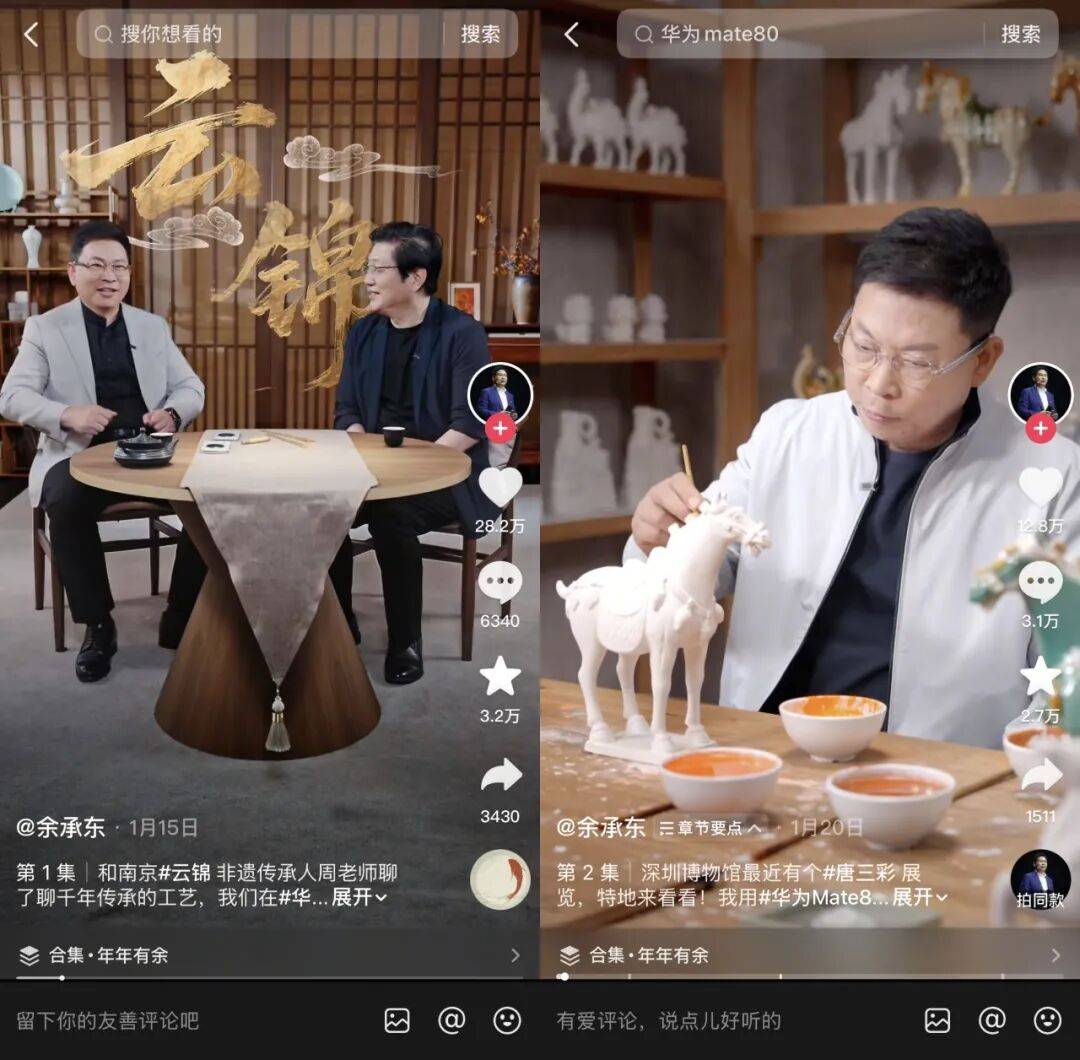
Core Insights - Entrepreneur IP has become a crucial part of corporate online promotion, with a focus on evaluating its influence through metrics such as follower count, growth, shares, comments, and likes [1] Group 1: Top Performers - "Yu Chengdong" maintains the top position for ten consecutive months, with 4 posts in January, receiving 954,000 likes and gaining 771,000 followers [1] - "Zhou Yunjie" from Haier ranks second, publishing 9 posts in January, accumulating 1,358,000 likes and gaining 497,000 followers, with a notable post about user experience receiving over 260,000 likes [4][5] - "Li Guoqing" ranks third, with 9 posts in January, achieving over 1,549,000 likes and gaining 133,000 followers, significantly boosted by a donation to a children's hospital [9] Group 2: Content Strategy and Engagement - "Yu Chengdong" shifted content focus from "science + product" to "technology + culture," integrating elements of Eastern aesthetics and cultural heritage in January [1] - "Zhou Yunjie" explores youthful expressions in content, including a challenge based on internet memes, which garnered nearly 160,000 likes [7] - "Li Guoqing" effectively leveraged a trending topic regarding a children's hospital to enhance engagement, with a post about his donation receiving over 700,000 likes [9] Group 3: Notable Rankings and Trends - "Wang Shi" saw a significant rise in ranking by 30 places due to public speculation about his personal life, with 4 posts in January receiving 95,000 likes [11] - "Li Bin" from NIO increased his ranking by 32 places, with 11 posts in January, including a live broadcast that attracted over 5.91 million viewers [12] - Other entrepreneurs like "Feng Lun" and "Qian Fan" also experienced notable ranking improvements through strategic content and engagement [14]




四季度主动权益基金主动加仓前四大行业:金属、化学品、保险和机械设备
Changjiang Securities· 2026-02-09 11:38
[Table_Title] 四季度主动权益基金主动加仓前四大行业: 金属、化学品、保险和机械设备 金融工程丨深度报告 %% %% %% %% research.95579.com 1 丨证券研究报告丨 报告要点 [Table_Summary] 与 2025 年三季报相比,2025 年四季度主动权益基金增持最多的四个行业为电信业务(1.90 pct)、金属材料及矿业(1.90pct)、化学品(1.10 pct)和保险(0.94 pct)。从主动调仓角度来 看,主动加仓最多的四个行业分别是金属材料及矿业(0.99 pct)、化学品(0.86 pct)、保险(0.77 pct)和机械设备(0.59 pct)。剔除行业主题基金影响后,主动加仓最多的四个行业分别是保险 (1.03pct)、金属材料及矿业(0.90pct)、化学品(0.86pct)和机械设备(0.62pct)。 分析师及联系人 [Table_Author] 覃川桃 杨凯杰 SAC:S0490513030001 SAC:S0490525080004 SFC:BUT353 请阅读最后评级说明和重要声明 2 / 31 %% %% %% %% research. ...
剥离非主业资产提速,四川长虹转让大数据公司股权
Shen Zhen Shang Bao· 2026-02-09 01:48
Core Viewpoint - Sichuan Changhong plans to transfer its 58.33% stake in Mianyang Technology City Big Data Technology Co., Ltd. to Sichuan Changhong Electronic Holding Group for a price of RMB 33,124,451.80, as part of its strategy to focus on core business and optimize asset allocation [1][3]. Group 1: Transaction Details - The transaction involves the transfer of a 58.33% equity stake in the big data company, which was established in August 2013 with a registered capital of RMB 60 million [3]. - The valuation of the big data company, as of December 31, 2025, is RMB 56,784,774.52, with a slight increase in value of RMB 3,326.46, resulting in a valuation increase rate of 0.0059% [3]. - The total liabilities of the big data company as of December 31, 2025, are RMB 18,083.30, with a net asset value of RMB 56,781,448.06 [4]. Group 2: Business Operations - The main business activities of the big data company include data collection, analysis, data services, and IT consulting, which ceased operations in 2023 due to market conditions and business misalignment [3]. - The company has reported net profits of RMB 890,806.10 and RMB 850,411.84 for the years 2024 and 2025, respectively [4][5]. Group 3: Financial Impact - The expected impact on the company's consolidated financial statements from this transaction is estimated at RMB 1,940.43 (excluding tax), which is not expected to significantly affect the company's financial status or operational results [5]. - Sichuan Changhong's revenue for the first three quarters of 2025 reached RMB 81.889 billion, a year-on-year increase of 5.94%, with a net profit attributable to shareholders of RMB 1.008 billion, reflecting a significant year-on-year growth of 192.49% [6].


剥离非主业资产提速 四川长虹转让停止运营的大数据公司股权 控股股东接盘
Xin Lang Cai Jing· 2026-02-08 23:52
Core Viewpoint - Sichuan Changhong plans to transfer its 58.33% stake in Mianyang Technology City Big Data Technology Co., Ltd. to Sichuan Changhong Electronic Holding Group for a price of 33,124,451.80 yuan, aiming to focus on its core business and optimize asset allocation [2][4][11]. Group 1: Transaction Details - The stake transfer price is based on an evaluation report valuing the total equity of the big data company at 56,784,774.52 yuan, with an assessed value increase of 3,326.46 yuan, representing a 0.0059% increase [4][13]. - After the transfer, Sichuan Changhong will no longer hold any equity in the big data company, which ceased operations in 2023 due to market conditions and business misalignment [5][14]. - The total liabilities of the big data company as of December 31, 2025, are 18,083.30 yuan, with a net asset value of 56,781,448.06 yuan [5][15]. Group 2: Financial Impact - The expected impact on the company's consolidated financial statements from this transaction is estimated at 1,940.43 yuan (excluding tax), which is not expected to significantly affect the company's financial status or operating results [6][15]. - The company reported a revenue of 81.889 billion yuan for the first three quarters of 2025, a year-on-year increase of 5.94%, and a net profit of 1.008 billion yuan, up 192.49% year-on-year [17]. Group 3: Company Background - Sichuan Changhong's main business includes the production and sales of televisions, refrigerators, air conditioners, compressors, audio-visual products, batteries, mobile phones, IT products, and real estate development [16]. - The company has previously engaged in asset integration, including the planned privatization of its subsidiary Changhong Jiahua by Hongtu Investment [7][16].

珠海智造“借桥出海”卖全球
Zhong Guo Xin Wen Wang· 2026-02-08 13:11
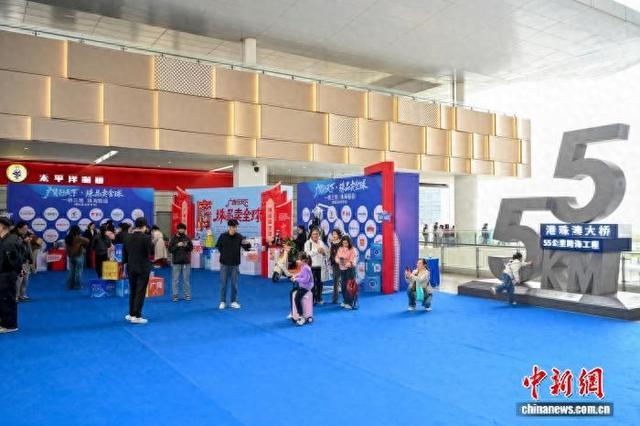
Core Viewpoint - The "Guanghuo Goes Global: Zhuhai Products Sell Worldwide" event aims to showcase Zhuhai's manufacturing capabilities and promote local products through live streaming and exhibitions, leveraging the traffic from the Hong Kong-Zhuhai-Macao Bridge to enhance market reach and sales. Group 1: Event Overview - The event features a live streaming area and a showcase for innovative products, highlighting Zhuhai's industrial strength and the appeal of Hong Kong and Macao brands [2]. - Gree Electric Appliances' chairman, Dong Mingzhu, promoted smart home appliances during the live stream, attracting significant viewer engagement [2]. Group 2: Economic Impact - The Hong Kong-Zhuhai-Macao Bridge has significantly reduced logistics time between Hong Kong, Macao, and mainland China, facilitating product exports and sales [5]. - By 2025, the import and export value through the Zhuhai port of the bridge is projected to exceed 300 billion RMB, reaching 325.84 billion RMB, a 40.1% increase year-on-year [5]. - The port is expected to become China's second-largest cross-border e-commerce retail export port, with an export value of 110.98 billion RMB in 2025, a staggering 92.5% increase [5]. - Since the bridge's opening in October 2018, the cumulative import and export value through the port is expected to surpass 1.3 trillion RMB by the end of 2025 [5].

人民日报力挺董明珠释三大信号,雷军十亿赌约后言论全应验
Sou Hu Cai Jing· 2026-02-08 11:12
Core Viewpoint - The article highlights the contrasting approach of Dong Mingzhu, who emphasizes quality and integrity in business over the pursuit of quick profits and trends in the current commercial environment [1][16][30]. Group 1: Business Philosophy - Dong Mingzhu represents a steadfast commitment to traditional values in business, focusing on quality and long-term goals rather than short-term gains [3][30]. - She has taken significant steps to ensure product quality, such as promising ten years of free maintenance for air conditioners, which exceeds national standards [20]. - The company has invested heavily in manufacturing capabilities, including a 2 billion investment in machine tool production, demonstrating a commitment to self-reliance and quality [10][24]. Group 2: Industry Challenges - The rising copper prices have led some manufacturers to substitute copper with aluminum, which poses safety risks due to its inferior conductivity and corrosion issues [16][17]. - Dong Mingzhu's refusal to compromise on material quality reflects a broader critique of the industry's trend towards cost-cutting at the expense of safety [17][30]. Group 3: Competitive Landscape - The article discusses a long-standing rivalry with a German machine tool manufacturer, highlighting the challenges faced in maintaining quality and reliability in manufacturing [6][8]. - The competitive landscape is further illustrated by the historical bet with Lei Jun, which underscored the importance of the manufacturing sector in driving economic growth and innovation [25][28]. Group 4: Personal Commitment - Dong Mingzhu's personal involvement in business decisions, such as directly overseeing advertising strategies and ensuring product quality, reflects a deep sense of responsibility towards consumers [22][32]. - Her dedication to the workforce, including providing heat compensation for installation workers, emphasizes the importance of valuing those who contribute to the company's success [14][15].

华源晨会精粹20260208-20260208
Hua Yuan Zheng Quan· 2026-02-08 10:15
Fixed Income - Long-term bond yields are expected to decline by 5-10 basis points, with the 10Y and 30Y government bond yields having decreased nearly 10 basis points since January 7, 2026 [2][7] - As of February 6, 2026, brokers and funds have net sold over 108.6 billion yuan in ultra-long-term bonds (remaining maturity over 20 years), while insurance funds have net bought 120.6 billion yuan, indicating a shift in investment strategy [2][7] - The current steep yield curve suggests that banks may increase their allocation to government bonds as their funding costs decrease, with expectations for the 10Y government bond yield to fluctuate between 1.6% and 1.9% in 2026 [2][7] Transportation - Korean shipping company Sinokor plans to sell all its container ships to Mediterranean Shipping Company for approximately 2.5 to 3 billion USD and focus on Very Large Crude Carriers (VLCC), which may reshape oil shipping pricing logic [19][20] - The VLCC market is sensitive to supply-side changes, with a significant portion of the fleet expected to reach 20 years of age starting in 2026, potentially leading to a supply shortage and upward pressure on freight rates [21][22] Home Appliances - The real estate market is showing signs of stabilization, which may lead to a recovery in valuations for home appliance companies, particularly in the white goods sector [23][24] - Recent data indicates that the inventory of commercial housing is gradually decreasing, and the transaction volume of second-hand homes in major cities is increasing, suggesting a potential easing of pressure on domestic demand [23][24] Metals and New Materials - Copper prices are expected to experience short-term fluctuations due to inventory accumulation, with recent data showing a rise in copper stocks across various markets [27][28] - The aluminum market is also facing similar trends, with prices expected to fluctuate as inventory levels rise, while demand remains stable [29] - The supply of tungsten and rare earth elements is tightening, leading to sustained high prices for these materials [5] New Consumption - Huangshan Tourism plans to invest 530 million yuan in a hotel project to enhance its tourism offerings, which aligns with the growing visitor numbers to the Huangshan scenic area [33] - In January 2025, Tmall's beauty sales grew by 24% year-on-year, indicating a stable competitive landscape in the beauty sector [33]
广货行天下·E企惠万家——佛山企业新媒体联盟助力粤企出圈出海
Sou Hu Cai Jing· 2026-02-08 06:09
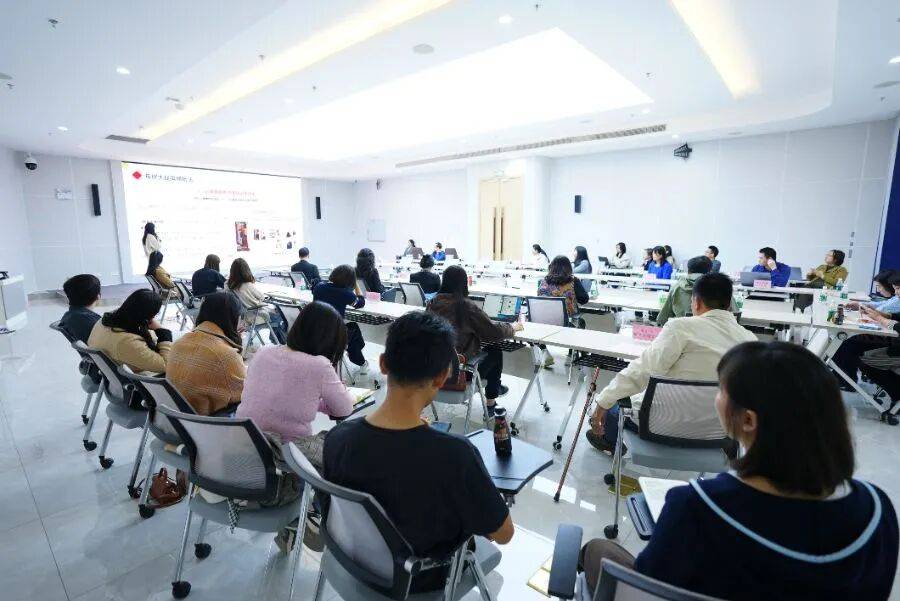
"第一步,立人设;第二步,设变现周期;第三步,把公域流量转化为私域流量。"2月6日下午,一场干货满满的企业新媒体实 战课在广东(佛山)软件产业园上演。 培训活动现场。 今年1月,为深入贯彻中央经济工作会议"坚持内需主导,建设强大国内市场"的要求,切实帮助企业拓市场、促销售,广东启 动"广货行天下"行动,推动优质广货跨越山海、行销全国。"中国家电之都"佛山成为首发站,广东家电企业纷纷发力新媒体直 播带货,政企平台协同为广货引流,让新媒体成为撬动消费流量、链接全国市场的重要入口。 乘着这股东风,在春节消费黄金期即将到来之际,佛山市委网信办指导佛山企业新媒体联盟开展春季沙龙活动,聚焦"广货行天 下·E企惠万家"主题开展交流,3位在新媒体服务、电商服务、网络安全方面经验丰富的专家现场解读政策,分享实战方法,并 提供资源链接服务。互动环节,20余位企业代表抢麦不断,现场颇为热闹,直观反映出佛山企业布局新媒体、借力拓市场的迫 切需求与积极态势。 PART 01 新媒体或成 "广货"出圈出海硬通货 数字时代,"广货"如何才能真正"行得通""行得远"?靠什么去穿透市场的噪音,连接全国消费者、打动全球采购商? 从嘉宾们的分享来 ...
数码家电行业周度市场观察-20260207
Ai Rui Zi Xun· 2026-02-07 08:42
Investment Rating - The report does not explicitly provide an investment rating for the industry Core Insights - The digital home appliance industry is experiencing significant transformations driven by AI integration and evolving consumer demands. Major brands are focusing on technological innovation and global expansion to enhance their market positions [18][22]. Industry Trends - AI advertising has become a hot topic at CES 2026, showcasing the deep integration of technology and advertising, with major companies like Disney and Amazon leveraging AI to optimize ad effectiveness [4][3]. - The competition among domestic internet giants in China is intensifying, particularly in the generative AI ecosystem, with Alibaba and ByteDance leading the charge [7][3]. - The emergence of GEO (Generative Engine Optimization) is reshaping how businesses influence AI responses, raising concerns about information manipulation and the need for regulatory measures [7][3]. - The physical AI sector is expected to see explosive growth in 2026, with trends including the commercialization of Robotaxis and humanoid robots, indicating a shift towards real-world applications of AI [9][3]. - AI agents are predicted to explode in popularity, with companies like Doubao and Qianwen focusing on differentiated services to capture market share [11][3]. - The AI smartphone market is evolving, with major players like Apple and Alibaba exploring new models that prioritize user experience and data privacy [12][3]. - The global AI industry is facing challenges related to commercialization and financial sustainability, as exemplified by OpenAI's struggles with profitability despite significant revenue [10][3]. Head Brand Dynamics - Suiyuan Technology has applied for an IPO on the Sci-Tech Innovation Board, aiming to raise 6 billion yuan for AI chip development, highlighting the growth potential in the domestic AI chip market [23][3]. - OpenAI is venturing into the hardware space with a new screenless AI product, reflecting a trend towards minimalistic design in AI interactions [24][3]. - ByteDance is expanding its hardware offerings, including AI recording devices, as part of a broader strategy to enhance its ecosystem and user engagement [25][3]. - Baichuan Intelligence launched a medical AI model that significantly reduces error rates, aiming to improve healthcare applications in China [26][3]. - Alibaba's Qianwen is accelerating its AI initiatives to compete in the consumer market, although it faces challenges in user acquisition and feature maturity [27][3]. - DJI is diversifying its product lines to address growth challenges in the consumer drone market, indicating a strategic shift in response to market saturation [28][3]. - Alibaba's chip design unit, Pingtouge, is restructuring for an IPO, which is seen as a crucial step in enhancing its AI capabilities [29][3].


